
Last updated: Apr 19, 2026
Pontiac homeowners face a recurring sequence of winter snow and ice stress followed by spring hail exposure, making storm-related roof assessments a practical priority in this market. The freeze-thaw cycle can push shingles, flashing, and underlayment to their limits, while later storms test loosened seams and damaged gutters. This isn't a theoretical risk-it's a recognizable rhythm that reshapes how roofs age and fail here.
The winter usually leaves a layer of ice dam risk on steep-slope roofs, especially on older homes with mixed roof ages and materials. When thaw begins, any hidden damage released by shifting ice or heavy snow becomes a trigger for leaks and interior exposure. Then spring hail storms arrive, often accompanied by gusty winds that lift edges and punch through weakened shingles. In this market, many storm-related roof projects start with active leaks or weather events rather than planned upgrades, and the urgency can drive rapid, emergency-oriented responses from local crews.
Cracked or missing shingles, lifted tabs, and obvious granule loss are common after spring hail, but the real tell is interior seepage that tracks along the attic framing or around skylights and chimneys. Look for staining on ceilings or dark patches on rafters. Ice-dam build-up during winter can mask moisture behind fascia boards and soffits; when spring rains arrive, those hidden pockets reveal themselves as damp insulation or mold risk. With older housing stock, flashing at valleys and roof-to-wall transitions often bears the brunt first, so check those seams carefully after any heavy freeze-thaw period or hail event.
Wet spring conditions in Pontiac can delay inspections and installation scheduling right when hail and wind damage claims begin to rise. Rainy stretch weeks slow roof evaluations, making it harder to pin down the full extent of damage after a storm. If a leak is present, the immediate priority is temporary containment to limit interior water intrusion. However, long-term repairs hinge on weather windows that allow shingle removal, underlayment replacement, and flashing restoration without new moisture infiltration.
If a storm hits, prioritize securing a rapid assessment from a contractor who understands the winter-to-spring risk pattern and can distinguish between temporary emergency fixes and long-term roofing needs. Document damage with photos across multiple angles, including attic view if accessible, and keep a written log of dates and weather events that coincide with leaks. When insurance is involved, ensure the contractor coordinates with adjusters to verify hail- and ice-related damage patterns-especially at flashing, valleys, and edge courses. Keep a flexible schedule for the follow-up work, recognizing that wet spring weather can push timelines, and that a clear, action-focused plan will reduce exposure to further damage and streamline the storm-damage-to-insurance cycle.
Asphalt shingles are the dominant practical choice for most homeowners in this area. They handle the freeze-thaw cycles in Oakland County well enough when installed correctly, and they're generally the easiest to repair after spring hail or winter leaks. In summer, heat and UV exposure can shorten service life, especially if a roof has already been stressed by multiple winters. If you choose asphalt, prioritize a higher-quality fiberglass or polymer-modified shingle with a decent warranty and a stout nailing pattern. A strong valley and ridge seal helps resist wind uplift on those windy spring days. Regular inspections after thaw cycles and after hail events pay off, because early detection of loose granules or minor shingle damage prevents bigger leaks when the snow piles up again.
Metal roofing is particularly relevant locally because heavier snow loads and ice dams test roof integrity each winter. A metal system with durable flashing, closely spaced fasteners, and good seam design can outperform asphalt in snow-prone seasons. Look for metal that uses corrosion-resistant coatings and non-penetrating fasteners in critical zones like ridges and eaves. Metal shines in spring and summer, where its flashing tends to stay tight and its impact resistance helps after hail events. If you're weighing metal, consider the true flashing details and the roof's fall risk-steeper pitches shed snow more predictably, but even there, proper underlayment and secondary containment become crucial in late winter thaws. Maintenance involves periodic inspection of seams, fasteners, and flashing, especially after storms.
Tile and wood options exist in the market but are far less common among active contractors. Clay or concrete tile can provide excellent durability and fire resistance, and cedar or synthetic wood shingles offer distinctive curb appeal. However, expect a narrower installer pool and longer lead times for projects, plus more careful attention to underlayment and ventilation. In winter, tile requires a precise substrate and careful leak testing; improper installation increases risk of crack damage from freeze-thaw cycles. Wood shingles or shakes can be susceptible to moisture take-up and rapid deterioration if ventilation and dryness aren't balanced. If you're considering these, interview several experienced local installers who can show recent projects and provide a realistic maintenance plan for Pontiac's seasonal shifts.
Your climate demands a roof that can handle rapid switches between freezing nights and summery heat. Favor systems with a solid underlayment, effective ventilation, and well-sealed penetrations for vents, pipes, and skylights. In colder months, attention to ice-dam prevention is crucial: proper insulation at the attic level, a continuous drip edge, and properly placed attic baffles help maintain a cold roof plane that reduces meltwater on eaves. For hail-prone springs, choose a system with a tough surface or impact-resistant profile, and ensure the installer uses a rigorous nail-sleeve approach to resist wind uplift on exposed ridges. If you anticipate storm-driven insurance work after heavy hail or ice events, plan for a contractor who can document damage accurately, handle temporary repairs promptly, and coordinate with insurance adjusters to facilitate timely repairs and proper documentation.
In practice, Asphalt shingles offer a balanced A-to-Z approach for Pontiac's mix of aging homes and modern upgrades. Metal roofing appeals when snow load, ice shedding, and long-term flashing performance are top priorities. Tile and wood are viable for unique architecture or specific aesthetic goals, but expect a tighter installer ecosystem and longer timelines. Whichever you choose, the right installation details and proactive maintenance matter most to withstand winter and spring challenges and to navigate the storm-damage-to-insurance cycle that can arise after severe weather.
Typical Pontiac pricing runs about $350 to $550 per square for asphalt shingles, $700 to $1000 for metal, $1000 to $1800 for clay tile, $800 to $1500 for concrete tile, $700 to $1300 for wood shingles or shakes, and $450 to $800 for synthetic or composite shingles. These ranges reflect the local market where older homes meet newer storm and insulation needs, and where steep-slope re-roofing often drives the initial project scope. When you speak with contractors, confirm the measured square footage and the roof's complexity-skylights, chimneys, and dormers can push the cost up quickly.
Pontiac replacement timing is concentrated from spring through early fall, so weather backlogs after wet springs or hail events can tighten contractor availability and affect pricing momentum. If a storm or harsh winter created moisture issues, the crew may need to stage decking and underlayment work earlier in the season to avoid delays. Plan ahead for the shoulder months if your calendar allows; this can help lock in crews before peak demand hits and reduce the chance of premium weather-related surcharges.
Costs in Pontiac can move upward when older homes need more decking repair after winter moisture intrusion or when permit review requires added material compliance notes for less-common roof systems. Storms can uncover hidden rot at eaves or along ridge boards, especially on houses with late-20th-century construction where decking was not fully upgraded. Have a trusted contractor perform a cautious pre-inspection of visible substrate and waterproofing, so you're not surprised by upgrade needs once the old shingles come off.
Asphalt shingles remain the most economical and commonly chosen option for many Pontiac homes, but spring hail and freeze-thaw cycles can influence a shift toward more durable metals or tile choices on high-wind or long-lived homes. Clay and concrete tiles offer excellent longevity but demand a stronger structural baseline and higher upfront costs. If the roof structure is older, upgrading underlayment and attic ventilation during the replacement can improve long-term performance and comfort, particularly in milder springs and hot summers.
Because pricing momentum can move after a harsh winter or hail event, you may see contractors provide time-limited promotions or phased financing options. If your insurer is involved due to storm-related damage, use the window of response to secure a clear scope of work before work begins, to prevent scope creep from unexpected decking or flashing needs.

Performance Roofing & Siding Pontiac
(734) 259-7464 performanceroofsystems.net
33 N Saginaw St, Pontiac, Michigan
4.9 from 127 reviews
Performance Roofing and Siding in Pontiac, MI is your premier roofing and siding company serving Pontiac and the surrounding areas. With a lifetime labor and material warranty and a 50-year workmanship warranty, you can trust that our experienced professionals will provide a hassle-free exterior installation. Locally owned and operated, we are committed to providing you with the highest quality materials and superior customer service, including easy online scheduling through our website.
Grennan Construction
(248) 694-8780 grennanconstruction.com
917 Orchard Lake Rd, Pontiac, Michigan
4.7 from 240 reviews
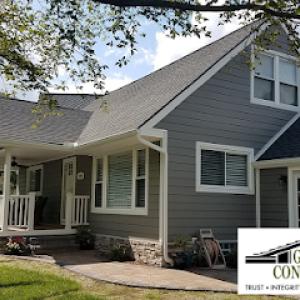
Grennan Construction is a trusted, family-owned exterior remodeling contractor based in Pontiac, Michigan, proudly serving Oakland County and the surrounding areas. Specializing in residential roofing, siding, and gutters, we deliver high-quality craftsmanship with honest, customer-first service. Unlike typical contractors, we take a consultative, education-based approach — guiding homeowners through every step of the remodeling process, from the initial inspection and estimate to the final project walk-through. Our goal is to help you make confident, informed decisions and ensure your home improvement project is done the right way, the first time.
Arnold Roofing & Construction
(248) 634-0189 www.arnoldroofing.com
207 W Walton Blvd, Pontiac, Michigan
4.7 from 90 reviews
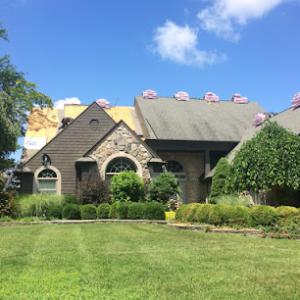
At Arnold Roofing, we believe your roof is an important part of your home. However, age and neglect can be more than unsightly. A damaged roof can lead to bigger problems like leaks, critter invasion, and more costly in-home repairs. If your shingles are showing signs of wear or you can't recall the last time your roof was replaced, give us a call. We provide free inspections, estimates, and financing!
Roof One
(248) 301-0472 www.roofonemichigan.com
275 S Telegraph Rd, Pontiac, Michigan
4.6 from 154 reviews
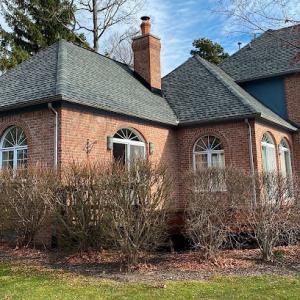
Roof One has been serving homeowners across the greater Detroit area with excellence for more than 35 years. As a family-owned and locally operated company, we specialize in roof repairs and replacements, each new roof backed by our 25-Year Craftsmanship Warranty. But what truly sets us apart is our dedication to the customer experience. From your first call to project completion, we focus on clear communication, careful attention, and reliable follow-through—defining what we call The Roof One Experience. Trusted by thousands of Detroit homeowners, we take pride in protecting your home and your peace of mind. Contact us today to schedule your free estimate.

Price Roofing Services
(248) 334-1024 priceroofingservices.com
113 N Cass Ave, Pontiac, Michigan
4.9 from 15 reviews
Price Roofing Services is your go-to expert for residential and commercial roofing services in Oakland County, MI. We specialize in roof installation, repair, and maintenance, ensuring your property is protected with high-quality materials and exceptional workmanship. Our dedicated team is committed to customer satisfaction, providing reliable and affordable roofing solutions tailored to your needs. Whether you need a new roof for your home or repairs for your business or home, trust Price Roofing Services to deliver top-notch results. Contact us today to learn more about our comprehensive roofing services.
Lions Roofing
30 E Yale Ave, Pontiac, Michigan
5.0 from 5 reviews
Commercial & Residential Roofing
Energy Shield
(248) 332-2910 www.energyshield.net
138 W Pike St, Pontiac, Michigan
4.8 from 9 reviews
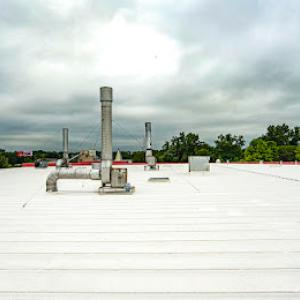
Silicone Roof Coating Contractor. Spray Foam Roofing Contractor. Commercial flat roof repair, and restoration. Metal, EPDM, Tar, TPO roofing restoration experts. 45 years in business.
Newton Crane Roofing
(248) 639-7871 www.roofertroymi.com
Pontiac, Michigan
4.1 from 9 reviews
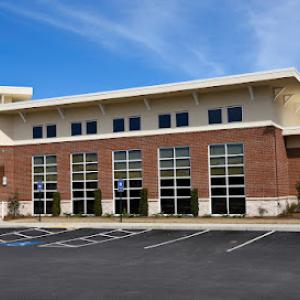
Newton Crane Roofing, Inc wants the opportunity to serve as your preferred roofing contractor. We specialize in helping with flat roofs for commercial and industrial clients, and we're fully insured for our clients' peace of mind. When our roofers arrive at your property, you can expect a professional approach to the job at hand. We'll provide you with a detailed estimate that accurately reflects the work you'll receive from us.

Bloomfield Construction & Restoration
(248) 333-3987 www.bloomfieldconstruction.com
Serving
5.0 from 174 reviews
At Bloomfield Construction & Restoration, we’re your local experts for all things roofing, siding, and home exterior remodeling. From fixing storm or water damage to cleaning up after fire and smoke, we’ve been helping homeowners and businesses for over 30 years. Our team works hand-in-hand with your insurance company so you can relax while we restore your property safely, efficiently, and with care. Whatever your project or emergency, we make sure it’s done right the first time.
Mitten Home Company
(734) 210-0185 www.mittenhomecompany.com
Serving
4.9 from 49 reviews
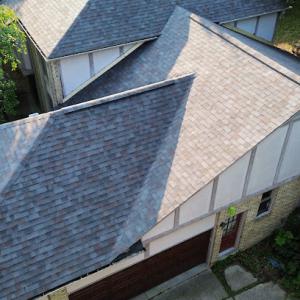
A Southeast Michigan Home Improvement Company specializing in roofing, decking, and flooring.
Guns&Hoses Roofing
(248) 681-3789 www.gunsandhosesroofing.com
Serving
5.0 from 35 reviews
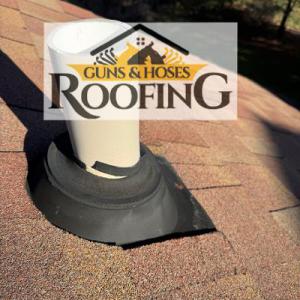
Look at our photos on here all of them are examples of roofs needing repaired. If your roof looks like our photos posted then you need roof repairs! Our photos are all photographed by us on actual roofs that need repairing to show you roof issues. We specialize in roofing repairs only not complete roof replacement. Call us when you have roof issues and a new roof costing thousands of dollars is not in the budget. We do your basic roof repair like fix roof leaks, missing shingle repair, chimney flashing issues, vent issues, pipe stack boot repairs, flat roof repairs. All roofs require maintenance new and old roofs. If you have roof issues or have a aging roof get it inspected today by us the #1 company in roofing repairs Guns&Hoses Roofing.
Dependable Roofer
(248) 646-7663 www.dependableroofer.com
Serving
5.0 from 8 reviews
Dependable Roofer Specializes in Shingle Roof Replacement and Repair For Homeowners & Apartment Building Owners in Southeast Michigan
A full roof replacement in Pontiac typically requires a building permit through the City of Pontiac Building Department. This ensures that the work meets local codes, weather-related considerations, and the town's approach to storm damage repairs after harsh winters and spring hail. The permit process is designed to verify the plan is appropriate for the structure and climate, including how a new roof will perform under freeze-thaw cycles and potential hail impact. Because of Pontiac's housing mix and older roofs, this permit step helps catch specifics like attic ventilation, chimney flashing, and eave drainage before disturbing the old deck or decking materials.
Contractors generally submit plans and permit applications to the city, with approval timelines ranging from a few days to a couple of weeks depending on department workload. The submittal typically includes roof replacement details, material choices, and an outline of the work sequence. In a market where storm damage and insurance-driven work are common, plans may also need to address temporary protections during construction and provisions for addressing any pre-existing leaks or structural concerns uncovered during removal. It helps to have a clear communication path with the contractor so that what is drawn on paper matches what will be installed, especially when steep-slope areas or older joists are involved.
Pontiac commonly uses rough-in and final inspections for roofing work, and the department may request compliance notes for certain materials before permit issuance. Rough-in inspections verify critical steps such as eave overhangs, ventilation, and underlayment installation before the roof decking is fully concealed. Final inspections confirm everything is completed to code and that weatherproofing details-such as flashing around chimneys, skylights, and walls-are secure. If the chosen materials include products with special installation requirements, the city may request compliance notes or manufacturer documentation to demonstrate proper adherence to standards. This extra layer helps safeguard against leaks during the thaw cycles and potential hail impact that can stress older roofs.
To minimize delays, gather your contractor's documented scope, material specs, and any architectural details that influence flashing and edge treatments. Expect the city to want a clear set of elevations and roof penetrations, especially in neighborhoods with tree density or substrate variations. Since cold winters, spring hail events, and insurance-driven work shape Pontiac's repair rhythm, align the permit timeline with anticipated storm activity. Keeping the paperwork organized and coordinating timelines between rough-in and final inspections reduces rework and keeps the project on track, protecting the home through the next season's freeze-thaw cycles.
Winter freezes, spring hail, and sudden storms shape how roofs in this area are seen by adjusters and insurers. Hail strikes can micro-damage shingles you can't see from the ground, and fierce wind can lift edges or loosen flashing. Even when homeowners coverage is available, the way a claim unfolds hinges on how severe a season feels to the carrier and how visible the damage presents itself. The result can be a multi-step process where urgency from a leak meets a careful, sometimes slow, review of what's actually damaged versus what looks worn from years of exposure. Being prepared for that cadence helps you avoid being surprised by delays or partial denials that still leave you responsible for essential repairs.
In Pontiac, prior claims history and visible maintenance issues can influence adjuster response and settlement talks. If a roof already shows significant wear or recent repairs, an adjuster may interpret current damage differently than a brand-new installation would. That makes documentation critical: photos taken after storms, notes on attic moisture or condensation, and a simple record of maintenance like missing shingle granules or damaged flashing. A claim can turn on the contrast between pre-storm condition and post-storm findings, so gather evidence that tells a straightforward story about what changed, when, and how it affects the roof's ability to shed water and resist wind.
Claim timing can vary locally when adjusters and suppliers are less familiar with non-asphalt systems such as tile or metal roofs used on a smaller share of Pontiac homes. Tile and metal systems can present different failure patterns and require specialized assessments. Expect a longer initial evaluation window if the roof is not asphalt, and be prepared for questions about fasteners, underlayment, and compatibility with existing decking. This is not a sign of trouble, just a reality of how widely those materials are represented in the neighborhood and how adjusters prioritize unfamiliar configurations.
When hail or high winds strike, document every sign of damage, including gaps at flashing and attic stains, even if the surface looks fine at first glance. If leaks appear, address them promptly to minimize interior damage while you line up a professional inspection. Coordinate with a reputable local roofer who understands how these claims tend to flow in this climate and can provide written assessments that you can share with the adjuster. Clear, consistent communication through the process reduces the chance of misunderstandings about what needs replacement versus repair and helps keep the claim moving toward a fair, durable resolution.
Connect with contractors who help homeowners navigate the claims process from damage assessment to final approval.

Performance Roofing & Siding Pontiac
(734) 259-7464 performanceroofsystems.net
33 N Saginaw St, Pontiac, Michigan
4.9 from 127 reviews
Roof One
(248) 301-0472 www.roofonemichigan.com
275 S Telegraph Rd, Pontiac, Michigan
4.6 from 154 reviews
Bloomfield Construction & Restoration
(248) 333-3987 www.bloomfieldconstruction.com
Serving
5.0 from 174 reviews
In Pontiac, the old-wood and aging decking projects often reveal themselves after repeated freeze-thaw cycles. When moisture from winter seeps into seams, gaps, and board joints, it can move from surface moisture to structural deterioration beneath. The outcome isn't just a drooping board or a squeak; deterioration can compromise attic ventilation and create hidden pathways for more water to travel, especially around softened or warped decking. Keeping an eye on decking integrity during the late-winter checks is essential, because the most subtle signs now can become larger problems once the thaw begins.
Seasonal stress concentrates around penetrations rather than on field shingles alone. Local contractor signals show notable chimney and skylight activity, which aligns with common leak tracing patterns around roof penetrations. Flashings at these points are frequently the first to show weaknesses after winter moisture exposure. If flashing corners pull back, sealant softens, or metal flashings pull away from the joints, water can track inward along rafter tails and into attic spaces. The result is a leak that looks like it's coming from the ceiling, yet originates at a roof penetration or the joint where two materials meet.
Freeze-thaw cycling in this climate can widen small flashing and penetration defects into active interior leaks by late winter or early spring. What began as a dry stain or a dripping vent may escalate after a few weeks of repeated freezes and thaws. Have outdoor inspections focus on valleys, step-flashings, and the caulk around penetrations after heavy storms or warm snaps. If a leak appears during a thaw, it's a strong signal that the underlying seal or flashing needs attention before another round of cold weather returns.
When inspecting, prioritize roof penetrations, chimney-to-roof joints, and skylight flanges rather than assuming shingles alone are the culprit. Look for dark stains on rafters in the attic, damp plywood edges, and any signs of new rust or corrosion on metal flashings. If you observe recurring moisture near penetrations or new interior staining after a freeze-thaw cycle, plan a targeted flashing repair or replacement of the compromised components, and consider upgrading surrounding deck portions to reduce future intrusion.
Prepare for a cautious response window in late winter to early spring. Keep gutters clear of ice dam debris and ensure attic insulation is sufficient to slow heat loss that fuels interior condensation. When a contractor begins work, expect that addressing the leak may require more than shingle replacement, extending to decking, flashing, and penetrations around vents, chimneys, and skylights. A measured approach now helps prevent repeating damage in another harsh season.
Find contractors experienced in skylight installation, flashing, and leak repairs to bring natural light into your home.
Grennan Construction
(248) 694-8780 grennanconstruction.com
917 Orchard Lake Rd, Pontiac, Michigan
4.7 from 240 reviews
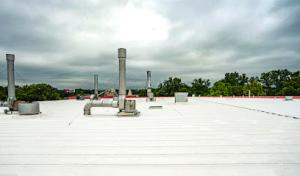
For Pontiac, the wet spring pattern makes drainage performance on low-slope roof areas especially important. These sections often sit behind additions, porches, or attached garages, where water can pool and linger. Install or confirm proper slope and terminate drains clearly, with scuppers or internal drains that carry water away without backing up into living spaces. Ensure drip edges and edge metal are intact, and that parapet walls or transitions to steeper roofs shed water efficiently. Regularly clear debris from gutters and downspouts so splash and overflow don't threaten underlying deck or insulation.
Low-slope sections in Pontiac frequently become the first trouble spots during snowmelt and rain overlap, even when the main house roof still looks serviceable. Pay attention to fasteners, flashing around penetrations, and membrane seams. If a flat or nearly flat porch or garage roof uses rolled or single-ply material, look for blisters, punctures, or seam failures after freeze-thaw cycles. Address issues promptly to avoid widespread damage that can creep under insulation or into framing.
Create a simple seasonal check routine focused on those low-slope areas. After the last freeze of winter, inspect for pooled water near the edge details and at transitions to steeper roofs. In spring, verify that new drainage paths aren't being blocked by ivy, debris, or seasonal plant growth. When inspecting, note unusual soft spots or edge deterioration that might indicate moisture intrusion behind roofing membrane or underlayment.
Garage roofs are a common target for storm damage and hail in this market. Check the interface where the garage roof meets the home and around dormers or flat additions. The goal is to keep water moving away from fasteners and seams while maintaining a dry, dry-in ready surface for potential repairs. If a garage roof shares a wall or fascia with a living space, treat any observed leaks as urgent and map potential path routes for water intrusion.
Find specialists in TPO, EPDM, and built-up flat roofing systems for residential and commercial properties.
Grennan Construction
(248) 694-8780 grennanconstruction.com
917 Orchard Lake Rd, Pontiac, Michigan
4.7 from 240 reviews
Energy Shield
(248) 332-2910 www.energyshield.net
138 W Pike St, Pontiac, Michigan
4.8 from 9 reviews
Pontiac homeowners hire heavily for re-roofing rather than niche new-construction work, so look for crews that handle tear-off, cleanup, and fast scheduling. In this market, disruption control matters as much as the roof system itself. When you call a contractor, ask how they stage the job, what debris containment they use, and how they minimize street dust and mess. Validate their teardown method, disposal certificates, and whether they offer portable toilets or spill containment if the work sits long enough to matter.
The local climate makes winter ice and spring hail common triggers for storms. Screen for crews with clear plans for storm response, temporary protection against leaks, and expedited cleanup after a wind event. A dependable crew will outline how they protect landscaping, downspouts, and delicate siding during a tear-off in late winter or early spring. Confirm they have a rapid-response protocol for weather alerts and a plan to shield interior spaces from freeze-thaw cycles between steps.
Long-established and family-owned contractors are a meaningful share of the market. Check how long the business has been around, who can vouch for them, and whether they maintain a local shop and employee base. Local tenure often correlates with consistent communication and problem-solving after the job is done. Look for a track record of Pontiac-area projects, and ask for contacts from neighbors who completed storm-related repairs in the past few seasons.
Because cleanup and scheduling speed matter, obtain a detailed written project timeline and a defined cleanup protocol. You want a firm that names a concrete start date, a daily progress plan, and a final inspection with debris removal as part of the contract. If a storm-related delay occurs, ask how they handle re-sequencing and catch-up work. Insist on a spill-free cleanup that includes trash containment and the removal of all tear-off material from the property.
Finally, prioritize transparency in communication. You will benefit from a contractor who provides a single point of contact, explains tear-off waste handling, and follows up after the job to confirm no leaks or stray shingles remain. In Pontiac, a contractor's responsiveness can make or break the storm-damage-to-insurance cycle, so verify they document every step with photos and written notes shared promptly. Seek references from Pontiac neighbors who navigated storm claims, and verify they understand how to coordinate with insurance adjusters during high-stress periods.