
Last updated: Apr 19, 2026
Bloomfield Hills has cold, snowy winters, making ice dam prevention a first-order issue rather than a secondary maintenance concern. Long eaves, expansive valleys, dormers, and attached garage transitions common to the area's large, steep homes create multiple choke points where snowmelt can back up and refreeze. Each of these features concentrates water at fascia lines and along roof abutments, risking interior leaks, stained ceilings, and costly interior damage when storms swing back with rapid temperature swings or heavy precipitation.
In homes with long eaves and multiple roof planes, a single ice dam can propagate along the eave, undercutting shingles and forcing meltwater into attic spaces or into walls. Valleys accumulate banked snow that melts slowly, then refreezes at the cold eave edge. Dormers interrupt continuous roof surfaces, creating shade and reduced solar drying that keeps snow and ice in contact with roof decking longer. The attached garage transition often forms a hidden dam area where heat loss from the garage or adjacent living spaces accelerates melting and refreezing cycles. In every case, the result is a cascade of freeze-thaw points that repeatedly trap water.
Heavy tree cover is common here and dramatically reduces winter sun exposure. Shade-laden roof sections dry slower, allowing snow to linger and refreeze along shaded slopes. Over time, that slow drying builds thick ice sheets that spall shingles and push water under flashing. If a tree limb breaks or a storm knocks branches loose, it can add further weight and disrupt ventilation pathways, compounding the damming problem during a thaw cycle. The net effect is a persistently damp roof surface in shaded zones, even after nearby sections dry out.
Attic insulation must be thick enough to keep heat from migrating up into the roof sheathes, especially above valleys and dormers. R-values that minimize heat transfer stop snowmelt at the roof line rather than pushing it toward sensitive areas. Continuous soffit and ridge venting helps maintain a cold roof deck, reducing the chance that heat from living spaces drives early melting. Seal gaps around penetrations, plumbing stacks, and skylights to prevent warm air from leaking into the roof assembly. For homes with complex rooflines, consider enhanced venting at attic eaves and at the base of dormers to maintain a consistent roof temperature.
Regular, careful removal of snow from critical sections is essential when a storm blankets the area. Use a roof rake with a long handle to pull snow from eaves and from beneath overhangs without stepping onto precarious surfaces. Avoid chiseling ice dams from below; instead, focus on diminishing the damming blocks from above by clearing the eaves and ensuring good drainage paths. Maintain clear gutters, downspouts, and openings at transitions to direct meltwater away from foundations and interior walls. Keep walkways clear and use de-icing strategies around transitions to prevent falls that could compound internal damage risk.
When a storm ends and the sun returns, monitor the roof for stalled meltwater. If you notice a bulging ice dam forming against flashing or under shingle edges, treat it as an urgent warning. Blocked drainage can overflow into soffits and into interior cavities, producing leaks that may not be apparent until heavy rain or additional snowfall arrives. Engage a professional roofer promptly for an assessment of flashing integrity, damaged shingles, or compromised attic ventilation after a freeze event. Quick, targeted repairs during the calm after a storm protect premium roof materials and preserve the home's structural integrity.
Spring hail and summer wind events are part of the landscape for this area's distinctive, high-value homes. Large, steeply pitched roofs on wooded lots catch storms differently than nearby suburbs, and that can mean rapid onset of damage that papered over by small surface issues becomes a bigger claim once moisture, granule loss, or wind-driven debris expose underlayment and fasteners. When hail robs shingle integrity or wind rips at edges, the roof isn't just aging-it's tested in real time by Michigan's unpredictable storms. Quick identification matters because insurers scrutinize how storm-driven results differ from normal wear on premium materials and expansive roof areas.
Carriers here routinely inspect roof age, prior damage, and whether a replacement aligns with code or manufacturer guidance. For homes built with expensive materials or with large roof footprints, the line between storm damage and age-accelerated wear becomes a key decision point. Expect questions about hail patterns, shingle granule loss, and any naked substrate exposure. A solid response requires precise documentation: dates of storms, photos capturing both the overall roof and close-ups of impacted zones, and any signs of prior repairs. Having a clear narrative that links material performance to a recent weather event can accelerate a fair evaluation.
Adjusters want photo documentation, material specifications, and contractor estimates, especially when distinguishing storm damage from age-related wear. In this market, a well-documented sequence-before and after storm imagery, named products, and a detailed replacement plan-can sway outcomes. If possible, arrange a post-storm roof walk with your adjuster present, highlighting dented metal flashings, lifted shingles, or ice dam indicators that align with wind-driven or hail exposure. For premium roofs, being precise about specific product lines, installation methods, and warranty terms helps anchors the claim in verifiable facts rather than impression.
Immediate tarping of exposed areas after a storm buys time and reduces interior risk, a practical move given the heavy snow load considerations that compound winter vulnerabilities. Coordinate with a local, reputable contractor who understands both the architecture of high-end homes and the way premium materials respond to Michigan weather. Request a written scope that includes weatherized underlayment and fastener corrosion resistance when premiums are on the line. In this market, timely, professional documentation and responsive communication often determine not just a successful claim, but the longevity of a roof that withstands Bloomfield Hills' seasonal extremes.
Find local contractors experienced in assessing and restoring roofs after hail, wind, and severe weather events.
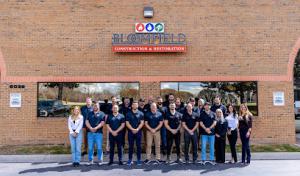
Bloomfield Construction & Restoration
(248) 333-3987 www.bloomfieldconstruction.com
2035 Franklin Rd, Bloomfield Hills, Michigan
5.0 from 174 reviews
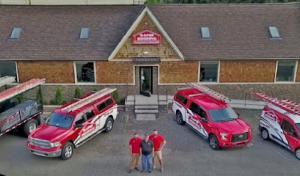
Rapid Roofing
(248) 621-5864 rapidroofing.com
51 W Long Lake Rd, Bloomfield Hills, Michigan
4.8 from 73 reviews
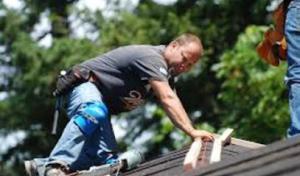

Bloomfield Construction & Restoration
(248) 333-3987 www.bloomfieldconstruction.com
2035 Franklin Rd, Bloomfield Hills, Michigan
5.0 from 174 reviews
At Bloomfield Construction & Restoration, we’re your local experts for all things roofing, siding, and home exterior remodeling. From fixing storm or water damage to cleaning up after fire and smoke, we’ve been helping homeowners and businesses for over 30 years. Our team works hand-in-hand with your insurance company so you can relax while we restore your property safely, efficiently, and with care. Whatever your project or emergency, we make sure it’s done right the first time.

Rapid Roofing
(248) 621-5864 rapidroofing.com
51 W Long Lake Rd, Bloomfield Hills, Michigan
4.8 from 73 reviews
Rapid Roofing: Bloomfield Hills' Trusted Roofing Professionals Serving Bloomfield Hills, MI, and surrounding areas, Rapid Roofing is dedicated to providing top-quality roofing solutions with a focus on customer care. Known for reliability and exceptional craftsmanship, we ensure every project meets the highest industry standards. We offer personalized services tailored to your specific needs. We prioritize transparent communication, keeping you informed throughout the process. Our skilled professionals use the latest techniques and industry knowledge to tackle any roofing challenge efficiently. Your satisfaction is our primary goal. Contact us today to safeguard and enhance your home with our top-tier roofing services.
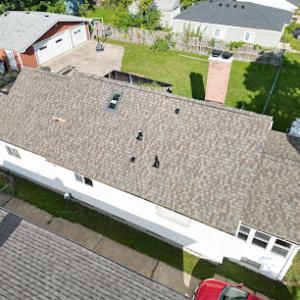
Complete Home & Building Maintenance
(248) 773-2314 completehomeonline.com
Serving
4.8 from 48 reviews
We are a contractor working out of Hazel Park, MI and surrounding communities. We are a top rated construction service provider, and from the first nail to the final creative touches our contractor and crew will turn your home into a modern, unique, and comfortable place to live. We offer general contracting, roof replacement, concrete flatwork, stamped concrete and much more.
Grennan Construction
(248) 694-8780 grennanconstruction.com
Serving
4.7 from 240 reviews
Grennan Construction is a trusted, family-owned exterior remodeling contractor based in Pontiac, Michigan, proudly serving Oakland County and the surrounding areas. Specializing in residential roofing, siding, and gutters, we deliver high-quality craftsmanship with honest, customer-first service. Unlike typical contractors, we take a consultative, education-based approach — guiding homeowners through every step of the remodeling process, from the initial inspection and estimate to the final project walk-through. Our goal is to help you make confident, informed decisions and ensure your home improvement project is done the right way, the first time.
Guns&Hoses Roofing
(248) 681-3789 www.gunsandhosesroofing.com
Serving
5.0 from 35 reviews
Look at our photos on here all of them are examples of roofs needing repaired. If your roof looks like our photos posted then you need roof repairs! Our photos are all photographed by us on actual roofs that need repairing to show you roof issues. We specialize in roofing repairs only not complete roof replacement. Call us when you have roof issues and a new roof costing thousands of dollars is not in the budget. We do your basic roof repair like fix roof leaks, missing shingle repair, chimney flashing issues, vent issues, pipe stack boot repairs, flat roof repairs. All roofs require maintenance new and old roofs. If you have roof issues or have a aging roof get it inspected today by us the #1 company in roofing repairs Guns&Hoses Roofing.

Performance Roofing & Siding Pontiac
(734) 259-7464 performanceroofsystems.net
Serving
4.9 from 127 reviews
Performance Roofing and Siding in Pontiac, MI is your premier roofing and siding company serving Pontiac and the surrounding areas. With a lifetime labor and material warranty and a 50-year workmanship warranty, you can trust that our experienced professionals will provide a hassle-free exterior installation. Locally owned and operated, we are committed to providing you with the highest quality materials and superior customer service, including easy online scheduling through our website.
EverNew Roofing
(248) 218-9009 evernewroofing.com
Serving
5.0 from 27 reviews
EverNew Roofing keeps Metro Detroit homes safe, dry, and looking sharp with expert roof replacement, rejuvenation, and repair. As a licensed & insured division of Bloomfield Home Improvement (MI Builder License #262400526), we pair 25-plus years of craftsmanship with modern materials that stand up to Michigan’s weather. Whether you need a full tear-off, a budget-friendly refresh to extend shingle life, or a fast leak fix, our team delivers transparent quotes, clear communication, and workmanship warranties that give lasting peace of mind. Schedule a free roof assessment today and discover why homeowners across Oakland, Macomb, and Wayne Counties trust EverNew to protect their biggest investment.
S.A. Construction
Serving
4.9 from 16 reviews
Roofing, Siding and Custom Trim Installation
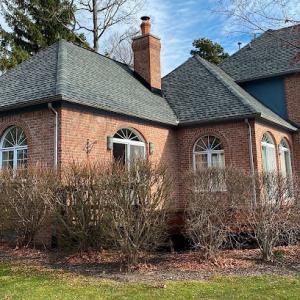
Roof One
(248) 301-0472 www.roofonemichigan.com
Serving
4.6 from 154 reviews
Roof One has been serving homeowners across the greater Detroit area with excellence for more than 35 years. As a family-owned and locally operated company, we specialize in roof repairs and replacements, each new roof backed by our 25-Year Craftsmanship Warranty. But what truly sets us apart is our dedication to the customer experience. From your first call to project completion, we focus on clear communication, careful attention, and reliable follow-through—defining what we call The Roof One Experience. Trusted by thousands of Detroit homeowners, we take pride in protecting your home and your peace of mind. Contact us today to schedule your free estimate.
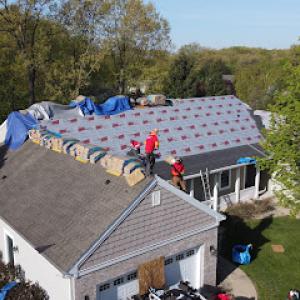
Mills Siding & Roofing
(248) 453-2056 millssidingandroofing.com
Serving
4.8 from 1574 reviews
Mills Siding and Roofing has been trusted by homeowners and businesses since 1946, completing over 100,000 roofs with a 4.9-star rating and thousands of glowing reviews on Google. Headquartered in Detroit, MI, with regional offices across Michigan and Ohio, we specialize in residential, multi-family, and commercial roofing. Whether it's storm damage, a new installation, or an upgrade, we offer expert insurance assistance, direct payment, and flexible financing options. Fully licensed, insured, and certified, Mills delivers top-tier service, helping you choose the perfect shingles and ensure long-lasting protection. Book a free consultation today and see why so many trust Mills for their roofing needs!
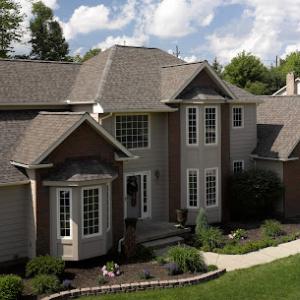
Dependable Roofer
(248) 646-7663 www.dependableroofer.com
Serving
5.0 from 8 reviews
Dependable Roofer Specializes in Shingle Roof Replacement and Repair For Homeowners & Apartment Building Owners in Southeast Michigan

Homey Roofing
Serving
5.0 from 82 reviews
Homey Roofing is on a mission to serve the communities residential and commercial roofing needs. Our goal is to provide you with the best quality service. All while adhering to our company values of dedication to the customer, integrity in all workmanship, and honesty in all estimates. We aim to be your number one contractor in the Detroit Metropolitan area.
Bloomfield Hills hosts an unusually broad mix of premium roofing materials in active use, including asphalt shingles, metal, clay tile, concrete tile, synthetic/composite, and slate. That variety matters when winter arrives, because each material handles snow load, ice dam risk, and storm impact differently. A steep-pitched roof with complex detailing can create shaded pockets where snow lingers, increasing ice dam potential if the wrong flashing or underlayment choices accompany the surface. In practice, this means your material choice should align not only with curb appeal but with how a roof sheds snow, how flashing integrates with dormers and valleys, and how well the structure can carry concentrated snow loads on long rakes and overhangs.
Steep pitches are common here, and the balance between performance and appearance becomes a practical constraint. Metal roofs shed snow aggressively and excel in ice-dam resistance if installed with proper attic ventilation and a continuous, watertight seam approach. Clay and concrete tiles provide distinctive character and strong durability, but their weight and the need for precise underlayment and battens demand a structurally sound deck and careful flashing at hips, ridges, and transitions. Synthetic/composite shingles offer near-metal performance in a lighter package, yet their edge detailing and wind uplift characteristics must be matched with an attic venting plan that prevents warm-room drafts from melting upper snow layers. Slate delivers classic prestige and excellent longevity, but its weight and installation sensitivity to substrate conditions mean that the roof's supporting structure and gypsum board joints in the attic must be evaluated before committing to intricate layouts.
Large, irregular rooflines with multiple dormers, Gables, and skylights are not merely cosmetic - they drive flashing complexity. For ice-dam prevention, the combination of valleys, step flashing along vertical edges, and coped chimney interfaces must be continuous and compatible with the chosen surface. Metal roofs can simplify drainage at these intersections when integrated with a snow-shedding plan, but they require scrutinized fastener patterns and compatible sealants to avoid leaks at fastener penetrations in winter. Tile and slate demand meticulous flashing at all transitions, with compatibility in sealing materials and backer rods to avoid cold-weather cracking. If a designer synthetic surface is chosen for detail-driven elevations, ensure that its edge profiles and ridge caps cooperate with surrounding flashing to avoid edge ice dams in shaded zones.
Premium materials routinely deliver higher performance in Bloomfield Hills' climate, but long-term success hinges on a roof system that considers snow loading, attic insulation, and ventilation. A high-value home benefits from a thoughtfully integrated system: continuous water and ice shield in critical zones, properly sized drip edges to guide meltwater away from fascias, and a deck that can accommodate heavier tile or slate if that's the selected look. A steep, intricate roof requires a design that prioritizes reliable drainage paths, so the appearance remains intact after heavy storms without compromising the structural envelope. In short, material selection should reflect both the visual statement and the practical demands of winter exposure, ensuring that snow shedding, flashing integrity, and structural compatibility work together to protect the investment.
For asphalt shingles, expect prices between 350 and 750 USD per square. Metal roofing lands between 750 and 1200 USD per square. Clay tile runs 1000 to 1700 USD per square, while concrete tile sits from 900 to 1500 USD per square. Synthetic or composite shingles typically cost 500 to 900 USD per square, and slate rings in at 1500 to 3000 USD per square. These figures reflect the large footprints, steep slopes, and multi-level designs common in affluent Oakland County homes, where premium materials are frequently chosen for longevity and appearance.
Costs in Bloomfield Hills are often pushed upward by big roof footprints and steep, high-value construction. Multi-level roofs and complex transitions require more fasteners, more edge detailing, and longer install times. On a steep site, staging and safety measures add to labor hours, and premium materials chosen for aesthetic and performance-like slate or clay tile-come with higher material and handling costs. Because many homes sit on wooded lots, installers often bring extra care to ventilation detailing and ice dam mitigation, which can influence the overall pricing package.
Seasonal storm activity in Oakland County and winter installation slowdowns can impact labor availability and project timing. In peak winter months, crews may charge a premium to maintain a steady schedule or may need to stage work around weather windows. In spring and early fall, demand can surge as homeowners pursue upgrades after snow season or before harsh weather returns. When budgeting, households should expect potential price fluctuations tied to installation windows, crew availability, and the need for protective measures during heavy snows and freeze-thaw cycles.
Begin by mapping the roof's exact footprint and note all steep sections and transitions. Prioritize premium materials that balance performance with curb appeal, such as slate or clay tile, if the aesthetic aligns with the home style. Obtain a written scope that covers increased labor for steep pitches, enhanced ice dam protection, and any required underlayment or ventilation upgrades. Schedule windows should factor in potential winter slowdowns, with contingency for delayed start dates and adjusted timelines to minimize weather-related disruptions.
Get a clear picture of your project costs upfront - no commitment required.
A building permit is typically required in this city for a full roof replacement, and the contractor-or the homeowner if they are pursuing the project themselves-applies through the city building department. The permit ensures roofing work complies with local codes, fire safety, and structural requirements that are essential for steep, high-value homes on wooded lots. When applying, expect to provide a scope of work, project address, contractor license information, and details about the roofing materials and method. Submittals can include drainage plans or venting details if the roof is being altered in a way that affects attic or ventilation systems. Since many homes here feature complex angles and multiple roof lines, having precise plans and shingle layouts helps the review move smoothly.
Inspections are scheduled by the department during installation to verify that work progresses in accordance with the permit and code requirements, and again at final completion to confirm the job is fully compliant. The typical sequence involves an initial inspection after roofing removal and underlayment installation, followed by a final inspection after all finishwork, flashing, and venting are completed. For steep or architecturally varied roofs, inspectors pay particular attention to proper nailing patterns, underlayment seams, and snow-blocking or ice-dam mitigation measures. Plan for the possibility of a follow-up if adjustments are needed to address edge flashing, valley details, or skylight flashing, especially on higher-end homes with custom penetrations.
In the cold season, permit processing and inspection timing can be affected by winter conditions, which slow travel, on-site access, and material deliveries. Department backlog also tends to increase after significant storms, when storm-damaged roofs drive a surge of permit applications and rush inspections. If storm damage has occurred and a tear-off is being coordinated, it helps to communicate anticipated timelines early to the building department and the contractor. Having a clear schedule that accounts for potential weather delays, snow removal, and access to steep slopes can prevent a lapse in permits or missed inspection windows. For high-value, steep roofs, coordinating the permit and inspection plan with the contractor's crew lead and the local building office is especially prudent to minimize downtime between removal, underlayment, and finish installation.
The local climate features cold winters and warm summers that stress roofs in distinctive ways. Durable underlayment and solid ventilation aren't luxuries; they're critical for performance at eaves, valleys, and roof penetrations. In homes with heavy trees and high snow loads, good ventilation helps keep ice from forming at the eave line and reduces moisture buildup behind attic and roofing assemblies.
In steep, architecturally varied homes, attics and roof penetrations create challenge points where moisture can linger. Look at eaves, soffit-to-vent transitions, and valley intersections, where freeze-thaw cycles tend to push moisture into underlayment seams. If any area shows signs of condensation or attic heat loss, the ventilation strategy should be rebalanced to minimize warm-air buildup that accelerates ice dam risk and deck moisture.
Start with continuous soffit vents paired with ridge or high-cap exhaust vents to establish a consistent flow that reaches the upper roof near the peak. For valleys, ensure continuous venting beneath the underlayment with properly placed baffles to maintain airflow across complex geometry. Check penetrations-chimneys, plumbing vents, and skylines-and seal any gaps that interrupt air movement. Consider baffle adjustments or additional intake vents at the eaves to maintain balanced pressure during cold snaps and spring thaws.
Warm summer conditions influence deck moisture and the timing of asphalt shingle installation, so align ventilation improvements with installation schedules to avoid trapping moisture under new material. In winter, establish a clear pathway for air to reach the roof's underside, preventing condensation that can undermine underlayment performance at high-stress points like eaves and valleys. Regular inspections after heavy snows guarantee that ventilation pathways stay clear and effective during the most demanding seasons.
In this market, homes often feature steep slopes and intricate rooflines where skylights, chimneys, valleys, and intersecting planes meet. That complexity multiplies the chances of moisture finding a seam or transition to travel inward. A tile or shingle edge near a chimney, or a skylight framed into a valley, can look solid from the ground but hide slow leaks behind flashing that's stretched or tucked into tight corners. When snow sits on shaded patches or around large trees, those risk points can stay damp longer, increasing condensation and the likelihood of hidden damage behind trim, soffits, or interior ceilings.
Local contractor signals show meaningful demand for skylight work and chimney-related roofing coordination, reflecting how detailing in this market demands precision. A skylight isn't just a window; it's a rooftop junction that needs continuous alignment with flashing, chimney cricket or saddle, and the surrounding shingles. Improper sequencing during replacement or repair can leave mismatched seams that trap ice or debris. Likewise, chimneys with stacked materials, mortar joints, or kick-out flashing require careful integration with the roof plane to avoid a creeping moisture path along the base.
Snow, leaf debris, and shaded roof sections on wooded lots can make penetrations and transitions more vulnerable to moisture problems and harder to inspect. In winter, ice dam formation tends to concentrate at skylight curbs and chimney bases, pushing water sideways under flashing when soffits are cold and roof decks are congested with snow. Debris from foliage can clog scuppers or valleys, directing meltwater toward vulnerable seams. Regular, careful snow removal and periodic checks after storms help, but compromise in these areas often remains hidden until interior staining or mildew appears.
When assessing roofs with skylights or chimneys, prioritize close-up flashing condition, curb integrity, and flashing-to-shingle joints. Look for uneven mortar or sealant degradation at the chimney base, and confirm that kick-out flashing properly channels water away from the sidewall. For skylights, verify that the frame sits flush, the curb flashing is continuous, and that caulk or sealant around the unit remains flexible. If shingles near these features show curling, cupping, or lifted edges after storms, treat them as indicators warranting professional inspection rather than routine maintenance.
Find contractors experienced in skylight installation, flashing, and leak repairs to bring natural light into your home.
Even where the main roof is steep, Bloomfield Hills homes often include low-slope areas over additions, porches, garages, or rear sections that age differently from the primary roof. These pockets can catch debris, ice, and moisture in ways the main roof does not, so they require the same level of attention without assuming they'll behave like the steeper sections. Inspectors and experienced local crews frequently see these zones shed water differently, influencing long-term performance.
Snow retention and drainage management are especially important on low-slope sections during southeast Michigan winters and spring thaw periods. In these zones, meltwater can back up toward the flashing details and edge transitions, creating slow leaks or ice dams that propagate under the main roof line. Pay close attention to edge metal, parapet interfaces, and any transitions where a flat or near-flat plane meets a steeper slope. Regular clearing of snow from sleeper blocks, decks, or porch roofs helps reduce the risk of sudden load or moisture intrusion when warm spells arrive.
Local contractor signals show flat-roof specialization is active in this market, indicating homeowners regularly need help with these secondary roof sections. Look for pooled water after storms, soft spots at deck interfaces, or unusual staining around penetrations and vents. Deterioration at membrane seams, flashing laps, and termination bars is more likely on these hidden or dated surfaces. If you notice edge bowing, ponding, or persistent ice buildup along transitions, treat that as a warning flare, not a nuisance.
Coordinate a targeted inspection of any low-slope areas with a contractor who explicitly lists flat-roof or low-slope expertise. Ensure the plan includes all transitions from steep to flat, including porch ceilings and garage overheads. Prioritize maintenance snapshots after large storms or rapid thaw cycles, and request a detailed report on flashing integrity, waterproofing membranes, and drainage upgrades at these zones. Regular, proactive attention to these sections helps protect the overall roof system from winter and spring-driven stress.
Find specialists in TPO, EPDM, and built-up flat roofing systems for residential and commercial properties.
In this market, hail and wind events are not rare, and many homes carry high-value roofs with complex architectural features. Insurance outcomes hinge on documentation quality, so the clearer and more complete your file, the smoother the process. Helpful evidence includes dated photos that show damage across multiple elevations, close-ups of compromised fasteners or shingles, and context such as nearby trees or limb impact.
Adjusters will look at roof age, prior repairs, and whether replacement work would meet current code and performance expectations. Premium materials or partial matching issues can influence decisions, especially when a full roof overlay or color and texture mismatch might affect curb appeal or warranty coverage. Even with premium materials, wear patterns and the integrity of fasteners, flashings, and ice barriers matter for final assessments.
Homeowners should expect requests for detailed photos, material specs, and contractor estimates before decisions are finalized. Gather product data for each surface: shingle or tile type, underlayment, ice and water shield details, ventilation, and any ridge or eave protection. Include prior inspection notes if available and a log of storm events that coincided with the loss. In high-snow years, ice dam behavior, gutter condition, and attic condensation can become part of the claim conversation, especially on steep or high-value roofs.
Coordinate with a contractor experienced on premium, architecturally diverse homes. Have him or her provide a written scope, associated material specs, and a transparent estimate that ties to the observed damage. Photograph the attic and exterior elevations to document moisture, staining, or compression signs. Organize files so the insurer can quickly verify material compatibility, installation quality, and the likelihood of a proper, code-consistent repair or replacement.