
Last updated: Apr 19, 2026
Oak Park experiences cold winters with snow and ice, making ice damming and attic ventilation performance a primary roof concern. When the temperature swings, melted snow that refreezes at the eave creates a dam that pushes water under shingles and into the attic. In homes with older construction, heat loss from living spaces can drive warm attic air upward, accelerating ice dam formation. This is not just a nuisance-continuous ice damming invites interior leaks, warped decking, and accelerated shingle deterioration. In Southeast Michigan shoulder seasons, freeze-thaw cycles expose weak underlayment transitions and reveal soft or compromised decking during reroofing. If you notice any moisture staining near the eave after a thaw, treat it as a warning sign: the damming cycle is actively stressing the roof system.
Many Oak Park homes are older suburban houses with heat loss and aging ventilation layouts. Those dynamics create recurring eave-edge leak patterns that contractors frequently see after a harsh winter. The most common failure is water intrusion at the drip edge where ice dams form, combined with gaps in underlayment transitions that have aged unevenly. Venting becomes a decisive factor: insufficient attic ventilation traps warm air, intensifying snow melt on the upper roof while leaving the lower edge exposed. When soffit vents are blocked or soffit-to-ridge ventilation is imbalanced, the problem compounds, increasing the risk of decking rot and mold growth inside the attic. Recognize the signs early: damp ceiling spots, warped ceiling materials, and a persistent cold draft near attic access panels.
Addressing ice dam risk starts with cold-weather readiness. Ensure attic insulation is robust enough to keep living-space heat from warming the roof sheathing. Seal gaps around attic penetrations, including around light fixtures, vents, and chimneys, to minimize warm air leakage upward. Improve attic ventilation by confirming a clear path from soffits to the ridge, with no insulation blocking the intake. If the attic has square or turbine vents, verify they are not blocked by insulation and that multiple intake vents provide even airflow. Preventative maintenance is essential: clear roof debris from late fall to reduce heat absorption and water pooling, and install properly sized attic baffles where necessary to maintain airflow under the roof deck.
If you notice icicles forming along eaves, wet spots on the ceiling after a thaw, or suspected decking softness during a roof inspection, treat it as an urgent signal. Do not delay a professional assessment. A thorough inspection should confirm the integrity of underlayment transitions, flashing at valleys and penetrations, and the bonding of shingles with the roof deck. Expect specialists to probe for soft decking and to check for moisture intrusion behind fascia and trim. In Oak Park, each winter compounds aging conditions; the sooner a trusted contractor identifies compromised decking or flashing, the more you can limit interior damage and prevent repeated episodes.
During reroofing, emphasize continuous insulation and a complete, properly lapped underlayment system that prioritizes edge sealing and wind uplift resistance. Pay special attention to eave flashing and the drip edge, ensuring it extends under the underlayment and shingles to channel meltwater away safely. Ventilation improvements should accompany any retrofit, with careful placement of soffit intakes and ridge exhaust to encourage uniform airflow across the roof deck. If decking shows signs of prior water exposure, schedule targeted repairs and use decking-rated materials that withstand freeze-thaw stress. In this climate, small improvements in flashing detail and venting can dramatically reduce recurring ice dam damage and extend the life of the roof system.
In Oak Park, spring and early summer bring hail and severe storms that can punch through shingles and flashings, followed by fall wind events that tear at loose edges before winter icing begins. That pattern means a sudden spike in storm-driven damage is common, and the roof you rely on through Michigan winters will face repeated stress. The moment a storm rolls through, the risk is not distant-it's immediate, and the clock starts ticking for damage reporting and documentation.
After a wind or hail event, insurers and adjusters expect precise proof: measurements of roof area and clear photo documentation of damaged sections, flashing, and gutters. In practice, that means you should prioritize building a factual damage narrative as soon as it's safe. Photograph from multiple angles: the ridge line, hips and valleys, along with close-ups of damaged shingles, lifted edges, granule loss, and any interior signs of leaks on ceilings or attic spaces. Note visible displacement of flashing or shingles around chimneys and vents. If you can access the attic safely, capture light leaks through the decking and any signs of moisture or staining. Documentation should be chronological, dated, and tied to the specific weather event if possible.
Because storm activity can quickly increase claim volume across the Detroit metro, inspections and temporary repairs may be in high demand after regional weather events. That means you should not wait for a perfect sunny day to assess damage; plan a careful, staged approach as soon as conditions permit. Start with a cautious roof check only if you have the proper shoes, fall protection, and a partner to assist. If you're uncertain about safety, hire a licensed roofer or storm-damage contractor to perform a roof-to-attic inspection, including a close look at underlayment and flashing, which are scrutinized during claims reviews. Keep a running log of dates, the names of anyone who inspected, and any temporary measures taken.
Temporary repairs are often essential to prevent further water intrusion while a claim is processed. If you discover active leaks or exposed decking, cover the affected area with a water-shedding tarp or heavy-duty plastic secured firmly, and remove any standing water in the attic promptly. Document these temporary steps with photos and notes, then communicate quickly with your insurer and the contractor about expected timelines and next steps. This proactive, organized approach helps prevent claim delays and supports a smoother settlement process amid peak demand periods. Consider establishing a ready-to-activate file: the storm date, initial assessments, photos, measurements, and a list of vetted local professionals known to handle Oak Park and neighboring communities.
Find local contractors experienced in assessing and restoring roofs after hail, wind, and severe weather events.
Crown Contracting
(734) 427-3981 www.crowncontracting1952.com
Oak Park, Michigan
4.6 from 56 reviews


Bruttell Roofing
(248) 543-3040 bruttellroofing.com
10821 Capital St, Oak Park, Michigan
4.7 from 236 reviews
Bruttell Roofing has been servicing Metro Detroit for over 40 years. We are proud to be the preferred roofer of property managers, facility managers, building owners, churches, and community associations throughout the Metro Detroit area and across the state. We have always taken pride in the fact that we are a company capable of servicing the largest roofs in the state, yet small enough to give you the personal service you deserve. You can be reassured that we stand by our workmanship. Your stress and roof concerns end when you hire Bruttell Roofing.
Crown Contracting
(734) 427-3981 www.crowncontracting1952.com
Oak Park, Michigan
4.6 from 56 reviews
We are a leading source for quality exterior home renovation and new construction projects. Specializing in roofing and chimney services, we have nearly 66 years of experience in the industry. Our company has built a stellar reputation on providing:
Tittle Brothers Construction
(248) 639-7268 tittlebrothers.com
Serving
5.0 from 31 reviews
Roofing Contractor In Berkley, MI
Sargent Roofing
(800) 465-7460 www.sargentservices.net
Serving
4.9 from 37 reviews
Welcome to Sargent Roofing, your trusted experts in roof replacement, siding replacement, and gutter services across Southeast Michigan. We specialize in gutter cleaning and gutter guard installation, backed by our 25-Year No Clog Guarantee when you purchase our premium gutter guards—so you’ll never clean your gutters again! We also offer a 25-Year No Leak Guarantee for roofing, ensuring long-lasting protection for your home. We proudly serve Royal Oak, Ferndale, Birmingham, Southfield, Clawson, Troy, Bloomfield, and all of Southeast Michigan. At Sargent Roofing, we’re committed to delivering clear communication, exceptional service, and unmatched integrity in every project.
Murray Built Construction
(248) 541-4600 www.murraybuilt.com
Serving
4.5 from 20 reviews
Murray Built Construction is a renowned Berkley roofing provider catering to residential clients. We offer professional roof installation, efficient repair and maintenance, reliable siding replacement, and high-quality general construction work. Our contractors use only quality materials and advanced techniques to deliver durable and aesthetically pleasing results. Our qualified team brings a wealth of experience and expertise to every project, ensuring it is completed on time and within budget. But it's not just our skills that set us apart. We take pride in our open and honest communication, providing straightforward and transparent quotes without hidden fees.
Big Cat Roofing
(248) 709-3746 bigcatroofs.com
Serving
5.0 from 32 reviews
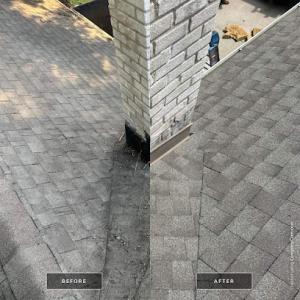
Big Cat Roofing is the leading roofing company in Eastpoint, MI and the surrounding area. We proudly offer roof repair, roof replacement, and more in Eastepoint, MI! Contact us for all your roof repair needs! The roof is one of the first lines of defense between your building and the elements. Make sure your roof is in the best shape possible by partnering with Big Cat Roofing. Our roofing contractors offer a variety of solutions in Eastpointe, MI and the surrounding areas. Whether you need to repair your residential roof or replace your commercial one, we’ve got you covered. Call our licensed and insured roofing company today to get started.
Tresnak Roofing
(248) 435-4848 www.tresnakconstruction.com
Serving
4.8 from 260 reviews
Tresnak Roofing is a family owned, women led Royal Oak Roofing business. We have been a trusted roofing contractor serving the Detroit , Troy MI, Farmington Hills MI, and Warren MI areas for over 38 years. We specialize in roof replacements using SBS shingles and offer financing options to help make your project more affordable. We back our projects with up to a 25 year labor warranty. Our services also include vinyl siding replacement, gutter guard installation, or new seamless aluminum gutters. Contact us today for a free no-pressure estimate in person or via email. See why homeowners say we are one of the best roofers in metro Detroit!
Pro Home Improvement
Serving
4.6 from 332 reviews
Pro Home Improvement has proudly served Michigan and the Detroit Metro area with unparalleled expertise, integrity, and customer service since 2006. We utilize premium materials and products to ensure your home remains beautiful and reliable for decades to come. Our comprehensive expertise spans roofing, siding, windows, gutters, and insulation – all essential elements for protecting your home against Michigan's freezing winters, intense summer heat, and seasonal downpours. Contact us today for a free estimate from our experienced, friendly professionals.
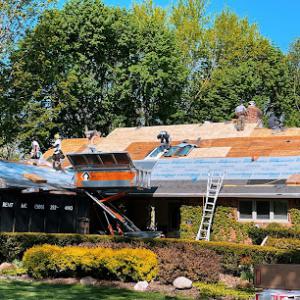
Eave Roofing
(248) 955-3258 www.eaveroofing.com
Serving
5.0 from 39 reviews
Quick quotes. Professional install. Financing available. Licensed and insured.

Homey Roofing
Serving
5.0 from 82 reviews
Homey Roofing is on a mission to serve the communities residential and commercial roofing needs. Our goal is to provide you with the best quality service. All while adhering to our company values of dedication to the customer, integrity in all workmanship, and honesty in all estimates. We aim to be your number one contractor in the Detroit Metropolitan area.

Troy Roofing Company
(248) 587-8250 www.roofingtroy.com
Serving
4.9 from 54 reviews
We at Troy Roofing Pros have the top certificates from the best roofing manufacturers within the roofing industry and we’re proud to become the lead roofing company in the entire Troy area of Michigan. We approach every roofing project from our clients with our utmost care and perfectly capable roofing crews with a plan to complete them without causing even the slightest mistakes or delays. As the lead roofing company around the Troy area, we cannot afford to make minor mistakes on our job that would put you in danger and ruin our reputation at the same time. Our experience over the years taught us perfectly to not make any minor mistakes as any inexperienced roofing company meant to do inevitably.

Lighthouse Exteriors
(248) 629-9260 www.lighthouseexteriors.com
Serving
4.7 from 491 reviews
Welcome to Lighthouse Exteriors, your trusted Michigan-based partner for high-quality home improvement services. As a faith-based company, we are dedicated to guiding homeowners through every step of their exterior renovation journey with integrity, craftsmanship, and care. We specialize in roof replacement, roof repair, storm damage restoration, and siding installation, using durable materials and expert techniques to ensure your home is protected and looks its best. In addition to roofing and siding, we also offer professional concrete contracting services, including the installation and repair of driveways, patios, walkways, and other hardscaping features.
In Oak Park, the reroof market is dominated by asphalt shingles, but the city also sees metal, tile, composite, and slate options that create a wide cost spread. Winter conditions drive higher costs when ice damming and freeze-thaw cycles reveal decking or underlayment needs, and storm-driven repair demand can tighten labor across the metro area. The age of many homes adds labor complexity around tear-off, chimney flashing transitions, and code-compliant venting updates during full replacement.
Asphalt remains the baseline in this neighborhood, balancing cost and ease of installation with reliable wind and precipitation performance. In Oak Park, expect a typical installed range around 350 to 650 dollars per square for standard 3-tab or architectural shingles. If the roof is taller, has complex transitions, or requires extra underlayment and improved venting to pass a typical inspection window, costs can push toward the higher end. The near-term maintenance story is favorable, but ice dam risk during severe winters means upgrading attic ventilation and a tight underlayment layer can be worth the extra initial investment to prevent recurring damage.
Metal offers a longer service life and better wind resistance, which matters with the area's storm activity. Installed costs commonly run from about 600 to 1,100 dollars per square, depending on profile (standing seam vs. exposed fastener), panel width, and roof complexity. In older homes, the edge detail around dormers and transitions to masonry chimneys adds labor time. If metal is chosen after winter damage exposes decking flaws, the price can rise further for repairs and protective underlayment, but the payoff is lower long-term risk of freeze-thaw cracking and ice dam continuation.
Clay tile brings a distinctive look and durable weather performance, but it adds weight and rigidity that require structural evaluation. Oak Park homes with existing structural limitations may see higher install costs, typically in the 900 to 1,700 dollars per square range. The cost spread reflects roof geometry and the need for careful flashing around chimney and vent stacks. Tile installations encounter more challenging tear-offs when reroofing a deck that has suffered freeze-thaw damage or where old flashing transitions need updating to comply with newer venting layouts.
Concrete tile sits between clay and synthetic options in cost, offering robust hail resistance and a longer life. Expect roughly 850 to 1,600 dollars per square installed. The bigger labor swing in Oak Park comes from transitions at parapets, chimneys, and eave details, where older homes demand meticulous flashing changes. When winter reveals moisture intrusion or decking concerns, concrete tile projects may require additional decking repair or replacement, which can lift the overall price.
Composite shingles provide a versatile balance of weight, resistance, and cost, often appealing to retrofiters seeking better wind performance. Oak Park projects typically run from about 500 to 900 dollars per square. If the home has intricate rooflines or becomes a focal point for storm damage repairs, the price can rise due to patching underlayment and flashings tailored to the existing structure. Seasonal demand can tighten labor, especially when storm activity spikes across the metro region.
Slate delivers long life and a premium aesthetic, but it comes with high installation complexity. In Oak Park, slate projects commonly fall in the 1,000 to 2,100 dollars per square range. The hefty labor component reflects precise slate fitting, detailed flashing around chimneys, and careful venting updates to meet modern performance standards. When underlying decking has suffered from repeated freeze-thaw cycles, additional structural work may be required, pushing costs higher and extending project timelines.
In this city, reroofing is treated as more than a cosmetic refresh. Permits are the rule for most full roof replacements, and the process is designed to catch issues that could trigger ice dam trouble, wind uplift, or premature failure in the freezes that roll through winter. Planning ahead matters because the code-driven checks focus on underlayment, flashing, venting, and how the roof resists uplift during storms. A rushed job that skips plan review can result in costly rework and delays once inspectors notice gaps between what was promised and what's installed.
Before any shingles come off, you must submit a detailed plan for review. The city wants to see the exact layering, anchoring points, and venting strategy. Contractors should show material types, ice and water shield placement, and how flashing around chimneys, valleys, and walls is intended to be integrated with the existing structure. In Oak Park, the insistence on a coherent plan is not a courtesy but a formal prerequisite to moving forward. If the submission lacks clarity or omits crucial details, expect requests for revisions that push the schedule and create a tight window for weather-dependent work.
Inspections happen at multiple milestones, not just at the end. The first phase confirms that the approved underlayment and flashing approach is being installed correctly, and that the venting layout aligns with attic space and soffit intake. Concealed components-underlayment details and flashing connections-must be visible to the inspector at the right stage. That means the timing of interior access and exterior work must be coordinated carefully. A delayed inspection or a missed interim check can stall the project and leave weather exposure unaddressed longer than necessary. After the final walkthrough, inspectors verify that wind uplift protection, flashing terminations, and overall drainage meet the established standards. Any mismatch between what was approved and what's installed can trigger rework and reinspection.
Winter conditions amplify the stakes. Ice dam risk grows when underlayment and flashing details aren't solidly in place and documented in the record, because the review focuses on how those concealed components perform under freeze-thaw cycles. Plan the sequence so exterior work exposes necessary flashing for inspection before closing up walls and caps. Coordinate with the city early to avoid a backlog that leaves a roof half-open during a thaw or a storm. Communication with the contractor and the inspector is the best hedge against delays and costly noncompliance.
Asphalt shingles are the dominant fit for Oak Park's housing stock and price expectations, making them the baseline comparison for most homeowners. The material balances familiar aesthetics with straightforward installation and dependable performance through midwestern winters. For a home that already has a standard gable or low-slope roof, asphalt provides a predictable upgrade path against seasonal freeze-thaw cycles, especially when paired with solid underlayment and properly sealed flashing. In this setting, they're easiest to repair after a December ice dam or a spring wind event, and the color choices help match the suburban streetscapes that define many Oak Park neighborhoods.
Heavier materials such as clay tile, concrete tile, and slate are present in the market but are less typical choices for mainstream suburban homes and require closer structural and cost scrutiny. Clay and concrete tiles demand a sturdy roof deck and careful attention to wind uplift, especially on exposed ridgelines or end walls. In climates with significant freeze-thaw cycles, the risk of cracking under pressure from ice buildup or deep snow increases, and the installation details must address drainage, attic ventilation, and roof-to-wall transitions. Slate delivers exceptional longevity, yet its weight and fragility when subjected to sudden temperature shifts can complicate repairs after heavy storms. For Oak Park homeowners, these options should be weighed against the existing structural capacity and the long-term maintenance implications.
Metal roofing and synthetic/composite shingles appeal to Oak Park owners looking for durability against snow, ice, and wind while avoiding the weight and cost profile of natural slate or tile. Metal panels perform well under freeze-thaw stress when installed with proper underlayment, continuous flashings, and well-sealed penetrations. Synthetic or composite shingles can mimic the look of traditional materials while offering lighter weight, better impact resistance, and a faster installation process. These options often provide a practical middle ground for homeowners seeking resilience against winter weather without stepping up to the heavier, more expensive tile or slate routes. In tight Oak Park taxonomies of homes, this blend often offers the best balance between performance under winter conditions and ease of repair after storm-driven damage.
In Oak Park, inspections zero in on the flashing around chimneys, skylights, valleys, and transitions between roof planes. A leak-prone transition can trump a technically solid shingle choice, so the quality of the metal, sealant, and step flashing matters more than the brand of shingles alone. When planning any roof work, demand a detailed flashing plan that covers all penetrations and potential ice dam zones. Make sure flashing is integrated with underlayment and venting so moisture can't find a path into the attic.
The local contractor market shows meaningful demand for skylight work and flat-roof service. Many Oak Park homes or additions require attention at penetrations and low-slope sections. If a skylight curb or flashing shows signs of dry rot, condensation, or poor seal, address it before shingle wear accelerates. For any flat or low-slope area, ensure proper drainage, accompanying decking, and a reliable drip edge. Even small failures here can create a sequence of leaks that draw attention away from nearby shingles.
Freeze-thaw exposure in Southeast Michigan accelerates failure at skylight curbs, porch roofs, garage tie-ins, and other transition details before field shingles wear out. Pay attention to expansion joints, fastener integrity, and vertical-to-horizontal transitions. At every repair or retrofit, verify that transitions remain watertight through a Michigan winter. Proactively addressing these weak points reduces the risk of ice dam-related leaks that start at the margins of skylights and low-slope sections.
Schedule seasonal inspections focusing on flashing integrity, sealant condition, and drainage at transitions. After heavy snows or thaw cycles, recheck all penetrations and flat areas for standing moisture or ice bridge formation. A proactive approach here saves more invasive work later and keeps the roof performing through multiple Michigan winters.
Find specialists in TPO, EPDM, and built-up flat roofing systems for residential and commercial properties.
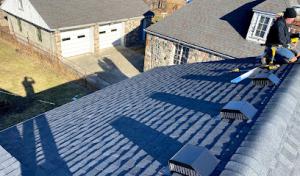
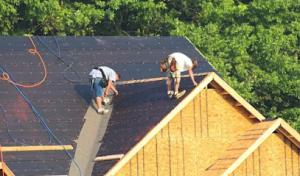
This Michigan environment brings hail and wind events that can shape claim activity, even when coverage stays broadly stable. In practice, Oak Park homeowners may notice seasonal spikes after severe storms, with carriers adjusting their responses based on the event's intensity and duration. A calm claim history can change quickly after a big wind or hail day, so understanding how your coverage tends to react helps you prepare.
Carrier response after regional storms can vary, so keep dated photos, measurement records, and repair invoices ready long before a filing decision is needed. A practical system is to store a storm diary, labeled timestamps on photos, and clearly dated invoices for any temporary repairs. When a claim arrives, this organized record helps speed up the review and reduces back-and-forth with the adjuster.
Adjusters may request documentation supporting storm causation, so separate sudden storm damage evidence from older wear, winter deterioration, or deferred maintenance. In Oak Park, freeze-thaw cycles, ice damming, and wind-driven impacts can blur the line between what happened during a storm and what deteriorated over time. Have clear photos of vent flashes, flashing alignment, and fascia along with dated repair notes that specifically tie issues to a recent event rather than aging or neglect.
When you file, offer a concise timeline: the date of the storm, observed damage, immediate actions taken, and subsequent repairs. Include any contractor assessments that attribute damage to a specific storm event. The more you can substantiate causation with contemporaneous evidence, the smoother the interaction with adjusters tends to be and the faster you can reach a fair settlement.