
Last updated: Apr 19, 2026
In this market, hail and wind claims are common enough that documentation, contractor estimates, and photo evidence routinely shape roofing decisions. You are living in a climate where a single hail event can spark multiple homeowner claims and drive rapid decisions from insurers who expect solid proof of damage and a clear timeline for replacement. The best path is to gather comprehensive before-and-after photos, keep a dated record of any hail marks, and secure written estimates from trusted local roofers who know how to document wind- and hail-related wear. What seems obvious to a homeowner-shingle bruising or fascia dents-can be dismissed by an adjuster if there's no corroborating photos or a professional assessment. Start stacking evidence as soon as the sky clears, because the insurer's scrutiny tightens quickly after severe weather passes.
Spring storms bring a rhythm that drives inspections and replacement planning. Hail debris can be invisible from ground level, and the season's heavy precipitation can mask early signs of deterioration until problems become urgent. The leading trigger for a claim is often sudden roof damage that shows up as granule loss, cracked shingles, or dented metal flashings. Because these issues degrade roof performance in freeze-thaw cycles, timely evaluation matters. If a hail event occurs, treat it as a potential trigger for a full or partial re-roof only after a professional assessment confirms sustained damage rather than cosmetic shingle wear. Early evaluation helps prevent a cascade of leaks that complicates both repair and insurance timelines later.
Summer thunderstorms and wind can delay work, making claim timelines feel like a race against the calendar. Work often stalls when rain is imminent or when crews are forced to pause for safety. In practice, that means you may need to coordinate temporary protection-tarping exposed areas, securing loose gutters, and managing interior risk-while awaiting contractor availability and favorable conditions. This delay pressure isn't just inconvenient; it can affect the recovery of your home's structure and the durability of any temporary fixes. Plan with your contractor for staged work windows that maximize dry stretches, and designate a clear point of contact to adjust the schedule if a sudden storm rolls in. The goal is to maintain weather-protected, insured integrity without letting a temporary measure become a longer-term compromise.
The best claims management relies on three pillars: a thorough on-site assessment, precise documentation, and a line-of-sight estimate from a reputable local roofer who understands the neighborhood housing stock. Expect a contractor to inspect shingles, flashing, underlayment, and ventilation as part of a full re-roof evaluation, particularly if the last replacement was many years prior or if the roof shows signs of freeze-thaw stress. When presenting to the insurer, include a detailed scope of work, a color and shingle type match plan, and a staged replacement schedule that aligns with weather windows. Insurers often seek a transparent, apples-to-apples comparison; a contractor who can produce a side-by-side material and installation plan helps keep the claim moving forward without unnecessary delays.
If hail damage is confirmed, prioritize a plan that minimizes exposure to advancing weather and maximizes long-term performance. Protect vulnerable areas during the interim, and maintain a line of communication with both the insurer and the contractor about any changing weather forecasts. A timely, well-documented process reduces the risk of cost-shifting or coverage disputes and supports a smoother transition from claim approval to a completed roof that withstands the Twin Cities climate. In this corridor of rapid weather shifts and driven insurance decisions, decisive action paired with solid evidence becomes the homeowner's strongest ally.
Find local contractors experienced in assessing and restoring roofs after hail, wind, and severe weather events.
Earth Friendly Builders
(651) 661-2929 myearthfriendlybuilders.com
6175 Cahill Ave #103, Inver Grove Heights, Minnesota
4.7 from 48 reviews
Earth Friendly Builders
(651) 661-2929 myearthfriendlybuilders.com
6175 Cahill Ave #103, Inver Grove Heights, Minnesota
4.7 from 48 reviews
Earth Friendly Builders is a roofing company in Inner Groves Heights serving the Twin Cities. Combining years of experience with a dedication to client satisfaction, we have established ourselves as the local leader in Roofing Companies, Siding Services, and Gutter Services. As your most trusted Twin Cities roofing company, we give our roofing projects 100% of our attention and make sure the job is perfectly done. Contact your favorite roofers in Twin Cities today for a free estimate!
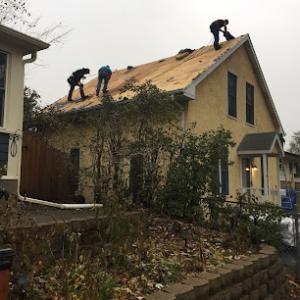
J&B Roofing
(651) 457-0391 www.jandbroofingmn.com
1244 90th St E, Inver Grove Heights, Minnesota
3.7 from 3 reviews
Saint Paul, Minneapolis Roofing, Siding, Gutters Company. Over 25 years of trusted experience helping families with their homes exterior needs. Emergency and Storm Damage services available. 651-457-0391
LPS Trusted Roofing
2800 60th St E, Inver Grove Heights, Minnesota
5.0 from 1 review
We are local Roofing Contractors in the city of Inver Grove Heights

Referred Restoration
(763) 878-8756 www.referredrestoration.com
Serving
5.0 from 8 reviews
Referred Restoration in Cottage Grove, MN provides expert roof replacement services tailored to local homeowners. With Minnesota’s harsh winters, heavy snow, and spring storms, roofs in the area face unique challenges that demand durable solutions. Our team specializes in replacing worn or storm-damaged roofing, ensuring your home stays protected year-round. We focus on quality workmanship and reliable service to extend the life and performance of your roof. Homeowners across Cottage Grove trust Referred Restoration as experienced roofers dedicated to professionalism and long-lasting results.

Anchor Roofing & Exteriors
(612) 363-7443 www.anchorroofingmn.com
Serving
5.0 from 100 reviews
Anchor Roofing & Exteriors provides expert residential roofing, siding, gutters, and storm damage repair services to South St. Paul and the Twin Cities metro area. With over 20 years of experience, we are fully licensed and insured, A+ rated by the BBB, and certified by top brands including GAF, Owens Corning, and Brava Roof Tile. From roof replacements to exterior upgrades, homeowners trust our craftsmanship, clear communication, and high-performance solutions to keep their homes protected and looking their best.
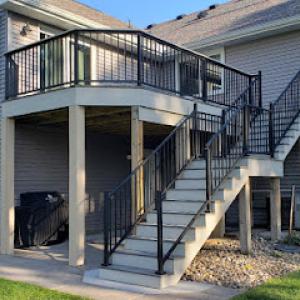
Supreme Contracting
(651) 349-7663 www.supremecontracting.com
Serving
5.0 from 23 reviews
Transform your living space with Supreme Contracting, where excellence meets creativity. We are your local contractor, dedicated to providing unparalleled craftsmanship and unwavering customer care since 2005. From awe-inspiring roofs and stylish siding to custom-built decks, porches, and storm and water damage restoration, our team of seasoned professionals is at your service. With a keen eye for detail and a commitment to excellence, each project is approached as a unique masterpiece, ensuring your home reflects your vision and becomes a source of lasting satisfaction. So, call us or go to our website TODAY to schedule your free consultation!!!
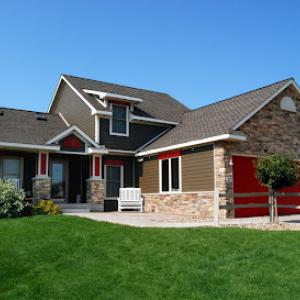
Action Roofing & Siding
(651) 300-0049 actionroofing.net
Serving
4.9 from 50 reviews
Action Roofing & Siding is a full-service general remodeling contractor specializing in exterior systems including roofing, siding, windows and doors. We also provide a range of interior remodeling services including carpentry, painting and drywall repair. Additionally, we work with a select group of quality subcontractors for performing specialty work such as electrical, plumbing and concrete services.
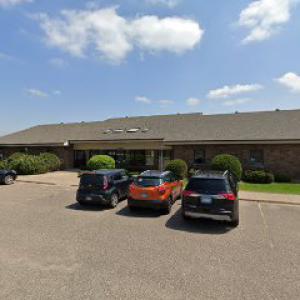
Mnsota Construction
(651) 968-2005 mnsotaconstruction.com
Serving
5.0 from 69 reviews
MNSOTA CONSTRUCTION was founded with a vision to provide homeowners with a sense of peace and assurance during the aftermath of a storm. At MNSOTA CONSTRUCTION, we are committed to supporting homeowners through every step of the process, ensuring that they receive high-quality services and peace of mind every step of the way.
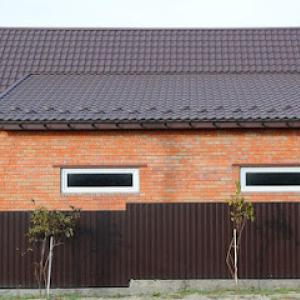
Harry Gorman
(612) 772-3546 www.cedarshakespecialist.com
Serving
4.8 from 48 reviews
Harry Gorman provides roof repair, roof cleaning, leak repair, painting, and roof coatings to the Eagan, MN area.

Northern Exteriors MN
(651) 230-5103 northernexteriorsmn.com
Serving
4.9 from 59 reviews
Northern Exteriors - A trusted roofing contractor and siding contractor since 2001. Specializing in outstanding roofing and siding solutions, ensuring durability and curb appeal. As hail claim experts, we streamline the process, making it hassle-free. Exceptional service, top-tier craftsmanship, and an A+ BBB rating attest to our commitment to excellence. When searching for reliable roofing companies near me, look no further. Experience matters. Our roofing and siding crews have been part of our company family for over 18 years. You can trust them to bring care, craftsmanship, and pride to every job—just like they would for their own homes.
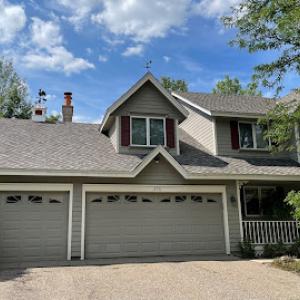
SPS Contracting
(612) 702-8083 www.farmingtonroofingcompany.com
Serving
5.0 from 125 reviews
When you plan your project with SPS contracting you’re working directly with the owner Shae and he is also hands on each and every step. At SPS we take pride in handling every step in the process from the original drawing to the final nail. Shae and his team work hard to make every customer feel like they’re number one…..because to Shae and SPS each customers satisfaction is number one priority. I really enjoy guiding a project through the various step required for successful completion. From simple repairs to total roof replacements to complete remodels I’m always excited to problem solve for the clients I’m working with.
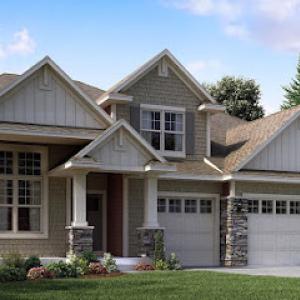
Archcraft Exteriors | South St. Paul
(651) 493-4156 goarchcraft.com
Serving
5.0 from 243 reviews
Archcraft Exteriors, established in 2019 and located in South St. Paul, Minnesota, is your one-stop solution for enhancing the vitality of your property's exterior. As a distinguished roofing and siding contractor, Archcraft Exteriors offers a full spectrum of services, specializing in comprehensive roofing, siding, window installation, and storm damage restoration. Their unwavering commitment to quality and durability will ensure your property emerges as a radiant beacon within your neighborhood.
The best replacement window in Inver Grove Heights is primarily late spring through early fall because cold-weather installation conditions and winter snow complicate tear-offs and sealing. That weather pattern minimizes the risk of ice dams forming during the project and helps sealants cure properly. Winter work is rarely ideal: frozen underlayment, brittle shingles, and short daylight hours slow progress and raise the risk of mis-seals. If a project can start in late spring, it tends to finish more predictably, with fewer weather-induced delays.
Seasonal temperature swings in this area directly affect shingle installation conditions, so timing matters more here than in milder climates. In spring, shifting temps can cause adhesives to set unevenly if installation happens on abruptly warming days. In fall, rapid cooling at night can hinder sealers and cause gripping challenges as materials contract. Mid-summer heat is manageable, but intense temperature spikes paired with humidity can complicate attic ventilation checks and flashing work. Plan so the most critical sealing work happens during stable, moderate conditions.
Warm summers can support production, but thunderstorm delays are a recurring local scheduling issue during peak roofing season. Local crews often encounter afternoon storm windows that push tear-offs into the next morning, increasing labor days and driveway space needs. Storm-related humidity can also affect the performance of sealants and underlayment, so coordinating with the crew about daily weather forecasts helps reduce surprises. Have a contingency plan for a few rain days, especially in late spring and midsummer.
When framing the replacement plan, pick a target window with at least two to three dry weeks stacked together. Early morning starts can beat afternoon storms and keep ventilation checks on track. Confirm that attic fans and soffit vents are prepared to handle the planned tear-off sequence, since proper ventilation is a permit-check factor in full re-roofs. If fall is chosen, aim to complete before the first hard frost to preserve seal integrity on every seam and flashing. Communicate with the contractor about backup dates that align with local weather patterns.
Insurance-driven timing often determines when work proceeds, especially after hail or severe winter damage. If a claim accelerates the timeline, request a staged schedule that prioritizes critical components first-like decking or flashing-while preserving proper sealing for later upgrades. Ensure the contractor sequences tear-off and decking replacement to prevent leaks during interim weather shifts. Keep a clear record of weather gaps and the corresponding work plans so you can align insurance milestones with the actual on-site progress, minimizing the chance of overlapping delays.
Winters here pack a punch with repeated freeze-thaw cycles that test roofing materials and their connections. Ice, reflection from sun on white blankets, and lingering moisture press against decking, flashing, and edge details. When water seeps into tiny gaps and then freezes, it expands, prying apart fasteners and sealants. In this climate, the failure often begins subtly: a shy drip at the edge, a loose shingle row, or a tiny crack in the underlayment that grows over multiple seasons. Those small vulnerabilities can become noticeable leaks after a heavy thaw or a late-season melt.
Decking boards and flashing are fighters that carry water from the roof to the gutters. Freeze-thaw wear concentrates stress at joints, penetrations, and transitions where two materials meet. In practice, that means gaps around vents, valleys, and chimney-to-roof interfaces. If decking has weakened under layers or if flashing isn't continuous and well-sealed, meltwater can find a path into the attic or ceiling. The edge details-the drip edge, fascia, and shingle overhangs-often reveal the first signs of trouble after a thaw when gravity and gravity-driven water take the easiest route.
Water management remains a practical concern after snowmelt and repeated thaw events. If drainage is sluggish or gutter systems are clogged, water may back up and seep toward vulnerable deck edges and penetrations. In renovations or re-roofs, attention to proper underlayment and flashing installation is essential because it aligns with assemblies that endure the snow and thaw cycle best. A well-ventilated attic space helps reduce condensation that can worsen edge rot and promote rust on metal details. Poor drainage combined with inadequate edge protection often shows up as moisture intrusion along eaves and wall lines once the snow has melted.
After a full-season cycle, a follow-up inspection focused on drainage paths is prudent. Water should shed cleanly off the roof and away from the foundation, with gutters and downspouts directing meltwater to appropriate dispersal points. During this inspection, check for signs of loose shingles at the eave, rusting flashings, and any seepage that appears at ceiling corners or along interior walls near exterior walls. Because this area experiences consistent melt-driven stress, real-world drainage verification helps catch problems before they become widespread leaks.
When planning a repair or replacement, consider how the roof assembly handles snow, ice, and thaw cycles. Prioritize secure flashing at all penetrations, continuous underlayment where appropriate, and an attention to ventilation that supports a dry attic. After snowmelt, perform a quick outdoor check for pooling water near downspouts and for any visible signs of edge or flashing distress. A proactive approach here reduces the chance of hidden damage turning into costly repairs during the next winter.
The housing stock around here shows a familiar lineup: asphalt shingles, metal roofing, clay tile, concrete tile, wood shingles or shakes, and synthetic or composite shingles. That blend reflects both practical performance and appealing curb appeal in this market. Asphalt remains a core local option, but metal, cedar-style products, tile, and synthetic alternatives are all common enough to warrant side-by-side consideration. You will see these options on new builds, re-roofs after a hail event, and on aging homes that want a material upgrade without a dramatic change to appearance.
In this climate, you must account for cold winters with heavy snow and warm summers with hail potential. Asphalt shingles handle freeze-thaw cycles well when installed with proper ventilation and flashing, but they can suffer hail-induced granule loss during severe storms. Metal roofing offers excellent hail resistance and fast snow shedding, yet it can be noisier and may require thoughtful insulation and underlayment. Clay and concrete tiles are durable and weather-resistant, but their weight demands adequate roof structure and precise flashing to manage freeze-thaw movement. Wood shingles or shakes provide a classic look but demand extra attention to moisture, rot, and fire resistance. Synthetic or composite shingles aim to blend the forgiving aspects of asphalt with greater impact resistance and a wider design palette. Each option responds differently to temperature swings, wind exposure, and the typical Minnesota hail pattern, so a practical assessment of your roof's orientation, shade, and eave drainage matters.
Asphalt shingles balance cost, ease of installation, and a broad warranty ecosystem, making them a common-sense choice for many Inver Grove Heights homes. Metal roofing brings longevity and strong hail performance, but it requires compatible underlayment and precise flashing around chimneys and roof valleys to prevent ice dams and leaks. Clay and concrete tiles excel in durability and resistance to impact, yet their heavier weight and more complex flashing details call for a structural evaluation and a careful re-roof design. Cedar-style products deliver a warm, natural look but demand attention to moisture management and potential insect exposure in shaded corners. Synthetic or composite shingles offer versatility in appearance with improved impact resistance and sometimes lighter weight, though long-term performance hinges on the specific formulation and installation quality. Your decision should weigh not just initial appearance, but how the material behaves after a typical hail season and through a few harsh winters.
When evaluating options, prioritize materials that align with your roof's ventilation, drainage, and flashing needs. The local expectation is a careful, science-driven approach to moisture management, where a well-ventilated attic, properly located soffit vents, and sound flashing details work in concert with the chosen material. If a re-roof is triggered by hail and insurance considerations, ensure the replacement plan optimizes both the roof's performance in freeze-thaw cycles and its capacity to shed snow efficiently, while maintaining an exterior look that suits your home's character.
Typical local pricing runs about $350 to $650 per square for asphalt shingles, $600 to $1100 for metal, $900 to $1500 for clay tile, $900 to $1400 for concrete tile, $500 to $900 for wood shingles or shakes, and $450 to $900 for synthetic or composite shingles. Inverter-friendly or vented systems can tilt costs a bit, especially on tighter lots where ventilation runs longer along existing eaves. For most homes here, asphalt shingles remain the baseline, with metal offering longer life and better wind resistance, and tile options pushing the budget when a full re-roof is warranted by hail or extensive freeze-thaw wear. When selecting materials, think about attic ventilation and flashing detail because those items drive long-term performance as much as the roof covering itself.
Storm-driven demand spikes in the Twin Cities market can push scheduling pressure and pricing upward after hail events, especially during the late spring through early fall replacement window. If a hail claim accelerates a replacement timeline, you may see crews booked weeks out, and some contractors price rush work higher given the compressed schedule and material availability. In practice, you'll want to map out a preferred contractor early after a hail event, then compare estimates that clearly itemize shingles, underlayment, flashing, and disposal costs. Be prepared for temporary price fluctuations if a storm inflates demand across neighboring neighborhoods.
Costs in Inver Grove Heights can also move based on permit requirements, inspection timing, and whether weather delays extend labor scheduling during thunderstorm season. When frost luses into spring, or heavy rains interrupt roof work, crews may charge for lost days or incremental crew mobilization, especially on larger or complex re-roofs. If a replacement window overlaps peak storm season, expect some contingency costs for expedited material delivery or additional crew hours. Planning ahead for a conservative schedule helps keep the project closer to the initial estimate and minimizes the risk of ripple pricing from back-to-back hail events in the metro area.
Set aside a weather contingency of 5-10% for unexpected delays or material shortages, particularly after a severe hail event. Compare invoices that separate labor, materials, disposal, and any required flashing or ventilation upgrades. Consider long-term value: higher upfront costs on metal or tile can pay off with better wind resistance and fewer reseals after freeze-thaw cycles. Choose a contractor who can demonstrate proper flashing interception and drainage details to meet the area's climate stresses.
Don't let upfront costs delay a critical repair - these contractors offer payment plans to fit your budget.

Slim & Trim Construction / STC Roofing
(952) 228-0006 www.slimandtrimconstruction.com
Serving
4.9 from 79 reviews

A building permit is typically required for a full re-roof in Inver Grove Heights through the City of Inver Grove Heights building department. Before any tearing off or new material goes on, you or your contractor should submit plans that reflect the proposed roof system and confirm compliance with local codes. The permit process helps ensure the work aligns with town standards for ventilation, flashing, and drainage, which are key in this climate.
Local plan review usually zeroes in on ventilation to prevent attic heat buildup and ice dam risk, proper flashing around chimneys and vents, and underlayment requirements that protect against Minnesota moisture and freeze-thaw cycles. Your contractor should coordinate with the plan reviewer to verify ridge vents, soffit intake, and attic baffles meet the city's expectations. Any deviations from standard decking or venting details may trigger an updated review, so expect a pause until approval is documented.
After completion, the city inspection verifies installation and drainage, including proper slope for runoff and the integrity of all flashing transitions. Scheduling can be affected by weather and permit office backlogs, so plan for potential delays during late winter and spring thaw periods. Ensure you have clear access for the inspector to verify attic ventilation, drip edge installation, and downspout connections. If adjustments are needed, the contractor should address them promptly to avoid delaying final release.
A dedicated note for homeowners: a smooth permit and inspection experience relies on early coordination with the building department and transparent communication with the roofing crew. The process can influence when the new roof becomes legally authorized and fully approved for long-term performance, tying directly into weather planning in Inver Grove Heights.
In this Minnesota market, insurers commonly expect thorough documentation when hail or wind damage is reported. You should prepare clear damage photos that show affected shingles, flashing, and any hail dents or granule loss, as well as photos of gutters, vents, and any visible exterior signs of impact. Including contractor estimates and supporting notes helps establish a credible timeline and scope for the claim. If you can, keep copies of prior roof condition photos to demonstrate pre-existing wear versus new damage.
Adjusters may request added inspection detail or moisture checks, so Inver Grove Heights homeowners benefit from documenting both exterior damage and any interior leak evidence early. Take interior photos where you notice staining, softened insulation, or ceiling bulges, and note dates of any rainfall after the event. Keeping a simple diary of observations, including dates and weather, can streamline conversations with the adjuster and prevent back-and-forth delays.
Coverage varies by insurer and policy in this market, making scope review and claim documentation a practical part of roof replacement planning here. Understand that what one carrier considers hail damage may differ from another's threshold for replacement. Because of this, organize your materials methodically: a dated photo log, clear scope from a trusted contractor, and concise notes tying exterior findings to potential interior symptoms.
Establish a quick, repeatable workflow: photograph the roof edge and high-impact areas, then capture any interior signs of water intrusion. Attach contractor estimates with itemized repairs and notes explaining why each item is necessary. Share everything promptly with the insurer and keep a running folder of correspondence. Delays and disputes tend to shrink when documentation is consistent, complete, and clearly dated.
Connect with contractors who help homeowners navigate the claims process from damage assessment to final approval.
Earth Friendly Builders
(651) 661-2929 myearthfriendlybuilders.com
6175 Cahill Ave #103, Inver Grove Heights, Minnesota
4.7 from 48 reviews
In this climate, penetrations like skylights and chimneys are where freezing and thawing stress becomes real. During a full replacement, flashing must seamless transitions with the deck and with surrounding valleys. Small gaps can widen after a cold snap, letting water travel along the roof deck and into living spaces. Pay attention to how the roof handles ice buildup at these points, not just the visible field shingle wear.
A properly flashed skylight should sit flush with the shingles and have continuous sealant at the curb. In winter, ice can back up against the curb and lift flashing over time. Ensure step flashing around the skylight opening remains tight, with no screws or nails showing through the membrane. If the skylight is high or near a ridge, verify clearance to avoid thermal movement that could stress seals. Include a plan for drainage away from the skylight to prevent ponding around the curb.
Chimneys demand careful flashing and a chimney cricket if space allows. The vertical masonry must be checked for cracked mortar where water can enter behind the flashing. Ice can wedge at the base, lifting flashing and inviting water under shingles. The goal is continuous metal flashing that runs up the sides and across the top with solid sealant in the joints. Consider re-pointing when replacing the roof to reduce future leaks.
Interior signs of a leak often appear well after water begins to travel. Look for stains, soft drywall, or warped ceiling texture near penetrations. When replacing, test every potential pathway, including flashing at skylights, around chimneys, and along valleys. A meticulous water test, performed after installation, helps confirm the system remains watertight through thaw cycles. Coordinate with the contractor on resealing around penetrations after installation properly.
Find contractors experienced in skylight installation, flashing, and leak repairs to bring natural light into your home.
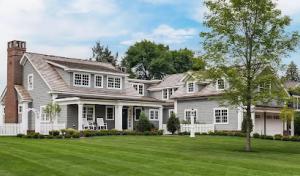
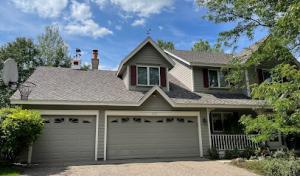

Flat and low-slope roofing show up in additions, porches, and garages, even when the primary residence uses a steeper pitch. In this market, a few flat or low-slope sections are tied into the main roof, so coordinating materials, flashing, and drainage between those areas is essential. While not the dominant roof type, these configurations are common enough to require the same attention to detail you'd expect on the main house-without assuming the same maintenance cycle or wear pattern as steeper slopes.
Drainage verification during final inspection matters for these roof areas in particular, because improper slope or drainage can lead to pooling water, accelerated wear, and leaks that sneak into structural joints or overhangs. Ensure the low-slope sections have an appropriate positive drainage path toward the gutter system or scuppers, and that any transitions from a steeper roof are flashed correctly to prevent water intrusion. When the contractor seals penetrations around vents, skylights, or mechanical units, confirm they maintain the continuity of drainage paths and don't create hidden ponds where ice can form in winter.
Local contractor activity shows enough flat-roof specialization to support homeowners with additions, porches, garages, or low-slope sections tied into standard residential re-roofs. Look for a contractor who can demonstrate a track record of integrating low-slope elements with the main roof, including precise edge detailing, flashing at parapets, and proper gutter and downspout coordination. Inquiries into past projects with garages or sunrooms can reveal familiarity with the particular ice and snow load patterns common here, as well as practical solutions for reducing hail impact on flat surfaces.
When planning maintenance, prioritize integrative inspection-don't treat the low-slope area as a separate piece. Inspecters should verify that the transition from the main roof to the flat section remains watertight after freeze-thaw cycles, and that any slow-draining zones are not creating persistent moisture beneath the surface. If a garage or porch roof is being re-covered, require a uniform edge seal and a robust membrane underlayment that matches the main roof's performance. A well-coordinated approach reduces the risk of leaks that could escalate into attic or structural concerns over time.
Find specialists in TPO, EPDM, and built-up flat roofing systems for residential and commercial properties.


In this market, you'll encounter a mix of manufacturer-certified and warranty-oriented contractors, but a warranty is only as strong as the installation that carries it. Focus on the installer's track record: proper attic ventilation layout as required by the product, correct flashing around chimneys and vents, and a drainage plan that won't trap water. A solid warranty should translate into clear coverage for workmanship and for manufacturer defects, with defined limits and a process for claim resolution. Don't sign until the contractor explains what triggers coverage, what is excluded, and how long you are protected for both workmanship and materials.
Cleanup is a strong local hiring priority in Inver Grove Heights, reflecting how homeowners compare contractors on post-job site condition as well as price. Expect the crew to remove debris in organized batches, protect driveways and flower beds, and haul away all discarded roofing material on the final day. A written commitment to daily cleanup and a final inspection walk-through helps prevent damaged landscaping and ensures no stray nails or tabs remain. If you have a yard with late-season snow, confirm they plan for removal of ice and debris from gutters and valleys to prevent winter backups.
Because this is a busy storm-responsive re-roof market, homeowners here often need to distinguish between fast scheduling and durable workmanship. A quick start is helpful, but timing should not undercut critical steps: roof deck inspection, proper underlayment, and accurate flashing details. Ask how the contractor coordinates inspection checks during the job and who makes the final post-installation assessment. Ensure the crew will stay on site long enough to complete a thorough job, even if weather interrupts progress. This approach helps protect the roof's performance through freeze-thaw cycles and hail exposure.