
Last updated: Apr 19, 2026
The Twin Cities region around you spells it out in real terms: southern Minnesota hail and wind events drive elevated roof claim activity in this market compared with calmer regions. When a storm line rolls through, shingles take a beating, flashing and vent seals take the blast, and branches cracktle near eaves. The consequence is not a quiet afternoon with a quick fix; it is a surge of homeowner questions, adjuster visits, and the pressure to validate damage quickly before more ice and wind rip away additional protection. In practical terms, expect a busy window after the next major hail event. Your roof and attic deserve a thorough look, not a cursory glance, because the impact on resale value, indoor comfort, and long-term protection stacks up fast.
After severe storms, insurers in this area commonly require more documentation, on-site adjuster evaluations, and detailed replacement scopes before approving work. This isn't about luck or timing; it's the standard playbook in this neighborhood. You'll want clear photo records of roof surfaces before and after storms, dated invoices for any temporary repairs, and a log of wind-driven debris that reached vulnerable spots. On the ground, an adjuster will inspect penetrations, ridge lines, and edge details where loose granules or lifted shingles can hide. The key is to build a precise narrative: where hail struck hardest, where wind pried at seams, and where freeze-thaw cycles exposed aging underlayment. Having a professional who understands how these pieces fit together saves days of back-and-forth and moves a claim toward a solid, defensible replacement scope.
Because Cottage Grove sees many storm-driven re-roofs, homeowners often need to distinguish true storm damage from older wear exposed by freeze-thaw cycles. Freeze-thaw stress can mimic or mask hail evidence, making it tempting to assign fault to a single event when multiple seasons contributed. The practical step is to coordinate a forensic assessment that looks at wear patterns across the roof, attic ventilation, underlayment integrity, and flashing condition. If damage exists on multiple planes-hip and valley lines, chimney and vent penetrations, and along rake edges-your case for replacement strengthens. When this is handled promptly with a detailed scope and professional measurements, the transition from claim to actual replacement proceeds with less friction. In this market, timing matters: delaying documentation or deferring professional assessments can lengthen the process and complicate approvals later.
Start gathering storm-related documentation as soon as skies clear. Photograph granule loss, dented gutters, and any loose flashing, then compare to previous roof condition reports if available. Schedule a trusted local roofing contractor to perform a no-obligation inspection within a tight window after the last significant hail event, so you capture fresh evidence before aging or subsequent weather shifts blur the picture. If you suspect hail impact on attic insulation or moisture intrusion, address it early with moisture barriers and ventilation checks-these details often influence the replacement scope and long-term performance. In this market, staying proactive with precise documentation and a clear, contractor-verified scope can tilt the process in your favor and keep your home protected through the next round of weather.
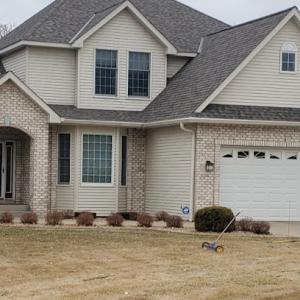
Level Edge Construction & Roofing
(651) 374-9768 leveledgeco.com
9600 79th St S, Cottage Grove, Minnesota
4.9 from 181 reviews
Level Edge Construction is a residential roofing and exterior contractor in the Twin Cities. We provide high quality labor, installation and excellent customer service.

Northern Exteriors MN
(651) 230-5103 northernexteriorsmn.com
6677 Timber Ridge Ln S, Cottage Grove, Minnesota
4.9 from 59 reviews
Northern Exteriors - A trusted roofing contractor and siding contractor since 2001. Specializing in outstanding roofing and siding solutions, ensuring durability and curb appeal. As hail claim experts, we streamline the process, making it hassle-free. Exceptional service, top-tier craftsmanship, and an A+ BBB rating attest to our commitment to excellence. When searching for reliable roofing companies near me, look no further. Experience matters. Our roofing and siding crews have been part of our company family for over 18 years. You can trust them to bring care, craftsmanship, and pride to every job—just like they would for their own homes.

True North Roofing
(651) 758-7663 www.truenorth-roofing.com
8617 W Point Douglas Rd S #150, Cottage Grove, Minnesota
4.5 from 90 reviews
True North Roofing is a woman-owned and operated residential contractor specializing in exterior renovations in the Twin Cities metro area. We are here for your home: Roofing, Siding, Gutters, Windows, Storm Repair and Restoration. Our experienced installation teams take pride in providing top notch service and products for your home. We look forward to servicing your home. 651-758-ROOF BC778332
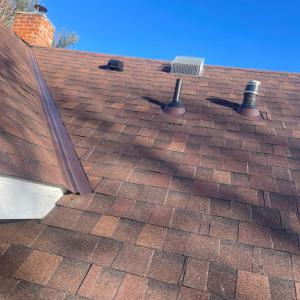
Heartsoul Roofing
7007 Joliet Ave S, Cottage Grove, Minnesota
5.0 from 3 reviews
Repairs, replace roofing, new construction, siding, insulation, landscaping .....

Connell's Custom Exteriors
(651) 505-6656 www.ccexteriors.com
Serving
4.9 from 152 reviews
For over 25 years, Connell’s Custom Exteriors has been a trusted leader in exterior remodeling throughout Greater Minneapolis. Since 1999, we’ve combined expert craftsmanship with exceptional service to deliver premium roofing, siding, window installations, and more. As a proud BBB-accredited business, our promise is simple: “Relax, we’re professionals.” It’s a reflection of the pride we take in providing reliable, high-quality results for every project. Call today for a free inspection or quote and discover the difference with Connell’s Custom Exteriors.
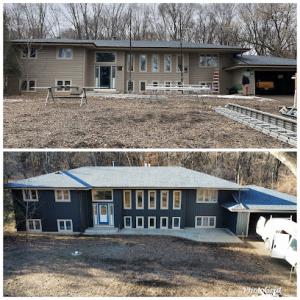
Bold North Exteriors
(507) 581-2557 www.boldnorthexteriors.com
Serving
5.0 from 39 reviews
Roof replacement for remodeling or new construction. Call/text for a FREE inspection.
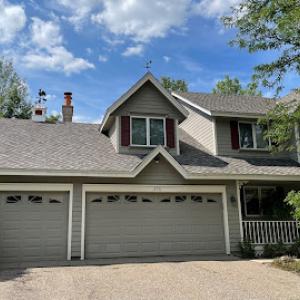
SPS Contracting
(612) 702-8083 www.farmingtonroofingcompany.com
Serving
5.0 from 125 reviews
When you plan your project with SPS contracting you’re working directly with the owner Shae and he is also hands on each and every step. At SPS we take pride in handling every step in the process from the original drawing to the final nail. Shae and his team work hard to make every customer feel like they’re number one…..because to Shae and SPS each customers satisfaction is number one priority. I really enjoy guiding a project through the various step required for successful completion. From simple repairs to total roof replacements to complete remodels I’m always excited to problem solve for the clients I’m working with.

Referred Restoration
(763) 878-8756 www.referredrestoration.com
Serving
5.0 from 8 reviews
Referred Restoration in Cottage Grove, MN provides expert roof replacement services tailored to local homeowners. With Minnesota’s harsh winters, heavy snow, and spring storms, roofs in the area face unique challenges that demand durable solutions. Our team specializes in replacing worn or storm-damaged roofing, ensuring your home stays protected year-round. We focus on quality workmanship and reliable service to extend the life and performance of your roof. Homeowners across Cottage Grove trust Referred Restoration as experienced roofers dedicated to professionalism and long-lasting results.

Anchor Roofing & Exteriors
(612) 363-7443 www.anchorroofingmn.com
Serving
5.0 from 100 reviews
Anchor Roofing & Exteriors provides expert residential roofing, siding, gutters, and storm damage repair services to South St. Paul and the Twin Cities metro area. With over 20 years of experience, we are fully licensed and insured, A+ rated by the BBB, and certified by top brands including GAF, Owens Corning, and Brava Roof Tile. From roof replacements to exterior upgrades, homeowners trust our craftsmanship, clear communication, and high-performance solutions to keep their homes protected and looking their best.
Earth Friendly Builders
(651) 661-2929 myearthfriendlybuilders.com
Serving
4.7 from 48 reviews
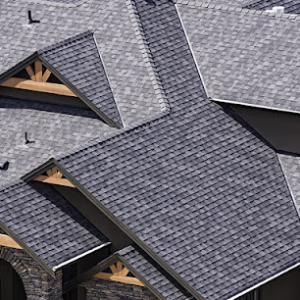
Earth Friendly Builders is a roofing company in Inner Groves Heights serving the Twin Cities. Combining years of experience with a dedication to client satisfaction, we have established ourselves as the local leader in Roofing Companies, Siding Services, and Gutter Services. As your most trusted Twin Cities roofing company, we give our roofing projects 100% of our attention and make sure the job is perfectly done. Contact your favorite roofers in Twin Cities today for a free estimate!
Supreme Contracting
(651) 349-7663 www.supremecontracting.com
Serving
5.0 from 23 reviews
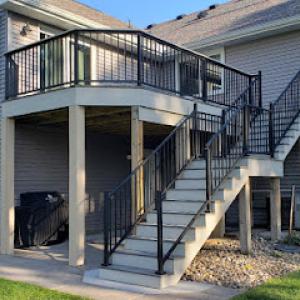
Transform your living space with Supreme Contracting, where excellence meets creativity. We are your local contractor, dedicated to providing unparalleled craftsmanship and unwavering customer care since 2005. From awe-inspiring roofs and stylish siding to custom-built decks, porches, and storm and water damage restoration, our team of seasoned professionals is at your service. With a keen eye for detail and a commitment to excellence, each project is approached as a unique masterpiece, ensuring your home reflects your vision and becomes a source of lasting satisfaction. So, call us or go to our website TODAY to schedule your free consultation!!!
Top Shelf Exteriors
(651) 302-0031 topshelfext.com
Serving
5.0 from 26 reviews
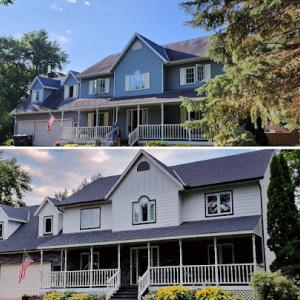
Top Shelf Exteriors, LLC, an owners-involved home enhancement company, provides expert services in all aspects of residential exteriors. With expertise in roofing, siding, window installation, and soffit/fascia/gutter solutions, they strive to keep Twin Cities metro and Western Wisconsin homes looking their absolute best. They take pride in offering superior craftsmanship and exceptional customer care to ensure each project is completed with precision and quality. Top Shelf Exteriors is committed to going above and beyond, leaving customers with beautiful and durable exteriors that exceed expectations and last for years to come.
In this neighborhood, the main re-roof window runs from late spring through early autumn. Winter snow and freezing temperatures can delay tear-off, sealing, and crew productivity, so planning around milder months helps keep the project on track. If the roof is aging or already showing signs of hail impact, aim to start soon after freeze-thaw cycles ease and before the first frost of fall. Scheduling with a crew that can stay on task during the warm stretch pays off when storms linger or push back other projects in the area.
Spring hail season tends to interrupt active jobs and create sudden demand spikes that ripple across Cottage Grove and the broader south-metro market. If a hail event hits, expect a shift in availability and timing as crews shift to prioritize roof damage assessments and emergency replacements. Build a buffer into the plan for weather-driven delays and potential subcontractor bottlenecks. Have a clear sequence with the contractor for assessment, debris removal, tear-off, and installation so that weather windows can be used efficiently without piling up weekend work or rushed schedules.
Fall in this part of the state brings more frequent rain and wide temperature swings. Those conditions slow drying and fastening schedules as the season winds down and temperatures drop. If possible, complete the critical stages of tear-off and underlayment before the heaviest autumn rains arrive. Construction sequencing matters: securing the roof deck, applying underlayment, and fastening shingles to wind- and water-tight standards should be timed to minimize exposure to wet weather and fluctuating temperatures.
Coordinate with a contractor who understands the local freeze-thaw cycle and how it affects adhesives, sealants, and nail seals. For homes with multiple roof pitches or complex details, group tasks by weather-friendly phases to reduce rework when a mid-season cold snap or sudden rain interrupts progress. When a storm-related claim is involved, align inspection dates with anticipated weather windows so documentation and repairs can proceed without unnecessary delays. Keep a contingency plan for a potential mid-season delay, especially if a late spring hail event compresses the schedule across the south-metro market.
Prior to the main season, perform a quick, contractor-supervised inspection of attic ventilation, fascia and drip edge condition, and attic access for safe handling during tear-off. Ensure debris-management and roof-penetration protection are in place for anticipated wind events. As summer heat builds, confirm crew access arrangements on days with strong sunshine and afternoon gusts, which can affect fastener performance and shingle seating. In fall, verify that drying conditions and temperature thresholds align with the chosen roofing system's installation requirements to avoid compromising warranty and performance as winter approaches.
When you can't wait, these contractors offer fast response times to stop leaks and prevent further damage.
Northern Exteriors MN
(651) 230-5103 northernexteriorsmn.com
6677 Timber Ridge Ln S, Cottage Grove, Minnesota
4.9 from 59 reviews
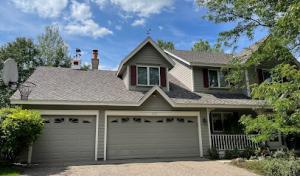

Asphalt shingles dominate locally because they fit the region's large re-roof market and are widely used on suburban homes common in Cottage Grove. This material offers predictable performance across the freeze-thaw cycles that stamp Minnesota winters with repeated temperature swings. The typical asphalt shingle system is straightforward to inspect after hail events, and the availability of local crews who can match colors and granule loss helps keep appearances and warranties aligned with expectations for mid-length home lifespans. When a storm hits, asphalt shingles provide a practical blend of cost, repairability, and ease of replacement, which matters in a market where re-roof decisions are often driven by post-storm claims and timely recoveries. Look for shingles with good impact resistance ratings and wind uplift performance, and consider layered or architectural designs that help shed wind and snow more effectively, reducing edge wear and lifting risks over several winters.
Metal roofing is a meaningful secondary choice for homeowners focused on durability through hail, wind, and snow-shedding conditions. In this market, metal panels or long-lasting metal shingles can offer superior resistance to hail strikes and faster snow release, which can reduce ice damming and related interior damage. Metal also tends to hold color and finish well after repeated storm cycles, which matters in neighborhoods with extensive tree cover and seasonal debris. The key practical note for Cottage Grove is to verify proper underlayment, panel seams, and fastener types to ensure performance during freeze-thaw events. While metal can be more resilient to wind uplift and hail, installation quality, attic ventilation, and proper attic insulation still drive long-term comfort and energy performance. If choosing metal, consider a profile that balances aesthetics with proven performance in cold climates, and work with a local installer who understands how to seal penetrations and transitions around vents, chimneys, and skylights to minimize thermal bridging and water intrusion.
Wood shakes and tiles appear in the market but are less common and need evaluation against Minnesota freeze-thaw exposure and storm repair practicality. Wood shakes can provide a distinctive look, but they require diligent maintenance to resist moisture, splitting, and moss growth in shaded areas. Tile options, whether clay or concrete, bring durable hail resistance and long lifespans but can be heavy and demanding on roof framing, which can complicate repairs after storms and in homes with mixed construction ages. Synthetic or composite shingles offer the advantage of consistent performance and lower maintenance in some cases, yet their long-term behavior under freeze-thaw cycles should be verified with local installers. If a home in Cottage Grove already has a non-asphalt roof, an inspection should focus on underlayment compatibility, flashing details, and the ease of securing rules for storm-driven repairs-especially in neighborhoods with frequent re-roof activity after hail and wind events.
In a climate shaped by hail and wind claim activity, the ability to quickly identify, document, and remediate hail damage is crucial. Your best course is to schedule annual inspections after winter and again after major storm seasons, especially if a homeowner has a roof nearing the end of its expected life. Prioritize roofs with solid warranty coverage, clear hail damage guidelines, and a local contractor network that can coordinate with insurance adjusters for a smoother claim process. In addition to material choice, attention to underlayment quality, proper roof ventilation, and robust flashing around penetrations helps protect the structure during the late-season snows and spring thaw. With the right combination of material performance, installation quality, and timely maintenance, a Cottage Grove roof can better withstand the area's characteristic hail and wind storms while remaining serviceable through the region's challenging freeze-thaw cycles.
In Minnesota winters, repeated freeze-thaw cycles can quietly erode the backbone of a roof. Flashing around chimneys, vents, and transitions is especially vulnerable, and the damage can progress behind the scenes. You may notice small leaks or damp spots only after spring melt or heavy rains, even if the surface looks mostly fine in winter. A careful, springtime inspection should pay extra attention to edge terminations and any seams that show signs of movement after freeze events.
Seasonal hail and wind events in this area often leave bruising, granule loss, and lifted tabs on asphalt and other shingle types. The immediate impact may not fully reveal the problem; granules that shed during a storm can shorten the life of the roof and push some issues toward the next rainstorm. Ridge or hip damage can also hide under dignified-looking surfaces until a wind-driven leak paths in along fasteners and through or around joints. Expect insurance discussions to surface when these symptoms are noticed later.
Leak paths can form along roof edges, under ridge vents, or where shingles have softened from heat or moisture. In a home with a steep pitch or multiple rooflines, a small storm-related flaw can become a noticeable problem only after a heavy rain or spring melt. This is especially true for homes with complex flashing around dormers or skylights, where a seemingly minor imperfection can become a larger concern if not addressed promptly.
Ventilation is a local inspection concern on full re-roofs, and attic airflow deficiencies often surface as soon as the project closes. Inadequate intake or exhaust can trap moisture, contribute to ice damming in cold snaps, and obscure the true condition of roof deck and insulation. A thorough assessment should verify that soffit vents, ridge lines, and attic fans are properly balanced to prevent future energy waste and moisture-related stress on decking.
Look for warped edges, soft spots along the eave line, or any sudden changes in interior ceiling texture after a storm. If a ladder reveals loose shingles or bent flashing at the ridge, call in a pro for a closer look. A cautious approach now can prevent more extensive repairs later and help questions from snowballing into a larger claim scenario after spring.
Find contractors experienced in skylight installation, flashing, and leak repairs to bring natural light into your home.
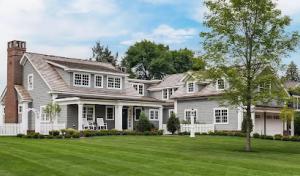
When hail and high winds roll through southern Minnesota, you'll see pricing swing based on material choice and square footage. In this area, the local cost ranges run about $450 to $900 per square for asphalt shingles, $600 to $1200 for metal, $1000 to $2500 for clay tile, $900 to $1800 for concrete tile, $600 to $1200 for wood shingles or shakes, and $500 to $1000 for synthetic or composite shingles. Those figures reflect typical materials homeowners pick for suburban detached homes, where roof shapes and ventilation needs stay practical rather than ornate. If a contractor suggests upgrading underlayment or adding a secondary barrier, expect a modest bump in the per-square price.
Storm-driven demand surges in the south-metro can push scheduling pressure and pricing volatility higher after hail events, especially for full re-roofs. In days immediately after a hailstorm, some crews can be booked weeks out, and faster turnaround may come with a premium. People who catch the window between inspection and completion often face higher material costs as supply chains tighten and crews shift to the highest-paying jobs first. In those moments, a homeowner's readiness to choose common, readily available materials tends to keep the project moving without scouring through exotic options that carry longer lead times.
Costs here are also influenced by permit requirements, final-inspection corrections, and the material choices common to suburban detached homes rather than dense urban rowhouse stock. If you're weighing options after a hail event, lean toward widely installed configurations that installers routinely stock, and plan for possible mid-season delays that can affect both scheduling and price. For a typical detached dwelling, you'll likely compare a few material paths, consider ongoing maintenance needs (like coating or vent checks), and align your plan with a spring or early-summer project window to minimize weather-related surprises. In Cottage Grove, staying close to standard loading and delivery timelines tends to stabilize both scheduling and overall cost.
Get a clear picture of your project costs upfront - no commitment required.

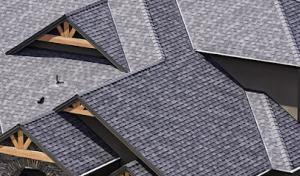

In this community, a building permit is typically required for a full re-roof rather than being treated as a no-permit maintenance task. The city reviews the project scope before work proceeds, which matters when storm damage leads to broader replacement than the homeowner first expected. That review helps confirm necessary ventilation, underlayment, and flashing details align with current code. Understanding this upfront prevents surprises once the roofer has opened the roof deck and exposed the structure.
Cottage Grove conducts a final inspection after completion to verify installation quality, ventilation, and overall code compliance. The inspector checks proper shingle or panel installation, attic ventilation balance, chimney and vent flashing, and eave protection. Scheduling the final inspection promptly after completion minimizes delays in escrow or occupancy documentation. If a permit was needed, ensure the contractor records the final inspection request with the city and has all relevant documentation ready for review.
When hail or wind drives a broader replacement than anticipated, coordinate closely with the contractor and the city reviewer to adjust the scope without delaying the project. Keep clear records of damage assessments, materials used, and any deviations from the original plan due to code requirements. Before work begins, confirm that the permit application covers all components being replaced, including ventilation enhancements if needed. After installation, ensure the final inspection is scheduled soon after completion and that the contractor accompanies the inspector with any required documentation.
In Cottage Grove, hail and wind storms are common, and insurers will scrutinize whether damage is tied to a recent event or older deterioration. A thorough record helps set the narrative that storm-driven damage is the primary cause, which can influence claim handling and settlement timelines.
After a storm, take extensive, date-stamped photos from multiple angles of the entire roof, gutters, vents, and flashing. Include any hail impacts, dented metal components, lifted shingles, or curling edges. Photograph interior attic signs such as staining or moisture tracks that align with the roof area. Create a simple storm timeline noting the date and approximate wind or hail intensity if known from local weather reports.
On-site adjuster visits are common after severe weather in this region, so arrive with a prepared packet. Bring the roof condition documentation before any temporary repairs are performed, since tarps or quick fixes can obscure evidence. If temporary patches are already in place, photograph them both before and after to show the pre-repair condition and any subsequent changes.
Provide a complete replacement scope and a logical connection between observed damage and the storm event. Include floor-to-roof correlations, such as where water intrusion traces to the roof line. Keep a simple inventory: damaged shingles or tiles, flashing, gutters, and underlayment areas. Clear timelines, paired with photo timestamps, help insurers evaluate causation in the claim review process.
Maintain a dated binder or digital folder with labeled images, a written damage narrative, and a copy of the storm timeline. Coordination with your roofer's assessment should mirror the insurer's expected sequencing: pre-storm condition, storm impact, and post-storm condition to sustain a credible, event-based claim in this market.
Connect with contractors who help homeowners navigate the claims process from damage assessment to final approval.
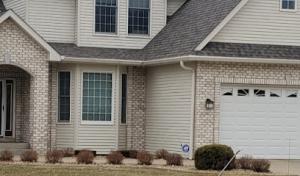
Level Edge Construction & Roofing
(651) 374-9768 leveledgeco.com
9600 79th St S, Cottage Grove, Minnesota
4.9 from 181 reviews
Northern Exteriors MN
(651) 230-5103 northernexteriorsmn.com
6677 Timber Ridge Ln S, Cottage Grove, Minnesota
4.9 from 59 reviews

True North Roofing
(651) 758-7663 www.truenorth-roofing.com
8617 W Point Douglas Rd S #150, Cottage Grove, Minnesota
4.5 from 90 reviews