
Last updated: Apr 19, 2026
You're in a fast-moving storm corridor: Rosemount sits in the Twin Cities storm corridor where periodic hail and wind events drive elevated roof claim activity compared with lower-risk markets. That means when a hailstorm rolls through, your roof is likely to face multiple risks at once-dented panels, lifted shingles, and accelerated wear around edges and penetrations. If you've got attic space close to living areas, you'll notice the effects sooner as heat buildup and moisture intrusion show up in ceilings and walls. Pay attention to turning points in a season when damage shifts from isolated strikes to widespread need for replacement or major repair.
Hail and wind damage timing you can count on
Hail tends to arrive in bursts, often accompanied by gusty wind that can peel back shingles or loosen fasteners. In this part of the metro, storm activity spikes in late spring and early summer, with sharp temperature swings that aggravate underlying vulnerabilities. After a hail event, inspect the roof and upper walls for granule loss, crushed shingle shoulders, and exposed underlayment. If you see rounding or cracking near roof penetrations, vent stacks, or skylights, treat it as high-priority. Wind-driven damage may appear as loose flashing, blown-in attic insulation, or dislodged drip edge. Do not delay a professional assessment if you notice dark lines on ceilings or wind-driven dust in gutters. Quick triage-spot-checking shingles, flashings, and seals-can prevent more serious interior damage during the next thaw.
Ice dam risk amplified by cold cycles
Cold winters with repeated freeze-thaw cycles make ice dams a practical roof-life issue in this market, especially when attic ventilation and insulation are imbalanced. Ice dams can start as a small ridge of ice at the eave and quickly force meltwater under shingles, leading to ceiling stains and potential mold. If attic insulation is insufficient or vents are blocked, heat loss concentrates near the eaves, feeding dam formation. The guidance is simple: keep soffit vents clear, ensure insulation extends adequately to the outer edges, and consider a balanced ventilation plan. When temperatures swing above and below freezing, monitor the roof edge during thaws and ice buildup; delaying repair can let a minor dam turn into ceiling and structural damage.
Assessment and replacement scheduling under spring storms
Spring hailstorms and heavy rain, plus winter snow and ice, regularly disrupt both damage assessment and replacement scheduling in this city. Storms arrive unpredictably, and contractors may have backlogs just as homeowners need temporary protection and rapid stabilization. Prepare for this by documenting damage with clear photos, maintaining a visible calendar of storm dates, and establishing a priority list for urgent leaks and critical penetrations. If a claim is pursued, coordinate with your insurer and a roofing partner who can stage work in waves to accommodate weather windows. In this climate, ready responders-seasoned for ice, wind, and hail sequencing-often minimize long-term exposure and protect living spaces during the inevitable next freeze.
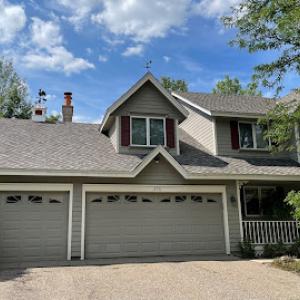
SPS Contracting
(612) 702-8083 www.farmingtonroofingcompany.com
Rosemount, Minnesota
5.0 from 125 reviews
When you plan your project with SPS contracting you’re working directly with the owner Shae and he is also hands on each and every step. At SPS we take pride in handling every step in the process from the original drawing to the final nail. Shae and his team work hard to make every customer feel like they’re number one…..because to Shae and SPS each customers satisfaction is number one priority. I really enjoy guiding a project through the various step required for successful completion. From simple repairs to total roof replacements to complete remodels I’m always excited to problem solve for the clients I’m working with.
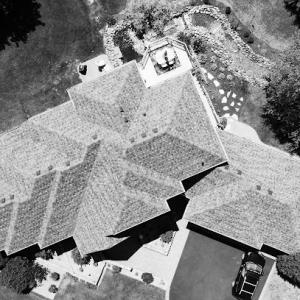
Premier Roofing by Rusty
(612) 202-9723 www.premierroofingmn.com
Rosemount, Minnesota
5.0 from 16 reviews
When your house is damaged by a storm or hail, it is important to find a roofing and siding specialist that you can trust. That is where Premier Roofing by Rusty comes in. As your roofing and siding specialist, we are proud to serve the Twin Cities and the surrounding communities. We also perform a slew of home services such as gutter installation and cleaning, window and door replacement, remodeling, and more. We are adept at dealing with insurance claims firsthand and will make sure to walk you through the whole process and get your life back to normal. We look forward to the opportunity to help you in your time of need and it would be our pleasure to assist in any way we can. Give us a call today!
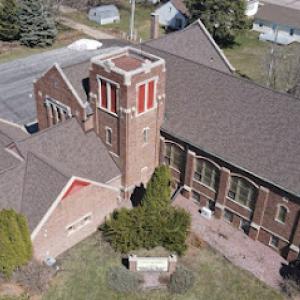
Schmidt Brothers Roofing
(612) 999-4243 schmidtbrothersroofing.com
14345 Biscayne Ave, Rosemount, Minnesota
5.0 from 7 reviews
A local asphalt shingle roofing and gutter company that prides itself on high quality work. We are committed to delivering the best possible experience for our customers. Achieving this through communication, honesty, quality work and accountability. We look forward to communicating with you about your project!
Specialty Works Services LLP
(612) 978-5458 www.specialtyworkmn.com
3320 Upper 147th St W, Rosemount, Minnesota
5.0 from 4 reviews
Neary's roofing now Specialty Work Services a family owned and operated business established in 1970. We have a reputation for quality roofs. We are a general contractor who specializes not in only roofing, soffit/fascia, gutters and much more!!! Locally owned and operated. Tim & Tom Neary (brothers and owners) believe in providing customers with an exceptional construction experience through guaranteed customer satisfaction and professionalism. Customer service is our number one priority. Therefore, we offer 24-hour emergency services for your convenience--Monday through Saturday.

Renewed Exterior Systems
(612) 807-2975 www.renewedexteriorsystems.com
Serving
5.0 from 62 reviews
At Renewed Exterior Systems we prioritize a stress-free and seamless remodeling experience for homeowners. With nearly a decade of industry expertise, we focus on honest communication, meticulous planning, and quality craftsmanship. Our dedication to process and order ensures projects are completed efficiently and on time, while our commitment to quality over profits creates lasting satisfaction for both customers and crews. At Renewed Exterior Systems, we don’t just remodel homes—we build trust and deliver peace of mind.
Bold North Exteriors
(507) 581-2557 www.boldnorthexteriors.com
Serving
5.0 from 39 reviews
Roof replacement for remodeling or new construction. Call/text for a FREE inspection.

Bormann Brothers Contracting
(952) 891-8586 bormannbros.com
Serving
5.0 from 31 reviews
At Bormann Brothers Contracting, we provide top-quality Roof Replacement, Roof Repair, and Emergency Roof Repair services in Lakeville, Minnesota and surrounding areas. Our team specializes in Asphalt Shingle Roofing ensuring long-lasting protection for your home or business. We also offer expert Storm Damage Roof Repair, assisting homeowners with insurance claims and fast restoration. In addition to roofing, we provide Gutter Installation and Siding Contractor services, improving both function and curb appeal. If you need residential roofing solutions, our skilled team is here to help. Trust Bormann Brothers Contracting for durable, high-quality
PCS Residential
(651) 994-2028 www.pcsrenew.com
Serving
4.8 from 200 reviews
PCS strives to build experiences that renew and inspire as we interact with our homeowners and industry partners on a daily basis. Beyond being named Pella Platinum Elite, GAF Master Elite, and A+ Rated through the Better Business Bureau, PCS is built on providing superior service through policy and claim knowledge, industry awareness, integrity, and quality craftsmanship.

Homestead Builders
(612) 799-3433 www.homesteadbuildersmn.com
Serving
5.0 from 136 reviews
General contractor specializing in exterior residential and commercial roofing, siding, windows and gutters.

Home Front Exteriors
(763) 312-0812 www.homefrontexteriorsmn.com
Serving
4.9 from 76 reviews
Home Front Exteriors Specializes in full exterior remodeling for commercial and residential homes.
DSquared Building
(952) 395-2424 dsquaredbuilding.com
Serving
4.6 from 45 reviews
D Squared provides both commercial and residential general contracting services in both Minnesota and Wisconsin. Roofing replacement, siding replacement, gutter installation, and window installation are just some of our specialities. For our commercial clients we also offer interior and exterior restoration services. We are an education and relationship-based construction company. We value you above any project. We seek to provide all the information that is necessary for you the homeowner or commercial business owner to make a well-informed wise decision.

Hoyt Exteriors
(651) 212-4965 www.hoytexteriors.com
Serving
4.6 from 54 reviews
Your local family business prioritizes quality and family values. Specializing in roofing, siding, windows, and decks, focusing on storm damage restoration. Hoyt Construction specializes in multi-family service and maintenance.
Asphalt shingles are the dominant practical choice in Rosemount, driven by their balance of cost, ease of installation, and repairability. In a climate shaped by hail exposure, wind uplift, and UV aging, expect shingles to wear unevenly across the south metro mix. The key is to select a shingle with a stout impact resistance rating and a wind-resistance rating that matches the typical storm directions you see in winter and early spring. Space between panels matters: ensure appropriate nailing and a deck that's clean, dry, and capable of holding fasteners through repeated freeze-thaw cycles. In weather-ready years, plan for a proactive sealant or flashing refresh around penetrations to minimize ice dam vulnerability. If the attic ventilation is marginal, asphalt shingle performance will degrade faster, so pair them with a robust ventilation plan and a well-sealed underlayment. Routine inspection after hail events is essential to catch micro-cracks that can propagate under ongoing UV exposure and temperature swings.
Metal roofing recognizes Rosemount's storm cycles by offering superior wind resistance and snow shedding, which reduces the risk of ice buildup on overhangs and eaves. In areas with frequent wind gusts and heavy snowfall, metal can outperform other materials when installed with proper underlayment, accurate fastening patterns, and snow guards where needed. The roof's slope, fascia condition, and attic air management influence its effectiveness in this climate. For homeowners planning around severe weather cycles, metal's longevity pairs well with accurate maintenance scheduling: inspect seams and fasteners after major storms and verify that flashings around chimneys and vents remain tight. Weight is a consideration if upgrading an existing roof; ensure the structural system can handle the added load or consult a professional about taxed joists and seasonal snow loads. Metal shines when paired with a reflective coating that minimizes heat buildup on sunnier winter days, extending the interval between coatings.
Clay tile, concrete tile, wood shakes, and synthetic products appear in the local material mix, but freeze-thaw stress and weight or maintenance considerations matter more in this climate than in warmer markets. Clay and concrete tiles carry substantial weight and can crack under severe freeze-thaw cycles; installation must account for structural capacity and properly spaced fasteners to resist wind uplift. Wood shakes bring natural beauty but require frequent maintenance to prevent moisture intrusion, rot, and insect exposure during melt cycles. Synthetic or composite options can offer a middle path with improved impact resistance and reduced maintenance, yet still demand attention to UV aging and canopy support. In Rosemount, the decision hinges on balancing expected hail and wind exposure with the roof's load-bearing ability, the existing attic ventilation, and the willingness to invest in ongoing upkeep. Regardless of material, proper underlayment, ventilation, and attic temperature control remain central to extending the roof's effective life through repeated freeze-thaw cycles and the annual spring melt.
In this area, storm-driven demand spikes across the Twin Cities metro can tighten labor availability after hail and wind events. That means a short-notice replacement can push crew availability and material scheduling, which in turn nudges pricing upward for a few weeks. When a storm hits and multiple roofs are in flux, crews may prioritze faster jobs or larger projects, and that can ripple into lead times and minimum charges. On the other hand, calm stretches tend to bring more predictable pricing and shorter waits. For a homeowner trying to budget, expect some variability tied to how quickly the weather swings from freeze-thaw cycles to dry, sunny days.
Rosemount's typical re-roof projects aren't just a shingles-on-top scenario. Many homes require tear-off, ventilation corrections, and a thorough cleanup. A straight overlay-shingles over existing material-does occur less often here than in milder markets, largely because the local climate demands solid underlayment and better attic airflow to fight ice dam risk and wind uplift. Tear-off allows a fresh sealant, proper venting, and a clean deck, which cuts future warranty worries but can add to upfront costs. When estimating, expect labor and disposal charges to reflect the extra steps of removal, deck inspection, and any needed upgrade to cage vents, ridge vents, or soffit baffles. Cleanup, haul-away, and site protection are non-negligible parts of the bill in neighborhoods with mature trees and driveways that see seasonal debris.
The typical material mix you'll see in these projects includes asphalt shingles, metal, and occasionally synthetic options. Local pricing is shaped by storm-driven demand, so sticker shock after a hail event is not unusual, even if the scope looks straightforward. For asphalt shingles, the low-to-high range is roughly 350 to 750 USD per square, reflecting both shingle class and the added labor of tear-off and ventilation work. Metal roofing sits higher, roughly 500 to 1100 USD per square, influenced by panel type and trim complexity. If you consider higher-end options like clay or concrete tile, prepare for substantial jumps, with clay around 900 to 1800 USD per square and concrete around 1000 to 1700 USD per square. Wood shingles and synthetic shingles fall between these tiers, at about 800 to 1500 USD and 600 to 1100 USD per square, respectively.
Replacement timing is usually best from late spring through early fall. In Rosemount, compressed seasonal scheduling can influence labor pricing and project lead times. If a storm window compresses the calendar, you may see longer waits for crew availability and tighter windows for material deliveries, which can affect both timing and total cost. Planning ahead for shoulder seasons can help stabilize both price and schedule, especially if you are replacing under peak conditions after a hail event.
Get a clear picture of your project costs upfront - no commitment required.


A full roof replacement in Rosemount generally requires a permit through the City of Rosemount Building Department. That permit signals to the city that the project will meet local codes for safety, structural integrity, and energy performance. The permit process helps ensure that your new roof will withstand the Twin Cities' winter cycles, including harsh ice damp and strong winds that are common in this area.
The local process typically includes submitting project details and contractor information, paying a permit fee, and arranging inspections during and after the work. When you apply, have your roofing plan ready: a simple layout of the roof, materials chosen, and an expected timeline. Your contractor should provide their license number, proof of insurance, and a description of any venting or attic modifications. If you're replacing more than a few shingles, the city may want to see a roof venting plan to help prevent ice-dams and moisture buildup in colder months.
Rosemount inspections commonly focus on installation quality and ventilation adequacy, which is especially important in a city with recurring ice-dam and freeze-thaw concerns. Expect an initial inspection while the roof is under way to verify sheathing, fastener pattern, and underlayment installation. A mid-point check helps catch ventilation issues, attic air flow, and proper exhaust venting rules. A final inspection confirms that the roof system is complete, flashing around chimneys, valleys, and penetrations is sound, and attic ventilation meets code requirements. If insulation or ventilation upgrades are part of the project, the inspector will verify those details as well.
Coordinate with your contractor to ensure submission materials are accurate and complete the first time. Timely responses to any city questions can prevent delays that push your project into the next weather cycle. Keep a copy of all permit documents and inspection notices handy at the job site, so when the inspector arrives, the team can quickly access the necessary information. During winter-focused work, make sure attic access is kept clear and that temporary weather protection is in place to minimize moisture intrusion, which can complicate inspections and affect ventilation assessments.
The steady cadence of freeze-thaw cycles and the mix of hail, wind, and those winter ice dams create a local reality: insurers expect a tight line between new storm damage and pre-existing wear. When a claim is filed, photos that clearly show the distinction can make or break the payout. The goal is to tell a precise, time-stamped story of what happened and when, with enough detail to verify that the damage aligns with a storm event rather than aging shingles or minor surface wear. In the Twin Cities area, carriers have tightened wind and hail endorsements in recent years, and that tighter stance shows up in how claims are reviewed and processed. For homeowners, this translates to needing well-organized evidence and a careful record-keeping trail.
Begin with a current, interior-distribution photo log that captures attic ventilation, soffits, and any signs of past ice-dam activity. Exterior photos should timestamp and cover each roof plane, including ridge lines, valleys, flashing, and gutters. Close-ups of hail impact marks on shingles, metal flashings, and vent pipes can be decisive; these should be matched with wider-angle shots to place every feature in context. When possible, photograph nearby landmarks or yard debris that shows recent storm timing, and preserve any hail reports from trusted local weather sources. If a prior repair exists, photograph it clearly and note its approximate date, because insurers will compare pre- and post-storm conditions.
Roof age and material choice materially affect coverage terms in this market, making pre-loss records more important than in lower-claim regions. A mature roof with asphalt shingles, for example, may present a different claim trajectory than a newer, wind-resistant metal or synthetic option. The document trail should include the roof's age estimate, the installed material type, and evidence of any pre-storm maintenance that could influence how damage is assessed. Keeping a consistent, up-to-date file that ties roof condition to calendar dates helps avoid disputes over whether damage resulted from a specific event or ongoing wear.
When a contractor is on site, have them photograph their own assessments from multiple angles, clearly labeling which images correspond to storm impact versus wear. Share these with the insurer promptly and keep copies. If an adjuster identifies discrepancies, respond with the best-supported, timestamped visuals and a concise written note: what was observed, where, and when. In this market, transparent, defensible documentation reduces the risk of denial or delay and supports a smoother path to resolution.
Connect with contractors who help homeowners navigate the claims process from damage assessment to final approval.
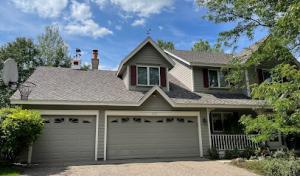
SPS Contracting
(612) 702-8083 www.farmingtonroofingcompany.com
Rosemount, Minnesota
5.0 from 125 reviews
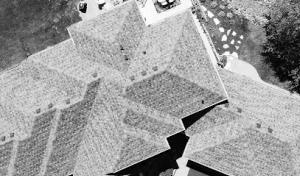
Premier Roofing by Rusty
(612) 202-9723 www.premierroofingmn.com
Rosemount, Minnesota
5.0 from 16 reviews
Specialty Works Services LLP
(612) 978-5458 www.specialtyworkmn.com
3320 Upper 147th St W, Rosemount, Minnesota
5.0 from 4 reviews
Late spring through early fall is typically the best replacement window because winter snow and frozen decking can halt work. If you can align timely projects between thawing ground and early autumn chills, crews can move more predictably. The goal is to avoid the depth of winter and the wettest stretches of spring, while still steering clear of the height of late-summer heat when glare and fatigue slow progress. Plan on locking in dates early and keeping a flexible backup in case a brief cold snap arrives.
Spring hail and heavy rain can interrupt tear-off and dry-in schedules, so you should expect occasional weather delays and build in buffer days. In Rosemount, a mid-spring forecast with hail activity often means crews stagger material handling and safety checks, which can stretch timelines. Summer heat and storms affect crew timing and material handling; asphalt shingles, for example, can be sensitive to high heat and rapid temperature swings, while metal roofing may demand extra attention to ventilation and attic heat management. Autumn winds and falling debris create additional installation complications as contractors race to finish before winter conditions return. Debris and windy days can slow resupply and require securing loose materials before a storm.
Coordinate with the crew to prioritize a window of consecutive dry days, ideally with moderate temperatures. If a stormed forecast looms in spring or late summer, establish a hard start and finish target within a compact block of favorable weather. Prepare the site by trimming loose branches and clearing nearby debris so falling leaves and branches don't complicate installations as autumn approaches. Maintain open communication with the contractor about expected weather patterns and backup dates, so the project can shift quickly without sacrificing safety or workmanship. Keep in mind that many projects benefit from finishing before the first heavy freeze, when ice-dam risk climbs and access becomes limited.
In this market, roof penetrations and flashing details are common weak points when snow, ice, and wind-driven rain stress the assembly. You will notice that places where the roof meets a skylight or where flashing turns corners tend to accumulate ice dam buildup and to reveal small gaps after a harsh stretch. Those tiny gaps can become active leaks after a thaw followed by another cold snap. Inspect these spots carefully after every big storm and again at the start of spring.
Ventilation-related moisture issues matter locally because inspectors in Rosemount commonly review ventilation adequacy during roofing work. If the attic feels damp, or you notice higher humidity in the living spaces during winter, that often signals insufficient intake or exhaust. A well-vented attic helps keep skylight cheeks and surrounding flashing from expanding and contracting too aggressively with seasonal temp swings. Expect a closer look from inspectors on vent placement, ridge vents, and baffle coverage when a skylight is involved.
Skylight areas deserve extra scrutiny in this market because winter ice buildup and spring storm exposure can turn minor flashing defects into active leaks. Look for hairline cracks in sealant, loose fasteners, or misaligned shingles around the skylight curb. In Rosemount's freeze-thaw cycle, even small ice dams can push water under flashing and later expand into staining or damp spots. Regular, targeted checks after heavy snows and during windy spring outbreaks help catch trouble before a small leak becomes a visible ceiling issue.
During inspections, focus on the transition from skylight curb to roofing surface, ensuring silicone or butyl sealant remains intact and remains adhered around the curb. If you see any deterioration, address it promptly with compatible flashing and weatherproof sealants designed for Minnesota winters. Schedule a focused check of attic ventilation whenever you address skylight-related flashing to keep moisture movement in balance and reduce long-term risk.
Find contractors experienced in skylight installation, flashing, and leak repairs to bring natural light into your home.
SPS Contracting
(612) 702-8083 www.farmingtonroofingcompany.com
Rosemount, Minnesota
5.0 from 125 reviews
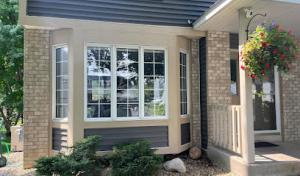
In this market, storms can hit and sales follow quickly, so you're screening for cleanup practices that actually reduce follow-up headaches. Look for crews that clearly outline how they protect landscaping, remove debris without leaving nails or shingle granules, and finalize a thorough ground sweep every day. The right team will communicate a realistic timeline for cleanup, not just a rough estimate, and they will treat an occupied home with patience and respect, coordinating work hours to minimize disruption for your family and neighbors.
This area has a robust re-roofing scene, so homeowners often compare contractors on how well they adapt to reroofing while people live inside. Ask for recent project references where the work was performed on occupied residences. Prioritize crews that demonstrate a plan for temporary protections-doorway coverings, interior dust control, and reliable pathways for pets and kids. You want a crew that anticipates common interior risks during shingle strip and removal, and that can adjust the schedule to weather and seasonal challenges without compromising safety.
Long-established and family-owned firms have a visible presence here, a factor that matters after storm years when continuity for follow-up service matters most. Favor contractors who assign a single point of contact, schedule post-installation check-ins, and stay reachable for inspections after the first winter. The ability to return promptly if any warranty issue surfaces or if weather stresses the new roof is a practical safeguard that pays off over time.
In a metro area with frequent storm-driven sales activity, certification and warranty offerings carry extra weight. Require proof of manufacturer certifications that align with your chosen materials, clear warranty terms that spell out what is covered and for how long, and verifiable licensing and insurance information. Ask for written confirmations or digital copies of all assurances, so you have a trusted record if a dispute arises or if future maintenance becomes necessary after a harsh season.
Your neighbors value contractors who understand Rosemount's climate realities-freeze-thaw cycles, ice dams, and recurring hail and wind events. Ask how the contractor assesses attic ventilation, insulation compatibility, and roof-venting strategies to reduce ice dam risk. A seasoned crew will tailor their approach to your home's orientation, chimney placement, and the typical wind patterns that influence shingle uplift. This practical, locally tuned mindset distinguishes firms that meet the area's demands from generic out-of-town outfits.