
Last updated: Apr 19, 2026
In Montclair, cold winters bring relentless freeze-thaw cycling that gnaws at aging asphalt, flashing joints, and slate fasteners. When temperatures swing above and below freezing, meltwater pools at roof edges and refreezes into hard blocks that pry shingles, lift flashing, and stress fasteners. On a street with slate and old asphalt, you're watching a continuous battle: ice dams forming at eaves, water backing up under roofing, then refreezing into dangerous under-roof ice cells. This pattern targets vulnerable spots first-where rooflines bend, where dormers intersect, and where a chimney grips the roof plane. If those areas are already aging or compromised, the risk grows quickly after a heavy snow or a sudden warm-up.
Montclair's housing stock features complex rooflines that complicate drainage. Dormers carve additional valleys and ridges into the roof; chimney intersections create tight junctions that trap melting snow. In those spots, meltwater has nowhere to go but back toward the interior, soaking under shingles or flashing. Older homes often rely on single-flash or aging metal flashings that corrode or separate with time, leaving a slim path for water to work its way in during thaw cycles. And the tree-lined blocks mean shade can linger on the roof, slowing sun exposure that would naturally dry and thaw more evenly. In practice, this means certain sections stay icy longer, while neighboring sections thaw and re-freeze, amplifying stress on the entire roof assembly.
Pay attention to cracking or lifting shingles, especially near edges and dormers. Look for dark stains along interior ceilings below roof intersections after a thaw-these can signal water intrusion. Sagging or loose gutters are another red flag, since clogged or iced gutters back up water to the roof edges. Inside the attic, listen for unusual drafts or cold spots around flashings and chimney valleys, and check for frost on the underside of attic sheathing after a cold night. On slate roofs, watch for loosened or loose-fastened slates near detention points such as dormers or intersections; slate fasteners are particularly vulnerable to repeated freeze-thaw cycles. If you spot any of these signs, treat them as urgent indicators of amplified risk during the season.
Begin with a careful exterior inspection focusing on eaves, valleys, dormers, and chimney intersections. Remove loose snow from overhangs where possible, using a roof rake from the ground to prevent damage to aging materials. Clear gutters and downspouts of ice and debris to maintain a clear path for meltwater. Ensure attic insulation and ventilation are up to the task: warm, trapped air accelerates ice dam formation by keeping the roof deck warmer than it should be. Seal any obvious gaps in attic hatches and around penetrations, and consider upgrading older venting to improve moisture management. For roofs with slate or clay tile, avoid shoveling or hammering near brittle sections; the safer choice is professional expediting of snow removal in those areas or targeted temporary heat solutions recommended by a qualified roofer.
If ice damming persists after you've cleared gutters and improved attic ventilation, or if you notice multiple flashing seams showing signs of movement, it's time to bring in a local roofer. A qualified contractor can assess ridge, valley, and flashing integrity, re-secure or replace corroded flashings, and stabilize slate fasteners in high-risk zones. In Montclair, with its blend of dormers and chimneys, an expert eye matters: they'll map out the flood path for thaw cycles and implement targeted repairs designed to curb ongoing damage rather than merely patch symptoms. Quick, decisive action now protects the roof's structure and helps avoid steep emergency repairs when a deep freeze hits again.
Spring and summer storms in North Jersey bring wind-driven rain that can exploit older flashing, skylight curbs, and chimney transitions common on Montclair homes. If a storm rattles loose shingles or lifts a flashing seam, water finds the path you never expected. In these older pitched roofs, even a small gutter overflow or a misaligned valley can cascade into attic framing and insulation damage within hours. Look for new stains on ceilings, damp spots along walls, and peeling interior paint near attic access or ceiling rafters.
Montclair's mature tree canopy isn't just scenic; it creates real risk. Branch impact during wind events can nick shingles, lift edges, and deposit heavy debris onto roof planes. Debris accumulation blocks valleys and gutters, turning a routine downpour into a controlled leak. Pay special attention to flashing around skylights, along chimney transitions, and at joints where clay, slate, or wood roofs meet metal step flashing. If a season's worth of leaves sits in the gutters, water will back up and push under shingles during the next storm.
When the rain stops, walk the edge of the roof only if safe. Check for lifted shingles, loose flashing, or visible gaps at the chimney and skylight curbs. Clear debris from gutters and valleys with care; a blocked channel creates a waterfall effect that targets weaker sections first. If you notice active leaks indoors, place a bucket under the drip, move furniture, and minimize walking on damaged areas until a professional can assess. In Montclair, emergency repair crews are readily available after storms, but not all are equipped to address long-term seal failures-prioritize contractors who specialize in older roof systems and common transitions found on local homes.
Strengthen the roof's first line of defense by ensuring flashing seals around vents, chimneys, and skylights are intact and properly sealed to resist thaw-freeze cycles. Keep branches trimmed away from roof edges to minimize impact risk and debris that obstructs drainage paths. Regular seasonal checks focusing on valleys, rakes, and drip edges help catch trouble before it turns into a storm-driven leak. If a storm demands urgent temporary mitigation, cover vulnerable skylight openings with a secure, weatherproof tarp only if you can do so safely from the ground or with a proper ladder setup.
Find local contractors experienced in assessing and restoring roofs after hail, wind, and severe weather events.
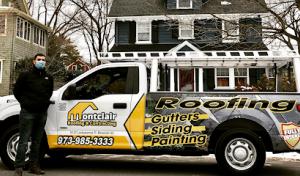
Montclair Roofing & Contracting
(973) 604-2501 montclairroofingcontracting.com
Serving
5.0 from 150 reviews


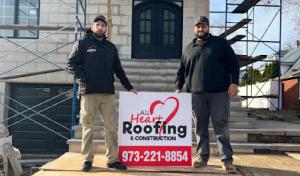
All Heart Roofing & Construction
(973) 221-8854 www.allheartroofing.com
Serving
4.8 from 82 reviews
ALL HEART ROOFING is a family-owned business and known as the best roofing company in New Jersey. We have been providing quality roofing and home remodeling services to the local community for over 8 years. Our team of certified professionals is dedicated to providing our customers with the best possible service at an affordable price. We take pride in our commitment to quality workmanship and customer satisfaction. Moreover, our team is comprised of knowledgeable individuals who have the skills and expertise to handle any roofing or home remodeling project in NJ. We specialize in roofing, bathrooms, decks, and all other aspects of home renovation. No matter the size or complexity of your project, we are here to help. Contact us today.
Montclair Roofing & Contracting
(973) 604-2501 montclairroofingcontracting.com
Serving
5.0 from 150 reviews
2 decades of providing professional roofing services, including free estimates, repairs, replacements, inspections, and maintenance. Proudly serving the Tri-State area, we deliver durable, long-lasting solutions with unmatched craftsmanship. Montclair Roofing & Contracting is your trusted roofing expert. With over 20 years of experience, our licensed and insured team delivers durable, reliable roofing solutions with locally sourced, high quality materials. We offer free estimates, fast service, and unmatched craftsmanship. Protect your property and boost its value—call Montclair Roofing & Contracting today for a free quote!
Cabrera & Sons Roofing
Serving
4.9 from 70 reviews
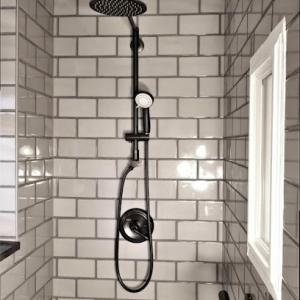
We are dedicated to providing top-quality roofing services that ensure customer satisfaction and property protection.
Right Team Construction
(732) 633-5167 rightteamconstructionllc.com
Serving
4.9 from 288 reviews
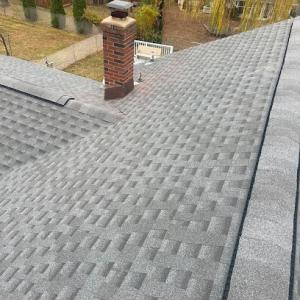
Your trusted local roofing specialist, Right Team, specializes in residential and commercial roof repair, replacement, and installation as well as chimney repair and restoration. Our services includes roof installations, skylight restorations that brighten your space, secure chimney repairs, and efficient gutter systems. Call now for a free estimate and responsive 24/7 emergency roof repair.
Northkit Roofing & Siding
(973) 319-8043 northkitroofing.com
Serving
4.8 from 307 reviews
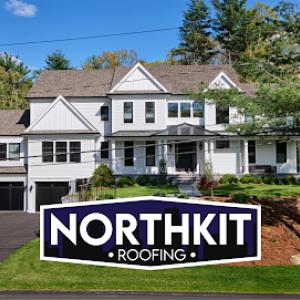
NorthKit Roofing is a trusted exterior remodeling contractor that provides high-quality services to homeowners. Our team of experts is highly skilled and trained to handle any exterior remodeling project, from simple repairs to complete replacements. We use only the highest-quality materials and precision engineering to ensure that our roofs are built to last. Our services include metal roofing, shingle roofing, siding and window installations, and more. At NorthKit Roofing, we pride ourselves on providing exceptional customer service and delivering results that exceed our clients' expectations. Choose NorthKit Roofing for all your homes exterior remolding needs and enjoy a lifetime of protection and peace of mind.

LGM Roofing Contractors
(973) 707-2154 www.lgmroofing.com
Serving
4.9 from 108 reviews
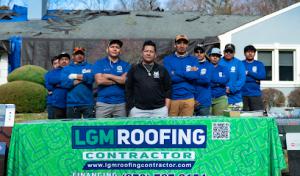
LGM Roofing Contractors is New Jersey’s trusted roofing, siding, gutter, and flat roof specialist. We provide roof repair, roof replacement, and full exterior services for homeowners and commercial properties. As a family-owned, second-generation company, we’re known for honest communication, transparency, and smart problem-solving. With 45+ years of experience and 1,000+ projects completed, our GAF Master Elite team delivers high-quality installations, durable materials, and industry-leading warranties. Request a free quote today.

Seci Construction
Serving
4.9 from 73 reviews
Seci Construction, Inc. is a trusted leader in roofing and exterior contracting, proudly serving New Jersey, New York, Connecticut, and Pennsylvania for over 50 years. Based in Clifton, NJ, we’re recognized as one of the region’s premier roofing and siding companies. Our team consists of highly-trained and certified professionals dedicated to delivering top-tier service and superior craftsmanship. As an Owens Corning Platinum Preferred Contractor and a member of the GAF President’s Club, we uphold the highest standards in the industry. Our consistent recognition—including being named Best of HomeAdvisor for over 12 years-reflects our unwavering commitment to customer satisfaction. Proudly to be accredited by the Better Business Bureau.
Unlimited Pro Roofing Construction
(973) 666-2267 unlimitedpronj.com
Serving
5.0 from 194 reviews
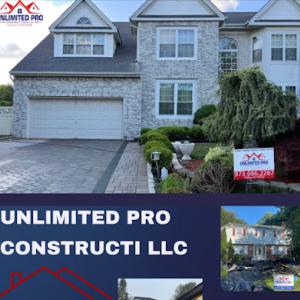
For more than 15 years, Unlimited Pro has been creating quality and outstanding projects for Chimney, Roofing, Masonry, Siding, Gutters and more. We have renovated, remodeling, and completing home improvements for the residents of New Jersey. We make sure to stay on top of our projects to be completed as per customer request. We take pride in our projects and we believe that by creating an outstanding project for you we would do a better job for us. Call us for any Roof Repair, Roof Leak, Roof Replacement, Chimney Repairs, Chimney Repointing, Chimney Services, Masonry Services on Steps, Pavers, Driveways, Sidewalks, Walkways; Siding Repair and Replacements and more. Give us a call to see why we are Clifton, NJ's best Roofing company!
American Roofing & Siding
(973) 542-0710 americanroofingandsiding.com
Serving
4.9 from 126 reviews
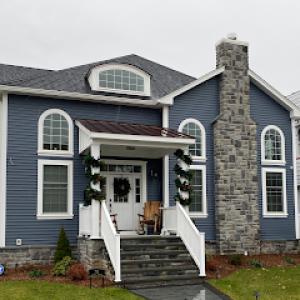
About American Roofing and Siding American Roofing is a "full service" New Jersey roofing company. After this awful winter call us at 973-542-0710. Our Business address is 1-3 St Marys Pl, Belleville, NJ 07109.
Four Seasons Construction
(862) 318-3997 4seasons-construction.com
Serving
5.0 from 72 reviews
Four Seasons Construction is a licensed roofing contractor serving all of New Jersey. We specialize in roof replacement, roof repair, gutters, siding, skylights, soffit, fascia and 24/7 emergency roofing services. Fully insured, fast responde and free estimates.
Done Rite Exteriors
Serving
5.0 from 290 reviews
At Done Rite, we take pride in delivering roofing and gutter solutions that protect your home, enhance its appearance, and add value to your property. Whether you require repairs, replacements, or maintenance, our dedicated team is ready to exceed your expectations. Contact us today to schedule a consultation and discover how we can elevate your roofing and gutter systems to new heights. Your home deserves nothing but the best!
Genesis Roofing
(201) 691-8367 thegenesisroofing.com
Serving
5.0 from 71 reviews
Roofing company offering a range of services, including Roof Replacement, metal roofs, shingle roofs, and inspections.
Montclair's housing stock supports an unusually broad mix of roofing materials, including asphalt, metal, clay tile, concrete tile, wood shingles or shakes, and slate. This variety isn't just about aesthetics; it reflects the neighborhood's architectural era and the practical needs of North Jersey weather. When choosing a material, consider how the roof's profile, detailing, and framing will handle the weight, span, and the tendency for wind-driven debris from tree-lined streets. For a steeply pitched roof with exposed rafter tails or intricate cornices, the choice of material should align with both structural realities and the curb appeal you want to maintain.
Slate and wood roofs are especially relevant in older North Jersey communities like Montclair, where replacement decisions often involve preserving the look of historic-era homes. Slate provides a classic, durable surface, but it carries a higher labor cost due to its fragility and the need for precise fitting around chimneys, dormers, and valleys. Wood shingles or shakes deliver a warmer, fossil-wood texture that many historic homes originally featured. If you aim to keep a period-accurate appearance, plan for meticulous detailing along eaves, rake boards, and ridge lines. In practice, premium materials can be visually compelling, but installation accuracy matters more than with fewer architectural trimmings on newer houses.
Steeper roof pitches and architectural detailing common on older Montclair houses can make premium materials more practical visually but more labor-intensive to install. A steep rake or a multi-gable silhouette means more surface area to cover and more flashing around valleys, chimneys, skylights, and dormers. That translates into careful layout, sequence of shingle or tile placement, and precise weatherproofing at eaves and mount points. For slate or tile, expect extended crews and deliberate handling to avoid breakage. For asphalt, metal, or wood options, the emphasis still sits on secure underlayment, effective ice dam barriers, and robust edge detailing to handle the freeze-thaw cycle typical of North Jersey winters.
Regardless of material, the goal is to balance performance against the house's character. In Montclair, that means choosing a system that tolerates freeze-thaw cycles, holds up to winter winds, and preserves the visual language of the home's era. A well-chosen system aligns with existing roof contours, overhangs, and attic ventilation, ensuring you minimize ice dam risk while keeping maintenance manageable over the long term.
In Montclair, you'll see cost ranges that reflect the town's mix of aging, pitched homes with heavier roof assemblies. Asphalt shingles run roughly from $350 to $650 per square, which is a practical baseline for a typical re-roof on a less complex roof. Heavier, longer-lasting options jump considerably: slate commonly lands in the $1,500 to $2,600 per square area, while clay and concrete tiles sit in the upper-mid to premium range. Metal roofing tends to fall between $700 and $1,100 per square, and wood shingles or shakes generally run from about $650 to $1,100. Those numbers assume standard square footage with straightforward access and a clean job site; back-end work can push costs higher in practice.
The local housing stock often features steep pitches, multiple dormers, and chimneys, all of which increase labor time and material waste. A tear-off on an older home can add substantial cost, especially if the roof structure has weathered sheathing or fragile underlayment that needs reinforcement. In Montclair, complex geometry means more edging, flashing, and detailing around soffits and valleys, all of which contribute to a higher final price compared with a simple, single-plane roof. Expect the premium materials to rise proportionally when the roof has to accommodate heavier systems or retrofit structural components to support them.
Seasonal storms drive tighter scheduling windows and higher labor demand, which can elevate labor rates temporarily. Specialty crews for slate or tile aren't as common locally, so you may see longer lead times and higher contractor margins during peak season. Landscaping and tight residential lots add another practical layer: protect plantings during removal and ensure thorough cleanup to avoid costly site damage or nuisance calls after a storm. The more careful the site cleanup, the more you should anticipate in line-item charges.
If the goal is durability in a freezing climate and long-term performance, slate and tile deliver a premium life span but require careful installation and ongoing maintenance. Asphalt shingles offer the most cost-effective expansion of roof life with reasonable resistance to freeze-thaw cycles when paired with proper attic ventilation and ice barrier details. For Montclair homes with steep pitches, budget for extra material waste, weathered flashing, and the potential need for scaffold or rigging access-these are not rare add-ons here and are essential to achieving a leak-free result.
Get a clear picture of your project costs upfront - no commitment required.
Montclair Roofing & Contracting
(973) 604-2501 montclairroofingcontracting.com
Serving
5.0 from 150 reviews
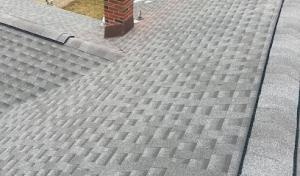
In Montclair, a full roof replacement triggers a building permit rather than being classified as permit-free maintenance. This means you will go through the Building Department with a clearly defined project scope and a set of material specifications. The department may request detailed product data, installation methods, and model numbers for any underlayment, flashing, ventilation, and fasteners. Having these specifications ready helps prevent delays and provides a smoother path to approval. If you are considering an upgrade to a different roofing material-such as moving from asphalt shingles to metal or clay tile-anticipate extra documentation around wind uplift performance, thermal expansion, and ventilation compatibility.
Prepare for a thorough review of not just the roof area but how it interfaces with existing structures, drainage, and edge details. The Building Department will expect clear drawings or sketches showing ridge lines, eave overhangs, and attic ventilation strategy. A stamped or sealed drawing from a licensed professional may be requested for more complex installations or when switching to high-density materials. Because Montclair sits within a climate with freeze-thaw patterns and established tree canopies, the reviewer may want evidence of proper snow and ice management, including eave protection and appropriate underlayment spacing. Submitting a complete, well-organized package tends to speed the process and reduces back-and-forth questions.
Once the permit is issued, inspections are typically lined up around key milestones: rough-in (framing, sheathing, and underlayment installation) and final completion (all roofing, flashing, and ventilation in place with proper ventilation balance). Inspections are commonly scheduled during rough-in and again after completion, so you should coordinate with your contractor to avoid missed slots. Expect some flexibility in the schedule if weather or access issues arise, which are common in the fall and early winter when freeze-thaw cycles can complicate installation or moisture control. If any deviations from the approved plan occur-such as changing a material supplier or altering fastening methods-notify the Building Department promptly to determine whether an amended plan or additional review is needed.
Engage a contractor experienced with Montclair's older pitched roofs and the corresponding insulation and venting needs. Have a clearly labeled package with product data sheets, installation manuals, and a revised attic ventilation chart ready to attach to the permit application. After approval, keep all inspection notices and permit cards in a visible place on-site and in your project binder. Clear communication with the Building Department and your contractor reduces delays and helps ensure the roof replacement proceeds with the proper safeguards for freeze-thaw resilience and storm-related leak prevention.
After North Jersey storms, your insurer will look for what caused the damage and whether a covered peril is to blame. In New Jersey, roof replacement is typically covered when damage comes from a covered peril, making storm documentation especially important after regional wind and rain events. If your roof shows wind-driven uplift, shingle loss, or sudden leaks, those facts should be front and center in every claim discussion. A careful record now can prevent a stubborn dispute later when the storm's memory fades.
Montclair homeowners should expect insurers to look closely at roof age and pre-existing wear, which matters more on the town's older housing stock. A dated roof or one with visible wear may complicate coverage decisions, even if the recent storm seems to have caused the most obvious damage. Insurance companies often weigh whether deterioration existed before the event and whether the roof could reasonably have been expected to withstand another freeze-thaw cycle. Honest documentation of prior issues helps you and the adjuster separate long-standing wear from storm-driven damage.
After major storms, claims commonly depend on photos, contractor estimates, and adjuster review, so documenting tree impact, flashing failure, and interior leak evidence quickly is important. Take clear photos of broken branches leaning on gutters, shingle delamination, and any ice dam or water intrusion along eaves and interior ceilings. Note flashing around chimneys, vents, and skylights, and keep copies of any timely contractor assessments. If leaks reach insulation or ceilings, capture that interior damage promptly. A detailed, organized packet can streamline the adjuster's review and support a fair settlement that reflects the roof's true condition and the storm's role.
Connect with contractors who help homeowners navigate the claims process from damage assessment to final approval.
Montclair Roofing & Contracting
(973) 604-2501 montclairroofingcontracting.com
Serving
5.0 from 150 reviews
Chimney intersections are a major local concern because chimney-related work is highly prevalent among contractors serving older homes. When shingles or flashing around a chimney fail, water can track down the masonry and into attic rafters within days of a freeze-thaw cycle. Start with a close inspection of the step flashing where the chimney meets the roof deck, then check the lead boot and counter-flashing for any hairline gaps. If you notice peeling shingles or dark staining along the chase, plan a targeted flashing upgrade rather than a broad roof replacement. For repairs, a careful cleaning of the chimney base and re-sealing the flashing with stainless steel or copper components is standard. In the attic, look for rust-colored stains or damp sheathing near the chimney breast after a storm, which signals slow leaks that need sealing from above and below.
Skylight repair is an active specialty in this market, reflecting how leak points often develop at aging skylight flashing during freeze-thaw and wind-driven rain. Inspect the dome or curb for gaps, consolidating sealants around the frame. Flashing should shed water away from the curb; if laps or mastic are degraded, leaks will back up along the flashing and into the drywall. Replacement of worn skylight units with a better-matched curb flashing or an energy-efficient option often resolves chronic leaks. In winter, ice buildup around the skylight can force water under flashing; ensure interior insulation around the curb is solid to reduce condensation problems.
While Montclair is known for pitched residential roofs, some homes and additions still include low-slope sections that need different drainage and membrane detailing than the main roof. Treat these zones with proper edge terminations and a compatible membrane course that overlaps the main roof by a generous margin. Ensure drainage points are kept clear of debris, and verify that any transitions from low-slope to high-slope areas are flashed with continuous, corrosion-resistant metal to prevent ice dam development. Regular inspection after storms helps catch wind-driven lifting or punctures before widespread water intrusion occurs.
Find contractors experienced in skylight installation, flashing, and leak repairs to bring natural light into your home.
Montclair Roofing & Contracting
(973) 604-2501 montclairroofingcontracting.com
Serving
5.0 from 150 reviews
In Montclair, milder spring and fall conditions are often preferred because they avoid winter ice delays and the hottest summer installation periods. Plan a replacement when the weather is reliably dry and above freezing for several days in a row. Spring and autumn deployments let crews tackle deck exposure and frozen underlayment issues while local crews can coordinate with tree services to protect mature canopies. Winter schedules are prone to snow delays that push tear-offs into unsafe conditions and leave vulnerable roof decks exposed longer than planned.
Look for widespread curling, cupping, or missing shingles that extend beyond a small area. If slate, wood, or tile show consistent cracking or delamination across large sections, replacement becomes more cost- and time-efficient than piecemeal repairs. In Montclair's climate, ice dam formation is a practical trigger: repeated ice dam incidents indicate the insulation and ventilation stack behind the roof have aged to the point where a full or staged replacement is warranted to prevent interior damage.
Autumn leaf drop is a practical Montclair issue because debris from mature trees can clog gutters and valleys right before winter weather arrives. If gutters, valleys, and downspouts routinely clog and gutters require frequent cleaning without adequate drainage, consider replacement with a system designed to handle winter runoff more reliably. If attic condensation feels persistent after a full seasonal cycle, or you notice daylight through decking or nail pops on a broad swath of the roof, those are signs the roof assembly has surpassed its effective service life.
Delays in tear-offs due to winter snow loads and ice can expose vulnerable roof decks longer if scheduling is poor. Align a replacement window with calm periods in late spring or early autumn, ensuring ventilation and attic insulation are prepared to support a long-term, durable installation. This cadence mitigates cold-weather strain on new materials and reduces the risk of future ice-related failures.
You'll notice homeowners here prioritize crews that respond quickly and leave the property spotless, especially on occupied residences with mature landscaping and neighboring homes close by. In Montclair, driveways and sidewalks are often narrow, and a rushed cleanup can damage landscaping or disturb neighbors. When you screen contractors, ask for a clear plan for arrival windows, dust control, drop cloths for shrubbery, and daily cleanup. A local crew accustomed to tight streets and wrapped-up jobs is a real asset.
Re-roofing is the prevailing need on many older pitched roofs, where aging underlayment, flashings, and vent details require a methodical, experienced approach. A contractor with proven re-roofing success on slate, wood, tile, or asphalt systems will handle difficult penetrations, slope-specific challenges, and frost-season repairs more reliably than a firm focused on new-construction. In this market, the emphasis is on replacement work that preserves the home's original character while addressing long-standing leak risks.
Montclair homeowners tend to favor long-established, family-owned businesses that concentrate on residential work. These crews bring a stability and familiarity with common older-house complications-steep pitches, careful preservation of historic trim, and the need for tidy, neighbor-friendly work sites. When evaluating bids, prioritize firms with a strong local footprint, regular crews, and a track record of servicing the same streets or neighborhoods. That continuity often translates to better communication and fewer scheduling surprises on a partial or multi-day project.