
Last updated: Apr 19, 2026
You are operating in a North Jersey insurance environment where periodic wind and hail events commonly trigger roof claims and adjuster review. In East Orange, that reality shows up quickly after a storm: a brisk wind can peel back edgeing, a hail dent can loosen shingles, and a heavy rain can force water under flashing. Because these neighborhoods feature older residential stock, the pattern is predictable: adjusters will scrutinize how pre-existing wear contributed to the damage, and timely reporting matters just as much as the damage itself. Understanding this landscape helps you act fast and document clearly, so a claim moves rather than stalls.
The city's aging roof lines often reveal weaknesses around flashing, masonry transitions, and aging roof decks once exposed to routine cycles of heat and cold. Wind-driven rain is unforgiving here, especially where masonry chimneys meet a shingle line or where a step-flashed interface meets a brick veneer. Asphalt shingle roofs may show accelerated granule loss, while low-slope sections can trap moisture that seeps into the underlayment. In older neighborhoods, these weak points aren't isolated incidents; they're recurring vulnerabilities that respond poorly to delay. If you notice staining, peeling paint, or a musty attic, treat them as urgent signals rather than cosmetic issues.
Fast stabilization matters locally because regular precipitation and winter freeze-thaw can turn a small breach into interior plaster, ceiling, and insulation damage before a full replacement is scheduled. Start with a temporary, weatherproof seal at the exterior breach using a sturdy tarp or exterior-grade membrane secured well beyond the breach perimeter. From the attic, locate the highest leak source and place a clean bucket or containment to protect valuables below while you arrange professional help. For areas with active ingress, limit exposure by moving belongings away from the leak path and controlling indoor humidity to slow condensation and mold growth. Quick responses can stop the cascade long enough to preserve insulation and framing.
When you file, document the sequence of events: storm timing, wind directions, hail impact spots, and observable damage progression. Photograph roof edges, flashing details, masonry transitions, and interior signs such as ceiling staining and attic moisture. Keep a dated log of when you first noticed the leak, when you tarped the area, and who you spoke with at your insurer. If possible, arrange a professional roof inspection or a licensed contractor report that specifies failed components, such as flashing or decking, and includes photos from multiple angles. Clear, chronological evidence helps adjusters understand both the extent of the breach and how aging systems contributed to the incident.
After you stabilize the leak, prioritize a thorough inspection of all vulnerable roof segments, especially around flashing corners and masonry transitions. Revisit gutters and downspouts to ensure proper drainage away from the structure, which reduces future water intrusion during heavy rains. Given the older housing stock in this area, plan for targeted repairs that address the root cause-leaks that recur next season are a red flag that a broader replacement strategy may be needed. Coordinating a temporary fix with a long-term plan can minimize disruption and keep interiors safer while waiting for a full replacement.
In this neighborhood pattern, your flat or low-slope sections often cover additions, porches, multifamily units, or mixed-use spaces that age differently from the main pitched roof. The result is a mix of roof membranes and flashing details that require constant attention, especially when the weather shifts from a wet autumn to a frozen winter. This section speaks to the reality of North Jersey winters, where winter ponding, clogged drains, and repeated freeze-thaw cycles press flat roofs into service life stress tests.
Low-slope roofs in this market frequently hide problems at transitions-where a porch roof meets a main structure, where an addition corners into the footprint, or where a parapet wall flares out over the edge. Look for signs of blisters or ridges in the membrane, moss or algae growth along seams, and staining that tracks toward interior walls. Pay attention to stopped-up scuppers and gutters, which are common contributors to ponding and leaks after heavy rain or thawing snow. If you see water staining on ceilings that align with porch or addition spaces, treat that area as your first priority for inspection and assessment.
Storm events in this area often bring wind-driven rain and snow that sit on flat roofs. The combination creates more frequent edge failures and faster wear on low-slope membranes. After a significant storm, do a quick exterior check: look for lifted flashing, loose edge metal, or visible gaps at penetrations such as vent pipes, drain outlets, and skylights. Inside, look for new damp patches that follow lines from low-slope zones, particularly where additions join the main roof. In East Orange's mixed-use and multifamily buildings, damage can accumulate at shared parapets or vent stacks, so a careful, stair-stepped inspection is worth the extra time.
A practical year-round plan starts with regular cleaning of drains, scuppers, and gutter channels. In late fall, clear debris before the first freeze; in spring, remove any buildup from winter storms. For flat roofs, ensure the edge details are intact and that sealant lines around penetrations remain watertight. Periodically have the membrane edges checked where the roof meets vertical walls; this is a common failure point as building faces settle or as additions settle differently than the main roof. For porches and attached low-slope spaces, inspect drainage routes specifically designed for those sections, as they often get overlooked but bear the brunt of runoff from adjacent surfaces.
Flat roofs rely on gravity to move water into drains. In practice, a slight slope toward a drainage point is ideal, but aging materials and settlement can reduce that slope. If you notice water pooling for more than 48 hours after a rain event, that's a sign to call for a closer look. For complex layouts with multiple planes, consider a professional assessment of the entire system to identify hidden sags, failed flashings, or clogged internal drains that a routine homeowner check might miss.
Flat-roof work is a meaningful specialty in this market. When selecting a contractor, verify experience with low-slope membrane systems, flashing at parapets and transitions, and integration with any existing porches or additions. Request recent project references that resemble your roof's layout, with photos showing drainage components and edge detailing. Confirm they provide a thorough inspection of interior ceilings and attic spaces for signs of hidden moisture following storms, and ensure they outline a clear, step-by-step plan for repairs or replacements that account for aging membranes and settlement between connected structures.
After a major event, document exterior damage with dated photos of edge seams, penetrations, and parapet structures. Keep a record of interior signs of moisture, including ceiling discoloration and mold concerns, and note the specific roof sections involved. If a contractor recommends temporary measures to limit further ingress, document those actions and the date they were performed. This catalog of documentation will help you track progression, schedule future maintenance, and support any insurance discussions that may arise.
Find specialists in TPO, EPDM, and built-up flat roofing systems for residential and commercial properties.
A1 Quality Roofing-Roof Repair & Replacement
(866) 766-3370 www.a1roofingnj.com
90 Hawthorne Ave, East Orange, New Jersey
4.8 from 81 reviews
A1 Quality Roofing–Roof Repair & Replacement provides premium residential roofing services throughout Essex, Union, and Bergen County. We specialize in roof leak repair, full roof replacement, skylight replace, siding, gutters, soffit & fascia, chimney flashing, emergency storm repair, and complete exterior remodeling. With lifetime material warranties, 20-year workmanship coverage, and five-star reviews, A1 delivers workmanship you can trust. Every project is completed using certified materials including Owens Corning, Velux skylights, CertainTeed siding, and seamless 5” & 6” gutters We proudly serve NJ, If you need a fast, reliable, same-day roofing expert, A1 Quality Roofing stands behind your home with unbeatable honesty

LGM Roofing Contractors
(973) 707-2154 www.lgmroofing.com
Serving
4.9 from 108 reviews
LGM Roofing Contractors is New Jersey’s trusted roofing, siding, gutter, and flat roof specialist. We provide roof repair, roof replacement, and full exterior services for homeowners and commercial properties. As a family-owned, second-generation company, we’re known for honest communication, transparency, and smart problem-solving. With 45+ years of experience and 1,000+ projects completed, our GAF Master Elite team delivers high-quality installations, durable materials, and industry-leading warranties. Request a free quote today.
Montclair Roofing & Contracting
(973) 604-2501 montclairroofingcontracting.com
Serving
5.0 from 150 reviews
2 decades of providing professional roofing services, including free estimates, repairs, replacements, inspections, and maintenance. Proudly serving the Tri-State area, we deliver durable, long-lasting solutions with unmatched craftsmanship. Montclair Roofing & Contracting is your trusted roofing expert. With over 20 years of experience, our licensed and insured team delivers durable, reliable roofing solutions with locally sourced, high quality materials. We offer free estimates, fast service, and unmatched craftsmanship. Protect your property and boost its value—call Montclair Roofing & Contracting today for a free quote!
R & G Roofing
(973) 324-9461 rghomeservices.com
Serving
4.9 from 290 reviews
R and G Roofing is one of the Best roofing companies in New Jersey Essex County providing Roofing, Home Improvement, Roof Repair, Roof Replacement, Roof Installation, Roof Maintenance, Shingle Roofs, Flat Roofs, Commercial Roofing, Roofing Prices, Siding Installation, Vinyl Siding, Vinyl Siding Repair, asphalt, GAF, CertainTeed, Owens Corning, roof, roofer, gutter, gutters, gutter repair, gutter installation, gutter covers, leaf protection and any Skylight work replace or repair. Roofing Family Business serving all surround areas. We are the Top Contractor in Essex county committed to highest customer service in workmanship quality.
Hayes Family Roofing
(862) 660-7900 hayesfamilyroofing.com
Serving
4.8 from 60 reviews
Experience the difference with our skilled team and durable roofing services Trust us to enhance the appearance and durability of your roof
Raidex construction
(973) 380-4652 www.raidexconstructionllc.com
Serving
4.8 from 116 reviews
Raidex Construction is a family-owned roofing and exterior services company with over 15 years of experience. We specialize in roof replacements through insurance claims, affordable roof repairs, siding repair, and gutter services. Locally based and highly rated with 4.5-star reviews, we focus on quality over quantity and offer easy financing options to help homeowners improve and protect their homes with confidence.
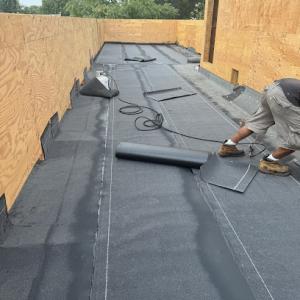
Garden State Roofing Flat Roof Specialist
(551) 253-3004 www.gardenstateroofs.com
Serving
5.0 from 128 reviews
Garden State Roofing is New Jersey’s trusted Flat Roof Specialist, delivering top-quality new roofs, re-roofs, and full repairs for Industrial commercial and residential properties. We combine expert craftsmanship with durable materials to ensure long-lasting protection and flawless performance on every project. Reliable service, premium work, and flat-roof solutions built to last — that’s Garden State Roofing.
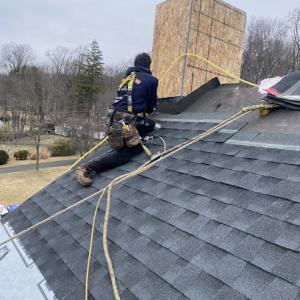
Peter Contractor
(347) 992-4144 petercontractor-llc.com
Serving
5.0 from 445 reviews
At Peter Contractor, we offer expert construction, remodeling, and roofing services across New Jersey and New York. With over 21 years of experience, we specialize in new roofs, repairs, and full exterior and interior renovations for residential, commercial, and industrial clients. As a GAF Certified, fully licensed and insured contractor, we provide top warranties and reliable, high-quality work. From roofing and siding to concrete and brickwork—we do it all, at the best price and with care.
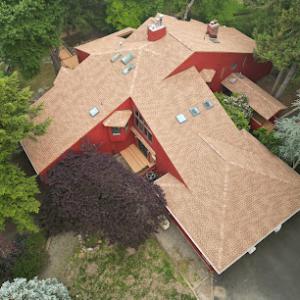
Quality Roofing
(201) 283-2875 www.qualityroofer.net
Serving
4.7 from 78 reviews
Quality Roofing is committed to delivering unparalleled craftsmanship and customer service as one of New Jersey's leading roofing contractors. With over a decade of experience in the industry, our skilled team specializes in providing high-quality roof repair, metal roofing, and roof replacement services to the North Jersey region. Known for our unwavering dedication to excellence and unwavering commitment to ensuring complete customer satisfaction, we stand proudly as the top roofing contractor in NJ. Experience unparalleled roofing services with Quality Roofing and allow your property to shine with the protection it deserves.

One Call 24-7 | Roofing & Restoration – Anytime. Anywhere. We’re There.
Serving
4.7 from 109 reviews
Peter’s General Construction dba One Call 24-7 brings over 25 years of trusted, licensed, and insured experience serving homeowners and property owners across New Jersey. We provide comprehensive home restoration and construction services, including: Roof repair & full roof replacement Gutter cleaning, repair & replacement Siding repair & replacement Windows & soffit repair or replacement Skylights installation & repair Chimney services Storm & water damage restoration Retail and insurance claim support for repairs and replacements Emergency services available 24/7 — from sudden roof leaks to storm damage, fallen trees, or water intrusion, our expert crews respond immediately to protect your home and prevent further damage.

All Heart Roofing & Construction
(973) 221-8854 www.allheartroofing.com
Serving
4.8 from 82 reviews
ALL HEART ROOFING is a family-owned business and known as the best roofing company in New Jersey. We have been providing quality roofing and home remodeling services to the local community for over 8 years. Our team of certified professionals is dedicated to providing our customers with the best possible service at an affordable price. We take pride in our commitment to quality workmanship and customer satisfaction. Moreover, our team is comprised of knowledgeable individuals who have the skills and expertise to handle any roofing or home remodeling project in NJ. We specialize in roofing, bathrooms, decks, and all other aspects of home renovation. No matter the size or complexity of your project, we are here to help. Contact us today.
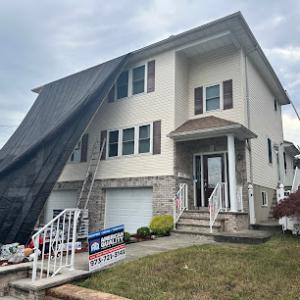
American Quality Roofing & Siding
(973) 721-3141 aqroofingnj.com
Serving
4.9 from 87 reviews
At American Quality Roofing and Siding, we are proud of being a leading roofing and siding company for our neighbors and their families in New Jersey. We have built a robust reputation for delivering exceptional results thanks to our skilled crew and their commitment to relentless and honest hard work. This has allowed us to build solid and long-lasting relations with our clients, if we haven’t done so already, we’ll be glad to start working with you today. Contact your trusted New Jersey roofing contractor for a free estimate!
In this city's dense, older housing stock, the climate swings between hot summers and icy winters, with storm-driven rain and occasional heavy snows that push roofs to their limits. Asphalt shingles remain the practical backbone for most homes, but summer heat and winter ice exposure can shorten their life if attic ventilation is weak or flashing details aren't sealed well. The insulation and airflow in the attic become a defining factor: a well-ventilated space helps keep the roof cooler in summer and prevents ice dams in winter, which can damage both shingles and sheathing. When roofs aren't sealed with durable flashing around chimneys, skylights, and vent pipes, even the best shingle designs struggle to hold up under North Jersey's seasonal stress.
Slate, clay tile, and concrete tile exist in pockets of the city's architectural fabric, offering a distinct curb appeal and long-term durability when they're properly supported. On aging structures, however, weight and structural compatibility matter more than elsewhere. Clay and concrete tiles demand a robust support system and careful flashing to address old framing quirks, while slate, though elegant and resilient, can be unforgiving if roof deck integrity isn't sound. If a home carries lighter framing or mixed construction, these heavier options should be evaluated with a structural pro. In practice, the look and rhytm of older streets can be preserved with select installations that retrofit to existing rafters, but the installation itself becomes a meticulous, case-by-case consideration.
Metal roofing and synthetic or composite shingles offer distinct advantages that align well with East Orange's winter and storm patterns. Metal shines in snow shedding, reducing ice buildup and the stress of freeze-thaw cycles, and it tends to withstand wind-driven rain more consistently than some traditional shingles. Synthetic or composite shingles give a lighter alternative to slate or tile while delivering improved impact resistance and fade resistance, with easier repair paths on aging roofs. For homes with limited attic ventilation or complex flashing needs, metal or composite systems can also simplify maintenance, provided the substrate and fasteners are prepared for the change and the color and profile suit the overall architectural language.
Regardless of material, the best results come from careful detailing around roof penetrations, consistent edge and rake protection, and a balanced approach to attic ventilation. Older houses benefit from coordinated upgrades: sealing and insulation upgrades paired with ventilated soffits and ridge or turbine vents, plus upgraded flashing at chimneys and dormers. When leaks appear after a storm, the priority is rapid, temporary containment followed by a professional assessment that accounts for the roof's age, the chosen material's requirements, and the surrounding structural context. The goal is a durable seal that respects the home's character while standing up to the region's seasonal rhythms.
When planning a replacement, you'll encounter per-square (100 sq ft) costs that reflect East Orange's mix of older stock and urban roofs. Asphalt shingles run roughly from 350 to 650 USD per square, metal from 700 to 1100, clay tile from 1250 to 1900, concrete tile from 900 to 1500, synthetic/composite from 450 to 800, and slate from 1200 to 1900. These ranges matter because the right choice depends on roof slope, attic space, and the expected life of the roof in the Northeast climate. For a typical modest cape or columned bungalow in older neighborhoods, asphalt often remains the practical baseline, while clay or slate are common on higher-end or historically influenced facades.
Costs in East Orange can rise on older homes where tear-off reveals multiple roofing layers, deteriorated decking, or difficult flashing work around chimneys and attached neighboring structures. If the existing roof has two or more layers, the removal and disposal can add significantly to the project, and decking repair or replacement becomes necessary. Chimneys, soffits, and near-neighbor risk areas (where neighboring structures tie in) require careful flashing and seamless transitions, which can push labor time and material waste into the upper ends of the ranges. Budget a contingency for decking and flashing when evaluating bids.
Scheduling pressure after regional wind and hail events can tighten labor availability across Essex County and push pricing or lead times higher during peak claim periods. If a storm hits, adjust expectations for longer lead times and potential price bumps due to material demand and contractor workload. In practice, securing a trusted local crew early in the recovery window helps lock in materials and reduces the risk of delays mid-project. Consider cross-seeking bids from teams known to service East Orange neighborhoods with experience handling older structures.
Begin with a structural assessment to confirm decking condition and the number of layers to remove. Obtain at least three written bids, noting included items such as tear-off, disposal, flashing, and any necessary repairs to chimneys or venting. Ask for a materials list that aligns with the chosen product line and verify warranty coverage for the specific climate and roof exposure. Finally, set aside a modest contingency for unexpected decking or flashing complexities that commonly arise on older addresses in town.
Get a clear picture of your project costs upfront - no commitment required.
Montclair Roofing & Contracting
(973) 604-2501 montclairroofingcontracting.com
Serving
5.0 from 150 reviews
In this city, a full roof replacement typically requires a permit through the City of East Orange Building Department. The permit is generally filed by the contractor or homeowner with the project scope, and inspections are scheduled during the work and again after completion. If the permit isn't in place before work starts, you face potential stop-work orders, fines, and headaches with your insurer and neighborly neighbors who watch every hammer blow. Your best bet is to pin down early who is pulling the permit and make sure the project scope matches the planned work exactly, so nothing drifts or gets deemed noncompliant later.
Inspections are not a one-and-done step; they're spread through the project timeline. Expect at least one framing or installation inspection as the roof goes on, another midway inspection if a significant change is needed, and a final inspection after completion to verify proper technique, flashing, ventilation, and drainage. In practice, timing can affect access to the attic, porch, or crawlspace, and may require coordination with nearby crews. If weather drives delays, coordinate with the inspector so the final check isn't pushed out, leaving you with unsure coverage of potential issues.
Because the city verifies installation through inspection, homeowners should confirm who is pulling the permit and how inspection timing will affect the project calendar. If a contractor handles the permit, request a copy of the application and a written inspection schedule, including expected dates for rough-in, mid-phase, and final approvals. If you choose to pull the permit yourself, you'll need to align the contractor's work plan with the filing; missing an inspection window can stall the entire project and complicate insurance documentation after a loss or storm event.
Keep a dedicated folder with permit numbers, inspection stickers, and any corrective work orders. When storms sweep through this area, having immediate access to these records speeds up insurance processing and reduces the risk of gaps between the as-built roof and the written scope. A clear, transparent permitting path helps avoid delays that could otherwise extend a roof replacement into a too-tight winter window.
Snow loads on older Essex County homes can push a roof beyond what the structure was built to handle, especially when insulation and ventilation setups create uneven roof temperatures. Ice damming is a common winter ailment: warm indoor air melts snow at the eaves, refreezes at the colder edges, and traps water behind the dam. Take a close look after heavy storms for any staining near the attic hatch or ceiling, and check attic soffit vents to confirm they're not blocked by insulation. If you find ice dams forming, remove the snow from the roof edge with a rubber roof rake from the ground, never climb onto a slick roof, and contact a local pro to assess ventilation and insulation needs before the next storm season.
Spring in North Jersey brings heavy rainfall and high winds that can lift aging shingles and expose vulnerable ridge lines, eaves, and flashing. After a Nor'easter or a blustery storm, walk the exterior and look for lifted shingles, loose flashing around chimneys, vents, and skylights, and any gaps at the ridge cap. Pay attention to attic gaps that let light through or allow wind-driven rain to intrude. If you spot vulnerable spots, arrange immediate cover or temporary sealing while you coordinate a more permanent repair.
The transition from winter to spring is a critical window for East Orange roofs that have seen years of freeze-thaw cycles. Softened asphalt, curling shingles, or brittle flashing can become more noticeable when temperatures climb. A practical approach is to schedule a quick, targeted inspection of suspect roof zones-ridge, eaves, hips, and flashing-after any major winter storm and again after heavy spring rain events. Ensure gutters and downspouts are clear so water can drain properly and reduce water backing up near the roof edges.
Keep exterior debris off the roof to minimize ice dam seeds and wind uplift leverage. Trim overhanging branches and clean snow from around vents and chimneys promptly after storms. Inside, inspect ceilings and walls for slow leaks that could indicate hidden damage. If you notice recurring damp spots after storms, arrange a professional assessment to evaluate insulation, ventilation, and any flashing needs before the next adverse season begins.
Chimneys stand out on older Essex County homes, and that prominence often means flashing leaks become a recurring headache. You'll notice wind-driven rain finding the joints where brick or stonework meets the roof deck, then tracking down through imperfect flashing or deteriorated mortar. The path to a durable fix is precise: inspect the chimney crown for cracks, test chimney flashing where it terminates against shingles, and verify step flashing along each side. When storms hit, those flashing points can fail all at once, and a quick patch typically doesn't last. A careful repair plan targets both the chimney sides and the roof-to-chimney transition, not just the visible leaks inside the attic.
Skylights signal a strong local specialty-homes with curb, flashing, or surrounding shingle repairs are common because skylight openings stress the surrounding roof plane. If a skylight shows condensation, glazing cracks, or persistent leaks after a storm, the culprit is rarely the glass alone. The flashing ring and the shingle course around the curb must be integrated with the existing roof surface to avoid new leaks, especially in wind-driven rain events common to the season. In practice, that means evaluating the entire curb area, resealing fasteners, and sometimes re-flashing with a tighter, weather-tight fit that blends with the surrounding shingles rather than a standalone fix.
On older houses, the roof-to-masonry transition is a frequent failure point. Repeated patching tends to fail first during wind-driven rain because mortar joints shift and flashing loses its seal over time. The lesson is simple: when leaks appear at the transition, the fix should address the masonry joint condition, the sill or counterflashing, and the shingle run-up beyond the edge of the masonry. Small leaks here often foreshadow larger issues after a bad storm season, so prioritize a targeted, integrated repair rather than a series of temporary patches.
Document every leak with photos after a heavy rain, noting where it appears in relation to chimneys, skylights, or masonry transitions. Schedule a careful inspection that includes the attic, roof edge, and the curb around skylights. If a repair reveals deeper moisture damage in wood framing or sheathing, plan a controlled replacement rather than a band-aid fix. In winter, inspect for ice dams at these transitions, since blocked drainage can exacerbate flashing failures.
Find contractors experienced in skylight installation, flashing, and leak repairs to bring natural light into your home.
A1 Quality Roofing-Roof Repair & Replacement
(866) 766-3370 www.a1roofingnj.com
90 Hawthorne Ave, East Orange, New Jersey
4.8 from 81 reviews
Montclair Roofing & Contracting
(973) 604-2501 montclairroofingcontracting.com
Serving
5.0 from 150 reviews
The claim-active landscape in New Jersey means that a roof replacement can be scrutinized for years after installation. Warranties in this area are not just a line on a brochure; they become a practical tool for rights and remedies if a defect appears. A local contractor's warranty should cover both materials and workmanship for a defined period, with clear terms about what is considered a defect versus normal wear. When storms, heavy rain, or winter freeze cycles push a roof through rapid weather changes, those warranty details can translate into faster resolution and fewer deliberations about responsibility.
Because East Orange sits in a claim-active New Jersey market, homeowners should keep dated photos, scope sheets, permit records, and before-and-after documentation for future insurer review. Collect high-resolution images that capture edge details, flashing transitions, vent penetrations, and any visible damage immediately after a storm or incident. Maintain a detailed scope of work that maps each replacement task, including materials used, component brands, and specific flashing configurations. Before-and-after photo sets help demonstrate that the work delivered corresponds to the agreed scope. Store all documents in a durable, organized archive, accessible in case an insurer or adjuster requests a review long after the project completes.
Local contractor signals show warranty offerings are common enough to matter when comparing bids in this market. When evaluating proposals, verify whether the warranty is a manufacturer-backed product warranty, a workmanship warranty from the installer, or both, and confirm what is excluded (streaking, hail damage, ponding, debris-related issues, etc.). Ask how warranty claims are handled: who conducts inspections, what documentation is needed to file a claim, and what the response timelines look like. For older substrates and flashing conditions, the warranty of record may hinge on proper integration with existing components; ensure the contract outlines testing or inspection milestones that document installation quality alongside the condition of the existing roof deck and flashings.
Treat warranties as ongoing protection rather than a one-time benefit. Record replacements of roof components, any service visits, and modifications that could affect warranty validity. If a claim is needed, organize all related evidence: dated photos, scope sheets, prior repairs, and corresponding correspondence with the contractor or insurer. A well-documented file supports quicker decisions and reduces back-and-forth during claim reviews.