
Last updated: Apr 19, 2026
West Orange sits along the First Watchung Mountain, with nearby hills and the South Mountain Reservation casting a wide shelter of wind and rain patterns that can slam your roof after a thunderstorm. That terrain means roofs deal with wind-driven rain, blowing debris, and quick drainage challenges when gutters clog. The combination of steep, older homes and heavy tree canopy means tiny leaks can hide behind flashing, under roof edges, or where shingles have abraded from wind-driven grit. If your street slopes toward the south or west, a sudden storm can push moisture into channels that don't reveal themselves until the damage is significant. This is not a guessing game-unseen moisture can rot decking, lift shingles, and accelerate deterioration around dormers and valleys.
Older neighborhoods in town commonly have mature trees overhanging rooflines. That overhang increases gutter blockage, shingle abrasion, and the chance that leaf litter and needles trap moisture against the underlayment after summer thunderstorms and autumn wind events. When leaves pile up, water backs up in the gutters and overflows under shingles, seeking the most vulnerable seams and eaves. Tree limbs can rub against edges during storms, loosening fasteners or tearing vent seals. In West Orange, a routine inspection after a heavy wind or a stubborn storm is not optional-it's essential for catching accelerated wear where it starts: along valleys, at dormers, and near chimney flashing where sap and grit accumulate. The result is a slower drip that becomes a faster leak once a rain band holds over the roof, especially with radiant heat and fluctuating temperatures that drive contraction and expansion of materials.
Contractors in this market emphasize rapid tarping and post-storm leak response. If a storm leaves your roof exposed, securing a temporary tarp over the most compromised area buys you crucial time before a professional fix. Focus on protecting living spaces first: identify the room with the stain or damp ceiling, then look for damp spots along the interior walls near the ceiling line. From the outside, prioritize flashing around chimneys, skylights, and any vent stacks, plus the edge of the ridge cap where wind-driven rain can slice through. If gutters are blocked, clear the debris as soon as it's safe to do so, because standing water against shingles accelerates edge wear and edge-fastener loosening. Do not delay reporting significant leaks; quick response reduces interior damage, minimizes mold risk, and preserves insulation integrity in a climate that swings from frigid to humid fast.
A simple, effective plan is to map vulnerable zones: note dormers, valleys, and the roof section that slopes toward the hillside. Pay attention to the overhanging trees and address any limb that overhangs a critical seam or valley. Consider trimming overhanging branches to reduce future debris loads and wind shear on flashing. Maintain the gutters with a focused pass after leaf drop and before rainy season starts. A routine seasonal check-before winter, after major storms, and following heavy leaf fall-helps you catch loose fasteners, missing shingle tabs, and degraded flashing early, when fixes are straightforward and less disruptive. In this neighborhood, lasting protection hinges on quick, decisive action when wind and rain push the limits of an older roof.
R & G Roofing
(973) 324-9461 rghomeservices.com
Serving
4.9 from 290 reviews
R and G Roofing is one of the Best roofing companies in New Jersey Essex County providing Roofing, Home Improvement, Roof Repair, Roof Replacement, Roof Installation, Roof Maintenance, Shingle Roofs, Flat Roofs, Commercial Roofing, Roofing Prices, Siding Installation, Vinyl Siding, Vinyl Siding Repair, asphalt, GAF, CertainTeed, Owens Corning, roof, roofer, gutter, gutters, gutter repair, gutter installation, gutter covers, leaf protection and any Skylight work replace or repair. Roofing Family Business serving all surround areas. We are the Top Contractor in Essex county committed to highest customer service in workmanship quality.
Proven Contracting of Livingston
(973) 617-2602 provencontractingnj.com
Serving
4.8 from 137 reviews
Proven Contracting is a trusted roofing company serving Northern New Jersey, including Verona, Millburn, Roseland, Fairfield, Livingston, Cedar Grove, Essex Fells, East Hanover, Florham Park, West Caldwell, Caldwell, North Caldwell, West Orange, Parsippany-Troy Hills, Pine Brook, and Short Hills. We specialize in roof repair, replacement, gutters, siding, and window installation. Our experienced roofers deliver quality craftsmanship, honest service, and lasting results for every home. Call today for trusted roofing and exterior services across North Jersey.
Montclair Roofing & Contracting
(973) 604-2501 montclairroofingcontracting.com
Serving
5.0 from 150 reviews
2 decades of providing professional roofing services, including free estimates, repairs, replacements, inspections, and maintenance. Proudly serving the Tri-State area, we deliver durable, long-lasting solutions with unmatched craftsmanship. Montclair Roofing & Contracting is your trusted roofing expert. With over 20 years of experience, our licensed and insured team delivers durable, reliable roofing solutions with locally sourced, high quality materials. We offer free estimates, fast service, and unmatched craftsmanship. Protect your property and boost its value—call Montclair Roofing & Contracting today for a free quote!

LGM Roofing Contractors
(973) 707-2154 www.lgmroofing.com
Serving
4.9 from 108 reviews
LGM Roofing Contractors is New Jersey’s trusted roofing, siding, gutter, and flat roof specialist. We provide roof repair, roof replacement, and full exterior services for homeowners and commercial properties. As a family-owned, second-generation company, we’re known for honest communication, transparency, and smart problem-solving. With 45+ years of experience and 1,000+ projects completed, our GAF Master Elite team delivers high-quality installations, durable materials, and industry-leading warranties. Request a free quote today.
Pro Gen Construction & Roofing
(862) 222-1016 progenconstructionnj.com
Serving
5.0 from 63 reviews
At Pro Gen Construction & Roofing, we turn your dreams into reality through expert craftsmanship and a dedication to delivering exceptional results. As a leading contractor near you in New Jersey, we offer premier services in roofing, siding, masonry, decking, and chimney in New Jersey. Looking for roofing Caldwell NJ? Look no further! Our team is dedicated to providing top-quality workmanship in every project. Where Quality Meets Craftsmanship. Call us now for a free estimate!
The Carpenters Touch Roofing & Siding
(973) 994-1085 www.carpenterstouchnj.com
Serving
4.9 from 159 reviews
The Carpenter’s Touch is a GAF Master Elite® roofing contractor and James Hardie® siding specialist serving Livingston, New Jersey, and surrounding cities within a 30-mile radius. We provide roof replacement, roof repair, vinyl siding, fiber-cement siding, windows, doors, decks, and general home renovation services for residential properties. Since our founding, our mission has been simple — to deliver top-quality craftsmanship, reliable service, and lasting value on every project. Homeowners trust The Carpenter’s Touch for professional roofing, siding installation, and home improvement solutions completed with precision and care. We take pride in combining the traditional values of honesty, hard work, and attention to detail with today’s
RK Roofing
Serving
4.9 from 47 reviews
RK Roofing Provides siding and roofing services to the Caldwell, Nj area.

All Heart Roofing & Construction
(973) 221-8854 www.allheartroofing.com
Serving
4.8 from 82 reviews
ALL HEART ROOFING is a family-owned business and known as the best roofing company in New Jersey. We have been providing quality roofing and home remodeling services to the local community for over 8 years. Our team of certified professionals is dedicated to providing our customers with the best possible service at an affordable price. We take pride in our commitment to quality workmanship and customer satisfaction. Moreover, our team is comprised of knowledgeable individuals who have the skills and expertise to handle any roofing or home remodeling project in NJ. We specialize in roofing, bathrooms, decks, and all other aspects of home renovation. No matter the size or complexity of your project, we are here to help. Contact us today.
A1 Quality Roofing-Roof Repair & Replacement
(866) 766-3370 www.a1roofingnj.com
Serving
4.8 from 81 reviews
A1 Quality Roofing–Roof Repair & Replacement provides premium residential roofing services throughout Essex, Union, and Bergen County. We specialize in roof leak repair, full roof replacement, skylight replace, siding, gutters, soffit & fascia, chimney flashing, emergency storm repair, and complete exterior remodeling. With lifetime material warranties, 20-year workmanship coverage, and five-star reviews, A1 delivers workmanship you can trust. Every project is completed using certified materials including Owens Corning, Velux skylights, CertainTeed siding, and seamless 5” & 6” gutters We proudly serve NJ, If you need a fast, reliable, same-day roofing expert, A1 Quality Roofing stands behind your home with unbeatable honesty
Peter Contractor
(347) 992-4144 petercontractor-llc.com
Serving
5.0 from 445 reviews
At Peter Contractor, we offer expert construction, remodeling, and roofing services across New Jersey and New York. With over 21 years of experience, we specialize in new roofs, repairs, and full exterior and interior renovations for residential, commercial, and industrial clients. As a GAF Certified, fully licensed and insured contractor, we provide top warranties and reliable, high-quality work. From roofing and siding to concrete and brickwork—we do it all, at the best price and with care.
Dream Home Roofers
(201) 426-6965 www.dreamhomeroofers.com
Serving
4.9 from 146 reviews
At Dream Home Roofers in West Caldwell, NJ, we offer top-tier asphalt roof installation and replacement services, ensuring your home is both protected and aesthetically improved. Whether you're upgrading an aging roof or building from scratch, our skilled team delivers durable asphalt roofing solutions that stand up to the elements. We also provide expert gutter replacement services, ensuring your new roof has the necessary drainage support to protect your home from water damage. With a strong focus on quality materials, precision, and customer satisfaction, we guarantee long-lasting results backed by comprehensive warranties. Contact us today for a free consultation and experience roofing and gutter services tailored to your home's needs.
Raidex construction
(973) 380-4652 www.raidexconstructionllc.com
Serving
4.8 from 116 reviews
Raidex Construction is a family-owned roofing and exterior services company with over 15 years of experience. We specialize in roof replacements through insurance claims, affordable roof repairs, siding repair, and gutter services. Locally based and highly rated with 4.5-star reviews, we focus on quality over quantity and offer easy financing options to help homeowners improve and protect their homes with confidence.
Chimneys, dormers, and intersecting rooflines multiply flashing points on older detached homes with masonry chimneys around the hillier sections of town. The local contractor market reflects this, with a steady focus on counterflashing, cricket details, and masonry-to-roof transitions. When leaks show up, it is common for failures to center on valleys, chimney saddles, and step flashing rather than broad field-shingle wear. The practical approach here is to treat flashing as a system, not a single point of failure.
Chimneys in these homes often sit on brick or masonry bases with metal flashing that is intended to direct moisture away from the intersection where roof deck, chimney, and sky meet. Counterflashing must be integrated with the chimney crown and the masonry joints. Cricket details-small pitched shelves that divert water around a chimney or stack-are not optional in older West Orange homes with tight rooflines. Where shingles meet the chimney or a dormer, step flashing should be laid in a zigzag pattern up the slope, with each course of shingles overlapping the next to shed water effectively. Internal gutters and valley metal also require precise seating and sealing to avoid capillary draw that can wick moisture into the roof deck.
Leak complaints on older roofs tend to cluster at three spots: valleys where two sections meet, chimney saddles where the masonry meets the roof plane, and step flashing along vertical transitions. Start with a careful inspection of the chimney saddle-the sloped, slightly raised cradle at the roof line where the chimney sits. If sealant is cracked, or if the saddle lacks a proper crickets or a small upstream diversion, water will back up and seep into the flashing plane. Valleys are another high-risk zone in the West Orange climate, particularly where heavy tree cover sheds wet debris onto shingles, narrowing the drainage path. In these places, ensure the metal is continuous, sealant joints are intact, and the joint between metal and roofing material is flashed with compatible sealant and metal.
In spring and after major storms, perform a focused check: look for loose or lifted shingles along the chimney and valleys, verify that crack-sealing around mortar joints is intact, and test the integrity of counterflashing where clay or stone masonry meets metal. Remove organic debris from the roof surface and valleys to prevent clogging that forces water onto flashings. If any flashing shows corrosion, gaps, or movement, address it promptly, because small problems compound under freeze-thaw cycles. For chimneys, consider a dedicated flashing inspection that treats the masonry-to-roof transition as a unit: sealant around the crown, assess the condition of the step flashing at the base, and confirm the presence of a properly installed cricket behind the chimney.
During storms, prioritize air-sealing and temporary protection over expedient fixes. If a leak is detected near a chimney or valley, place a tarp or roof-safe barrier to limit water entry while arranging professional assessment. After a major storm, recheck the flashing to confirm any temporary shims or sealants held up, and replace compromised pieces promptly. When hiring, look for contractors with a strong track record on counterflashing and masonry transitions, and ask specifically about stair-stepped flashing along chimney bases and the presence of crickets tailored to the roof geometry. The goal is a durable, water-shedding interface that respects the original masonry work and the layered slope patterns common on newer vintage West Orange homes.
Find contractors experienced in skylight installation, flashing, and leak repairs to bring natural light into your home.
Proven Contracting of Livingston
(973) 617-2602 provencontractingnj.com
Serving
4.8 from 137 reviews
Montclair Roofing & Contracting
(973) 604-2501 montclairroofingcontracting.com
Serving
5.0 from 150 reviews
On ridge roads and shaded blocks where steep, older homes line the slopes, the repeated freeze-thaw cycles start to wear on shingle seals and flashing. Freeze-thaw cycling can subtly crack and lift the edges of shingles, which opens the seals just enough for moisture to start wicking in during the next thaw. In these conditions, even a small year-to-year shift in temperature can compound leaks around protrusions, along valleys, and at eaves. The risk isn't only during a storm; it stacks up across a season as meltwater refreezes and expands in hidden corners, creating ice backup that you can't see from ground level.
Homes on sloped, tree-shaded lots often hold snow and ice longer than roofs with more sun exposure, so drying takes longer and moisture exposure extends well past the calendar edge of winter. The South Mountain reservation's leafy canopy creates microclimates where ice dams are more likely to form and persist, especially on the shaded east and north faces. That lingering moisture can stress underlayment and flashing, making leak tracing more challenging when spring rains arrive. When the roof finally thaws, hidden seepage may begin to show up as attic condensation, staining, or uneven shingle performance.
In this area, replacement timing tends to cluster from late spring through early fall because winter snow, spring rain, and summer thunderstorms narrow ideal work windows. Storm-driven repairs and preventative upgrades should be planned with those clusters in mind. Waiting for a long stretch of mild, dry days reduces the chance of quick re-wetting during a minor fix, which helps ensure the sealants and flashing cure properly. If a storm-line leak or ice backup risk presents itself early in the season, address it sooner rather than later to avoid compounding damage from successive freeze-thaw events.
Keep an eye on attic ventilation and insulation, especially in shaded corners where ice tends to linger. Regularly inspect gutters for clogging that slows drainage and contributes to ice buildup at eaves. When planning any roof work, coordinate timing to avoid the height of storm seasons and choose dry, moderately warm days for sealant and flashing tasks. In these conditions, even small improvements-tightening lid seals, resealing a flashing corner, or replacing a single compromised shingle-can reduce the chance of moisture penetrating deeper into the roof structure as temperatures swing.
In this hilly landscape with steep-sloped, older housing stock, asphalt shingles remain the dominant fit. They pair well with the mix of masonry and framing found on many West Orange homes, and they're widely available from the local contractor base, making repairs and routine maintenance more straightforward after a storm. When you're evaluating options after a heavy rain or a freeze-thaw cycle, asphalt shingles offer reliable performance with straightforward flashing details that accommodate the neighborhood's aging roof lines. For storm-driven leak prevention, prioritize 30-to-40-year asphalt products with good granule retention and proper underlayment installation to shield valleys, chimney cricket joints, and along dormer flashings. A solid shingle choice also supports DIY-friendly maintenance rhythms-keeping an eye on missing granules after late-summer storms or shaken loose shingles from high winds.
Metal roofing enters the conversation when homeowners seek improved snow shedding, longer service life, or replacement on complex high-pitch roofs. In this area, metal can be a pragmatic upgrade for roofs that present a combination of steep slopes and multiple roof planes, where traditional shingles struggle to shed debris and ice dams. The local climate-freeze-thaw cycles followed by sudden summer storms-can benefit from metal's durable seams and rapid drainage. However, metal requires careful flashing and integration with existing masonry details and roof framing. If choosing metal, partner with a contractor who understands slope geometry, overhangs, and the surrounding tree canopy to ensure proper edge detailing, snow guards, and rain channels that minimize leaks during rapid temperature swings.
Tile, wood shakes, and synthetic products appear in the market but require careful structural and flashing planning on older homes with existing framing and masonry details. Clay or concrete tiles bring a distinctive look but demand solid underlayment and compatible framing to handle their weight and expansion patterns. Wood shakes deliver a traditional texture, yet they need meticulous maintenance to prevent moisture intrusion within the attic space and to resist decay in the face of seasonal storms. Synthetic options can bridge aesthetics and durability, but they still rely on robust flashing around dormers, chimneys, and transitions to other roof faces. For aging West Orange structures, ensure that any roof replacement consolidates with the existing masonry joints, uses appropriately sized kick-out flashing, and aligns with the regional wind and rain loads to avoid hidden leaks caused by tree-related debris and shadowed valleys.
While West Orange is primarily a pitched-roof residential market, local contractor signals show meaningful demand for flat-roof work, reflecting porches, additions, multifamily sections, and some commercial properties. This mix creates unique drainage and flashing challenges that are especially pronounced in hillier neighborhoods with heavy tree cover. Understanding how these low-slope areas behave during storms and thaw cycles helps prevent leaks before they start.
Low-slope sections are most vulnerable during spring rain and winter freeze-thaw periods when drainage slows and ponding-related leaks become harder to ignore. In areas where tree canopies shed debris onto roofs, ponding can occur faster after a storm, and meltwater may back up along parapets or at transitions to steeper roofs. Inspect after heavy rain events and after thaws, paying attention to pooled water that remains for more than 48 hours. If you notice standing water on any low-slope or flat segment, target that area for a more robust drainage plan before the next cold snap.
A practical approach is to verify that the primary drainage points are clear and that downspouts are directing water away from foundations and walkways. On flat or low-slope additions, ensure parapet counterflashing and terminations at walls are sound and free of voids. Transitions where a low-slope section meets a steeper main roof require careful detailing: use compatible membranes, ensure sufficient overlap, and seal all joints to avoid capillary wicking that can lead to hidden leaks. For mixed roof systems, plan drainage with the higher roof's runoff in mind, so that the low-slope area isn't treated as a catch basin for water that should be diverted elsewhere.
Older homes with a steep main roof and a low-slope rear addition often demand different materials and fasteners for each section. In practice, choose a low-slope membrane and flashing system designed to accommodate seasonal temperature swings and thermal movement at the interface with the steep roof. When selecting materials, ensure compatibility with the existing roof surface, especially around transitions, penetrations, and skylight curbs. A durable, well-sealed low-slope membrane reduces the risk of edge leaks where snowmelt and rainwater gather.
Develop a notepad-style maintenance rhythm that aligns with seasonal changes. After leaf fall, clear debris from drainage zones and scuppers on flat sections; in late winter, check for ice dams along parapets and at transitions, and relieve any ice build-up using a roof-safe de-icing approach. Schedule a spring inspection focusing on membrane integrity, seam tapes, and flashing around penetrations. Proactive attention to drainage path integrity, edge detailing, and transition zones will minimize surprise leaks when spring storms roll through and the thaw refreezes at night.
Find specialists in TPO, EPDM, and built-up flat roofing systems for residential and commercial properties.
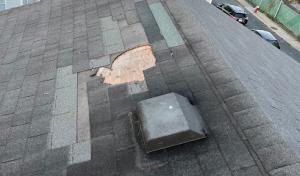
In West Orange, costs are driven by steep roof pitches, older architectural details, chimney flashing complexity, and access challenges on hilly lots. A reroof for an average home sits higher than flat-city estimates thanks to the extra labor to work on steep surfaces and tightly tucked valleys around chimneys. Expect premium pricing for complex layouts.
Typical shingle options align with surrounding homes, and local crews price projects by the square. Asphalt shingles run roughly 350 to 650 USD per square, while metal roofs commonly range from 800 to 1,400 USD per square. Clay or concrete tiles push higher, often 900 to 1,700 and 700 to 1,200 USD per square respectively, with wood shingles/shakes and synthetic options landing between 550 and 1,100 USD per square. For hilly lots with limited staging space, installation for heavier materials tends to require extra crane or ladder time, adding to the overall square-footage cost.
Tree-related cleanup and debris protection matter more here than in less wooded towns. Expect crews to spend additional hours tidying leaves, branches, and pine needles from gutters and valleys, plus extra tarping to guard nearby landscaping. Proper containment around the chimney, dormers, and tall eaves adds to labor time but pays off in reduced leak risk during storms.
Storm-driven demand spikes in Essex County can tighten scheduling and pricing, especially after widespread wind or heavy rain events. If a weather event hits, delays can push timelines and trim availability for crews, which may briefly raise pricing and extend lead times on material selection and start dates.
When budgeting, plan for potential surcharge if a roof requires additional framing or flashing work due to age. If access is tight, anticipate higher crane or ladder fees. Compare multiple bids that itemize chimney flashing, valley work, and debris containment to avoid surprises mid-project.
Get a clear picture of your project costs upfront - no commitment required.
Montclair Roofing & Contracting
(973) 604-2501 montclairroofingcontracting.com
Serving
5.0 from 150 reviews
In this area, a full re-roof typically goes through the municipal permitting process rather than being handled by informal contractor scheduling alone. The building department expects a formal submit of the scope of work and a roof plan, reflecting the older, sometimes steeper rooflines common on hillside homes near the First Watchung. A complete application package helps avoid delays when the weather turns and leaves storm cleanup on hold.
The contractor generally takes responsibility for pulling the permit. That includes compiling the scope, roof layout, and any special considerations for steep slopes or tree exposure. Once the permit is issued, the permit number should be posted in a clearly visible spot on the job site for the duration of the project. This helps inspectors and neighbors track progress and ensures the work aligns with approved plans.
Inspections are commonly performed at rough-in and final stages rather than a single closeout visit. Because inspection availability is tied to municipal scheduling, you should plan ahead and coordinate with the contractor to secure inspection windows. It's normal to experience a two-step rhythm: rough-in checks during the early phases of underlayment and flashing installation, and a final inspection after the new roof is in place and all penetrations are sealed. Expect some waiting time between stages if a slot isn't immediately available.
Keep a visible copy of the permit number on site and make sure the contractor maintains clear lines of communication with the building department. For older homes perched on hillsides with heavy tree cover, plan for potential weather-related delays that can affect inspection timing. If any contractor changes occur mid-project, verify the new team understands the permit scope and resubmits any necessary amendments. Finally, coordinate access with landscaping or tree-trimming crews so permit flags and inspections aren't obstructed by vegetation or debris during the process.
New Jersey insurers commonly ask West Orange homeowners for roof-condition documentation, especially after wind, tree-impact, or leak events tied to storms. In a hilly town where older homes sit among tall canopy, the paperwork trail can make or break a claim. When a storm rolls through the First Watchung foothills, the quicker evidence is gathered, the clearer the path to a fair decision. Missing shingles, interior staining from a leak, or a sudden collapse of a limb can pivot a claim from denial to coverage, provided the documentation is credible and timely.
Because many local jobs involve storm response, homeowners should keep dated photos of missing shingles, interior staining, fallen limbs, and temporary tarping before cleanup removes evidence. This neighborhood often faces cleanup crews and temporary fixes that blur the original damage. Photos should show the extent of damage from multiple angles, include the surrounding roof plane, and record any existing pre-loss concerns that a contractor or adjuster could reasonably question. A simple timestamped gallery kept on a phone or a hard drive can save hours of back-and-forth when the claim moves to adjustment.
Coverage outcomes can depend heavily on roof age and pre-loss condition, making contractor estimates and photo documentation especially important in this market. Older roofs, common on the winding streets near South Mountain, may be more scrutinized for prior wear or prior repairs. A clear, independent estimate that documents the current state, the necessary repairs, and the expected longevity of a replacement can help align expectations with the insurer. In practice, this means compiling consistent, dated records that connect storm-driven damage to the visible condition on the day of observation, not to speculation after the fact.
Connect with contractors who help homeowners navigate the claims process from damage assessment to final approval.
Montclair Roofing & Contracting
(973) 604-2501 montclairroofingcontracting.com
Serving
5.0 from 150 reviews
The Carpenters Touch Roofing & Siding
(973) 994-1085 www.carpenterstouchnj.com
Serving
4.9 from 159 reviews
In this market, West Orange homeowners often compare not just price but whether the contractor is established, licensed, insured, and experienced with older residential roof systems. Look for a company with a track record on steep, multi-layered roofs and with crews who understand how flashing and ventilation behave on hillside homes. A locally active contractor who can point to nearby projects in similar tree-covered neighborhoods is a robust signal of reliability. Ask for references from neighbors with older shingle or tile systems, and verify their license status and insurance coverage before any work begins.
Manufacturer-certified and warranty-focused contractors have a meaningful presence locally, which matters when complex flashing and ventilation details can determine whether a roof system performs as intended. Read the warranty language carefully: confirm what is covered by the contractor and what remains the manufacturer's responsibility, especially for penetrations, valleys, and ridge ventilation. Ensure the installer commits to using compatible underlayment and flashing materials that align with the chosen roof type. Clarify how warranty issues are addressed after the job, including response times for leaks or workmanship concerns and whether the warranty transfers if the property is sold.
On older homes, flashing and ventilation are the weak links during storms. A qualified installer will document the existing vent layout, chimney transitions, and attic access points, then detail how new materials integrate with the original roof geometry. Expect a plan that addresses tree-related debris damage and macro-weather events common to the First Watchung Mountain foothill area. A responsible contractor will provide written follow-up steps if a leak track appears near a flashing intersection or a vent boot after the first major storm.
Cleanup is especially high in this market because many homes have landscaped lots, driveways, and tree debris that complicate post-job magnet sweeps and site protection. Insist on a defined cleanup protocol, including magnet sweeps, removal of all fasteners, and staging areas that protect plant beds and driveways. A thorough contractor will leave the yard in the same or better condition as found, with clear notes on any vegetation protection measures implemented during the project.