
Last updated: Apr 19, 2026
Winter in this area delivers cold snaps, snow, and ice followed by thaw cycles that drive water into seams, joints, and fasteners. The repeated freezing and expansion create microcracks at flashing, along shingle tabs, and around roof penetrations such as vent pipes, chimneys, and skylights. When the thaw returns, those cracks become pathways for water that sneaks into the attic and ceilings. The effect compounds as snowmelt moves across a roof surface and refreezes in low spots or valleys, pressing against sealant and metal details. In other words, the most vulnerable moments happen not during a single storm, but during the sequence of freeze, thaw, rain, and wind-driven wetting that follows.
Older housing stock in this area commonly combines steep main roofs with lower rear sections, creating transition points where water backs up and leaks develop. Those transitions are not cosmetic flaws; they are active liabilities. Where a high slope ends and a low-slope or flat section begins, shingles and underlayment must manage both wind-driven rain and gravity-driven runoff. If flashing at these changes isn't continuous or properly integrated, water can take a slow, creeping path under shingles, through underlayment seams, and into the attic. In practice, this means that a leak upstairs may start as a small stain at a ceiling corner and move along the roof plane until it becomes a steady drip after a spring thunderstorm.
Seasonal rain on top of winter damage means small cold-weather failures often show up as interior leaks during spring storms. Meltwater that accumulated behind gutter guards, around drip edges, or at penetrations can suddenly reveal itself when a heavy downpour hits. The pattern to watch for is water appearing far from the visible leak source, following rotted roof deck or failed flashing paths inward toward soffits and ridge lines. Pay attention to attic soffit vents and chimney chases, where thaw-driven movement is amplified by lingering moisture and cooler shadowed areas.
When a warm day arrives after a deep freeze, climb carefully to the attic with a bright flashlight. Look for moisture trails along flashing seams, around pipe collars, and at the intersections of valleys and ridges. Exterior eyes should chase exposed fasteners and sealant lines along transitions where one roof plane meets another. If you notice shadowy stains or peeling waterproofing tape at those critical points, treat it as a red flag. The goal is to identify the exact location of seepage, not simply to chase the surface stain.
Limit further damage by clearing exterior debris that can hold water at the eaves, gutters, and downspouts. Gently remove ice dams from low-slope sections with care to avoid ripping shingles. Do not attempts to heat or pry under shingles without proper precautions, as loose tabs can open wider leaks. If interior water shows up after a thawed rain event, place a bucket underneath the drip, protect nearby furniture, and contact a roofing professional who can assess flashing continuity, valley integrity, and the connection points between high and low roof sections. Prioritize urgent leaks, especially near penetrations and transitions, where the risk of rapid spread is highest.
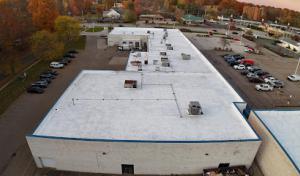
Many Paterson homes and mixed-use buildings have low-slope rear additions or porch roofs that age differently from the main sloped roof. That mismatch means you can end up with a hidden leak path or a failed edge where the membrane meets the flashing. Winter freeze-thaw cycles punish those spots, and the combination of snow load, wind-driven storms, and shifting substrates makes flat or low-slope sections particularly fragile. When you're evaluating a rear roof, start by noting where water tends to pool or where snow collects near the edge and transitions to a steeper roof above.
After heavy snows or thaw cycles, look for damp stains along interior ceilings that align with the rear roof's lowest edge. On the exterior, inspect around parapet walls, vent penetrations, and the seam where the low-slope area meets the main roof. Pay close attention to membrane edges and flashing details, especially at transitions from the low-slope rear roof to any taller roof sections or to the wall line. If you see moss, algae, or fastener corrosion on the rear field, that's a sign the membrane is aging and may be nearing failure. Given the climate, even small breaches can become larger quickly once spring rains arrive.
Because snow retention and slow drainage on low-slope sections increase the chance of membrane edge failure after winter weather, prioritize secure edge detailing. Ensure there is proper slope for drainage toward gutter systems or internal scuppers where applicable. The flashing should extend far enough to cover any substrate edge and be integrated with counter-flashing where feasible. For rear additions, look for a clean, continuous membrane overlap at the transition to the main roof, with mechanical fasteners placed to avoid troughs where ice can form. If you see stair-stepped or crumbly flashing at the rear, that's a telltale sign to consider replacement or re-flashing rather than a quick patch.
Because many local contractors advertise both residential and commercial roofing, you often have access to crews familiar with mixed roof configurations. When hiring, ask for experience with low-slope rear roofs and ask to see recent work on similar structures. A proper crew will bring a detail-oriented plan for the edge, flashing, and parapet integration, not just a generic flat-roof patch. Request a careful inspection of every penetration-pipes, vents, and exhausts-as those spots are common leak culprits after winter and during spring storms. A solid proposal will outline membrane type, flashing materials, and a logical sequence for tear-off and replacement that respects the surrounding steeper roof geometry.
Seasonal checks should become part of your routine. In late fall, clear debris from around roof edges and verify that snow guards or mechanical devices are seated correctly on the rear slope. After heavy storms, inspect for lifted edges or lifted flashing and address them promptly before warm days bring more movement. For a longer-lived rear roof, plan for timely resealing or re-surfacing of the membrane at the rear transitions, ideally on a schedule aligned with the age of the existing system. In this neighborhood, proactive attention to the rear low-slope area can prevent a cascade of leaks that otherwise sneaks up during the thaw.
Find specialists in TPO, EPDM, and built-up flat roofing systems for residential and commercial properties.
Ortega & Sons Roof Repair
(862) 660-7778 ortegasonsroofrepair.com
381 McLean Blvd, Paterson, New Jersey
4.8 from 68 reviews
First Roofing
(973) 321-3885 firstroofingllc.com
328 8th Ave, Paterson, New Jersey
5.0 from 28 reviews

Ortega & Sons Roof Repair
(862) 660-7778 ortegasonsroofrepair.com
381 McLean Blvd, Paterson, New Jersey
4.8 from 68 reviews
Welcome to Ortega & Sons Roof Repair
Pro Trends Construction
(201) 949-8688 protrendsroofing.com
Serving
5.0 from 225 reviews
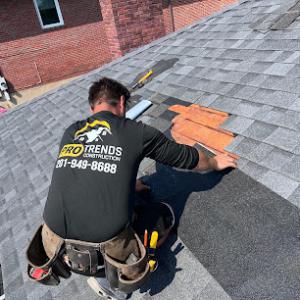
Pro Trends Construction offers professional residential and commercial construction services, including roofing, chimney siding, masonry, and more. We are among the top Roofing Contractors in Clifton, NJ, and provide expert advice and excellent service to help make your next project a success! Our expert roofing team will evaluate your home's condition and provide you with the best options that meet your needs and budget. Our mission is to ensure that your roof is ready to withstand the rain, hail, wind, and snow. We are well known for professionalism, efficiency, affordable price ranges, commitment to customer satisfaction, and quality Gutter Installation in Clifton, NJ. If you want to know more about our services, contact us.

Planet Roofing & Gutters
(201) 694-8141 planetroofingcompany.com
Serving
5.0 from 62 reviews
Planet Roofing is your one stop solution to all your roofing needs. We specialize in residential roofing, as well as commercial. Whether you want to have a new roof installed or have your old one repaired, we will be able to help you. We deal with a wide range of roof types including asphalt shingles, cedar roofing, slate roofing, flat roofing, and more!
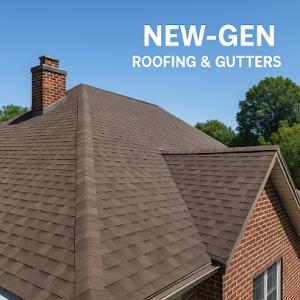
New-Gen Roofing
(973) 441-5153 new-genconstruction.com
Serving
5.0 from 53 reviews
New-Gen Roofing & Gutters is a family-owned and operated company with over 16 years of experience proudly serving homeowners throughout North, Central, and South New Jersey. We take pride in listening to our customers, understanding their needs, and delivering quality craftsmanship that stands the test of time. We specialize in roof replacements, roof repairs, siding installations, roof inspections, and attic insulation upgrades, using only top-quality materials from trusted manufacturers like GAF. Whether it’s asphalt shingle, flat, metal, or custom roofing systems — or durable siding that boosts curb appeal and protection — our team ensures every project is built to last. We’re fully licensed and insured, Google Guarantee
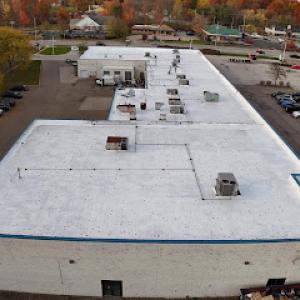
Top Shield Commercial Roofing
(201) 266-0968 www.topshieldconstruction.com
Serving
5.0 from 109 reviews
With decades of experience since 1996, Top Shield Construction has been the trusted name for roofing and a comprehensive suite of exterior home services in Elmwood Park. They specialize in a wide range of solutions, including expert chimney, gutter, and masonry work, as well as professional siding and insulation installation. Top Shield Construction is dedicated to building lasting partnerships with homeowners, guiding them through every project phase with a friendly and knowledgeable approach. Their commitment to superior craftsmanship and customer satisfaction turns every project into a seamless and collaborative experience. We have 20 years of Expertise in Roofing Services, We do Roof Repair, Installing new roof, Roof Replacement.

Donny's Home Improvement
(973) 333-6364 donnysroofing.com
Serving
5.0 from 114 reviews
Founded in 2002, Donny’s Home Improvement is a licensed and insured roofing replacement and waterproofing company proudly serving homeowners throughout New Jersey and Lower New York State. We specialize in roofing installation, roofing repairs, gutters installation, and chimneys repairs. Offering complete roof replacement services using the latest and most durable roofing systems available. We are proud to hold both the GAF Master Elite® and GAF President’s Club certifications, the largest roofing manufacturer recognitions that place us among the top roofing contractors in the industry. Offering GAF Golden Pledge warranty. Family owned and operated business we take pride in providing each client with personalized service and workmanship.
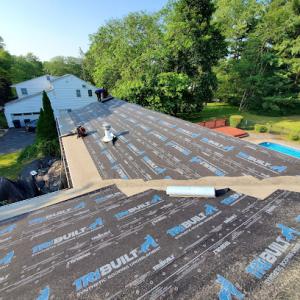
American Supreme Construction Roofing & Chimney Experts
(833) 607-9803 americansupremeconstruction.com
Serving
4.9 from 124 reviews
American Supreme Construction is a General Contractor plus a trusted Roofing and Chimney Experts. With years of experience, A.S.C offers comprehensive services to keep your home protected from the elements. We also specialize in bathroom, kitchen and basement remodeling. Whether you need a minor repair or a complete overhaul, they are the experts you can rely on for quality workmanship and customer satisfaction.
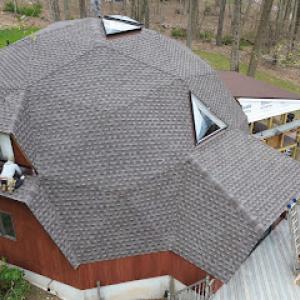
Ideal Roofing
(862) 390-1888 www.idealhomeimprovementsllc.com
Serving
5.0 from 307 reviews
IDEAL Roofing & Chimneys is a trusted, family-owned roofing and chimney contractor serving all of New Jersey. We provide expert roof replacement, roof repairs, flat roofing, commercial roofing, chimney repair, chimney rebuilds, flashing work, siding repairs, gutter cleaning, and full property inspections. With honest pricing, high-quality workmanship, and fast emergency service, we help homeowners and businesses stay protected year-round. Whether it’s a small repair or a full roof installation, IDEAL Roofing & Chimneys delivers reliable, professional results on every project. Call today for a free estimate anywhere in New Jersey.
AMERICAN Roofing
(201) 254-9910 americanroofchimney.com
Serving
5.0 from 308 reviews
Since 2011, AMERICAN Roofing has been a trusted and reliable roofing contractor serving the Elmwood Park community and surrounding areas. Located at 247 Market St, their team of skilled professionals specializes in providing a wide range of top-quality roofing solutions, from new installations to expert repairs and maintenance. They are dedicated to protecting your home with durable, long-lasting roofing systems designed to withstand the elements. You can count on their commitment to excellence and exceptional craftsmanship for every project, big or small.
All Pro Construction PLUS
Serving
4.7 from 199 reviews
All Pro Roofing and Chimney is a New Jersey Roofing, Chimney, Gutter, Siding, and Masonry Repair, Installation, and Service Company offering over 35 years of professional services, including Roof Repair, Roof Leak Repair, Flat Roofing, Chimney Repair, Gutter Repair, Siding Installation, Masonry Repair and more. We are available now for 24/7 Emergency Roof Repair NJ services, including Roof Leak Repair, Storm Damage Roof Repair, and Roof Tarp Installation.
Elite Work & Roofing
Serving
4.9 from 46 reviews
Since 2021, Elite Work & Roofing has been the go-to specialist for exceptional home exterior services in Hawthorne and beyond. Our team of experts offers a comprehensive suite of solutions to elevate your home's curb appeal and functionality. From durable roofing and expert siding installation to custom deck builds and professional chimney services, we are committed to providing top-tier craftsmanship. We also offer window installation services to enhance your home's energy efficiency. Trust Elite Work & Roofing for reliable and skilled improvements that stand the test of time. Call us now for a FREE Estimate!
Everest Construction Group
Serving
5.0 from 104 reviews
We are a locally owned and operated company that values honesty and integrity and treats your home as if it were our own. We have many years of experience to give you confidence that we are your number one choice for your next home project. You will find us to be competitively priced with close attention to the details. We look forward to building a lasting relationship and guaranteeing your satisfaction!
In roofs that sit atop dense, aging row houses and multi-family units near the river, seams where brick or stone meet roofing material are frequent trouble zones. Masonry intersections take a pounding from freeze-thaw cycles, and that stress travels into flashing and valleys around these openings. When temperatures swing from freezing to thawing, moisture expands and contracts, and salt-rich air from the Passaic area can accelerate deterioration. That means chimney and skylight junctions aren't just "extra features" - they are high-risk lines of defense that wear out faster than other roof sections after years of arcing low-slope runs and mixed-pitch designs.
Local contractor signals point to higher than average activity at roof penetrations: small leaks around a chimney crown, cracked or loose flashing, and moisture staining near skylights that previously seemed solid. In mixed-pitch homes, a single weak flashing corner can leak across several roof planes, often traveling unnoticed until a winter melt or a heavy rain shows up as interior spots or peeling paint on ceilings. Look for cracked mortar joints, spalling bricks, or a crown that has sunk or separated from the stack. Around skylights, cloudy glass, condensation between panes, or a persistent damp halo at the frame can indicate failed seals. These issues are not isolated; they tend to propagate along the intersection where brick or masonry meets roof material.
Inspect the chimney base and skylight flashing after the worst storms or first hard freeze of the season. If you spot loose granules, rust around nail heads, or a sagging crown, address it promptly to avoid a larger leak. Keep the chimney crown clean of debris and ensure the vent boot or base flashing remains secure. Clear any vegetation growing at the flashing line, since roots and vines can irritate masonry and widen cracks during freeze-thaw cycles. For skylights, test the operation of shutters or vents and check that seals around the flashing are intact, not weathered or cracked. Maintain a small, unobtrusive drainage channel away from the flashing so that water doesn't pool against the junctions during heavy rain or snowmelt.
If leaks persist after a seasonal change or if flashing shows visible gaps, call a roofer with experience in masonry intersections and penetrations. Paterson's older homes demand careful, precise flashing replacement that respects the surrounding brickwork and roof geometry; a hastily sealed crown or mismatched flashing can trap moisture and hasten deterioration elsewhere. A qualified contractor will assess crown integrity, chimney-to-roof transitions, and skylight framing for movement, ensuring that any repair or re-flashing preserves ventilation and reduces the risk of future freeze-thaw damage. Avoid delaying repairs, because repeated moisture intrusion compounds wear on both roofing material and underlying sheathing.
Find contractors experienced in skylight installation, flashing, and leak repairs to bring natural light into your home.
Ortega & Sons Roof Repair
(862) 660-7778 ortegasonsroofrepair.com
381 McLean Blvd, Paterson, New Jersey
4.8 from 68 reviews
Top Shield Commercial Roofing
(201) 266-0968 www.topshieldconstruction.com
Serving
5.0 from 109 reviews
In Paterson, the timing of a roof replacement matters as much as the materials chosen. The mix of dense older housing stock and frequent weather shifts means that the window for a smooth tear-off and install can be narrow. Spring brings frequent storms that can stall tear-offs and even expose decking if scheduling is too aggressive during wet periods. planning around a drier stretch in late spring or early summer helps keep decking intact and avoids unnecessary delays.
After a winter with freeze-thaw cycles, decking can be stressed or warped in spots. If a contractor pushes ahead through soggy spring conditions, you risk more nail pops and moisture intrusion into attic spaces during the process. A practical approach is to align the project with a stretch of dry weather, allowing crews to peel back shingles, inspect decking, and seal edges without rushing during a sudden downpour. This reduces the chance of re-trips for decking repairs once the roof is open.
Summer heat and humidity can affect underlayment adhesion and make attic spaces hotter during installation on tightly packed city lots. If insulation and attic access are already crowded, plan for cooler early mornings or late afternoons to avoid peak heat, which can compromise underlayment seals and raise worker fatigue. Scheduling during a heat-maneuverable week helps keep the attic cooler and the underlayment properly bedded, which pays off in long-term weather tightness.
Fall wind events matter because exposed roofing materials on active jobs can be vulnerable if crews do not dry-in quickly. A timely dry-in-covering vulnerable openings and securing loose materials-reduces the risk of wind-driven damage between shingle installation and full enclosure. In practice, coordinate with the crew to finish rough work before any anticipated nor'easter-like winds and to complete securement of all ridge and valley components promptly.
Choose a window with several consecutive dry days, and confirm crew efficiency for city lot access and on-street staging. Build in a contingency for a weather event that could push the project by a day or two, and communicate milestone targets clearly with the contractor. For older, mixed-pitch homes, plan inspections at key stages and avoid rushing through delicate details like flashing and valley work when weather is unsettled.
Get a clear picture of your project costs upfront - no commitment required.
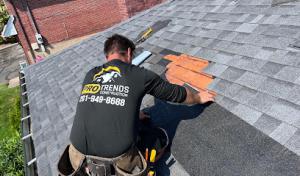

Paterson's dominant material mix includes asphalt shingles, metal, clay tile, concrete tile, wood shakes, and synthetic/composite options, with asphalt remaining the most practical choice for local re-roofing. Each material brings different performance in freeze-thaw cycles and storm exposure, and your selection should reflect both the upfront cost and long-term durability. Asphalt shingles are typically the most affordable and widely available, while metal offers strong resistance to wind and snow but at a higher upfront price. Clay and concrete tiles present a durable, long-lived option but can complicate installation on mixed-pitch roofs. Wood shakes add character but require careful maintenance, and synthetic/composite shingles aim to balance cost with durability. In practical terms, expect asphalt to be the go-to for most re-roofs, with other materials chosen where a roof has specialized needs or a broader architectural statement.
Costs are presented per square (100 square feet) and reflect typical Paterson configurations, including the labor for flashing, valleys, and any required underlayment upgrades. Asphalt Shingles: roughly 350 to 600 USD per square. Metal Roofing: about 700 to 1,100 USD per square. Clay Tile: 1,100 to 1,800 USD per square. Concrete Tile: 900 to 1,500 USD per square. Wood Shingles/Shakes: 700 to 1,100 USD per square. Synthetic/Composite Shingles: 500 to 900 USD per square. On homes with multiple roof planes, chimneys, skylights, or low-slope rear sections, expect higher totals due to added flashing labor and material transitions between planes.
Dense urban access, cleanup logistics, and weather-driven demand spikes after winter damage or spring storms can affect labor availability and scheduling. If a roof has several planes, plan for staggered work days and potential material delivery challenges. Expect extra cost and time when flashing needs to be upgraded where valleys intersect with old roof lines. When choosing material, think not only about the initial price but also maintenance costs over its life, especially for freeze-thaw susceptibility and wind resistance. For a typical Paterson home, a conservative approach is to budget for the asphalt option unless architectural constraints or long-term durability goals push you toward metal or tile, which will carry higher upfront costs but may pay off in fewer replacements over time.
For a full roof replacement on a typical Paterson home, you must obtain a building permit before any roofing work begins. The local code relies on oversight to ensure that the new roof stitching, flashings, and fasteners meet the city's standards, especially on older, mixed-pitch homes that dominate the city's dense neighborhoods. Start by confirming whether the project qualifies as a full replacement and whether any additional work, such as fascia or soffit repairs, is planned. Having your permit early helps avoid delays caused by weather closures or inspections that don't align with crew schedules. It also signals to neighbors and the building department that this job will adhere to the city's safety and drainage requirements, which matter in flood-prone pockets along the Passaic River.
The City Building Department reviews plans and issues an inspection schedule for the job. When you submit, include roofing type, underlayment, and flashing details tailored to a winter climate with freeze-thaw cycles. Plan for how valleys, joints, and low-slope sections will be addressed, since these are the trouble spots on older homes with mixed rooflines. If your project involves a retrofit or re-roof on a roof previously vented in unusual ways, specify venting changes and any required attic insulation checks. After review, you'll receive an approved set of plan notes and an inspection calendar. Keeping a copy of those notes on site helps compress the timeline, especially when contractors need to align material deliveries with the inspection windows.
Inspections typically include a roof installation inspection to verify that material installation, flashing, drip edge, and fasteners meet code. A final sign-off is required before the permit is closed, ensuring everything from underlayment to cap shingles is properly completed and weatherproofed. Expect the inspector to note specifics such as roof slope adherence, valley and flashing integrity, and the condition of any skylights or vents. If anything fails, you'll receive a clear list of corrective actions with a new inspection window. Coordinate the timing so any corrections are ready before the next scheduled inspection so you're not forced into idle time that can stretch a project into inconvenient weeks.
Keep all documentation accessible: permits, approved plans, and inspection reports. Have your contractor present at each inspection to quickly address questions that arise, especially around flashing at roof-to-wall details and at transitions between old and new decking. If winter weather threatens progress, discuss with the building department how to protect exposed areas without delaying the inspection sequence. A well-timed sequence-plan submission, approvals, and the key roof installation inspection-helps avoid rush-order decisions that can compromise performance during freeze-thaw cycles.
When a storm rattles the Passaic waterfront and you're left inspecting a patched roof, know that New Jersey insurers typically ask for roof age, property photos, and documentation of wind or hail exposure. In practical terms, that means your claim will move faster if you have a clear timeline of when the damage occurred, photos from before and after the event, and notes about any nearby trees or properties that could have contributed to impact. Paterson's dense older housing stock often shows wear in flashing, valleys, and low-slope sections, so ensure those areas are well-documented to avoid questions about preexisting conditions.
Coverage isn't decided by the presence of a few shingles torn loose alone. Local storm activity, field adjuster findings, depreciation rules, and deductible structure layer into the decision. A neighbor's roof that looked fine but suddenly leaks after a heavy wind gust might be treated differently than one with visible hail pockmarks. The adjuster may compare photos from every angle, assess patterns across multiple homes, and weigh whether damage aligns with typical weather events in the area. This means timing and quality of documentation can influence the outcome as much as the physical damage itself.
Storm damage and insurance-claims services are both active contractor specialties in this market. That makes it common for homeowners to seek help documenting damage immediately after a weather event. Quick action matters: call a trusted local contractor who understands common Paterson trouble spots-like flashing laps at eaves, valley intersections, and low-slope transitions-and can provide a professional damage report with clear, dated photos. Having a documented, organized file helps you present a coherent case to the insurer and reduces friction during the claim review.
Start with a fresh, dated photo log from multiple elevations, focusing on flashing details and valleys. Note any exposure factors such as nearby construction, trees, or missing shingles after a storm. If possible, arrange a same- or next-day assessment from a reputable local contractor who can translate observed damage into a report aligned with insurer expectations. Keeping this evidence ready minimizes delays and helps ensure the claim reflects what actually happened on the roof rather than what a later inspection might infer.
Connect with contractors who help homeowners navigate the claims process from damage assessment to final approval.
Ortega & Sons Roof Repair
(862) 660-7778 ortegasonsroofrepair.com
381 McLean Blvd, Paterson, New Jersey
4.8 from 68 reviews
DONE RIGHT Roofing & Gutters
(201) 846-0531 doneriteroofingandgutters.com
Serving
4.9 from 176 reviews