
Last updated: Apr 19, 2026
Belleville's cold winters create repeated freeze-thaw cycles that turn minor shingle or flashing defects into intermittent leaks. These leaks don't always show up with every storm; they surface during thaw periods when ice barriers melt and then refreeze, pulling apart seams and loosening nails. If you notice damp spots or a sudden drip after a sunny spell followed by a warm day, you're likely seeing a freeze-thaw response rather than a storm-driven failure. Pay close attention to low-slope rear roof sections and any areas where shingles pull away at the edges or around plumbing vents and chimneys. Prioritize sealing and flashing repairs now, because small gaps can grow quickly as temperatures swing.
Snow and ice accumulation in winter commonly delays safe roof access, so temporary protection and rapid leak response are often part of the local roofing workflow. If a leak appears during a thaw and you can't reach the attic quickly, set up temporary tarps or roof patch materials over the most exposed spots to limit interior water intrusion until a contractor can reach the site. Clear snow above vulnerable eaves and valleys when it's safe to do so, but avoid aggressive scraping that can damage aging shingles. Keep a close eye on soffit vents and attic hatch seals-cold air blowing into the attic can worsen condensation and mask the true source of a leak. In Belleville, rapid temporary protection isn't just practical; it's essential to reduce interior damage during those thaw-then-freeze swings.
Fall Nor'easters and spring storm systems are key scheduling disruptors in this area, which is why many full replacements are pushed into spring and fall shoulder seasons when temperatures are moderate. The window for a calm, steady replacement is narrow: you want dry days, but you also want to avoid the harshest winter weeks and the peak wind events. If you're facing a suspected widespread failure or multiple leaks, start planning early for a replacement window that avoids the most volatile months. A measured, staged approach can prevent an unexpected collapse of the roof structure during a mid-winter storm, reducing the risk of interior water damage and warranty disputes.
Begin your diagnosis by tracing water entry to the first visible drip line or saturated decking, then backtrack along flashing seams, roof penetrations, and valley intersections. In older stock, those valleys and step-flashings are common failure points after freeze-thaw cycles. If you notice shiny patches on roofing felt or pronounced granule loss in the affected area, treat those signs as urgent indicators of compromised integrity. When temperatures rise above freezing, perform a careful interior check for hidden leaks around ceilings and walls near the suspect roof areas, especially in hallways and rooms directly under the attic access.
If you detect a leak, place a bucket and tape over the most vulnerable spots to prevent further water intrusion while you arrange a same-day assessment. Schedule a temporary repair to secure flashing seams and seal obvious gaps, prioritizing the rear sections where snow and ice linger longest. For ongoing symptoms tied to thaw cycles, document dates, weather conditions, and leak locations to help a contractor pinpoint the root cause quickly when access becomes possible. In Belleville, timing is everything-act now on visible defects to minimize expensive damage when the next thaw hits.
Belleville's older residential stock often features masonry chimneys that butt up against intersecting roof planes. During a re-roof, chimney flashing and step-flashing become recurring leak points if not detailed with care. The priority is to maintain a continuous water-shedding path where the chimney meets the roof deck. In practice, that means inspecting masonry flaunching and surrounding mortar joints for cracks, feathering the flashing into the chimney with a durable layer, and ensuring counterflashing seals are tight against the brick or stone. When the chimney passes through a roof plane, the transition should read as one continuous, overlapping shield rather than a fragmented seam. If the chimney has a metal cricket or saddle, verify its pitch and integration with the new roof surface so meltwater from the chimney cap region does not find its way behind flashing.
Many homes in this area combine steeper front roof sections with lower-slope rear additions or porch roofs. That creates two distinct roofing approaches on a single property, each with its own leakage risks. The steeper front must shed rain and meltwater quickly, while the lower-slope rear can trap moisture and experience slower drainage. When planning, treat each plane as its own drainage problem while preserving a unified water-shedding strategy at their shared wall. Pay particular attention to the edge where the front roof meets the wall and the rear roof tie-in. The transition needs to be weatherproofed with properly lapped underlayment, accurate rake and eave detailing, and flashing that accommodates differential movement between planes without opening a seam for water to breach.
A practical approach for a home with mixed rooflines is to design the front slope with a slightly steeper edge detail and ensure the rear slope has a consistent, well-supported underside to resist wind-driven water. When installing over a rear low-slope section, consider a continuous cap or overlapping shingles that extend over the edge flashing to push water away from the wall. In areas where a porch roof intersects a wall, add extra steps of flashing at the ledger and where the porch roof plane meets the main roof line. This helps lock in a reliable drainage path for meltwater during freeze-thaw cycles typical in winter storms. For any intersection with masonry, verify that counterflashing extends into and above the mortar joints, not just over the surface, to prevent capillary wicking.
Given Belleville's exposure to Nor'easters and freeze-thaw cycles, proactive inspection after heavy storms is essential. After a storm, check chimney flashings, step-flashings along the rake lines, and transitions where the roof meets exterior walls. Small gaps or hairline cracks around masonry joints can become large leaks in a single freeze-thaw cycle if left unsealed. Develop a simple annual rhythm: inspect, reseal or re-flash where needed, and confirm drainage at the roof-wall transitions remains unobstructed by debris. When leaks appear, prioritize the immediate sealing of flashing at masonry interfaces and the restoration of any compromised counterflashing before addressing broader roof replacement concerns. Proper attention to these interface details will extend the life of a mixed roof and reduce early re-roof timing pressures caused by chimney-related failures.
Choose flashing materials compatible with both masonry and roof surfaces, with durable sealants suitable for aging joints in cold winters. Ensure the chosen roof covering is compatible with the chimney and wall flashing, so the transition remains robust under wind, rain, and snow loads. For mixed rooflines, a continuous plan that accounts for drainage, flashing transitions, and movement between planes minimizes the risk of leak paths forming at the most vulnerable points.
American Roofing & Siding
(973) 542-0710 americanroofingandsiding.com
1-3 St Marys Pl, Belleville, New Jersey
4.9 from 126 reviews
About American Roofing and Siding American Roofing is a "full service" New Jersey roofing company. After this awful winter call us at 973-542-0710. Our Business address is 1-3 St Marys Pl, Belleville, NJ 07109.
American Quality Roofing & Siding
(973) 721-3141 aqroofingnj.com
13 Raymond St, Belleville, New Jersey
4.9 from 87 reviews
At American Quality Roofing and Siding, we are proud of being a leading roofing and siding company for our neighbors and their families in New Jersey. We have built a robust reputation for delivering exceptional results thanks to our skilled crew and their commitment to relentless and honest hard work. This has allowed us to build solid and long-lasting relations with our clients, if we haven’t done so already, we’ll be glad to start working with you today. Contact your trusted New Jersey roofing contractor for a free estimate!
Garden State Roofing Flat Roof Specialist
(551) 253-3004 www.gardenstateroofs.com
Serving
5.0 from 128 reviews
Garden State Roofing is New Jersey’s trusted Flat Roof Specialist, delivering top-quality new roofs, re-roofs, and full repairs for Industrial commercial and residential properties. We combine expert craftsmanship with durable materials to ensure long-lasting protection and flawless performance on every project. Reliable service, premium work, and flat-roof solutions built to last — that’s Garden State Roofing.

Six Brothers Commercial Roofing Contractors
(201) 582-8350 sixbrotherscontractors.com
Serving
5.0 from 96 reviews
"Six Brothers Contractors has been in business since 1988, providing New Jersey residential and commercial property owners with all types of Exterior services to address roofing, siding, window, needs. We are true experts in Commercial Roofing and offer quality workmanship at affordable prices. As a roofing company, Six Brothers Contractors began as an effort to bring quality workmanship to homeowners and commercial property owners at reasonable prices. We have seen it all with more than 35 years in the roofing space. So trust us to help with your project be it a residential shingle or flat Roof Replacement or a full scale commercial project. We can handle it all.

LGM Roofing Contractors
(973) 707-2154 www.lgmroofing.com
Serving
4.9 from 108 reviews
LGM Roofing Contractors is New Jersey’s trusted roofing, siding, gutter, and flat roof specialist. We provide roof repair, roof replacement, and full exterior services for homeowners and commercial properties. As a family-owned, second-generation company, we’re known for honest communication, transparency, and smart problem-solving. With 45+ years of experience and 1,000+ projects completed, our GAF Master Elite team delivers high-quality installations, durable materials, and industry-leading warranties. Request a free quote today.
Quality Roofing
(201) 283-2875 www.qualityroofer.net
Serving
4.7 from 78 reviews
Quality Roofing is committed to delivering unparalleled craftsmanship and customer service as one of New Jersey's leading roofing contractors. With over a decade of experience in the industry, our skilled team specializes in providing high-quality roof repair, metal roofing, and roof replacement services to the North Jersey region. Known for our unwavering dedication to excellence and unwavering commitment to ensuring complete customer satisfaction, we stand proudly as the top roofing contractor in NJ. Experience unparalleled roofing services with Quality Roofing and allow your property to shine with the protection it deserves.
Montclair Roofing & Contracting
(973) 604-2501 montclairroofingcontracting.com
Serving
5.0 from 150 reviews
2 decades of providing professional roofing services, including free estimates, repairs, replacements, inspections, and maintenance. Proudly serving the Tri-State area, we deliver durable, long-lasting solutions with unmatched craftsmanship. Montclair Roofing & Contracting is your trusted roofing expert. With over 20 years of experience, our licensed and insured team delivers durable, reliable roofing solutions with locally sourced, high quality materials. We offer free estimates, fast service, and unmatched craftsmanship. Protect your property and boost its value—call Montclair Roofing & Contracting today for a free quote!
Cabrera & Sons Roofing
Serving
4.9 from 70 reviews
We are dedicated to providing top-quality roofing services that ensure customer satisfaction and property protection.
Everlast Roofing & Gutters
(551) 388-5785 www.everlast-home.com
Serving
5.0 from 147 reviews
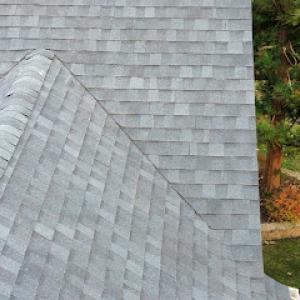
Discover excellence in roofing with Everlast Roofing, your trusted partner in New Jersey and New York. As a family-run business with over 20 years of expertise, we provide premier commercial and residential services. From thorough roof inspections and proactive maintenance to efficient repairs, storm damage restoration, and complete roof replacements, we offer a comprehensive suite of solutions. Our commitment to quality is reflected in our use of the finest industry materials, all backed by a solid warranty. At Everlast Roofing, we prioritize reliability, cost-effectiveness, and customer satisfaction. Our skilled team is ready to address your roofing needs, ensuring the protection of your property and investment.
Right Team Construction
(732) 633-5167 rightteamconstructionllc.com
Serving
4.9 from 288 reviews
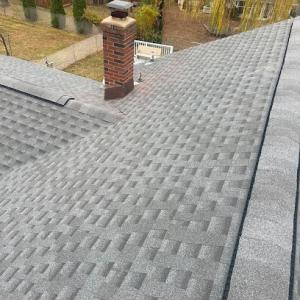
Your trusted local roofing specialist, Right Team, specializes in residential and commercial roof repair, replacement, and installation as well as chimney repair and restoration. Our services includes roof installations, skylight restorations that brighten your space, secure chimney repairs, and efficient gutter systems. Call now for a free estimate and responsive 24/7 emergency roof repair.
All Heart Roofing & Construction
(973) 221-8854 www.allheartroofing.com
Serving
4.8 from 82 reviews
ALL HEART ROOFING is a family-owned business and known as the best roofing company in New Jersey. We have been providing quality roofing and home remodeling services to the local community for over 8 years. Our team of certified professionals is dedicated to providing our customers with the best possible service at an affordable price. We take pride in our commitment to quality workmanship and customer satisfaction. Moreover, our team is comprised of knowledgeable individuals who have the skills and expertise to handle any roofing or home remodeling project in NJ. We specialize in roofing, bathrooms, decks, and all other aspects of home renovation. No matter the size or complexity of your project, we are here to help. Contact us today.
Hayes Family Roofing
(862) 660-7900 hayesfamilyroofing.com
Serving
4.8 from 60 reviews
Experience the difference with our skilled team and durable roofing services Trust us to enhance the appearance and durability of your roof
Asphalt shingles are the dominant practical choice for Belleville's dense North Jersey housing stock. They fit the common residential roof forms found in the area, from shallow rear sections to steeper main ridges, and they're widely supported by local crews who understand the winter freeze-thaw cycle. In this market, asphalt is favored for its versatility, ease of repair, and familiar installation methods that accommodate both standard and low-slope roof transitions typical of older homes. When a leak appears after a sudden freeze or a Nor'easter, a shingle roof generally offers straightforward patching, resealing, and, if needed, a timely re-cover plan that minimizes disruption to the home's insulation envelope. If you're weighing options in Belleville, asphalt shingles strike a balance between compatibility with existing roof geometry and the resilience you expect from seasonal weather swings.
In practice, the shingle choice should align with existing landscaping, tree coverage, and visible roof planes. A darker asphalt profile tends to absorb winter sun, helping a marginally warmer attic, but it can also accentuate heat buildup in strong late-spring sun. If your home features many small roof facets or tight valleys, choosing a shingle with robust 3-tab or architectural detailing can improve drainage and reduce the chance of ice damming along eaves. Local crews are adept at detailing chimney flashing, vent terminations, and transitions to low-slope sections, which are common in Belleville neighborhoods.
Metal roofing exists in the local market, but it's a more selective upgrade path. Metal tends to be favored by homeowners who want longer service life and lower maintenance across repeated seasonal weather swings. In Belleville, metal roofs can shed heavy snow more confidently and resist freeze-thaw-induced nail pops and shingle delamination associated with standard asphalt, which matters in storm-heavy years. However, metal's compatibility with existing roof geometry, the aesthetic of neighboring homes, and the surrounding tree canopy should be weighed carefully. If a Homeowner plans for a long-term roof refresh in a house with multiple tall peaks or steep angles, metal can be a strong fit; it also reduces the risk of wind-driven leaks during Nor'easters when properly sealed and integrated with venting and flashing assemblies.
Selecting a metal roof in this market means choosing profile options that align with the home's form and the neighborhood's look. Standing-seam configurations generally perform well under heavy snow load and wind exposure, while exposed-fastener styles may be more economical but require precise installation to handle seasonal expansion and contraction. A local installer will emphasize seam integrity, valley performance, and the compatibility of underlayment with cold-weather cycles, which are essential for keeping interior moisture at bay during melt-freeze cycles.
Clay and concrete tile, along with wood shingles or shakes, exist locally but remain less common choices in the mainstream reroof market. Cost, structural considerations, and neighborhood architectural norms tend to push Belleville homes toward asphalt or, selectively, metal. Tile and wood can offer distinctive curb appeal and durable performance in specific styles or larger roof planes, but they require careful assessment of structural load and local wind considerations. If a home already has the necessary framing or a design intent that calls for a more dramatic, textured roof surface, these materials can deliver long-term value. In practice, tile and wood are most often considered when the roof is being replaced on a house with compatible roof shapes and a willingness to address higher upfront labor and material handling needs.
The interplay of freeze-thaw cycles and Nor'easter-driven weather makes effective leak response and drainage planning essential. For older stock with mixed roof forms, prioritizing materials and installation details that improve flashing continuity, valley and chimney sealants, and eave edge ventilation will pay dividends in reducing ice dam risk and storm-related leaks. Whatever the material choice, ensure the roof system and its components-underlayment, flashing, ventilation-are coordinated to handle Belleville's winter severity and the seasonal shifts that define this neighborhood.
When you price a roof in this area, asphalt shingles sit in the 350 to 700 USD per square range, and metal roofing runs from about 700 to 1500 USD per square. Tile systems push well above those numbers, often making concrete or clay the higher end of the spectrum. Those ranges reflect the density of older homes with varied roof forms, from straight gables to more complex configurations that are common around town.
Costs in this market climb when older homes need more than a straight tear-off. If you're dealing with extra flashing around chimneys or skylights, or you have multiple roof sections that must be tied together, you'll see additional labor and material lines itemized. Low-slope transitions add complexity as well, since sealing and drainage details matter more on a North Jersey climate that sees freeze-thaw cycles. In practice, that means a project can edge upward quickly once you start layering in these details.
Seasonal storms in this part of North Jersey can tighten scheduling and labor availability after spring hail or fall wind events. That demand shift can affect both pricing and replacement timelines in Belleville. If your project coincides with peak storm season, you may encounter longer lead times and higher mobilization costs, especially for roofers who have to coordinate multiple crews or specialty installations. Planning with a cushion for weather-driven delays helps you avoid rushed decisions and unexpected price bumps.
Estimate starts with your existing roof layout and the target system. When you see ranges, multiply by your square footage and include an allowance for flashing, transitions, and potential low-slope work. If you're balancing cost against durability, remember that tile options will be far more expensive upfront but can offer long-term value in a weather-heavy climate, while asphalt remains the most budget-friendly entry point for repairs or re-roofs.
Get a clear picture of your project costs upfront - no commitment required.
American Quality Roofing & Siding
(973) 721-3141 aqroofingnj.com
13 Raymond St, Belleville, New Jersey
4.9 from 87 reviews
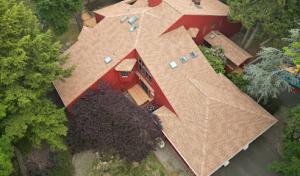
In Belleville, the permit path for a full roof replacement is managed through the Belleville Township Building Department, and starting a project without the proper paperwork can bite you later when a harsh winter or a Nor'easter comes through. A permit isn't just a box to check; it's a framework that helps ensure ventilation, drainage, and fastener patterns meet current code and stand up to the freeze-thaw cycles that hammer older homes in this area. If a contractor suggests bypassing permit steps to save time, you're stepping into a situation where a final inspection could uncover noncompliant work, leading to delays, added costs, and the possibility of a re-do.
Inspections in Belleville are typically scheduled during and after installation to verify ventilation, nailing patterns, and overall code-compliant workmanship. The ventilation check matters for long-term roof life, especially in homes with older attic eves and tight spaces that can trap moisture. Adequate soffit and ridge venting, along with properly spaced nails, are not cosmetic details; they're defenses against condensation, ice damming, and accelerated shingle failure during those winter freeze-thaw cycles that strain older roofs. Expect the inspector to look at how the underlayment and flashing tie into attic ventilation and drainage paths to prevent leaks in closets and rear roof sections that bear the brunt of Nor'easter wind-driven rain.
Third-party reviewers or plan reviews may come into play when projects involve changes to structural elements or drainage configuration. If the scope includes altering the roof's load-bearing components, reconfiguring drainage outlets, adding new scuppers, or changing the pitch or cardinal drainage flow, you should anticipate additional review beyond a straightforward same-system reroof. This is where a clear schematic of new framing, rafter tie-ins, and roof-to-wall connections helps both you and the building department. In Belleville, getting ahead of these reviews with precise, code-aligned plans can prevent surprises at the final inspection, especially in homes where the original due diligence didn't account for an older header, beam, or gutter system.
Finally, keep in mind that unpermitted work is more than a paperwork nuisance. If a storm arrives and detects noncompliant or incomplete work, you may face mandatory remediation, re-inspection fees, and even a partial teardown. Coordination with your contractor and the building department early in the process reduces the risk of delays during the crucial window when a new roof needs to perform reliably through winter conditions and storm season.
In this community, spring storms and hail drive most roof claim activity, not a single dominant catastrophe pattern. The mix of older asphalt and low-slope sections common to north Jersey housing means a wider window for damage appearance after a storm, so a leak or missing shingles can show up days or weeks later. Understanding that pattern helps you respond promptly rather than waiting for a dramatic event to redefine your expectations.
When a claim is evaluated, New Jersey insurers routinely want: roof age documentation, clear photos showing current condition and any prior damage, recent claim history, contractor invoices for work already completed or planned, and permit records tied to the roof project. Keeping a well-organized file with these items makes the process smoother, especially if a hail or wind event nudges a claim toward additional investigation.
Though market changes can influence timelines and adjuster workloads, broad pullbacks are not typical for this region. Belleville homeowners usually benefit from thorough documentation and precise scope clarity more than relying on coverage guarantees. Treat the claim as a documented project with measurable steps: confirm what the policy covers, align the scope with observed damage, and maintain a steady line of communication with the insurer.
Begin with a safe inspection and capture detailed, dated photos from multiple angles, including attic signs of moisture. Gather age notes, recent claim history, and any contractor invoices you already have. Contact the insurer promptly with a clear narrative of the storm event and observed damage. Then work with a contractor to produce a scoped estimate that matches what the photos and notes show, keeping all records organized for quick reference.
Connect with contractors who help homeowners navigate the claims process from damage assessment to final approval.
Six Brothers Commercial Roofing Contractors
(201) 582-8350 sixbrotherscontractors.com
Serving
5.0 from 96 reviews
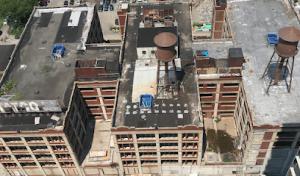
Many Belleville homes feature rear additions, porches, and mixed roof geometry that include low-slope sections. These areas often age differently from the main shingle roof, with water finding routes along transitions and into concealed valleys or flashings. Understanding where these low-slope sections sit-behind the main roof plane, over additions, or along covered entries-helps homeowners spot problem areas before leaks appear. Look for signs of past repairs at transitions, mismatched flashing, or unusual staining on interior ceilings near the rear of the house.
Summer heat and humidity are relentless in this corridor of North Jersey, and low-slope assemblies respond to that stress differently than steep roofs. Trapped moisture can linger in underlayment and insulation, especially when drainage paths are compromised by aging or debris. Faster drying typically seen on steeper roofs doesn't happen here, so suspected leaks often correlate with prolonged dampness after summer storms. Plan for periodic inspection of vented soffits, ridge vents, and any flat-section penetrations-chimneys, skylights, or HVAC drains-to ensure moisture has a clear path off the roof.
The local contractor market shows meaningful demand for both flat-roof work and roof coating, indicating that repair-versus-restoration decisions are a real part of reroof planning. For aging low-slope sections, a knowledgeable pro will weigh the benefits of targeted repairs against a broader restoration strategy. Coatings can extend service life on suitable substrates, but failed or delaminated underlayment often signals the need for more comprehensive restoration. In Belleville's climate, prioritize a plan that addresses drainage continuity, flashings, and any structural sagging before selecting repair or coating as a long-term solution. Regular monitoring after storm seasons helps keep these usually understated sections reliable.
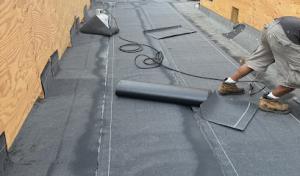
Find specialists in TPO, EPDM, and built-up flat roofing systems for residential and commercial properties.
Garden State Roofing Flat Roof Specialist
(551) 253-3004 www.gardenstateroofs.com
Serving
5.0 from 128 reviews
Six Brothers Commercial Roofing Contractors
(201) 582-8350 sixbrotherscontractors.com
Serving
5.0 from 96 reviews