
Last updated: Apr 19, 2026
In this area, repeated freeze-thaw cycles turn minor flaws into serious leaks. Old flashing joints that seemed sealed can crack or separate as water freezes and expands in overnight lows, then contracts at thaws. When a roof already shows slight shingle edge lift or worn coatings, each cycle acts like a lever, prying seams wider and letting water find its way under layers you can't see from the ground. The effect is not a single event; it's a drumbeat of winter weather that magnifies even small imperfections into recurring trouble. If you hear dampness or feel a drop during warmer stretches after a cold spell, investigate the most vulnerable seams first - around chimneys, vent flashing, and where roof-to-wall intersections meet a wall cavity.
Spring storms in this market arrive with sudden gusts and heavy downpours that push water under roofs that are already under stress from winter. The combination of wind-driven rain and overheated attic spaces can push moisture across the deck, ridge caps, and low-slope sections. In practice, roofs that looked solid after winter can shed shingles or wrinkle under wind shear during a storm, creating new pathways for water. The local pattern is clear: after a harsh winter, a spike in storm activity brings the bulk of emergency repair calls. If a strong wind arrives with a rainstorm, treat any new staining, fluttering shingles, or crumbling sealant as a red flag and pull back from routine use of the attic hatch until a pro confirms the roof's envelope is intact.
Older homes here commonly feature multiple penetrations and chimney intersections, and those are the places that attract the most contractor attention. Flashing around a chimney often bears the brunt of freeze-thaw stress, especially if the original sealant has aged or the metal apron has begun to pull away from mortar joints. Valley flashings, vent pipes, and plumbing stacks all demand careful flashing detail because water will track along the shortest path to the interior. In homes with stacked rooflines, the risk compounds as water migrates through layered joints. The local mix of steep-slope and low-slope roofs means those intersections see moisture intrusion from both directions, sometimes penetrating through modest insulation but creating far larger interior damage if left unaddressed.
Look first at the lower edge of the roof where shingles meet the eaves, where any soft spots or granule loss hint at aging underlayment. Inspect around the chimney crown and step-flashing at each roof corner, especially if mortar or brickwork shows cracking. Check penetrations for a bead of sealant that has become brittle or cracked; this often reveals the first cracks that let water into the attic. Inside, pay attention to staining along ceiling seams near exterior walls, and note any musty odors that could reflect hidden moisture. In several Orange neighborhoods, small leaks grow slowly until a single storm arrives; by then, the damage can require quick, decisive repairs rather than a cosmetic fix.
Begin with a rapid home-weather check: clear debris from gutters and downspouts, ensure attic vents are not obstructed, and verify that the soffit area is properly drained. If a weather event just passed, inspect for fresh winter damage before rain returns. For visible flashing or shingle edge issues, avoid relying on temporary tarps alone; those measures buy time but do not fix the underlying failure. Schedule a targeted roof evaluation that prioritizes flashing joints, chimney intersections, and transitions between roof planes. A professional assessment should verify deck integrity, confirm underlayment condition, and determine whether flashing upgrades are needed to withstand another freeze-thaw cycle and spring wind events. If there is any doubt about the roof's ability to shed water during peak storm periods, treat the situation as urgent rather than routine maintenance and arrange for a prompt, experienced repair.
In older homes with steep-slope and low-slope roofs, the decking often shows its age before the shingles do. In Orange, aging decking can rot or sag where water has curled into the attic or seeped around poor drainage. When planning a reroof, you'll want a contractor who verifies deck condition as a baseline, not just the surface layer. Look for soft spots, loose nails, and any signs of prior patching at eaves and rakes. The fix isn't only new shingles; it often means replacing sections of decking or adding a more robust underlayment and proper ventilation at the same time. Step flashing around transitions to walls and skylight headers should be treated as a critical structural detail, not a cosmetic afterthought. An efficient approach is to schedule decking checks during a dry window, so moisture issues aren't masked by rain or snow.
Chimney interfaces are a local sticking point. Masonry chimneys that butt up against roof planes create some of the most stubborn leaks, especially where brick, mortar, and flashing meet. In this market, leak diagnosis frequently crawls through masonry cracks, mortar joints, and the metal step and counter flashing at the chimney base. Expect repeated inspection around the chimney crown, boot flashing at the chase, and any concrete or tile cap issues. A common scenario is water wicking down into the flashing path from the crown and finding its way through the interior lath or around suspect mortar joints. A careful remedy involves restoring proper flashing transitions, resealing the chimney crown, and ensuring the counter-flashing sits tightly against the chimney with appropriate sealant. Do not overlook any signs of efflorescence or staining on interior ceilings near chimneys, as that often points to a slow drip you'll want to arrest before the next freeze-thaw cycle.
Dense lot patterns mean roofs are often close to neighboring structures, which can complicate attic ventilation and moisture control. In aging homes, inadequate attic venting compounds ice dam risk and accelerates decking wear. A practical remedy is to verify both soffit and ridge or static vents are clear, correctly sized, and balanced. If soffit soffit materials have degraded, consider updating to vents that resist blockage by insulation or debris. Upgrading to a more modern underlayment and confirming proper exhaust venting for bathrooms and kitchen fans helps manage humidity that otherwise migrates into the roof assembly. When planning work near the attic, insist on a thorough baffle inspection and ensure there is a clear air path from soffits to the ridge line, even if that means reconfiguring insulation around the hatch or scuttle. This step helps prevent condensation-driven leaks that tend to reveal themselves after a harsh winter.
Essex County's dense lot patterns and closely spaced structures can complicate tear-offs, debris control, and staging compared with wider suburbs. A practical plan maps out material drop zones, waste containment, and safe access routes before any ladder or scaffold goes up. Ensure the contractor coordinates with neighbors so debris and dust stay contained, and confirm that temporary barriers protect plants, gutters, and landscaping in tight spaces. If scaffolding is used, check that it respects property lines and does not disturb nearby roofs during removal. A thoughtful teardown reduces the risk of accidental damage to adjacent homes and speeds up the re-roofing sequence, which matters when winter's freeze-thaw cycle looms.
R & G Roofing
(973) 324-9461 rghomeservices.com
Serving
4.9 from 290 reviews
R and G Roofing is one of the Best roofing companies in New Jersey Essex County providing Roofing, Home Improvement, Roof Repair, Roof Replacement, Roof Installation, Roof Maintenance, Shingle Roofs, Flat Roofs, Commercial Roofing, Roofing Prices, Siding Installation, Vinyl Siding, Vinyl Siding Repair, asphalt, GAF, CertainTeed, Owens Corning, roof, roofer, gutter, gutters, gutter repair, gutter installation, gutter covers, leaf protection and any Skylight work replace or repair. Roofing Family Business serving all surround areas. We are the Top Contractor in Essex county committed to highest customer service in workmanship quality.
A1 Quality Roofing-Roof Repair & Replacement
(866) 766-3370 www.a1roofingnj.com
Serving
4.8 from 81 reviews
A1 Quality Roofing–Roof Repair & Replacement provides premium residential roofing services throughout Essex, Union, and Bergen County. We specialize in roof leak repair, full roof replacement, skylight replace, siding, gutters, soffit & fascia, chimney flashing, emergency storm repair, and complete exterior remodeling. With lifetime material warranties, 20-year workmanship coverage, and five-star reviews, A1 delivers workmanship you can trust. Every project is completed using certified materials including Owens Corning, Velux skylights, CertainTeed siding, and seamless 5” & 6” gutters We proudly serve NJ, If you need a fast, reliable, same-day roofing expert, A1 Quality Roofing stands behind your home with unbeatable honesty

LGM Roofing Contractors
(973) 707-2154 www.lgmroofing.com
Serving
4.9 from 108 reviews
LGM Roofing Contractors is New Jersey’s trusted roofing, siding, gutter, and flat roof specialist. We provide roof repair, roof replacement, and full exterior services for homeowners and commercial properties. As a family-owned, second-generation company, we’re known for honest communication, transparency, and smart problem-solving. With 45+ years of experience and 1,000+ projects completed, our GAF Master Elite team delivers high-quality installations, durable materials, and industry-leading warranties. Request a free quote today.
Montclair Roofing & Contracting
(973) 604-2501 montclairroofingcontracting.com
Serving
5.0 from 150 reviews
2 decades of providing professional roofing services, including free estimates, repairs, replacements, inspections, and maintenance. Proudly serving the Tri-State area, we deliver durable, long-lasting solutions with unmatched craftsmanship. Montclair Roofing & Contracting is your trusted roofing expert. With over 20 years of experience, our licensed and insured team delivers durable, reliable roofing solutions with locally sourced, high quality materials. We offer free estimates, fast service, and unmatched craftsmanship. Protect your property and boost its value—call Montclair Roofing & Contracting today for a free quote!
Raidex construction
(973) 380-4652 www.raidexconstructionllc.com
Serving
4.8 from 116 reviews
Raidex Construction is a family-owned roofing and exterior services company with over 15 years of experience. We specialize in roof replacements through insurance claims, affordable roof repairs, siding repair, and gutter services. Locally based and highly rated with 4.5-star reviews, we focus on quality over quantity and offer easy financing options to help homeowners improve and protect their homes with confidence.
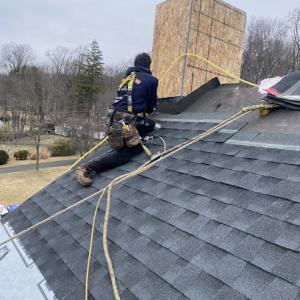
Peter Contractor
(347) 992-4144 petercontractor-llc.com
Serving
5.0 from 445 reviews
At Peter Contractor, we offer expert construction, remodeling, and roofing services across New Jersey and New York. With over 21 years of experience, we specialize in new roofs, repairs, and full exterior and interior renovations for residential, commercial, and industrial clients. As a GAF Certified, fully licensed and insured contractor, we provide top warranties and reliable, high-quality work. From roofing and siding to concrete and brickwork—we do it all, at the best price and with care.

One Call 24-7 | Roofing & Restoration – Anytime. Anywhere. We’re There.
Serving
4.7 from 109 reviews
Peter’s General Construction dba One Call 24-7 brings over 25 years of trusted, licensed, and insured experience serving homeowners and property owners across New Jersey. We provide comprehensive home restoration and construction services, including: Roof repair & full roof replacement Gutter cleaning, repair & replacement Siding repair & replacement Windows & soffit repair or replacement Skylights installation & repair Chimney services Storm & water damage restoration Retail and insurance claim support for repairs and replacements Emergency services available 24/7 — from sudden roof leaks to storm damage, fallen trees, or water intrusion, our expert crews respond immediately to protect your home and prevent further damage.
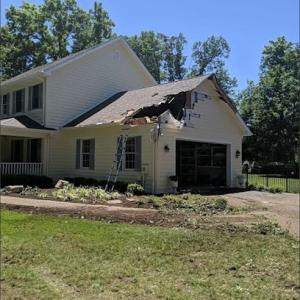
Hayes Family Roofing
(862) 660-7900 hayesfamilyroofing.com
Serving
4.8 from 60 reviews
Experience the difference with our skilled team and durable roofing services Trust us to enhance the appearance and durability of your roof

All Heart Roofing & Construction
(973) 221-8854 www.allheartroofing.com
Serving
4.8 from 82 reviews
ALL HEART ROOFING is a family-owned business and known as the best roofing company in New Jersey. We have been providing quality roofing and home remodeling services to the local community for over 8 years. Our team of certified professionals is dedicated to providing our customers with the best possible service at an affordable price. We take pride in our commitment to quality workmanship and customer satisfaction. Moreover, our team is comprised of knowledgeable individuals who have the skills and expertise to handle any roofing or home remodeling project in NJ. We specialize in roofing, bathrooms, decks, and all other aspects of home renovation. No matter the size or complexity of your project, we are here to help. Contact us today.
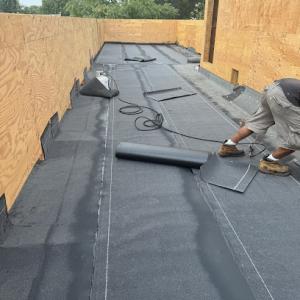
Garden State Roofing Flat Roof Specialist
(551) 253-3004 www.gardenstateroofs.com
Serving
5.0 from 128 reviews
Garden State Roofing is New Jersey’s trusted Flat Roof Specialist, delivering top-quality new roofs, re-roofs, and full repairs for Industrial commercial and residential properties. We combine expert craftsmanship with durable materials to ensure long-lasting protection and flawless performance on every project. Reliable service, premium work, and flat-roof solutions built to last — that’s Garden State Roofing.

FX Home Remodeling
(908) 967-8850 fxhomeremodeling.com
Serving
4.9 from 116 reviews
FX Home Remodeling – Roofing Contractor in Union, NJ FX Home Remodeling is a family-owned roofing company proudly serving Union County and surrounding New Jersey areas for over 20 years. We specialize in roof repairs, roof replacements, and new roof installations for both residential and commercial. Our team values honesty, quality, and craftsmanship, treating your home as if it were our own. We use only the best roofing materials, including GAF, Owens Corning, and CertainTeed, to ensure lasting protection and curb appeal. Services include: Roof Repair & Leak Detection New Roof Installation Roof Replacement Solutions Aluminum Seamless Gutters Gutter Cleaning & Maintenance Free Roof Inspections
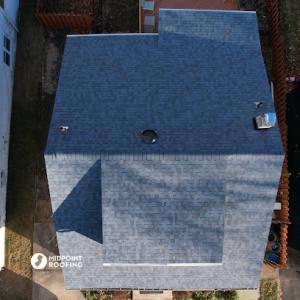
Midpoint Roofing
(973) 834-7570 midpointroofing.com
Serving
5.0 from 111 reviews
Midpoint Roofing is a premier roofing contractor in Union, NJ. We specialize in roof replacement, roof repair, and a wide range of roofing services. We are located at 2204 Morris Ave Suite 302b, Union, NJ 07083 and service clients in many different areas of New Jersey, including Union County, North and Central NJ. Our team of experienced professionals has lead the roofing industry for 10+ years. We are fully dedicated to providing top-notch workmanship and exceptional customer service. We offer the best prices on roof repairs and roof replacement around and work with insurance and do all the work for you! Trust Midpoint Roofing to handle all your roofing needs with integrity and quality. Contact us today for a free estimate or inspection!
Flat and low-slope roofs are a common sight on porches, additions, multifamily buildings, and commercial-adjacent forms in this city. The mix of aging membranes and pointy-angled parapets means that small drainage issues, membrane seam stress, and freeze-thaw cycles can turn into recurring leaks. In Orange, the practical approach is to treat flat sections as a pressure point that needs regular attention, especially after winter thaws and heavy storms.
On low-slope roofs, ponding water is not just a nuisance-it accelerates aging and increases seam stress. Check for areas where water tends to accumulate after a rain or snow melt, particularly near scuppers, drains, and edge flashing. If water sits for more than 48 hours after a storm, that's a signal to inspect the membrane and deck for lifted edges, blisters, or debris that can block flow. In neighborhoods with older porches and additions, drainage paths may have changed over time due to settled framing or added parapets; regrading and adding a secondary drainage path can prevent slow leaks and edge deterioration.
Low-slope roofs rely on the integrity of seams and transitions. In older stock, fabric or self-adhered membranes may show hairline cracks, UV tracking, or lifted edges at perimeters and around penetrations. Freeze-thaw cycles magnify these weaknesses: water wicks into seams, freezes, and then expands. Inspect carefully around vent boots, skylights, and pipe penetrations. Where seams show separation or wind uplift, plan for prompt resealing or a targeted patch. If a roof relies on a single membrane layer, consider a professional assessment for possible reinforcement or a life-extension coating to reduce the risk of interior leaks caused by seam failure.
Coatings are a notable feature in the local market for aging low-slope roofs. A properly applied roof coating can restore reflectivity, reduce heat absorption, and extend the life of an existing membrane without a full tear-off. In Orange, coating choices range from elastomeric to silicone-based systems; the right choice depends on exposure, climate, and substrate condition. Look for coatings that offer flexible, UV-stable formulas with a proven track record on flat roofs exposed to freeze-thaw cycles. Proper surface prep-removing flaking coatings, cleaning debris, and repairing blisters-yields the best adhesion and longest service life.
Flake-free durability comes from a routine that treats flat roofs as a moving part of the home. Schedule semiannual inspections, focusing on after winter melt and after heavy storms. Clear debris from drainage outlets; confirm that edge metals and flashing are secure without gaps. Keep an eye on interior signs of moisture around ceilings in rooms directly below flat sections, which can indicate creeping leaks before they become obvious on the roof surface. For porch and addition roofs, ensure that any new penetrations (satellite dishes, HVAC, or skylights) are flashed correctly and that seam sealant remains pliable, not brittle.
Avoid letting ponding water linger for extended periods, and never delay resealing a compromised seam after a severe freeze. Do not assume membrane life will outlast periodical stress; aging substrates require timely maintenance and, when needed, a targeted coating program or seam reinforcement. If a low-slope roof has multiple patches or inconsistent surface texture, a professional evaluation can help determine whether a full or partial replacement is warranted to prevent ongoing interior leaks.
Find specialists in TPO, EPDM, and built-up flat roofing systems for residential and commercial properties.
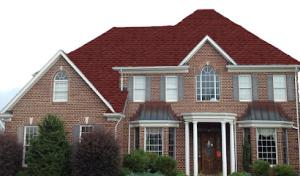
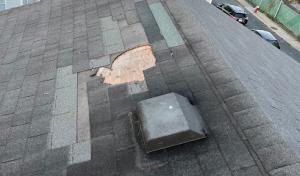
Asphalt shingles are the dominant practical choice in this market because they fit the older steep-slope homes that line many neighborhoods and because the local contractor base is built around asphalt. In this climate, where freeze-thaw cycles can expose small drainage and flashing issues, asphalt shingles give you a straightforward, repair-friendly option with a predictable track record on older structures. When you're evaluating a reroof, look for architectural or laminated shingles that add a bit of extra thickness and better wind resistance, which helps in storm-driven events. The key in this area is ensuring a solid underlayment and proper attic ventilation to slow moisture migration through those long, cold seasons. A professional inspection after heavy storms can catch early signs of edge and valley leaks that are common with aging roofs.
Metal roofing is available locally and is worth considering if you're prioritizing longevity and improved snow-shedding performance. Metal can shed wind-driven rain and snow more aggressively than standard shingles, which helps in the stormier stretches of winter. However, it usually enters the conversation as a specialty choice rather than the default in this market, largely because most existing homes and the surrounding contractor ecosystem are asphalt-focused. If you're debating metal, weigh the upgrade against the weight of the structural supports and the potential need for replacement of flashing details and integration with chimneys and vents. A metal roof can pair well with retrofitted attic insulation, but the installation must be precise to prevent heat loss and condensation issues in the winter.
Tile and wood options exist, but their weight, maintenance needs, and compatibility with older structures make them more selective choices than standard asphalt reroofing. Clay and concrete tiles bring aesthetic appeal and durability, but they demand a strong, reinforced deck and careful fastening to resist wind uplift on steeper slopes. Wood shingles or shakes offer a classic look but require ongoing maintenance against rot and insects, plus more attention to proper ventilation and flashing around dormers and chimneys. If the house already has historic features or a particular architectural style that invites these materials, a careful assessment by a contractor experienced with Orange's weather patterns is essential to avoid expensive mismatches between the roof, attic, and gutters.
When balancing factors like steep slopes, aging flashing, and freeze-thaw exposure, asphalt remains a reliable baseline for most owners. The deciding factors often come down to weight, ventilation readiness, and how a material will perform under a typical winter storm cycle. Regardless of choice, prioritize robust underlayment, sound ventilation, and precise integration with existing flashings and valleys. The right installation, plus timely maintenance after heavy storms, is what keeps roofs resilient through Orange's distinctive mix of old housing stock and seasonal freeze-thaw challenges.
Orange reroofing costs are often pushed upward by tear-off complexity on older homes, decking repairs discovered after removal, and flashing work around chimneys and dormers. These projects typically reveal hidden rot or nailers that must be addressed before new material goes on, so preparation time and material waste can drive up the final bill compared to a straightforward new install on a newer house. When planning, expect a step where crews uncover and repair decking, then reseal and reflash any chimney or dormer intersections to prevent future leaks during freeze-thaw cycles.
Dense urban access, limited driveway or yard staging, and cleanup demands can affect labor efficiency and disposal logistics in Orange. Narrow streets and tight lots often prevent large delivery trucks from easy access, forcing crews to shuttle materials and waste through back alleys or front stoops. This adds labor hours and can push disposal fees higher, especially when crews need to sort and haul debris through multi-unit properties. If the dwelling sits above-grade with minimal staging space, temporary containment and careful material handling become essential, influencing both schedule and cost.
Storm-driven demand spikes in North Jersey can tighten scheduling and pricing after wind or leak events, especially for emergency and fast-turnaround crews. If a storm has elevated urgency, expect more premium labor slots and expedited disposal routes as suppliers and crews reallocate resources to high-priority jobs. Planning for a window with some flexibility can help stabilize the cost and reduce the risk of rushed, error-prone workmanship in the critical first 48 hours after a leak is detected.
Get a clear picture of your project costs upfront - no commitment required.
Montclair Roofing & Contracting
(973) 604-2501 montclairroofingcontracting.com
Serving
5.0 from 150 reviews
In this area, a building permit is typically required for a full reroof rather than treated as informal maintenance. You will want to line up the permit before any tear-off begins, or you may face delays, stop-work orders, or have to undo work if an inspector flags it. The local department expects plans that show how the new roof will meet current code and weather considerations, not just a vague project description scribbled on a napkin.
Orange's building department usually schedules inspections at rough-in and final stages. That means project timing hinges not only on weather windows but also on municipal availability. If a rough-in inspection slips, it can push the final inspection back and extend the project timeline. Build your calendar with a cushion for winter freezes and seasonal delays, and coordinate with your contractor for a smooth sequence from tear-off to topcoat.
During the local review and inspection process, you may be asked for documentation covering underlayment, ventilation, and roof venting compliance. The department looks for proper underlayment installation, adequate attic ventilation, and correctly installed roof vents to prevent moisture buildup and freeze-thaw damage. Ensure you have product specs, installation manuals, and any manufacturer notices ready. Inadequate ventilation or improper underlayment can trigger re-inspection, additional permits, or corrective work, so keep your paperwork tidy and readily accessible.
In New Jersey, homeowners in this area commonly file roof-related claims tied to wind, hail, and water intrusion, especially after spring storm events and winter damage. The pattern here is that a single storm can reveal long-standing vulnerabilities around flashing, drip edges, and valley details that were barely noticeable before. Because older housing stock is dense and frequently features layered repairs, insurers expect to see a clear story: what happened during the storm, what has existed beforehand, and what changed after the event. The tension between immediate damage and gradual wear can drive tension in settlements, so approach claims with a careful, factual narrative.
Thorough photo documentation, leak timelines, and records of prior maintenance are essential before adjusters separate storm damage from long-term deterioration. Take dated images of every visible repair, every sign of moisture, and every area where ice damming or thaw cycles have impacted the roof line. Compile service receipts for prior roof work, attic venting improvements, and any installed moisture barriers. Maintain a simple timeline that connects a storm event to subsequent leaks, noting temperatures, wind speeds, and changes in rainfall if possible. This evidence helps ensure that the claim reflects current storm effects rather than merely chronic wear.
After a storm, you should organize a careful, safe roof inspection when conditions permit. Look for newly exposed flashing, lifted shingles, damaged sealant, or compromised gutters that could channel water into vulnerable seams. Freeze-thaw cycles in this climate can amplify minor flaws into recurring leaks, so document conditions both on the roof and in the attic, including any signs of condensation or attic warmth that could indicate insulation gaps. Sharing a precise, up-to-date picture of conditions helps prevent misclassification of preexisting issues as storm damage.
Insurers scrutinize roof age, prior repairs, and preexisting wear, which matters in this market because many homes have older roof systems and layered repair histories. Present concrete photos aligned with a readable timeline, and be prepared to discuss previous maintenance and last professional inspection. When contractors are brought in, insist on a clear scope that distinguishes storm-related fixes from long-term deterioration, so the final work targets the actual, storm-driven failure points.
Connect with contractors who help homeowners navigate the claims process from damage assessment to final approval.
A1 Quality Roofing-Roof Repair & Replacement
(866) 766-3370 www.a1roofingnj.com
Serving
4.8 from 81 reviews
Montclair Roofing & Contracting
(973) 604-2501 montclairroofingcontracting.com
Serving
5.0 from 150 reviews
In this climate, the freeze-thaw cycle and hot summer days make attic moisture control essential. Balanced ventilation helps keep attic temperatures from spiking and reduces condensation that can rot sheathing and accelerate aging of shingles and underlayment. Focus on creating a clear path for air to enter from soffit or overhangs and exit through ridge or other high vents. In older homes with steep-slope roofs or tight roof decks, even small changes in vent placement can move a lot of air. Plan for enough intake and exhaust capacity to avoid stagnant pockets where warm, humid air condenses on rafters or around existing insulation.
Skylight work is a meaningful specialty in the local market, indicating that leak-prone skylight flashing and curb details are a real homeowner concern here. When you replace or install a skylight, prioritize a robust curb and a continuous, corrosion-resistant flashing ladder that integrates with the roof plane. Pay attention to the transition from any surrounding shingles to the skylight lid; even slight gaps can funnel water into the attic during spring melt or summer storms. For older roofs, consider higher-profile flashing and reinforced sealing around the skylight base, and verify that the interior side of the curb has a clean drainage path to the interior gutters or drip edge without obstructions.
Because inspections may request ventilation and roof venting documentation, make vent layout part of compliance as well as performance. Document the vent locations and the rationale for each intake and exhaust point, so an observer can verify that the system is balanced and that there are no dead zones near the skylight or in the attic corners. Keep a simple diagram showing attic airflow routes, especially around any dormers or complex rooflines common to the older stock in this area. Regularly review seals around flashing and curb edges after winter or heavy storms, when condensation and wind-driven rain pose the greatest risk.
Coordinate skylight and vent work so that flashing is evaluated in the context of the whole roof, not as a separate convenience. Use compatible materials that resist corrosion and temperature cycling, and verify that shingles align snugly against the skylight curb to maintain a continuous weather seal. Schedule seasonal checks of vent louvers, soffit intakes, and ridge vents to preempt blockage from leaves, dust, or frost buildup. If condensation appears on cloudy mornings, recheck insulation gaps near the hatch or access panel, because warm attic air meeting cold roof surfaces is often the culprit.
Find contractors experienced in skylight installation, flashing, and leak repairs to bring natural light into your home.
A1 Quality Roofing-Roof Repair & Replacement
(866) 766-3370 www.a1roofingnj.com
Serving
4.8 from 81 reviews
Montclair Roofing & Contracting
(973) 604-2501 montclairroofingcontracting.com
Serving
5.0 from 150 reviews