Last updated: Apr 19, 2026
Nutley's older detached and semi-detached homes often show multiple reroof cycles stacked over the decades. That layering can hide soft decking, outdated ventilation, and patched flashing that never fully cured the underlying rot or gaps. The combination of cramped roof lines and frequent handwork around chimneys means small defects can accumulate unseen until a storm hits. The practical sign is uneven attic warmth in winter or intermittent drips after heavy rain, especially along edge lines or near penetrations. Expect to find soft decking under historic materials where previous repairs relied on quick patches rather than comprehensive deck replacement or re-anchoring of the pegs and nails that hold boards in place.
Chimneys are a frequent trouble spot locally, because masonry penetrations intersect aging roof systems and contractor practice can vary widely. When a chimney carries multiple layers of flashing, seepage paths tend to form along the base and corners. In Nutley's climate, frost cycles lift and distort flashing and counter-flashing, which then re-seals poorly after each thaw. The result is a pattern of leaks that appear not only where the chimney meets the roof, but also along the drip edge and adjacent valleys. If brickwork shows mortar spalling or cracks, those gaps will feed water toward the roof deck and into the attic, amplifying seepage during winter storms.
A cold-winter, humid-summer pattern makes small flashing or ventilation defects show up in dramatic ways. In older homes, soffit vents, ridge vents, and bathroom or kitchen vents can be undersized or poorly sealed, allowing attic moisture to condense into condensation-driven rot or mold. In summer, that same moisture can aggravate damp decking and create a musty attic atmosphere that betrays hidden leaks by staining or darkening over time. In a Nutley roof, a fast-track fix-replacing a damaged flashing corner or adding a properly sealed vent boot-can arrest a creeping problem before it becomes a costly deck replacement. The key is to verify that everything that crosses the roof plane is properly flashed, sealed, and vented, not just "tacked" shut.
Winter leaks often begin as ice-related edge issues, where ice dams push water under shingles or along the eaves. Nutley's cold snaps intensify this pattern, revealing weak flashing seams and undersized drip edges. Summer moisture problems tend to surface as attic condensation and hidden leaks around penetrations where attic insulation has shifted, leaving cold spots that attract condensation. A practical cue is to notice any new staining along valleys after freeze-thaw cycles or any damp attic area following hot, humid days. These are early warnings that your roof assembly has gaps that need targeted attention, not a full replacement as a first resort.
Start with a visual walk around the exterior after a storm, focusing on chimney bases, valleys, and along the edge metal. Look for cracked or missing mortar at the chimney, rusted or lifted flashing, and any areas where shingles show abnormal cupping or curling. Inside, inspect the attic for signs of shared leakage paths: staining along rafters, damp insulation, or unusual warmth along the eave line. If a recent seasonal freeze-thaw cycle produced a new telltale leak, document its location with photos and map it to a specific roof plane. Finally, compare the condition of patched sections to intact areas; widespread patching often signals more extensive deck or flashing work is due.
Right Team Construction
(732) 633-5167 rightteamconstructionllc.com
11 High St, Nutley, New Jersey
4.9 from 288 reviews
Your trusted local roofing specialist, Right Team, specializes in residential and commercial roof repair, replacement, and installation as well as chimney repair and restoration. Our services includes roof installations, skylight restorations that brighten your space, secure chimney repairs, and efficient gutter systems. Call now for a free estimate and responsive 24/7 emergency roof repair.

Cabrera & Sons Roofing
367 Franklin Ave, Nutley, New Jersey
4.9 from 70 reviews
We are dedicated to providing top-quality roofing services that ensure customer satisfaction and property protection.
American Roofing & Siding
(973) 542-0710 americanroofingandsiding.com
Serving
4.9 from 126 reviews
About American Roofing and Siding American Roofing is a "full service" New Jersey roofing company. After this awful winter call us at 973-542-0710. Our Business address is 1-3 St Marys Pl, Belleville, NJ 07109.

Six Brothers Commercial Roofing Contractors
(201) 582-8350 sixbrotherscontractors.com
Serving
5.0 from 96 reviews
"Six Brothers Contractors has been in business since 1988, providing New Jersey residential and commercial property owners with all types of Exterior services to address roofing, siding, window, needs. We are true experts in Commercial Roofing and offer quality workmanship at affordable prices. As a roofing company, Six Brothers Contractors began as an effort to bring quality workmanship to homeowners and commercial property owners at reasonable prices. We have seen it all with more than 35 years in the roofing space. So trust us to help with your project be it a residential shingle or flat Roof Replacement or a full scale commercial project. We can handle it all.
American Quality Roofing & Siding
(973) 721-3141 aqroofingnj.com
Serving
4.9 from 87 reviews
At American Quality Roofing and Siding, we are proud of being a leading roofing and siding company for our neighbors and their families in New Jersey. We have built a robust reputation for delivering exceptional results thanks to our skilled crew and their commitment to relentless and honest hard work. This has allowed us to build solid and long-lasting relations with our clients, if we haven’t done so already, we’ll be glad to start working with you today. Contact your trusted New Jersey roofing contractor for a free estimate!
Everlast Roofing & Gutters
(551) 388-5785 www.everlast-home.com
Serving
5.0 from 147 reviews
Discover excellence in roofing with Everlast Roofing, your trusted partner in New Jersey and New York. As a family-run business with over 20 years of expertise, we provide premier commercial and residential services. From thorough roof inspections and proactive maintenance to efficient repairs, storm damage restoration, and complete roof replacements, we offer a comprehensive suite of solutions. Our commitment to quality is reflected in our use of the finest industry materials, all backed by a solid warranty. At Everlast Roofing, we prioritize reliability, cost-effectiveness, and customer satisfaction. Our skilled team is ready to address your roofing needs, ensuring the protection of your property and investment.
Genesis Roofing
(201) 691-8367 thegenesisroofing.com
Serving
5.0 from 71 reviews
Roofing company offering a range of services, including Roof Replacement, metal roofs, shingle roofs, and inspections.

Master Pro Roofing & Construction
(866) 802-0779 masterproconstruction.com
Serving
4.9 from 136 reviews
Master Pro is the top source for roofing, siding, gutters, chimneys, and decks. We specialize in roof repair and replacement, siding repair and replacement, and other aspects of building.
Garden State Roofing Flat Roof Specialist
(551) 253-3004 www.gardenstateroofs.com
Serving
5.0 from 128 reviews
Garden State Roofing is New Jersey’s trusted Flat Roof Specialist, delivering top-quality new roofs, re-roofs, and full repairs for Industrial commercial and residential properties. We combine expert craftsmanship with durable materials to ensure long-lasting protection and flawless performance on every project. Reliable service, premium work, and flat-roof solutions built to last — that’s Garden State Roofing.
Montclair Roofing & Contracting
(973) 604-2501 montclairroofingcontracting.com
Serving
5.0 from 150 reviews
2 decades of providing professional roofing services, including free estimates, repairs, replacements, inspections, and maintenance. Proudly serving the Tri-State area, we deliver durable, long-lasting solutions with unmatched craftsmanship. Montclair Roofing & Contracting is your trusted roofing expert. With over 20 years of experience, our licensed and insured team delivers durable, reliable roofing solutions with locally sourced, high quality materials. We offer free estimates, fast service, and unmatched craftsmanship. Protect your property and boost its value—call Montclair Roofing & Contracting today for a free quote!

Seci Construction
Serving
4.9 from 73 reviews
Seci Construction, Inc. is a trusted leader in roofing and exterior contracting, proudly serving New Jersey, New York, Connecticut, and Pennsylvania for over 50 years. Based in Clifton, NJ, we’re recognized as one of the region’s premier roofing and siding companies. Our team consists of highly-trained and certified professionals dedicated to delivering top-tier service and superior craftsmanship. As an Owens Corning Platinum Preferred Contractor and a member of the GAF President’s Club, we uphold the highest standards in the industry. Our consistent recognition—including being named Best of HomeAdvisor for over 12 years-reflects our unwavering commitment to customer satisfaction. Proudly to be accredited by the Better Business Bureau.

All Heart Roofing & Construction
(973) 221-8854 www.allheartroofing.com
Serving
4.8 from 82 reviews
ALL HEART ROOFING is a family-owned business and known as the best roofing company in New Jersey. We have been providing quality roofing and home remodeling services to the local community for over 8 years. Our team of certified professionals is dedicated to providing our customers with the best possible service at an affordable price. We take pride in our commitment to quality workmanship and customer satisfaction. Moreover, our team is comprised of knowledgeable individuals who have the skills and expertise to handle any roofing or home remodeling project in NJ. We specialize in roofing, bathrooms, decks, and all other aspects of home renovation. No matter the size or complexity of your project, we are here to help. Contact us today.
Spring storms and autumn nor'easters in this neighborhood bring short bursts of emergency demand that can delay scheduling for tarping, leak tracing, and a full replacement. When a storm hits, the clock starts ticking and the usual lead time for a full roof plan can slip as crews scramble to address urgent leaks. The risk isn't only the visible drip; wind-driven rain can exploit small gaps around step flashing, ridge caps, and roof-to-wall transitions even if the damage doesn't look serious from the street. In Nutley, that quiet vulnerability often becomes a loud headache after the next gusty front rolls through.
Older roof lines in dense street plans commonly show where trouble hides: along step flashing at any corner where shingles meet the wall, along the ridge where caps lift, and at transitions between roof planes and vertical surfaces. Because homes sit close together, a single burst of wind can push rain sideways into vulnerable seams, attic soffits, and ceiling lines. If you notice staining along walls, musty attic air, or moisture on rafters after a storm, treat it as a red flag even if water seems to be coming from a low spot. Don't assume the leak travels in a straight line from the obvious drip-storm behavior in this town often challenges those assumptions.
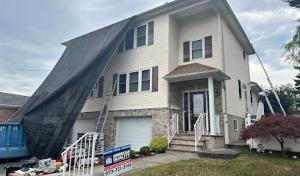
When a leak is detected, prioritize quick stabilization while a longer-term plan is arranged. Cover exposed areas with a watertight tarp secured to the roof deck and nearby sheathing, ensuring edges extend several feet beyond the leak to prevent wind lift. If the roof has multiple planes, focus first on the most actively dripping zone, then shore up a path for roofers to inspect flashing and transitions without stepping onto collapsed or saturated decking. Request a temporary fix that stops wind-driven rain from intruding while a full assessment is written, because storm windows and late-season weather can stall formal scheduling.
The local contractor market strongly skews toward emergency repair and storm damage work, indicating homeowners here often need rapid stabilization before a full scope is written. When a storm hits, expect responders to prioritize immediate leaks, but insist on a documented plan for next steps. Ask for a clear timeline: emergency tarping, leak tracing, and how soon an overall replacement or flashing corrective plan will proceed. Keep communications tight with the contractor so that the urgent needs are met now, and the full scope follows with minimum delay when weather and crew availability align.
When you can't wait, these contractors offer fast response times to stop leaks and prevent further damage.
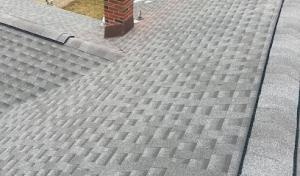
Right Team Construction
(732) 633-5167 rightteamconstructionllc.com
11 High St, Nutley, New Jersey
4.9 from 288 reviews

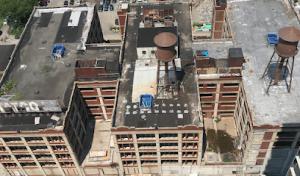
Six Brothers Commercial Roofing Contractors
(201) 582-8350 sixbrotherscontractors.com
Serving
5.0 from 96 reviews
Asphalt shingles are the practical default for typical Nutley steep-slope residential roofs. They pair well with the town's common rooflines, blend with historic and newer facades, and allow partial repairs without replacing large areas. For older homes, intermixing new and existing shingles is often straightforward, which helps manage the inevitable freeze-thaw cycles that stress edge tabs and seals. When planning a repair or a small reroof, asphalt shingles make it feasible to maintain a cohesive look while preserving the structural integrity of the underlying decking. In Nutley's climate, the key to long life is ensuring proper ventilation and a robust drip edge to manage winter humidity and spring melt.
Slate, clay tile, concrete tile, and wood shake appear in the market, but these materials demand careful consideration on older North Jersey houses. Structural loading is a central concern: slate and high-density tiles add significant weight that may require reinforcement of rafters or a revised support scheme. Flashing detail becomes critical in this climate, because cold snaps, freeze-thaw cycles, and humid summers stress transitions at chimney, dormer, and valley intersections. Matching repairs on vintage or historically sensitive surfaces can be challenging; mis-matched patching is conspicuous and can undermine performance where moisture paths are already delicate. If a Nutley roof with historic character is contemplating these materials, anticipate a detailed assessment of attic insulation, decking condition, and flashing compatibility, along with a plan for periodic maintenance of joints and seals. For homeowners prioritizing lower maintenance than wood or tile, slate or tile can deliver a long service life, but only when a qualified crew confirms the structure can bear the load and the installation aligns with the home's detailing and drainage plan.
Aluminum roofing is relevant locally as a lighter metal option in a climate with freeze-thaw stress and humid summers, especially where homeowners want lower maintenance than wood or tile. Aluminum panels or shingles can provide solid weather resistance without the heavier load of slate or concrete tile, reducing the risk of structural fatigue over time. In Nutley's environment, aluminum performs well with salt spray concerns near coastal-adjacent zones and with consistent snow and moisture presence inland. The key with aluminum is proper seam workmanship and corrosion-resistant fasteners, plus attention to color selection that minimizes heat gain on sun-exposed elevations. If a homeowner expects rapid cycling of storms and wants a faster, lower-maintenance installation, aluminum can be a sensible middle ground between traditional shingles and heavier tile systems.
Older Nutley houses often feature mixed roof geometries, limited attic ventilation, and flashings that require careful integration with new materials. When choosing among the options above, prioritize systems that preserve ventilation pathways and accommodate existing eave details. For steep-slope sections, asphalt remains forgiving and repair-friendly, while any high-load material should be reserved for sections where structure has been evaluated and reinforced as needed. Regardless of material, ensure that flashing at hips, valleys, chimneys, and skylights is designed to shed water efficiently and to resist Nutley's winter and summer moisture cycles. A well-ventilated attic paired with a durable underlayment dramatically extends roof life and minimizes the risk of leak-driven damage after heavy storms.
Flat and low-slope sections matter in Nutley because many older homes have rear additions, porches, bays, or mixed-slope transitions that fail differently from the main roof. In these spots, the slope and drainage are less forgiving, so a small issue can become a big leak. The climate doubles down on this reality: winter freeze-thaw cycles push water into tiny seams, and humid summers test edge detailing. Understanding where these areas sit on the house helps prioritize frequent checks after storms and during seasonal changes.
The membrane edges, seams, and wall flashings are the critical weak points on flat or low-slope roofs. In freeze-thaw cycles, ice buildup along parapets or transitions can lift or tear flashing, allowing water to back up at joints. Drainage is the second risk: clogged or slow drains create standing water that accelerates membrane wear. Pay special attention to transitions where the low-slope section meets a steeper main roof or where a porch roof ties in above windows or doors. Inspect along parapets for knife-edged puddling, and check gutters and scuppers after storms.
A practical routine focuses on after-storm checks and quarterly reviews. Start with the perimeter edges: look for loose gravel, lifted membrane, or hairline cracks at the flashing. Run a hand along seams and terminations for any soft spots or creases. Check the interior ceiling for signs of past water intrusion-stains, musty odors, or paint spalling near the low-slope areas. Keep a log of fluttering roof vegetation or debris that could impede drainage. When snow or ice accumulates, remove only what is safe without harming the membrane.
Flange-critical flashings should be kept clean of debris and resealed as needed. Ensure proper slope is maintained where possible; even a small adjustment can improve drainage. Use high-quality, compatible sealants at all seam intersections, especially where the low-slope section meets walls. Consider annual or biannual roof-inspection visits from a local contractor who understands the typical aging pattern of Nutley additions and the stress points created by mixed-slope transitions.
Contractors in town treat flat-roof work as a routine need rather than a niche. When evaluating bids, look for clear explanations of edge detailing, flashing restoration methods, and drainage strategy. A strong proposal will outline material compatibility for low-slope membranes, a plan for edge and corner reinforcement, and a maintenance schedule that matches Nutley's seasonal demands.
Find specialists in TPO, EPDM, and built-up flat roofing systems for residential and commercial properties.
Six Brothers Commercial Roofing Contractors
(201) 582-8350 sixbrotherscontractors.com
Serving
5.0 from 96 reviews
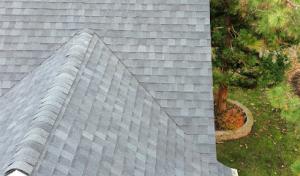
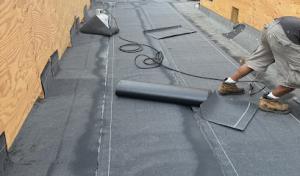
Garden State Roofing Flat Roof Specialist
(551) 253-3004 www.gardenstateroofs.com
Serving
5.0 from 128 reviews
In this town, a full roof replacement typically triggers a building permit that is reviewed by the township's Department of Code Enforcement. The process is not a casual rubber-stamp; it's a careful check to make sure the new roof and its components meet local safety and performance expectations. The department looks for proper ventilation, flashing detail, and adherence to relevant code requirements, especially for older homes with steep slopes or unusual detailing. Starting the process early helps prevent last-minute surprises that can derail a project and complicate scheduling with contractors who are tying their work into other neighborhood projects.
Inspections are not merely a final cosmetic nod; they occur during the project and again after completion, with a focus on installation quality, ventilation, and flashing rather than just how the final roof looks. Expect inspectors to verify that attic baffles are in place where needed, that soffit vents and ridge lines provide adequate airflow, and that step and counter flashing are integrated with chimneys, dormers, and valleys. If a steep primary slope sits above a low-slope extension, special attention to transitions and waterproofing details is common. A reputable roofer will schedule inspections in step with the work, ensuring any deficiencies are corrected before the inspectors leave the property for good. If things aren't up to code, you'll need a rework plan, which can add days or weeks, so coordination between you, the contractor, and the inspector is essential.
Processing time and fees depend on project scope and valuation, and approval can take several weeks. Heavy rain, backlogged applications, or complex detailing on older houses can extend timelines, so plan accordingly. It helps to have a clear scope of work in the permit package: roof type, ventilation strategy, flashing details, and any retrofits to accommodate insulation or attic space changes. Before ordering materials, confirm with the Department of Code Enforcement whether specific product installations-such as certain flashing configurations or venting fixes-will require additional documentation or samples. Keep a dedicated line of communication open with your contractor and the permit office, and maintain copies of all approvals, inspection reports, and any amendments that come through. Missing a step or a skipped inspection can trigger rework and added delays that are especially frustrating during the winter and early spring repair season.
Get a clear picture of your project costs upfront - no commitment required.
Right Team Construction
(732) 633-5167 rightteamconstructionllc.com
11 High St, Nutley, New Jersey
4.9 from 288 reviews
Montclair Roofing & Contracting
(973) 604-2501 montclairroofingcontracting.com
Serving
5.0 from 150 reviews
Provided local ranges run per square from about $350 to $700 for asphalt shingles, $900 to $1500 for clay tile, $800 to $1400 for concrete tile, $700 to $1100 for wood shingles or shakes, $1500 to $3000 for slate, and $500 to $900 for aluminum roofing. Those figures cover typical homes with a standard mess-free tear-off and no major decking issues. In Nutley, older houses often ride up beyond the base numbers when the reveal shows more than one layer to remove, the decking has deteriorated, or chimney flashing needs a full rebuild. Ventilation corrections, if required to pass inspection, can add to the tab as well.
Clay tile and concrete tile bring distinct aesthetic and durability but come with higher entry costs. Clay tile tends to land toward the upper end of the range, while concrete is generally a touch more affordable but still premium compared to asphalt. Wood shingles or shakes give a classic look on older housing stock but can push costs up due to installation labor and the need for careful detailing around dormers and peaks. Slate is the premium option, with a wide gap between the low and high ends, reflecting long lifespan but very high replacement price. Aluminum roofing offers a lighter, corrosion-resistant alternative with mid-range pricing and quicker install. In Nutley, choosing a heavier tile or slate system can influence the underlying decking and roof structure, so plan for potential reinforcement if the old will not carry the new load.
Prices can rise when an older home reveals multiple layers during tear-off or when decking has deteriorated and needs replacement. Chimney flashing often requires a rebuild to ensure a watertight seal, and ventilation corrections may be needed to satisfy expectations after a cold-winter, humid-summer cycle. After regional storm events, North Jersey demand spikes, which can push labor availability, scheduling, and material lead times higher. If you're evaluating quotes, ask for a clear breakdown of tear-off, decking, flashing, and ventilation items so you can compare apples to apples on Nutley projects.
Don't let upfront costs delay a critical repair - these contractors offer payment plans to fit your budget.
For Nutley homeowners, filing a weather-related roof claim typically follows standard New Jersey practice rather than a catastrophe-only environment. Storms bring wind and hail that can drive damage into the aging materials found on older houses, especially in dense neighborhoods with steep roofs and rear low-slope additions. Insurers will expect clear documentation of what happened during the storm and the state of the roof before impact. If the roof shows both sudden storm effects and long-term wear, the claim must separate those elements so adjusters can distinguish what was caused by a specific event versus preexisting deterioration.
When a claim is opened, insurers commonly want date-stamped photos, a contractor's scope of work, and post-work documentation. In Nutley, meeting those expectations usually means compiling a concise, time-stamped record from before the event, the moment of impact, and after repairs. If possible, include photos of flashing, ventilation details, and any visible signs of movement from wind-driven debris. A detailed contractor scope helps prove that the work addressed the actual condition found after the storm, rather than simply replacing aging components. Post-repair documentation should show that the roof was restored to its pre-storm performance level, including any improvements to ventilation or flashing that were necessary to prevent future leaks.
Because storm damage in Nutley is often mixed with age-related wear on older roofs, documentation needs to clearly separate sudden loss from long-term deterioration. Keep a chronology that notes when shingles, underlayment, or flashing appeared damaged following a storm event, and when longstanding issues like slope, gutter tie-ins, or deck rot were diagnosed. Insurers respond to those specifics: they want to see that a sudden event caused measurable damage tied to the claim, while existing problems are addressed on their own merits. Clear, organized records reduce back-and-forth and help protect the claim from being dismissed as preexisting wear.
Connect with contractors who help homeowners navigate the claims process from damage assessment to final approval.
Six Brothers Commercial Roofing Contractors
(201) 582-8350 sixbrotherscontractors.com
Serving
5.0 from 96 reviews
Skylight work is materially relevant in Nutley's contractor market, making curb flashing and surrounding shingle integration a common local repair topic. When you assess a skylight, start at the curb flashing where it meets the shingles. Look for loose or compressed sealant, lifted shingles, and any gap between the curb and the roofing material. In a cold-winter, humid-summer climate, freeze-thaw cycles can pry up flashing edges and widen the seal. A practical check is to run a bead of compatible sealant along the curb edge where the flashing meets the shingle line, then reseal with mineral-safety flashing if the curb has shifted. Ensure the skylight flange sits flush to the roof plane and that there is a continuous, clean line of shingles directing water away from the flashing.
Chimney-related roof detailing is especially important here because chimney service is one of the strongest adjacent contractor signals in the market. Start by inspecting the step flashing along the chimney joints; any gaps or loose metal should be replaced with properly laced, bend-free flashing that sits under the shingles and over the counter-flashing. Check the chimney cap and cricket (if present) to confirm they direct water away from the joint. The mortar crown on older chimneys can deteriorate and wick moisture inward; address any visible cracks with a durable sealant and, if feasible, re-flash with corrosion-resistant metal. A tight seal at the intersection of brick, mortar, and roof line reduces sustained leaks after storms.
On older Nutley homes, leak sources are often detail-driven at penetrations and transitions rather than broad field failure. Pay close attention where vent pipes, attic exhausts, or satellite dishes pierce the roof, and where roof planes meet a lower extension or addition. In transition zones, ensure a continuous drip edge, proper underlayment, and a secondary protection layer under the flashing. Small gaps at penetrations can invite water intrusion during rapid spring thaws or heavy summer storms, so reseal with weather-rated products designed for dual-season cycles.
Develop a fall-to-spring inspection cadence focusing on the most vulnerable spots: skylight perimeters, chimney joints, vent stack collars, and transition seams. In each case, verify that flashing remains nailed and seated, shingles over the flashing are intact, and there is no ponding near the roof's edge. When a detail shows age or signs of moisture intrusion, prioritize targeted repair rather than whole-roof replacement, since leaks in older stock usually originate at these specific points.
Find contractors experienced in skylight installation, flashing, and leak repairs to bring natural light into your home.
Right Team Construction
(732) 633-5167 rightteamconstructionllc.com
11 High St, Nutley, New Jersey
4.9 from 288 reviews