Last updated: Apr 19, 2026
Winter ice damming isn't a single bad shingle problem you can shrug off. In this neighborhood, roofs often carry finished attics, dormers, and chimney penetrations that create uneven roof temperatures. Those temperature pockets drive meltwater toward the eaves, where it refreezes into ice at the lower edge and pushes water back under the shingles. The result is recurring leaks along eaves and in valleys long before spring groundhog season rolls around. Cold snaps followed by precipitation in North Jersey set up the exact pattern that makes this a practical, stubborn leak risk year after year.
Most leaks in this area aren't just about the field shingles failing; they trace to flashing transitions around chimneys and sidewalls. When heat concentrates at a projecting chimney or where dormers meet the main roof, metal flashing can shift, gap, or corrode. Water finds those weak seams and wicks under shingles, especially where ice damming has already started to form. This combination-uneven roof temps, complex rooflines, and aging flashing-explains why you see multiple leak signatures during a single winter storm cycle.
If you notice icicles piling up and a colder crown near the ridge, start a careful inspection from the ground if safe, or hire a pro to check the upper edges and valleys. Look for spalled or lifted shingles along the eave line, damp patches on interior ceilings near exterior walls, and, crucially, any staining or dampness around chimney flashing or where sidewalls meet the roof. Ice damming often begins at those flashing transitions rather than in the middle of a broad field of shingles, so pinpointing those transitions early helps prevent bigger leaks.
Temperature-imperfection clues are just as telling. Dormers and finished attics pollute the uniformity of roofing temperatures, so water may be melting in one zone while freezing just a few feet away. If hot air leaks from the attic into the roof framing, it accelerates melt and refreezing cycles at the eaves. This is why maintenance must target both insulation integrity and ventilation, not just the surface shingle condition.
Begin with a conservative approach to attic temperature management. Ensure insulation is continuous from the living space into the attic floor without gaps, and verify soffit vents, ridge vents, or other designed ventilation paths aren't blocked by insulation or storage. The goal is to keep the entire roof surface closer to a uniform temperature so meltwater doesn't run to the eaves and refreeze.
Next, address the flashing points that routinely fail in older stock. Prioritize chimneys and sidewall transitions. Have a professional re-flash those areas with high-quality metal and sealant compatible with the roof material. Look for any loose mortar, high movement joints, or compromised step-flashing that could allow water to ride up under shingles. In addition, inspect the valleys for misalignment or broken metal, replacing any damaged components to restore a continuous water barrier.
Gutters require care as well. Remove debris promptly after storms, but don't neglect the edges where gutters contact the fascia. Ensure they are sized to handle meltwater during thaw-freeze cycles, and consider adding downspout extensions or splash blocks to direct water away from the fascia and foundation.
Finally, consider temporary snow management during heavy snow events. If safe, create a small clear path near eave edges with a roof rake, avoiding the temptation to climb onto a steep or icy roof. The goal is to reduce the volume of melting snow that can back up into the roof's lower edges, buying time for proper remediation.
If leaks persist after you've improved attic insulation and ventilation, or if flashing around chimneys or sidewalls shows signs of movement, corrosion, or gaps, bring in a seasoned roofer. An expert can confirm whether flashing repairs, valley reinforcements, or more extensive ventilation work are necessary, and schedule a coordinated plan to restore a reliable barrier against ice damming for the long term. This area's recurring patterns demand timely, targeted action rather than a one-off shingle swap.
When the spring wind and hail hammer a Bloomfield roof, start with safety. Clear debris from gutters and the immediate area to prevent water backup and ice buildup. From ground level, look for visible signs of damage: curled or missing shingles, dented metal flashing, bent ridge caps, and loose gutters. If ladders are needed, have a helper steady the position and avoid working on slick or icy surfaces. Do not climb onto a roof that shows signs of unexpected sagging or structural movement.
New Jersey insurers rely on solid documentation, so gather date-stamped photos showing the condition before and after the event, if possible. Save contractor estimates and a record of any temporary repairs you put in place to mitigate further damage. Keep proof that the installation meets current code standards, including existing ventilation, flashing configurations, and drainage setup. These details matter because claims in this market are influenced by installation quality and material type, and inspectors frequently cross-check such specifics during the adjustment process.
Photograph each problem area from multiple angles: entire roof sections, edge details above valleys, and the condition of ridge caps and flashing where leaks often start. Close-ups of damaged shingles, hail scuffs, lifted tabs, and corroded or cracked flashing are essential. Take images of attic ventilation intakes and exhausts, as well as visible drainage features such as downspouts and scuppers. Photograph any signs of water intrusion on ceilings or walls inside the home, including stained or bubbled drywall, stained insulation, and mold-prone areas. Date each photo or store them in a clearly dated folder to establish a timeline.
Choose a contractor who understands Bloomfield's older rooflines and the way they weather spring storms. Ask for a written scope that addresses ventilation, flashing integrity, and drainage improvements in addition to any shingle replacement. When the insurer assigns an adjuster, provide the contractor's written assessment and the photos promptly. Be ready to walk the adjuster through the roof's critical components-ventilation adequacy, flashing around chimneys and vents, and the condition of ridge lines-and show how water would travel across the deck during rain or thaw cycles. The goal is to prove that the repair plan preserves the roof's long-term performance, not just cosmetic fixes.
Track how your roof handles wind-driven debris and hail events, which are common in the spring. After repairs, verify that the flashing lap joints are sealed and that the drainage path remains clear. A well-documented history of maintenance and timely repairs helps future claims go more smoothly and reduces the risk of recurring leaks during melt cycles.
Find local contractors experienced in assessing and restoring roofs after hail, wind, and severe weather events.
Montclair Roofing & Contracting
(973) 604-2501 montclairroofingcontracting.com
77-79 Washington St, Bloomfield, New Jersey
5.0 from 150 reviews

Montclair Roofing & Contracting
(973) 604-2501 montclairroofingcontracting.com
77-79 Washington St, Bloomfield, New Jersey
5.0 from 150 reviews
2 decades of providing professional roofing services, including free estimates, repairs, replacements, inspections, and maintenance. Proudly serving the Tri-State area, we deliver durable, long-lasting solutions with unmatched craftsmanship. Montclair Roofing & Contracting is your trusted roofing expert. With over 20 years of experience, our licensed and insured team delivers durable, reliable roofing solutions with locally sourced, high quality materials. We offer free estimates, fast service, and unmatched craftsmanship. Protect your property and boost its value—call Montclair Roofing & Contracting today for a free quote!

LGM Roofing Contractors
(973) 707-2154 www.lgmroofing.com
140 Orange St, Bloomfield, New Jersey
4.9 from 108 reviews
LGM Roofing Contractors is New Jersey’s trusted roofing, siding, gutter, and flat roof specialist. We provide roof repair, roof replacement, and full exterior services for homeowners and commercial properties. As a family-owned, second-generation company, we’re known for honest communication, transparency, and smart problem-solving. With 45+ years of experience and 1,000+ projects completed, our GAF Master Elite team delivers high-quality installations, durable materials, and industry-leading warranties. Request a free quote today.

All Heart Roofing & Construction
(973) 221-8854 www.allheartroofing.com
Serving
4.8 from 82 reviews
ALL HEART ROOFING is a family-owned business and known as the best roofing company in New Jersey. We have been providing quality roofing and home remodeling services to the local community for over 8 years. Our team of certified professionals is dedicated to providing our customers with the best possible service at an affordable price. We take pride in our commitment to quality workmanship and customer satisfaction. Moreover, our team is comprised of knowledgeable individuals who have the skills and expertise to handle any roofing or home remodeling project in NJ. We specialize in roofing, bathrooms, decks, and all other aspects of home renovation. No matter the size or complexity of your project, we are here to help. Contact us today.
Cabrera & Sons Roofing
Serving
4.9 from 70 reviews
We are dedicated to providing top-quality roofing services that ensure customer satisfaction and property protection.
American Roofing & Siding
(973) 542-0710 americanroofingandsiding.com
Serving
4.9 from 126 reviews
About American Roofing and Siding American Roofing is a "full service" New Jersey roofing company. After this awful winter call us at 973-542-0710. Our Business address is 1-3 St Marys Pl, Belleville, NJ 07109.
Right Team Construction
(732) 633-5167 rightteamconstructionllc.com
Serving
4.9 from 288 reviews
Your trusted local roofing specialist, Right Team, specializes in residential and commercial roof repair, replacement, and installation as well as chimney repair and restoration. Our services includes roof installations, skylight restorations that brighten your space, secure chimney repairs, and efficient gutter systems. Call now for a free estimate and responsive 24/7 emergency roof repair.
American Quality Roofing & Siding
(973) 721-3141 aqroofingnj.com
Serving
4.9 from 87 reviews
At American Quality Roofing and Siding, we are proud of being a leading roofing and siding company for our neighbors and their families in New Jersey. We have built a robust reputation for delivering exceptional results thanks to our skilled crew and their commitment to relentless and honest hard work. This has allowed us to build solid and long-lasting relations with our clients, if we haven’t done so already, we’ll be glad to start working with you today. Contact your trusted New Jersey roofing contractor for a free estimate!

Six Brothers Commercial Roofing Contractors
(201) 582-8350 sixbrotherscontractors.com
Serving
5.0 from 96 reviews
"Six Brothers Contractors has been in business since 1988, providing New Jersey residential and commercial property owners with all types of Exterior services to address roofing, siding, window, needs. We are true experts in Commercial Roofing and offer quality workmanship at affordable prices. As a roofing company, Six Brothers Contractors began as an effort to bring quality workmanship to homeowners and commercial property owners at reasonable prices. We have seen it all with more than 35 years in the roofing space. So trust us to help with your project be it a residential shingle or flat Roof Replacement or a full scale commercial project. We can handle it all.
Everlast Roofing & Gutters
(551) 388-5785 www.everlast-home.com
Serving
5.0 from 147 reviews
Discover excellence in roofing with Everlast Roofing, your trusted partner in New Jersey and New York. As a family-run business with over 20 years of expertise, we provide premier commercial and residential services. From thorough roof inspections and proactive maintenance to efficient repairs, storm damage restoration, and complete roof replacements, we offer a comprehensive suite of solutions. Our commitment to quality is reflected in our use of the finest industry materials, all backed by a solid warranty. At Everlast Roofing, we prioritize reliability, cost-effectiveness, and customer satisfaction. Our skilled team is ready to address your roofing needs, ensuring the protection of your property and investment.
Genesis Roofing
(201) 691-8367 thegenesisroofing.com
Serving
5.0 from 71 reviews
Roofing company offering a range of services, including Roof Replacement, metal roofs, shingle roofs, and inspections.
Seci Construction
Serving
4.9 from 73 reviews
Seci Construction, Inc. is a trusted leader in roofing and exterior contracting, proudly serving New Jersey, New York, Connecticut, and Pennsylvania for over 50 years. Based in Clifton, NJ, we’re recognized as one of the region’s premier roofing and siding companies. Our team consists of highly-trained and certified professionals dedicated to delivering top-tier service and superior craftsmanship. As an Owens Corning Platinum Preferred Contractor and a member of the GAF President’s Club, we uphold the highest standards in the industry. Our consistent recognition—including being named Best of HomeAdvisor for over 12 years-reflects our unwavering commitment to customer satisfaction. Proudly to be accredited by the Better Business Bureau.
Garden State Roofing Flat Roof Specialist
(551) 253-3004 www.gardenstateroofs.com
Serving
5.0 from 128 reviews
Garden State Roofing is New Jersey’s trusted Flat Roof Specialist, delivering top-quality new roofs, re-roofs, and full repairs for Industrial commercial and residential properties. We combine expert craftsmanship with durable materials to ensure long-lasting protection and flawless performance on every project. Reliable service, premium work, and flat-roof solutions built to last — that’s Garden State Roofing.
In Bloomfield, housing stock often pairs an older steep-slope main roof with rear additions, low-slope porches, or small multifamily sections. That means a single property may need more than one roofing system active at once, with each system requiring its own detailing, fastener pattern, and flashing priorities. The steeper main roof will shed snow and ice differently from the flatter sections, so transitions between systems deserve special attention. When planning repairs or replacements, map all roof areas first: where a low-slope porch or addition connects to the primary roof, where a chimney or masonry wall interrupts the roofline, and where water tends to pond or back up during freeze-thaw cycles.
Asphalt shingles fit much of the existing residential stock, but low-slope sections require different detailing and are a common source of leaks when treated like standard pitched roofs. On low-slope areas, ensure proper waterproofing under the shingles, with adequate slope and appropriate underlayment. Where a porch roof or rear addition uses a flatter plane, install a continuous drip edge, reliable backwater flashing, and, if possible, a dedicated drainage path to prevent ponding water near the foundation. For steep-slope main roofs, standard shingle choices are generally appropriate, but confirm that valleys, rake edges, and crickets at hips are installed with careful sealants and backer materials to resist wind uplift and ice-related leaks.
Chimneys are a frequent roofline feature in this area, making counterflashing, cricket design, and masonry-adjacent waterproofing more important than on simpler suburban roof layouts. At a chimney, ensure counterflashing runs behind the shingles and is integrated with the chimney flashing. A cricket or saddle behind the chimney helps divert snow and ice away from the crest where leaks often start. Masonry mortar joints adjacent to the roofline should be kept with waterproof parging or compatible sealants to prevent moisture wicking into the roofing assembly. Where a chimney intersects a low-slope section, pay extra attention to the transition area: improper detailing here is a common path for ice damming and slow leaks.
Winter ice damming and leak prevention hinge on robust transitions and reliable drainage. Prioritize regularly inspecting attic ventilation and insulation to maintain a warm roof deck, especially over low-slope sections attached to the main steep roof. Clear snow from eaves and ensure downspouts and leaders drain away from the foundation, not toward vulnerable masonry joints. Have a trusted roofer verify flashing at all roof-to-wall interfaces, particularly around chimneys and masonry-adjacent planes, before the harshest part of winter settles in. By coordinating multiple roofing systems within a single home, homeowners can reduce costly leak repairs and extend the life of each distinct roof area.
Bloomfield's winters bring freeze-thaw cycles, while summers push heat and humidity into older attic assemblies. The right material and underlayment should handle both ends of the spectrum: resisting ice damming in cold snaps and managing heat buildup that can soften or delaminate underlayment during long, hot days. In practical terms, choose systems that pair a robust, breathable underlayment with a top layer that won't become brittle or warp under repeated freezing and thawing.
Asphalt shingles remain the practical default for older rooflines in this area. They pair well with common underlayments that promote drainage and moisture control in attics that aren't perfectly ventilated. When selecting asphalt, prioritize shingles with good granule retention and a reinforced pad under the roof deck to resist ice damming. Install an ice and water shield at eaves and over any potential perched water areas, and ensure metal drip edges and properly lapped siding detail the perimeter to direct meltwater away from fascia.
Metal can improve snow shedding and longevity, but it requires careful detailing on steeper or irregular roof geometries common to older homes. Plan for a continuous underlayment, correct fastener spacing, and flashing that locks into existing valleys and chimneys without creating creases or crevices for ice buildup. Close attention to penetrations and edge details helps prevent leaks where older framing and sheathing meet newer metal. If the attic has shallow rafters or limited ventilation, consider additional venting or baffles to prevent heat trapping under the metal.
Clay, concrete, wood, and synthetic products appear in the market, but their fit here hinges on structural load and moisture behavior. Heavier tiles or composites can stress older framing if not properly engineered, and moisture can affect wood or synthetic products differently in long, humid summers. Before proceeding, assess roof structure, insulation, and ventilation with a local contractor who understands how older Bloomfield attic assemblies behave. If choosing these options, insist on a compatible underlayment and a sealing strategy at all penetrations to minimize seasonal leaks.
Explore specialists in steel, aluminum, and standing seam metal roofs built to last 50 years or more.
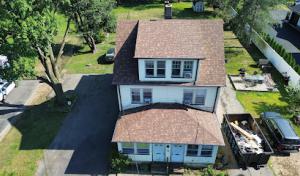
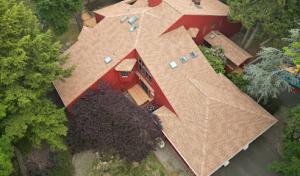
In this part of Essex County, tear-offs for older homes often reveal layered roofing, aging decking, and flashing around chimneys that has taken a beating from freeze-thaw cycles. That combination tends to push the scope beyond a straightforward replacement, especially when ventilation upgrades are needed to address attic heat and moisture. When a contractor peels back the layers, they may discover decking that's soft or warped, which means additional material and labor time. In practice, you should expect pricing to reflect not only the new roof material but also deck repairs, insulation improvements, and upgraded ventilation as part of a comprehensive replacement plan.
Bloomfield's tight lot lines, detached garages, and dense neighborhood access can complicate material staging, debris handling, and equipment maneuvering. Projects frequently require careful sequencing to minimize disruption to neighboring homes and driveways, which can extend scheduling windows and raise labor costs slightly compared with more open suburban sites. If crews need to bring debris to a side-yard bin or navigate a narrow alley, factor in extra handling time and potential material protection measures to prevent damage to landscaping or vehicles.
After a heavy winter and spring storm season, demand spikes for emergency repairs and re-roofing. Scheduling can become tighter, and pricing pressure may rise as crews juggle multiple projects. If a replacement is timed for late spring, there can be a premium tied to backlog and weather-driven delays; planning ahead when conditions are favorable helps avoid peak-demand surcharges. Build in flexibility for potential minor scope changes discovered during tear-off, such as updated chimney flashing or improved underlayment, which can influence overall cost.
For a guided budgeting frame, consider the widely used options and their rough ranges per square (100 square feet): Asphalt Shingles 400-800 USD, Metal Roofing 700-1500 USD, Clay Tile 900-1800 USD, Concrete Tile 1000-2000 USD, Wood Shingles/Shakes 650-1200 USD, Synthetic/Composite Shingles 600-1100 USD. In older Bloomfield homes, the choice often hinges on local throw-off logistics, weight considerations for attic structure, and long-term ice-dam resistance, with a practical tilt toward durable underlayment and effective ventilation to curb future repairs.
Get a clear picture of your project costs upfront - no commitment required.
Montclair Roofing & Contracting
(973) 604-2501 montclairroofingcontracting.com
77-79 Washington St, Bloomfield, New Jersey
5.0 from 150 reviews
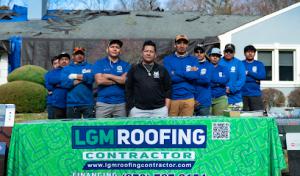
LGM Roofing Contractors
(973) 707-2154 www.lgmroofing.com
140 Orange St, Bloomfield, New Jersey
4.9 from 108 reviews
Full roof replacements in this area are not just maintenance; they typically require a building permit through the township's Construction Department. The process can hinge on the roof's size, height, and any recent additions or alterations to an older home. It's wise to start early, gather plans, and confirm whether a simple over-the-counter permit suffices or if a formal plan review is needed. Rushing the submission can stall work when weather is cooperating for a summer or shoulder-season project.
Inspections in Bloomfield are commonly scheduled during the work and after completion, with a practical focus beyond shingles alone. Expect inspectors to check flashing at valleys, chimneys, and dormers, along with ventilation adequacy and proper drainage. Snow guards, scuppers, and gutter integration may also come under scrutiny, especially where older roof lines meet new additions. Align your crew's schedule with the township's inspection windows to avoid rework.
Unusual roof configurations-common on older, mixed-slope homes or where additions altered the original plan-may trigger plan review before permit issuance. In these cases, detailed diagrams of intersections, transitions, and drainage paths help. A thoughtful design review can prevent delays and ensure the finished roof handles Bloomfield's freeze-thaw cycles and heavy snows without repeated repairs.
Skipping permits or bypassing inspections can lead to fines, mandatory uncovering of work, and potential denial of occupancy. A failed inspection may require costly adjustments to flashing, ventilation, or drainage to pass. Prioritize compliance to avoid longer timelines and avoidable headaches when the weather swings between freezing rain and sun.
New Jersey homeowners insurance often covers storm-related roof damage, but you should expect carriers to ask for pre-loss and post-loss photos, estimates, and installation details. In this market, carriers scrutinize shingle type and workmanship, so having clear records matters. Gather old photos showing the roof's condition before any event, plus new images after a loss, and keep contractor estimates organized by related repair areas. When you file, present a concise timeline that links the damage to the event rather than to long-term wear. That clarity can help avoid unnecessary disputes over what is considered sudden damage versus deferred maintenance.
In a town with many older roofs and frequent leak points around chimneys and transitions, distinguishing sudden storm damage from deferred maintenance can materially affect claim outcomes. Look closely at flashing around chimneys, skylights, and wall intersections, as well as the condition of valleys and gutters. If a claim hinges on a single storm event, insist on showing how the damage exceeds the roof's existing state and why the failure is not simply the result of age or prior neglect. Insurers may request expert assessments, so having a pro who can testify that a specific leak originated with a storm-driven impact or wind-driven uplift can be decisive.
Keep warranty documents and proof that the roof was installed to current local requirements handy, and reference those papers when discussing coverage. If a claim touches shingle type or installation details, point to the contract language and installation standards that your policy recognizes. In practice, organize a binder with purchase records, warranty papers, and a simple map of the roof's high-risk transition points. This proactive readiness protects you when a storm event is followed by uneven rain flow or repeated leaks.
Winter ice damming can complicate claims by creating additional damage after the initial storm. Document any resulting seepage and combine it with contemporaneous weather reports to show timing. If repairs are delayed by insurer review, keep temporary protections in place and photograph them, since continued exposure can influence claim outcomes.
In Bloomfield, homes often have low-slope rear additions, porches, or small attached sections that age differently from the main pitched roof and need separate maintenance planning. Start with a careful walkable inspection from ground level and, if safe, from above the edge of the flat or low-slope area. Look for signs of standing water after a rain, soft decking, blistering membrane, or pulled-fastener heads that indicate edge leaks. Pay attention to flashings at transitions where the addition meets the main roof, around skylights, and near chimney outlets. This step helps you map problem zones that are easy to miss from the street, especially when the visible main roof appears to be in decent shape.
Standing water and drainage issues on these low-slope sections are especially problematic in this climate and can go unnoticed from the street. Ensure drains, scuppers, and inside gutters are clear and that downspouts extend well away from the foundation. Consider extending or twinning drains so water does not pool along the parapet or low edges. When the addition lacks adequate roof-to-drain slope, the risk of seepage rises during thaw cycles. A simple field test after a rain can reveal slow drainage or unusual ponding. If ponding lasts more than 48 hours, a more substantial drainage fix is warranted, even if the main roof looks dry.
Flashing at transitions between the main roof and the addition is a common failure point. Inspect metal flashing for corrosion, caulking gaps, and loose sealant beads. Rebed and reseal as needed with non-diagnostic sealants designed for roof use. Pay special attention to the perimeter edges and any metal counter-flashing that may have shifted over winter. Proper flashing setup helps prevent interior leaks that start as a drip from the edge, not from the center.
Homeowners replacing only the visible main roof often miss the lower-slope sections that are actually causing interior leaks. Plan replacement or reinforcement for the flat or low-slope portion in tandem with any roof work on the main structure. When the membrane shows signs of aging, consider upgrading to a more robust low-slope system with enhanced edge detailing and a dedicated drainage plan. Establish a proactive maintenance cadence to recheck sealants, flashings, and drain lines every fall before the winter thaw returns.
Extend the life of your existing roof with reflective or waterproof coatings that protect against UV and moisture.