
Last updated: Apr 19, 2026
In this area, the weather pattern packs a punch: spring storm systems, hail risk, autumn wind-driven rain, and winter freeze-thaw cycles relentlessly stress flashing, seals, and transitions. A roof that once felt solid can suddenly reveal leak paths where the old flashing has weakened or where a patch job didn't address the underlying deck moisture. Typical Clifton homes with older pitched sections and low-slope transitions demand extra vigilance because storms can expose both recent wind-driven rain and long-standing flashing weaknesses at the same time. When a storm hits, every vulnerable seam is a potential entry point, and aging roofs are less forgiving of a rapid change in wind direction or hail impact.
The moment you detect active leakage after a storm, act fast. Prioritize stabilizing the leak to limit interior damage and mold risk. Use towels or a temporary bucket to catch drips, but avoid placing heavy loads or tarps on compromised chimneys or edge flashing that could fail further under wind gusts. As soon as it's safe, photograph the exterior to capture the storm's collateral impact-lifted shingles, bent flashing, rusted nails, and any fastener failures. Inside, photograph active leaks, staining on ceilings, and attic moisture indicators. New Jersey insurers scrutinize roof age, prior repairs, and recent storm dates after major weather events, so clear, timestamped images of both the roof and the interior are essential for claim credibility. Keep a simple log noting the storm date, observed leak behavior, and any temporary repairs you made.
Your claim only travels as fast as your documentation. Create a file with the storm date, weather reports, and a concise summary of observed issues. Note material details you can verify: shingle type, visible flashing material, and any signs of past repair work around the same problem area. If a contractor or adjuster identifies specific failure points, keep those notes for reference in your claim narrative. Since Clifton's market is heavy on emergency repair and insurance-focused services, expect quick contractor responses; you still want a clear record of what was found, what was touched, and what remains unresolved. Photos should include close-ups of flashing corners, step and counter-flashing joints, vent bootings, attic ventilation, and any signs of water intrusion around chimneys or dormers. A dated pack of photos, paired with a simple diagram of the roof layout, can speed the claims review and help you avoid back-and-forth questions over the next steps.
Older pitched roofs in this area often fail at transitions-where a low-slope section meets a steep plane, or where valley and chimney detailing converge. In Clifton, hail can dent and loosen edge caps, while wind-driven rain exploits gaps around vent pipes and roof-to-wall flashings. Freeze-thaw cycles stress sealant and underlayment, creating micro-leaks that expand with each storm. If you have a history of prior repairs, pay special attention to those areas; insurers will want to know if patches were applied without addressing root causes. Inspect attic soffits and baffles for moisture buildup, which signals ventilation is not keeping pace with moisture loads from storms or rapid temperature swings.
Because the local contractor market emphasizes emergency repair and insurance-claim support, securing fast stabilization is realistic and often essential. Contact a local contractor who can provide temporary leak control, board up vulnerable openings, and reseal flashing with materials appropriate to the age and style of your roof. Request a written inspection report that identifies whether the roof deck, underlayment, or flashing needs replacement versus repair, and obtain a clear timeline for a full, claim-ready repair plan. When you receive a proposed scope, compare details to your claim file photos and notes to ensure no critical flaw area is overlooked. In a storm-impacted season, timely communication with your insurer-backed by solid photos, precise descriptions, and a verified storm-date log-helps move the process from denial risk toward a properly documented repair path.
In this market, asphalt shingles run from 350 to 700 USD per square, a spread that reflects the mix of aging homes with varying deck conditions and the need for careful detailing around transitions. Metal roofing generally bills 700 to 1200 USD per square, with Clifton projects often prioritizing metal where you're replacing an older framework or seeking enhanced wind resistance in a North Jersey pattern. Clay tile typically lands between 1000 and 1800 USD per square, while concrete tile sits around 900 to 1700 USD per square. Wood shingles or shakes come in at about 600 to 1100 USD per square, and synthetic or composite shingles range from 500 to 900 USD per square. These ranges align with Clifton's dense residential stock and the complexity of local projects.
Costs in Clifton can rise when older roofs require decking corrections, ventilation upgrades, or more detailed flashing work at chimneys and roof transitions before final inspection approval. Given the climate and frequent transition points, a typical re-roof may uncover substructure issues that necessitate reinforcement. Ventilation changes are common to address attic heat buildup and condensation risks that creep up on older homes with limited original venting. Flashing around valleys, skylights, and dormers also tends to demand extra attention to prevent leak-prone weaknesses, especially where previous installations lagged behind current best practices.
Demand spikes after regional storm events in North Jersey can tighten scheduling and labor availability in Clifton, which can affect both pricing and replacement timelines. When a storm hits, crews get booked quickly, and supply chains for specialty materials (like clay or concrete tiles) can tighten. That means even if you've narrowed your material choice, the window for installation may shift, potentially increasing temporary costs such as expedited ordering or overtime during peak demand. If storms are forecast, it's prudent to discuss a staged plan with your roofer to minimize weather-driven overruns while keeping an eye on the overall project timeline.
Begin with a candid assessment of the roof's condition, focusing on transitions, vents, and chimneys-areas Clifton homeowners repeatedly flag as leak-prone. If decking shows signs of rot or sag, consider budgeting toward decking corrections early in the estimate to avoid mid-project surprises. For ventilation, prioritize upgrades that improve attic airflow without overburdening the budget; many Clifton homes benefit from a balanced intake and exhaust approach that reduces moisture buildup. In terms of material choice, balance upfront costs with long-term performance-synthetic shingles offer favorable price points and decent durability, while clay or concrete tiles provide longevity but require a stronger underlying structure and heavier framing. Align your selection with wind exposure and local roof geometry common to Clifton's pitched and low-slope sections.
Pro Trends Construction
(201) 949-8688 protrendsroofing.com
93 Belgrade Ave, Clifton, New Jersey
5.0 from 225 reviews
Pro Trends Construction offers professional residential and commercial construction services, including roofing, chimney siding, masonry, and more. We are among the top Roofing Contractors in Clifton, NJ, and provide expert advice and excellent service to help make your next project a success! Our expert roofing team will evaluate your home's condition and provide you with the best options that meet your needs and budget. Our mission is to ensure that your roof is ready to withstand the rain, hail, wind, and snow. We are well known for professionalism, efficiency, affordable price ranges, commitment to customer satisfaction, and quality Gutter Installation in Clifton, NJ. If you want to know more about our services, contact us.

Done Rite Exteriors
6 Elm St, Clifton, New Jersey
5.0 from 290 reviews
At Done Rite, we take pride in delivering roofing and gutter solutions that protect your home, enhance its appearance, and add value to your property. Whether you require repairs, replacements, or maintenance, our dedicated team is ready to exceed your expectations. Contact us today to schedule a consultation and discover how we can elevate your roofing and gutter systems to new heights. Your home deserves nothing but the best!
READY pro roofing & chimney
(862) 267-8054 ready-proroofers.com
122 Van Riper Ave, Clifton, New Jersey
5.0 from 164 reviews
Established in 2002, READY PRO Roofing And Chimney has been a trusted leader in exterior home services across northern New Jersey. With a long-standing commitment to quality, their experienced team offers comprehensive solutions for your home's roof and chimney. From professional roof and siding installation to chimney sweeping and repair, they ensure every project is completed with superior craftsmanship. Homeowners rely on READY PRO for expert services designed to protect and enhance their properties.
Unlimited Pro Roofing Construction
(973) 666-2267 unlimitedpronj.com
32 Samuel Ave, Clifton, New Jersey
5.0 from 194 reviews
For more than 15 years, Unlimited Pro has been creating quality and outstanding projects for Chimney, Roofing, Masonry, Siding, Gutters and more. We have renovated, remodeling, and completing home improvements for the residents of New Jersey. We make sure to stay on top of our projects to be completed as per customer request. We take pride in our projects and we believe that by creating an outstanding project for you we would do a better job for us. Call us for any Roof Repair, Roof Leak, Roof Replacement, Chimney Repairs, Chimney Repointing, Chimney Services, Masonry Services on Steps, Pavers, Driveways, Sidewalks, Walkways; Siding Repair and Replacements and more. Give us a call to see why we are Clifton, NJ's best Roofing company!
Four Seasons Construction
(862) 318-3997 4seasons-construction.com
38 Speer Ave, Clifton, New Jersey
5.0 from 72 reviews
Four Seasons Construction is a licensed roofing contractor serving all of New Jersey. We specialize in roof replacement, roof repair, gutters, siding, skylights, soffit, fascia and 24/7 emergency roofing services. Fully insured, fast responde and free estimates.
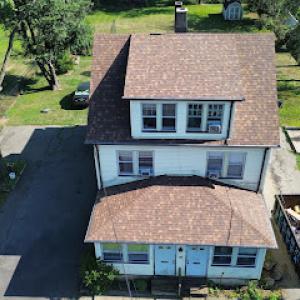
Genesis Roofing
(201) 691-8367 thegenesisroofing.com
34 Myron St, Clifton, New Jersey
5.0 from 71 reviews
Roofing company offering a range of services, including Roof Replacement, metal roofs, shingle roofs, and inspections.

Seci Construction
790 Bloomfield Ave Building G, Clifton, New Jersey
4.9 from 73 reviews
Seci Construction, Inc. is a trusted leader in roofing and exterior contracting, proudly serving New Jersey, New York, Connecticut, and Pennsylvania for over 50 years. Based in Clifton, NJ, we’re recognized as one of the region’s premier roofing and siding companies. Our team consists of highly-trained and certified professionals dedicated to delivering top-tier service and superior craftsmanship. As an Owens Corning Platinum Preferred Contractor and a member of the GAF President’s Club, we uphold the highest standards in the industry. Our consistent recognition—including being named Best of HomeAdvisor for over 12 years-reflects our unwavering commitment to customer satisfaction. Proudly to be accredited by the Better Business Bureau.
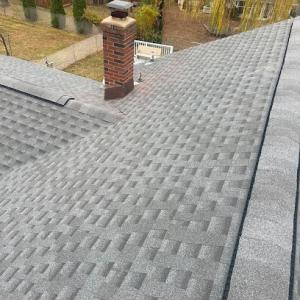
Right Team Construction
(732) 633-5167 rightteamconstructionllc.com
Serving
4.9 from 288 reviews
Your trusted local roofing specialist, Right Team, specializes in residential and commercial roof repair, replacement, and installation as well as chimney repair and restoration. Our services includes roof installations, skylight restorations that brighten your space, secure chimney repairs, and efficient gutter systems. Call now for a free estimate and responsive 24/7 emergency roof repair.
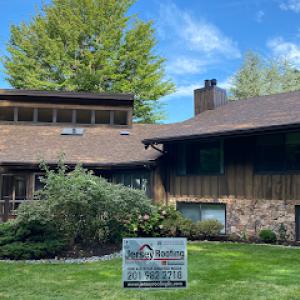
Jersey Roofing
(201) 931-5367 www.jerseyroofingllc.com
Serving
5.0 from 433 reviews
Jersey Roofing We are on top of all your roofing needs! Roofing Installation & Repair Jersey Roofing is family owned, since 1984, and operating as a roofing company with over 39 years in business. 4 Gold Award Winner in 2018, 2019, 2020 and 2021 Licensed and Fully Insured, our company is committed to providing you with the finest products, skilled workmanship and courteous service. Honest, dependable and reliable, you can TRUST the experienced professionals at Jersey Roofing Providing you with superior customer service is a priority at Jersey Roofing. We want you to know that we take your project seriously and we will work hard to build lasting and trusting relationships with our costumers.
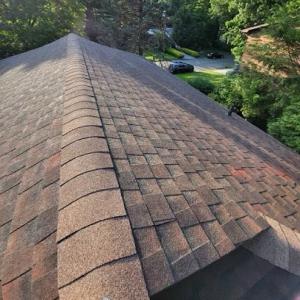
STORM GUARD Roof Repair & Replacement
(201) 403-0024 stormguardroofingnj.com
Serving
5.0 from 872 reviews
Storm Guard Roofing is your local Roofing Specialist to call for all types of Residential and Commercial Roofing Services in your area. We are available 24/7 for Emergency Roof Repair services, which include Roof Leak Repair, Storm Damage Repair, and Collapsed Roof Repair. We also provide professional and affordable Roof Installation and Replacement, Chimney Repair and Restoration, and Gutter Repair and Installation.
DONE RIGHT Roofing & Gutters
(201) 846-0531 doneriteroofingandgutters.com
Serving
4.9 from 176 reviews
Done Rite Roofing and Gutters is your local residential and commercial Roofing Company to call for professional Roofing and Chimney Services, which includes Roof Repair and Replacement, Roof Leak Repair, Chimney Repair and Restoration, Gutter Installation and Repair. Done Rite Roofing and Gutters is available now for Free Estimates and Emergency Roof Repair. Insurance claims are accepted!
ADORE Roofing & Chimney
(201) 410-4516 adore-construction.com
Serving
5.0 from 193 reviews
Adore Construction in Hasbrouck Heights provides expert chimney and roof services, including chimney repair, chimney cleaning, inspections, leak repair, flashing repair, crown repair, roof repair, roof replacement, shingle installation, and roof leak fixes. We deliver reliable workmanship, fast service, and honest pricing. Proudly serving Hasbrouck Heights and surrounding areas with trusted chimney and roofing solutions.
A full re-roof in Clifton typically requires a building permit submitted to the Clifton Building Department, and homeowners commonly rely on the contractor to handle the application. The permit process is not ornamental here-it triggers the required inspections and helps ensure that decking, ventilation, underlayment, and flashing meet local standards. Because the North Jersey climate stresses transitions and moisture control, a properly documented permit record matters for future property transactions and insurance reviews. Before any materials arrive, verify that the contractor has started the permit application and that a permit number is issued in your name as the property owner. If a city inspector requests information, be prepared to provide the project scope, including roof type, square footage, and any ventilation or attic modifications that accompany the re-roof.
Inspections in Clifton are scheduled during and after the work to verify decking, ventilation, underlayment, and flashing rather than only checking the finished shingle surface. That means there should be a city-approved plan for how ventilation is integrated with soffits and intakes, how attic baffles are installed, and how roof-to-wall transitions are flashed. Expect site visits at multiple milestones: an initial framing or decking check, a mid-point inspection focusing on underlayment and flashing readiness, and a final closeout inspection after the shingles are laid. If any part of the ventilation strategy or flashing assembly is inaccessible once the job is complete, it can trigger additional follow-up inspections or adjustments. The inspector will look for continuous underlayment coverage, proper nailing patterns, and the integrity of skylight penetrations or chimneys, all of which are critical in this region's storm-prone weather.
Documentation matters in Clifton's permit-driven re-roof process. The contractor should present the permit card, a project scope, and product specifications during inspections. Keep copies of all permits, inspection notices, and any change orders. If the contractor recommends adjustments to the original plan-such as upgrading underlayment to a high-performance synthetic or modifying flashing details-the written change order should be logged with the permit authority and shared with the homeowner. This record helps prevent delays at closeout when the final inspection is scheduled. Homeowners should request a pre-inspection checklist from the contractor that aligns with Clifton's expectations: how the attic ventilation plan is implemented, where intakes are placed relative to existing vents, and how transitions at valleys and chimneys are fortified.
A final inspection is part of the local closeout process, so skipped ventilation or concealed flashing shortcuts can create approval delays even after the roof appears complete. Ensure that any temporary weather protection is removed and that all penetrations are accessible for review. If the inspector calls for adjustments, address them promptly and document the corrections with photos or notes from the contractor. A smooth closeout hinges on transparent communication-clarify any concerns early, confirm that the attic ventilation remains functional after the shingles are installed, and confirm that flashing around vent pipes and roof-to-wall joints is continuous and properly sealed. By aligning with Clifton's permit and inspection cadence, homeowners minimize surprises and keep the project on track through the seasonal demands typical of this area.
Asphalt shingles remain the practical staple for most aging homes in this area, thanks to straightforward replacement and a predictable fit for varied roof shapes. In the same market, metal, tile, wood, and synthetic options appear, but each carries different handling requirements given the year-to-year weather pattern and the way older roofs were originally built. A quick reality check: winter expansion and contraction stress flashing and penetrations, while summer heat and humidity influence installation handling, staging, and sealing. In this climate, the choices must be weighed against how well a roof will shed moisture during rapid freezes and thaws and how well the attic is ventilated to curb dew and condensation.
You'll see asphalt favored on a broad mix of homes because it tolerates imperfect substrate and is easier to align with existing drip edges and gutter lines. For many older North Jersey homes, a well-installed asphalt system can ride out frequent storms if the rake and ridge lines are properly flashed, and if the shingles are laid with attention to wind zones and nail patterns. Metal roofing is worth considering when a home has a long, straightforward slope or when a homeowner prioritizes longevity and reduced maintenance; but metal panels must be correctly integrated with chimney collars, vent pipes, and dormers to avoid leaks during freeze-thaw cycles. Tile options, especially clay or concrete, carry a heavier weight and more complex attachment, which can complicate retrofits on aged roof decks and constrained attic spaces. If a house has multiple layers or a sag in the framing, tile work should trigger a careful structural review before replacing.
In practice, the exterior transitions around chimneys, skylights, and vent stacks demand extra attention on older homes because those penetrations often reveal the most stubborn leak paths after a winter pattern. Heavier systems require verification that the substrate, rafters, and overhangs can carry the load without compromising the surrounding structure. Expect longer installation sequences when tile is a candidate, and plan for staged work that protects interior spaces from dust and debris during seasonal shifts. The right choice balances how well the system resists Clifton's freeze-thaw cycles with how seamlessly flashing and venting integrate with existing attic ventilation.
The most popular roofing material in the US. Find pros who install, repair, and replace asphalt shingles.

Seci Construction
790 Bloomfield Ave Building G, Clifton, New Jersey
4.9 from 73 reviews

Tri-State Roofing & Chimneys
(862) 881-0028 tristateroofingandchimneys.com
Serving
4.7 from 78 reviews
Chimney work is a major local concern, reflecting how common masonry penetrations are in Clifton's housing stock and how often they drive flashing failures. The mix of older pitched roofs and frequent transitions means chimney chases, step flashing, and apron details tend to wear unevenly. You'll notice that leak symptoms around a chimney often show up far from the brick itself-water wicks into surrounding shingles, then follows underlayment seams into the attic. When a flashing repair is needed, crews frequently discover compromised counterflashing or deteriorated sealant at the base. Plan for a focused, ongoing eye on the chimney transition during each inspection, especially after heavy rains or freezing cycles.
Skylight service is notably prevalent among Clifton-area roofers, suggesting that curb details, sidewall flashing, and aging seals are frequent leak sources homeowners need checked. Skylight penetrations bring a different set of vulnerabilities: improper curb mounting, brittle boot connections, and worn glazing seals can all leak at the first sign of wind-driven rain. If a skylight is original or has years of use, expect the surrounding flashing to show stress cracks or insufficient sealant coverage. A common long-term remedy is to refresh the curb seal and reflash the sidewalls to align with current roof surface geometry, then verify drainage away from the curb to prevent pooling that accelerates seal failure.
Because Clifton inspections review flashing and underlayment, transition details around chimneys, skylights, valleys, and roof-to-wall intersections matter both for leak prevention and for passing final approval. Valleys frequently carry a heavier rain load and can fail at the point where metal or asphalt transitions into the living space. Look for worn valley liners, missing granules in adjacent shingles, or ice dam pressure points that push water toward these joints. At roof-to-wall intersections, poor counterflashings or ventilated soffits can pull moisture into the attic, especially in homes with older brick veneer or wood siding.
A practical, Clifton-specific approach combines targeted visual checks with gentle testing. Inspect around every chimney and skylight after storms for condensed moisture trails on interior ceilings or damp attic insulation. When the attic is accessible, trace the underlayment path up to the flashing and verify that sealants remain pliable, cracking-free, and uninterrupted. For homes with low-slope sections, verify that transition lines between the roof deck and wall plane maintain a continuous seal and that gutters and downspouts effectively carry away water away from these critical joints. Documentation of leak points and flashings helps both in maintenance planning and in achieving reliable, long-lasting repairs.
Find contractors experienced in skylight installation, flashing, and leak repairs to bring natural light into your home.
Seci Construction
790 Bloomfield Ave Building G, Clifton, New Jersey
4.9 from 73 reviews
Flat-roof specialization is meaningfully active in this area, with many homes and mixed-use properties featuring low-slope sections on additions, porches, garages, or rear extensions. This pattern means you should treat flat and low-slope areas as their own mini-system inside the overall roof. Drainage, membrane condition, and edge flashing take on added importance because water tends to linger longer on these surfaces.
On low-slope sections, verify that gutters and downspouts are free of debris and that the roof deck drains toward them cleanly. Inspect the edge flashing where the flat or low-slope surface meets vertical walls or parapets; improper flashing here is a common leak source after winter cycles. In the spring, test for ponding after heavy rain and note any areas where water remains for more than 48 hours. If standing water is persistent, plan targeted maintenance rather than waiting for a full roof replacement.
Membrane condition is a critical line of defense in Clifton's freeze-thaw pattern. Look for surface cracking, seam separation, or blisters in the low-slope membrane. Small leaks often originate at seams or penetrations-vent pipes, skylights, or HVAC curbs. Address exposed penetrations with appropriate sealants as a temporary fix and schedule a proper flashing or membrane repair. For aging membranes, consider a partial replacement plan that isolates the problem area while the rest of the roof remains in service.
Because low-slope sections can age differently, treat them on their own timeline. When replacement is needed, you may consolidate a patch or a staged upgrade rather than a full-structure overhaul. Choose compatible materials that align with the surrounding pitched roof to avoid mismatches in wear and maintenance cycles. Document each intervention with photos and notes to guide future work.
Find specialists in TPO, EPDM, and built-up flat roofing systems for residential and commercial properties.
READY pro roofing & chimney
(862) 267-8054 ready-proroofers.com
122 Van Riper Ave, Clifton, New Jersey
5.0 from 164 reviews
Seci Construction
790 Bloomfield Ave Building G, Clifton, New Jersey
4.9 from 73 reviews
Late spring through early fall is the most favorable replacement window in Clifton because cold-weather sealing issues ease and crews can work around fewer freeze-thaw interruptions. That window aligns with typical interior-drying windows after winter, reducing the risk of moisture becoming trapped behind fresh trim or flashing. When planning, look for days with moderate temperatures and low humidity, which helps sealants cure properly on older sheathing and framing.
Spring storms can still disrupt starts and expose already-weakened roofs, so Clifton homeowners often need to balance ideal installation weather against the risk of waiting too long on an active leak. A practical approach is to schedule ahead of the most volatile storm periods but stay flexible to postpone if a sizable front arrives. The local climate pattern means brief downpours aren't unusual, and crews will safeguard interior spaces during removal and installation phases, especially around roof-to-wall interfaces where water ingress tends to recur.
Autumn wind and rain in Clifton can complicate tear-off scheduling and site protection, especially when contractors are already busy finishing projects before winter. Prepare by ensuring robust protection for siding, doors, and landscaping, and by arranging tarps that can withstand brisk gusts. During the project, meticulous dry-in practices around the window opening are essential to prevent seasonal moisture from seeping behind the new components. Documentation of pre-existing conditions, including photos of leaks and attic ventilation status, creates a clear record for follow-up if any seepage appears after installation. Keep a simple log of weather conditions on installation days to correlate with any observed performance changes.
When a Clifton re-roof bid comes in, the strongest signal isn't just the lowest price but the longevity of coverage the contractor offers. Manufacturer-backed installation quality and workmanship coverage matter because local weather patterns stress flashing and transitions repeatedly. Look for a warranty that clearly ties the workmanship to the specific roof system installed and lists the duration for both materials and labor. Contractors who routinely service Clifton jobs tend to provide transferability language as well, which protects you if you decide to sell. The practical take-away: prioritize bids that spell out who bears responsibility for failed flashing, improper nailing, or premature granule loss, and that specify what happens if a leak appears after a heavy storm.
Cleanup standards in Clifton often separate a good job from a great one in this market. Many firms position themselves as affordable and long-established, so it pays to read the teardown and protection language in the contract. Ensure tear-off is fully covered with containment to keep debris from gutters and driveways, and that a dedicated area is set aside for disposal. Site protection should include roof edge protection, ladders or staging that won't scrape siding, and drop cloths or tarps over landscaping. Post-job cleanup should mean all nails and fasteners are collected, magnetic sweeping of the yard, and a final walk-through with you to verify nothing is missed. If it's not spelled out, ask for it in writing before the crew starts.
Storm-driven leaks demand a practical, responsive plan. A Clifton-focused contractor should offer a rapid on-site assessment after hail or a heavy Nor'easter, with temporary tarping if needed and a clear path for permanent repair. Expect a documented timeline: initial assessment, temporary measures if required, and a schedule for permanent work. The goal is to minimize interior damage while ensuring the repair strategy suits the aging roof you're protecting.
Protect yourself with solid paperwork: a written warranty package, brand and model details for the shingles or panels, dates of installation and inspections, and a straightforward maintenance checklist. Photographs before, during, and after any work help verify scope and condition. Keep contact information for the installer and the warranty provider in a single, accessible folder or binder. If a transfer of warranty is possible, confirm the process and obligations in writing.
For residents facing the North Jersey weather pattern, the calendar isn't the only thing that ages a roof-years of use, aging joints, and minor leaks become part of a documented history. New Jersey's elevated insurance activity after major weather events can affect Clifton homeowners through stricter documentation requests and closer review of roof condition history. When a storm tears at shingles or pushes water into a corner, an adjuster will look for a clear narrative: what happened, when, and what has been done since. A solid record can be the difference between a straightforward claim and a drawn-out negotiation.
Adjusters may ask for detailed estimates, photos, and roofing material specifications, so Clifton homeowners benefit from contractor documentation that clearly separates storm-related damage from older wear. It helps to catalog weather-driven issues-lifted shingles during a heavy gust, flashing pull-out at a valley, or tarping after a hail event-versus pre-existing aging patches or prior repairs. Photos should include the entire roof and close-ups of the most vulnerable transitions, with date stamps if available. A simple, well-organized binder of images and notes makes it easier to show the sequence of events to an adjuster rather than relying on vague reminders.
Roof age and prior repairs can influence claim outcomes in Clifton, making pre-loss records and prompt post-storm inspection notes more valuable than generic maintenance receipts alone. Homeowners benefit from keeping a running log of each inspection, the condition of flashing, ventilation details, and any temporary fixes that were made after a storm. When a report itemizes what existed before a storm and what was addressed afterward, it reduces the chance of conflicting conclusions and speeds up the review process. Being able to point to a documented baseline can protect both the home's integrity and the claim's trajectory.