
Last updated: Apr 19, 2026
In this city's dense, older housing stock along the river, a single roof penetration can turn into a rainforest inside overnight. Snow and wind-driven rain press on flashing, chimneys, and vent stacks, and a small drip on a ceiling easily becomes a fast-spreading stain across finished rooms. The tightly spaced homes and narrow side yards make water tracking more likely to spill into upper floors and into neighbors' spaces, especially when leaks ride along roof penetrations and flashing. In Passaic, the contractor market shows unusually strong demand for emergency repair and storm-damage work, indicating homeowners often need immediate leak control after nor'easters and severe storms. That reality means acting fast isn't optional-it's essential to limit interior damage and messy surprises.
As soon as you notice water marks or dampness on ceilings, treat it as an active emergency. Move belongings away from the drip line and place a bucket or tarp to catch the flow, but avoid putting yourself under a sagging area or near exposed wiring. Do not wait for a full roof crew to arrive if water is actively penetrating; you need to establish a temporary barrier to slow the damage while you gather the right help. If you can safely access the roof, inspect from ground level using binoculars or a flashlight. Look for obvious gaps around flashing, near chimneys, or along vent stacks, and note any loose shingles or curled edges. Prepare a quick contact list for emergency repairs-local roofers who handle tarping, insurers, and a trusted handyperson who can assist with quick stops to avoid interior chaos.
Tarping is your immediate defense. Use a heavy-duty, UV-rated tarp large enough to cover the affected area, and secure it with heavy rocks, bricks, or roof screws with caps to prevent wind uplift. Start tarping from the highest point of the leak's origin and work down toward the eaves so you create a self-sealing edge that sheds water. Overlap layers to prevent water from sneaking under the tarp, and anchor every corner and edge. Avoid relying on loose plastic or thin tarps that billow under wind gusts; a secure, weighted setup can withstand Passaic's wind-driven precipitation and won't flutter into powerless exposure during nor'easter gusts. If a chimney or vent flashing is the suspected culprit, place tarps that seal across the flashing plane, but be careful not to trap moisture inside the roof deck by sealing only the exterior. After tarping, document the damage with photos from multiple angles and keep a log of times and conditions-this helps when arranging temporary repairs and insurance claims.
Older homes in this city often show rusted or lifting flashing seams, cracked sealant around vent pipes, and deteriorated drip edges that allow water to seep under shingles. Snow accumulation compounds these issues, adding weight and shifting debris that can pry flashing loose. When wind drives rain during a storm, even small gaps become channels for water to move rapidly across a roof plane and into the attic. Knowing these failure points helps you target emergency steps quickly and communicate clearly with a roofer who can stage a proper repair once the weather allows.
Once you've secured tarps and reduced ongoing leakage, minimize additional risk by keeping interior spaces ventilated to slow mold growth and checking for hidden leaks in finished rooms after each storm. If an attic or ceiling shows new staining, mark it and include the date in your log. When the weather clears, arrange a targeted assessment with a roofer who specializes in rapid response and storm-damage repairs. Ask for a plan that prioritizes flashing and edge repairs first, then schedules a complete roof replacement or partial re-roof as conditions and timelines permit. In the meantime, maintain the temporary coverings to protect both the home and neighboring properties from runoff during subsequent storms.
In Passaic's older housing stock, chimney flashing is a common weak point that shows up again and again after winter storms. You can count on a few stubborn leak points at the chimney base where mortar joints crack or where flashing meets the roof deck. If you notice damp ceiling spots near a chimney, don't assume it's only the shingles failing-check the step flashing along the chimney and the seal where the chimney par gets into the roof plane. A rushed fix can push moisture into the underlying sheathing or into attic insulation, leading to bigger problems down the line. When planning repairs, expect that chimney work may require more than a quick shingle replacement: you may need to reseal flashing, reflash around masonry, and address any mortar deterioration where the chimney meets the roof deck. Fast storms after a long freeze can force water to seek new paths, so prioritize a repair strategy that treats the flashing as equally important as the shingles themselves.
Skylights are a common local service item, and their curb details and flashing bear the brunt of North Jersey's freeze-thaw cycles and wind-driven rain. If a skylight leaks, the culprit isn't always the glazing; the sealant around the curb, the pitch of the curb, and the flashing step transitions where the curb meets the roof deck are often compromised by temperature swings. In aging roofs, skylight seals may no longer hold, and the surrounding flashing can crack or lift during a wind event. When you plan a responsive repair after a leak, inspect not just the skylight panes but the entire curb area, the membrane at the base, and the flashing seams that tie the skylight to the roof. A thorough approach prevents a small drip from becoming a larger patchwork of repairs later.
On older Passaic homes, re-roof decisions frequently hinge on how masonry interfaces with roof penetrations and flashing. Step flashing where shingles meet a brick or stone wall can fail if the mortar is deteriorating or if the flashing is bent out of shape by pressure from adjacent bricks. Roof penetrations-vent stacks, plumbing stacks, and skylight curbs-require careful detailing to prevent capillary seepage during storms. If the roof is aged, quick fixes that only replace shingles without renewing the flashing at these interfaces invite repeat leaks. A dependable plan treats masonry joints, step flashing, and every penetration as a unified moisture barrier rather than separate parts that happen to be in the same area. Invest in proper flashing integration around brick and stone edges, and verify that roof-to-wall transitions remain sealed as the seasons turn.
Find contractors experienced in skylight installation, flashing, and leak repairs to bring natural light into your home.
Direct Call Construction & Roofing
(800) 648-9767 directcallconstruction.com
Serving
4.9 from 252 reviews
Tri-State Roofing & Chimneys
(862) 881-0028 tristateroofingandchimneys.com
Serving
4.7 from 78 reviews
Flat-roof specialization is strongly represented in Passaic, reflecting the city's mix of attached homes, mixed-use buildings, and low-slope rear sections common in dense urban neighborhoods. In this environment, you'll frequently see roofs with multiple penetrations, upturned edges, and older flashing details that were typical when the neighborhood was built out. The recurring winter precipitation and wind-driven rain mean drainage performance is critical, and a small pond can become a big problem fast. Because many local contractors handle both residential and commercial work, you have access to specialists who understand low-slope systems as well as steep-slope crews, which helps when a single contractor needs to address both roof types during a retrofit or repair.
On low-slope sections, gravity-driven drainage is the first line of defense against leaks. Verify drain locations, scuppers, and interior edge details are clear of debris, especially after winter melt and spring storms. In Passaic's climate, ponding water that sits for more than 48 hours can accelerate deterioration around seams and flashing. Inspect perimeter edge metal and termination details for corrosion, and pay particular attention to rooftop penetrations such as vents, HVAC curbs, and skylights, which are common weak points when shingles aren't used. If you see standing water after a moderate rain, that's a signal to reassess slope, drainage sumps, and internal transitions in the attic or below the deck.
Your best defense against storm-driven leaks is a well-integrated system that accounts for Passaic's snow loads and wind exposure. For flat and low-slope roofs, consider membranes with proven seam integrity, plus reliable edge details and flashing around penetrations. When a contractor discusses insulation and deck preparation, ensure the plan includes proper air sealing and drainage plane continuity to prevent moisture migration into the structure. Since many local projects mix residential and commercial practices, you can leverage cross-disciplinary experience to choose a system that tolerates repetitive freeze-thaw cycles and wind-driven spray without compromising sealant performance. Confirm that flashing and membrane terminations at transitions between roof planes are reviewed and updated to prevent edge failures during Nor'easter winds.
Storm-driven leaks require rapid triage. Have a temporary seal kit ready for quick patching-fiber cement or metal flashing patches paired with self-sealing roof tapes can buy time until a permanent repair. Document a leak's location with photos, then communicate clearly with your contractor about the nearest penetrations and any suspected drainage blockages. For Passaic's older stock, maintain a simple log of frequent problem areas: corners, HVAC penetrations, and seam joints. If a sudden rain event occurs, prioritize apportioning temporary waterproofing along seams and around vents to limit interior damage while scheduling a more thorough repair.
Create a routine that targets flat and low-slope sections first, especially after heavy rain or snow events. Schedule periodic checks of drain strainers, scuppers, and edge metal's condition, and test the roof's response to a controlled water test if safe to do so. In this neighborhood context, keeping a tight rhythm of inspections before and after winter helps catch early flashing or seam failures before they become emergencies. A coordinated approach with a trusted local contractor who handles both residential and commercial low-slope work will streamline repairs and extend service life.
Find specialists in TPO, EPDM, and built-up flat roofing systems for residential and commercial properties.
Genesis Roofing
(201) 691-8367 thegenesisroofing.com
Serving
5.0 from 71 reviews
Roofing company offering a range of services, including Roof Replacement, metal roofs, shingle roofs, and inspections.
Direct Call Construction & Roofing
(800) 648-9767 directcallconstruction.com
Serving
4.9 from 252 reviews
Expert Roof Repair in NJ Since 2006, Direct Call Construction has consistently delivered outstanding roof repair and roof replacement services to homeowners and businesses throughout New Jersey and its counties Service Area: Essex, Hudson, Bergen, Passaic, Morris, and Union counties. Our team of local roofing experts is dedicated to providing top-quality roof repairs, installations, and exterior maintenance. Whether you need roof repair, roof replacement, chimney inspection, siding installation, or gutter cleaning, we promise to deliver exceptional results and ensure your property remains safe, functional, and aesthetically pleasing.
Four Seasons Construction
(862) 318-3997 4seasons-construction.com
Serving
5.0 from 72 reviews
Four Seasons Construction is a licensed roofing contractor serving all of New Jersey. We specialize in roof replacement, roof repair, gutters, siding, skylights, soffit, fascia and 24/7 emergency roofing services. Fully insured, fast responde and free estimates.
Monarch Roofing & Construction
(551) 241-0470 monarchroofingnj.com
Serving
5.0 from 178 reviews
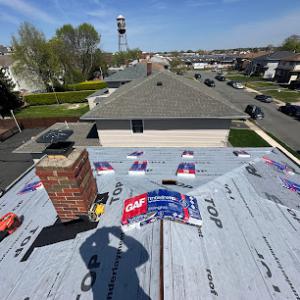
Monarch Roofing & Construction Monarch Roofing & Construction is a locally owned and operated exterior construction company based in East Rutherford, New Jersey, proudly serving all of New Jersey. We specialize in roof repairs and replacements, chimney repair, gutter installation and maintenance, and siding services for residential and commercial properties. Our team is committed to delivering high-quality workmanship, honest communication, and dependable service on every project. Whether you need emergency roof repairs, routine maintenance, or a full exterior upgrade, we use quality materials and proven methods to protect your property and improve its value. At Monarch Roofing & Construction, customer satisfaction is our priority. We of...
Jersey Roofing
(201) 931-5367 www.jerseyroofingllc.com
Serving
5.0 from 433 reviews
Jersey Roofing We are on top of all your roofing needs! Roofing Installation & Repair Jersey Roofing is family owned, since 1984, and operating as a roofing company with over 39 years in business. 4 Gold Award Winner in 2018, 2019, 2020 and 2021 Licensed and Fully Insured, our company is committed to providing you with the finest products, skilled workmanship and courteous service. Honest, dependable and reliable, you can TRUST the experienced professionals at Jersey Roofing Providing you with superior customer service is a priority at Jersey Roofing. We want you to know that we take your project seriously and we will work hard to build lasting and trusting relationships with our costumers.
All State Roofing & Chimney
(862) 295-7864 allstateroofingandchimneynj.com
Serving
5.0 from 631 reviews
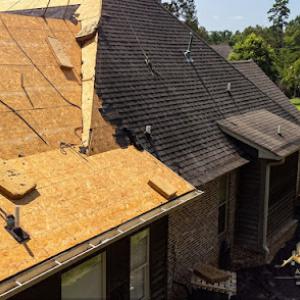
Operating since 2003 and proud to be a family-owned business, All State Roofing and Chimney is your dependable North Jersey roofing company. Dedicated to providing reliable and affordable residential services, they offer professional roof repairs, leak remedies, chimney restoration, and gutter maintenance. With their vast service areas, you can trust that All State Roofing and Chimney is always ready to serve customers in various counties and cities, providing prompt and top-quality results.
ADORE Roofing & Chimney
(201) 410-4516 adore-construction.com
Serving
5.0 from 193 reviews
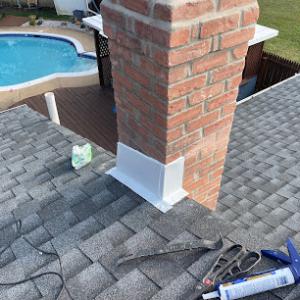
Adore Construction in Hasbrouck Heights provides expert chimney and roof services, including chimney repair, chimney cleaning, inspections, leak repair, flashing repair, crown repair, roof repair, roof replacement, shingle installation, and roof leak fixes. We deliver reliable workmanship, fast service, and honest pricing. Proudly serving Hasbrouck Heights and surrounding areas with trusted chimney and roofing solutions.
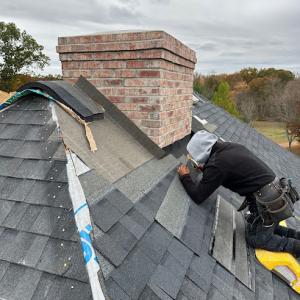
Home to Home Construction
(862) 241-3516 www.hometoroofing.com
Serving
4.9 from 94 reviews
Home To Home Construction is built on intensive training, professional certifications, and a strong commitment to safety and quality. We are not just contractors — we are certified professional technicians trained to properly diagnose, inspect, and evaluate every detail surrounding the issues our customers experience with their home or business. Our team follows OSHA safety regulations and standards, which are government-recognized certifications that ensure safe, compliant, and professional work practices on every project. From residential to commercial properties, we focus on accurate solutions, long-lasting results, and workmanship you can trust. At Home To Home Construction, quality, safety, and attention to detail come first.
USA Construction
(973) 652-0787 usaconstructionnj.com
Serving
5.0 from 102 reviews
Looking for a reliable and affordable roofing Garfield NJ? Look no further than U.S.A. Construction & Roofing Repairs Garfield! We're a family-owned and US contractor with over 20 years of experience in residential roofing, commercial roofing, chimney repair, and chimney installation. Our certified and experienced USA construction crew and general contractor specializes in roof repair near me, roof replacement, and installing a wide range of roofing systems, including shingle, tile, cedar shake, metal, and flat roofs, as well as metal, and masonry chimneys in New Jersey. We offer free estimates and top-quality service to meet your needs. Call us today for the best construction company in professional service and customer satisfaction!
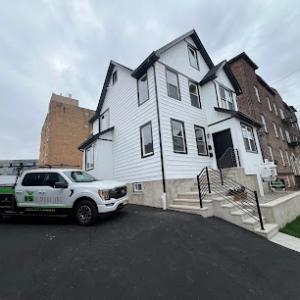
F5 Remodeling
(551) 271-0650 f5remodeling.com
Serving
5.0 from 65 reviews
Refresh your home with F5 Remodeling in Rutherford, NJ. We provide roofing services, siding installation and repair, window installation and repair, and more home services.
Unlimited Pro Roofing Construction
(973) 666-2267 unlimitedpronj.com
Serving
5.0 from 194 reviews
For more than 15 years, Unlimited Pro has been creating quality and outstanding projects for Chimney, Roofing, Masonry, Siding, Gutters and more. We have renovated, remodeling, and completing home improvements for the residents of New Jersey. We make sure to stay on top of our projects to be completed as per customer request. We take pride in our projects and we believe that by creating an outstanding project for you we would do a better job for us. Call us for any Roof Repair, Roof Leak, Roof Replacement, Chimney Repairs, Chimney Repointing, Chimney Services, Masonry Services on Steps, Pavers, Driveways, Sidewalks, Walkways; Siding Repair and Replacements and more. Give us a call to see why we are Clifton, NJ's best Roofing company!
Tri-State Roofing & Chimneys
(862) 881-0028 tristateroofingandchimneys.com
Serving
4.7 from 78 reviews
Tri-State Roofing and Chimneys is a full-service roofing and exterior contractor serving New Jersey since 2015. We offer a wide range of services, including roof repair and replacement, gutter cleaning and repair, chimney cleaning and repair, and exterior foundation repair, and more. Our team of experienced and certified professionals is dedicated to providing our customers with the highest quality services at competitive prices.
In Passaic, the dense, older housing stock along the Passaic River means practicality often beats pure aesthetics when choosing a roof. Winter snow, Nor'easters, wind-driven rain, and frequent emergency leak calls push you toward materials that are durable, repairable, and supported by a broad local installer base. The goal is to pick a roof that survives season after season and still allows for quick, reliable repairs when storms strike.
Asphalt shingles are the most practical fit for much of the local housing stock because they align with the city's dominant material mix and broad local installer base. They are generally easier to install on varied roof lines common in older homes, and the repair ecosystem-patches, color-matched pieces, and quick resealing-is well established here. When you choose asphalt, prioritize architectural or thicker shingles that offer better wind resistance and longer service life, and pair them with a robust underlayment and sealed flashing details to prevent leaks during heavy precipitation events.
Heavier materials such as clay tile, concrete tile, and slate appear in the local market but are more likely to be selective choices on homes that can support their weight and detailing needs. These options require careful assessment of roof structure, deck framing, and edge support. In many Passaic homes, retrofitting for heavy tile or slate can involve reinforcing rafters or adding structural bracing, which adds complexity. If a home does support them, these materials deliver excellent durability and a distinctive look, but expect extra attention to flashing around dormers, valleys, and chimney connections where moisture paths can form if not executed properly.
Weather-driven considerations should guide material selection more than appearance. Snow load, year-round precipitation, summer heat, and wind demand flashing durability and repairability as top priorities. Look for composite or metal underlayment systems that resist wind uplift and provide reliable secondary drainage. Favor roofing assemblies with dependable drip edge flashing, sealed valleys, and robust chimney and vent penetrations. In Passaic, the ability to quickly locate damaged sections after a storm and perform targeted repairs without removing large roof areas is a practical advantage.
Maintenance and emergency response planning also shape material choice. Materials that are easy to inspect from ground level, and that allow rapid isolation of a leak, help minimize interior damage after a storm. Consider color and material combinations that make leak tracing easier during rainfall, and partner with a local contractor who can provide rapid on-call service for storm-driven leaks, especially on aging roofs where fast resealing and temporary tarping can prevent widespread damage.
In Passaic, homeowners typically see asphalt shingles priced around 350 to 650 USD per square. Metal roofs generally run 600 to 1100 USD per square, while clay tile sits higher at 900 to 1400 USD per square. Concrete tile tends to fall in the 700 to 1200 USD per square range, with slate often ranging from 900 to 1800 USD per square. Fiber cement shingles are usually 500 to 800 USD per square. Using local average ranges helps set realistic expectations when planning a replacement after a storm or an emergency leak.
Costs in Passaic can rise on older homes where tear-off reveals decking repairs, chimney flashing rebuilds, skylight work, or multiple roof sections with different slopes and drainage details. In dense neighborhoods along the river corridor, it is common for crews to uncover rotted decking or to need extra flashing around chimneys and dormers. These hidden repairs can push a project from the standard per-square price into a higher tier, sometimes adding days of labor and material for a thorough, long-lasting result.
Dense lot lines and limited staging space mean larger crews must coordinate carefully, which can affect both labor efficiency and final pricing. Seasonal storm demand in Passaic creates peak periods where scheduling shifts and weather windows compress, potentially increasing overtime or fast-track costs. When a roof has multiple slopes or complex drainage details, extra attention is required to avoid leaks during winter Nor'easters and wind-driven rain, which can translate into more seams, underlayment, and flashing work.
For storm-driven leak prevention, choose materials with proven wind and moisture performance in this climate. Asphalt shingles offer a practical balance of cost and durability for many older homes, while metal provides a longer lifespan and favorable wind resistance if installed with proper underlayment and sealant. Tile and slate deliver excellent longevity but come with higher upfront costs and structural considerations; ensure decking and framing can support the additional weight, especially on older structures. Fiber cement shingles present a middle ground with decent resistance and a moderate price, appealing for retrofit scenarios where weight or historical appearance matters.
Plan for a realistic cushion if a tear-off reveals decking repairs or flashing rebuilds. In Passaic, the combination of aging structures and seasonal demand means that a well-timed project with a clear scope can prevent budget creep. When estimating, consider the potential for multiple sections with different slopes requiring distinct drainage details, and discuss with the contractor how they will handle attic ventilation, underlayment durability, and weatherproofing to minimize emergency leak calls during the first winter after replacement.
Get a clear picture of your project costs upfront - no commitment required.
Tri-State Roofing & Chimneys
(862) 881-0028 tristateroofingandchimneys.com
Serving
4.7 from 78 reviews
A full re-roof in Passaic typically requires a building permit reviewed through the city's Construction Department. The process starts with an application that outlines the scope of work, roof material, and any structural changes. Having this in place before any nails go into the shingles helps prevent project delays if a city inspector visits mid-job. The permit protects you and your neighbors by ensuring the work conforms to local codes and safe practices.
Passaic generally expects a licensed roofer on permitted re-roof projects. A licensed contractor brings the proper proof of insurance, a valid NJ contractor license if required, and adherence to the city's wind and drainage requirements. Your roofer should file all required permit documents, coordinate inspections, and keep you informed of any revisions requested by the Construction Department. Expect at least rough-in and final inspections to be scheduled as the project progresses.
Inspections commonly occur at rough (early framing/underlayment and ventilation checks) and final (completed roof, flashing, and drainage verification) stages. Processing times can vary, and inspection scheduling may tighten during peak roofing season. Plan your project timeline with a built-in buffer for potential delays, especially if storms or Nor'easters are forecast. In Passaic, timing your project to align with municipal lead times helps avoid weekend outages and keeps your home protected during the worst weather windows.
Coordinate with your roofer to prepare for the rough-in inspection well in advance-have underlayment, vents, and flashings in place and accessible. After the final inspection, ensure you receive the official occupancy or completion paperwork tied to the permit. If an inspector flags a deficiency, address it promptly to keep the project moving and maintain weather tightness during late fall and winter.
In New Jersey, wind and hail claims are common enough that a homeowner should expect insurers to request detailed photos, dates of loss, and documentation of roof condition before and after repairs. For a neighborhood with dense, older housing stock along the river, those records matter when a quick repair becomes a longer, more invasive project. After a storm, gather high-resolution photos that clearly show damaged areas, interior staining, and any tarping or temporary fixes. Keep a dated ledger of when leaks first appeared and when measurements or inspections were conducted. This isn't just about a single event; it builds a trail that an adjuster can verify when the weather turns again.
Because Passaic sees frequent storm-response activity, homeowners benefit from documenting leaks, interior staining, missing materials, and temporary tarping immediately after weather events. Take wide shots of the entire roof and close-ups of singed or lifted shingles, flashing gaps, and gutter damage. Photograph interior ceilings and walls where staining appears, noting the date. If temporary tarping is installed, photograph the tarp setup from multiple angles and capture any wind-strain on the tarps or fasteners. Store these images in a dated folder labeled by storm event; a simple, consistent filing system makes the difference when an adjuster reviews multiple claims in a busy season.
State-regulated insurance processes help standardize claim handling, but material choice and replacement scope can still be influenced by what an adjuster recognizes as storm-related damage. Be prepared to differentiate wear and tear from recent impacts, especially when aging roofs dominate the skyline in older blocks. Clear documentation of the storm event, the condition beforehand, and the condition after repairs helps align expectations. If you receive a decline or a scope reduction, request a written explanation that cites specific observed damage and the storm correlate it supports; in Passaic, that level of detail often matters when navigating subsequent review or mediation.