Last updated: Apr 19, 2026
Spring into summer storms are a major roofing trigger in this community because hail, heavy rain, and thunderstorms can create sudden claim volume that slows adjuster scheduling across the local market. When a wave of storms hits, everyone nearby is calling in at once, and you're not just competing with neighbors for attention-you're competing with the entire South Jersey region's backlog. Delays matter because a leak that starts as a small drip can become a costly mold or structural problem if left untreated while an adjuster is tied up elsewhere. Understanding the tempo of the season helps you plan and protect your home before the backlog grows too deep.
The local insurance environment sees periodic post-storm claim spikes, so homeowners need date-stamped photos, interior leak evidence, and shingle or metal impact documentation ready before adjuster backlogs build. Focus on clear, timestamped images from multiple angles: the roof, skylights, gutters, and any visible interior staining. If water has penetrated ceilings or walls, capture the progression with close-ups and a dated photo log. Keep a simple diary noting when each leak was first noticed and any precipitation events that might have worsened it. This documentation speeds the assessment and helps you avoid disputes about the storm's role in the damage.
Because winter snow and ice also affect roofs in Blackwood, homeowners may be dealing with mixed damage patterns such as lifted shingles, ice-related leaks, and later-discovered water intrusion when temperatures rise. Do not assume that a single storm caused all damage. Separate the evidence: lifted or buckled shingles point to wind and ice stress, granule loss suggests hail impact, and interior staining might reveal a delayed leak from a hidden pocket. When you present the claim, clearly connect each issue to the most plausible cause, supported by photos and dates. This helps adjusters allocate the right scope of work and prevents back-and-forth that prolongs repairs.
In this environment, timelines matter more than ever. Start the claim as soon as damage is suspected, and maintain steady, professional contact with the insurer. If an adjuster appointment is delayed, request a written timeline and confirm it with a supervisor when needed. If a contractor or roofer is available, obtain a provisional assessment that can accompany your claim-subject to insurance review-to protect the timeline and set expectations for when permanent repair work can begin. Keep copies of all correspondence, and organize files by incident date, damage type, and photos. This disciplined approach minimizes friction when the insurer's desk is flooded with other Blackwood claims.
As temperatures rise and crews become available again, the backlog can clear quickly, but timing is key. Prepare a ready-to-roll plan: a shortlist of preferred local crews, a first-pass tarp or temporary mitigation to prevent further water intrusion, and a calendar of expected communications. By having this framework in place, you can accelerate the switch from assessment to repair once an adjuster is assigned and the market stabilizes after a surge. In Blackwood, the pattern is predictable-storm peaks, backlog, then a flurry of activity. Stay ready so the next wave doesn't catch you unprepared.
Asphalt shingles remain the dominant choice in this market, and the seasonal thaw-cycle can stress them in predictable ways. Granule loss during winter storms exposes the asphalt underneath, which accelerates sun damage in the heat of summer. Seal-strip failures become more common after rapid temperature swings, and wind lift is a real concern when a nor'easter comes through. When you're inspecting after a storm, pay attention to loose or missing granules on ridge lines and along eaves, and check for lifted edge caps. If a leak is suspected, start with the attic from above to locate wet spots or dark streaks, then test exterior areas around vent flashing and the chimney. A practical approach is to focus storm damage response on resealing vulnerable flashing and reinforcing ridge or hip lines before the next freeze.
Metal roofing is active locally and can be a smart fit when the goal is resilience through freeze-thaw cycles and summer heat. The panel itself is often robust, but expansion and contraction across seasons demand sound fastening patterns and high-quality flashing details. In Blackwood, pay special attention to seam closures, end laps, and gutter apron connections where water can back up during heavy rain. The strongest outcomes come from confirming that the underlayment is compatible with metal, the fasteners are corrosion-resistant, and the sealants around penetrations remain pliable as temperatures shift. If you value a longer service life with fewer roof penetrations, consider a standing-seam system, but ensure the installation team has solid experience with the local winter wind effects.
Tile, slate, and wood products exist in the market but are less common specialty installs in this area. Structural load becomes a key decision factor, since these systems can require additional framing or reinforcement to handle freeze-thaw cycles and heavy snow loads. Availability of qualified contractors is another practical constraint; matching repairs when one panel or slate is damaged can be challenging, which affects long-term maintenance planning. If considering these materials, verify that the existing roof structure can carry the weight, and confirm that a local installer has a track record with repair matchups-color, texture, and profile-to minimize conspicuous mismatches after a repair. In many Blackwood scenarios, these materials work best on homes with lighter loads already in place and where a dedicated, skilled crew is accessible for ongoing maintenance.
Across materials, the priority is rapid leak response after storm events and a reliable way to document damage for insurance purposes. Start with a targeted roof inspection following storms: look for lifted shingles, loose flashing, ponding at valleys, and compromised seals around vents and chimneys. Maintain a simple attic moisture log and photograph obvious exterior issues for post-event documentation. Because fast re-roofing is common here, aligning your maintenance checks with expected seasonal weather windows helps prevent lingering leaks. When a contractor arrives, expect questions about the last storm, the most recent freeze-thaw cycle, and any prior repairs tied to temperature-related failures. Having clear, dated notes and photos streamlines both repairs and insurance documentation, making the process less stressful as the weather shifts.
In this climate, the most reliable window for planned roof replacement runs from late spring through early fall. Cold-weather installation introduces freeze-thaw challenges, and winter access can be restricted by snow and ice. That means you're most likely to get steady progress, fewer weather-related delays, and a smoother teardown-and-replacement process when you target the late-spring to early-fall span. The local housing stock-the mix of asphalt shingles, metal, and occasional clay or concrete tile-responds better to organized crews and predictable daylight during this period. If a leak screening or storm-damage assessment is needed after a weather event, having a plan in place for that window helps you stay ahead of winter deterioration.
When milder days arrive, crews can work efficiently without the extremes that complicate heat or cold. Scheduling soon after the last frost minimizes the risk of cold mornings slowing tear-off, nailing, or underlayment work. You can align material deliveries with favorable weather and avoid the heavy rain days that tend to pop up later in the season. A clear project plan-inspection, immediate tarp or temporary cover if a leak is present, and a defined start date-keeps the job moving and reduces the chance of weather-driven interruptions. If there are residual storm damages from the prior season, use this timeframe to address both the visible damage and any hidden vulnerabilities in flashing, drip edges, or attic ventilation. A proactive approach here reduces the chance of rework caused by late-season moisture.
Summer in this area can bring powerful thunderstorms and intense heat, which can slow crews and complicate material handling. Plan with a buffer for rain days and hot-work conditions that limit certain tasks. Ensure shaded or sheltered staging for materials and consider staging locations that minimize exposure to afternoon downpours. If a roof replacement overlaps with an active storm pattern, rapid tarp deployment and a quick protective cover strategy should be ready to minimize interior exposure. Communicate contingencies with the contractor about who handles wind-driven debris, who coordinates wind-rated underlayment, and how daily progress is tracked during days with heat advisories. A well-timed start in late spring that carries into early summer often yields a steady pace, as long as storm delays are anticipated and built into the schedule.
Autumn can still be productive, but wind and falling debris can tighten calendars as the season progresses. Faster wind events can disrupt scaffold setup and material staging, while wetter conditions raise the risk of slipping and delayed tarping. Plan with a conservative calendar in mind, keeping a buffer for days with gusty weather. If a project begins in early fall, lock in a completion target before the first sustained cold snaps arrive. Communicate a clear sequence of steps to the crew-from deck protection and tear-off to underlayment and shingle installation-so that even on shorter daylight days the job stays on track. For storm-damaged roofs, prioritize securing the site and validating all leak paths before finalizing materials and flashing details.
1) Schedule a pre-project assessment that focuses on roofing components vulnerable to weather, such as flashing, valleys, and attic venting, so that crews know where to expect potential trouble points. 2) Establish a weather contingency plan with the contractor, including preferred windows for tear-off, material delivery, and installation bursts that avoid peak heat. 3) Prepare rapid-response actions for post-storm leaks, including temporary covers and quick contractor contact pathways to reduce interior damage while a permanent fix is pursued. 4) Confirm a phased approach if resources or access are limited, so progress can resume promptly after a weather interruption without sacrificing quality. 5) Keep documentation handy for any storm-related insurance discussions, ensuring dates and observed damage are recorded as soon as safety allows.
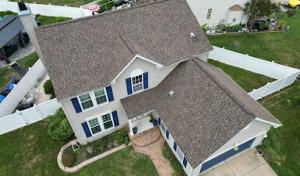
Grand View Roofing & Exteriors
(856) 305-9883 www.gvexteriors.com
5471 NJ-42, Blackwood, New Jersey
4.9 from 290 reviews
Grand View Roofing & Exteriors is a professional construction company providing services for roofing, siding, windows, and gutters. As a family owned and operated company, we treat every customer as if they were our own family and each job as if it was our own home. We want to earn your trust through superior work and craftmanship. Whether your overall goal is to replace a failing roof, change your home’s curb appeal, increase your property value, and / or save money by improving the energy efficiency, Grand View Roofing & Exteriors has got you covered. We offer a variety of products to fit any budget and need, all professionally installed by our kind, skilled, and experienced employees.
Daniel Robert Remodeling
(833) 326-4350 danielrobertremodeling.com
1001 Lower Landing Rd #101, Blackwood, New Jersey
4.9 from 108 reviews
Daniel Robert Remodeling is a full-service home remodeling company proudly serving South Jersey homeowners. With decades of hands-on experience, our team specializes in both interior and exterior projects including kitchen remodels, bathroom renovations, roofing, siding, windows, and doors. We combine craftsmanship, communication, and care to deliver lasting results that elevate your home’s comfort, function, and curb appeal. At Daniel Robert Remodeling, we don’t believe in guesswork — we believe in doing it right the first time. Call or text 1-833-DANIEL-0 to schedule your free estimate today!

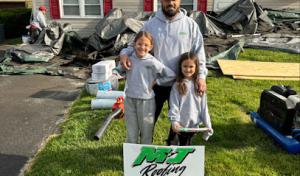
M&J Roofing
(856) 725-5759 www.mjroofingllc.com
26 Evergreen Ave, Blackwood, New Jersey
4.8 from 200 reviews
Nestled in the heart of Blackwood, New Jersey, M&J Roofing boasts a team of highly skilled roofing contractors in South Jersey for residential and commercial roofing, our roofers specialize in installing new roofs, performing meticulous roof repairs, and going above and beyond to deliver superior craftsmanship and exceptional customer satisfaction in Camden, Gloucester, and surrounding areas. Experience the difference with M&J Roofing and elevate your property's protection and aesthetic appeal. We provide new roofs, roof replacements, roof repairs in the South Jersey, Camden County, Gloucester County, Cape May County, Burlington County, Atlantic County areas. Get a Free Roof Inspection and Free Estimate, Call our Roofers in South Jersey
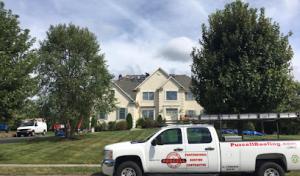
Purcell Builders
(856) 875-0690 purcellroofing.com
500 Almonesson Rd, Blackwood, New Jersey
4.9 from 10 reviews
We are the re-roofing specialists. 40 years in the business. We will stop water from infiltrating your home, its what we do happily.
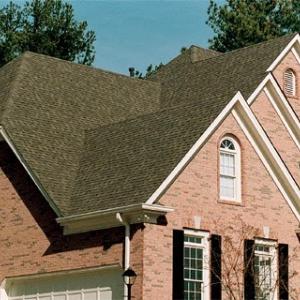
Stanley & Sons Roofing
(856) 227-9555 www.stanleyandsonsroofingnj.com
Serving
4.9 from 74 reviews
Stanley & Sons Roofing is a trusted, family-owned roofing contractor serving Washington Township, Turnersville, and surrounding South Jersey communities. We specialize in residential roof replacement, roof repairs, gutters, leaf guards, and skylight services. With over 40 years of experience, our team is known for quality workmanship, honest communication, and reliable roofing solutions for homeowners. We proudly serve Gloucester and Camden Counties and offer free estimates for all roofing projects.
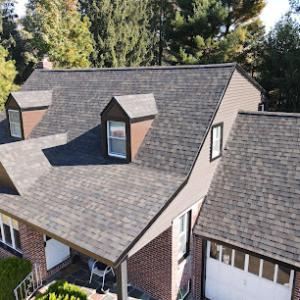
Mainline Construction Group
(856) 425-7425 www.mainlinecg.com
Serving
5.0 from 45 reviews
Mainline Construction Group is South Jersey’s trusted expert in exterior renovations. Specializing in roofing, siding, windows, doors, and concrete, we provide top-quality craftsmanship and durable solutions for homeowners and businesses. With a commitment to excellence, we use premium materials and industry-leading techniques to enhance your property's curb appeal, energy efficiency, and structural integrity. Whether you need a roof replacement, new siding, energy-efficient windows, or custom concrete work, Mainline Construction Group is your go-to contractor. Contact us today for a free consultation and let us bring your vision to life!
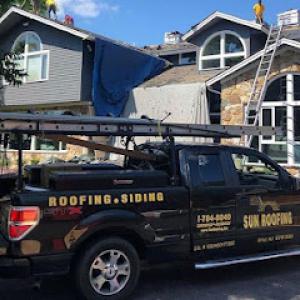
Sun Roofing
Serving
4.8 from 108 reviews
Sun Roofing provides roofing, siding, gutter and window services and 24/7 emergency services to the Gloucester County, NJ area.

Tortorice Contractors
(856) 232-2222 www.tortorice.com
Serving
4.4 from 37 reviews
After all, your home is your family’s single most important investment. It’s where you live your most important moments! We understand completely, because we’re a family business, so we ask for the opportunity to let us help you improve your home and enhance your lifestyle. And because we offer instant financing, everyone can have the home they desire quickly and at a cost they can afford. Tortorice Contractors is a South Jersey Siding and Roofing Company dedicated to your happiness and satisfaction. We look forward to talking with you, and showing you what the Tortorice Contractors’ family can do for your family.
Martino Roofing
(856) 582-0080 martinoroofingco.com
Serving
4.6 from 42 reviews
Full service Residential and commercial roofing company Gaf master elite certified (Residential) and Gaf Gold elite ( Commercial) offering the best long term warranty's in the industry backed by the #1 manufacturer in the country !
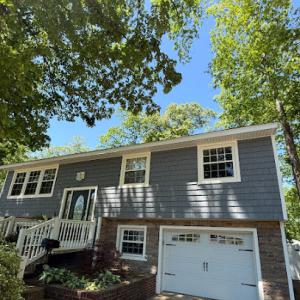
Spartan Exteriors
(609) 506-1880 thespartanexteriors.com
Serving
5.0 from 25 reviews
Spartan Exteriors is a top rated roofing contractor based in Washington Township, New Jersey, proudly serving Gloucester County, Camden County, and surrounding South Jersey communities. We provide professional roof repairs, full roof replacements, storm damage restoration, siding, and gutter services for both residential and commercial properties. As local roofing specialists, we work directly with homeowners and insurance providers to simplify the storm recovery process and ensure quality repairs. From inspections to final cleanup, Spartan Exteriors is known for honest pricing, skilled craftsmanship, and dependable customer service you can trust.
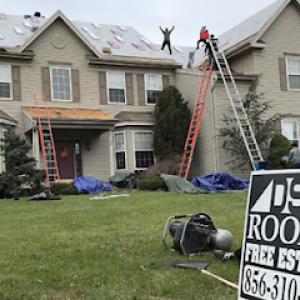
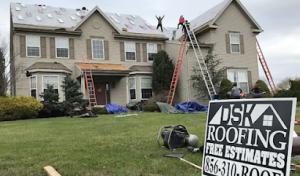
Dsk Roofing
(856) 310-7663 www.dskroofing.com
Serving
5.0 from 139 reviews
DSK Roofing is a trusted roofing contractor based in Wenonah, NJ. We specialize in a wide range of roofing services including roof repair, inspection, re-roofing, and new roofing installations. With years of experience and dedication to quality workmanship, we are committed to providing our customers with reliable and efficient roofing solutions. Whether you need a small repair or a complete roof replacement, DSK Roofing has got you covered. Contact us today for all your roofing needs.
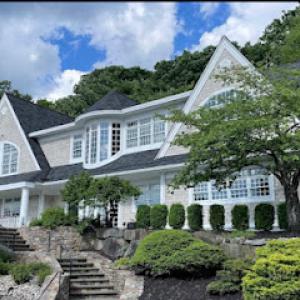
Viking Roofing New Jersey
(856) 636-3246 www.vikingroofingnewjersey.com
Serving
4.9 from 155 reviews
Viking Roofing & Restoration New Jersey is a trusted name in the roofing industry, offering over 30 years of expertise to homeowners and businesses across New Jersey. As leading New Jersey roofing contractors, they provide a full range of services, including residential and commercial roof repair, roof replacement, and new roof installations, using high-quality materials such as asphalt, metal, EPDM, TPO, and torch-down roofing systems. Their residential services include storm damage repairs, emergency roofing, and roof replacement, while their commercial expertise ensures durable solutions for various roofing needs, minimizing disruptions to business operations. Viking is your go-to choice for exceptional roof repair & roof replacement.
When planning a full roof replacement, the local Building Department requires a permit. In this area, either the contractor or the homeowner may file the permit application, so you have options if your contractor isn't ready to pull permits promptly. Applications typically cover the scope of work, the proposed materials, and the project timeline. It helps to gather basic details in advance-proof of contractor registration, a description of shingle or membrane systems, and a rough schedule for materials delivery-so the process doesn't stall as weather changes drum up storm-related repairs and follow-up visits. Since Blackwood sees fast-paced repairs after violent storms, coordinating permit timing with your insurer and the contractor's schedule is practical to avoid overlaps that defer work.
A Blackwood reroof is treated as a project with practical check-ins rather than a "no-paperwork" roof swap. Most jobs include at least a rough-in inspection, which checks framing and underlayment details, and a final inspection that confirms finish work, ventilation, and code compliance. The rough-in visit often happens after the decking and underlayment are installed but before the final layers go on, while the final inspection occurs after all roofing, flashing, venting, and ancillary work are complete. Weather and storm response can shift these visits, so it's wise to align the inspector's windows with solid dry days-South Jersey winters and spring thaws can complicate scheduling. Keep the inspection calendar visible and share a contact number for the inspector to minimize delays caused by rain or a quick follow-up fix.
A permit may need to be posted on the job site in Blackwood, so neighbors and the Building Department can track progress. Once inspections pass, the department issues a certificate of completion. This document is your proof that the project met the required standards at each check point. If a corrective item is noted during the final inspection, you'll want to address it promptly, as another inspection will be scheduled to verify the fix. If you're coordinating with an insurer after storm events, having this certificate ready can help streamline claim substantiation and expedite any required documentation on your end.
Prepare to share a clear project timeline with the Building Department and your insurer to prevent miscommunications during a busy storm season. Schedule inspections with a buffer for weather delays common in late-winter and early spring. Ensure the permit is posted and visible, and keep a copy of the certificate of completion as part of your home maintenance records. If a contractor requests changes, confirm they're reflected in permit amendments to avoid rework. Knowing who to contact at the department for status updates can save time when a weather system threatens window seating or shallow-slope areas that demand quick attention.
Blackwood homeowners should benchmark material pricing by square using these local ranges: asphalt shingles 350 to 700, metal 600 to 1400, clay tile 900 to 1900, concrete tile 800 to 1600, wood shingles or shakes 600 to 1200, and slate 1200 to 2500. That framing matters because most local jobs are pitched residential roofs measured in squares (100 square feet). When you're pricing, don't just look at a single material's low and high end; map your project to the square count and compare within these bands. In practice, estimate the number of squares you need, multiply by the local range for the chosen material, and then add a practical cushion for tear-off or disposal if you're switching roof types or increasing complexity. The cost picture can swing more with a material choice during a mid-sized update, but the square-based approach keeps expectations grounded for the typical Blackwood home.
Storm season in this area drives big changes quickly. After hail or widespread thunderstorm events, labor availability tightens and scheduling can stretch out as many homeowners seek repairs at once. If a storm hits and multiple roofs demand attention, you may see longer wait times for crews or temporary price bumps in the short term. It helps to start conversations early with a contractor who can review your options, confirm the preferred material within the local price bands, and set a realistic project window. Being flexible on start dates and recognizing a quick turnaround isn't always possible after a major weather event can save frustration and stress.
The prevalence of suburban pitched residential roofs in this market means tear-off complexity and execution speed matter. A straightforward shingle replacement sits near the lower-to-mid end of the local bands, while a full tear-off with underlayment upgrades, or switching to heavier or more advanced materials (like metal or tile) pushes you up the scale. Clay tile and slate, for example, sit toward the upper ranges and often involve handling weight, decking assessment, and careful sequencing. When you choose a premium material, align expectations with your contractor for scheduling, staging, and any additional preparation work needed to keep the project within budget.
In Blackwood, cost planning hinges on square-based material benchmarks, awareness of storm-driven scheduling shifts, and understanding how roof type influences complexity. Start with a clear square count, pick a material within the local price band that matches your home's needs, and map a realistic timeline that anticipates potential post-storm demand. For typical suburban roofs, this approach helps keep costs predictable while still allowing room for the inevitable weather-driven nuances.
Don't let upfront costs delay a critical repair - these contractors offer payment plans to fit your budget.

In the wake of South Jersey storms, coverage in this area tends to continue, but carriers may tighten roof-age expectations or raise deductibles during renewals after active storm periods. That means a roof nearing a policy-age threshold can face closer scrutiny even if no new damage is evident. The goal is to keep the roof in steady, documented condition so that a renewal doesn't become a bargaining point.
Because claim activity can spike after regional storms, Blackwood homeowners should keep maintenance records, prior repair invoices, and inspection photos to support both claims and renewal questions. Store images and PDFs in a simple, time-stamped folder that's easy to share with the adjuster or the agent. A quick recap of recent work-who did it, when, and what was repaired-helps when the file is opened during renewal or after a storm event.
The practical insurance issue in Blackwood is often not whether coverage exists, but how quickly documentation is assembled and whether the roof's age or condition creates friction at renewal time. If a renewal letter arrives after a string of storms, you want a ready-to-send package: recent roof reports, evidence of maintenance, and a clear timeline of any repairs. Being proactive reduces surprise requests and delays, and keeps the process smoother even amid busy seasons.
Keep a simple calendar reminder for seasonal inspections, especially after March and November thaws when wind and hail can reveal weak spots. Assign a trusted local roofer or insurance liaison who can generate a concise damage and age report on request. Document any temporary fixes with clear notes on date, scope, and materials used. If a claim is filed, respond within the insurer's stated timelines and forward all supporting records promptly to avoid gaps in the record for processing.
Connect with contractors who help homeowners navigate the claims process from damage assessment to final approval.
Grand View Roofing & Exteriors
(856) 305-9883 www.gvexteriors.com
5471 NJ-42, Blackwood, New Jersey
4.9 from 290 reviews
M&J Roofing
(856) 725-5759 www.mjroofingllc.com
26 Evergreen Ave, Blackwood, New Jersey
4.8 from 200 reviews
Skylights are a common leak point in town, and the local contractor market keeps busy chasing those curb flashings, aging seals, and the transitions where skylight deck meets surrounding shingles. You may notice damp spots along the skylight perimeter after a heavy rain or a thaw cycle. If flashing seems loose or if sealant shows cracking, don't wait for a drip to worsen. Focus on the edge where the skylight integrates with the roof deck, and inspect the sealant bead, shingle laps, and any quick fixes that leave gaps.
Flat and low-slope sections appear frequently with additions, porches, or mixed-roof designs. Homeowners often misread a standing-water issue as a main-roof shingle problem when the real culprit is a membrane edge or a drainage transition at the low slope. In these cases, trace water paths to where the membrane meets higher roofing, check drainage scuppers or gutters, and verify that transitions are sealed without ponding. Treat these zones as separate systems that require their own attention and repairs.
South Jersey winters magnify small flashing or drainage defects. A late-winter melt followed by spring rain can push a slow leak into a visible interior stain. Pay particular attention to any spots that worsen after a warm spell followed by a sudden rain, and consider how snow buildup on low-slope areas might back up toward the skylight or eaves. Address minor issues early to avoid swelling problems once the thaw resumes.
Find contractors experienced in skylight installation, flashing, and leak repairs to bring natural light into your home.
M&J Roofing
(856) 725-5759 www.mjroofingllc.com
26 Evergreen Ave, Blackwood, New Jersey
4.8 from 200 reviews
Purcell Builders
(856) 875-0690 purcellroofing.com
500 Almonesson Rd, Blackwood, New Jersey
4.9 from 10 reviews