
Last updated: Apr 19, 2026
When the cold snaps hit and water in the attic or along the roof edge freezes and thaws repeatedly, Swedesboro roofs pay a price. The risk here isn't just a single icy day-it's the constant stress on flashing around dormers, valleys, and chimney limbs. In late winter, leak calls spike as ice dams form and tiny gaps widen into drips. If flashing seals fail or joints crack from contraction, water finds its way under shingles and into decking. This isn't a problem that improves with neglect; it accelerates rot, invites mold, and can quietly undermine insulation and interior walls.
Spring storms in this inland South Jersey pocket bring gusts that tug at loose shingles, thin spots, and compromised vent connections. Wind-driven hail and driving rain learn where the roof already shows signs of wear from the prior season, and they exploit any vulnerability. In the late winter through spring window, leak calls and urgent inspections become common as damaged shingles curl or lift, and gaps appear along eaves and flashing. If a section of roof has lifted even slightly, a sudden gust can peel it back further, letting wind-driven rain into the attic or living space.
Because warm, humid summers follow wet spring weather in Gloucester County, minor storm damage that isn't repaired promptly can turn into faster shingle aging, deck moisture issues, and mold-prone attic conditions. In this setting, you'll notice days after a storm that attic moisture, musty odors, or visible condensation become more pronounced. Shingle granules in gutters after a storm aren't just cosmetic; they signal accelerated aging and potential deck exposure. Cracked seals around vents or skylights, and warped edges along the roof plane, are red flags indicating that the roof's protective layers are compromised.
If a storm rips at the roof, your first move is to document damage from a safe vantage and contact a local roofing professional for a temporary tarping or board-up if leaks are active. Do not delay: the longer water sits on plywood decking, the higher the risk of rot and mold spreading into insulation and ceilings. Focus on areas around vents, chimneys, valleys, and any flashing seals that look compromised. Maintain a log of water intrusion times and what was seen during each inspection; this helps pinpoint the most vulnerable sections when a repair plan is laid out.
In the weeks following a thaw, clear gutters and downspouts to ensure proper drainage, but avoid disturbing damaged shingles if you're unsure. If you see exposed decking or nail heads protruding through the surface, these are signals to call a professional rather than DIY patching. Strengthen vulnerable ridge and edge lines with a careful, professional assessment to prevent further uplift during the next wind event. Regularly inspect the roof after every major storm, particularly in the late winter to early spring period, and keep an eye on attic ventilation-poor airflow compounds moisture problems and accelerates wear on decking and shingles alike. In this climate, quick, decisive action after each storm helps preserve the roof's integrity through another hot and humid summer.
In this small historic borough, spring brings the milder days needed to lay down new roof systems without the blistering heat of South Jersey summers or the bite of late-wall frost. The most favorable replacement windows occur when the ground isn't still mucky from thaw and moisture hasn't spiked into the heat of early July. Start with a clear plan: inspect the roof for loose flashing, brittle sealants, and any wind-damaged shingles that might have been hiding under winter debris. If a leak point is evident, address that first so the new roofing can go down on a dry, predictable day. Spring weather also means fewer freezing events that can jeopardize freshly installed layers, so scheduling during these months reduces the risk of intermediate repairs interrupting the project.
Summer in this market brings steady demand after storms, and that dynamic can tighten timelines quickly. Local crews commonly shift to quick-response repairs and temporary fixes as storm events roll through, which can push full replacement timelines later. If you're facing a needed re-roof after a spring storm or a string of damaged days, ask for a staggered plan: complete the core roof replacement first, then finish accessories like vents, drip edge, and ridge cap as heat and humidity peak recedes. Plan for afternoon heat checks if temperatures spike; a few hours of shade or early-morning work can keep material temperatures in a safer range for asphalt or organic shingle systems. In this climate, staying flexible on start dates helps ensure materials cure correctly and crews avoid heat-related delays.
Autumn work can be productive, but falling debris and wind events increase risk to exposed flashing and active leak points. If the roof already shows exposed flashing or loose patches, don't push the season too late. Storm-ready work in early fall often fits best with milder days and cooler nights that preserve shingle integrity during installation. Build in a contingency for strong gusts that can complicate tear-off and re-nail stages, and keep access routes clear from overhanging limbs or acorns that can clog gutters mid-project. If a leak persists into fall, prioritize temporary stabilization and a firm completion window before the first hard frost.
Begin with a detailed roof health check after the late-winter thaw and again after spring storms. Note any missing tabs, lifted edges, or water staining inside attic spaces that signal flashing or underlayment issues. Coordinate with a local contractor who understands historic roofs and the typical aging patterns of the area's homes, including steep slopes common in older Swedesboro houses. When setting timelines, map out a primary replacement period that avoids the peak heat-and-humidity stretch of the season but leaves a buffer for weather delays. Have a plan for temporary protection if a replacement window is shortened by a storm day, and confirm how crews handle debris removal and material storage on narrow streets where space is limited. By aligning work with these seasonal nuances, a roof replacement can proceed with fewer surprises and a more predictable path to a durable finish.
Get a clear picture of your project costs upfront - no commitment required.
Peak Roofing & Siding
(856) 313-2221 peakroofpro.com
1950 Kings Hwy #582, Swedesboro, New Jersey
5.0 from 134 reviews
Peak Roofing was voted "Best Roofer - Gloucester County" 2023, 2024, & 2025! Your roof is the first line of defense between you and the elements. Let Peak Roofing and Siding be the professionals who keep your home's exterior doing its job. Let us guide you in making a smart, affordable choice that will protect and beautify your home for decades. best roofer near me South Jersey roof repairs replace replacement new roof estimate inspect inspection peakroofpro roofing affordable roofer trim flashing fascia siding repair chimney missing shingle shingles fix leak leaking roof patch wind storm hail damage gutter gutters gutterguards Swedesboro Woolwich South Harrison Clarksboro Mickleton East Greenwich Woodstown West Deptford Mantua Mullica Hill
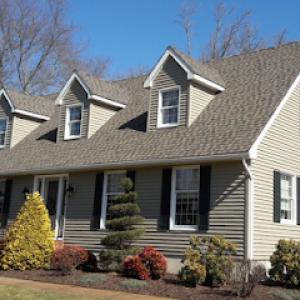
AM Construction
1950 Kings Hwy #752, Swedesboro, New Jersey
4.9 from 72 reviews
AM Construction is an affordable, honest and reliable roofing company and home improvement contractor serving Gloucester, Salem, Cumberland counties and surrounding areas. From providing great pricing to great quality work, we have you covered when it comes to providing a wide range of construction and home remodeling services that fit your home and budget.

Ameritech Services
(856) 418-1029 ameritechnj.com
Serving
4.9 from 195 reviews
We’re proud to celebrate over 26 years of serving Mullica Hill and surrounding New Jersey communities with quality roofing and exterior home improvement services. Our success comes from always putting the customer first and continually improving how we serve you. From roof repairs and replacements to siding and deck installations, we deliver dependable craftsmanship and lasting results. Homeowners trust our experienced team for honest advice, professional work, and exceptional service every step of the way.
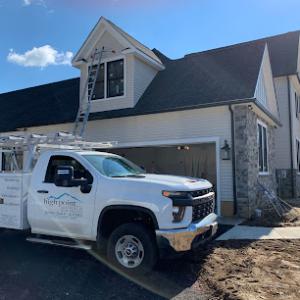
High Point Roofing & Remodeling
(856) 390-7438 www.hproofs.com
Serving
4.9 from 489 reviews
High Point Roofing & Remodeling is the most trusted home exterior company in South Jersey specializing in roofing, siding, windows, and gutter replacement services. As a locally owned and trusted contractor, they provide customers with services for roof repair and replacement, siding and window installation, and gutter systems. They’ve completed thousands of projects and have an A+ rating with the Better Business Bureau. There is no roofing contractor in Pilesgrove, New Jersey providing the highest caliber of roofing installation and repair at prices as competitive as theirs. They have earned a reputation for outstanding workmanship and their team has decades of experience and the absolute best track record for customer satisfaction.
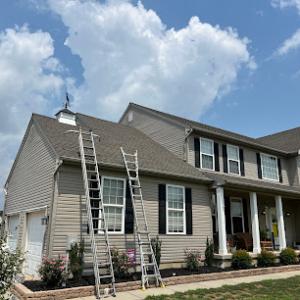
Alessi Exterior Solutions
(856) 693-9847 www.alessiexteriors.com
Serving
5.0 from 16 reviews
Alessi Exterior Solutions provides roofing, siding, and gutter replacement services in the Gibbstown, NJ area. GAF Certified installer offering warrantied roofing systems.

Armourseal Roofing & Contracting
(484) 470-9441 www.armoursealroofing.com
Serving
4.9 from 185 reviews
We do it all from commercial residential anything exterior applications of All Roofing metal concrete You name it we do it masonry power washing

RGB construction
(856) 264-9093 www.rgbconstructionservices.com
Serving
4.8 from 126 reviews
RGB Construction is a veteran-owned, GAF Master Elite® roofing contractor serving West Deptford and all of South Jersey. Since 2008, our licensed team has provided high-quality roof replacements, roof repairs, inspections, siding, gutters, windows, and storm-damage service for homes and businesses. We install GAF Lifetime Roofing Systems backed by strong warranties, clean workmanship, and honest pricing. Trusted locally for fast response, reliable service, and excellent customer care. Call (856) 264-9093 today.
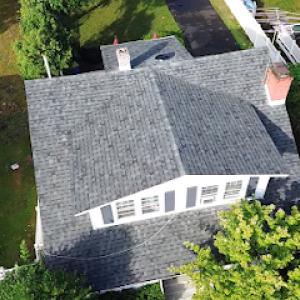
EMS Roofing
Serving
5.0 from 15 reviews
Welcome to EMS Roofing, llc. We're a family owned and operated business. As trusted experts in residential roofing services, we take care of you home as if it were ours. EMS Roofing, LLC serves Philadelphia and surrounding suburbs. From roof repairs, installations, and storm damages we've got you covered! Contact us for quality craftsmanship and outstanding customer service.
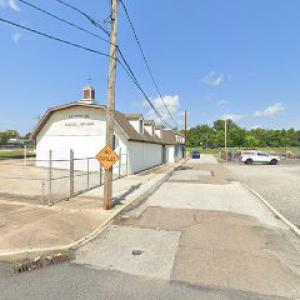
West A A Company
(610) 872-3302 www.aawestroofing.com
Serving
4.8 from 27 reviews
Turn to AA West Company in Chester, Pennsylvania, for top-quality new roofing installations and repairs done to last. Your safety is the number one priority of our residential roofing specialists. Rest assured that you'll get the quality roof you deserve when you call on us.
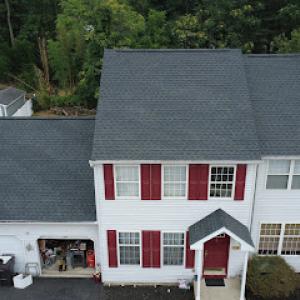
Iron Bull Roofing
Serving
5.0 from 10 reviews
Iron Bull Roofing is a locally owned and operated roofing company that specializes in insurance claim for storm damage to your roof. From the initial roof inspection to the final product we work thoroughly to provide excellent customer service and craftsmanship.
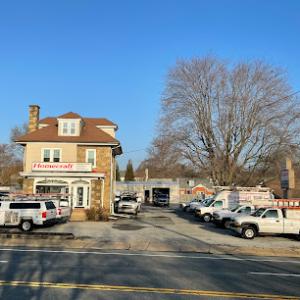
Homecraft
(302) 798-0302 www.homecraftinc.com
Serving
4.9 from 233 reviews
Since 1981, Homecraft has been helping homeowners in Delaware, southeastern Pennsylvania, Maryland and southern New Jersey transform their homes into beautiful, comfortable and energy‑efficient spaces. As a family‑owned business, we take pride in delivering craftsmanship rooted in integrity, honesty and reliability. Our services span vinyl siding, quality roofing installations, custom‑manufactured windows, stylish entry and patio doors, and expertly designed gutter systems. From the first consultation to the final inspection, we treat your home like our own, offering fair pricing, top‑tier materials and a smooth, professional experience every step of the way.
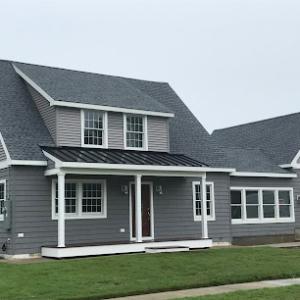
Walker Roofing & Siding
(856) 589-4232 walker-roofing.com
Serving
4.9 from 90 reviews
From our free estimates and fair, honest pricing to our insistence on using only the finest roofing materials, you can be sure that your roofing project will be handled with the care and respect it deserves. We believe the quality of our work speaks for itself. That's why we're proud of our A+ rating with the Better Business Bureau, and to have earned Angi's coveted Super Service Award - an honor reserved for only a handful of construction companies nationwide. From roof installations to roof repairs and maintenance, each project is handled with care, a focus on communication, and a commitment to getting the job done right the first time. Complete customer satisfaction is our goal.
In this historic borough, asphalt shingles stand as the practical mainstream option for re-roofs. The local contractor base leans toward readily available asphalt systems, which translates to responsive service after spring wind events and during freeze-thaw cycles. When choosing asphalt, prioritize architectural or 3-tab profiles with good granule retention and a warranty that covers wind uplift and hail tolerance. In a climate with humid summers and freeze-thaw winters, look for shingles with an impact-resistant rating and a compatible underlayment system that provides a solid barrier against moisture intrusion during rapid temperature swings. The straightforward repair path of asphalt systems-patching damaged areas and resealing seams-helps homeowners manage spring storm aftermath without lengthy downtime.
Slate, clay tile, and concrete tile do appear in this market, but they introduce bigger structural and insurance decision points for older South Jersey housing stock. Not every home was originally framed to carry very heavy roofing loads, and upgrading the roof structure to accommodate premium tiles can involve substantial planning. If considering these materials, obtain a professional evaluation of roof framing, attic ventilation, and potential impacts on crawl spaces or attic height. In the wake of spring storms, heavier tile systems may resist wind uplift differently than asphalt, yet maintenance and repairs can be more complex and costly. Weigh long-term durability against the necessary structural reinforcement, and coordinate with your insurer to confirm the coverage implications of a heavier roof, especially in homes with aging support members.
Wood shingles and shakes, synthetic or composite products, and occasional cedar-focused projects appear as niche options locally, but contractor availability is thinner than for standard asphalt replacements. Wood and cedar can offer classic texture and curb appeal, but they demand meticulous maintenance to prevent surface checking, moisture intrusion, and insect concerns. In spring storms, damaged wood elements may lay bare roof decks quickly, necessitating prompt replacement to avoid hidden rot. Synthetic and composite shingles present a more uniform performance with lower maintenance than natural wood, yet your local crews may have fewer installers compared to asphalt, which can influence timing for a re-roof after a wind event. If choosing these materials, secure a clear plan for annual inspection cycles and warranties that address color stability and weathering in humid summers and cold snaps.
Swedesboro homes often balance historic charm with modern performance needs. When evaluating roof materials, consider how the chosen system behaves after a winter freeze followed by windy spring days. Assess attic ventilation, insulation, and drainage as integral parts of the roof system, because effective moisture control reduces the likelihood of freeze-thaw damage below the surface. For most properties in this area, a well-installed asphalt roof aligns with community contractor experience, predictable repair paths, and a practical balance between upfront needs and long-term resilience. If considering premium or niche options, plan carefully for structural compatibility and availability of local skilled installers who understand the local climate and housing stock.
Local pricing is strongly influenced by whether the project is a straightforward re-roof or involves structural review, since Swedesboro-area permits receive closer scrutiny when roof type changes or framing modifications are proposed. That distinction matters at the estimate table because a basic tear-off with asphalt shingles stays lean, but any change to underlay, framing, or deck condition can add labor and material charges quickly. In practice, you'll notice a gap between simple repairs and full replacements, especially on older homes with mixed roof lines.
Costs rise quickly in this market after spring storm clusters because emergency work and insurance-related demand compete with scheduled residential replacements. When a storm hits, crews are in demand, and lead times stretch, pushing quotes upward. Heavier materials such as slate, clay tile, and concrete tile can be disproportionately expensive in Swedesboro because labor, disposal, and possible structural accommodation matter more than on a basic asphalt tear-off. If you're weighing long-term durability, factor not just the per-square price but the added costs for removal, reinforcement, and potential crane access.
Asphalt shingles remain the most budget-friendly option, typically in the mid-range for a straightforward re-roof. Synthetic or composite shingles offer a solid balance of resilience and cost, often preferred when spring storms demand quick, reliable performance. If a homeowner contemplates clay or concrete tile, plan for the higher end due to heavier weight, carrier coordination, and specialist installation. Clay tile can push, in practice, toward the upper end of the spectrum, while slate sits at the premium end.
In the wake of a storm cluster, expect costs to be driven by urgent weather-related repairs and insurance scheduling. A prudent approach is to line up phased assessments: first address visible damage, then allocate resources for full re-roofing if the structure shows signs of water intrusion or framing strain. In older homes with steep slopes, robust underlayment and careful drip-edge detailing help prevent repeated freeze-thaw wear, protecting the investment over the long term.
Don't let upfront costs delay a critical repair - these contractors offer payment plans to fit your budget.
In this historic borough, most roofing projects require a building permit through the local building department. Plan review focuses on the roof type and whether any structural changes are part of the scope. That means when choosing an asphalt shingle replacement or a heavier tile system, the reviewer will check for load-bearing implications and the integrity of the underlying deck. Don't assume a quick stamp; a detailed submittal with roof type, materials, and any structural work helps avoid delays that push your project past storm season windows.
Inspection sequencing in this jurisdiction typically includes review after roof installation and a final sign-off. Homeowners should confirm in advance how the contractor will coordinate municipal scheduling, because missing the timing can stall occupancy or lead to rework if an inspector returns after weather shifts. If a storm or wind event presses timing, ask the contractor to contact the building department early in the process to lock in appointment slots, and keep a clear line of communication for rescheduling if weather interrupts the sequence.
Because permit issuance and inspection timing can vary by municipality in this part of New Jersey, verify local lead times before locking in tear-off dates, especially during busy storm seasons. Spring storms in this region can tighten schedules quickly, and frost and freeze-thaw cycles may influence when inspections can be completed and when crews can safely work on steep slopes. A careful planning conversation with the contractor about inspection windows helps prevent a partial teardown from becoming a prolonged project.
Secure the permit plan review early, with detailed roof type and any structural work clearly documented. Ask the contractor to provide a written outline of the inspection sequence, including anticipated post-installation checks and the timing of the final sign-off. For busy periods, request a contingency plan that outlines alternative dates if weather or scheduling delays occur. Keeping the municipal process transparent reduces the risk of project hold-ups that can affect storm-response timelines and overall durability of the new roof.
Understanding these local requirements helps protect the roof investment from the headaches of timing mismatches or cascading delays, especially when spring storms and freeze-thaw cycles press on aging homes.
After spring wind or hail events in Gloucester County, you should start documenting damage immediately. Delayed moisture intrusion can blur the line between covered storm loss and later maintenance-related deterioration, which may complicate an insurer's view of what is covered. In practice, take clear photos of all affected areas from multiple angles, note the exact date of the storm, and keep a simple journal of any signs of bubbling, curling, missing granules, or shingles that have lifted. This is especially important for aging shingles on steep slopes, where early signs can be easy to overlook but costly if left unattended.
New Jersey carriers commonly want Swedesboro homeowners to document roof age, visible weather damage, and contractor estimates, with adjusters often asking for photo evidence and before-and-after comparisons. Do not rely on memory or casual notes; organize a concise file with dated photos and a short summary of observed issues. If an adjuster visits, have the contractor's written assessment ready, including suggested repairs or replacement options. Honest, detailed visuals can prevent back-and-forth claims disputes and speed the process when timing matters for storm response.
Coverage decisions can be tougher for legacy slate or tile roofs in this market because some insurers have tightened terms on high-cost replacement materials, which can influence whether owners repair in kind or switch systems. If your home has slate, clay, or concrete tile, discuss upgrade paths with both your agent and a trusted local roofer who understands how these materials behave in a Swedesboro climate-freeze-thaw cycles, spring winds, and sun exposure all take a toll. A measured, proactive approach to damage assessment helps you map the best path while keeping options open for the future.