
Last updated: Apr 19, 2026
Bronxville's historic housing stock features steep gables and a mix of premium materials. Freeze-thaw cycles in Westchester County stress the roof where water can wick into joints and expand during freezes. Vulnerable points cluster around flashing joints, where different materials meet, valleys that channel water down steep planes, ridge transitions where ventilation and weight meet, and around masonry penetrations like chimneys and vent stacks. On older assemblies, these areas carry the brunt of weathering, and a small failure there often becomes a larger leak if not addressed promptly.
Even when asphalt shingles cover a roof with steep lines, misalignment at ridge caps and improper flashing at wall-to-roof intersections invite water entry. In Bronxville's climate, exposed fasteners or inadequate sealant around vents and pipe penetrations deteriorate fast, especially where shingles butt against chimneys or dormers. Look for hairline cracks at hips and ridges after winter and for lifted tabs after heavy wind events. A single lifted shingle can act like a funnel for meltwater during midday thaws and overnight freezes.
Slate, clay tile, and concrete tile roofs carry age-old charm but demand careful maintenance. Slate tends to fail at broken or chipped slates, and at the nails or clips that hold them in place; frost can dislodge slates that are already marginally supported. Clay and concrete tiles crack from freeze-thaw cycles when movement occurs at roofing fasteners or where tiles overhang hips and valleys. Valleys are especially prone to pooling water if tiles settle or flashing nearby is compromised. Ridge transitions on these materials require precise, continuous flashing and backer rod or sealant at the joints to accommodate thermal movement.
Wood shakes and shingles must shed moisture quickly on the steep slope. If flashing around dormers or chimneys isn't sealed well, moisture can soak into the roof deck at the nail line, leading to rot and accelerated deterioration. Wood is susceptible to splitting when water backs up at valleys or at transitions to other materials. Freeze-thaw cycling widens any existing gaps, so regularly check for curled edges, cupping, or dark staining indicating moisture intrusion beneath the surface.
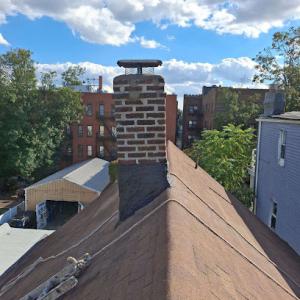
Chimneys are a recurring leak source in this area because roof-to-chimney intersections endure decades of heat expansion and freeze-thaw stress. Mortar joints around the chimney can crack, allowing water to work its way between the flashing and the masonry. The cap and cricket (or lack thereof) also influence water shedding. Even small gaps at step flashing where the chimney meets the roof plane can become persistent leaks after a winter with repeated thaw cycles.
A practical approach is to perform seasonal checks focusing on flashing integrity, saddle and step flashing at transitions, and the health of ridge and hip caps. After heavy snow or ice events, inspect for displaced tiles, lifted shingles, or displaced sealant around penetrations. For masonry penetrations, verify that mortar joints remain intact and that the flashing apron around the chimney is continuous and sealed. When signs of wear appear-loose tiles, lifting shingle tabs, staining along valleys, or damp attic spots-address them promptly before freeze-thaw cycles compound the damage. A targeted, methodical inspection routine tailored to the steep profiles helps protect the premium materials common in Bronxville and keeps the roof from becoming a larger maintenance challenge.
Spring heavy rain and autumn wind and hail events turn ordinary roof wear into real risk quickly. Leaks aren't cosmetic here; active drips period after storm can threaten ceilings, insulation, and electrical systems. Shingle lapses, blown-off edges, and compromised flashing are common triggers for rapid water intrusion. When a storm hits, you need immediate eyes on the roof to separate temporary stabilization from a full-scale repair plan. A proactive approach in the first 24 hours after a heavy rain can prevent widespread interior damage and limit the scope of disruption.
If water is actively entering, the first priority is stabilization. Tight tarps anchored securely over affected areas reduce further infiltration and buy time for a proper assessment. In this market, you'll find emergency repair and storm-damage crews that respond quickly, but response windows tighten after routine regional storms when crews are prioritizing bigger calls. Use tarping as a bridge: it keeps water off insulation and wood sheathing while you schedule an on-site evaluation. Ensure tarps extend well beyond the leak zone to minimize seepage around edges and valleys where slate, tile, or wood shakes are most vulnerable.
Valleys, flashing joints, and roof-to-wall transitions are the first distress points in freeze-thaw cycles. Even minor hail dimples or wind-blown debris can trap moisture and initiate continued attack on underlayment and fasteners. While stabilization is underway, document the problem area with photos from multiple angles and note any interior signs of moisture. This helps a storm team isolate the most at-risk sections and prevents rushed decisions that overlook secondary leaks that often appear after a temporary fix.
After a regional storm, scheduling can tighten quickly as weather windows close and underlayment exposure days shrink. If a tear-off or full replacement is anticipated, set expectations early with the contractor: discuss tarping duration, access needs, and projected timelines for full repair or replacement. In the interim, emphasize continued monitoring for new leaks after minor storms and arrange for prompt re-tarping if wind-driven rain resumes. A clear plan prevents delays and keeps the project moving when the sky finally clears.
When you can't wait, these contractors offer fast response times to stop leaks and prevent further damage.
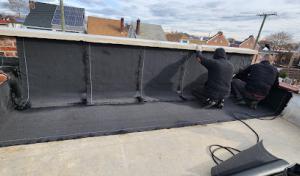
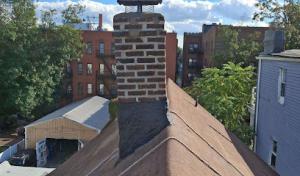
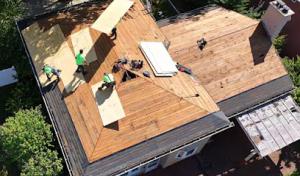
Bronxville's dominant replacement materials span asphalt shingles, metal, clay tile, concrete tile, wood shingles/shakes, and slate, a broader mix than many nearby markets. The mix reflects a village built with architectural variety and a preference for resilient, long-lived roof skins. When evaluating replacements, the first question is how the roof integrates with the home's silhouette-steep gables, dormers, and chimney lines are perceptible from the curb, so the chosen material should read as a continuation of the house's narrative rather than a generic update. In older, character-rich homes, it is common to blend modern performance with heritage appearance to preserve streetscape continuity.
Slate and tile are especially relevant in this market because many homes were built with high-end architectural character, so replacement decisions often involve matching appearance as much as controlling leaks. Slate offers a time-tested natural beauty and excellent durability, but it demands careful flashing, precise valley detailing, and compatible underlayment to weather Westchester's freeze-thaw cycles. Clay and concrete tiles bring bold texture and long service life, yet their weight and taper require structural verification and accurate rafter or truss support. In plans for slate or tile, the roof's edges, ridge lines, and venting strategy should be revisited to ensure modern moisture control does not compromise vintage silhouette. For a historic roofline, choose color and texture that harmonize with brick, stone, or timber trim already present on the house to avoid a jarring update.
Wood shingles and cedar shakes remain locally relevant enough that they should be treated as a real Bronxville option rather than a niche material. When selecting wood, consider species that resist moisture and wind-driven rain, and plan for regular maintenance to prevent surface checking or mold in shady sections. Cedar ages gracefully, developing a patina that can complement masonry and masonry-inspired facades. However, wood demands attention to flashing transitions around chimneys, skylights, and valley penetrations; improper sealing here introduces weak points for leaks during freeze-thaw cycles. If a wood roof is chosen, ensure ventilation and attic insulation are matched to the roof's slope and exposure so the wood remains dry and stable through winter fluctuations.
For steep-roof homes in this village, the priority is reliable waterproofing at valleys, step flashing, and roof-to-wall transitions. Regardless of material, the integration of metal flashings and back-up underlayment tailored to the roof's pitch protects against ice dams and wind-driven rain. Color and texture choices should respect surrounding homes; a well-coordinated palette helps preserve the village's cohesive streetscape while meeting modern performance standards. In all scenarios, consider the roof's visibility from the street and the potential for future accessibility during maintenance, ensuring that fasteners, sealants, and edge trims are serviceable without invasive renovations.
Using local average ranges, Bronxville homeowners can expect roughly $400-$900 per square for asphalt shingles, $700-$1500 for metal, $900-$2500 for clay tile, $900-$1800 for concrete tile, $600-$1500 for wood shingles/shakes, and $1600-$3500 for slate. These figures reflect the village's tight lot lines and the need to match existing profiles and color, which often drives material selection and finish details. When you're budgeting, assume higher edge cases for steep pitches or older roof detail work to cover the extra labor that comes with precise flashing and ridge alignment.
Costs in Bronxville are often pushed upward by steep roof geometry, premium material matching, and the labor intensity of working around chimneys, dormers, valleys, and older roof details common in village homes. A steep pitch not only slows down crews but also requires more scaffolding, safety measures, and careful takedown of existing flashing. Matching a new roof to historic or period-appropriate profiles can add days of craftsmanship, especially if slate, tile, or wood shakes are involved. If a roof has multiple dormers or a complex valley system, you'll see a corresponding uptick in both material waste and labor.
Permit timing and weather windows matter to pricing locally because spring rain and autumn storm demand can compress schedules, while winter conditions can complicate tear-off and flashing work. In practice, that means contractor availability and project duration can influence total cost by a notch or two, especially if crews book tight windows or must delay start dates to avoid freeze-thaw cycles. Plan for a spring-start cushion if possible, and anticipate extended roofs with clay tile or slate that require meticulous setup around chimneys and valley intersections.
When you compare bids, look beyond the per-square price and examine flashing materials, underlayment choices, and the finish warranty. If you're replacing like-for-like, expect to pay within the mid-to-upper ranges for clay tile, slate, or premium metals, and consider the long-term value of durable flashing and proper valley reinsulation in a freezing climate. For a village home with older detailing, budgeting a contingency for incidental repairs to soffits, drip edge, or fascia during tear-off is prudent.
Don't let upfront costs delay a critical repair - these contractors offer payment plans to fit your budget.
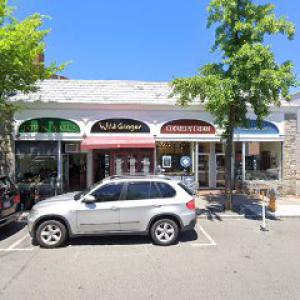
Bronxville Roofing Contractor
10 Park Pl, Bronxville, New York
5.0 from 15 reviews
Bronxville Roofing Contractor is your local roofing specialist serving homeowners and businesses from our convenient location at 10 Park Pl, Bronxville, NY 10708. We focus on high-quality roof repair, complete roof replacement, and ongoing maintenance to extend the life of your roof and protect your investment. Our team works with popular systems such as asphalt shingles, slate, and flat roofs, using proven materials and modern installation techniques for lasting performance. We emphasize clear communication, honest assessments, and neat job sites, so every project is completed on time, on budget, and with meticulous attention to detail.
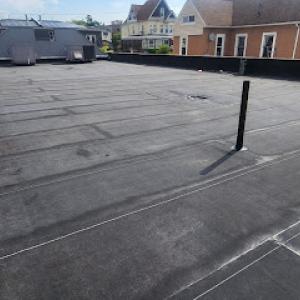
All roofing
Serving
5.0 from 17 reviews
All rofing. is a reliable and professional contractor in Yonkers, NY that offers a range of services to enhance the look and functionality of your property. Our experienced team specializes in roofing services, including repair and installation, to ensure your property stays protected from harsh weather conditions. We also offer gutter installation and repair services to ensure proper drainage of rainwater from your property. Our experts use high-quality materials to build decks that not only enhance the appearance of your property but also add value to it. Contact us today and get a free estimate. Roofing Contractors in Yonkers NY. Roofers in Yonkers NY. Chimney Installations in Yonkers NY. Chimney Repairs in Yonkers NY.
American Quality Contractor
(914) 608-4499 americanqualitycontractor.com
Serving
5.0 from 22 reviews
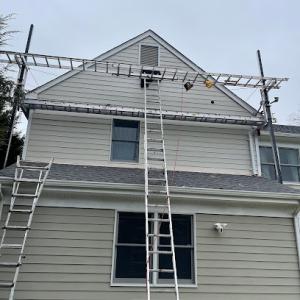
American Quality Contractor is a leading roofing company dedicated to providing exceptional services and superior craftsmanship. With years of experience in the industry, we specialize in delivering top-notch roofing solutions that prioritize durability, aesthetics, and customer satisfaction. Our skilled team of professionals employs advanced techniques and premium materials to ensure every project exceeds expectations. From installations and repairs to inspections and maintenance, we are committed to delivering unmatched quality and reliability. Trust American Quality Contractor for all your roofing needs and experience excellence that stands the test of time.
FH Roofing & Chimney
Serving
5.0 from 31 reviews
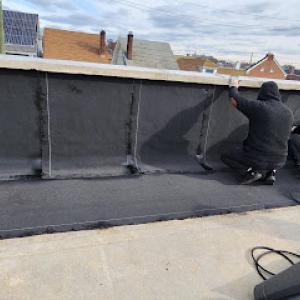
Roofs and chimneys bear the brunt because they must withstand extreme weather conditions, like snow, rain, etc. As a result, you’ll need to ensure your roof is in pristine condition. Likewise, your home’s gutter is responsible for ensuring sewage doesn’t back up. That’s where FH Roofing and Chimney enters the mix. We’re a roofing company based in NY. If you’re looking for a trusted roofing contractor to provide quality roof repair, gutter cleaning and installation, and chimney repair, you’ve come to the right place. FH Roofing & Chimney also offers skylight and deck Installation in Westchester County, NY. So call today to book an appointment for a free quote. Our roofers will be there to help you instantly.
J. Salvatore & Sons Roofing
Serving
4.8 from 102 reviews
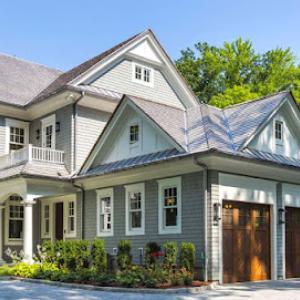
At Joseph Salvatore & Sons Roofing, we've been a trusted presence in roofing and exterior services since 1921, offering rapid turnaround and affordable pricing. As a family-owned roofing and exteriors company, we provide our services to both residential and commercial clients in the tri-state area including Westchester, New York, and Connecticut. Let us alleviate your roof and exterior worries - contact us today and experience the professionalism our team brings to every project.

Madison Construction NYC: Professional Roofing & Home Solutions
(929) 461-9662 madisonconstructionnyc.com
Serving
5.0 from 52 reviews
Madison Construction NYC is a reputable Roofing Contractor in Yonkers, NY, with a history of serving the region for more than 15 years. We perform Roof Installation and Repairs, Inspections, Shingle Roofing, Gutter Installation and Repair, Siding, and Cladding works. Our professionals also provide professional Chimney Sweep, Chimney Services, Waterproofing, and Masonry services for residential and commercial works. As a general contractor and full-service construction company, we are dedicated to quality workmanship, quick turnaround, and competitive pricing. Customer satisfaction is always our number one concern. Call Madison Construction NYC today for dependable roofing and exterior solutions you can count on!
Uzma General Contractors | Yonkers Roofing Contractors
(347) 280-4937 www.uzmacontractinggroup.com
Serving
4.9 from 115 reviews
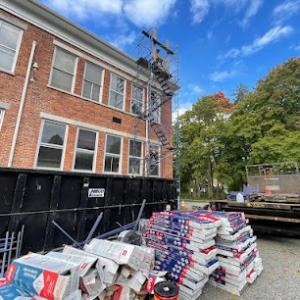
Uzma General Contractors is a premier construction company serving Yonkers, NY, and the surrounding areas. Specializing in roofing, masonry, concrete, and waterproofing services, we provide expert craft skills tailored to your needs. As trusted Yonkers Roofing Contractors, we ensure your home or business has a durable, long-lasting roof. Our skilled General Contractors manage every project with precision, from start to finish. We also offer high-quality masonry and concrete work to enhance your property's value and strength. Additionally, our waterproofing services protect your investment from water damage. Count on Uzma General Contractors for reliable, professional construction services.
DHA Construction
(917) 557-8644 dha-construction.com
Serving
5.0 from 76 reviews
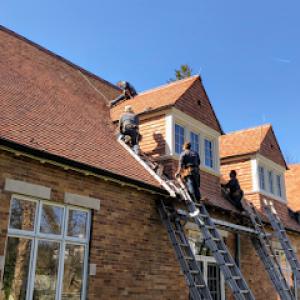
Welcome to DHA Construction, your local construction, roofing, and painting company based in Greenville, New York. We know choosing a roofing and building contractor is a tough job. We are here to help make it easier! DHA Construction has been providing roof installations and roof repairs in the Bronx, NY area since 2010. With each new project, whether residential or commercial, we strive to provide professional, timely service at a fair price. What's more, we offer a variety of exterior home improvement services to keep your home looking its best, including interior painting, exterior painting, and masonry services. We are licensed and insured with competitive pricing.
Kael Contracting
(914) 632-3089 www.kaelcontractingcorp.com
Serving
5.0 from 12 reviews
Roofing Specialists Serving Westchester, NY and South Connecticut for over 15 years! New Roofs Leak Repairs Gutters Chimney Flashings Powerwashing and more!
Skyward Roofing - Yonkers
(914) 915-8238 www.skywardroofing.com
Serving
5.0 from 85 reviews
Living in Yonkers and need a Roofing Contractor? Contact Skyward Roofing, we are close neighbors that desire to provide clients with Budget Friendly Roof Repairs that correct all problems or Visually Stunning Roof Replacements in any roofing style desired.
Hastings Roofing
(914) 375-3671 hastingsroofing.com
Serving
4.8 from 36 reviews
Roofing Contractor in Westchester county NY. Roofing Siding, Gutters, Leaders. Slate, Spanish Tile, Copper
A&GJ Construction
(347) 797-9759 agj-construction.com
Serving
5.0 from 57 reviews
A&GJ Construction with long experience in Westchester County, New York has been providing full-services regarding home construction . We that can help you to update the look of your home, all while increasing your property value. Our team is specialized in Roofing repair and new installation as well. We offer many different services that include kitchen and bathroom remodeling at affordable prices.
For a full roof replacement, you must obtain a building permit issued by the Village building department. This process is not sent to a county office; the village's own staff reviews and approves the plan. Getting this right upfront matters because skipping or rushing the permit can trigger delays, fines, or paired work stoppages that ripple through the whole project. The village expects that the replacement reflects the village's historic character and safety standards, so be prepared for questions about flashing details, valley work, and maintenance of older roof assemblies.
During the actual installation, expect a rough inspection as work progresses. The inspector will want to see that the roof deck is solid, that underlayment and flashing are correctly installed, and that any venting or chimney penetrations meet code and village expectations. In steep-gabled homes common to the area, flashing at valleys and around dormers tends to draw the most scrutiny. If you're installing slate, tile, or wood shingles, the inspector will specifically look for proper nail patterns, secure fasteners, and drift protection that holds up under winter freeze-thaw cycles. Plan access and material staging for smoother inspection windows to avoid delays.
After work completes, a final inspection confirms everything is sealed, flashed, and vented to withstand Westchester's freeze-thaw regime. Failing a final inspection can stall occupancy or the ability to pull a certificate of completion for years to come, so address any noted items promptly. If the village requests adjustments, coordinate with the contractor to correct the issues quickly, since repeated trips can extend the project timeline and complicate warranty matters.
Permit processing in Bronxville typically runs about 1-3 weeks. Because storm and leak seasons can quickly expose vulnerabilities, plan replacement timing to align with a lull in severe weather. If possible, target the permit and scheduling window when the forecast looks milder and drier, reducing the risk of high moisture during installation and the likelihood of emergency calls to address leaks mid-project. Also factor in the impact of inspections on the critical sequence of installing flashing details to resist freeze-thaw damage.
Avoid starting work without the permit or proceeding through the village's channels in the wrong order. Even small deviations in flashing, valley work, or deck repairs can trigger a reinspection or corrective work. Communicate clearly with the contractor about expectations for village-approved materials, retention, and documentation so that the final permit status matches the installed system. The village takes long-term performance seriously, especially where older assembly components meet modern underlayment and flashing standards.
In New York, insurers commonly ask for roof age, prior damage history, material type, photos, and a contractor scope of work before approving replacement-related claims. For Bronxville homes with slate or tile, insurers may scrutinize structural and repair-scope issues more closely than they would for standard asphalt shingle claims. The tight, historic streets and distinctive steep pitches mean any claim that involves load on the underlying structure, valley integrity, or flashing details can trigger a deeper review. Understanding this upfront helps avoid surprises when a storm exposes a weak point.
Because autumn wind and hail and spring storm leaks are local triggers, Bronxville homeowners should document damage immediately before temporary repairs or cleanup alter the evidence. Start with clear, time-stamped photos of the roof edge, flashings at valleys, chimneys, and dormers, plus interior signs of seepage around closets, ceilings, and upper walls. Keep a written note of any odd sounds, granule loss, or curled edges on slates, tiles, or wood shakes. If a contractor notes a condition-like loose slate fasteners or compromised underlayment-secure a formal written scope of work. Insurers appreciate a precise, quoted plan that shows how damage was evaluated and the anticipated repairs.
Slate and tile, along with wood shakes, carry different risk profiles when freeze-thaw cycles strike. First, gather any prior inspection reports or repair receipts that demonstrate the roof's current condition and age. Second, photograph all exposed areas before any temporary fixes, since cleanup can obscure partial damage. Third, have your contractor provide a scope of work that details valley repair, flashing resealing, and any needed deck or sheathing work. These specifics matter because Bronxville's historic fabric and steep geometry demand careful integration of any replacement plan with existing framing and drainage.
If a storm exposes a vulnerable seam or flashing, cover the area with sturdy, weatherproof tarp as a temporary measure and photograph the setup promptly. Store all correspondence and notes from conversations with your insurer and contractor. When reporting damage, present the contractor's scope of work alongside the images to demonstrate a clear path from assessment to repair, especially for slate or tile scenarios where structural concerns may be more tightly evaluated.
Connect with contractors who help homeowners navigate the claims process from damage assessment to final approval.
Expert Roofing of Westchester
(914) 446-3072 expertroofingwestchester.com
Serving
4.9 from 328 reviews
In this village's tight lotting and historic roof lines, skylights and chimneys show up as the main leak flashpoints. Skylight curb flashing often rides behind slate, tile, or wood, where a tiny misalignment becomes a big drip after freezing cycles. Chimney bases and chase penetrations are prime trouble spots for frost-heave, mortar shrinkage, and compromised step flashing where masonry meets asphalt or metal. The practical takeaway is to treat these penetrations as part of the main leak system, not as isolated components. When a flashing detail looks aged or has visible capping, inspection should start there before addressing distant roof areas.
Even with a steep-gabled main roof, low-slope sections over additions, porches, or rear extensions matter in Bronxville. These areas catch meltwater and refreeze at a different rate, driving ice buildup where the primary roof isn't bearing the brunt. Pay attention to transitions: where a low-slope plane ties into a steeper roof, the metal drip edge, underlayment, and ridge-line continuity must be inspected as a single system. Flashing needs to be continuous across the break, with sealant joints kept flexible to handle freeze-thaw cycling.
Bronxville mixed-roof homes often blend slate, tile, and wood with modern add-ons. Planning should treat skylights, masonry flashing, and low-slope tie-ins as parts of one leak-management network. When planning replacements or repairs, ensure the new materials and flashing details accommodate movement between plane types. A practical approach is to map all penetrations and transitions first, then address the most vulnerable junctions in a single, cohesive repair program rather than piecemeal fixes.
Schedule a fall inspection to verify curb flashings around skylights and chimney bases, especially where old mortar joints show weathering. Verify that metal flashing is continuous across roof-to-wall transitions and that sealants at skylight perimeters remain pliable after winter. For any rear-extension or porch roof, confirm that the drainage path remains clear and that the underlayment beneath low-slope areas is intact and overlapped with the main roof system. If any leak appears near a skylight or chimney, address the worst junctions first and re-check adjacent penetrations to prevent a domino effect.
Find contractors experienced in skylight installation, flashing, and leak repairs to bring natural light into your home.
Uzma General Contractors | Yonkers Roofing Contractors
(347) 280-4937 www.uzmacontractinggroup.com
Serving
4.9 from 115 reviews
Westchester's cold winters and warm, humid summers shape how windows perform year-round. In a village with steep-gabled roofs, attic spaces can trap heat or moisture differently than in a flat-roofed home, so the most durable replacement options address both energy efficiency and moisture management. Look for low-emissivity coatings, tight frames, and high-performance gasketing to minimize drafts during January thaws and August humidity. Choosing the right window type matters: an airtight, well-insulated unit helps protect interior plaster and wood trim from freeze-thaw cycles that are common on older homes with slate, tile, or wood shake roofs.
For homes with historic character, vinyl frames can deliver good performance with clean sightlines, but wood or composite frames often better match the exterior detailing and expand/shrink behavior under Bronxville's temperature swings. Triple-glazing can improve comfort in a climate with severe winter cold, though careful installation is needed to avoid condensation across multiple panes. A slit of warm interior air around the operable sash reduces the risk of interior condensation on cold mornings. Stop-gap measures like prefinished exterior trim or paint-grade casings help preserve the aesthetic while maintaining tight seals.
Attic ventilation and roof-line design influence window performance more than in milder climates. In homes with older ridge vents or limited soffit intake, a replacement that includes advanced sealing around the frame and vented glazing can reduce heat buildup in attic spaces during summer. This guards against premature deterioration of roof sheathing and flashing caused by repeated expansion and contraction. If the house features a nonstandard attic or rafter configuration, ensure the window supplier can verify proper clearances and operation without compromising roof integrity.
Spring brings heavier rain and higher leak risk during active replacement, so plan around anticipated storms and ensure temporary sealing strategies protect interior surfaces. Summer heat and humidity affect material expansion and attic ventilation performance; selecting a window with robust thermal breaks and moisture-rated components minimizes warping and seal failure. Autumn can be productive for replacement work, yet wind and hail events may create scheduling backlogs; coordinate installation windows with favorable forecasts to avoid rushed work and ensure flashing details integrate properly with the existing roof line.
The local market leans toward re-roofing rather than new construction, which matters for homeowners dealing with aging slate, tile, wood shake, or flashing assemblies. Neighborhoods pack dense blocks and tight setbacks, so crews who understand access, staging, and cleanup time are essential. When a leak hits, quick response and thorough cleanup after the job are prized traits that minimize disruption to streets, driveways, and shared walkways.
Look for long-established, family-owned companies with local roots, licensed and insured, and, when possible, manufacturer-certified crews. In this market, that mix matters more than flashy marketing. Ask for recent Bronxville or nearby-cluster projects that involved slate, tile, or wood access in tight lots. Favor teams that bring a clear plan for protecting plantings, paving, and neighboring homes during material deliveries and high-workflow days.
Reliability shows in documentation and logistics. Expect a written project scope with sequence, debris management, and a realistic timeline that accounts for freeze-thaw cycles. Communication should be prompt during storm-related leaks and follow-ups after rain events. Require a crew lead on site daily, and confirm that crews respect historic sightlines, clean valleys, and protect metal flashing from damage. A local contractor with responsive service will provide a fallback plan if unexpected weather or material delays occur, reducing the chance of lingering leaks.
Older steep roofs demand careful flashing details and valley handling. Seek contractors with proven experience on slate, clay, and wood systems, including temporary stabilization and waterproofing during transitions. Ask about reusing or coordinating with existing underlayment and structural members, and request photos or notes from the last renovation to gauge compatibility with current repair methods.
Bronxville is a small incorporated village in southern Westchester County, with a compact residential stock that favors steep-gabled homes and a mix of roof materials. The local roof market is unusually diverse for its size, with asphalt, metal, tile, wood, and slate all actively relevant. Decisions about what to roof over a century of older houses hinge on balancing faithful character with practical performance, particularly as each material ages in place on narrow streets and under close-set neighbors.
Local concerns center on preserving the historic look while managing leak risk from seasonal swings. Freeze-thaw cycles, common in Westchester winters, stress flashing details, valleys, and aging roof assemblies more quickly than milder climates. Slate, tile, and wood shingles each react differently to cold temps and repeated freeze-thaw action: slate and tile can crack or loosen, wood shakes may cup or delaminate, and flashing seams can develop slow leaks if not detailed for movement and ice damting. In Bronxville, effective care means prioritizing robust flashing transitions at chimneys, dormers, and roof-to-wall junctions, along with proper valley material and ice barrier placement where needed.
A practical approach keeps the historic silhouette intact while upgrading vulnerable tie-ins. For slate and tile, ensure slopes, fasteners, and underlayment reflect the age and weight of the material, with attention to valley metal and end dams. Wood shingles or shakes benefit from breathable underlayment and proven drip edges to channel meltwater away from eaves and into properly sized gutters. Asphalt and metal options offer lower-maintenance paths in some cases, but care should be taken to choose profiles and colors that respect the neighborhood streetscape and preserve the roofline's visual cadence.
Routine inspections after heavy storms, seasonal iciness, and heavy leaf fall help catch issues before leaks form. For every material, confirm that flashings around chimneys and skylights are sealed, joints are protected, and gutters and downspouts are clear to prevent overflows at the crown of the roof. In a village setting, small, well-timed interventions often protect larger, historic-looking roofs and sustain curb appeal for years.