
Last updated: Apr 19, 2026
In New Rochelle, winter freeze-thaw cycles commonly create ice buildup along eaves, especially after snow events followed by daytime melting and overnight refreezing. The coastal-inland mix of neighborhoods brings a broad range of roof types into one home: steep main slopes often sit beside low-slope porch, dormer, bay, or rear additions. That combination changes how water backs up and where leaks first appear. What you see on a single house may be a patchwork of failure modes: a reliable, high-capacity eave dam on the main roof, paired with slow drainage and ice buildup along a low-slope section that sits in shadow or near a heated corner. In this market, leaks frequently show up at eaves, in valleys, where flashing transitions occur, and at roof-to-chimney intersections-more than at broad field shingle areas.
Where the roof changes slope, water can back up unpredictably. A common pattern is ice dams forming at the eaves of the steeper section while heat escaping from a dormer or bay drives melt toward the cooler overhangs. Over time, that water seeks weakest paths, so you may notice staining or damp spots at the fascia, soffits, or along flashing lines rather than widespread shingles failing. Valleys and transitions become stress points, and misaligned or aging step and counter-flashings can leak even when the rest of the roof still looks sound. Chimney connections are frequent trouble spots because the flashing there must accommodate multiple planes and seasonal movement. If winter sunlight briefly clears the ice but nighttime refreezing returns, you'll see repeating cycles that accelerate wear at these joints.
Address the mix head-on with a targeted plan. Start with a thorough inspection of eaves and low-slope sections to identify ice dam formation points, drainage blockages, and any missing or failed flashing at transitions. Prioritize sealing and upgrading flashing at roof-to-chimney interfaces and where dormer or bay additions meet the main roof. For steeper sections, ensure snow guards or ice guards are sized to span the eave length and that attic insulation and ventilation minimize heat leakage that feeds ice dam growth. Because leaks often originate at eaves and transitions, don't rely on uniform shingle replacement as the sole remedy; focus on dam control, proper ventilation, and robust flashing details that account for shifting loads from heavy snow and freeze-thaw cycles.
Keep an eye on eaves after snow events and during warm spells that trigger daytime melt and overnight freeze cycles. Clear snow responsibly from overhangs without scraping along the roof surface to avoid damaging shingles or flashing. Schedule seasonal inspections that specifically test eave, transition, and chimney flashing integrity, and plan preventative reinforcements before next winter. With mixed rooflines, a proactive, detail-focused approach is essential to stopping leaks before they start and preventing escalating damage from ongoing cycles.
New Rochelle's position on Long Island Sound exposes many neighborhoods to wind-driven rain and stronger coastal gusts than inland parts of Westchester. When a spring rain event or autumn wind episode hits, aging shingles can lift, water can force its way under flashing, and minor defects become interior leaks in a hurry. The window of vulnerability is short: the first 24 to 48 hours after a storm sees the highest risk of worsening damage as wind shifts and pressure changes stress the roof edge, hips, and valleys. Storm activity tends to affect homes with mixed rooflines the most-steep sections adjacent to low-slope portions can funnel wind-driven rain into seams that older layers aren't sealing anymore.
You should treat any event with strong coastal gusts as an urgent call to action. Immediately after rain and wind subside, perform a careful exterior check from ground level only. Look for loose or raised shingles, lifted edges, blown-off granules, and signs where flashing around chimneys, dormers, and vents shows gaps or corrosion. If you see active dripping from the interior or damp ceilings, take temporary measures to limit further water intrusion. Place a sturdy tarp over visibly damaged areas, securing it along the roof edge with roofing nails or weighted down with sandbags where appropriate, avoiding creating new wind-catching folds. Take clear photos from multiple angles-before and after any temporary fixes-and save them for the insurance claim. Some leaks can respond to a shallow reseal or reflash; others will need a professional assessment, especially where a low-slope section funnels water toward interior walls.
Homes in this market often have a combination of steep slopes and flatter sections. The steep portions shed water quickly, but the low-slope or flat areas are prone to standing water that can penetrate the underlayment over time. Look closely at valleys where two planes meet, at step-flashings around chimneys, and at edge metal where wind-driven rain can lift the seal. If the attic shows signs of moisture, check the underside of the roof deck for staining, mold, or soft spots. Pay particular attention to overhangs and eaves-the point where wind-borne rain first hits the roof. Any sign of water tracking along rafters or along the interior corners indicates a need for swift exterior sealing and interior mitigation.
Because this market shows strong demand for emergency response and storm work, you should have a plan for rapid tarping and a documented contractor contact list ready before the next storm. Keep a spare tarp, a small supply of roofing nails, and a utility knife accessible. If you notice repeated leaks after multiple events, demand a thorough inspection that focuses on flashing integrity, vent sealants, and the transitions between roof sections. For those with mixed rooflines, prioritize securing the low-slope interfaces first, then the steeper planes, to reduce the risk of water seeping into the attic or into interior walls with wind-driven rain. Acting quickly can prevent escalating damage and protect interior living spaces from the next coastal front.
Find local contractors experienced in assessing and restoring roofs after hail, wind, and severe weather events.
6D Roofing & Construction
(914) 688-2332 6dconstructiongroup.com
131 Franklin Ave, New Rochelle, New York
5.0 from 192 reviews
American Quality Contractor
(914) 608-4499 americanqualitycontractor.com
Serving
5.0 from 22 reviews
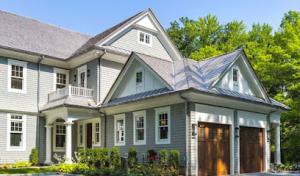
New Rochelle's housing stock includes a lot of detached, steep-slope roofs alongside low-slope additions and multifamily sections. Asphalt shingles dominate because they align well with the common roof geometries and provide reliable performance under the city's winter ice, spring thaw, and humid summers. Other materials-metal, clay tile, concrete tile, wood shakes, and synthetic products-show up in the market, but each brings extra considerations for older homes, from flashing details to structural support and compatibility with existing roof planes.
For most single-family, steep-slope re-roofs, asphalt shingles offer a practical blend of durability, ease of installation, and repairability. In neighborhoods with long eaves and frequent ice dam conditions, choose a heavier weight shingle and ensure proper attic ventilation and insulation to curb heat transfer to the roof deck. Pay attention to existing drip edge alignment and fascia condition; a sound edge helps divert meltwater away from the fascia, reducing ice-related leaks at the eaves. In mixed roof configurations, ensure that transitions from steeper sections to lower pitches are treated with properly integrated step and stack flashing to minimize water intrusion during freeze-thaw cycles.
Metal roofing can be a strong performer on barns and detached garages or where a modern look is desired, but it requires careful assessment of deck rigidity and lapped seams to prevent leaks at flashing penetrations. Clay and concrete tiles are durable and carry a traditional aesthetic, yet their weight and fragility under impact demand a solid structural check and precise underlayment. Wood shakes add character but demand excellent ventilation and moisture management to prevent cupping and rot. Synthetic or composite shingles aim to mimic look and feel with better resistance to moisture, yet installation details and substrate requirements can vary-this makes a careful diagnostic of the existing roof system essential before choosing.
In neighborhoods where older homes blend steep slopes with low-slope sections, flashing becomes a focal point. Start by verifying that transitions between roof types have continuous, corrosion-resistant flashing with properly sealed penetrations around skylights, chimneys, and vents. A competent roofer will tailor the flashing plan to the specific geometry, reducing opportunities for ice dams along the eaves and at internal corners where water can back up.
Low-slope additions or multifamily sections require flat-roof expertise even when the main roof is shingled. Pay attention to drip gutters, membrane continuity, and edge termination. Flat or low-slope systems demand meticulous detailing around penetrations and joints to maintain a reliable water barrier during freeze-thaw cycles. If a low-slope roof exists, consider materials and installation methods that prioritize seam integrity and flashing compatibility with the existing roof envelope.
Asphalt shingles run about $400 to $800 per square, metal $600 to $1100, clay tile $900 to $1500, concrete tile $800 to $1400, wood shingles or shakes $650 to $1100, and synthetic or composite shingles $550 to $1000 per square. In this market, those numbers reflect New Rochelle's mix of older housing stock and complex rooflines, not a flat, simple roof.
Costs are often higher because many homes have dense, multi-angled roofs with dormers, chimneys, and varied eave lines. Chimney flashing work and tying steep-slope sections into low-slope areas or additions adds labor and material complexity. The neighborhood mix means crews must adapt to both steep eaves and flatter transitions in the same project, driving up rigging time, waste handling, and the number of detail trades involved.
Demand spikes after a harsh winter or a major storm can tighten schedules and elevate pricing due to competitive windows and limited crews. In a dense city environment, permit timing and disposal logistics also push total project costs higher. Plan for potential delays after storms and anticipate that larger or more intricate roof geometries may require staged work and temporary protection longer than a simple single-slope replacement.
If replacing a roof with both steep-slope and low-slope sections, consider options that weather ice damming and leaks well without excessive overhang or dead load. Asphalt shingles remain the most economical across multiple sections, while metal and concrete or clay tiles suit long-term performance on steep or high-visibility zones. Wood shingles or shakes offer traditional look but carry higher maintenance in damp summers; synthetic options balance durability and cost in tighter geometries.
Start with a detailed inspection that maps each roof plane, flashings, and intersections. Prioritize sealant and flashing upgrades around chimneys and skylights, then align gutter and downspout work with the new roof. Get a written breakdown that separates steep-slope and low-slope work, chimney flashing, and any add-ons like underlayment upgrades. In this city, anchoring the schedule to weather windows and clarifying disposal logistics helps keep the project on track and within the local pricing expectations.
Get a clear picture of your project costs upfront - no commitment required.
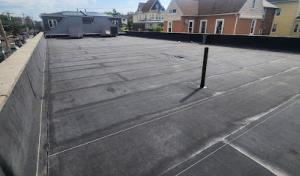
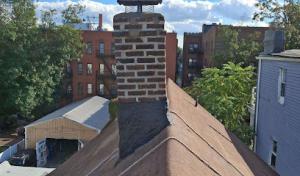
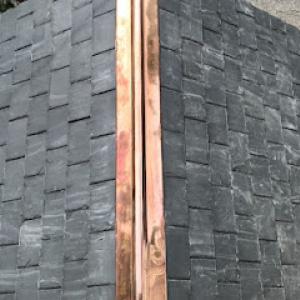
6D Roofing & Construction
(914) 688-2332 6dconstructiongroup.com
131 Franklin Ave, New Rochelle, New York
5.0 from 192 reviews
We are a reliable and experienced local roofing company that takes pride in delivering exceptional residential and commercial roofing and chimney services in Westchester County, NY. We have a team of highly skilled professionals who specialize in providing a wide range of services, including roof repair, new roof installation, chimney repair, skylight installation, gutter installation, and much more. We use only the highest quality materials and state-of-the-art equipment to ensure that our work is of the highest standard. In addition to our roofing and chimney services, we also offer professional construction services such as deck installation, masonry work, and siding installation.
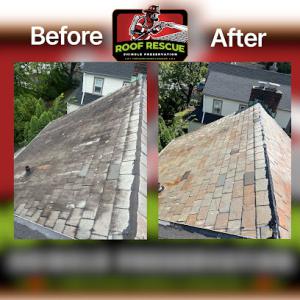
Roof Rescue Southern Westchester
(914) 350-4363 roofrescuesw.com
1 Sylvan Pl, New Rochelle, New York
5.0 from 17 reviews
Firefighter-owned and operated, Roof Rescue Southern Westchester specializes in roof cleaning/ roof washing, and shingle preservation to increase your roof’s lifespan, enhance curb appeal, and help homeowners avoid costly roof replacements. Serving Westchester, NY, we also provide pressure washing services, exterior cleaning, and many more professional property maintenance services using safe, eco-friendly methods for long-lasting results.
Kael Contracting
(914) 632-3089 www.kaelcontractingcorp.com
1333A North Ave #723, New Rochelle, New York
5.0 from 12 reviews
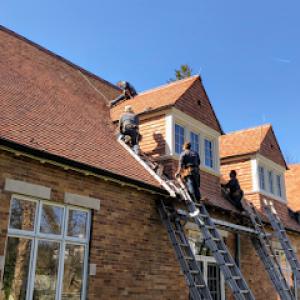
Roofing Specialists Serving Westchester, NY and South Connecticut for over 15 years! New Roofs Leak Repairs Gutters Chimney Flashings Powerwashing and more!
A&GJ Construction
(347) 797-9759 agj-construction.com
Serving
5.0 from 57 reviews
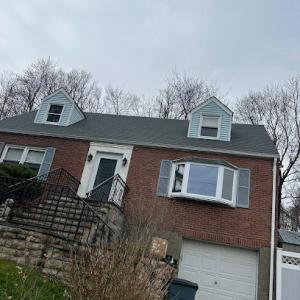
A&GJ Construction with long experience in Westchester County, New York has been providing full-services regarding home construction . We that can help you to update the look of your home, all while increasing your property value. Our team is specialized in Roofing repair and new installation as well. We offer many different services that include kitchen and bathroom remodeling at affordable prices.
FH Roofing & Chimney
Serving
5.0 from 31 reviews
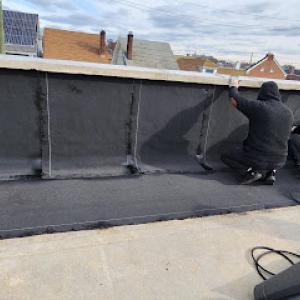
Roofs and chimneys bear the brunt because they must withstand extreme weather conditions, like snow, rain, etc. As a result, you’ll need to ensure your roof is in pristine condition. Likewise, your home’s gutter is responsible for ensuring sewage doesn’t back up. That’s where FH Roofing and Chimney enters the mix. We’re a roofing company based in NY. If you’re looking for a trusted roofing contractor to provide quality roof repair, gutter cleaning and installation, and chimney repair, you’ve come to the right place. FH Roofing & Chimney also offers skylight and deck Installation in Westchester County, NY. So call today to book an appointment for a free quote. Our roofers will be there to help you instantly.
Hudson Exteriors
(845) 314-1970 hudsonexteriors.com
Serving
4.9 from 52 reviews
We specialize in professional roofing and siding solutions across Hudson Valley in Westchester County and Fairfield County. Whether you need a roof repair, a full roof replacement, or new siding installation, Hudson Exteriors is your local roofing company you can trust. We offer certified craftsmanship, competitive pricing, and lasting results for residential and commercial properties.
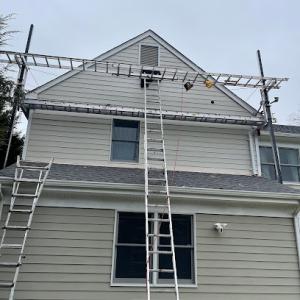
American Quality Contractor
(914) 608-4499 americanqualitycontractor.com
Serving
5.0 from 22 reviews
American Quality Contractor is a leading roofing company dedicated to providing exceptional services and superior craftsmanship. With years of experience in the industry, we specialize in delivering top-notch roofing solutions that prioritize durability, aesthetics, and customer satisfaction. Our skilled team of professionals employs advanced techniques and premium materials to ensure every project exceeds expectations. From installations and repairs to inspections and maintenance, we are committed to delivering unmatched quality and reliability. Trust American Quality Contractor for all your roofing needs and experience excellence that stands the test of time.
Bronxville Roofing Contractor
Serving
5.0 from 15 reviews
Bronxville Roofing Contractor is your local roofing specialist serving homeowners and businesses from our convenient location at 10 Park Pl, Bronxville, NY 10708. We focus on high-quality roof repair, complete roof replacement, and ongoing maintenance to extend the life of your roof and protect your investment. Our team works with popular systems such as asphalt shingles, slate, and flat roofs, using proven materials and modern installation techniques for lasting performance. We emphasize clear communication, honest assessments, and neat job sites, so every project is completed on time, on budget, and with meticulous attention to detail.

Madison Construction NYC: Professional Roofing & Home Solutions
(929) 461-9662 madisonconstructionnyc.com
Serving
5.0 from 52 reviews
Madison Construction NYC is a reputable Roofing Contractor in Yonkers, NY, with a history of serving the region for more than 15 years. We perform Roof Installation and Repairs, Inspections, Shingle Roofing, Gutter Installation and Repair, Siding, and Cladding works. Our professionals also provide professional Chimney Sweep, Chimney Services, Waterproofing, and Masonry services for residential and commercial works. As a general contractor and full-service construction company, we are dedicated to quality workmanship, quick turnaround, and competitive pricing. Customer satisfaction is always our number one concern. Call Madison Construction NYC today for dependable roofing and exterior solutions you can count on!
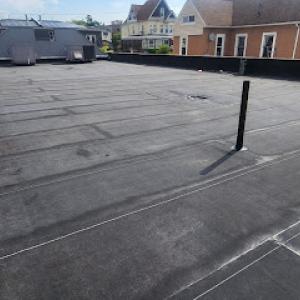
All roofing
Serving
5.0 from 17 reviews
All rofing. is a reliable and professional contractor in Yonkers, NY that offers a range of services to enhance the look and functionality of your property. Our experienced team specializes in roofing services, including repair and installation, to ensure your property stays protected from harsh weather conditions. We also offer gutter installation and repair services to ensure proper drainage of rainwater from your property. Our experts use high-quality materials to build decks that not only enhance the appearance of your property but also add value to it. Contact us today and get a free estimate. Roofing Contractors in Yonkers NY. Roofers in Yonkers NY. Chimney Installations in Yonkers NY. Chimney Repairs in Yonkers NY.
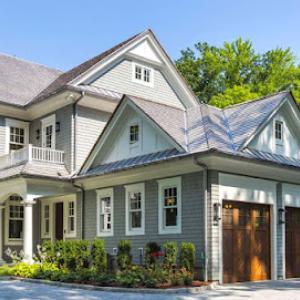
J. Salvatore & Sons Roofing
Serving
4.8 from 102 reviews
At Joseph Salvatore & Sons Roofing, we've been a trusted presence in roofing and exterior services since 1921, offering rapid turnaround and affordable pricing. As a family-owned roofing and exteriors company, we provide our services to both residential and commercial clients in the tri-state area including Westchester, New York, and Connecticut. Let us alleviate your roof and exterior worries - contact us today and experience the professionalism our team brings to every project.
DHA Construction
(917) 557-8644 dha-construction.com
Serving
5.0 from 76 reviews
Welcome to DHA Construction, your local construction, roofing, and painting company based in Greenville, New York. We know choosing a roofing and building contractor is a tough job. We are here to help make it easier! DHA Construction has been providing roof installations and roof repairs in the Bronx, NY area since 2010. With each new project, whether residential or commercial, we strive to provide professional, timely service at a fair price. What's more, we offer a variety of exterior home improvement services to keep your home looking its best, including interior painting, exterior painting, and masonry services. We are licensed and insured with competitive pricing.
A full roof replacement in this area typically requires a permit through the City Building Department rather than being handled informally. The process is designed to ensure the work aligns with local codes and weather considerations, especially given the mix of steep-slope and low-slope sections common across the city's diverse neighborhoods. If a contractor suggests skipping this step, that shortcut can create headaches later, including failed inspections and delays when the weather turns cold and ice becomes a factor at the eaves.
The city conducts inspections at key milestones, including project start and final completion. Scheduling and contractor coordination matter because missed or delayed inspections can stall progress and push your project into peak winter periods when ice damming and leaks are more likely to surface. A well-communicated timeline with the roofing crew helps ensure that the work aligns with these checkpoints and minimizes the risk of backtracking to fix issues found during inspections.
Homeowners should expect the contractor to provide proof of license and insurance as part of the local permitting and approval process. This verification isn't just a formality; it helps ensure the team is prepared for the city's scrutiny and any weather-related contingencies that can affect a project with mixed rooflines. While lead times can vary with department workload, having a clearly staged plan and a primary point of contact who can coordinate with the Building Department reduces the chance of last-minute surprises.
In neighborhoods with both steep-slope and low-slope sections, the permit lies at the intersection of structural compatibility and correct underlayment choices for each roof segment. The permit review will look for details that prevent future leaks, especially around eaves and valleys where ice damming tends to manifest. Work with a contractor who maps milestones to inspections, anticipates winter weather constraints, and communicates early if any documentation or schedule changes are needed to keep the project on track.
In this market, claims are documentation-heavy, and a careful file can determine how smoothly the process moves. A New Rochelle adjuster will scrutinize photos taken after the loss, the precise dates of the event, repair invoices, and clear evidence that the damage is storm-related rather than simply age or wear. Keep a dated photo log that shows the roof before the event, the damage as found, and any temporary measures taken to prevent further leaks. Clear labeling and consistent timestamps matter when the file heads to the desk of an adjuster who is juggling multiple steep-slope and low-slope roofs in mixed neighborhoods.
Autumn wind events and coastal rain exposure shape how insurers view claims here. Shingles can lift or crack in gusty inland pockets, while flashing can fail near eaves and valleys where older installations meet newer vinyl siding or brick. Insurers may separate age-related wear from storm-induced damage, so evidence of a sudden event-photos showing wind-driven debris, blown shingles, or hail impact on specific sections-helps establish a storm claim rather than a maintenance issue. Be prepared to demonstrate the timing and sequence of events, especially on steeper sections where leaks appear well after the initial impact.
Roof age and material type influence depreciation language and how coverage is applied. Older asphalt or metal roofs may carry more depreciation exposure than newer assemblies, and the way the loss is documented can shift coverage outcomes. Keeping detailed pre-loss records of the roof's condition, color-matching for repairs, and notes on any previous leaks can support the claim position. Prompt post-storm documentation minimizes the risk that depreciation erodes coverage expectations, particularly on mixed rooflines that blend old and new components.
After a storm, start with a comprehensive homeowners' file: dated photos from multiple angles, close-ups of edge flashing and valley seams, a timeline of the event, and all related invoices for temporary repairs. Collect independent contractor notes if an estimate is needed, and preserve any weather data from local sources that corroborate the storm's timing. When you speak with the adjuster, reference the specific sections showing storm-related damage, and avoid conflating those findings with routine wear. In a city with varied rooflines, clear, organized documentation is your best insurance against disputes over what constitutes damage versus aging.
Chimney-related roof work is unusually prominent in this market, reflecting how common masonry chimneys are on older homes with mixed rooflines. The winter ice often slips under crumbling mortar and through poorly sealed flashing, then refreezes along the eaves. When a chimney sits atop a steep slope next to a dormer or addition, any movement in the masonry or in the roof deck multiplies the leak risk. You'll see uneven shingle wear where the chimney shoulder meets the roof, and leaks that track along rafter tails into the attic after a heavy thaw.
Around dormers and additions, the most vulnerable detail is the transition from chimney chase to the main roof plane. Step flashing must be continuous up the chimney shoulder and down onto every adjacent roof plane. If the chimney crown cracks or the masonry joints open, ice damming accelerates deterioration. In practice, look for rusted or loose counter-flashing, missing mortars, or gypsum-like staining on the ceiling below. When work is needed, prefer a flashing combination that seals the chimney edges first, then ties into the surrounding shingles or metal flashing to keep water from tracking behind the brickwork.
Skylight leaks often begin where aging flashing meets repeated freeze-thaw movement and heavy rain exposure. A skylight with loose or cracked curb flashing invites leaks at its edges, and the surrounding roof deck can present soft spots from moisture intrusion. If a skylight is original to the house, plan for re-flashing as a preventive step rather than waiting for a slow drip. In many cases, replacing the flashing or upgrading to a more robust curb and sealant system stops ongoing leakage and reduces future maintenance.
On older southern exposures, transitions around dormers, chimneys, and additions often determine whether a repair lasts more than one season. Look for misaligned seals where two roof sections meet, and for debris traps at valley intersections near masonry work. When planning repairs, ensure a single, continuous line of protection-flashings, seals, and proper shingle coverage-that bridges all these historic intersections.
Find contractors experienced in skylight installation, flashing, and leak repairs to bring natural light into your home.
6D Roofing & Construction
(914) 688-2332 6dconstructiongroup.com
131 Franklin Ave, New Rochelle, New York
5.0 from 192 reviews
McLeod Brothers
(914) 636-3404 www.mcleodbrothers.com
30 Church St Suite 26, New Rochelle, New York
5.0 from 23 reviews