
Last updated: Apr 19, 2026
The cold winters with heavy snow followed by thaw cycles create a constant rhythm of freeze-thaw damage on roofs here. Ice damming becomes the primary roof stressor because meltwater refreezes at colder eaves, backing up under shingles and seeping into overhangs, valleys, and vulnerable intersections. In a village where you still see steep historic rooflines alongside low-slope multifamily and commercial sections, the patterns of leakage are unusually varied: a single attic vent or dormer can channel meltwater into a corner you didn't expect. This isn't a generic problem-it's a Port Chester-specific risk that demands targeted attention when spring approaches.
Older homes in the area often feature eaves, valleys, dormers, and chimney intersections that are especially vulnerable. When snow melts and temperatures swing between days above freezing and nights dipping below, meltwater can back up under shingles where flashing is compromised or where valley tiles and contractor work have aged. If your roof has multiple rooflines intersecting at chimneys or dormers, don't assume the most obvious leak is the only one. Ice damming that forms behind a dormer or at a valley can travel laterally, running behind siding or along the attic-vent pathways. A careful, proactive eye on these junctions now can prevent a cascade of interior damage once spring rains arrive.
The local replacement season tends to favor late spring through early fall because winter conditions complicate tear-offs, underlayment installation, and leak diagnosis. If you wait for a warm stretch to schedule work, you're fighting against hurry-up weather windows and dwindling daylight. The region's climate makes it essential to schedule high-priority repairs before a recurring thaw cycle thaws out again. Planning around the calendar-aiming to complete major fixes before the next winter sets in-reduces the risk of ice dam-related leaks and the stress of emergency work in the heart of winter storms.
If you notice water staining on ceilings after a thaw, act quickly to prevent more interior damage. Start by safely removing excess snow from the roof edge to reduce meltwater entering eaves or valley areas, but never climb onto a slick roof during a storm. Inside the attic, check for wet insulation near eaves and around dormers, chimneys, and intersections where flashing meets shingles. If you can access the attic safely, place a bucket under the leak and set up temporary tarping or plastic sheeting to direct water toward a drain or exterior wall. Call in a roofing professional who understands Port Chester's mix of steep historic and low-slope sections, and who can diagnose whether the damage is due to ice damming, flashing failure, or compromised underlayment.
A targeted approach should address common failure points in this area: compromised valley flashing, chimney cricket or step flashing at intersections, worn or missing underlayment, and insulation gaps that promote warm roof surfaces. When replacing or upgrading, focus on installing continuous insulation strategies, improved attic ventilation, and flashing configurations that resist backflow of meltwater. For Port Chester, it's not enough to replace shingles alone; the project must seal vulnerable eaves and junctions against the season's extreme freeze-thaw cycles and the wind-driven moisture typical of nor'easters, ensuring a resilient roof that holds up through the next storm season.
A harsh sequence of fall nor'easter winds, spring storms, and summer hail sweeps across local rooftops, and aging shingles or loose tiles are first to take the hit. In neighborhoods with dense, older homes along the river corridor, those winds can lift vulnerable shingles and loosen tiles long before a full roof replacement is scheduled. The result is not only accelerated wear but hidden leaks that only show up after a thaw or a heavy rain. You need to read the sky, not wait for a visible arc of damage to appear.
Port Chester roofs face a unique mix of steep historic angles and low-slope multifamily sections, each reacting differently to wind-driven impacts. Nor'easter gusts can peel back edges, lift tabs, or shift flashing, especially on shingles that have aged or hail-damaged surfaces that look superficially fine from ground level. In the wake of spring storms, you may notice granule loss, dark streaks, or small briquette-sized dents on metal flashing and accents. Summer hail often leaves pinpoint dings that are barely noticeable unless roof-access is possible for a closer look. The key risk is cumulative: a few compromised spots can become a web of leaks when combined with melting snow and heavy rains.
Because insurers in this market review photos, timelines, and contractor estimates closely, homeowners need storm documentation immediately after a wind or hail event. Start a simple, dated file the moment you notice irregularities or after a storm has passed. Take wide exterior photos to show the overall roof line and nearby structures, then zoom in on any lifted shingles, displaced flashing, dented metal, or stained interiors. Record dates, times, and weather conditions, and keep copies of any temporary repairs. If attic or ceiling evidence appears, photograph the affected ceiling areas and note any musty odors or damp spots that suggest hidden leaks.
After a wind or hail event, perform a careful exterior inspection while ensuring personal safety. Look for cracked or missing shingles, curling edges, lifted tabs, and loose or rusted flashing around chimneys, vents, and valleys. Inspect around eaves and overhangs, where wind-driven damage tends to spear upward. If access is safe, check the soffits and interior ceilings below the affected roof sections for any new staining. If you cannot safely ascend, hire a qualified roofer to do a quick, professional damage assessment within a few days. Document the roof's condition with timestamped photos from multiple angles, and keep a record of any temporary patches or tarping used to mitigate water intrusion.
When a storm has clearly affected the roof, coordinate promptly with a contractor who understands the specific challenges of Port Chester's climate and housing stock. Your roofer should explain the extent of visible damage, identify potential hidden issues, and provide a targeted plan for repair or replacement that addresses both wind uplift and freeze-thaw vulnerability. Insurers will look for a coherent narrative: dated photos, a clear timeline of events, and credible contractor estimates. Provide them with your storm diary, the photos, and the repair plan as soon as possible to avoid disputes or gaps in coverage. In this coastal corridor, timely, precise documentation can protect you from prolonged exposure to water damage and ensure a resilient fix that stands up to the next nor'easter.
Find local contractors experienced in assessing and restoring roofs after hail, wind, and severe weather events.
B&W Group Inc. Roofing & Solar
(914) 403-6752 www.roofingwestchesterny-hq.com
Serving
4.9 from 37 reviews

JJP Contracting Unlimited
(914) 565-9993 jjpcontracting.us
432 W William St, Port Chester, New York
4.8 from 80 reviews
JJP CONTRACTING is located in the heart of Port Chester. Our services include Roofing, Siding, Gutters, Exterior and Interior Renovations & Additions.
Olivieri Contracting
(914) 422-0527 www.oliviericontractinginc.com
216 Madison Ave, Port Chester, New York
4.8 from 26 reviews
Since 1994, Olivieri Contracting has been proudly serving customers in New York and Connecticut with roofing services characterized by unparalleled expertise and professional craftsmanship. As a family-owned and operated business, we take immense pride in our meticulous attention to detail and the superior quality of our work. We are dedicated to maintaining a safe and clean worksite, consistently striving to exceed our customers' expectations. Understanding the significance of your home and business, we treat each property with the same respect and care as if it were our own. For all your roofing needs, please do not hesitate to contact us for a free estimate.
Your Local Roofer
(914) 873-8050 www.yourlocalroofer.us
238 S Regent St, Port Chester, New York
5.0 from 12 reviews
Your Local Roofer provides roofing, siding, gutters, outdoor living and renovations in Westchester County and Fairfield County, CT
Leo & Sons Contracting
(914) 424-9346 leoandsonscontractinginc.com
17 Putnam Ave, Port Chester, New York
4.9 from 12 reviews
We are a fully insured contracting company. We have 25 years of experience in construction and renovation projects. We specialize in any type of commercial and residential roofs.
Jimmy A&N Construction
116 Perry Ave, Port Chester, New York
5.0 from 11 reviews
Jimmy A&N Construction With over 20 years of experience, we specialize in: - Roofing - Siding - Exterior and Interior Remodeling - Additions Contact us today to start your next project!
D&L Roofing Repair
352 Willett Ave, Port Chester, New York
5.0 from 6 reviews
D&L Roofing Repair, serving the Port Chester area, comprises a team of skilled roofers adept at handling roof leak repairs and replacements for residential, commercial, and specialty roofs. As a leading roofing company, we bring extensive experience working with a diverse range of materials, including composition shingles, asphalt shingles, metal roofs, tile roofs, PVC, and TPO. Our expertise extends to various roofing types, including flat roofs, roof coating, PVC, and single-ply roofing, among other options. If you're in need of roofing services in the Port Chester area, consider D&L Roofing Repair for your next project. We look forward to the opportunity to work with you!
L&M Company
140 Highland St, Port Chester, New York
4.2 from 6 reviews
Commercial roofing, masonry and waterproofing contractor in Westchester, Manhattan, Queens, Brooklyn, Bronx, NY and Fairfield County CT

Roof Boss of Westchester
(914) 500-8445 roofbossofwestchester.com
Serving
5.0 from 11 reviews
Roof Boss is the leading installer of residential roofing systems in the Westchester County Area. Our Team of Administrative, Project Superintendents and Tradesmen ensures we are committed to providing the highest quality roofing systems as well a high level of service that is unmatched by the competition.
North East Home Improvement
(203) 321-6695 nehomeimprovement.com
Serving
5.0 from 23 reviews
Building customers for life
B&W Group Inc. Roofing & Solar
(914) 403-6752 www.roofingwestchesterny-hq.com
Serving
4.9 from 37 reviews
B & W Group is Westchester's go to residential and commercial roofing company. We provide dependable roofing installation, repair and roofing replacement services for our customers.
Expert Roofing of Westchester
(914) 446-3072 expertroofingwestchester.com
Serving
4.9 from 328 reviews
Expert Roofing of Westchester offers professional commercial and residential roofing in Westchester County, NY. With over 20 years of trusted experience, we serve homeowners and businesses with reliable, long-lasting roofing solutions. As a licensed and insured contractor, we handle everything from roof installation, roof replacement, and roof leak repair to siding, chimney, masonry, and gutter work. Our crews are also available 24/7 for emergency roofing repairs. Every project includes written estimates, clean workmanship, and a 10-year limited warranty. Choose Expert Roofing of Westchester for dependable service, quality materials, and craftsmanship built to last. Get a free estimate today.
J. Salvatore & Sons Roofing- CT
(203) 869-9300 www.nyroofer.com
Serving
5.0 from 11 reviews
In our 100 year presence in the commercial and residential roofing business, we have gained enormous experience in all major problems and issues that makes us the best choice within Greenwich. Our experts can help you with roof repair, leak detection, flashing & copper work. Call us today for an estimate!
In this market, the variety of roofing styles reflects a mix of dense, older housing near the Byram River and the Long Island Sound corridor, plus newer infill near the village center. Asphalt shingles loom large on many detached homes, while older upscale properties often wear slate or clay tile. A cadre of select older houses uses wood shakes, and multifamily or commercial buildings frequently run low-slope systems. The result is a broad material mix that affects how a contractor approaches replacement, repair, and ongoing maintenance.
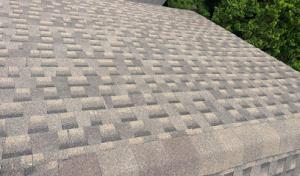
Asphalt shingles are the practical baseline for detached houses that have seen repeated winter cycles and occasional ice dams. They remain the default for consistency, availability, and speed of installation. Slate and tile persist on the area's more established, higher-end homes and lend durable performance in a coastal climate that sees both winter and summer humidity. Wood shakes appear on a limited subset of older structures, offering a distinct aesthetic that demands careful maintenance and moisture management. Low-slope systems prevail on multifamily and commercial properties near the village center, where flat or near-flat decks require careful flashing and drainage details. Each material brings different considerations for chimney penetrations, valleys, and transitions, which are among the recurring items contractors must handle in this market.
For asphalt roofs, focus on accurate attic ventilation and ridge ventilation to reduce ice dam risk in winters. Asphalt crews should be prepared for chimney transitions and copper or lead-free flashing repairs where chimneys meet the main roof. On slate and clay tile, insist on solid underlayment and careful, piece-by-piece repair strategies to avoid cracking; slate and tile installers often need specialized rigging and scissor lifts for steep or complex geometry. Wood shakes require attention to moisture exposure and potential for cupping or splitting; maintenance typically centers on sealing, proper ventilation, and periodic fiber cement or protective coatings where needed. Low-slope systems on multifamily or commercial buildings demand precise drainage planning, membrane choices suitable for higher traffic, and robust sealing around horizontal penetrations to prevent long-term leaks.
The local mix changes contractor selection because not every crew that installs asphalt is equipped for slate, tile, cedar, or low-slope work. When a project involves a historic roofline or a steep, high-profile slope, look for crews with demonstrated experience on that specific material and on chimneys with complex flashing details. For multiple structures or mixed-material campuses, establish a single point of contact who can coordinate between crews handling slate, tile, shakes, and low-slope sections to ensure consistent flashing and drainage detail across the entire property. For chimney penetrations, prioritize contractors with a track record of durable flashing and proper clearance around masonry joints, since chimney-related work is a recurring local detail. The goal is to minimize transitions that become failure points during freeze-thaw cycles and Nor'easter winds.
In this climate, the hot, muggy summers can kiss the underlayment goodbye long before the visible shingles show wear. Dark asphalt roofs, in particular, soak up heat and accelerate drying cycles, which stresses the underlayment and can lead to hidden leaks after a few storm events. If attic spaces aren't well-ventilated, that heat builds pressure, pushing moisture into sheathing and rafters. The consequence is a seemingly minor attic moisture problem that suddenly opens for wind-driven rain and freeze-thaw cycles. You'll notice dark, damp spots along eaves or low-slope edges first, where moisture lingers. The practical path is regular attic checks after heat waves, and ensuring soffit vents and baffles are clear so air moves through before a storm hits.
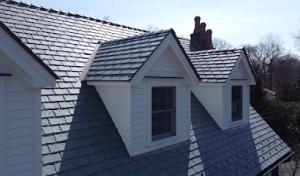
Slate and tile roofs carry a legacy look, but their resilience isn't a magic shield here. In this region, flashing around chimneys, dormers, and valleys can fail even when the field material still seems sound. Wind-driven rain and the freeze-thaw cycle tug at joints, revealing leaks where you least expect them. Isolated tile or slate breakage is common in older sections, and the surrounding material may still appear intact. The key is targeted inspections after nor'easters or heavy freezing rain: look for loose or cracked pieces, hidden gaps at ridges, and erratic staining along eaves. If you spot flashing gaps, don't assume a single tile or slate swap will suffice-corrosion and movement often require a coordinated flashing and membrane refresh to restore the roof's integrity.
Wood shingles and shakes in this humid coastal-influenced corridor require closer monitoring for moisture-related deterioration than homeowners expect. Prolonged exposure to humidity invites cupping, splitting, and the onset of rot in both the shingles and their fasteners. Guided by seasonal shifts, a wood roof often reveals its slow decay through micro-cracking and soft spots that only become obvious after a heavy rain. You'll want to keep an eye on areas where shade persists or drainage is poor-these spots tend to degrade first. The practical action is proactive treatment against mold and rot, plus timely replacements of damaged sections before moisture spreads to adjacent boards.
In this market, the real safeguard is a routine that pairs visual checks with measured ventilation and targeted repairs. After each major storm or heat spike, walk the roof edge with a flashlight, note any new dark stains, loose flashing, or displaced tiles, and track attic humidity indicators if you have them. A small, early intervention-tightening flashing, resealing seams, or replacing a handful of compromised shingles-can avert a cascade of leaks during winter thaw cycles. The goal is to catch the soft signs before the next freeze-thaw round exposes them.
Find contractors experienced in skylight installation, flashing, and leak repairs to bring natural light into your home.
JJP Contracting Unlimited
(914) 565-9993 jjpcontracting.us
432 W William St, Port Chester, New York
4.8 from 80 reviews
Average local cost ranges are about $400-$700 per square for asphalt shingles, $600-$900 for metal, $900-$1500 for clay tile, $700-$1100 for concrete tile, $700-$1100 for wood shingles or shakes, and $1000-$1800 for slate. In Port Chester, those figures represent typical projects, not outliers. When a replacement is on asphalt, you're usually balancing affordable upfront price with solid long-term durability, which matters for older homes tucked near the Byram River corridors and the inlet where humidity can push shingle aging faster than in newer builds. If metal or tile is chosen, expect higher material cost but potentially longer life and better performance against wind-driven storms and freeze-thaw cycles.
Costs in Port Chester can rise on older homes where tear-off reveals multiple roof layers, aging decking, chimney flashing problems, or complex roof geometry common in established neighborhoods. The presence of preserved historic lines or steep pitches can complicate access and inspection, leading to additional labor and scaffold setup. If a project uncovers damaged decking or compromised flashings, every square foot of decking and flashing that must be replaced adds to the bottom line. In these cases, the plan should include a careful assessment of attic ventilation, insulation, and drainage, since improper setups amplify ice dam risk and leak patterns during thaw cycles.
Pricing can also move upward when demand spikes after regional wind or hail events, and when specialized crews are needed for slate, tile, cedar, or low-slope sections rather than standard asphalt work. For low-slope or flat portions that shed water differently, a contractor may call for additional underlayment, flashing details, or a contrasting membrane system, which increases both material and labor costs. If a home has multiple roof elevations or a mix of roof types, the project often shifts from a straightforward replacement to a more intricate, multi-zone installation, with corresponding price adjustments.
For budgeting, target the midpoints of the local ranges unless the project clearly involves added challenges. If old layers exist, plan for a conservative contingency to cover unanticipated decking or flashing repairs. Consider a phased approach if access or structure concerns limit one-season work, especially with the salty coastal edge influence on corrosion and flashing durability. Finally, choose crews with proven experience handling slate, tile, cedar, or low-slope sections, since those specialists tend to bring both higher skill and appropriate equipment to address Port Chester's unique mix of material and geometry.
Get a clear picture of your project costs upfront - no commitment required.
Olivieri Contracting
(914) 422-0527 www.oliviericontractinginc.com
216 Madison Ave, Port Chester, New York
4.8 from 26 reviews
Expert Roofing of Westchester
(914) 446-3072 expertroofingwestchester.com
Serving
4.9 from 328 reviews
A full roof replacement in Port Chester typically requires a building permit issued by the Village of Port Chester Building Department. This ensures that materials, installation methods, and drainage details meet local standards, especially for the mix of steep historic roofs and lower-slope multifamily sections common around the Byram River and Long Island Sound corridor. The permit process is designed to address winter ice dam risks, summer humidity, and nor'easter winds that influence leak patterns and underlayment choices. Be prepared to provide shop drawings, product specifications, and a project timeline as part of the application.
Local inspections are commonly scheduled at key stages and at final, with attention to underlayment, venting, and flashing compliance. Inspections typically occur after rough carpentry and underlayment install, after roof vents and flashing are positioned, and at the final completion to verify that everything aligns with Village code. Given Port Chester's varied housing stock, the inspector may pay particular attention to how access, eave detail, and valley flashing tie into exterior drainage and snow load compatibility. If any adjustments are needed, plan for timely corrections so that the sequence of work does not get delayed by weather or neighbor complaints.
A permit is not just a box to check; it's a safeguard for storm-driven damage and freeze-thaw cycles that stress older roofs. Permit fees vary by project value, so homeowners should confirm scope and valuation before work starts rather than assuming a flat roofing fee. Before applications are submitted, align with your contractor on material choices, ventilation strategies, and flashing details that match the local climate. Keep copies of all approvals and inspection reports on site during work, and coordinate any required re-inspection promptly to avoid delays in the project's final pass. This approach helps ensure lasting performance across Port Chester's challenging winter and coastal conditions.
This region sees elevated wind and hail claim activity, so Port Chester homeowners should expect insurers to scrutinize roof condition and storm causation carefully. High winds from nor'easters can bend through older shingles and loosen flashing, while ice damming in winter can create hidden underlayment damage that only shows up after a thaw. Insurance decisions often hinge on whether the claim ties directly to a recent storm or to preexisting wear, so the path from event to payout can feel slow or selective. Maintaining a clear, dated record of roof health helps guard against surprises.
Carriers often want dated photos, maintenance history, contractor estimates, and a clear damage timeline before approving full replacement versus repair. In a tight market of Port Chester homes-where steep historic roofs meet low-slope multifamily sections-the age and condition of the roof heavily influence the file. Your best approach is to assemble a concise sequence: photos from the storm day, a timeline of observed leaks, records of previous maintenance, and two independent contractor assessments that address both immediate repairs and potential long-term fixes. This portfolio makes causation clearer and reduces back-and-forth with the adjuster.
Because some insurers have tightened roof coverage terms in recent years, homeowners should verify how roof age and upgraded materials affect settlement and future insurability. If a roof has been upgraded or retrofitted to better resist wind or moisture, it may shift the settlement calculus or future premium outlook. Understand whether the policy distinguishes between repairable damage and total loss scenarios, and how recent material upgrades may influence insurability after a claim is closed. In Port Chester, where climate-driven wear meets varied roof styles, this clarity directly affects your long-term protection and peace of mind.