
Last updated: Apr 19, 2026
Tarrytown sits on the east bank of the Hudson River, where winter wind exposure can drive snow against roof edges and valleys and worsen uneven melt-refreeze patterns. That means ice dams aren't just an inconvenience-they're a real, recurring threat to your attic and ceiling. When wind pushes snow toward the eaves and into valleys, meltwater can back up behind damming ice, seeping under shingles and flashing. If your roof corners, dormers, or valley intersections are stamped with old asphalt, clay tile, or concrete tiles, the danger rises as those points freeze and thaw repeatedly. In short: a persistent, cold wind tunnel at the riverfront makes your roof prone to the classic dam cycle, especially where the roof is older or uneven.
Many homes in and around the village core predate modern air sealing and insulation standards, so heat loss into the attic is a common local contributor to ice dam formation. Heat escaping from the living space into the attic warms the roof deck from above, creating a swath of partial melt that refreezes at the colder eaves. In practical terms, spaces with leaky soffits, poorly sealed kneewalls, or attic hatch gaps can enable a warm roof to form those dangerous, hidden bridges of ice. When winter storms hit, that buildup acts like a dam, pushing water inward rather than letting it flow off safely. If your house has multiple vented ridges, older dormers, or abandoned pipe chases that radiate heat into the attic, the risk multiplies-especially where the insulation has settled or degraded over time.
Steep historic rooflines, dormers, chimneys, and guttered eaves common in older Tarrytown housing create multiple freeze-thaw pinch points where backing water can enter. Valleys between roof planes are natural collectors for meltwater, and if a valley intersects a dormer or a chimney chase, those joints become focal points for ice buildup. Guttered eaves can also trap meltwater that doesn't have a clean exit route, especially when gutters are clogged or sagging from winter loads. The result is a sequence of pressure points along the roof line where water slows, refreezes, and pursues the path of least resistance-often right through flashing details or shingle seams.
Begin with a targeted inspection focusing on the eaves, valleys, dormers, and around chimneys. Look for signs of shrinkage or gaps in flashing, ice buildup along the edge, and any missing or damaged shingles that expose underlayment. If you detect heat leaks into the attic, seal obvious gaps around attic hatches, kneewalls, and around penetrations where wiring or pipes pass into the attic space. Improve attic insulation and seal air leaks, concentrating on the top plate and boundary between living space and attic. When possible, ensure attic ventilation is balanced and unobstructed-static vents, soffit intake, and ridge or low-profile vents should operate in concert to keep the roof cold along the eaves while allowing moisture to escape higher up. For existing, heat-prone areas such as dormer profiles and chimney crickets, consider upgrading flashing to a continuous metal dam and adding heat-reducing underlayment where feasible. If ice dams have formed, remove the dangerous snow load from the roof edge with caution, taking care not to damage shingles or gutters.
If you notice persistent ridge or eave ice buildup that remains after clear days, or if water is actively backing up into ceilings, contact a local roofer familiar with riverfront exposure. A qualified professional can evaluate insulation performance, repair compromised flashing, replace damaged shingles or flashing where needed, and install or recondition ventilation practices that address the root cause. Because many homes here combine historic features with functional aging, a targeted, careful approach is essential to protect both structure and finish from winter damage.
Hudson corridor wind exposure can turn ordinary rain events into wind-driven leak events at flashing, ridge, and chimney intersections on Tarrytown homes. When a storm rolls in, the combination of gusty river winds and aged roof details means leaks can appear quickly even with seemingly minor precipitation. If ice remains on the roof from last cold spells, wind can pry vulnerable edges and seals loose, pushing water inward where it matters most: around dormers, caps, and valleys. Treat any sudden indoor dripping as urgent, not cosmetic. The river can magnify an otherwise modest storm into a management challenge for the roof system.
Spring replacement timing in Westchester often overlaps with heavy rain, which raises the risk of open-roof exposure during tear-off if scheduling slips. If a leak starts during a storm, prioritize minimizing interior damage now. Place sturdy tarps over the affected area and secure edges to prevent wind-blown shifting. Photograph the damage from a safe distance before any temporary measures are removed, focusing on flashing, ridge lines, and chimney terminations. If interior water is pooling, create a dry path from the leak to a safe drainage point by placing towels or containers only where movement won't cause more harm. Do not climb onto a precarious roof during dangerous weather. Call a nearby local contractor with storm-response experience for a temporary seal and fast assessment.
Local contractor demand spikes after winter damage and strong storm events, so homeowners in this area often need rapid tarping and photo documentation before interior damage spreads. A temporary tarping job should cover the leak source and extend beyond the flashing area to account for wind-driven rain. Take clear photos showing the exact locations of flashing laps, ridge caps, and chimney joints, plus any visible sagging or displaced shingles. Store images with timestamps and note the date, time, wind speed if known, and how long the tarp has been in place. This documentation speeds a focused, permanent repair once the weather clears and a crew can safely access the roof.
Once skies are clear, perform a careful inspection from ground level and, if safe, from the roof edge with proper fall-protection. Prioritize flashing and chimney intersections, then assess ridge lines for uplift risk. In this area, older steep-slope homes often accumulate damage at these hard-to-reach intersections, making targeted repairs more effective than broad re-covering. Schedule a rapid-onset assessment with a trusted local roofer to stage a plan for weather-tight repair, aiming to restore the roof's resilience before the next freeze-thaw cycle tightens ice dam risks.
Find local contractors experienced in assessing and restoring roofs after hail, wind, and severe weather events.
Exterior Improvements
(914) 215-1729 www.exteriorimprovements.com
520 White Plains Rd # 500, Tarrytown, New York
5.0 from 18 reviews
Exterior Improvements
(914) 215-1729 www.exteriorimprovements.com
520 White Plains Rd # 500, Tarrytown, New York
5.0 from 18 reviews
We are a locally owned, licensed and insured roofing contractor known for our community-minded, service-focused, high-quality storm damage restoration projects.
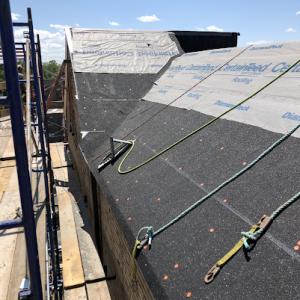
Mortelliti Contractors
(914) 592-6860 mortelliticontractors.com
Serving
5.0 from 25 reviews
Mortelliti Contractors is your trusted local commercial roofing contractor in Westchester, NY, with over 80 years of experience. We specialize in roof repair, roof replacement, and residential roofing. We also offer expert siding, interior painting, carpentry and home improvement services. Fully licensed and insured, we take pride in delivering reliable, high-quality work that lasts. Whether it's fixing a leak, upgrading your siding, or painting your home, we handle it all with care and professionalism.
Elite Pro Roofing & Siding NY
Serving
4.9 from 77 reviews
Elite Pro Roofing & Siding NY is an established home improvement company in New Jersey, New York, & Connecticut specialized in roofing, siding, gutters, chimney, masonry & remodeling.Our team is dedicated to working closely with our customers to ensure a personalized experience that results in the perfect outcome: a home they love. When you work with us, you can expect efficiency, expertise and excellence in every job we do. From new residential roofing or commercial roof replacement to chimney repair and house remodeling, our staff will meet all your wants and needs. If you have a project, you’re ready to tackle, give our NY, NJ and CT team professionals a call to request a free no obligation consultation.
King Quality Roofing & Siding
(914) 901-3910 www.kingquality.com
Serving
5.0 from 302 reviews
King Quality’s team of award-winning contractors has been transforming Westchester homes into castles fit for a king or queen. For over 35 years homeowners have trusted us for expert installation of roofing, siding and windows for your home. Serving Westchester County, King Quality installs industry-leading roofing, siding and window products to ensure your home looks beautiful and is protected against damage from bad weather. Get peace of mind for a lifetime with exceptional protection provided by quality products backed by lifetime warranties. We also offer low monthly payment options. King Quality's dedication to personalized service will make your experience exceptional.
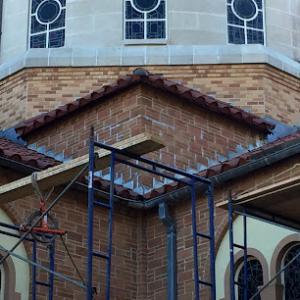
Neptune Construction Corporation
(347) 225-6404 neptuneconstructioncorp.com
Serving
4.9 from 28 reviews
Neptune Construction offers a comprehensive range of roofing services, including installations and repairs for any type of roof. Our team of experienced professionals is equipped with the latest tools and techniques to ensure that each project is completed to the highest standards. In addition to roofing, we are a full contractor that has the ability to construct entire buildings from the ground up. With 18 years of experience in the construction business, the company has a proven track record and a broad range of capabilities. Our team works efficiently and effectively to complete each project on time and within budget, delivering stunning results that exceed expectations. With our commitment to quality and our extensive range of cap
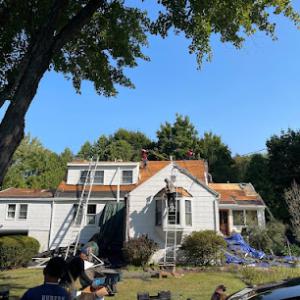
American Star Contractor
(800) 663-6036 www.americanstarcontractor.com
Serving
4.9 from 87 reviews
American Star Contractor is a trusted construction company serving New York City with expert roofing, masonry, chimney repair, flat roof installations, and more. We specialize in durable roof replacements and repairs to protect your property from the elements. Our skilled team offers high-quality masonry services, including brick, stone, and concrete work for residential and commercial properties. We also provide siding installations to enhance curb appeal and energy efficiency. Additionally, our comprehensive gutter services help prevent water damage. With years of experience, we’re committed to delivering superior craftsmanship, professionalism, and customer satisfaction on every project. Contact us for reliable construction service!
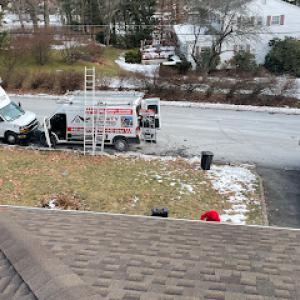
Infinity Roofing
(845) 587-0193 infinityroofny.com
Serving
4.7 from 30 reviews
Infinity Roofing is a dedicated team of professionals with a passion for excellence in roofing and exterior services. With a decade of experience, we've established ourselves as a reliable and trusted name in Nanuet, NY. Our journey began with a vision to provide homeowners with top-tier roofing, gutter, and siding solutions that ensure both protection and aesthetics. What sets us apart is our commitment to quality, integrity, and customer satisfaction. We go above and beyond to understand your needs and provide tailored solutions that suit your preferences and budget. Our team consists of skilled craftsmen who take pride in their work, ensuring every project is completed to the highest industry standards.
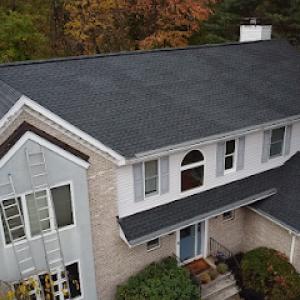
Dalmatia Roofing
(845) 826-3576 dalmatiaconstruction.com
Serving
5.0 from 48 reviews
At Dalmatia Construction & Roofing, located in Rockland County in Tappan New York, we provide a full exterior envelope portfolio of your project needs. From roof repairs to maintenance and replacement services, construction, siding repairs and installation and window replacement, we can assist in a variety of ways! Our address is 204 Western Hwy S, Tappan, NY 10983. Please give us a call for a free estimate or roof inspection! We'd be happy to assist you!
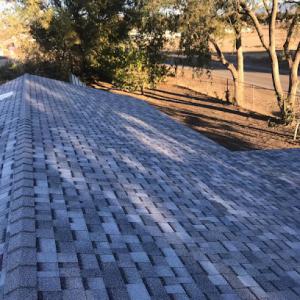
Delta Roofing Westchester
(914) 229-9777 deltaroofingwestchester.com
Serving
4.9 from 63 reviews
Delta Roofing Westchester is your reliable roofing contractor, proudly serving residential and commercial clients across Westchester, NY. We specialize in roof repairs, installations, maintenance, and cleaning services, offering high-quality solutions tailored to your needs. Our fully licensed and experienced team provides expert roof inspections, leak repairs, and complete roof replacements. Whether you need a new roof installation or routine maintenance, we use top-grade materials to ensure durability and long-lasting results. Serving Westchester and surrounding areas, we are committed to providing professional roofing services with exceptional customer satisfaction. Solve Roof Issues Now by Calling Our Experts!
Westchester Roofing Group
(914) 885-7400 westchesterroofing.com
Serving
4.9 from 117 reviews
With over two decades of dedicated service, we specialize in delivering roof and gutter solutions. Our comprehensive services include: Asphalt Shingle Roofs Flat Foam/Single Ply Roofs Metal & Copper Roofs Natural Slate Roofs Traditional Tile Roofs Wood Shake Roofing Chimney Copper Flashing Gutter Installation Gutter Maintenance Roof Heating Cables Built on solutions, experience, and excellence, we provide high-quality roofing services designed for durability and reliability. With expert craftsmanship and a commitment to excellence, we ensure every project meets the highest standards, delivering long-lasting protection for your home or business.
High Ridge Roof Repair
(914) 348-1620 highridgeroofrepair.com
Serving
5.0 from 15 reviews
High Ridge Roof Repair specializes in roofing and chimney works. Vic Tozzo, the owner of High Ridge, takes great pride in solving your roof leak. We repair your Slate, Spanish Tile, Ludowici when other contractors can't. The right repair can save your roof and prevent leaks.
DHA Construction
(917) 557-8644 dha-construction.com
Serving
5.0 from 76 reviews
Welcome to DHA Construction, your local construction, roofing, and painting company based in Greenville, New York. We know choosing a roofing and building contractor is a tough job. We are here to help make it easier! DHA Construction has been providing roof installations and roof repairs in the Bronx, NY area since 2010. With each new project, whether residential or commercial, we strive to provide professional, timely service at a fair price. What's more, we offer a variety of exterior home improvement services to keep your home looking its best, including interior painting, exterior painting, and masonry services. We are licensed and insured with competitive pricing.
In Tarrytown, the housing mix includes older detached homes with complex steep-slope roofs as well as porches, additions, and rear sections that may be low-slope or flat. That variety matters because each configuration handles ice and wind differently. Steep-slope areas shed snow more quickly but can trap wind-driven rain along rakes and cornices if flashing isn't continuous. Additions and porches create irregular transitions that invite water intrusion at joints, valleys, and edge details. When planning maintenance or replacements, map out those irregularities so you don't miss vulnerable seams where moisture can linger after freeze-thaw cycles.
In this climate, the combination of heavy snowfall, freeze-thaw, and rapid temperature swings makes certain roof details more susceptible. Valleys where two roof planes meet are common failure zones, especially on older builds with history of flashing wear. So are eave and rafter tails where shingles overhang and where gutters and downspouts must manage ice buildup. The wind can push rain under edge materials if fascia and rake details aren't properly sealed. Across the village, older homes with mixed materials can introduce compatibility gaps between asphalt, metal, tile, wood, and synthetic products, creating mismatches that trap moisture at transitions.
Chimneys are a major local roof detail because chimney work is heavily represented in the contractor market and commonly intersects with flashing failures on older homes. The joint where chimney flashing meets the roof surface is a frequent drip point after a heavy thaw or a windy rain event. Regular inspection of chimney flashing, mortar joint integrity, and the counter-flashing where brick, stone, or stucco meets roof planes is essential. If flashing shows any lift, corrosion, or separation, address it promptly before freeze-thaw cycles rework the seal. Keep the area around the chimney clear of debris so water can drain away without backing up into the flashing corner.
Rear sections and additions that sit flatter than the main roof are especially vulnerable to ice damming and ponding. In winter, melted snow can refreeze along the eave line, backing up into joints and along poorly drained transitions. For these areas, ensure appropriate slope, proper underlayment, and adequate edge ventilation where possible. Consider supplemental ice-damming solutions at the eave line, such as heated cables only where allowed by the roof design, and verify that scuppers, if present, remain free of obstructions. When a low-slope roof is showing soft spots or persistent dampness, investigate the substrate and underlayment for delamination or water infiltration.
The dominant local material set spans asphalt, metal, tile, wood, and synthetic products, reflecting a village mix of modest homes and architecturally distinctive older properties. Asphalt shingles tolerate winter temperatures well but rely on solid underlayment and proper nailing patterns. Metal roofs shed snow efficiently but can be prone to seam failures if panels aren't properly sealed. Tile and wood products offer durability but demand meticulous flashing at edges, hips, and valleys to prevent water intrusion during freeze-thaw. Synthetic shingles provide a flexible option that can handle temperature swings, but still need correct installation at chimneys and transitions to prevent leaks.
Walk the roof with care after a heavy snow event and look for uneven shingle lift, loose flashing, or exposed nails along eaves and around chimneys. In the attic, inspect for new signs of condensation or dark stains that signal moisture intrusion near valleys or flashing penetrations. Address any fastener or sealant failures promptly, especially in areas where porches or additions connect to the main roof, since those junctions often hold multiple flashing angles and fail first under pressure from wind-driven rain.
Find specialists in TPO, EPDM, and built-up flat roofing systems for residential and commercial properties.
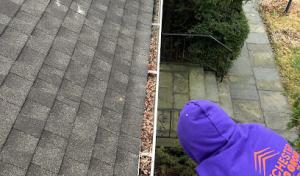
Asphalt shingles remain the broadest-fit option for the village's varied housing stock, especially where older roof geometry makes detailing and repairs more frequent. In Tarrytown, roofs often feature steep pitches or complex transitions that stress fasteners and edge details. Asphalt shingles offer a forgiving install for those shapes, with established field repair options when damage from wind-driven rain or freeze-thaw cycles occurs. When choosing this route, prioritize a reinforced underlayment and a quality self-sealing asphalt shingle designed to hold up through cold snaps and rapid temperature swings. A thoughtful installation around dormers, valleys, and chimneys helps limit ice dam formation at the eaves, where meltwater can back up behind the roof edge in winter.
Wood shakes and higher-end tile or synthetic profiles are relevant in this market because the local material mix includes cedar, clay, and concrete products rather than asphalt alone. Cedar shingles provide a traditional look that many Tarrytown homes preserve, but they demand careful maintenance to weather freeze-thaw cycles and moisture exposure near the Hudson shoreline. Clay and concrete tiles bring durability and a distinct aesthetic, yet their weight and fastening details require precise framing and deck preparation. If a cedar or tile option is chosen, plan for robust attic insulation and ventilation to reduce condensation and ice dam risk. Synthetic profiles offer a lower-maintenance path that still captures the appearance of natural materials while delivering better resistance to cracking in cold winters.
Metal roofing is a practical local option where homeowners want better snow shedding and durability against repeated freeze-thaw exposure, but detailing matters on older roof transitions. In Tarrytown's climate, metal panels can dramatically reduce ice dam buildup along eaves, especially on low-slope sections and garages that face persistent exposure to wind-driven precipitation. The key is meticulous detailing at roof-to-wall intersections, penetrations, and along valleys where old structures show irregularities. A well-sealed transition helps prevent wind-driven water intrusion and ensures that snow slides off without taking flashing with it. For homes with cedar or clay components nearby, coordinating the metal installation with existing detailing preserves curb appeal while boosting performance.
Older roofs in town often combine multiple faces and transitions, so a layered approach may be the most practical. In locations where ice damming and wind-driven rain are recurrent, a hybrid strategy-combining a durable underlayment, solid edge detailing, and a material that balances aesthetics with performance-tends to serve a long, stubborn winter. Regardless of choice, the emphasis remains on careful transitions, proper ventilation, and attention to the eaves, where meltwater first meets the cold. This local approach helps keep Tarrytown roofs resilient through harsh winters and shifting seasons.
The most popular roofing material in the US. Find pros who install, repair, and replace asphalt shingles.

Chris Craftsman Roofing & Siding
(914) 636-5950 www.chriscraftsmanroofing.com
Serving
5.0 from 47 reviews
In this village, costs are lifted by complex rooflines, dormers, chimneys, and additions common in older Westchester housing. A roof that looks straightforward from the curb often hides multiple angles, valleys, and penetrations that complicate both material handling and teardown. If your home has a steep slope or a multi-dormer design, expect higher labor time and more waste to manage. Those extra features translate into bigger job scopes and, inevitably, bigger invoices once disposal and staging come into play.
Asphalt shingles run about 450 to 900 USD per square, with the lower end for basic installations and the upper end reflecting steeper pitches or heavy underlayment. Metal roofing can range from 900 to 1800 USD per square, a choice that balloons when roof geometry demands more cuts or specialized flashing. Clay tile sits around 1500 to 3000 USD per square, which mirrors the premium you pay for durability and weight that your structure must support. Concrete tile typically runs 1200 to 2100 USD per square. Wood shingles or shakes are approximately 700 to 1500 USD per square, which can escalate if you're replacing existing rotted sheathing. Synthetic or composite shingles fall between 600 and 1200 USD per square. If your roof has multiple levels or spans, these per-square costs accumulate quickly, and you'll often see higher totals due to added edging and ventilation needs.
Tightly knit village streets and limited driveway access can push up labor hours and debris handling costs. Even small deliveries require careful planning to avoid blocking traffic or damaging landscaping, and dumpsters may need to be staged on narrow passages rather than in a yard. The result is incremental increases in crew time, transport, and disposal fees. Expect a modest premium when work zones must navigate tight spaces or maneuver around mature trees and guest parking areas.
Winter damage and storm events drive seasonal surges that tighten scheduling, especially for full tear-offs or leak-driven replacements. When the weather turns abruptly, crews may skew toward prioritizing urgent leaks over planned upgrades, extending project timelines and potentially raising short-term pricing. If you're aiming for summer or early fall windows, book ahead to lock in steadier labor availability and avoid peak-season surcharges. Plan for contingencies in case lingering ice dam issues or hidden rot are uncovered once tear-off begins.
Get a clear picture of your project costs upfront - no commitment required.
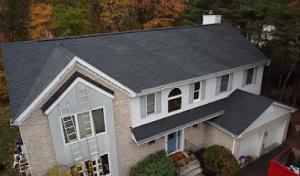
In Tarrytown, a full roof replacement typically requires a permit obtained before work begins through the local building department rather than treating the job as informal maintenance. The process is not a formality to rush through; missing permits can stall the project, trigger notices, and complicate claims after winter storms. When applying, you'll need to present scope details, materials, and a proposed timeline. Plan for staff review that may probe the impact on setbacks, access, and nearby structures. If you're replacing steep-slope sections or adding vents, specify these changes clearly, because the village tends to scrutinize work that alters drainage or the visual streetscape.
The jurisdiction generally reviews project scope and schedules inspections during and after the work, with final sign-off usually required before the permit is closed. Inspections can require access to the attic, underside of the roof deck, and any installed ice and water shield, especially where winter conditions already threaten freeze-thaw cycles. Schedule the inspections to align with key milestones-deck removal, underlayment installation, and final roof coverings. If adjustments are needed, delays can cascade into weather windows that matter for aging materials. Keep a detailed record of all inspections, confirmations, and any deviations from the approved plan to avoid last-minute disputes.
Because Westchester County houses a village-level framework, homeowners should expect village-specific administrative requirements and possible added notes on access or setbacks that can affect roofing logistics. Expect potential restrictions on ladder placement, ground protection, and access routes for material delivery. If the project touches historic-aligned streets or visually sensitive façades, the village may request additional approvals or appearance sketches. Coordinating with neighbors and the building department early helps prevent siting conflicts or punitive follow-ups once work is underway.
When a nor'easter hits and wind gusts slam your roof, insurers in this part of Westchester evaluate claims with wind, hail, and snow exposure in mind, so you need date-stamped photos and contractor findings tied to a specific weather event. A sudden attic leak after a storm is not enough on its own; tie it to the documented wind or ice event, and keep receipts from any temporary repairs. In Tarrytown, a village with steep-slope homes and mixed low-slope sections, adjusters will look at what was maintained and what failed.
Older roofs in this area may face closer scrutiny on maintenance history and prior condition, especially when adjusters are deciding between repair and full replacement. If a roof has known weak spots or prior leaks, be prepared for a thorough review. A straightforward, well-documented history helps support repair rather than replacement, but consistency matters more than a single lucky check.
Claims are stronger when homeowners document shingle type, roof age, and interior leak evidence quickly after a storm or winter ice event. Take clear date-stamped photos from multiple angles, include attic and ceiling photos showing any water marks, and obtain an independent contractor assessment that identifies wind or ice dam-related damage. Keep a running log of any freeze-thaw cycles that worsen leaks, since that pattern often shapes insurer decisions.
In this corner of Westchester, timing can influence how a claim is handled. After a storm, contact your insurer promptly, but avoid repairs before the adjuster arrives. Provide the weather event date, your contractor's findings, and any photos organized by date to support a clear timeline and minimize disputes.