
Last updated: Apr 19, 2026
Winter in this neighborhood brings repeated freeze-thaw cycles that punish flashing, especially where roofs meet chimneys, vents, and skylights. In tight attic spaces and steep pitches, water can lurk behind metal step flashing or counter flashing that has degraded over years of salt spray, wind-driven snow, and temperature swings. Each thaw followed by a cold snap can push water past seams you didn't suspect were compromised, and when that happens, a small drip can turn into a sudden interior leak after a storm. The risk is highest on roofs with older flashing that was never upgraded to modern, corrosion-resistant details, or where mortar joints around chimneys have loosened and allows meltwater to backfill joints.
What you should do: schedule a targeted inspection after the last big snow melt and after any unusually warm winter storm sequence. Focus on areas where roof planes intersect the chimney chase, where vertical vents exit, and where step flashing meets exterior siding or masonry. If you notice any rust staining, loose flashing, or stained ceiling spots near walls that interface with the roof line, treat it as a warning sign, not a cosmetic issue. When winter weather threatens again, consider a temporary protective cap on vents during storms, and plan for a flashing upgrade that uses continuous metal flashing and sealant systems designed for freeze-thaw cycles.
Older Englewood homes often blend steep sections with chimney stacks and a mix of materials-slate, tile, cedar shakes, and asphalt-creating a spiderweb of potential leak points. Valleys, in particular, are magnets for ice dams and hidden moisture. A valley with mismatched shingles or fatigued roofing cement can channel meltwater into the decking and behind flashing where it's hard to see until mold or staining appears on ceilings below. Chimneys add their own challenge: mortar joints crack with cold weather, flashing around the chimney can pull away, and flashing intersections with tile or slate can fail when snow piles up along the chimney side. When storms sweep through, wind-driven rain can ride up behind failed detailing and find its way into attic spaces via these vulnerable seams.
What you should do: map out each control point on the roof-valleys, chimney collars, pipe penetrations, and roof-to-wall transitions. Inspect for gaps in sealant, loose nails, or missing shingle end tabs near the valleys. If you see curling tiles, displaced cedar shake edges, or metal flashing that looks stretched or torn, flag it for immediate repair. For chimneys, check the step flashing at the base and the counter flashing along the chimney head. Consider upgrading to continuous flashing that reduces seams where water can intrude, and ensure that chimney cricket or saddle is properly installed to divert runoff away from the chase. In complex roofs, you may want a careful infrared scan after a thaw to identify hidden moisture pockets.
You've likely seen it: after a winter storm or a springdownattacked by wind-driven rain, leak reports flood local crews. The demand for emergency repairs and storm damage work is consistently high, and quick response can prevent interior damage from accelerating. The first 24 to 48 hours after a storm are critical to contain the problem and avoid further seepage into insulation and framing. Leaks in the attic that worsen after a storm often point to flashing failures, deteriorated valley membranes, or penetrations where sealants have dried out.
What you should do: keep a plan for rapid assessment with a trusted local contractor who understands Englewood's weather patterns and older roof assemblies. If a leak appears, document the damage with photos, identify the likely source area, and avoid heavy pounding water into the space by placing a temporary tarp or plastic barrier over the most exposed area while awaiting repair. Do not delay professional evaluation if you notice ceiling stains, mold odors, or wet insulation-these are red flags for water entry behind walls and decks.
Given Englewood's cold winters and heavy snows, proactive prevention pays off. Begin with a comprehensive seasonal inspection focusing on flashing at chimneys and penetrations, checking for rust, cracks, and sealant failure. Ensure that valleys are properly maintained and free of ice dams, and confirm that roofing materials around transitions match the age and style of the house to minimize mismatches that trap moisture. A targeted fix now-before the next big thaw-can keep a complex roofline from turning a harmless drip into a costly interior emergency. Keep access to attic spaces clear so moisture won't linger unseen, and arrange for a quick, professional response plan to cut down on storm-season downtime.
In a town with a diverse roof landscape, the housing stock supports an unusually broad material mix for one city: asphalt shingles, metal, clay tile, concrete tile, wood shingles or shakes, and slate are all active local roof types. That mix isn't just a curiosity-it affects every decision from inspection to replacement. When a single roof section needs attention, you're likely facing a blend of materials at intersections, eaves, and chimneys. The practical impact is that repairs must be planned with an eye toward continuity and future compatibility rather than a one-shot, "patch-in-a-new-shingle" approach.
Material matching matters more in Englewood than in many newer subdivisions because repairs may need to blend into older slate, tile, or cedar sections rather than replace a uniform modern shingle field. If the goal is to preserve curb appeal and avoid visible patchwork, you've got to evaluate the entire elevation and seasonal stress points. When choosing a replacement, consider not just color but profile, slope compatibility, and fastening methods that will align with the adjacent materials. For example, a slate section near a cedar area may require a compatible underlayment and a flashing plan that honors the long-term performance of both materials.
Heavy materials such as slate, clay tile, and concrete tile are part of the local market, so replacement planning often involves structural and flashing compatibility questions rather than simple tear-off decisions. Before any order is placed, verify the underlying structure can carry the weight, especially in older sections where rafter bays and support members may have settled. A careful assessment of roof-to-wall flashings, penetrations around chimneys, and any valley configurations is essential. In practice, you may find that partial reroofing with a lighter adjacent material creates fewer long-term headaches than a full-field swap if the plan is to retain an old section with historic character.
Winter conditions and freeze-thaw cycles drive the need for precise detailing at transitions between materials. Storm-driven leaks often appear first at parapets, skylines, and chimney joints where mismatched flashing or aging sealants meet new stresses. Expect that snow accumulation in older valleys or near heavy rooflines will test the integrity of both the material and the supporting structure. Proactive sealing of critical seams, proactive replacement of deteriorated step and counter-flashings, and a thoughtful approach to snow guards or edge protection can prevent small leaks from becoming larger repairs after a thaw.
Coordinate repairs in logical sequences: first address the most vulnerable connections between disparate materials, then shore up flashing and drip edges, and finally address any cosmetic mismatches in color or profile that affect long-term durability. When you're dealing with slate or clay near cedar, document every corner and junction so future crews can match or upgrade with the same level of compatibility. In this environment, the goal is seamless performance across material boundaries, not a quick cosmetic fix.
In this neighborhood, the price landscape is unusually broad because the material options run from asphalt shingles at 350 to 650 USD per square up to slate at 1900 to 3400 USD per square. That spread reflects Englewood's mix of older Bergen County homes with slate, tile, cedar, and chimney-heavy rooflines, where matching a historic look or a responsible retrofit matters as much as the roof itself. When you're budgeting, don't assume a single "typical" price tag. Your roof's final sticker will hinge on the chosen material, the existing roof's surface area, and the degree to which you're preserving or changing architectural details that affect appearance and performance.
Costs rise when the project isn't a straightforward open-roof replacement. Many older homes here require careful tear-off around chimneys, skylights, dormers, and complex geometry that includes multiple ridgelines and valleys. If the roof has slate or clay elements that must be preserved or carefully separated from new work, or if flashing around chimneys and vent stacks needs meticulous work, the labor hours will jump. In practical terms, this means your reroof could move from a simple square-by-square calculation to a more nuanced estimate that accounts for waste removal, additional flashing, and potential repairs to underlying sheathing. Expect crews to plan extra time for detailing that preserves the home's character while ensuring a weather-tight seal.
Project timing matters in this climate. Most replacements cluster from spring through fall, when after-winter damage and storm-season inspections create a surge in demand. If you're aiming to complete a project during peak months, you'll likely see higher material and labor costs or limited scheduling windows due to contractor availability. Conversely, scheduling in late shoulder seasons can yield modest savings and faster coordination, but you'll want to avoid the rush that follows a heavy snow season or a major storm. The timing choice is a meaningful driver of total cost, especially when the roof involves higher-end materials or intricate detailing around intersection points and roof penetrations.
Matching an established look if the home features slate, clay or concrete tile, or cedar shakes can influence both upfront price and long-term value. Slate and clay tile command premium pricing, but they also offer durable performance and a distinct aesthetic that many Englewood homes maintain for decades. If you've got an older roof with visible mismatches or weathering, staying with a compatible system helps prevent future water intrusion and rework. In practice, this means weighing the initial outlay against long-term maintenance costs and the home's architectural integrity, especially where chimney lines and skylights create potential leak points that are difficult to seal in future winters.
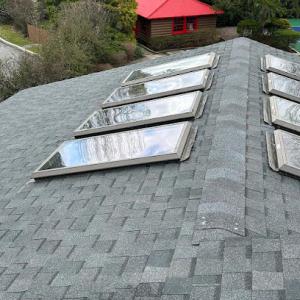
ALL PRO Roofing & Chimney Roof Repair
405 Liberty Rd, Englewood, New Jersey
5.0 from 104 reviews
All Pro Roofing and Chimney is your locally owned and operated Roofing Company in New Jersey, available now for 24/7 roof repair and Free Estimates. Our team of professionals is highly experienced and dedicated to providing exceptional services at affordable prices. We specialize in various services, including roofing, chimneys, gutters, siding, and masonry. Our team of professionals is available 24/7, ready to assist you in any way possible. Whether you need emergency repairs or scheduled maintenance, we are always available to help you. Our services are backed by years of experience and quality workmanship, ensuring that you receive the best possible service every time.
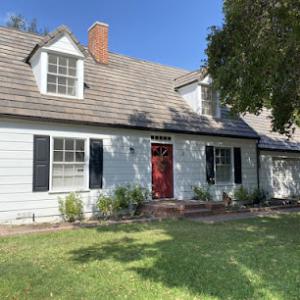
Glover & Sons Roofing
(551) 218-4401 gloverandsonsroofing.com
Serving
5.0 from 50 reviews
Glover & Sons Roofing delivers expert roofing services to homeowners and commercial clients throughout Teaneck, NJ. Our experienced team specializes in roof inspections, leak detection, shingle and tile repairs, full roof replacements, and preventative maintenance. We partner with trusted material suppliers and apply proven installation methods to ensure long-lasting, weather-resistant results. Whether you’re dealing with storm-related damage, aging roofing components, or planning a new installation, you’ll receive a clear assessment and transparent pricing. With prompt scheduling and a dedication to customer satisfaction, property owners in Teaneck trust Glover & Sons Roofing for professional, reliable roof care.
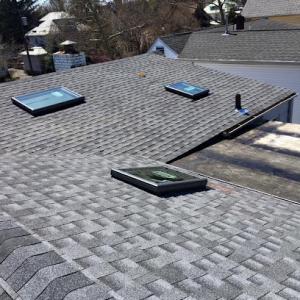
American Roof & Chimney Specialist
(201) 254-9900 americanroofingprosnj.com
Serving
4.9 from 112 reviews
American Roof & Chimney Specialist is a trusted local contractor proudly serving homeowners across New Jersey. With years of hands-on experience, we specialize in roof repair, roof replacement, chimney services, and general exterior home maintenance. Our team is dedicated to quality craftsmanship, prompt service, and honest pricing. Whether you’re dealing with a leaky roof, a damaged chimney, or need seasonal maintenance, we’re here to protect your home with reliable solutions and long-lasting results.
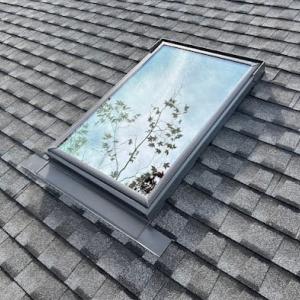
Right Service Skylight Repair & Roof Repair
(201) 771-2337 rightserviceskylightrepairandroofrepair.com
Serving
5.0 from 55 reviews
Right service skylight repair and roof repair is your trusted roofing contractor serving New Jersey and its surrounding areas. With over 25 years of experience, we specialize in Flat Roofing, Shingle Roofing, skylight repair,skylight installation, chimney repair and roof repair . Our skilled team is committed to delivering top-quality roofing solutions for residential and commercial clients. Whether you need a new roof, roof installation, roof repairs, count on Right Service Skylight Repair and Roof Repair for expert craftsmanship and unmatched reliability. Your roof is our priority, and your satisfaction is our guarantee!
Future Remodeling
(866) 267-0084 futureremodeling.com
Serving
5.0 from 120 reviews
Future Remodeling is New Jersey’s top-rated home exterior remodeler, providing expert installation and replacement of roofing, solar shingles, siding, windows, skylights, and gutters across Bergen, Essex, Hudson, Morris counties, and all of New Jersey. We make exterior remodeling simple and transparent from start to finish, with a dedicated project manager keeping you informed and communication always clear. Future Remodeling delivers the highest level of craftsmanship as a GAF Master Elite® Roofer, James Hardie Alliance Elite Contractor, and FORTIFIED™ Certified Contractor. From the first consultation to the final reveal, your project is made easy to picture—and even easier to bring to life.
Gordon Roofing
(551) 430-4321 gordonroofingbergenfield.com
Serving
5.0 from 54 reviews
Gordon Roofing delivers professional roofing services to homeowners and commercial clients throughout Bergenfield, NJ. Our skilled team specializes in roof inspections, leak repairs, shingle and tile replacement, complete roof installations, and routine maintenance. We partner with trusted material suppliers and use proven installation methods to ensure resilient, weather-resistant results. Whether you're addressing storm damage, aging roofing materials, or considering a full upgrade, you’ll receive a detailed assessment accompanied by transparent pricing. With responsive scheduling and a strong commitment to customer satisfaction, property owners in Bergenfield trust Gordon Roofing for reliable, high-quality roof care.
Focus On Construction
(201) 667-5663 www.focusonconstructionllc.com
Serving
4.9 from 57 reviews
We are a home improvement company that holds itself to a higher standard and never waivers from its commitment to excellence. Here at Focus On Construction we are 100% committed to providing you with the best experience for a wide variety of services from start to finish. We, as a company, believe in delivering services that are: Professional in nature Made with excellent craftsmanship Backed up by a warranty Seamless and hassle free In line with the New Jersey building codes When taken all together, these, undeniably, make us a trustworthy choice for your home improvement needs.

Dior Construction
(866) 954-3975 www.diorconstruction.com
Serving
4.7 from 274 reviews
Dior Construction has been in business since 2010, providing New Jersey residential and commercial property owners with top-notch products and services to address their particular roofing, siding, window, and gutter needs. We believe in putting our customers first so we offer quality workmanship at affordable prices while ensuring they are fully educated about the options available to them. As a roofing company, Dior Construction began as an effort to bring quality workmanship to homeowners and commercial property owners at affordable prices. It’s not uncommon for many contractors to offer just either one or the other today and we wanted to change that. With Dior Construction, you won’t have to make a compromise because you can have both!
Skyline Construction Group
(201) 989-6560 www.skylineconstructiongrp.com
Serving
4.9 from 89 reviews
Welcome to Skyline Construction Group, your trusted renovation contractor in Fort Lee, NJ. With over 15 years of experience in residential and commercial construction, we specialize in roofing, siding, chimneys, masonry, gutters, skylights, and more. Our licensed team delivers high-quality installation, repair, and maintenance services with precision, integrity, and efficiency. We proudly serve Bergen, Morris, Passaic, and Middlesex counties in New Jersey. Your property is your greatest investment—let us help protect and enhance it. Contact us today for a free estimate!

OTR Home Improvement
(201) 600-6036 otr-roofing-new-jersey.com
Serving
4.8 from 47 reviews
You know that intimidating moment when you realize you are going to need a roof repair or possibly a whole new roof? There is no need to be filled with fear, sadness, and hesitation. You clearly have an honest roofer available at your service with many years of asphalt shingle and flat roof experience, here locally, in Cliffside Park, NJ. This group has been in the area for many decades. The owner personally trains each roofer himself to share his knowledge with everyone. This family owned business is doing things the most honest, upfront, thoughtful, and helpful way! When a company is this confident in their abilities, it makes you feel more at ease. Thankfully, they wholeheartedly stand behind their efforts. Call Today free estimates.

1Call Restore
(201) 875-2700 1callrestore.com
Serving
5.0 from 58 reviews
1Call Restore, is a team of dedicated, certified professional commercial roofing and exterior contractors servicing Northern and Central NJ, with over 33 years of industry experience and excellence. We specialize in the repair, maintenance and restoration of commercial, multi-family, industrial, institutional, church, synagogue and residential properties. We show our clients ways they can restore their property's exteriors, including but not limited to flat roofs, shingle roofs, slate roofs, tile roofs, stucco, masonry, brick, facades, siding, etc. We will meet with you to evaluate your situation and design a customized proposal to fit your budget. When working with 1Call Restore, you're partnering with industry experts who care!
Right Service Roof Repair & Roof Installation NJ
(201) 456-6461 rightserviceroofing.com
Serving
5.0 from 259 reviews
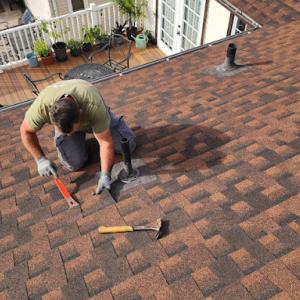
Right Service Roofing and Chimney is a Family Owned and Operated Roofing Company proudly servicing your area for over 15 years with professional and affordable residential and commercial Roofing, Chimney, Skylights, Gutters, Siding, Masonry services , commercial roofing installation and flat roof leak repair and residential roofing, installation and leak repair To slate roof leak repair, flat Roof leak repair, skylight replacement, Gutter Repair, Chimney leak repair, Siding repair, animal roof damaged repair. FREE Estimate. Local roofers near me We are licensed and insured.
In Englewood, a full roof replacement is treated like a formal project rather than casual maintenance. The city's Building Department requires a permit, and that process starts with plan review before any work begins. This isn't something that can be handled on the fly between weekends and weather-missing a step here can stall your project for weeks and complicate any later claim or warranty. The plan review looks at roof shape, materials, flashing around chimneys and dormers, and how the new roof will work with existing gutters and ventilation. The review helps prevent leaks down the line, especially in the snow-rich winters typical of the area.
After the plan is approved, work proceeds in stages with on-site inspections at key milestones. The inspector will want to see the underlayment, flashing details around complicated rooflines, and a sample of the chosen material in place before the rest is installed. A final inspection closes the permit and confirms that the project meets code and the agreed plan. Delays at any milestone aren't just minor hold-ups; they can mean re-doing work or extra visits, which affect timelines and access to the home for neighbors and the street.
Because permit closure hinges on the final inspection, you must ensure that the contractor-not just the crew-handles scheduling and sign-off with the city. A contractor who treats the permit as a paperwork hurdle instead of a formal workflow risks missed inspections or non-compliance notices. When you interview firms, ask specifically who will coordinate the plan review, attend the required on-site inspections, and accompany the final sign-off. In older, complex rooflines with chimney work and varied materials, a project manager who understands Englewood's standards can save countless headaches.
On completion, the final inspection verifies that the roof, flashing, and waterproofing align with the approved plan and the city's codes. If anything is flagged, addressing it promptly is essential; neglecting a correction can delay permit closure and warranty coverage. Keep a clear record of all inspection dates and correspondence so that you, and any future buyer, understand how the project met Englewood's requirements and how the roof will perform through freeze-thaw cycles and winter storms.
In this market, insurers commonly require a thorough, claim-ready packet after roof damage. You should be prepared to supply replacement estimates, material specifications, and proof of proper underlayment and flashing. The local climate-cold winters, freeze-thaw cycles, and spring moisture-means insurers expect details that demonstrate a durable, code-compliant restoration. Missing or vague documentation can slow the claim or invite disputes over coverage for repair versus replacement. Take exact notes on what failed and why, and preserve product datasheets and installation tech sheets from the chosen materials.
Wind and hail endorsements can materially affect premiums and claim outcomes. In Englewood, spring storms and hail events are part of the local risk pattern, so discussions about coverage during the constancy of a storm season matter. When reviewing policy language, verify whether your policy includes broad coverage for wind-driven leakage, hail damage to underlayment, and replacement of flashing components. A policy that does not clearly address these scenarios can complicate a claim after a weather event, even if the visible damage looks straightforward.
The presence of many local contractors advertising storm damage and insurance-claim help suggests homeowners here frequently need support assembling claim-ready roof documentation. It is common to encounter firms that push expedited repairs or quick-scoping estimates that omit critical details. Use caution around high-pressure timelines and ensure any third-party estimator provides an itemized breakdown aligned with actual materials used and installed. Favor reputable, locally known firms who can stand behind their documentation with manufacturer specifications and installation notes.
Your claim packet should tell a clear, defensible story to the insurer. Start with a concise summary of observed damage, then attach dated photos from multiple angles, a complete material specification list, and installation details that match the product's requirements for underlayment and flashing. If your roof line includes chimneys or transitions to slate, tile, or cedar, include schematics or photographs that highlight flashing steps and flashing material types. This precise, organized approach reduces back-and-forth and helps ensure the claim proceeds without unnecessary delays.
Connect with contractors who help homeowners navigate the claims process from damage assessment to final approval.
Prestige Works Roofing & Siding
(201) 801-3616 prestigeworksroofing.com
Serving
4.9 from 337 reviews
Top Pro Roofing & Construction
(551) 248-2579 www.topproconstructionllc.com
Serving
4.5 from 139 reviews
Flat-roof specialization is notably active in the Englewood market, indicating a meaningful share of local homes, additions, porches, and mixed-use buildings have low-slope sections that need different detailing than pitched roofs. This mix affects how water behaves after storms and how edges and joints age. When assessing a flat area, map every transition from low-slope to existing pitched sections, because those junctions are the first place leaks show up after a freeze-thaw cycle or a heavy snow melt.
Englewood's winter snow and summer humidity make drainage, seam integrity, and ponding control especially important on low-slope roof areas. Pay attention to collected water and debris in scuppers, gutters, and interior outlets. If water sits longer than 48 hours after a storm, inspect for sags or blocked drainage paths. In attic or crawlspace checks, look for damp insulation near flat sections, since moisture that lingers here often signals a slow-bleed leak rather than a sudden failure.
Low-slope sections tied into older pitched roofs are a common weak point in leak investigations because transitions, parapet edges, and wall flashings age differently than the main roof. Inspect the perimeter flashing where the flat meets the parapet and where it ties into vertical walls. Check for seam sealants that have cracked or lifted, and for any voids behind counter-flashings. Small gaps here become pathways for cold air, snow melt, and rain to force water under roofing layers during thaw cycles or a summer downpour.
When chasing a leak on a low-slope area, start at the highest point of the flat roof and work downhill toward any penetrations, drains, or exhaust terminations. Use a bin system for every suspect seam or flashing, noting whether moisture is present on the surface or behind the flashing. In winter, inspect after a thaw and again after a fresh snowfall; in summer, target periods of high humidity when condensate can travel along seams. Keep a simple visual log to identify recurring trouble spots and prioritize those first during maintenance.
Find specialists in TPO, EPDM, and built-up flat roofing systems for residential and commercial properties.
Right Service Skylight Repair & Roof Repair
(201) 771-2337 rightserviceskylightrepairandroofrepair.com
Serving
5.0 from 55 reviews
Skyline Construction Group
(201) 989-6560 www.skylineconstructiongrp.com
Serving
4.9 from 89 reviews

In Englewood's older housing stock, roofs meet chimneys and masonry intersections in ways that invite leaks, especially after heavy snows and thaw cycles. When planning repairs or replacements, prioritize the joint where brick, mortar, and roofing meet. Chimney-related work is highly prevalent in the local contractor market, so expect multiple penetrations and flashing details at those intersections. A careful inspection should focus on step flashing, counter flashing, and the interface between chimney crown and roofing material. If a leak tracks down to the brickwork, the issue is often not the shingle itself but the masonry interface, plus any cracked flashing that allows meltwater to migrate behind the siding and into the attic.
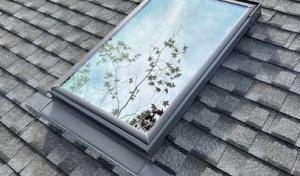
Skylight service is common locally, and skylight failures often masquerade as a shingle problem. Treat skylight curbs and flashing as a separate inspection item rather than assuming the surrounding shingles tell the whole story. Look for step flashing gaps, loose curb nails, and degraded sealant around the flashing flange. In dense neighborhoods, a small misalignment or compression at the curb can channel water toward interior spaces during freeze-thaw cycles. If a skylight is integrated with an upper-level addition, verify that the flashing is continuous across any intersecting roof planes and that any expansion joints remain unblocked by debris or ice dam drainage paths.
Cleanup matters in Englewood's dense residential setting because debris control, driveway protection, and magnetic nail sweeps are more noticeable on tighter suburban lots than on large rural properties. When work begins, lay down tarps or boards to shield driveways and sidewalks from shingle granules, mortar chips, and lifted nails. Use a magnet sweep along the roof edge and near the gutter line after any activity that disturbs roofing material. Keep a dedicated bin for waste so loose debris doesn't migrate into neighboring yards or down the street during a wind-driven storm. After completion, perform a final wipe-down of the roof edge and around any protrusions to minimize grit that could seed ice formation along the eaves.
Find contractors experienced in skylight installation, flashing, and leak repairs to bring natural light into your home.
Right Service Skylight Repair & Roof Repair
(201) 771-2337 rightserviceskylightrepairandroofrepair.com
Serving
5.0 from 55 reviews
Skyline Construction Group
(201) 989-6560 www.skylineconstructiongrp.com
Serving
4.9 from 89 reviews