
Last updated: Apr 19, 2026
Scarsdale sits in southern Westchester, where winter temperature swings around freezing create repeated expansion and contraction at flashing, exposed fasteners, and shingle tabs. That cycle wears seam seals and can loosen metal edging just enough to invite small leaks that worsen after a few freeze-thaw cycles. On older steep-slope roofs, those micro-movements show up first as hairline cracks along step flashing, end-channel laps, and around the chimneys where masonry bonds meet asphalt or composite coverings. The result is not a single dramatic failure but a slow, creeping vulnerability that favors the upper portions of the roof where shading and wind exposure are strongest.
The village's mature tree canopy compounds the risk. Leaf-heavy falls clog gutters and valleys, forcing water to back up at the eaves and around penetrations. Valley backups are particularly problematic on homes with complex rooflines, where multiple planes meet and drainage paths narrow. When water sits in a clogged valley or spills over a clogged gutter, it can back up into low-lying flashing and trickle into attic spaces through barely perceptible gaps. Keeping a clear, gravity-driven flow from gutter to downspout is a practical first line of defense.
Chimney intersections merit special attention. In this market, chimney-related work is common because many Scarsdale homes pair masonry chimneys with older steep-slope roofing systems. The combination creates a crowded junction where brick, mortar, metal flashings, and shingles converge. If flashing around a chimney is even a few degrees off or the mortar between bricks has softened in winter dampness, water will find a path along the flashing and into the roof edge. Regular checks there-especially after heavy snows or thaw cycles-can prevent small leaks from turning into attic-damaging water intrusion.
1) Start at the ridge and eaves. From a ladder or safe rooftop access, scan for lifted shingle tabs, loose edge metal, and any cracks along the sealant lines at rakes and hips. On steep slopes, keep a careful eye on the edge flashing where it meets underlayment; the most subtle movement can open a seam after a freeze-thaw night.
2) Inspect flashing around penetrations. Look closely at vent pipes, plumbing stacks, and the chimney chase. Note any rust, corrosion, or gaps where metal flashing has pulled away from the roof deck. Even small gaps can become major leaks after a hard freeze followed by a sudden warm day.
3) Check chimney-to-roof interfaces. Examine both the mortar crown and the metal step flashing that ties into the roof. If you see pooling water on the brick face near the chimney or dark staining along the flashing, plan for a professional assessment. When repairs are done, ensure the flashing is integrated with both the roof underlayment and the chimney's masonry work to resist future movement.
4) Examine gutters and downspouts. Clear debris that has built up near the fascia and at gutter elbows. Look for sagging sections that hold water instead of letting it drain away. In autumn, gutters can fill quickly with leaves; in late winter, ice damming can form where blocked water refreezes at the gutter line.
5) Assess valleys with a critical eye. Valleys collect runoff from multiple planes and are common failure points on older two- or three-plane roofs. Confirm that valley metal is intact, that there are no punctures from fallen branches, and that the underlayment beneath valley membranes remains continuous without gaps.
The combination of steep slopes, mature trees, and masonry chimneys makes Scarsdale homes uniquely prone to drainage and flashing vulnerabilities. By focusing on flashing integrity at chimney intersections, maintaining clear drainage paths, and performing targeted valley checks after freeze-thaw cycles, homeowners build a resilient roof that stands up to the winter rhythm of this neighborhood. A disciplined, seasonal inspection routine will catch small issues before they become larger, costlier repairs.
Spring storm activity in Westchester raises the risk of wind-driven leaks and impact damage, especially on the steep architectural roofs and tall chimneys that characterize Scarsdale homes. After a storm, rapid temporary protection is non-negotiable to keep water from spreading into finished attics, plaster ceilings, and upper-story living spaces. You need a clear plan: if shingles are torn or flashing is knocked loose, board up openings, place heavy-duty tarps over vulnerable valleys, and secure temporary edge protection to minimize wind lift. In a neighborhood where roofs are visible and high-value, decisive action preserves interior finishes and reduces secondary damage.
New York insurance claims commonly depend on dated photos, prior roof condition records, and contractor documentation, making immediate post-storm photo capture essential. Immediately photograph all affected areas from multiple angles, focusing on shingles or tiles displaced, flashing gaps around chimneys and vent stacks, and any signs of water intrusion in attics or ceilings. Keep a simple damage timeline: timestamped images before and after temporary repairs, notes on weather conditions, and names of any contractors called for emergency work. This market rewards prompt, thorough documentation, so you can communicate clearly with adjusters and avoid disputes about pre-existing conditions.
Older, steep-slope roofs in Scarsdale demand extra vigilance for freeze-thaw cycles that stress flashing, drainage, and roof-to-wall transitions. After a storm, check for ice dam buildup at eaves and near soffits, and verify that drainage paths remain clear of leaves and debris. If temporary protection is needed, avoid delaying the installation of a proper protective barrier: a well-sealed tarp secured over the entire roof plane should extend past problem areas to prevent wind-driven leaks. Pay special attention to chimneys, vent flashings, and valley intersections, where water tends to intrude first and where plaster ceilings and finished attic spaces can fail quickly. When scheduling repairs, prioritize systems that restore both weather resistance and long-term drainage performance, since recurring moisture in these spaces compounds interior damage and can complicate later insurance settlements.
Find local contractors experienced in assessing and restoring roofs after hail, wind, and severe weather events.
American Quality Contractor
(914) 608-4499 americanqualitycontractor.com
Serving
5.0 from 22 reviews

Towers Roofing of White Plains
(914) 293-4364 towersroofingwhiteplains.xyz
Serving
4.9 from 14 reviews
6D Roofing & Chimney Repair
(914) 688-2332 6dconstructiongroup.com
10 Church Ln, Scarsdale, New York
5.0 from 23 reviews
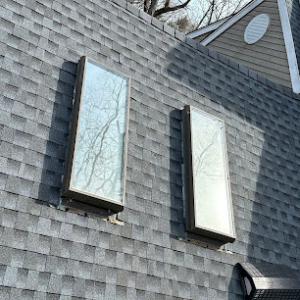
6D Construction dba 6D Roofing and Chimney Repair is your local residential and commercial roofing service company specializing in repairs, installation, and replacement of roofs, chimneys, gutters, skylights, and siding. Whether you have a roof leak or need a new roof installation, you can count on 6D Roofing and Chimney Repair for professional service at an affordable price.
Unified Home Remodeling
(914) 358-9650 www.unifiedhomeremodeling.com
757 Central Park Ave, Scarsdale, New York
4.5 from 42 reviews
OPEN BY APPOINTMENT 7 DAYS A WEEK! Call 888-631-2131 to schedule an Appointment with our Home Remodeling Experts to meet you at this showroom at a time & date that works for you! Unified Home Remodeling’s Scarsdale, NY location at 757 Central Park Ave serves Scarsdale and Westchester County with exterior upgrades backed by three generations of experience. We deliver roofing, siding, windows, doors, masonry, gutters, decking, insulation, and more—using top brands like Andersen, Owens Corning, CertainTeed, ProVia, and GAF. As a family-owned and BBB A+ rated contractor since 1989, we’ve completed over 350,000 jobs with a 99.6% customer satisfaction rating. Fully licensed, insured, and factory certified, we offer lifetime warranties!
Segelman Shaw Roofing, Siding & Gutters
(914) 874-1197 letsroofwestchester.com
656 Central Park Ave #103, Scarsdale, New York
4.6 from 13 reviews
Segelman Shaw Roofing, Siding & Gutters is a roofing contractor servicing Westchester County NY. We’ve been the local roofer here for over twenty years. We’ve installed new roofs on hundreds of houses and provided roof repair services on thousands more. In addition to years of experience in Siding , Decking and Exterior Home Improvement. From gutter cleaning to chimney repairs to roof repairs and new siding installs, we help protect your home and family. We are the most trusted and reputable roofing company in the area since 1998. Speak to one of our home services professionals today!
DHA Construction
(917) 557-8644 dha-construction.com
Serving
5.0 from 76 reviews
Welcome to DHA Construction, your local construction, roofing, and painting company based in Greenville, New York. We know choosing a roofing and building contractor is a tough job. We are here to help make it easier! DHA Construction has been providing roof installations and roof repairs in the Bronx, NY area since 2010. With each new project, whether residential or commercial, we strive to provide professional, timely service at a fair price. What's more, we offer a variety of exterior home improvement services to keep your home looking its best, including interior painting, exterior painting, and masonry services. We are licensed and insured with competitive pricing.
Hudson Exteriors
(845) 314-1970 hudsonexteriors.com
Serving
4.9 from 52 reviews
We specialize in professional roofing and siding solutions across Hudson Valley in Westchester County and Fairfield County. Whether you need a roof repair, a full roof replacement, or new siding installation, Hudson Exteriors is your local roofing company you can trust. We offer certified craftsmanship, competitive pricing, and lasting results for residential and commercial properties.
Uzma General Contractors | Yonkers Roofing Contractors
(347) 280-4937 www.uzmacontractinggroup.com
Serving
4.9 from 115 reviews
Uzma General Contractors is a premier construction company serving Yonkers, NY, and the surrounding areas. Specializing in roofing, masonry, concrete, and waterproofing services, we provide expert craft skills tailored to your needs. As trusted Yonkers Roofing Contractors, we ensure your home or business has a durable, long-lasting roof. Our skilled General Contractors manage every project with precision, from start to finish. We also offer high-quality masonry and concrete work to enhance your property's value and strength. Additionally, our waterproofing services protect your investment from water damage. Count on Uzma General Contractors for reliable, professional construction services.
Expert Roofing of Westchester
(914) 446-3072 expertroofingwestchester.com
Serving
4.9 from 328 reviews
Expert Roofing of Westchester offers professional commercial and residential roofing in Westchester County, NY. With over 20 years of trusted experience, we serve homeowners and businesses with reliable, long-lasting roofing solutions. As a licensed and insured contractor, we handle everything from roof installation, roof replacement, and roof leak repair to siding, chimney, masonry, and gutter work. Our crews are also available 24/7 for emergency roofing repairs. Every project includes written estimates, clean workmanship, and a 10-year limited warranty. Choose Expert Roofing of Westchester for dependable service, quality materials, and craftsmanship built to last. Get a free estimate today.
American Quality Contractor
(914) 608-4499 americanqualitycontractor.com
Serving
5.0 from 22 reviews
American Quality Contractor is a leading roofing company dedicated to providing exceptional services and superior craftsmanship. With years of experience in the industry, we specialize in delivering top-notch roofing solutions that prioritize durability, aesthetics, and customer satisfaction. Our skilled team of professionals employs advanced techniques and premium materials to ensure every project exceeds expectations. From installations and repairs to inspections and maintenance, we are committed to delivering unmatched quality and reliability. Trust American Quality Contractor for all your roofing needs and experience excellence that stands the test of time.
Kael Contracting
(914) 632-3089 www.kaelcontractingcorp.com
Serving
5.0 from 12 reviews
Roofing Specialists Serving Westchester, NY and South Connecticut for over 15 years! New Roofs Leak Repairs Gutters Chimney Flashings Powerwashing and more!
A&GJ Construction
(347) 797-9759 agj-construction.com
Serving
5.0 from 57 reviews
A&GJ Construction with long experience in Westchester County, New York has been providing full-services regarding home construction . We that can help you to update the look of your home, all while increasing your property value. Our team is specialized in Roofing repair and new installation as well. We offer many different services that include kitchen and bathroom remodeling at affordable prices.
Delta Roofing Westchester
(914) 229-9777 deltaroofingwestchester.com
Serving
4.9 from 63 reviews
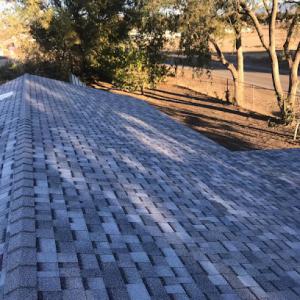
Delta Roofing Westchester is your reliable roofing contractor, proudly serving residential and commercial clients across Westchester, NY. We specialize in roof repairs, installations, maintenance, and cleaning services, offering high-quality solutions tailored to your needs. Our fully licensed and experienced team provides expert roof inspections, leak repairs, and complete roof replacements. Whether you need a new roof installation or routine maintenance, we use top-grade materials to ensure durability and long-lasting results. Serving Westchester and surrounding areas, we are committed to providing professional roofing services with exceptional customer satisfaction. Solve Roof Issues Now by Calling Our Experts!
Towers Roofing of White Plains
(914) 293-4364 towersroofingwhiteplains.xyz
Serving
4.9 from 14 reviews
Towers Roofing of White Plains is a premier roofing contractor based in White Plains, New York, proudly serving homeowners and businesses throughout Westchester County. We specialize in Roof Replacement, Roof Repair, New Roof Installation, Roof Inspection, and Emergency Roof Repair. Whether you're dealing with storm damage, aging shingles, or building a new home, our skilled team delivers high-quality craftsmanship and dependable service on every project. At Towers Roofing of White Plains, we’re committed to protecting your property with durable roofing solutions tailored to your needs. Contact us today for expert service, fast response times, and trusted local experience.
In this village, many homes feature steep architectural roofs and chimneys that demand precise detailing. The climate in our area cycles between freezing nights and thawing days, which punishes flashing, drainage, and premium roof systems when water can't escape quickly. The effectiveness of any roof in this environment hinges on a combination of material performance and how well the detailing around dormers, valleys, skylights, and chimney penetrations is executed. A roof that sheds water cleanly through a well-graded drainage plan will resist the common trouble spots created by shade from mature trees and persistent wet leaves in autumn.
Scarsdale's housing stock supports a wider mix of premium steep-slope materials than many nearby markets, including asphalt shingles, metal, clay tile, concrete tile, wood shakes, and synthetic composites. Each option has a distinct interaction with the local conditions. Asphalt shingles offer broad versatility and easier repair access on older homes, while metal brings longevity and a striking contrast to traditional facades. Clay and concrete tiles can handle the seasonal moisture well, provided the underlayment and fasteners are chosen for cold climates and the roof's load paths are carefully reviewed. Wood shakes and shingles provide a classic look but demand extra attention to moisture management, as shade from oaks and maples can slow drying and encourage moss growth. Synthetic composites can mimic the traditional appearances while delivering improved moisture resistance and lower maintenance in the long run.
Wood remains a familiar choice for homes aiming to preserve a Westchester character. However, damp, shaded sections-common under deep eaves and near mature canopy-can trap moisture. In Scarsdale, where moss and mildew can take hold, these roofs require meticulous surface maintenance and proactive moss control strategies. When choosing wood, focus on species with natural decay resistance, and plan for an annual inspection to catch fastener corrosion or sealant degradation before leaks develop. If you prefer the warm texture of wood on the top of a dormered wing, ensure the flashing transitions around chimneys and skylights are reinforced to resist periodic ice damming.
Tile and metal systems can perform well here, but their detailing matters on older homes with dormers, valleys, skylights, and chimney penetrations that complicate replacement work. Tile flats and profiles must align with existing ridge and drip edges to maintain a continuous drainage plane. Metal roofs excel at shedding snow and ice when installed with appropriate batten spacing and sealant over penetrations; in older homes, the transition between retrofitted roofs and original chimneys or dormers should be sealed so that ice dam formation cannot push water behind the cladding. In both materials, the quality of underlayment and the precision of valley channels influence long-term performance far more than the surface material alone.
Regardless of the chosen material, a deliberate approach to drainage and flashing is essential. Scarsdale's combination of steep slopes and dense landscaping increases the risk of clogging and slow drainage. Ensure gutters are sized for peak leaf load and that downspout risers direct water well away from the foundation. Flashing around chimneys, skylights, and transitions to dormers should be continuous and mechanically secured to resist wind-driven rain and freeze-thaw stresses. A thorough assessment of these details during installation or replacement will offer the greatest defense against recurring freeze-thaw damage and drainage failures on older, steeper roofs.
In this village, roof replacement costs are rarely a straight per-square quote. The geometry of older homes with steep pitches, complicated ridge lines, and multiple chimneys drives labor time up and increases the amount of materials needed. Protecting landscaping and ensuring a meticulous cleanup on high-end properties adds to the bill. Drainage work is especially critical, since freeze-thaw cycles along with leaf debris can clog vents and scuppers if not addressed during replacement. All told, expect the price to reflect both the premium on skilled labor for complex rooflines and the thorough site protection that upscale homes require.
The local material mix includes premium options that push the cost spread above markets dominated by basic asphalt. Asphalt shingles remain the most economical starting point, but Scarsdale homeowners frequently choose metal, clay tile, concrete tile, wood shakes, or synthetic options for longevity and curb appeal. In practical terms, metal roofing here can run from the mid to upper range, with tiles and wood shakes commanding higher figures because of weight, installation complexity, and long-term performance. Synthetic shingles sit between asphalt and premium organic options, offering reduced weight and favorable maintenance profiles. The table below captures the general ranges you'll encounter in Scarsdale when planning a full replacement:
Begin with a material choice that matches your roof geometry and the village's expectations for long-term drainage. If a chimney flashing update is required, budget additional hours and materials for accurate flashing integration and sealant work around tall chimney stacks. Because lead times and scheduling tend to be influenced by the weather and the inspection cadence for high-end homes, align your replacement window with the typically dry, less windy months to minimize disruption and risk of wind-driven debris during work. Finally, insist on a thorough protection plan for planting beds and mature landscaping, plus a post-project cleanup that leaves no shingle fragments on lawn or garden beds.
Get a clear picture of your project costs upfront - no commitment required.
Expert Roofing of Westchester
(914) 446-3072 expertroofingwestchester.com
Serving
4.9 from 328 reviews
In Scarsdale, you cannot simply peel off shingles and push new ones back on without formal approval. A building permit is required for re-roofing, and contractors typically submit plans to the village Building Department before any work starts. The process is not a courtesy; it's a safeguard for the steep, high-value roofs that dominate the village's character. Expect detailed plan reviews that focus on drainage, flashing at chimneys and valleys, and how the new material will perform in the local freeze-thaw cycle. Without a complete permit package, progress can stall quickly, and delays compound exposure to winter conditions.
Inspection scheduling is a normal part of the local process during and after roofing work. You will encounter inspections at key milestones, such as framing checks if any structural work is involved, and especially for the roof deck and installed flashing details. The final release hinges on passing inspection, not merely finishing installation. If inspectors flag any issues-improper flashing, inadequate underlayment, or drainage problems-revisions must be made and re-inspected. This isn't about red tape for its own sake; it's about ensuring the roof will weather Scarsdale's heavy leaf loads, wind, and freeze-thaw cycles without early failures.
Because permit approval is tied to code compliance, homeowners should expect more formal documentation and sequencing than in jurisdictions where simple tear-off and replacement can proceed with less oversight. The village expects a coherent sequence: approved plans, material specifications, and a clear schedule connected to weather windows. Any deviations from the approved plan often require amendments and re-approvals, which can extend timelines and affect project coordination with other trades. A well-organized contractor will pre-empt questions with drawn elevations, flashing details, and drainage plans that anticipate potential problem areas on older, steep-slope roofs.
Coordinate communication between your contractor and the Building Department early to avoid bottlenecks. Have a clearly defined sequence for tear-off, deck replacement if needed, underlayment, and flashing installation, with documented acceptance criteria for each stage. Keep copies of all permits, plan revisions, and inspection notices readily accessible. After work completes, maintain a record of final inspection acceptance and any follow-up maintenance recommendations, since periodic checks can help catch drainage or flashing issues before they become costly repairs. In a town with steep roofs and dense tree cover, this level of coordination can save you significant downtime and ensure a durable roof.
In Scarsdale, carriers commonly ask for evidence of prior roof condition and weather exposure, so homeowners benefit from keeping dated inspection photos before storm season. A simple library of images showing overall roof health, flashing around chimneys, valley intersections, and drainage outlets can make a big difference when adjusters review a claim after heavy leaves, thaw cycles, or spring storms. Missing or unclear photos can prompt questions that slow claims or reduce recoveries, especially on older steep-slope roofs where freeze-thaw damage may mimic sudden storms.
Adjusters in this region may request detailed contractor information and photo sets, which makes thorough documentation especially important when leaks appear after spring storms or winter ice events. Gather consecutive-year photos from different angles, plus dated notes on weather conditions and any observed drainage issues. Keep a current contact sheet for your roofer, including license details, service history, and any seasonal preventive work you've completed. Store everything in a clearly labeled digital folder and back it up in the cloud so a file is never lost in a surge of storm activity.
Coverage outcomes can vary significantly by carrier and policy language, so homeowners should not assume that age-related deterioration from freeze-thaw or deferred maintenance will be treated the same as sudden storm damage. When leaks appear after a harsh winter or heavy spring rainfall, differentiate between pre-existing wear and new damage with timestamped photos and written notes from your contractor. If gaps exist in the record, consider a short, neutral summary that outlines the roof's age, known vulnerabilities (such as steep slopes or chimney flashings), and prior maintenance. Clear, well-documented files help adjusters assess cause and extent without unnecessary delays.
Connect with contractors who help homeowners navigate the claims process from damage assessment to final approval.
Expert Roofing of Westchester
(914) 446-3072 expertroofingwestchester.com
Serving
4.9 from 328 reviews
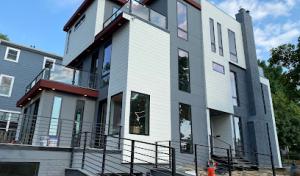
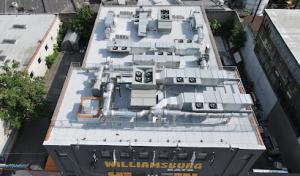
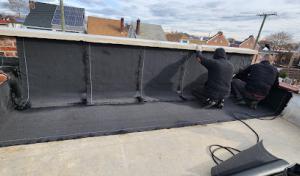
Flat-roof and skylight specialties are notably active in this market, reflecting the number of homes and additions that blend low-slope sections with glazed roof penetrations. In Scarsdale, careful detailing matters because a small perimeter issue on a flat section can travel to a higher-value interior space if drainage isn't working as it should. The climate adds a layer of urgency: freeze-thaw cycles push water into seams, and old materials tend to age unevenly where two roof types meet.
On older homes, the transition where a flat or low-slope area ties into a steep roof is a frequent trouble zone. Moisture can stand gently in the corner joints, while seam stress grows as temperatures swing. Start with a dry-weather inspection that traces sealant lines, counterflashing, and edge drainage. Pay close attention to drip edges and scuppers, especially where additions have altered the original roof line. If you detect any small pooling after a storm, treat it as a red flag and schedule a targeted evaluation of the transition detail.
Skylights often become recurring interior leaks because leaf debris, winter ice, and complex flashing interact at the perimeter. In this market, inspect skylight fasteners, glazing seals, and the surrounding flashings every season. Leaves in the curb or ribbed flashing can trap moisture and accelerate sealing failures. If the skylight sits near a valley or close to a sidewall, verify flashing continuity along both planes and ensure any curb flashing is continuous and well-sealed to the surrounding deck. Consider upgrading to a curb with a dedicated drainage path and a flashing plan that accommodates seasonal debris buildup.
Create a twice-yearly scan routine for flat sections: test drainage, inspect for efflorescence or staining, and verify seam sealant integrity. When you notice irregular moisture patterns around a flat-to-steep transition, bring in a roofer who specializes in low-slope systems to rework seam connections and improve surface drainage. For skylights, keep surrounding debris cleared and request periodic resealing of perimeter joints, especially after heavy leaves fall in autumn. In Scarsdale, timely attention to these details preserves warmth, dryness, and the home's overall comfort through the winter months.
Find specialists in TPO, EPDM, and built-up flat roofing systems for residential and commercial properties.
B&W Group Inc. Roofing & Solar
(914) 403-6752 www.roofingwestchesterny-hq.com
Serving
4.9 from 37 reviews
Late spring and early fall are the preferred replacement windows for steep, high-value homes with chimneys and intricate rooflines. They strike a balance between Westchester's winter freeze-thaw cycles and the humidity and heat peaks of summer, helping sealants and underlayments cure properly and minimizing weather-related delays. Scheduling in these windows also aligns with optimal working conditions for long-lasting drainage upgrades and proper flashing detail work along valleys, hips, and chimney boots.
Winter weather in this area tends to disrupt full roof replacements more than any other season. Snow loads, ice dam concerns, and cold-weather sealing issues can complicate sequencing and material handling. If a failure occurs during winter, the priority is stabilization: temporary coverings, ice dam mitigation if safe, and securing vulnerable flashing. Full replacement should be postponed to a stretch with milder conditions, preferably the late spring or early fall windows already noted.
Autumn timing requires extra attention to leaf management and gutter clearing in tree-lined neighborhoods. Leaves quickly congest downspouts and fascia gutters, and a rushed clearance can overwhelm newly installed drainage components. Plan for thorough gutter, downspout, and roof debris removal just before the project begins, and designate a post-installment maintenance period to keep drainage paths clear through leaf season. Building in accessible cleanouts and testing drainage can prevent slow water retention that accelerates wear on steep pitches.
Older homes with steep slopes, multiple chimneys, and complex eave lines demand careful coordination of flashing, ventilation, and attic sealing. If there are known issues with ridge vent performance or chimney step flashing, align the replacement schedule to allow precise detailing in these zones. Weatherproofing should prioritize continuous dry-weather installation, especially across valley intersections and at roof-to-wall transitions where freeze-thaw damage tends to initiate.
If a roof shows persistent, recurrent leaks after repairs, widespread loss of granules on shingles, or visible soft spots on slopes, use the calm, dry windows described above to complete a full replacement rather than piecemeal fixes. For homes with historical detailing, ensure the schedule accommodates careful restoration of ornamental features and adherence to any village-era roofline expectations.
In this market, the best payoff comes from choosing a contractor who treats your roof like a year-round concern rather than a quick sprint between projects. Prioritize teams known for rapid response times, meticulous cleanup, and proven re-roofing experience on high-value, steep-slope homes with complex profiles. The typical Scarsdale job features chimneys, tall ridges, and delicate masonry transitions, so look for crews that can demonstrate a track record with roof-to-chimney flashing, cap flashing around stacks, and masonry-adjacent detailing without compromising the roof surface.
When you call, ask for recent Scarsdale or Westchester jobs that required similar geometry-steep pitches, multiple valleys, and intricate eave lines. Request a yard visit to inspect existing flashings, drainage plan, and condition of eaves. A good roofer will walk you through the sequence: teardown and debris containment, surface protection for landscaping and masonry, nail-driving methods for a clean, wind-resistant install, and a phased timeline that avoids leaving sections exposed during freeze cycles. Check references for cleanup thoroughness after each workday and for follow-up responses when issues arise.
Chimney work dominates this market, so verify experience in roof-to-chimney flashing that remains watertight across seasonal shifts. Ask about integration with masonry joints, surrounding mortar, and crown details. The right contractor will show you a detailed plan for flashing transitions where brick and stone meet the roof deck, plus a method for maintaining water flow around offsets and kickouts. If the crew lacks demonstrated capability here, continue searching-even if other aspects look strong.
A dependable team will provide a documented sequence, including protective measures during heavy leaf seasons and a clear plan for waste containment and site restoration at day's end. Expect them to confirm accessibility for inspections and any required follow-ups after the installation, with a straightforward point of contact who stays engaged through the project. In this market, operational reliability often outweighs price, so lean toward the contractor who communicates consistently and follows through on every milestone.