
Last updated: Apr 19, 2026
The storm pattern around this area means quick, hard hits from wind and hail happen with worrying frequency. Regional claim activity shows that weather events don't just dent shingles; they trigger concealed leaks that can balloon weeks later as water finds its way into attic spaces and ceiling joints. In older homes with dense framing and tight roofs, those leaks hide behind bitumen layers or under breached vents, making early detection essential. After a severe event, your goal is to document what was visibly damaged and to act fast before interior damage becomes a legitimate crisis. Time is your fiercest ally and your biggest risk.
Fall wind events are notorious for turning already-brittle roofing into active leak problems just as contractor schedules tighten before winter. Right after a storm, walk the property with a flashlight at dusk and check for lifted shingles, flashing gaps, and granule loss along gutters and downspouts. Photograph everything with date-stamped images and keep a simple diary noting dates, times, and wind directions. If you notice a visible leak or damp attic insulation, don't delay: a timely contractor inspection can curb escalating damage and give you a concrete picture of what needs immediate attention before ice damming begins.
Insurers in this market commonly weigh roof age and condition heavily, which can reduce payouts on older systems through depreciation or age-based limits. Because a lot of Mount Vernon roofs are on smaller urban lots with steep slopes or mixed low-slope sections, the way damage emerges can look different from the outside-yet the consequence is the same: unseen intrusion can lurk behind dormers, chimneys, and vent pipes. Prepare a precise record: note the exact location of any compromised area, the direction of the wind or hail, and whether neighboring homes experienced similar impact. Your contractor should provide a dated, detailed report that aligns with the photos you've captured, ensuring a coherent narrative for claims.
Winter is unforgiving to roofs that have developed micro-damage during the shoulder seasons. If a storm comes late in the fall, the combination of chilling air and compressed schedules can push repairs into a window where contractors are scarce. Have a proactive plan: secure a trusted contractor for a pre-winter inspection, and establish a rapid-response trigger with them for weather-driven emergencies. In this market, the difference between timely mitigation and cascading damage often comes down to preparation, precise documentation, and decisive scheduling right after the first hard freeze or a major event.
Find local contractors experienced in assessing and restoring roofs after hail, wind, and severe weather events.
American Quality Contractor
(914) 608-4499 americanqualitycontractor.com
Serving
5.0 from 22 reviews
FH Roofing & Chimney
Serving
5.0 from 31 reviews
Roofs and chimneys bear the brunt because they must withstand extreme weather conditions, like snow, rain, etc. As a result, you’ll need to ensure your roof is in pristine condition. Likewise, your home’s gutter is responsible for ensuring sewage doesn’t back up. That’s where FH Roofing and Chimney enters the mix. We’re a roofing company based in NY. If you’re looking for a trusted roofing contractor to provide quality roof repair, gutter cleaning and installation, and chimney repair, you’ve come to the right place. FH Roofing & Chimney also offers skylight and deck Installation in Westchester County, NY. So call today to book an appointment for a free quote. Our roofers will be there to help you instantly.
Madison Construction NYC: Professional Roofing & Home Solutions
(929) 461-9662 madisonconstructionnyc.com
Serving
5.0 from 52 reviews
Madison Construction NYC is a reputable Roofing Contractor in Yonkers, NY, with a history of serving the region for more than 15 years. We perform Roof Installation and Repairs, Inspections, Shingle Roofing, Gutter Installation and Repair, Siding, and Cladding works. Our professionals also provide professional Chimney Sweep, Chimney Services, Waterproofing, and Masonry services for residential and commercial works. As a general contractor and full-service construction company, we are dedicated to quality workmanship, quick turnaround, and competitive pricing. Customer satisfaction is always our number one concern. Call Madison Construction NYC today for dependable roofing and exterior solutions you can count on!
J. Salvatore & Sons Roofing
Serving
4.8 from 102 reviews
At Joseph Salvatore & Sons Roofing, we've been a trusted presence in roofing and exterior services since 1921, offering rapid turnaround and affordable pricing. As a family-owned roofing and exteriors company, we provide our services to both residential and commercial clients in the tri-state area including Westchester, New York, and Connecticut. Let us alleviate your roof and exterior worries - contact us today and experience the professionalism our team brings to every project.
All roofing
Serving
5.0 from 17 reviews
All rofing. is a reliable and professional contractor in Yonkers, NY that offers a range of services to enhance the look and functionality of your property. Our experienced team specializes in roofing services, including repair and installation, to ensure your property stays protected from harsh weather conditions. We also offer gutter installation and repair services to ensure proper drainage of rainwater from your property. Our experts use high-quality materials to build decks that not only enhance the appearance of your property but also add value to it. Contact us today and get a free estimate. Roofing Contractors in Yonkers NY. Roofers in Yonkers NY. Chimney Installations in Yonkers NY. Chimney Repairs in Yonkers NY.
Bronxville Roofing Contractor
Serving
5.0 from 15 reviews
Bronxville Roofing Contractor is your local roofing specialist serving homeowners and businesses from our convenient location at 10 Park Pl, Bronxville, NY 10708. We focus on high-quality roof repair, complete roof replacement, and ongoing maintenance to extend the life of your roof and protect your investment. Our team works with popular systems such as asphalt shingles, slate, and flat roofs, using proven materials and modern installation techniques for lasting performance. We emphasize clear communication, honest assessments, and neat job sites, so every project is completed on time, on budget, and with meticulous attention to detail.
6D Roofing & Construction
(914) 688-2332 6dconstructiongroup.com
Serving
5.0 from 192 reviews
We are a reliable and experienced local roofing company that takes pride in delivering exceptional residential and commercial roofing and chimney services in Westchester County, NY. We have a team of highly skilled professionals who specialize in providing a wide range of services, including roof repair, new roof installation, chimney repair, skylight installation, gutter installation, and much more. We use only the highest quality materials and state-of-the-art equipment to ensure that our work is of the highest standard. In addition to our roofing and chimney services, we also offer professional construction services such as deck installation, masonry work, and siding installation.
American Quality Contractor
(914) 608-4499 americanqualitycontractor.com
Serving
5.0 from 22 reviews
American Quality Contractor is a leading roofing company dedicated to providing exceptional services and superior craftsmanship. With years of experience in the industry, we specialize in delivering top-notch roofing solutions that prioritize durability, aesthetics, and customer satisfaction. Our skilled team of professionals employs advanced techniques and premium materials to ensure every project exceeds expectations. From installations and repairs to inspections and maintenance, we are committed to delivering unmatched quality and reliability. Trust American Quality Contractor for all your roofing needs and experience excellence that stands the test of time.
A&GJ Construction
(347) 797-9759 agj-construction.com
Serving
5.0 from 57 reviews
A&GJ Construction with long experience in Westchester County, New York has been providing full-services regarding home construction . We that can help you to update the look of your home, all while increasing your property value. Our team is specialized in Roofing repair and new installation as well. We offer many different services that include kitchen and bathroom remodeling at affordable prices.
Five Star Roofing
(718) 313-9200 fivestarcontracting.net
Serving
4.7 from 77 reviews
Five Star Roofing is a trusted roofing contractor in the Bronx, NY, with Four Generations of experience in the industry. They offer a wide range of roofing services, including installations, repairs, and replacements for residential and commercial properties. Our team of skilled professionals uses high-quality materials and state-of-the-art equipment to deliver superior workmanship and long-lasting results. Five Star Roofing Bronx is committed to providing excellent customer service and ensuring customer satisfaction. Contact them today for all your roofing needs.
Roof Rescue Southern Westchester
(914) 350-4363 roofrescuesw.com
Serving
5.0 from 17 reviews
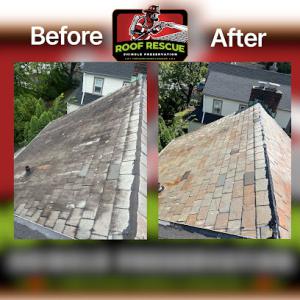
Firefighter-owned and operated, Roof Rescue Southern Westchester specializes in roof cleaning/ roof washing, and shingle preservation to increase your roof’s lifespan, enhance curb appeal, and help homeowners avoid costly roof replacements. Serving Westchester, NY, we also provide pressure washing services, exterior cleaning, and many more professional property maintenance services using safe, eco-friendly methods for long-lasting results.
City Roofing Company NYC
(718) 310-7333 cityroofrepairnyc.com
Serving
5.0 from 49 reviews
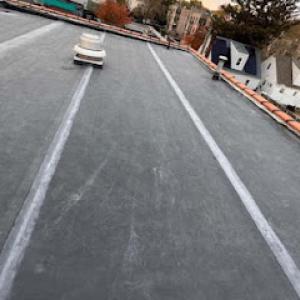
City Roofing Company NYC provides reliable roofing services to homes and businesses in the Bronx and across New York City. As trusted Bronx roofing contractors, we excel in roof repairs and waterproofing to ensure your property stays protected from the elements. Our dedicated team is committed to addressing your roofing needs with precision, offering durable solutions for a safer, more secure building. Whether you need a quick fix or a more complex repair, City Roofing Company NYC is here to help. Contact us today to keep your roof in good condition.
Skyward Roofing - Yonkers
(914) 915-8238 www.skywardroofing.com
Serving
5.0 from 85 reviews
Living in Yonkers and need a Roofing Contractor? Contact Skyward Roofing, we are close neighbors that desire to provide clients with Budget Friendly Roof Repairs that correct all problems or Visually Stunning Roof Replacements in any roofing style desired.
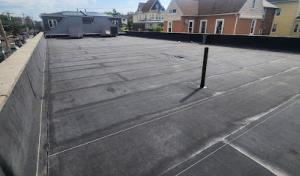
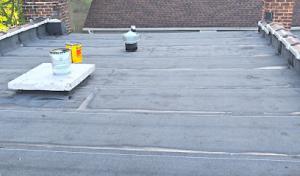
Mount Vernon's urban building mix includes many low-slope roof sections over porches, additions, multifamily properties, and commercial-residential corridors. That configuration makes drainage a critical factor year-round, but winter presents unique challenges. Snow can linger on these surfaces, and spring rain can hit while ponding remains from blocked or undersized drains. The geometry of older builds-parapet walls, shared gutters, and transition zones between additions and the main roof-creates a map of potential trouble spots that local crews learn to read quickly.
Low-slope roofs in this area often rely on internal drainage paths or scuppers that are easy to overlook during busy seasons. When snow sits on a shallow slope, heat loss from the attic can melt a narrow strip of ice, which then refreezes at the eave line and clogs the system. If a drain or scupper gets partially blocked, water can back up and pond, especially near parapets or where a chimney flash transitions to the roof deck. In addition, spring rain can arrive in heavy bursts, and if the drainage path is compromised, those deluges sit on the surface longer than expected. The net effect is a higher risk of concealed leaks that don't show up as active dripping right away but cause damage as the season wears on.
Leak sources on Mount Vernon's low-slope roofs often overlap with parapet walls, chimney intersections, and transitions where older additions meet the main roof. A clogged internal drain can aggravate a small crack at a chimney flashing, and a poorly configured transition between a porch roof and the main system can funnel water toward a vulnerable seam. Because these areas share water paths, a single compromised joint or blocked outlet can produce multiple symptoms-soft spots on interior ceilings, damp attic insulation, and staining near vertical walls. Think of these sections as a network rather than isolated points; addressing one path without inspecting nearby overlaps rarely yields lasting results.
Begin winter preparation by inspecting visible gutters and scuppers from the ground or with a sturdy ladder, paying particular attention to joints around parapets and chimney areas. Clear debris carefully, then test each outlet with a light water spray to confirm it drains away promptly. During inspections, note any places where the membrane appears to sag or where flashing meets a parapet; these are high-priority spots for inspection after a thaw or a heavy snowfall. After a storm, recheck for new ponding, especially at transitions and along edges where porches tie into the main roof. Keep a routine to monitor these low-slope sections through thaw cycles, because the combination of snow retention and spring rain is a frequent trigger for latent leaks.
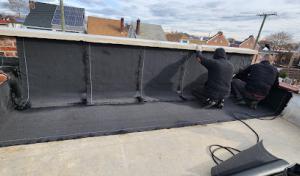
Find specialists in TPO, EPDM, and built-up flat roofing systems for residential and commercial properties.
Asphalt shingles are the dominant practical choice for the typical Mount Vernon home, especially on the common steep-slope residences that populate the density and lot sizing of the neighborhood. Their broad affordability range and straightforward installation suit the region's schedule, and they pair well with the era of many local homes that still rely on standard roof decks and straightforward flashing details. In winter, asphalt shingles respond predictably to freeze-thaw cycles, provided the roof is well ventilated and iced-over areas are addressed promptly. For a homeowner watching street-level curb appeal, asphalt shingles offer a versatile palette of textures and colors that can mimic more expensive options without overpowering the house's original character. When aging or damaged, these shingles are often easier to repair in small sections, which matters on tight Mount Vernon lots where access and staging space can be limited.
Slate and clay tile appear on older, higher-character homes in southern Westchester, and that look does carry a specific appeal in Mount Vernon's more historic streetscapes. However, the weight of these materials demands a structural assessment before installation or replacement. In practice, that means ensuring the underlying framing and roof deck can support the extra load, and budgeting for potential reinforcement if necessary. Because these materials are more brittle and require specialized fasteners, repairs tend to be more involved and may require a skilled tradesperson with experience in vintage or high-end fittings. The payoff is a distinctive curb appeal and a long service life when properly installed, but the maintenance rhythm-especially around chimneys, valleys, and skylights-tends to be more meticulous than with standard asphalt. If a home already shows the architectural cues of its era, slate or clay tile can preserve the house's character while offering solid performance in the region's winter conditions, provided structural readiness is confirmed.
Metal and synthetic/composite systems are often considered where a homeowner seeks better snow shedding, longer service life, or lower maintenance than aging wood or brittle shingles. In Mount Vernon's urban, compact neighborhoods with heavy winter snows, the ability to shed snow efficiently can translate into fewer ice dam risk scenarios and simpler winter management. Metal panels and standing-seam configurations deliver a sleek, contemporary look that can also complement newer additions or retrofits on mid-century homes. Synthetic or composite shingles mimic the appearance of traditional materials while offering improved resistance to cracking, reduced maintenance needs, and a lighter footprint that can matter on aging structures. For homes facing tight lot constraints and frequent freeze-thaw cycles, these options provide a practical balance between performance and upkeep, along with easier replacement paths if a section needs attention after a heavy winter.
In this city, access to the roof can be tight and staging space is limited on compact residential lots. That constraint often translates to higher labor time and careful debris handling, especially when multiple layers or fragile decking are uncovered. Expect crews to factor extra time for careful material haul-off and cleanup, which can raise the per-square cost compared with suburban sites with wider driveways and easier load zones.
Older homes frequently come with additional tear-off and repair work once materials are lifted and the underlying structure is exposed. If multiple roofing layers are present, the project can uncover deteriorated decking or complex flashing around chimneys and dormers. That combination tends to push the overall cost toward the higher end of the price range for common materials, even before considering insulation or ventilation adjustments that might be recommended after a full inspection.
Seasonal demand spikes influence scheduling and pricing in this area, with spring and fall often the busiest windows following harsh winters and regional storm events. When those peak periods collide with a shortage of skilled crews, you may see longer project timelines and tighter material availability. If you're planning ahead, be prepared for potential price shifts tied to demand, not just material costs.
Material choice drives a large portion of the project cost, with asphalt shingles offering the most budget-friendly option and slate the premium end. In Mount Vernon, the cost difference from one material to another can reflect both the raw price of the product and the added labor complexity. Asphalt shingles typically sit lower in the range, while metal, clay tile, or slate products require more equipment, more careful installation around restricted access, and longer install times on tight lots.
For most houses in this area, expect replacement pricing to be influenced by roof complexity, such as multiple valleys, dormers, or integrated chimneys. If a roof has unusual angles or limited headroom for a ladder, crews may need to adapt, which can translate into higher labor rates and longer durations. Weigh the comfort and longevity of a higher upfront investment against the ongoing risk of ice damming and concealed leaks, especially on aging decks and flashing.
Get a clear picture of your project costs upfront - no commitment required.
In this community, a full roof replacement typically requires a permit through the City of Mount Vernon Building Department. The process hinges on a licensed contractor handling the work, since project details are generally submitted through the department as part of the proof of work and plan review. Inspections are scheduled as the project advances, with a final inspection required to close the permit. Skipping or rushing inspections can lead to rework, weather-driven delays, and trouble if a future mortgage or insurance review occurs. Plan around the department's workflow so that the work aligns with winter restrictions, snowfall patterns, and freeze-thaw cycles that stress old assemblies.
Processing times can vary by season and departmental workload, so permit lead time can affect ideal spring and fall replacement windows in the area. That variability means you should coordinate closely with your contractor to set realistic milestones, especially for a roof that experiences frequent ice damming and concealed leaks during colder months. A common pitfall is assuming permits move at the pace of private scheduling; in reality, a backlog or mid-month workload spike can push critical start dates into less favorable weather. Build in buffer for inspections that may require coordinated access to your property and adjacent structures.
Verify that the permit address, scope, and materials align with what the plan reviewer expects, and confirm that any required drainage, load calculations, and ventilation changes are clearly documented. Because Mount Vernon homes often feature dense lots and steep or low-slope roofs, ensure that staging areas and debris containment won't impair neighboring properties or drainage. When a contractor handles the submission, stay proactive: request inspection checklists ahead of visits, mark potential leak-prone zones, and keep weather-sensitive tasks organized to minimize delays between inspection milestones.
In this dense, older roofing landscape, wait-and-see logic rarely pays off. When a wind or hail event hits, you face a narrow window to document damage before temporary fixes blur or erase evidence. Photograph shingles, flashing, gutters, and attic signs of moisture as soon as it is safe to do so, and keep dated records of any storm-related debris or impacts. This helps your claim stand up against later questions when crews are out chasing leaks through frozen seals and sun-warped edges.
Adjusters routinely ask for photos, contractor estimates, and proof that damage stems from a storm rather than wear-and-tear. The older roof inventory common to Mount Vernon makes this distinction crucial. Be prepared to show recent weather reports for the day of impact, notes from nearby neighbors, and any prior repairs that could influence the assessment. Delays or incomplete documentation can stretch timelines and invite disputes about what is covered.
Payout timing and scope hinge on depreciation and age-based limits, so decisions about partial versus full replacement carry real consequences for older roofs. If an inspection reveals widespread age-related failure alongside storm damage, the insurer may separate what is expected wear from what a storm caused. Understanding this dynamic helps you navigate whether to pursue a comprehensive replacement or targeted repairs, minimizing future risk without assuming unnecessary expense.