Last updated: Apr 19, 2026
Ice dams and flashing leaks in Bergenfield don't always show up as dramatic roof failures. In this town, winters bring repeated freeze-thaw cycles that commonly back water up at eaves and around penetrations rather than causing only simple shingle blow-offs. When a homeowner sees a stain or a trickle after a thaw, it's not just a minor nuisance-it's a sign that heat and moisture are misbehaving at the roof line. The risk is compounded by the way Bergenfield's aging housing stock often carries attic ventilation and insulation imbalances that worsen ice dam formation along front and rear edges. The result is a slow, creeping leak that can undermine ceilings, walls, and even interior finishes if left unchecked.
The combination of cold winters and mid-spring thaws creates this persistent pattern: meltwater runs toward the eaves, refreezes at the edge, and then pushes under shingles, flashing, and roof-to-wall interfaces. In many homes, the attic insulation is not evenly distributed, leaving pockets of warm air near the roof deck. That warmth fuels snow melt on the upper sections while the lower edge stays cold enough to refreeze, forcing water to back up into the roof structure. This is not a single point failure; it tends to involve multiple pathways where moisture can travel, especially at joints and penetrations.
Chimneys, step flashing, valleys, and skylights are the usual trouble spots after a snow event transitions into daytime thaw and nighttime refreeze. These areas are under constant stress from the shifting freeze-thaw cycle and the weight of accumulated snow. If the flashing has aged, gaps widen, and water finds new routes. In short, what begins as a small damp patch can quickly become a recurring leak, undermining ceiling plaster, insulation efficiency, and interior comfort.
Start with a careful exterior inspection after a significant thaw, looking closely at the chimney chase, step flashing along side walls, and the transition zones where valleys cross the roof. If signs of water staining appear on ceilings beneath these areas, or if there are damp spots along the attic stairs or near penetrations, this is a red flag. A vent boot, skylight frame, or flashing corner showing rust, splitting, or loose placement should be treated as a warning signal. Don't overlook the gutters and downspouts: ice buildup that blocks drainage can force meltwater to back up toward the roof and into the eaves.
Inside the attic, check for any heat leaks that appear as warm spots on the roof deck or for frost on attic surfaces after a cold night. Uneven insulation or a noticeable gap around soffits, ridge vents, or kneewalls can indicate air leaks that drive heat into the attic and contribute to ice dam formation at the exterior. If access is convenient, measure insulation depth and look for blown-in or batt insulation with uneven coverage. Addressing these imbalances can dramatically reduce the frequency and severity of ice dam events.
Immediate action focuses on both ventilation and sealing, because prevention relies on keeping attic temperatures closer to the ambient outdoor temperature during cold snaps. Ensure soffit vents are clear and balanced with ridge venting to promote continuous air flow from eaves to peak. If insulation is lacking at the roofline or around penetrations, add or reposition to create a minimum threshold that minimizes warm attic air reaching the roof deck. Seal any obvious air leaks around attic access doors, ductwork, and any gaps where pipes or wires penetrate the ceiling plane.
For the roof itself, prioritize securing and sealing around chimneys, step flashing, valleys, and skylights. Where flashing shows gaps, corrosion, or distortion, plan for timely restoration that restores a continuous waterproof barrier. Snow and ice accumulation should be managed with careful removal strategies that avoid damaging shingles or flashing, especially along the eaves and near penetrations where the risk of backwater is highest.
Understanding that these issues are driven by the seasonal cycle in this area helps homeowners act promptly. When a thaw transitions into refreeze and you notice recurring dampness at the edges or around penetrations, treat it as an urgent warning: the longer the cycle continues, the greater the risk of interior damage and escalating repair needs. A targeted inspection and focused repairs now can prevent more extensive, disruptive work later.
Spring in this area can turn a seemingly solid roof into a checklist of hidden weaknesses. In Bergenfield, spring heavy rain can expose underlayment, flashing, and gutter-edge weaknesses even when shingles themselves are not visibly missing from the street. A fast downpour or a howling northeast wind can drive water right up against fascia, kick out attic vents, and reveal leaks that only show up after the first warm day. You need to act like a weather monitor, not a meteorologist. Inspect after the worst storms for telltale signs: damp spots on ceilings, damp attic insulation, and staining near flashing joints. If a leak appears only after a several-hour rain, the problem is usually between the roof deck and the wall, where improper or aging flashing, missing sealant, or compromised underlayment can let water travel in at the most inconvenient spots. The goal this season is preemptive securing: re-align and reseal flashing, restore edge gutter connections, and ensure underlayment seams are tight and continuous. If you see any pooling at valleys or along the rake and chimney flashing, treat it as a warning rather than a cosmetic issue.
Fall wind events in northeastern New Jersey can interrupt tear-offs, delay deliveries, and create short-notice demand spikes for tarping and leak response. When a storm rolls in, crews may stall mid-project to chase new tarps, delivering materials in a narrow weather window. For Bergenfield homes, that means the risk of exposed decking, open valleys, and unsealed penetrations during storms that sweep through quickly. Plan for contingency: confirm the roof is properly tarped if a project timeline extends into unsettled weather, and keep a dry-out kit ready for interior spots that show moisture. If a contractor mentions potential delays, ask for a written mitigation plan that prioritizes critical flashing penetations and any vent pipe sleeves that could allow water intrusion during a storm front.
New Jersey insurers commonly expect thorough photo documentation after storm events, including condition evidence and records of any prior roof issues or claims. After a rain or wind event, you should take clear photos showing the extent of any new damage, the condition of flashing where it meets walls or chimneys, and the integrity of the edge gutter lines. Maintain a dated album with close-ups of compromised flashing, missing granules on shingles, and any interior staining. If prior issues exist, document them too, so the claim has a clear trail from past to present. This practice supports timely, accurate assessments and reduces back-and-forth during claim reviews.
Find local contractors experienced in assessing and restoring roofs after hail, wind, and severe weather events.
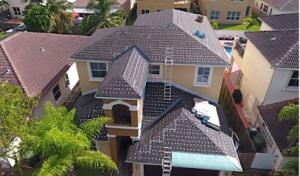
Gordon Roofing
(551) 430-4321 gordonroofingbergenfield.com
926 S Washington Ave suite 824, Bergenfield, New Jersey
5.0 from 54 reviews
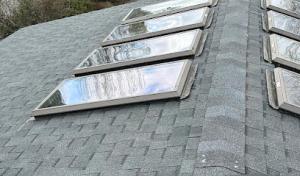
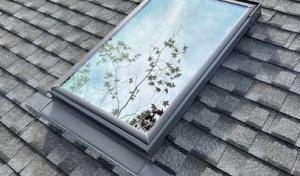
Right Service Skylight Repair & Roof Repair
(201) 771-2337 rightserviceskylightrepairandroofrepair.com
Serving
5.0 from 55 reviews
Future Remodeling
(866) 267-0084 futureremodeling.com
37A Woodbine St, Bergenfield, New Jersey
5.0 from 120 reviews
Future Remodeling is New Jersey’s top-rated home exterior remodeler, providing expert installation and replacement of roofing, solar shingles, siding, windows, skylights, and gutters across Bergen, Essex, Hudson, Morris counties, and all of New Jersey. We make exterior remodeling simple and transparent from start to finish, with a dedicated project manager keeping you informed and communication always clear. Future Remodeling delivers the highest level of craftsmanship as a GAF Master Elite® Roofer, James Hardie Alliance Elite Contractor, and FORTIFIED™ Certified Contractor. From the first consultation to the final reveal, your project is made easy to picture—and even easier to bring to life.
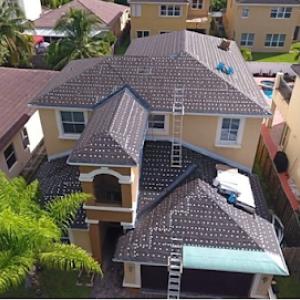
Gordon Roofing
(551) 430-4321 gordonroofingbergenfield.com
926 S Washington Ave suite 824, Bergenfield, New Jersey
5.0 from 54 reviews
Gordon Roofing delivers professional roofing services to homeowners and commercial clients throughout Bergenfield, NJ. Our skilled team specializes in roof inspections, leak repairs, shingle and tile replacement, complete roof installations, and routine maintenance. We partner with trusted material suppliers and use proven installation methods to ensure resilient, weather-resistant results. Whether you're addressing storm damage, aging roofing materials, or considering a full upgrade, you’ll receive a detailed assessment accompanied by transparent pricing. With responsive scheduling and a strong commitment to customer satisfaction, property owners in Bergenfield trust Gordon Roofing for reliable, high-quality roof care.
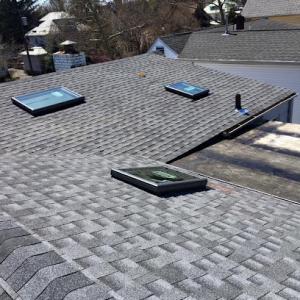
American Roof & Chimney Specialist
(201) 254-9900 americanroofingprosnj.com
378 S Washington Ave, Bergenfield, New Jersey
4.9 from 112 reviews
American Roof & Chimney Specialist is a trusted local contractor proudly serving homeowners across New Jersey. With years of hands-on experience, we specialize in roof repair, roof replacement, chimney services, and general exterior home maintenance. Our team is dedicated to quality craftsmanship, prompt service, and honest pricing. Whether you’re dealing with a leaky roof, a damaged chimney, or need seasonal maintenance, we’re here to protect your home with reliable solutions and long-lasting results.

Dior Construction
(866) 954-3975 www.diorconstruction.com
37B Woodbine St, Bergenfield, New Jersey
4.7 from 274 reviews
Dior Construction has been in business since 2010, providing New Jersey residential and commercial property owners with top-notch products and services to address their particular roofing, siding, window, and gutter needs. We believe in putting our customers first so we offer quality workmanship at affordable prices while ensuring they are fully educated about the options available to them. As a roofing company, Dior Construction began as an effort to bring quality workmanship to homeowners and commercial property owners at affordable prices. It’s not uncommon for many contractors to offer just either one or the other today and we wanted to change that. With Dior Construction, you won’t have to make a compromise because you can have both!
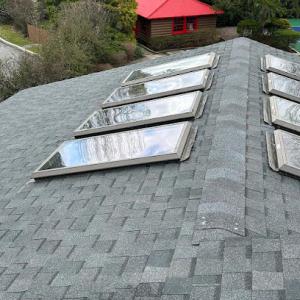
ALL PRO Roofing & Chimney Roof Repair
Serving
5.0 from 104 reviews
All Pro Roofing and Chimney is your locally owned and operated Roofing Company in New Jersey, available now for 24/7 roof repair and Free Estimates. Our team of professionals is highly experienced and dedicated to providing exceptional services at affordable prices. We specialize in various services, including roofing, chimneys, gutters, siding, and masonry. Our team of professionals is available 24/7, ready to assist you in any way possible. Whether you need emergency repairs or scheduled maintenance, we are always available to help you. Our services are backed by years of experience and quality workmanship, ensuring that you receive the best possible service every time.
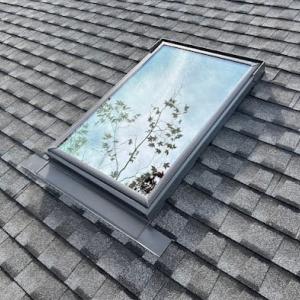
Right Service Skylight Repair & Roof Repair
(201) 771-2337 rightserviceskylightrepairandroofrepair.com
Serving
5.0 from 55 reviews
Right service skylight repair and roof repair is your trusted roofing contractor serving New Jersey and its surrounding areas. With over 25 years of experience, we specialize in Flat Roofing, Shingle Roofing, skylight repair,skylight installation, chimney repair and roof repair . Our skilled team is committed to delivering top-quality roofing solutions for residential and commercial clients. Whether you need a new roof, roof installation, roof repairs, count on Right Service Skylight Repair and Roof Repair for expert craftsmanship and unmatched reliability. Your roof is our priority, and your satisfaction is our guarantee!
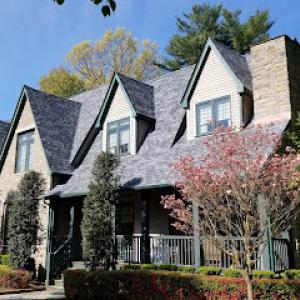
Complete Roof Systems
(201) 734-5465 www.crsroofing.net
Serving
5.0 from 361 reviews
CRS is a family owned and operated commercial and residential roofing & siding company. Since 1977, we’ve been considered one of the best home remodeling companies in NJ as a result of our unmatched customer service. We specialize in residential roofing & siding installations, offering free quotes. We proudly offer GAF Energy Solar Shingles, as well as handling all insulation and siding services, as well as regular roof inspections and maintenance. For our commercial clients, we offer roof repair and replacement, as well as regular inspections and maintenance. Whether you are in need of a new roof or a repair, want to enhance your curb appeal with new siding, or are looking to upgrade to solar shingles, CRS has you covered!
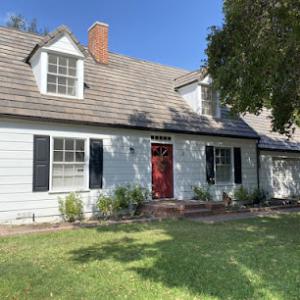
Glover & Sons Roofing
(551) 218-4401 gloverandsonsroofing.com
Serving
5.0 from 50 reviews
Glover & Sons Roofing delivers expert roofing services to homeowners and commercial clients throughout Teaneck, NJ. Our experienced team specializes in roof inspections, leak detection, shingle and tile repairs, full roof replacements, and preventative maintenance. We partner with trusted material suppliers and apply proven installation methods to ensure long-lasting, weather-resistant results. Whether you’re dealing with storm-related damage, aging roofing components, or planning a new installation, you’ll receive a clear assessment and transparent pricing. With prompt scheduling and a dedication to customer satisfaction, property owners in Teaneck trust Glover & Sons Roofing for professional, reliable roof care.
Top Pro Roofing & Construction
(551) 248-2579 www.topproconstructionllc.com
Serving
4.5 from 139 reviews
Top Pro Construction has an experienced team with a cumulative experience of over 17 years in Roof Repair, Siding Repair, Gutter Work, Chimney Repair, Masonry Repair, and Sidewalk Repair in New Jersey. Top Pro Construction is well-known for providing 24/7 construction services at competitive rates. If you're looking for the best and experienced contractors in NJ for Roofing Services, Siding Services, Gutter Installation Services, Masonry Repair and Maintenance Services, Chimney Services, then you are at the right path. We have extensive experience in handling a wide range of construction projects, including Residential and Commercial. We also offer same-day emergency services and free consultation for an estimated quote. Call Now!

Elezi Construction NJ
(201) 989-3845 eleziconstructionnj.com
Serving
4.7 from 58 reviews
At Elezi Construction NJ, we take pride in offering comprehensive services as a trusted roofing contractor and general contractor in Hackensack, NJ, and surrounding areas. From chimney repairs to roof installations, our skilled team ensures your property remains protected and structurally sound. We are committed to delivering exceptional craftsmanship and reliable solutions tailored to your needs. When you choose Elezi Construction, you can trust us to enhance the durability and value of your home with unmatched professionalism.

1Call Restore
(201) 875-2700 1callrestore.com
Serving
5.0 from 58 reviews
1Call Restore, is a team of dedicated, certified professional commercial roofing and exterior contractors servicing Northern and Central NJ, with over 33 years of industry experience and excellence. We specialize in the repair, maintenance and restoration of commercial, multi-family, industrial, institutional, church, synagogue and residential properties. We show our clients ways they can restore their property's exteriors, including but not limited to flat roofs, shingle roofs, slate roofs, tile roofs, stucco, masonry, brick, facades, siding, etc. We will meet with you to evaluate your situation and design a customized proposal to fit your budget. When working with 1Call Restore, you're partnering with industry experts who care!
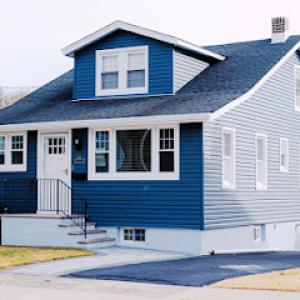
Prestige Works Roofing & Siding
(201) 801-3616 prestigeworksroofing.com
Serving
4.9 from 337 reviews
Prestige Works Roofing & Siding is a top roofing and siding company based in Hackensack, New Jersey. Licensed, insured, with a lifetime warranty and highly rated by their customers with over 250 5-Star reviews. We offer high-quality services for residential properties, including roof repairs, replacements, and installations, as well as siding repairs and installations. We offer 0% interest for 12 months and 100% financing options. Our experienced team is dedicated to providing exceptional craftsmanship and customer service, ensuring that your property is protected and looking its best. Contact us for all your roofing and siding needs.
Asphalt shingles remain the practical default across much of the borough, holding up well under Bergenfield's cold winters and freeze-thaw cycles. Yet the local market also supports metal, slate, wood shake, clay tile, and concrete tile work at meaningful volume, so you may see a wider palette on larger or restored homes. When you tour a familiar neighborhood, you'll notice most mid-century and older homes retain asphalt but often sport upgraded venting or flashing details that reflect how a roof interfaces with nearby masonry and tall interior chimneys. That mix matters: the roof system you choose should align not just with weather resistance, but with how it connects to chimneys, walls, and parapets that define the property.
The prevalence of chimney-related contractor services in this market signals that many Bergenfield roof projects involve masonry intersections and flashing details rather than simple open-field shingle replacement. If your home has a brick or stone chimney, expect trims, step flashing, and counter-flashing to drive the schedule and the scope. In practice, a full replacement often means inspecting the intersection where roof deck, chimney brick, and mortar meet-especially where the brickwork has shifted with settling or where freeze-thaw cycles have caused mortar to crack. Contractors commonly provide integrated flashing assemblies that extend up the chimney chase, wrap behind counter-flashing, and seal against masonry joints. Plan for a skilled crew that negotiates these details with attention to consistent pitch, proper drip edge, and a seamless transition to any metal edging or flashings you opt for. For homes with tall stacks or multiple chimneys, layered flashing and careful water shedding near ventilation elbows become critical to prevent ice dam-driven leaks.
Low-slope sections over porches, additions, and rear extensions are common enough locally that flat-roof capability is a meaningful hiring differentiator. If your project includes a porch roof, a sunroom, or a disconnect between an original roof plane and an added wing, you'll want a contractor who can execute reliable drainage with proper insulation and a durable membrane or built-up system. In Bergenfield, the winter season can push you toward more frequent ice dam considerations, so ensure any flat or near-flat surface has adequate drainage slope, robust edge detailing, and well-placed scuppers or internal drains. A common misstep is underestimating the need for consistent flashing continuity across a transition from a steeper main roof to a flatter section; when done poorly, this creates a predictable failure point for ice and water intrusion.
Rooftops chosen for Bergenfield homes should consider the surrounding climate and the local housing stock. If you prioritize low maintenance and rapid serviceability, asphalt remains attractive, especially when combined with upgraded attic ventilation and a ventilated ridge to combat ice dam formation. For properties with historic fabric or strong masonry accents, metal, slate, or clay and concrete tiles offer long-term performance, though each brings its own flashing and installation nuances at interlocks, hips, and valleys. Wood shakes and shingles provide character but require careful detailing around chimneys and roof-to-wall junctures to prevent moisture intrusion in winter. In practice, the best approach is to pair the selected material with precise flashing strategies and a drainage plan that anticipates Bergenfield's freeze-thaw cycles.
In Bergenfield, the cost to replace a roof is influenced by Bergen County labor rates, the tight suburban layouts, and the extra setup time needed to protect driveways, landscaping, and neighboring properties on narrower lots. Those logistics add labor hours and material handling that show up as higher totals than some neighboring communities. A typical full replacement involves more than just shingles; it includes flashing, ventilation considerations, and careful staging to avoid damaging mature landscaping and vehicles parked along compact streets. Expect quotes to reflect these site-specific challenges, especially on homes with limited maneuvering room for equipment.
Asphalt shingles remain the most common option, balancing cost with durability in colder winters. In this area, a full replacement for asphalt shingles generally falls in the $350 to $700 per square range, depending on brand, warranty, and the complexity of the eaves and ventilation details. Metal roofing, while pricier, can offer longer service life and better resistance to freeze-thaw cycles, with installed costs typically between $550 and $1,100 per square. For those considering heavier materials, clay tile and concrete tile bring distinctive longevity but demand robust roof decks and careful integration with existing penetrations; clay tile commonly runs from $900 to $1,700 per square, and concrete tile from $700 to $1,300 per square. Wood shingles or shakes sit around $500 to $900 per square, offering a traditional look but requiring vigilance against moisture and decay. Slate, the premium option, can range from $1,600 to $3,000 per square and often pairs with specialized installation crews.
Costs rise on Bergenfield homes with multiple penetrations, chimney flashing work, detached-garage tie-ins, or mixed roof geometry from additions common in older neighborhoods. Each penetration adds flashing detail, potential reseating, and occasional re-flashing around vent stacks or skylights. Additions that change slope or introduce new valleys require careful water management to prevent ice dam issues during thaw cycles. In these cases, the project becomes more labor-intensive and may trigger additional underlayment, improved attic ventilation, or premium flashing accessories. Be prepared for longer project timelines and a need for staged protection plans to keep driveways and neighboring yards clear during the replacement.
Spring and fall are prime replacement windows locally, because winter snow risk and summer humidity complicate scheduling and can tighten contractor availability. If your project targets these seasons, expect more competition for reputable crews and potential price repricing for peak demand. Planning ahead helps secure a crew with Bergenfield experience, which is valuable for proper ventilation and flashing outcomes that stand up to the area's freeze-thaw cycles.
Get a clear picture of your project costs upfront - no commitment required.
Right Service Skylight Repair & Roof Repair
(201) 771-2337 rightserviceskylightrepairandroofrepair.com
Serving
5.0 from 55 reviews
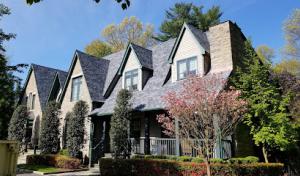
A full roof replacement in Bergenfield generally requires a permit through the borough Building Department rather than being treated as a no-paperwork job. That means you're not just signing off on a rough schedule and calling it a day. The town expects formal oversight because a large portion of Bergen County homes rely on older framing, flashing, and ventilation details that can influence ice dam risk and long-term water management. Skipping the permit step can trigger fines, mandatory uncovering of work, or even a stop-work order if inspectors later discover unpermitted changes. Treat the permit as part of protecting your home and neighborly relationships, not a hurdle to rush through.
Applications typically include contractor information, project scope, and roof area, so homeowners should expect paperwork before tear-off begins. The Building Department will want a clear map of the roof footprint, the proposed materials, and the ventilation plan that ties into the borough's code expectations. Because venting and flashing are high-priority in this climate, the application is rarely a generic form-it often prompts details on attic insulation, soffit vents, ridge ventilation, and apron flashing at eaves and chimneys. Have seasoned, properly licensed professionals submit the package, and ensure the contractor's scope notes address ice dam mitigation strategies and drainage pathways. If the plan relies on bringing in modern flashing or underlayment to compatibility with the existing structure, make that explicit in the submission.
Inspections are commonly scheduled during construction and again after completion, with local attention to ventilation, flashing, and overall code compliance. Expect preliminary inspections to verify that underlayment, drip edge, and ice-dammed risk mitigation strategies align with current standards before shingles go on. A final inspection confirms that attic ventilation meets code, that flashing around chimneys, dormers, and valleys is continuous and properly sealed, and that the roof assembly integrates with proper drainage and insulation. If anything doesn't pass, a corrective plan will be required, which can delay occupancy or full use of the roof space. Planning around inspection windows helps avoid repeat work and keeps you from surprises when the inspector calls. In this town, following the process diligently is not only about compliance; it's a practical safeguard against costly leaks driven by freeze-thaw cycles.
In New Jersey, roof replacement coverage usually turns on cause of loss and policy language, so you must separate storm damage from age-related wear in your documentation. This is especially true after the cold-snap winters that drive ice damming and flashing leaks on older Bergen County stock. If a claim blends these issues, adjusters can narrow or deny coverage, leaving you with unexpected out-of-pocket costs.
After local storm events, adjusters may ask for photos of the damaged area, the overall roof condition, and any evidence of prior repairs or prior claims. Take clear pictures from ground level and from the attic looking at flashing, ice dams, and ventilation. Note attic condensation, visible daylight through roofing, and any sagging or missing shingles. Keep a dated log of when each photo was taken and what it shows, and preserve any prior repair receipts or notes. In Bergenfield, a sharp eye for flashing along valleys and chimneys helps distinguish recent damage from long-term wear.
Provide a concise narrative that ties photos to the likely cause of failure. Include weather records if available and mention freeze-thaw cycles that can worsen existing vulnerabilities. Emphasize areas prone to ice damming, unusual dampness, or failed seals around penetrations. After a major event, claim review can tighten, so prompt, organized documentation reduces the chance of disputes and speeds your way to a fair resolution.
Connect with contractors who help homeowners navigate the claims process from damage assessment to final approval.
Top Pro Roofing & Construction
(551) 248-2579 www.topproconstructionllc.com
Serving
4.5 from 139 reviews
Prestige Works Roofing & Siding
(201) 801-3616 prestigeworksroofing.com
Serving
4.9 from 337 reviews
Chimneys are a frequent source of trouble when Bergen County's freeze-thaw cycle hits, and the Bergenfield market shows unusually strong demand for chimney-related roofing work. Start with the chimney-to-roof interface: inspect for missing or cracked step flashing, improper counter-flashing, and ice dam-prone valleys around the base. When re-roofing, insist on a continuous, secure flashing plan that ties into the masonry joints with proper sealant and masonry anchors. Poorly sealed joints or shifting brick can mirror the roof's cold-weather movement, creating slow leaks that only show up after a thaw. If a chimney protrudes through a steep-slope roof, consider increasing the flashing height at the curb and using stainless steel or copper flashing to resist corrosion from de-icers. A thorough test for leaks should include a controlled water run and a freeze-thaw cycle check around the chimney chase, not just a surface inspection.
Skylights are another locally active niche, aligned with the leak pattern caused by aging seals and curb movement. In Bergenfield homes, the most common failures sit at the curb flashing and the seal between curb and skylight dome. Before replacement, verify that the curb is properly fastened with solid collar ties and that the flashing transitions are continuous with the main roof deck. When a skylight is new, ask for a raised curb with integrated drip edges and a compatible seal gasket rated for winter conditions. If a skylight is retained, ensure the flashing is continuous around the entire perimeter, with a dedicated drain path away from the curb joints to prevent ponding. In one- and two-story homes, ensure that the skylight seal follows the same freeze-thaw resilience as the roof, avoiding cheap sealants that can shrink in cold snaps.
Many Bergenfield reroofs are not a single plane; transitions between steep-slope roofs and lower-slope additions or porch sections are common. The biggest risk is a fragile tie-in where the two planes meet, especially where a valley or step-down occurs near a masonry wall or chimney. Favor a continuous, integrated flashing assembly that treats the low-slope edge like an extension of the main plane, with proper drainage and a raised sealant bead. Pay attention to ventilation around these transitions-poor ventilation amplifies condensation and can accelerate flashing failure. When sealing, use materials compatible with both roof types and ensure fasteners do not penetrate through the lower-slope surface, where water can back up behind them during freeze-thaw cycles. A careful inspection after installation will catch any intermittently leaking transitions before winter returns.
Find contractors experienced in skylight installation, flashing, and leak repairs to bring natural light into your home.
Future Remodeling
(866) 267-0084 futureremodeling.com
37A Woodbine St, Bergenfield, New Jersey
5.0 from 120 reviews
Right Service Skylight Repair & Roof Repair
(201) 771-2337 rightserviceskylightrepairandroofrepair.com
Serving
5.0 from 55 reviews