Last updated: Apr 19, 2026
Hopewell Junction experiences cold winters with snow and warm summers, and the local freeze-thaw cycle is a key factor in shingle aging and replacement timing. When temperatures swing above and below freezing, water seeping into small roof imperfections freezes, expands, and widens those gaps. Over successive seasons, granular loss on asphalt shingles accelerates, flashing seams become stressed, and the overall roof surface loses its protective seal. The pattern here is clear: a roof that looks solid in late winter can show exposed nails, lifted shingles, and compromised waterproofing just as spring storms arrive. Understanding this dynamic helps you prioritize inspections and anticipate when small issues become urgent replacements.
Most full roof projects in this area are scheduled from spring through fall because winter conditions can interfere with installation and adhesive performance. The concrete and metal choices also respond differently to winter setting and curing, but the underlying constraint is the same: cold, damp days slow crews, hinder shingle adhesion, and shorten the lifespan of applied membranes. The window from thawing to early cold snaps is when crews can install most reliably and warranty coverage remains intact. If planning a replacement, map your project to a season with predictable temps and workable daylight, and avoid the heart of winter when crews are more likely to encounter snow interruptions and material handling hazards.
Spring storms in the Hudson Valley bring hail risk and heavy rainfall that can expose weak spots on aging roofs during the same period many homeowners are planning replacements. Hail can puncture or dent susceptible shingles, while downpours press water into any microleaks. In a neighborhood where many houses share similar roof lines and materials, a spring storm can reveal hidden vulnerability that had not yet manifested as a noticeable leak. If hail exposure or unexpected dampness is detected after a winter thaw, treat it as a red flag: a quick inspection by a local roofer can determine whether replacement timing needs to shift from planned maintenance to urgent repair.
Look for curled or cupped shingles, especially on the southern exposure that takes the most sun and then freezes at night. Loose or missing granules overseas the ridge line indicate accelerated aging and reduced UV protection. Exposed or breached flashing around chimneys, vents, and dormers signals that sealants have failed and water intrusion risks rise with each thaw cycle. If you notice damp ceilings or attic stains after a sufficient thaw, treat the situation as a priority-water intrusion can quietly worsen between spring rain events and can lead to structural concerns if left unchecked. A close, honest assessment from a local contractor who understands the typical wind-driven rain patterns here is crucial.
Coordinate a replacement plan that avoids the heart of winter and targets a stretch of mild, dry weather. Favor months with moderate humidity and stable temperatures to maximize shingle bonding and membrane curing. If a winter weather event exposes you to new leak indicators, document the affected areas and engage a local contractor promptly to reassess the replacement timeline. In this area, a well-timed project can prevent repeated cycles of freeze-thaw damage and reduce the risk of a mid-season failure that interrupts the ability to keep a home weather-tight during late-spring storms.
The dominant materials used locally are asphalt shingles, metal roofing, clay tile, concrete tile, wood shingles or shakes, and synthetic or composite shingles. Each brings a different balance of durability, weight, and handling in our climate. Asphalt shingles are common in mid-range homes, while metal roofs show up on barns and modern remodels for longevity and low maintenance. Clay and concrete tiles suit hillside homes with solid framing, but their heavier weight demands proper structure. Wood shakes offer a traditional look but require regular maintenance in damp periods. Synthetic or composite shingles aim to blend durability with easier installation and lighter weight.
In this region, freeze-thaw cycling is especially relevant for asphalt shingles because it affects lifespan and often determines when replacement becomes more urgent. Ice dams, micro-cracks from freezing rain, and wind-driven damage accumulate over years, and the asphalt layer can deteriorate faster after repeated cycles. When spring inspection reveals increased granule loss, exposed felt, or curling in shingles, consider the implications for your existing roof's remaining service life. If additional freeze-thaw events are forecast, plan for a proactive assessment before the next winter, since a compromised asphalt surface can accelerate leaks behind the drip edge.
Summer heat in the area can affect material expansion and adhesive cure times, which matters when comparing asphalt systems with metal and synthetic options. Asphalt shingles expand with heat and contract when cool, sometimes loosening tabs or creating micro-seams where water can intrude. Metal roofs respond differently: they expand and contract, but with a solid panel system and proper fasteners, they often maintain a tighter seal in heat waves. Synthetic or composite shingles typically manage expansion more predictably and may offer improved wind resistance. When choosing, consider how a roof will behave through July days and August humidity, especially on roofs with long slopes or complex ridges.
Storm-driven leaks are a common insurance-related concern after severe weather. The material choice can influence how quickly a roof shows signs of failure after a big storm. Clay and concrete tiles resist impact well but can crack under heavy hail or misaligned supports, requiring careful inspection of underlayment and nails. Wood shakes can suffer from moisture and insect pressures after wet seasons, increasing the urgency of replacement or renewal planning. Synthetic shingles can offer quicker repair options with less weight, but ensure surface texture and color fade are acceptable in exposed sun. For any material, a proactive post-storm inspection helps catch hidden damage before it compounds.
Start with a visual walkaround after the last major storm, looking for lifted shingles, abnormal sheen on the surface after rain, and any new ice-dam formation near gutters and eaves. If you notice curled edges on asphalt or loose fasteners on metal roofs, address these before they propagate. Consider how the upcoming winter may test the roof: heavier snow packs and freeze-thaw cycles will stress vulnerable edges, valleys, and penetrations. For options, weigh the tradeoffs between the familiar ease of asphalt, the longevity of metal, and the weight and style considerations of clay or concrete tiles, keeping in mind how California-style summers and Hudson Valley winters converge on your roof's lifespan.
Hail and wind storms in the Hudson Valley are a major driver of roof-related insurance claims for homeowners in Hopewell Junction. It's not just about the visible dings or missing shingles after a rough storm; there is a cascade effect that can lead to interior damage if leaks aren't caught promptly. The combination of freeze-thaw cycles, heavy snows, and gusty winds can stress roofing materials far beyond their apparent wear, making timely claim decisions critical. When storms slam through, you'll likely see insurers triaging cases based on hail impact patterns, wind-driven uplift, and whether moisture has found its way under flashing or into attic spaces. The result, more often than not, is a need for a documented, well-supported claim to secure the right scope of replacement or repair.
Insurers serving this region commonly require detailed documentation, including contractor estimates, photos, and thorough pre- and post-work assessments. The pre-work assessment should clearly identify damaged zones, materials affected, and any ancillary issues such as roof deck exposure or flashing deterioration. After work, a comprehensive report that shows the restored or replaced sections, plus any re-sealing or drainage adjustments, helps prevent back-and-forth disputes about what was done and why. Photos should capture close-ups of hail impact patterns, wind-related damage to edges and ridges, and overall roof condition from multiple angles. The more you can demonstrate continuity between the storm damage and the chosen remedy, the smoother the claim review tends to go. Expect insurers to request copies of proportional work scopes, material changes, and any subcontractor invoices that tie back to the pre-approved plan.
New York state regulatory oversight influences coverage terms, so Hopewell Junction homeowners need to review claim language carefully before authorizing replacement work. Look for how the policy defines hail and wind damage versus "wear and tear," and note any deductible requirements that apply to storm-related claims. Some policies separate coverage for exterior roof components from interior water damage, which can affect what gets approved for replacement at once versus in staged steps. Pay attention to depreciation clauses, the timing of payments, and any exclusions that might limit coverage for cosmetic repairs compared to functional replacements. If a scope change seems necessary after an initial assessment, document the reasons clearly and seek written confirmation from the adjuster before proceeding. Misalignment between what you believe is damaged and what the insurer authorizes can create costly delays or gaps in protection when a winter storm hits again.
Start with a storm-specific inspection scheduled soon after the event to capture fresh evidence while weather patterns are still clear in the memory of builders and neighbors. When contacting a contractor for estimates, request itemized scopes that map to the damaged areas identified in the assessment, plus notes on any required flashing, underlayment, or deck repairs that support a long-term solution. Maintain a running file of communications, photographs, and versioned estimates, so you can reference exact dates and statements if questions arise. If you encounter a dispute over coverage or scope, you have a documented trail to lean on as you work through the process. In this climate, clarity and thoroughness aren't just best practices; they're practical safeguards against the unpredictable aftermath of a storm season.
Connect with contractors who help homeowners navigate the claims process from damage assessment to final approval.

Hank Jr Home Improvements
Serving
5.0 from 4 reviews
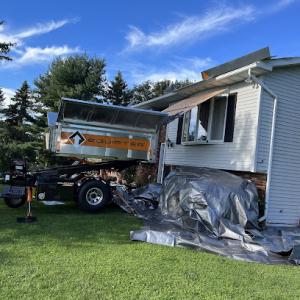
The ONLY Roofing Contractor in Dutchess County with The Equipter! Using the Equipter ensures a debris-free yard safe for your loved ones to enjoy. No more worrying about a random nail or construction waste. The Hank No Mess Roof Replacement is what set us aside from the other companies by protecting your landscape and exterior of your house with the use of our portable dumpster that's raised to the roof line to catch all the debris.
P J Exteriors
(845) 463-2220 www.pjexteriors.com
Serving
4.9 from 38 reviews
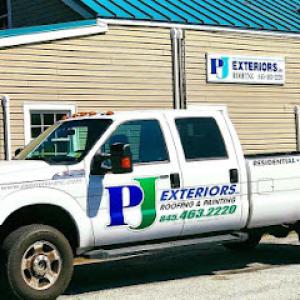
PJ Exteriors has offered commercial, residential, and industrial roofing services for over 50 years in the Dutchess, Ulster, & Orange County regions. Call the roofing experts at PJ Exteriors inc. for reliable and trusted roofing services. We offer 24/7 emergency repair services.
All Counties Roofing Group
(914) 471-7961 www.allcountiesroofinggroup.com
Serving
4.9 from 73 reviews
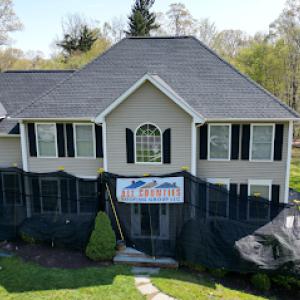
All Counties Roofing Group, a locally and family-owned roofing company in Poughquag, NY, has proudly served the Hudson Valley for over two decades. Specializing in roof replacements, repairs, siding, and storm damage restoration, we ensure a smooth and satisfactory experience for homeowners and businesses alike. As a licensed, insured, and certified roofing contractor, we handle projects of all sizes with the highest quality materials, backed by a robust warranty. Trust our experienced team to bring professional attention and expertise to every roofing project.
ZFJ Contractor
(845) 440-3535 www.zfjcontractorcorp.com
Serving
5.0 from 20 reviews
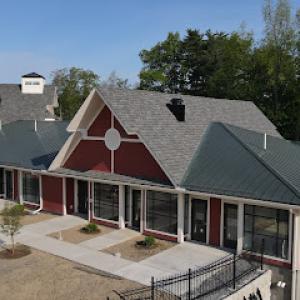
At ZFJ Contractor, we specialize in roofing, siding, and gutter solutions that protect and enhance your home. Proudly serving Dutchess, Ulster, and surrounding counties in New York, we bring quality craftsmanship, clear communication, and reliable service to every project. In addition to our core exterior services, we offer a range of residential improvements to meet your property’s needs. Whether it’s a full replacement or detailed repairs, our team is dedicated to delivering results that last.
Roofer of Wappingers Falls
(845) 617-9899 roofingcontractor-wappingersfallsny.com
Serving
5.0 from 13 reviews
Roofer of Wappingers Falls is your premier destination for top-quality roofing services in Wappingers Falls and surrounding areas. With years of experience and a team of skilled professionals, we take pride in delivering exceptional craftsmanship and customer satisfaction. Whether it's roof repairs, installations, or inspections, we've got you covered with reliable solutions. Using only the finest materials and the latest techniques, we ensure long-lasting and durable results for both residential and commercial properties. Trust Roofer of Wappingers Falls to protect your property with a strong and reliable roof. Contact us today for all your roofing needs and experience top-tier service at its best.
Christopher James Roofing
(845) 440-8922 www.christopherjamesroofing.com
Serving
4.8 from 70 reviews
Roofing repairs and replacements Commercial and Residential
Vanguard Roofing
(845) 298-2926 www.vanguardroofing.com
Serving
4.8 from 38 reviews
Vanguard Roofing offers exclusive commercial and industrial roofing services to businesses across various sectors. We specialize in single-ply roofing, coatings, metal roofing, slate and shingle systems, retrofits and repairs, restorations and replacements, and new construction projects. Our comprehensive B2B offerings include installing and maintaining EPDM, PVC, shingle, and metal roofing systems. We also provide specialized services such as commercial snow removal for flat roofs and installation of roof accessories, including roof hatches, & safety rails. With over 50 years of experience, our family-owned company is built on client satisfaction and delivers unparalleled roofing services with industry-leading business practices.
GKontos Roofing & Exterior Specialists
(845) 593-8152 www.gkontosinc.com
Serving
4.9 from 117 reviews
At GKontos Roofing & Exterior Specialists, we have been dedicated to providing exceptional roofing solutions to The Hudson Valley and Westchester areas since 2005. Our experienced team offers a wide range of services, including roof repair, replacement, and maintenance. We are GAF Certified Master Elite roofing contractors, offer free estimates, and provide 0% financing options. We understand the time and thought that goes into making investments in your home. We strive to provide the best customer service and ensure a stress-free experience from start to finish. With a focus on quality workmanship and superior materials, we deliver long-lasting and durable roofing systems that protect your home for years to come.
CT Hunt & Sons Building & Remodeling Specialist
Serving
5.0 from 4 reviews
CT Hunt & Sons: Wappingers Falls, NY experts in roofing, siding, decks, remodeling. Seniors save 10%! Your trusted home transformation specialists.
Lyndsey Roofing
(845) 849-1641 lyndseyroofing.com
Serving
4.9 from 83 reviews
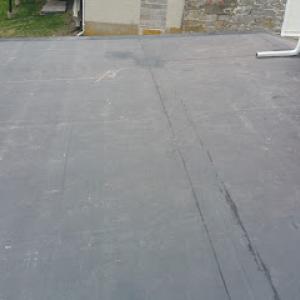
Bill Reilly founded Lyndsey Roofing in 2015. We are a GAF Master Elite Certified Roofing Contractor, a 2-Star Master Elite President's Club award winner and a certified GAF Energy Timberline Solar shingle installer. That is right, a shingle that makes electricity. We are licensed with GAF Commercial Roofing, Elevate for EPDM, Metal Roofing, PVC and TPO. We have a dedicated flat & pitched roof, and siding repair team. We also install James Hardie cement board siding, vinyl siding, metal & wood siding. We have ProVia windows, Andersen, Marvin & Pella windows too. We offer financing and do business in Dutchess County, Orange County, Putnam County, Eastern Ulster County and Westchester County, NY. Give us a call.
Honest Reliable Roofing
(845) 590-6824 honestreliableroofing.com
Serving
4.7 from 13 reviews
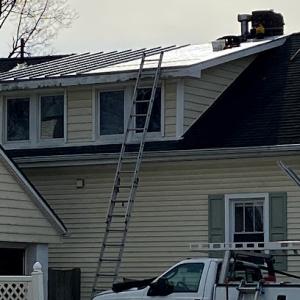
HR Roofing is a superior quality roofing company with 30 years of experience in the Hudson Valley, Westchester and Connecticut. Our residential and commercial expertise spans shingle, metal and flat (incl EPDM) roofs. We enjoy providing service that is tailored to the specific needs of our clients - homeowners, architects, landlords, investors, general contractors and designers.
Nicks Roofing & CleaningLlc
Serving
5.0 from 3 reviews
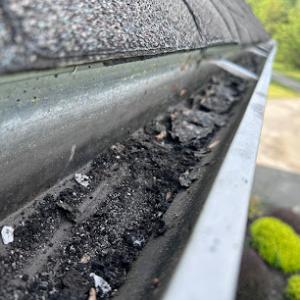
Nicks Roofing & Cleaning goes beyond your roofline, offering a comprehensive suite of exterior maintenance services. They keep your home's defenses strong with roof repair and gutter expertise, while also tackling siding issues and refreshing your curb appeal with power washing services.
A full roof replacement in Hopewell Junction typically requires a building permit through the Town of East Fishkill Building Department. This process helps ensure that storm-related repairs and freeze-thaw resilience are addressed with the proper standards for local construction, which matter for long-term performance in the Hudson Valley winters. The permit sequence is designed to align with the town's safety and inspection expectations, so starting on the right track with documentation is essential.
The permit application is generally submitted by the contractor or homeowner and includes the project scope and roofing materials being installed. In practice, many local homeowners rely on a contractor to compile and submit the packet, but having a clear, written scope helps avoid miscommunications once inspections begin. The documentation should specify the roof assembly type, underlayment, fasteners, and the intended material so the town can verify compatibility with local wind, snow loads, and freeze-thaw cycles typical to the area. Keep in mind that the town reviews both the structural implications and any drainage changes that may accompany the replacement.
Inspections are scheduled during and after the work, and final sign-off is required before the project is considered complete. Expect inspections at critical stages such as after the deck and underlayment are installed, during shingles or panels installation, and after all penetrations (vents, chimneys, skylights) are properly sealed. The final inspection confirms that the roof system meets current code requirements and has appropriate weatherproofing for the region's winter storms. Coordination with the building department should anticipate potential weather gaps, so scheduling flexibility helps avoid delays that can extend exposure to the elements.
Before filing, gather a rough scope, material choices, and any known existing issues (magnetic detectors or prior leaks) to speed review. Confirm whether the contractor holds the necessary East Fishkill credentials and whether any municipality-specific forms are required beyond the standard packet. Maintain copies of all submitted documents and inspection notices, and mark calendars for the inspection cadence. If any changes occur mid-project (materials, scope, or substitutes), inform the Building Department promptly to keep the permit accurate and the project compliant.
Get a clear picture of your project costs upfront - no commitment required.
GKontos Roofing & Exterior Specialists
(845) 593-8152 www.gkontosinc.com
Serving
4.9 from 117 reviews
Roofing Experts Hyde Park
(845) 447-0344 roofingcontractor-hydeparkny.com
Serving
5.0 from 42 reviews
In Hopewell Junction, you'll see pricing echoes across the Hudson Valley, with asphalt shingles generally landing between 350 and 700 USD per square. Metal roofs run higher, from 800 to 1400 USD per square, while clay tile sits between 900 and 1900 USD per square and concrete tile between 900 and 1700 USD per square. Wood shingles or shakes typically fall from 700 to 1200 USD per square, and synthetic or composite shingles come in around 550 to 1100 USD per square. These ranges reflect typical local material and installation costs you'll encounter when replacing a roof after winter freeze-thaw cycles or a storm-driven failure.
Costs in Hopewell Junction can rise when Hudson Valley storms increase demand for quick-response repairs and full re-roofing work. If a large nor'easter or multi-family damage hits the area, expect higher local labor rates, faster material procurement, and compressed schedules. In practice, that means a standard material choice could land at the upper end of its range or require expediting fees if crews are booked out.
Project timing matters locally because most replacements are concentrated from spring through fall, which can tighten scheduling and labor availability. A late-winter or early-spring project can push crews to pick up more quickly, but you may encounter limited windows if there's persistent storm activity. If a roof is functional but marginal after a freeze-thaw cycle, plan for a fall deployment window to avoid peak-season delays and to align with typical weather patterns.
For households balancing upfront cost and long-term resilience, asphalt shingles offer the most economical entry point, while metal delivers better longevity and resistance to snow loads typical of the region. Tile options provide strong durability but come with higher installation costs and weight considerations. Synthetic shingles can be a middle-ground choice, combining reasonable price with decent performance in variable winter conditions.
Don't let upfront costs delay a critical repair - these contractors offer payment plans to fit your budget.
GKontos Roofing & Exterior Specialists
(845) 593-8152 www.gkontosinc.com
Serving
4.9 from 117 reviews
Chimney-related roofing work is notably common in this market, reflecting how often local homeowners need roof-to-chimney flashing and surrounding areas addressed during re-roofing. When planning, inspect the joint where the chimney meets the roof line for any sign of loose mortar, cracked flashing, or lifted shingles. If a chimney chase cap or counter-flashing shows wear, address it during the roof project to prevent leaks from freeze-thaw cycles. A careful reminder: snow and ice can push against flashing edges, so secure flashing should extend a bit past the shingle line and seal properly with priority given to the transition areas around brick or stone chimneys.
Skylight service is also a meaningful specialty among local contractors, making penetrations and flashing details an important part of roof planning in this area. When replacing a roof, verify the integrity of the skylight flashing around the curb, and consider upgrading to a reinforced or low-profile flashing kit if the existing setup shows compression or looseness after winters. Ensure the surrounding shingles are trimmed cleanly at the skylight edges to avoid water traps. If a skylight is original to the house, ask about upgrading to an energy-efficient unit with a reflective curb boot to reduce ice buildup along the opening in colder months.
Heavy spring rain and fall leaf buildup can worsen moisture problems around roof edges and penetrations if drainage is already compromised. Clean gutters and downspouts before the heaviest rainfall weeks, and ensure the drip edge directs water away from the fascia. For chimney and skylight flashing, confirm there is a clear water path from shingles to flashing, so meltwater does not back up and seep into the roof deck. Regular checks after storms help catch seepage early, limiting interior damage.
Find contractors experienced in skylight installation, flashing, and leak repairs to bring natural light into your home.
GKontos Roofing & Exterior Specialists
(845) 593-8152 www.gkontosinc.com
Serving
4.9 from 117 reviews
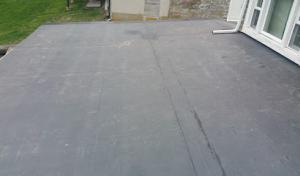
Flat and low-slope roofing appears often enough in the Hopewell Junction contractor market to be a distinct local specialty, even though pitched residential re-roofing dominates overall. That specialization means you'll find experienced crews who understand the unique demands of low-slope systems here, but it also means choices can be tailored to local storms and drainage quirks. You should expect more precise attention to edge detailing, drainage transitions, and proper flashing where roof meets walls and skylights.
In this climate, winter freezes and snow loads can complicate installation timing and performance on lower-slope sections where drainage is slower. If the timing isn't right, ice dams and pooled water can develop, stressing membranes and fasteners. Scheduling during a window with reliable temperatures and dry conditions matters, and you may need to adjust project sequencing to avoid exposing vulnerable laps and edges to actual winter weather.
Spring rainfall and fall leaf accumulation are especially relevant on low-slope transitions and roof edges where water can linger longer. Ensure that the chosen system includes robust gutter and downspout integration, plus backside and corner flashing that can tolerate extended wet periods. Pay particular attention to transitions from low-slope to higher-slope areas, since misalignment there creates gentle but persistent leaks that can be hard to locate.
Low-slope roofs benefit from proactive edge inspections and gutter cleaning as seasons shift. In the shoulder seasons, you'll want to look for scuffs, membrane wounds, or loose flashings that may have developed from wind-blown debris or snow movement. Addressing these promptly helps prevent slow leaks that mimic heavier roof failures.
Find specialists in TPO, EPDM, and built-up flat roofing systems for residential and commercial properties.