
Last updated: Apr 19, 2026
The east-facing slopes along the Hudson create real weather drama for roofs here. One block can feel like a wind tunnel, another block with a gentler slope may hold snow taller than a person-and that difference changes how fast snow and melt move across the roof edge. In these hills, snow retention and rapid runoff are a daily puzzle, and wind-driven rain at the eaves can sting even when the forecast seems calm. If a roof edge is exposed or poorly flashed, a cold snap followed by a thaw will make that edge sing with leaks long after the snow has melted from nearby properties.
Winter in this town is a repeated test of every seam, joint, and curb at the rooftop line. Freeze-thaw cycles stress sealants and masonry-to-roof transitions, turning tiny cracks into pathways for water. Shingles stiffen, then crack or lift at the edges. Flashing around a dormer, chimney, or roof-to-wall intersection becomes a weak point when temperature swings drive moisture into the smallest crevices. The problem compounds with hillside drainage: as snow melts, water must find a clear exit, but if the slope concentrates runoff toward a valley or along a rafter tail, that water can back up and seep under shingles or into flashing seams where two planes meet.
On older homes with mixed rooflines, the risk rises quickly. Steep main planes meet dormers, chimneys, and roof valleys, each intersection offering a potential leak during snowmelt and spring rain. Valley flashing can fail under sustained freeze-thaw cycles if the metal is undersized, improperly laced, or poorly integrated with adjacent shingles. Masonry-to-roof transitions-parapet caps, brick chimneys, and stucco returns-are especially vulnerable when water they shed freezes and expands. The result is a string of small leaks that show up in the attic or along interior ceilings, often after nights where temperatures bounce above and below freezing.
What this means for you, right now, is a plan that targets the high-risk spots first. Prioritize roof areas where steep planes meet valleys, dormers, and chimneys. Do not wait for a heavy thaw to notice problems-inspect now after the worst patches of cold weather and look specifically for hairline gaps at flashing joints, loose or cupped shingles, and any signs of moisture staining near roof intersections. If you see repeated ice dams along the eaves, address attic airflow and insulation immediately; a well-ventilated attic reduces the rapid melt that drives those dams.
Action-focused steps you can take this season include: ensure gutters and downspouts are clear so meltwater can move off the roof without backing up into seams; verify that drip edges are protecting the fascia and directing water away from the wall; seal obvious gaps around chimneys and dormers with water-tight flashing materials designed for concrete or masonry transitions; and replace cracked or missing shingles before a freshet returns in the spring. For older homes, consider upgrading flashing at critical intersections-valleys, chimney-to-roof junctions, and dormer sidewalls-to heavier-duty profiles that hold up under repeated freeze-thaw stress.
Lastly, maintain a planned simple maintenance rhythm. After a cold snap ends, walk the roof edge from a safe vantage and inspect for lifted shingles, loose nails, or flashing that has pulled away from the joint. On hills where wind and slope alter how rain runs off, proactive detection and quick repair of small issues prevent larger water intrusion once the next thaw arrives. This is a neighborhood-to-neighborhood reality: a tiny leak can become a big problem in spots where the hillside forces snow to linger and melt quickly.
Hudson Valley storm patterns can bring strong wind and heavy rain into Peekskill, making lifted shingles, ridge damage, and flashing displacement a common post-storm concern. After a storm passes, walk the roof only if it's safe to do so from the ground with binoculars or a sturdy ladder secured on stable ground. Look for lifted edges, missing granules, and any gaps where flashing meets the vent stack or chimney. If you see loose shingles or torn flashing, treat it as a red flag for interior leaks and potential ice dam formation as temperatures swing. In hillside homes, wind streams can funnel over roof ridges, creating sudden weak points at peaks or transitions between steep and flatter sections. Do not delay addressing even small gaps; wind-driven moisture can travel along the underlayment and find its way into soffits and walls.
Spring storms are a scheduling issue locally because active leaks and wind damage can create a surge in repair demand at the same time permits and inspections may already be backlogged. That timing pressure can lead to slower triage if you wait for a perfect clear day to inspect. Develop a quick-action plan: photograph any damaged areas within hours of a storm, keep notes on what occurred (wind direction, hail intensity, and visible damage), and seal any active leaks with a temporary patch from a roof-safe kit if you can do so without stepping on compromised areas. On hillside homes, episodic gusts can push water through flashing misalignments around chimneys or dormers even when neighboring houses seem untouched. Prioritize dangerous signs like interior damp spots, new mold odors, or cracking paint showing through attic vents.
New York roof claims commonly require photo documentation, roof age, and material details, so Peekskill homeowners benefit from documenting damage immediately after wind or hail events. Use a consistency checklist: capture close-ups of shingles at the affected ridge, the vent boot, and any metal flashing edges; wide shots showing the roof slope and surrounding trees or debris; and a dated sequence that shows progression of damage if multiple storms hit. Keep a simple log of dates, weather conditions, and any observed leaks inside the home. If independent assessment becomes necessary, having clear, organized photos and notes can streamline the process and reduce back-and-forth with insurers when an urgent repair is needed to prevent further water intrusion.
Find local contractors experienced in assessing and restoring roofs after hail, wind, and severe weather events.

Montevello Carpentry & Roofing
(914) 224-4320 montevellocarpentryroofing.com
111 Husted Ave, Peekskill, New York
5.0 from 9 reviews
Montevello Carpentry & Roofing stands as a beacon of excellence in the carpentry and roofing industry. With 18 years of experience under our belts, we've honed our skills to offer not just services, but solutions that embody quality, durability, and beauty. Our journey began in Peekskill, NY, rooted in a passion for creating and a commitment to excellence. Our founder's vision was to build a company that could transform any space into a masterpiece of craftsmanship. Behind every cut, every joint, and every nail, there's a story of dedication and passion at Montevello Carpentry & Roofing Our commitment to our craft has not only earned us a reputation for excellence but also a family of satisfied clients. THUMBTACK REVIEWS
Miracle Home Improvements
(914) 271-9119 www.miraclehomeimprovements.com
Serving
4.9 from 108 reviews
Miracle Home Improvements, a locally owned family business thriving for over two decades, has mastered the art of perfecting home exteriors within Croton-on-Hudson and neighboring areas. Specializing in everything from roofing and siding installations to window replacements, gutter cleaning, and skylight installations, their dedicated team ensures meticulous attention to detail is provided in every project, delivering a truly personalized service and owner supervision on every job. With experienced in-house installation teams, you can rest easy knowing your home improvements are in the hands of expertise. Local services for roofing, roof repair, roof installation, siding, siding repair, & more for your home improvement. Book online or call.

MCAS Roofing & Contracting
(914) 455-0976 mcasroofing.com
Serving
4.9 from 163 reviews
MCAS Roofing and Contracting is a licensed and insured, family owned roofing company serving Westchester, Putnam, and Rockland Counties since 1972. Homeowners choose MCAS for honest guidance, skilled workmanship, and roofs done right the first time. As a GAF Master Elite roofer, MCAS offers access to GAF’s strongest warranties, along with additional manufacturer certifications that allow the right warranty to match each roofing system. The team specializes in residential and commercial roof replacement and repair, chimney repair, skylights, and shingle, slate, flat, and custom metal roofing. No sales pressure. No shortcuts. Just quality work, fully warranted materials and labor, and safe, clean job sites. Request a Free Roof Inspection.

Cristian Home Improvement
(914) 257-1081 cristianhomeimprovement.com
Serving
5.0 from 10 reviews
Cristian Home Improvement specializes in high-quality roofing services in Shrub Oak, NY, offering expert installation, repair, and maintenance to ensure your home is protected for years to come. Whether you need a new roof or repairs from storm damage, our team is committed to providing durable solutions that enhance your home’s curb appeal. In addition to roofing, we offer a wide range of home improvement services, including siding, remodeling, flooring, and painting, all designed to transform your space and increase its value. Trust us to deliver exceptional craftsmanship and reliable results—contact us today for a free estimate!
Castillo's Roofing
(845) 598-5099 castillosroofingllc.com
Serving
4.9 from 54 reviews
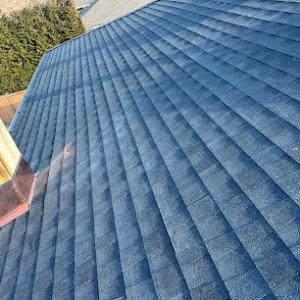
Castillo’s Roofing, led by Walter Castillo, is a family-owned, licensed and insured contractor with over 20 years of experience serving New York, New Jersey, Westchester County, Rockland County, Orange County, and the Hudson Valley. We provide residential and commercial roofing solutions, including roof repairs, replacements, new installations, shingle and flat roofing, leak repair, gutters, windows, doors, chimney flashing, storm damage repair, carpentry, and emergency roof repair. We use high-quality materials, offer free estimates, and stand behind our work with guaranteed, reliable service.
Approved Contractors
(845) 671-6692 www.approvedcontractorsny.com
Serving
5.0 from 114 reviews
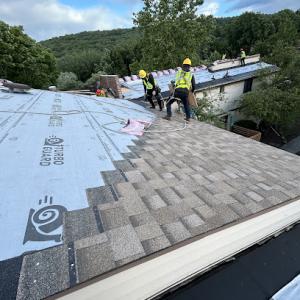
Approved Contractors, Inc. has been successfully improving residential and commercial properties in Rockland County, Orange County, Westchester County, and the Hudson Valley for many years. We have been supplying the highest quality residential and commercial roof replacements, roof repair, siding, and gutter systems. Our team is committed to achieving the highest standards in the industry. Contact Approved Contractors, Inc. for all your roofing needs. We offer free, no-obligation consultations for roof repairs, new roof installations, siding, and gutter systems. Contact us for an honest assessment of your property’s needs.
R.S.G. Restoration
(914) 879-7562 rsgrestorationinc.com
Serving
5.0 from 2 reviews
We're specialists in all phases of Roofing. Siding. Gutters and more We've license and Fully Insured Covered. Westchester country, Putnam, Yonkers and CT State We've more than 32 years of experience since 1992.
P&J Roofing
(845) 287-4193 pandj-roofing.com
Serving
4.9 from 27 reviews
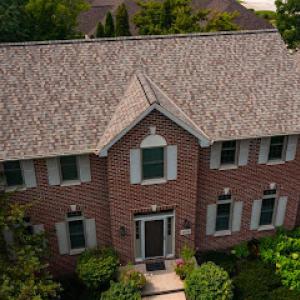
P&J Roofing Company is a trusted provider of professional roofing services. With years of experience in the industry, we specialize in delivering top-quality roofing solutions for residential and commercial properties. Our dedicated team of skilled professionals is committed to excellence, ensuring that every project is completed with precision and attention to detail. Contact us today for a free consultation and let us help you protect your property with a durable and visually appealing roof.
JKR Construction
(845) 659-1931 jkrconstructioncorp.com
Serving
5.0 from 79 reviews
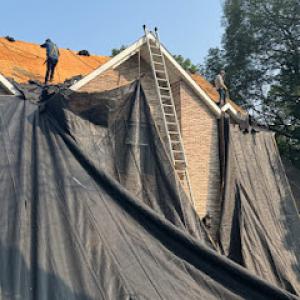
At JKR Construction, we specialize in a comprehensive range of roofing services to meet all your needs. From shingles roofing leak repair in Pomona, NY, to chimney leak repair in Congress, NY, our experienced team provides reliable & efficient solutions. We also offer skylight replacement, chimney flashing replacement & asphalt shingles roofing repair to keep your home protected. Whether you need total roofing replacement, flat roofing replacement, or roofing repairs in Rockland County. Our services also include expert gutters repair & replacement. As trusted roofing contractors in Orange County, we deliver high-quality workmanship & customer satisfaction. For roofing replacement & repair in Rockland County.
Westchester Roofing Group
(914) 885-7400 westchesterroofing.com
Serving
4.9 from 117 reviews
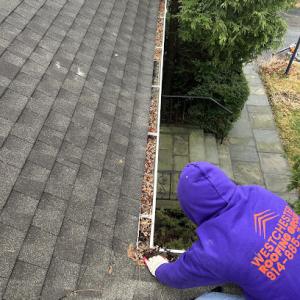
With over two decades of dedicated service, we specialize in delivering roof and gutter solutions. Our comprehensive services include: Asphalt Shingle Roofs Flat Foam/Single Ply Roofs Metal & Copper Roofs Natural Slate Roofs Traditional Tile Roofs Wood Shake Roofing Chimney Copper Flashing Gutter Installation Gutter Maintenance Roof Heating Cables Built on solutions, experience, and excellence, we provide high-quality roofing services designed for durability and reliability. With expert craftsmanship and a commitment to excellence, we ensure every project meets the highest standards, delivering long-lasting protection for your home or business.

Tucek & Sons
Serving
4.6 from 31 reviews
Frank J. Tucek & Sons, Inc., specializes in all areas of roofing, siding, gutters and windows for residential and commercial sectors. We are fully licensed and insured and have been serving the community since 1914 with quality services and workmansh

JLL Painting & Home Improvements
(845) 445-4063 jllpaintings.com
Serving
5.0 from 227 reviews
JLL Painting & Home Improvements, Inc. has been proudly serving the Rockland County and Westchester County, NY, and NJ area since 2006, specializing in premium interior and exterior home improvement services. From residential and commercial properties to multi-family and single-family homes, their team of skilled experts provides a wide range of services such as roofing, decking, drywall, painting, carpentry, deck building, pressure washing, gutter cleaning, and more. Their commitment to quality, affordability, and professionalism ensures that customers' homes receive the attention and care they deserve. JLL Painting & Home Improvements, Inc. is a licensed and insured company, guaranteeing customer satisfaction and peace of mind.
Asphalt shingles are the dominant practical choice for many homes in this hillside area, where older detached houses meet the realities of seasonal freeze-thaw and complex drainage. They fit a broad mix of rooflines seen across town and align with typical reroof budgets. You'll find a wide range of profiles and colors that can help a steep slope shed water quickly while staying affordable enough to justify a midlife roof replacement on an aging structure.
Slate persists in the local market because Westchester and the lower Hudson Valley have many older homes with original or replacement slate still in service. If a home already features slate or you're restoring a historic roof, slate can offer long life and a visually classic look. Expect careful attention to underlayment, flashing, and support to ensure the roof framing can carry the weight, especially on steeper sections where freeze-thaw cycles stress every seam.
Metal, clay tile, concrete tile, and synthetic products appear in the market, but each requires a closer review of structural load, flashing detail, and compatibility with older roof framing. Metal can provide strong performance on steep, hillside roofs when fastening and edge detailing are done right; however, some profiles may need reinforcement to handle wintry winds and heavy snow. Clay and concrete tiles bring a durable, Mediterranean-inspired look but add significant weight and potential drainage challenges on steep slopes. Synthetic composites offer flexibility and lighter weight, but need accurate matching to existing underlayment and flashing details to prevent leaks in freeze-thaw cycles.
On hillside homes, drainage and flashing are not afterthoughts. Roof lines often meet at irregular angles with valleys that trap moisture. When selecting material, prioritize compatibility with the existing framing, ensure proper attic ventilation, and plan for robust edge and valley flashing. A roof that leaves water nowhere to linger helps prevent ice dam formation and shared leaks between the house and its foundation. Material choices should be evaluated with these hillside realities in mind to sustain performance through harsh winters.
For most detached, older structures in the area, asphalt shingles deliver dependable, everyday performance with simpler maintenance. Slate remains a tasteful, long-lived nod to the past where it's feasible, while metal and tile options should be pursued only after a careful assessment of load, flashing, and framing compatibility. In any case, matching the roof to the unique Peekskill climate - and its seasonal stressors - yields the best long-term results.
Flat and low-slope sections show up most on additions, porches, multifamily buildings, and mixed residential-commercial structures in the older built environment around the hill. That means you might have a main steep roof pair and a flatter rear or extension that never quite got the same attention. In this setting, drainage and flashing strategies need to reflect both roof areas, not a single replacement plan.
When you walk the house, start with the low-slope portion first. Winter snowmelt sits on these surfaces longer, and spring rain can expose aging seams or failed penetrations. Look for ponding water, softened edges, and rusting or peeling metal flashings at joints where the low slope ties into walls or higher roofs. For the main steep roof, identify broken shingles, missing granules, and raised nails that can trap meltwater or ice. Do not assume the same fix will cover both areas; each section has its own drainage pattern and vulnerability.
Flat roofs in Peekskill rely on careful drainage to survive freeze-thaw cycles. Check scuppers, gutters, and downspouts for blockages, especially where the low-slope area drains toward the house foundation or toward a shared wall with another unit. Ensure parapet edges are flashed properly and that crickets or internal drains divert water away from seams and penetrations. In winter, test meltwater flow after a fresh snow as soon as temperatures rise; standing water is a leading indicator of future leaks.
Common failure points include transition areas where the flat section meets a vertical wall, at skylights, vents, and pipe penetrations. Aluminum or membrane flashing should seal cleanly at these points, with reinforced seams that resist ice buildup. If you notice peeling edge sealing or loose fasteners on any flat section, plan targeted resealing rather than a full-area replacement.
For homes with both steep main roofs and low-slope rear sections, treat each roof area as its own system. Match materials and flashing details to the specific slope, exposure, and drainage behavior. A mixed approach-new membranes or flashings on the flat portion and upgraded shingles or metal on the steep roof-often yields the best long-term performance in this hillside, winter-prone climate.
Find specialists in TPO, EPDM, and built-up flat roofing systems for residential and commercial properties.
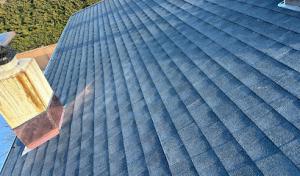
Chimney intersections are a major local concern because many Peekskill homes have masonry chimneys that create flashing and counterflashing failure points during freeze-thaw weather. When water wicks up the brick mortar and freezes, it expands and can lift flashing or pull counterflashing away from the metal sides. Over time, this creates slow leaks that travel along the joint and soak into the sheathing or into the attic. Inspect the intersection where the chimney meets the roof after every heavy freeze or thaw cycle, and pay close attention to any spalling brick or white efflorescence that signals moisture migration. In practice, this means you should plan for targeted resealing and methodical flashing repairs rather than treating the whole roof as a single field issue.
Skylights are a meaningful local service category, indicating enough demand that leak diagnosis around curbs, flashing, and aging seals should be addressed separately from field shingle issues. On Peekskill hillsides, the curb transitions can be exposed to wind-driven rain and rapid temperature shifts, which stress seals and fasteners. Leaks around skylight curbs often show up first as small drips near the edge of the curb, especially after a thaw following a heavy snow event. Focus on the integrity of the curb flashing, sills, sealant joints, and any plastic or metal flashing layers that may have aged unevenly. A poor seal at the skylight can defeat even a fresh shingle installation elsewhere on the roof.
On older homes, roof leaks are often detail-driven at valleys, sidewalls, and penetrations rather than caused only by the main roofing field. Valley flashing can fail where two roof planes meet if the interlayment isn't properly integrated with the valley cap, or if snow buildup pushes water into a seam. Sidewall flashing at vents, vents through the sidewall, and where roof edges meet masonry can crack from freeze-thaw cycling. Penetrations for plumbing, chimneys, and HVAC have their own playbook: inspect the boot or collar for cracking, and verify that sealant remains pliable rather than brittle. In practice, the first sign of trouble tends to be damp spots that track along fasteners or along the nail line near these features. Address these issues promptly to prevent interior damage.
Find contractors experienced in skylight installation, flashing, and leak repairs to bring natural light into your home.
Miracle Home Improvements
(914) 271-9119 www.miraclehomeimprovements.com
Serving
4.9 from 108 reviews
In Peekskill, the local cost ranges for roof replacement per square (100 square feet) are: Asphalt Shingles 420 to 760, Metal Roofing 700 to 1100, Clay Tile 1100 to 1800, Concrete Tile 950 to 1500, Synthetic/Composite Shingles 520 to 900, and Slate 1500 to 2600. Those figures reflect typical installations on older homes with mixed and steep rooflines, where labor and material handling drive the price. Heavier or more regionally distinctive options like slate or clay tile push the per-square cost up, especially when the crew needs extra equipment or temporary supports.
Costs in Peekskill can rise on older homes with steep pitches, multiple dormers, chimneys, and complex tear-offs, all of which are common in the city's established housing stock. A steep, exposed hillside can demand additional safety measures, more careful waste removal, and longer crane or ladder time, which adds to the project's labor component. If a roof has several dormers or transitions, expect more complex flashing and integration work, and if the old deck or underlayment proves deteriorated, the price climbs further. For heavier materials such as slate or ceramic tile, structural assessment may reveal added framing or reinforcement needs.
Scheduling pressure after winter damage or spring storms can affect labor availability locally, while heavier materials like slate and tile can add structural and handling complexity. When calendars align with peak demand, timelines tighten and crew mobilization costs can show up in the estimate. Plan for potential variance: you may see tighter windows and modestly higher crew rates during busy stretches, especially if the job includes multiple rhomboid roof segments or nonstandard angles. Budget a cushion for unexpected tear-off waste on older homes, where debris may be more stubborn to remove cleanly.
Get a clear picture of your project costs upfront - no commitment required.
Cuenca Home Improvement
(845) 945-0473 www.roofingsidingcontractorny.com
Serving
5.0 from 35 reviews
A full reroof in Peekskill typically requires a permit through the City of Peekskill Building Department. Before any shingles come off or new roofing material goes on, you should confirm who is responsible for filing the permit-whether the contractor or the homeowner-and secure a clear project scope in writing. The department will want a straightforward description: roof size, type of material, any additions or changes to flashing, and details about drainage and ventilation. Having a well-defined scope helps avoid delays once the project starts.
Permit applications may require proof of contractor licensing and, in some cases, evidence of liability insurance. In practice, that means you should expect the filer to provide a current license number, the company name, and contact information. If your chosen crew is subbing work, verify who will be listed on the permit as the responsible party. Keep copies of all paperwork-permit receipts, approved plans, and any amendments-accessible on-site during the project.
The city requires a final inspection after completion. Scheduling can vary depending on Building Department backlog, so plan ahead if winter freeze-thaw cycles are a concern. Aim to coordinate the inspection window with the projected dry days and after the contractor has completed all critical steps-roofing installation, flashing at valleys and penetrations, underlayment checks, and proper drainage. If any issues are found, be prepared for quick follow-up work to meet the inspector's criteria and avoid repeat visits.
On the day of inspection, ensure access to attic ventilation and drainage details, plus a clear path to any newly installed roof penetrations. The inspector will review flashing, step and counter-flashing around chimneys or dormers, and overall workmanship. If your home features steep or mixed rooflines typical of older Peekskill neighborhoods, emphasize proper sloping, snow guards, and ice-dam prevention measures in the permit notes to aid a smooth walk-through.
In New York, wind and hail events can trigger roof-related claims, and carriers often request photos, roof age, and material specifications before approving scope. For the hillside homes around the Hudson, rapid drainage concerns and older mixed rooflines can raise flags about potential underlayment wear, flashing failures, and freeze-thaw damage. Having clear, dated images that show overall condition, vulnerable hips and valleys, and any visible leaks helps the claim move forward without delays.
Adjusters may perform on-site inspections and apply depreciation and replacement-cost rules that affect whether a homeowner repairs or fully reroofs. In Peekskill, where seasonal freeze-thaw cycles stress drainage systems, depreciation decisions can hinge on signs of ongoing deterioration in flashing, gutters, and ridge lines. If the roof is nearing the end of its life or shows uneven sagging in steep sections, expect tighter scrutiny and potential higher out-of-pocket exposure for a full replacement rather than a patch job.
Regional insurance rate pressure can influence timing, making documentation and prompt inspection especially important after a storm in Peekskill. Immediate triage-photos of storm impact, timestamps on weather events, and a concise narrative of observed drainage issues-can prevent misclassification or delayed approvals. Plan for a swift report to the insurer if a sudden freeze-thaw spike reveals new leaks near valleys or around chimneys, where water tends to collect and refreeze. Being prepared reduces guesswork during the claim process.