
Last updated: Apr 19, 2026
Ridgewood's attached brick rowhouses and small multifamily buildings present a mix of front-facing steep or mixed-pitch slopes and lower-slope rear sections. The visible front slope may appear quite different from the rear roof area, which often sits closer to parapets or party walls. This contrast matters because a leak can travel along a shared wall or hidden junctions before manifesting on the interior. When planning any replacement or repair, map both the front and rear roof planes, noting where transitions occur at party walls, chimneys, or dormers. The goal is to identify which sections are exposed to weather and which are shielded by adjacent structures, as that affects material choice, drainage details, and flashing layout.
Low-slope rear sections are a frequent source of quiet leaks due to accumulated debris and limited natural drainage. In mixed-pitch setups, the transition between a steeper front roof and a flatter rear roof creates a seam that requires careful flashing and a continuous waterproof barrier. Start by surveying the full perimeter: parapets, valley interfaces, and any visible deck or balcony edges. Pay close attention to joints at chimney bases, vent pipes, and skylight frames, because these penetrations compound risk in tight rowhouse configurations. For prevention, install robust edge detailing on the rear low-slope planes and ensure a positive drainage path toward established outlets. For replacement planning, pair the rear low-slope with a compatible membrane system that tolerates freeze-thaw cycles and humid summers without sacrificing pitch compatibility or flashing continuity at party walls.
Access is a practical constraint in dense blocks. If traditional ground-based staging is impractical, prepare for limited ladder space and restricted material handling near adjacent facades. Plan deliveries and material storage on the street side with clear coordination for neighbors on either side, especially where balconies or window openings overlap gutter lines. When feasible, arrange for partial roof sections to be completed in sequence to minimize street exposure and keep debris off neighboring properties. Coordination with adjacent residents matters for suction, scaffolding width, and waste containment. Consider pre-fabricated or pre-assembled components for areas near party walls to reduce on-site cutting and waste.
In mixed-pitch scenarios, choose a roofing system that provides seamless transitions between front and rear planes. For low-slope rear areas, a high-performance underlayment paired with a compatible membrane or sheet product helps reduce capillary migration of moisture. Flashing at parapets and along party walls should be continuous and reinforced where the wall intersects a low-slope surface. When adopting metal or synthetic options, ensure seam protection at ridge lines and along any transitions to steeper front planes. In tight spaces, integrated flashing kits and edge metal returns can simplify installation and improve longevity, particularly where parapets meet existing masonry.
Establish a twice-yearly inspection cadence focusing on the transition zones between front and rear roof sections, the top of parapets, and around penetrations. After major storms or freeze-thaw cycles, perform a targeted check of valley edges, flashing joints, and any visible sealant failures along party walls. In rows with shared walls, inspect for signs of moisture transfer at interior ceiling corners or staining along ceiling lines adjacent to roof intersections. Small issues detected early-such as lifted shingles on the front slope or minor flashing gaps near a vent boot-are easier to seal and less disruptive than full-scale repairs later. Regular cleaning of debris from rear low-slope areas helps preserve drainage and extend the life of waterproofing layers.
In a rowhouse block with shared party walls and aging rear low-slope wings, winter weather creates a distinctive risk: water can back up at eaves, valleys, and the low-slope transitions that are common on older Queens homes. Snow piles along the edge of the roof and ice damming at the eaves force meltwater to find new paths, often infiltrating through roof-to-wall joints where flashing is aged or inadequately sealed. In these tight districts, water can seep into subtle gaps around skylights, chimney flashings, and the juncture where a low-slope section meets a steeper pitch. The result is a slow, creeping leak that appears at ceilings or wall parapets well after a storm, sometimes even during a thaw when the ice behind the dam begins to move. The risk amplifies on roofs with mixed pitches and in rear sections that slide between two builds, where water can breach the envelope at multiple points.
Freeze-thaw cycles hammer flashing and masonry-to-roof joints far more aggressively where masonry abuts roof planes or where parapets sit flush against neighboring walls. In attached buildings, frost heave can pry flashing away from metal or composite flashings, creating micro-leaks that worsen with each freeze. Parapet-adjacent details-those tiny seams where the wall meets the roof and where vent collars sit near edge detailing-are particularly susceptible during winter. Water can wick along loose mortar joints and creep under roof-cap seals, then refreeze, widening gaps and accelerating deterioration. For many Ridgewood-style homes, flashing around valleys and transitions between low-slope sections and pitched roofs is the first line of failure when temperatures swing between freezing and above-freezing.
Emergency leak calls in cold months often center on active water entry after snowmelt or winter storms, not solely on the call for a full roof replacement. That distinction matters: a temporary patch can stop the immediate ingress, but underlying flashing integrity, joint sealing, and the condition of parapet details require targeted attention as soon as weather allows. If damp spots appear near a shared wall or at a valley during a thaw, prioritize securing flashing, re-sealing joints, and improving drainage rather than waiting for a larger project. Delayed attention to recurring leaks raises the risk of structural damage to sheathing, interior finishes, and ceiling plaster, which can cascade into longer interruptions and higher repair costs.
Respond quickly to any visible drip or damp patch after a storm or rapid melt. Inspect gutters and downspouts for ice blockage, and clear debris before a freeze, ensuring water can shed away from the fascia. Check for loose or lifting flashing at roof-to-wall joints and around valleys; reseal with compatible sealant or replace damaged sections promptly. If a leak is persistent, consider temporary interior containment and placing a sheet to divert water while planning a targeted repair of flashing and waterproofing details. In rowhouse layouts, coordinate with neighboring units when access to shared flashing or parapet details is required, since conditions in one unit often mirror or compound issues in the next.
When you can't wait, these contractors offer fast response times to stop leaks and prevent further damage.
Homestead Roofing Company
(201) 322-5043 homesteadroofing.com
533 Goffle Rd, Ridgewood, New Jersey
4.6 from 168 reviews
Daniel's Roofing:Best roofing contractor Queens/Brooklyn Ny
(917) 204-2906 danielsroofingnyc.com
Serving
5.0 from 78 reviews
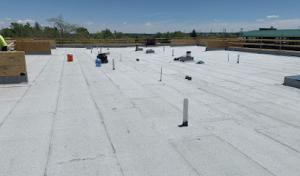
In Ridgewood, low-slope sections are a common feature on many rowhouse rear additions and small mixed-use buildings, which means ponding, seam failure, and drainage issues pose a bigger risk than in neighborhoods with uniform steep pitches. When rain and melting snow sit on those flat or gently sloped areas, water finds its way to seams, penetrations, and transitions that aren't built to shed moisture quickly. The result is a slow, creeping exposure that can lead to ceiling stains, warped sheathing, and interior damage if left unchecked. These roofs demand a closer eye on water behavior and early action when signs appear.
Parapets and transitions between front pitched roofs and rear low-slope sections are recurring weak points in this part of Queens. Parapets can act like wind-catching barriers, pushing moisture toward seams and penetrations rather than letting it drain away cleanly. Scuppers and drainage outlets in tight confines can clog with debris or freeze in cold snaps, turning a simple downpour into a pool that backs up under flashing. The junctures where different roof geometries meet-where a steep front roof ends and a flat or low-slope section begins-are particularly vulnerable to leaks if the flashing around those transitions is aged or improperly sealed. Routine checks should focus on flashing joints, sealant integrity, and alignment of the various roof planes. If you notice repeating damp spots along these interfaces after rain or a heavy thaw, it's a warning that the edge details need attention before a small issue becomes a larger one.
Dense tree cover and urban debris are constants in this area, and they don't take long to become workaday problems on a low-slope roof. Clogged gutters and clogged internal drainage paths trap water near the membrane or under flashing, which accelerates deterioration. Debris buildup can also hide the telltale signs of edge and seam wear, so proactive cleaning is essential during dry, moderate weather. Pay special attention to the rear sections where water has a longer residence time, and inspect scuppers for obstructions after storms. If drainage is marginal even after clearing, the problem is not just a clogged gutter-it's a broader drainage path that needs reconfiguration or reinforcement to move water away from vulnerable seams quickly.
A practical approach is to treat these low-slope sections as "watch zones" between major seasonal cycles. After a heavy rain, look for damp spots on ceilings or walls beneath the low-slope roof, and inspect access points for pooling near penetrations and transitions. In late winter, check where ice damming would push meltwater toward edge details, and verify that insulation and ventilation on the adjacent pitched roof are not creating compensating moisture issues below. When planning long-term repairs, prioritize upgrades to edge flashing, seam tapes, and compliant sealants at transitions, as well as improving gutter and scupper reliability with robust, debris-resistant components. The goal is to preserve the integrity of the membrane by ensuring water is directed away promptly and without standing water that invites failure.
Find specialists in TPO, EPDM, and built-up flat roofing systems for residential and commercial properties.
Homestead Roofing Company
(201) 322-5043 homesteadroofing.com
533 Goffle Rd, Ridgewood, New Jersey
4.6 from 168 reviews
Daniel's Roofing:Best roofing contractor Queens/Brooklyn Ny
(917) 204-2906 danielsroofingnyc.com
Serving
5.0 from 78 reviews
Homestead Roofing Company
(201) 322-5043 homesteadroofing.com
533 Goffle Rd, Ridgewood, New Jersey
4.6 from 168 reviews
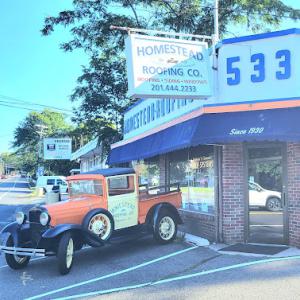
For over 90 years, Homestead Roofing Company has provided high-quality, affordable residential and commercial roofing in Bergen County NJ, Morris County NJ, and Passaic County NJ areas. We remained focused on customer satisfaction and delivering the highest quality finished product available which is why we are continually designated by GAF as a GAF Master Elite roofing company. Whether it is a roof repair for a leak or a new roof installation or replacement, our highly experience in-house roof technicians will ensure that your roof is safe and secure for years to come. Contact your reliable Ridgewood and North Jersey roofing contractor for a free estimate!
Daniel's Roofing:Best roofing contractor Queens/Brooklyn Ny
(917) 204-2906 danielsroofingnyc.com
Serving
5.0 from 78 reviews
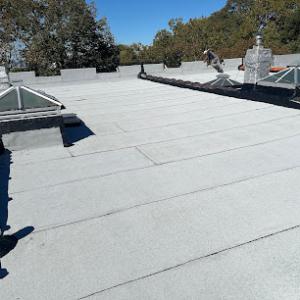
Fourth-generation roofing contractor that does the job right! Serving New York and surrounding areas since 1987. I have developed a fantastic reputation in customer service and fast but neat quality work at a price that won’t break the bank. When you call for a free estimate or just to ask some questions, you get to talk right to me, the owner. I’ll repair your home like it’s MINE!
Bushwick Roofing
(718) 285-7841 www.bushwickroofingny.com
Serving
5.0 from 44 reviews
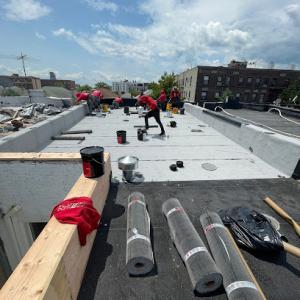
Bushwick Roofing, established in 1988 and conveniently located on Knickerbocker Avenue in Brooklyn, is your dependable source for any and all roofing solutions. Our highly skilled and experienced team of roofing professionals offers extensive knowledge in both residential and commercial roofing, including repairs, replacements, and installations. From traditional shingle roofing to specialized flat roofing systems, we've got you covered. Bushwick Roofing is committed to providing top-notch quality work with free price quotes, a warranty for your peace of mind, and our status as a fully licensed and insured contractor, which ensures reliability and professionalism. Contact us today for a free estimate.
Nice & Fast Construction
Serving
4.9 from 63 reviews
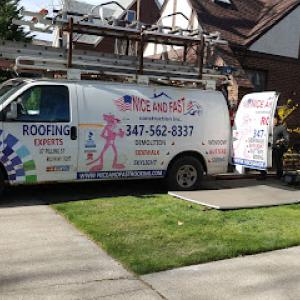
Jaime J Duchi has been working as a local New York roofing contractor installing new roofs, vinyl siding, replacement windows and seamless gutters for over14 years. We have a great reputation for high quality workmanship, and also install roofing products with a lifetime warranty. Your roof protects your home, all of your personal belonings and most importantly your family so don't take any chances, call Nice and fast construction today!
Guaman Roofing Services
(917) 891-4164 guamanroofing.com
Serving
4.9 from 65 reviews
Guaman Roofing Services has provided quality services to residential and commercial owners in New York City. We know that you deserve the best quality service, that’s why our team executes precise and safe projects, always guaranteeing a professional service.
Smart Roofers NY
(929) 298-4177 smartroofersny.com
Serving
5.0 from 158 reviews
Smart Roofers NY is one of the most trusted roofing contractors in New York, delivering top quality roofing installation, roof repair, and roof maintenance services for both residential and commercial properties. Our licensed and experienced team ensures every roof is built to withstand New York’s toughest weather while enhancing the safety and value of your property. We proudly serve homeowners and businesses across Brooklyn, Manhattan, and Queens, providing reliable solutions tailored to your roofing needs. From small repairs to complete roof installations, we use premium materials and industry approved techniques for long lasting performance.
Eagle Express Contractor
(347) 362-0008 eagleexpresscontractor.com
Serving
5.0 from 82 reviews
At Eagle Express Contractor, we pride ourselves on delivering top-notch roofing services with a commitment to excellence and customer satisfaction. With extensive experience in the roofing industry, our skilled team is equipped to handle projects of all sizes, from minor repairs to large-scale installations. We believe no job is too big or too small for us, and we take every project seriously, ensuring high-quality results every time. Our motto, "One call does all," reflects our dedication to providing comprehensive solutions for all your roofing needs. Contact us today to experience the Eagle Express difference!
Roman Roofing NYC
(917) 440-1800 romanroofingnyc.com
Serving
4.9 from 119 reviews
With a legacy spanning over three decades, Roman Roofing NYC is a trusted family-owned business specializing in top-tier roofing solutions. Since 1987, this Brooklyn-based company has built a reputation for integrity and exceptional craftsmanship. They provide a comprehensive suite of services, from meticulous installations and custom replacements to professional repairs and restorations. Every project is approached with a commitment to quality and a keen eye for detail, ensuring durable and outstanding results for every residential and commercial property. Roman Roofing NYC is dedicated to protecting your home or business with expertise and a personal touch.
Five Star Roofing
(718) 795-6640 fivestarroofingny.net
Serving
4.8 from 443 reviews
Five Star Roofing is a fully licensed and insured commercial and residential roofing company located in Queens, NY. Since 2008, we have provided top-quality roofing services to Queens, Brooklyn, and Long Island homeowners. Our team of experienced and certified roofing professionals specializes in flat, shingle, tile, and metal roofs, as well as urgent repairs. Whether you need roof repairs, replacements, or installations, we have you covered! With a strong emphasis on excellent customer service and premium craftsmanship, we have built a reputation as one of the most trusted roofing companies in the area.
SRT roofing services
(917) 459-8918 www.srtroofingny.com
Serving
4.7 from 92 reviews
srt roofing is a full service roofing company specializing in the installation and repairs of flat roof and shingle roof systems
Thomas James Roofing & Waterproofing
(718) 416-5255 www.thomasjamesroofing.com
Serving
4.9 from 52 reviews
Since 1999, Thomas James Roofing and Waterproofing has been a trusted name in roofing, siding, and waterproofing. With a dedicated team of experienced professionals, they are committed to delivering high-quality, long-lasting results. Specializing in making each project as seamless and stress-free as possible, Thomas James Roofing and Waterproofing offers expert service with a focus on durability and customer satisfaction. Their skilled craftsmanship ensures that every home is treated with the care and attention it deserves, providing peace of mind and protection for years to come.
Brooklyns Best Roofing Williamsburg
brooklynsbestroofingwilliamsburg.com
Serving
5.0 from 121 reviews
Brooklyns Best Roofing Williamsburg delivers exceptional roofing solutions for homes and businesses. As a trusted leader, we are dedicated to providing top-quality residential and commercial roofing services in NYC. Our commitment to excellence shines through in every project, ensuring durability and complete customer satisfaction. From expert installation to meticulous repairs and ongoing maintenance, our skilled team uses only the best materials and provides reliable craftsmanship tailored to your specific needs. Choose us for roofing projects done right, every time.
Asphalt shingles remain a practical fit for many pitched roofs in this neighborhood because they match the common residential roof forms that line the blocks and sit at the lower end of the local cost range. The familiar look blends with older rowhouses, and the installation cadence is familiar to local crews who understand the winter freeze-thaw cycle and summer humidity. For tight rear sections with limited access, asphalt shingles can be shaped and trimmed to accommodate dormers and small overhangs without sacrificing water shedding. When considering replacement, prioritize a laminate profile with good granule adherence and a wind-rated underlayment that resists the coastal humidity and occasional gusts that sweep through the block.
Heavy materials such as clay tile, concrete tile, and slate can trigger added structural review in NYC permit workflows because heavier roof systems often require engineering to confirm joist strength, rafter spacing, and connections. In the rowhouse environment, load paths extend across party walls, so structural confirmation is especially important if the roof spans multiple bays or includes extended overhangs. If a homeowner considers these heavier options, expect a focused assessment of attic detailing, possible reinforcement of framing, and potential adjustments to ledger and fascia connections. The outcome is a roof that remains durable, but the process is slower and more involved than a standard shingle replacement.
Metal roofing and synthetic/composite products can appeal when a lighter-weight alternative is desired for older structures while still improving durability. Metal panels or shingles offer solid wind resistance and can shed snow and rain efficiently on low-slope rear sections. Synthetic options resemble the look of traditional shingles but often with longer service life and easier installation over existing sheathing. In mixed-pitch configurations, these lighter systems can be paired with appropriate flashing around dormers and chimney areas to maintain a watertight transition. For tighter spaces behind party walls, slot-fastened panels and concealed fasteners can reduce the risk of roof edge damage during replacement.
Begin with a careful assessment of the roof's slope, span, and existing underlayment. Verify that the chosen material's weight aligns with the attic and framing limits, especially when the roof sits over a shared wall. Consider how the material handles the area's freeze-thaw cycles and high humidity, ensuring a robust water barrier at rake lines, valleys, and transitions to sidewalls. Finally, review color and texture to maintain the street's visual rhythm while balancing longevity and maintenance needs in a dense block setting.
Roof pricing here is heavily influenced by NYC labor rates, the hassle of permit handling (without detailing permits), and the tight staging typical of densely packed blocks. In practice, you'll notice every square foot of working area gets a premium when crews must squeeze around narrow walkways, maneuver through backyards, and haul debris through shared spaces. A Ridgewood roof often sits on a stack of constraints: limited access, and the need to protect adjacent homes from noise and falling debris during a careful, staged replacement.
Costs rise quickly when a roof has multiple levels, rear additions, or parapets. A simple, single-plane roof is unusually rare in Ridgewood; more often you're balancing low-slope rear sections with steeper front pitches. Skylights, chimney flashing, and other penetrations add to both material and labor time, as flashing transitions must be airtight and watertight across varied planes. Mixed low-slope and steep-slope sections demand careful sequencing to avoid backtracking and to keep the home's exterior protected during work.
Tile and slate are heavier and require structural review and, in dense urban settings, slower installation due to limited staging and the need to coordinate with neighboring families. In practice, that means not only higher material costs but also extended labor windows and more meticulous framing or support assessments. In Ridgewood, the additional attention to loading paths and temporary supports can add a noticeable premium compared with a flat single-plane installation.
Asphalt shingles and synthetic/composite options remain the most economical per square, with durable performance suitable for mid-range budgets. Metal roofing provides robust longevity but sits at a higher price point, with easier installation on some multi-hipped configurations. Clay and concrete tiles, plus slate, command premium pricing, reflecting material weight, specialized fasteners, and longer, more careful installation in tight spaces. In this neighborhood, the decision should balance expected lifespan with the complexity of your roof's layout and the available staging to minimize disruption.
When you're estimating, start with an honest assessment of how many levels and penetrations exist, where parapets or skylights add complexity, and whether any retrofits or structural checks will likely be needed. Factor in the added time a crew will spend navigating tight blocks and coordinating debris removal so the final figure reflects the real pacing of a Ridgewood replacement.
Get a clear picture of your project costs upfront - no commitment required.
Homestead Roofing Company
(201) 322-5043 homesteadroofing.com
533 Goffle Rd, Ridgewood, New Jersey
4.6 from 168 reviews
Daniel's Roofing:Best roofing contractor Queens/Brooklyn Ny
(917) 204-2906 danielsroofingnyc.com
Serving
5.0 from 78 reviews
A full roof replacement in this area typically requires a permit filed through the New York City Department of Buildings rather than a village or standalone town building office. The process is built around the city's reviews of structural changes, drainage, and fire safety details that sit on top of each rowhouse party-wall arrangement. Your licensed contractor should handle the submittal, but you still benefit from understanding the sequence: device your plan, assemble drawings, and confirm the scope with the DOB to avoid delays. Downstairs units, shared walls, and tight rear access can influence the required documentation, especially when the roof connects to venting, skylights, or new flashing details that cross property lines.
DOB inspections are generally scheduled during and after the work, so expect paperwork, signoff timing, and contractor coordination to affect project scheduling. A typical path includes plan approval, material verifications, and field inspections at critical milestones, such as truss or rafter work, flashing and drainage changes, and final occupancy conformance. Because postponements can arise from weather, permit amendments, or unanticipated findings, maintain open lines with your contractor and the DOB liaison assigned to your project. Having all construction notes, warranty letters, and material specs available on site helps keep each inspection moving smoothly.
Heavy slate or tile work in this jurisdiction may require engineering plans or additional review because of structural load considerations under NYC oversight. If you are contemplating concrete, clay, or slate options, coordinate with a design professional who can verify anticipated loads on party walls and existing framing. The DOB may request a letter of structural adequacy or a load-path diagram before approval. Planning for these reviews early can prevent mid-project hold-ups and keep the replacement on track.
When a leak or wind-driven rain hits a Ridgewood rowhouse, insurers expect a clear trail of evidence. The tighter blocks and shared party walls mean that a single storm can show multiple contributing factors, from a flashing seam to a long-simmering valley. The goal is to show what happened, when it happened, and what failed, not just that a leak exists.
In Ridgewood, insurers commonly want photo documentation, contractor estimates, and an adjuster visit, especially when wind-driven rain or storm-related leaks are claimed. Gather daylight photos of the exterior seams, vents, flashings, and any visible sagging or damage. Inside, photograph the ceiling stains, attic signs of moisture, and the interior walls near the affected area. Keep dated records of all communications and repairs, including any temporary tarping or emergency measures. If a roof has uncommon materials like slate or tile, include close-ups of individual pieces and any visible cracking or loose fasteners.
Older Ridgewood roofs and uncommon materials such as slate or tile may face stricter underwriting or depreciation scrutiny from New York insurers. Separate sudden damage from long-term wear by identifying recent storm impacts (new potholes, displaced flashing) versus gradual aging (blooming rust on metal components, hairline cracks in tile). Clear lines between abrupt events and chronic deterioration help avoid underwriting confusion and facilitate a smoother claim process.
Because many Ridgewood leak events involve mixed causes like age, flashing failure, and storm exposure, documentation should separate sudden damage from long-term wear. A concise narrative that ties each photo to a date, a scene, and a suspected failure point saves back-and-forth with adjusters. Include any temporary fixes and their dates of installation.
Be prepared for an adjuster to request access to the attic and to verify vented areas and roof-to-wall transitions along the shared boundary. If the claim spans multiple sections of the roof, ensure the documentation covers all affected planes to avoid gaps in coverage.
Connect with contractors who help homeowners navigate the claims process from damage assessment to final approval.
Daniel's Roofing:Best roofing contractor Queens/Brooklyn Ny
(917) 204-2906 danielsroofingnyc.com
Serving
5.0 from 78 reviews
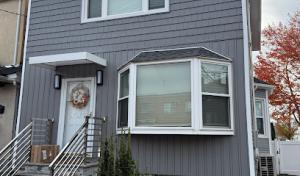
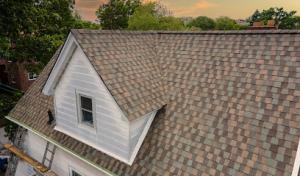
Spring through early fall is generally the best installation window in Ridgewood because cold-weather snow risk eases and crews can better manage drying and adhesive performance. For a typical rowhouse with a low-slope rear section or mixed-pitch roofs, plan work for a stretch when temperatures have settled into the 50s to 70s and humidity isn't extreme. Schedule a delivery window with the crew that allows for staggered days on close-spaced homes, so trucks aren't stacking up on the street and blocking shared driveways.
As soon as the ground dries after winter, you can start with a thorough inspection to flag potential leaks and identify ventilation gaps that contribute to adhesive failure on asphalt and synthetic shingles. In this season, prioritize ventilation checks, chimney and vent clearances, and addressing any blown or lifted shingles left from the prior season. If you're replacing a low-slope rear roof, confirm that the roof-to-wall transitions are flashed correctly where it meets party-wall conditions, and plan for a careful seal around any dormers or skylights. Dry, moderate days help adhesives cure evenly, reducing the chance of waviness or curling.
Ridgewood's warm, humid summers can accelerate asphalt aging and affect shingle adhesive behavior, making ventilation and timing more important on replacement jobs. During hot spells, crews should keep bundles shaded and avoid long midday installs on exposed sections to prevent premature adhesive activation. If a replacement overlaps with a heat wave, request extended curing periods for multi-layer configurations and ensure attic or roof-space ventilation is active to curb humid buildup that can compromise sealant performance.
Autumn in Ridgewood can bring wind and storm activity that pushes homeowners to book work before winter leak season, tightening contractor availability. Use this period to finalize color and material choices, confirm rooftop penetrations (projects near the party wall orCustom dormers), and set a contingency plan for gusty days. Have a loose schedule buffer for wind-driven debris cleanups and to accommodate any last-minute weather shifts that could affect shingle seating on low-slope sections.