
Last updated: Apr 19, 2026
Winter in this village brings cold snaps, snow, and a repeated thaw-refreeze cycle that can push water under shingles and into the attic. Ice dams form at the eaves when warmth from the roof melts snow, and that melted water refreezes at the overhanging edge, sealing the gutter and forcing water to back up behind it. The result is a slow, creeping drip that can damage ceilings, walls, and insulation. For homeowners with steep-slope roofs and close-in details, the danger is not theoretical: ice and water backing up near chimneys, skylights, and other roof penetrations breaches the seal around those fixtures, creating leaks with every thaw.
The housing stock here is dominated by steep-slope roofs, not flat urban arrays, so issues are more about edge icing, shingle edge damage, and gutter-line backups than large-scale membrane failures. The combination of heavy winter snow and repeated freeze-thaw cycles opens pathways for leaks around penetrations like chimneys and skylights, where the roof plane is interrupted. A cold spell followed by a sunlit afternoon can quickly create a thaw at the eave, melt water, and then a rapid freeze along the edge. If gutters are clogged or downspouts are blocked, the problem compounds, pushing water under shingles and behind flashing seals. In short, every winter storm can test the integrity of those edge details that Garden City homes rely on daily.
Chimneys and skylights are frequent trouble spots. They interrupt the uninterrupted plane of the roof, creating seams where water can sit and seep after a thaw. In many Garden City homes, flashing around these penetrations is older or fatigued, so even small ice dams can pry loose shingles and push water inward. Valleys where two roof planes meet and the transitions around dormers or roof-to-wall intersections also see concentrated ice buildup, especially on windward or shaded elevations. Eave lines and gutter connections deserve special attention: if gutters or downspouts are blocked or sagging, meltwater cannot escape, feeding the dam and forcing water to travel under shingles at the edge.
Watch for stained or damp ceilings near exterior walls, especially after a day with a thaw. Listen for dripping sounds in the attic, and inspect attic insulation for moisture or frost patterns after storms. Outside, look for ice build-up along the eaves, ice curtains along the gutter line, and any visible shingle edge damage. If there is a visible ice dam, do not rely on cosmetic basketball-sized icicles as a signal of full danger; the dam itself can be quietly causing damage above the ceiling line.
Prioritize keeping eaves clear of snow and ensure gutters are clean and securely attached before the deepest freezes. Consider a roof rake long enough to reach the eaves without stepping onto the roof. This reduces the amount of snow that can melt at the edge and refreeze. Improve attic insulation and seal air leaks to reduce heat escaping to the roof deck, which drives the thaw at the eave. Ventilation matters too: ensure soffit and ridge vents are open and functional so attic temperatures stay closer to outside temperatures, slowing the thaw-refreeze cycle at the roof edge. If a skylight or chimney flashing looks aged or signs of wear appear, arrange a professional evaluation before the next storm-the right flashing repair can halt the cascade of leaks triggered by an early freeze.
Establish a rapid-response plan for storms with freezing overnight temperatures. Have a trusted local contractor who can inspect flashing, shingles at the eaves, and gutter-line connections after major snow events. Document any changes in attic moisture, and address any unusual warmth in the attic that could indicate compromised insulation. Regular checks of chimney and skylight flashing, plus confirming that snow removal from the eaves won't damage the roof surface, will save many homeowners from more invasive repairs later. Garden City winters demand vigilance at the edge of the roof, where a small lapse becomes a big problem. Stay ahead of the thaw, and act quickly when signs of ice damming appear.
Spring rainfall and summer storms in Garden City can turn minor flashing defects into active interior leaks before a full replacement can be scheduled. The combination of wet springs and high humidity accelerates water intrusion through even small gaps around chimneys, skylights, and valleys. When a storm hits, attic condensation and attic venting imbalances can amplify leaks, especially on older roofs with wear from freeze-thaw cycles. If you notice damp ceiling spots, peeling paint, or new musty odors after a rainstorm, treat it as a leak rather than a cosmetic issue and act quickly to stabilize the roof area.
Warm, wet summer conditions expose weaknesses around valleys, skylights, and chimney intersections on older roofs. Valleys collect runoff from multiple slopes and are prone to flashing failures after freeze-thaw stress. Skylights and chimneys create additional junctions where sealants age or degrade. In Garden City's climate, these points can saturate fast, allowing water to travel along underlayment and into living spaces even when the rest of the roof seems sound. Inspect these areas after heavy rains, paying close attention to the flashing sealant lines, raised metal details, and any rust or cracking in the metal flashings.
When a leak is suspected, time is of the essence. Begin by removing interior contents from the affected area to prevent secondary water damage. From the exterior, locate the most exposed entry point-often around a chimney, skylight, or valley-and apply a temporary tarp or heavy-duty polyethylene cover secured with nails or screws through the plywood sheathing, not the shingles, to avoid tearing. Use boards or battens to prevent wind from lifting the tarp. If you cannot reach the roof safely, place a bucket under the drip and call for emergency assistance to minimize interior damage. In between storms, document the leak with photos and notes so a contractor can pinpoint the issue quickly.
Local contractor signals show an unusually strong prevalence for emergency repair and storm-damage work, indicating homeowners here frequently seek immediate leak stabilization rather than waiting for planned reroofing. When you call, describe the exact locations of the leaks, the dates of the most recent storms, and any prior repairs around the affected zones. Ask about temporary leak stabilization options, including tarping, sealant defects at flashing joints, and quick reinforcement of vulnerable intersections. Request a written plan for a follow-up visit focused on long-term repair after the weather settles.
Garden City residents should anticipate that spring and summer weather can repeatedly stress aging roofs. Even if a full replacement is months away, arranging a temporary stabilization plan now can stop existing leaks from becoming interior water damage. Ensure gutters and downspouts are clear so roof runoff can drain efficiently during storms, reducing overloading at problem points. Regular checks after heavy spring rains and mid-summer storms can catch emerging issues early, preventing more extensive interior damage and making the eventual reroofing process smoother.
Find local contractors experienced in assessing and restoring roofs after hail, wind, and severe weather events.
Rebuild America-Roofing-Windows & Remodeling
(516) 407-7821 rebuildamericany.com
Serving
4.9 from 34 reviews
Apex Roofing Pro
(888) 773-1193 apexroofingpro.com
825 E Gate Blvd #310, Garden City, New York
5.0 from 86 reviews
Apex Roofing Pro is your trusted roofing company in New York, proudly serving Manhattan, Brooklyn, Queens, Nassau, Suffolk, and Long Island. We specialize in roof installation, roof repair, and roof maintenance, providing durable and high-quality roofing solutions for homes and businesses. Our team also offers expert gutter installation, repair, and maintenance services to ensure your property stays protected from water damage year-round. At Apex Roofing Pro, we use premium materials, skilled craftsmanship, and a customer-first approach to deliver results that last. Whether you need a new roof, emergency repairs, or regular maintenance, count on us for reliable, efficient, and affordable roofing services across New York.

Delta Roofing Long Island
(516) 689-0889 deltaroofinglongisland.com
1225 Franklin Ave RM 325, Garden City, New York
5.0 from 74 reviews
Delta Roofing Long Island is your trusted roofing contractor, serving residential and commercial clients across Long Island, New York. We specialize in metal roofing, roof repairs, cleaning, and maintenance services. Our fully licensed roofing expert team offers quality roof inspections, leak repairs, and complete replacements. Whether it's a new roof installation or a routine checkup, we use premium materials to ensure lasting results. We are proudly serving Long Island and surrounding areas. Contact us today for a free estimate and professional roofing solutions you can trust!
MasterCraft Chimney Sweep & Cleaning
311 Nassau Blvd S, Garden City, New York
4.9 from 36 reviews
Chimney Sweep & Repair Services
TMT Roofing
Serving
5.0 from 69 reviews
Established in 1963, TMT Roofing is your top choice for all commercial and residential roofing needs in Long Island, NY. We specialize in commercial roofing, gutter services, and siding, ensuring our dedicated team provides unparalleled expertise and exceptional customer service. We offer comprehensive roofing solutions, including silicone coatings, EPDM, shingles, and metal roofing. Whether you require a new roof installation or urgent repairs for leaks or damage, we have you covered. Trust TMT Roofing for high-quality materials, expert craftsmanship, and affordable rates—your satisfaction is our top priority.
Alcon Roofing Experts
(516) 807-3975 alconroofingexperts.com
Serving
5.0 from 25 reviews
Roofing, Siding & Gutters
R&M Roofers
(516) 233-9506 rnmroofersllc.com
Serving
4.8 from 24 reviews
At R&M Roofers, we’ve proudly served Hempstead, NY and surrounding areas since 2007 with reliable roofing services and top-notch craftsmanship. From roof repairs to full roof replacements, our experienced team uses durable materials that stand the test of time. We also offer expert gutter installations and siding solutions to protect and enhance your home. Based in Hempstead, we serve nearby communities including Uniondale, Garden City, West Hempstead, Freeport, Baldwin, Rockville Centre, Valley Stream, Elmont, Franklin Square, and Lynbrook, as well as across Nassau and western Suffolk County. Whether you’re in Long Beach, Oceanside, Massapequa, or East Meadow, we’re committed to keeping your home safe, beautiful, and built to last.

All Weather Guard
(516) 876-1999 allweatherguard.com
Serving
5.0 from 162 reviews
Residential & Commercial Roofing
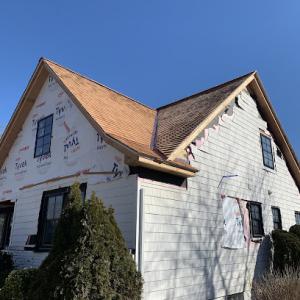
Rebuild America-Roofing-Windows & Remodeling
(516) 407-7821 rebuildamericany.com
Serving
4.9 from 34 reviews
Rebuild America-Roofing-Windows & Remodeling is a roofing contractor in Mineola serving Nassau, Suffolk and Queens, We have 1000s of local referrals. Our roofing company offers residential roofing, residential roof repair, residential roof replacement, residential flat roofing, commercial roofing, siding, gutters, and more. Customers love us because of our comprehensive roof warranties and our affordable roof financing options. We also have industry affiliations and certifications such as GAF Master Elite Factory Trained, Velux Certified Skylight Installer, and many more. If you want to experience how your most trusted Long Island roofing company embraces our motto "Rebuild America-One Home at a Time!", call us now for a free estimate!
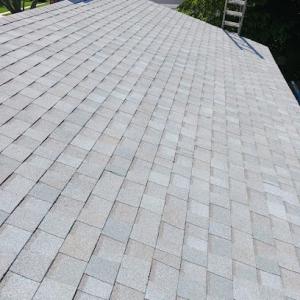
Connaghan Construction
(516) 800-4952 www.connaghanconstructionny.com
Serving
4.8 from 26 reviews
Connaghan Construction provides roofing, gutters, siding, masonry, waterproofing, and chimney services in Jericho, Mineola, and surrounding areas of NY.

Preferred Exterior
(516) 354-7252 www.preferredexterior.com
Serving
5.0 from 50 reviews
We are a family owned and operated establishment specializing in commercial, industrial and residential roofing and siding. We are certified installers of all major manufacturers. We are fully licensed and insured. Our reputation is built on knowledge, craftsmanship and integrity.
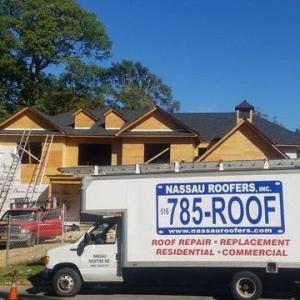
Nassau Roofers
(516) 785-7663 www.nassauroofers.com
Serving
4.9 from 97 reviews
For comprehensive roofing services that meet every residential and commercial need, choose Nassau Roofers, Inc. Based in East Meadow, New York, our roofing contractors provide a wide variety of services, including replacement and repair of both shingle and flat roofs. Established in 1978, we have developed a proven track record as experienced professionals who create the roof you want at a price you can afford. We are a local, family-owned business that is fully dedicated to your complete satisfaction.
Prodigy Contracting
(516) 318-0105 www.prodigycontracting.net
Serving
4.9 from 38 reviews
Prodigy Contracting is a Veteran owned business servicing Long Island, New York since 2005. As a GAF Presidential Master Elite Roofer, we offer our clients exceptional quality and a lifetime warranty. Our siding designs feature innovative looks, with rustic contemporary touches and attention to detail service. We use Drone Technology to provide a 360 degree rendering of your project before and highlight your beautiful results after. We look forward to meeting you. Let us transform your home into you Dream Home
Asphalt shingles dominate practical choice in this area, but metal, clay tile, concrete tile, wood shakes, and synthetic shingles are all present enough locally to require material-specific planning. Each option behaves differently when winter freezes, thaw cycles, and warm, wet summers hit a steep-slope roof with chimney and skylight details. The decision should factor not only appearance and weight but also how the system sheds water and resists ice dam formation during a Nassau County winter.
Garden City's freeze-thaw winters push water under flashing where mis-timed expansion and contraction occur. Flashing quality matters more here than in drier inland markets because mis-matches with roofer penetrations, chimneys, and dormers can trap meltwater and refreeze. Underlayment performance is equally critical: a dependable, well-lapped layer protects against moisture intrusion when ice dams form at the eaves or along valleys where snow sits longest. In summer, heavy rain and humidity demand a roof that can shed water quickly after a storm, without allowing moisture to saturate decking before drying out in the heat.
Heavier systems such as clay and concrete tile require closer attention to structural suitability on older Long Island homes. The roof structure must carry the added dead load, especially on a steep slope where wind loads and snow drift can accumulate at hips and ridges. If the existing structure is marginal, a lighter option-such as asphalt or synthetic shingles-may preserve long-term roof integrity while still delivering a durable barrier against water intrusion. When choosing tile, confirm framing, sheathing, and rafter spacing with a licensed roofer who can verify load paths and anchoring in high-wind conditions common to coastal exposures.
Water shedding performance hinges on precise installation and continuous, high-quality flashing around chimney stacks, skylights, and vent penetrations. For steep slopes in this climate, step-flashing and counter-flashing details tied into a solid drip edge help reduce ice dam risk. The underlayment should be rated for freeze-thaw cycles and backed by a roof deck that remains dry enough to resist warping or rot. Metal and synthetic options can offer flexible flashing solutions, while clay and concrete tile demand careful sealant detailing at penetrations and connectors.
In this market, proactive maintenance beats reactive repairs. Inspect after heavy thaws and mid-winter storms for loose or lifted shingles, compromised flashing, and moss or debris buildup that can trap moisture. For steep, multi-penetration roofs, schedule a professional check focusing on chimney and skylight interfaces, where water intrusion tends to begin. A local contractor can verify that underlayment remains intact behind any new material choice and that drainage paths stay clear to minimize standing water during temperature swings.
In this village, roof replacement costs should be framed around the provided per-square ranges, with asphalt shingles at the lower end and tile, wood, and metal systems rising sharply in price. For a typical job, you'll see asphalt shingles closer to the 350-650 USD per square band, while metal systems can push toward 700-1,400 USD per square, and clay or concrete tile often lands well above 1,000 USD per square. Wood shingles or shakes sit near the upper middle, often around 900-2,500 USD per square, with synthetic or composite shingles hovering in the 500-1,000 USD per square range. The price landscape here mirrors the steep-slope housing stock common in this area, where higher-end materials meet demanding detail work.
Costs in this village are often pushed up by tear-off and cleanup expectations, the effort required to properly remove existing roofing, and the meticulous cleanup after a replacement. The presence of chimneys and skylights is a regular feature on local homes, and that detail work adds hours to the project and materials to the bill. You'll also see disparities depending on roof complexity: higher slopes, multiple penetrations, and tight eaves increase labor and safety considerations, which translates into higher per-square pricing. Planning for these factors helps avoid surprises once the project begins.
Seasonal demand spikes after winter damage and spring storm leaks can tighten scheduling and affect pricing for replacement work in this village. Ice-dam risk and freeze-thaw cycles take a toll on shingles, underlayment, and flashing details around chimneys and skylights. When spring storms deliver urgent repairs, the window to fully replace a roof shortens, and crews may schedule longer days or bring in additional crews, influencing both timing and cost. If your roof is showing active leaks, warped decking, or ice-related damage, expect the project to shift from a plan-and-order scenario to a rush-but-quality replacement, which may carry a premium but reduce the chance of interim leaks.
To navigate costs effectively, pin down material choices early. Asphalt shingles remain the most economical route, ideal for a straightforward replacement, especially when a long life with solid warranty is acceptable. If durability and appearance matter more, metal, clay, or concrete tile options deliver longer lifespans and distinct aesthetics, but with substantially higher per-square figures. Synthetic or composite shingles provide a middle ground, balancing price with performance, and they can handle freeze-thaw cycles without the same maintenance demands as some natural materials. Consider roof geometry, existing chimney and skylight work, and probable spring demand when budgeting, and you'll align expectations with what Garden City homeowners typically experience.
Get a clear picture of your project costs upfront - no commitment required.

Delta Roofing Long Island
(516) 689-0889 deltaroofinglongisland.com
1225 Franklin Ave RM 325, Garden City, New York
5.0 from 74 reviews
Rebuild America-Roofing-Windows & Remodeling
(516) 407-7821 rebuildamericany.com
Serving
4.9 from 34 reviews
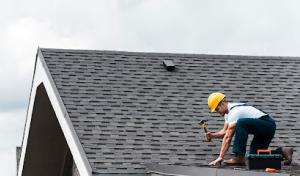
A full roof replacement in Garden City typically requires a building permit through the Village of Garden City Building Department. This means the project isn't just about the shingles or panels; it's about meeting local standards for structural attachment, venting, drainage, and flashing around features like chimneys and skylights. Because the village prioritizes safety and historic-residential character, the permit process often includes showing how the roof integrates with existing systems and how it will perform through harsh winter weather and spring thaw cycles.
The local process includes plan review and on-site inspections, with a typical turnaround of about 1 to 3 weeks depending on department workload. The plan review looks at details such as roof penetration for vents, skylights, and chimneys, as well as the condition of soffits and ventilation to help prevent ice dam formation and freeze-thaw stress. On-site inspections generally occur at key milestones: after framing and underlayment is installed, after shingles or roofing material is applied, and finally after completion to verify that everything complies with code and village standards. Keeping durable, weather-resistant details in mind during planning can help make inspections smoother, especially where steep slopes and tight working areas are common in Garden City homes.
Because permit timing can affect project start dates, Garden City homeowners should account for municipal review before scheduling tear-off, especially during busy seasonal periods. If a roof project sits in plan review during late fall, winter, or early spring, the start date may shift by several days to weeks, which can be critical when winter ice-dam risk is high. Coordinate with your contractor to align the permit approval window with favorable weather and available crew, so tear-off and replacement can proceed without weather-induced delays. The village's inspection cadence can also influence sequencing; for example, temporary protection or ventilation adjustments may be requested during the permit review to address frost-prone conditions unique to this climate. In practice, having the permit filed early and maintaining open communication with the Building Department helps ensure that the project progresses smoothly from initial approvals through to final occupancy confirmation.
Garden City homeowners should expect insurers to request documentation that shows the roof's pre-loss condition and a clear scope of work before approval. In a town where steep-slope roofs meet frequent chimney and skylight details, a precise baseline matters. Photos from the season before the incident, noting ice dam risk spots and vulnerable flashing, can make a meaningful difference. A well-defined scope helps prevent a later dispute over what was damaged and what is needed to restore performance against freeze-thaw stress.
After a claim is filed, adjusters may ask for photos, invoices, and possibly a post-work roof inspection. This is particularly true when leaks track through attic spaces or when storm-driven projectiles threaten fascia and venting. Organized documentation saves time and reduces back-and-forth with a carrier that already has to navigate Garden City's unique roof layouts. Keep a binder or digital folder that matches each item to its date, including any temporary measures installed to mitigate water intrusion.
Carrier availability can vary in the New York market, so Garden City homeowners may face different underwriting standards depending on roof age, material, and documented condition. Older roofs with multiple penetrations (chimneys, skylights) or evidence of prior freeze-thaw stress can trigger stricter review. Understanding that the claim may hinge on a clear, well-documented history helps prepare you to present the most compelling case for repairs or replacement aligned with Garden City's winter realities.
Document regular maintenance that reduces ice dam risk, such as evidence of insulating upgrades or ventilation improvements. Capture high-resolution images from multiple angles, including interior attic photos showing signs of previous moisture. If a contractor is involved, ensure written scopes of work are aligned with the observed pre-loss condition to streamline the adjustment process.
Connect with contractors who help homeowners navigate the claims process from damage assessment to final approval.
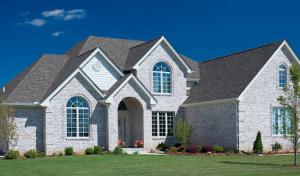

In Garden City, leaks often start where roof planes are interrupted by skylights and chimneys. Moisture tends to migrate around flashing and joints at these features, rather than across open field shingles. Fall leaf debris compounds the problem by clogging vents and gulleys, especially as you approach winter.
Skylights create interior corners where ice dam risk is higher if attic venting isn't balanced. Check interior ceilings for tiny drips near skylight perimeters after heavy rain or thaw cycles. Exterior flashing should sit flush against resistant roofing material, with sealed joints at all transitions. When replacing or adding skylights, insist on integrated flashing that matches the roof slope and ensures proper drainage away from the skylight curb.
Chimneys are frequent leak culprits because flashing meets irregular chimney walls. Inspect the step-flashing along the chimney base and the sealant at the chase. Any signs of cracking, loose mortar, or abraded flashing warrant prompt attention. Chimney valleys or cricket installations must align with the roof's drainage plan to avoid gutter backups and ice dam buildup.
Fall leaf debris can block soffit vents, ridge vents, and eave intakes, degrading attic circulation just as winter approaches. Clean debris before first snow, and verify that attic vents are mechanically balanced with soffit intake. A quiet, steady airflow reduces condensation on cool nights and lowers freeze-thaw stress on membrane edges around skylights and chimneys.
Walk the roof with dry hands and inspect flashing around skylights and chimneys. Seal any minor gaps, ensure flashing is tight, and clear all debris from vents and drainage paths. If leaks persist after a freezing-thaw cycle, schedule a targeted flashing inspection focusing on transitions rather than widespread shingle repairs.
Find contractors experienced in skylight installation, flashing, and leak repairs to bring natural light into your home.
Delta Roofing Long Island
(516) 689-0889 deltaroofinglongisland.com
1225 Franklin Ave RM 325, Garden City, New York
5.0 from 74 reviews

Rebuild America-Roofing-Windows & Remodeling
(516) 407-7821 rebuildamericany.com
Serving
4.9 from 34 reviews
In this market, homeowners encounter a wide pool of contractors. Responsiveness, thorough cleanup practices, and solid reroofing experience with steep-slope homes and chimneys or skylights tend to distinguish the reliable crews from the rest. Look for firms that answer within a business day, show up on initial assessments on schedule, and leave the property swept and free of debris. A contractor who can demonstrate a track record on homes with complex roof lines-angled hips, dormers, or multiple vent stacks-will manage ice-dam risks better when winter returns.
Long-established, family-owned firms are a meaningful presence. These crews tend to understand the nuances of older residential layouts common in the village, including attic ventilation patterns, soffit details, and the way chimneys interact with roof decks. When you discuss a reroof, ask for examples from nearby blocks and recent hard winters. The right team will explain how their familiarity with local roofs translates to more predictable results, less misalignment with existing chimney- or skylight-flashings, and smoother coordination around the village's typical scheduling cycles.
Manufacturer-certified contractors exist but aren't the default choice. To protect the roof's performance over time, read warranty terms carefully. Clarify what is covered, for how long, and whether coverage transfers if ownership changes. Ask for a written outline of the scope-tile, underlayment, ventilation, and flashing details-so there is no ambiguity if a heat-cycle or freeze-thaw stress shows up. A reputable local crew will provide precise technical notes and ensure that any certification language aligns with the specific roof type and detail work on chimneys and skylights.
Prioritize firms with prompt communication, evidence of solid cleanup practices, and demonstrated work on older homes with complex roof lines. Confirm they can handle the village's typical chimneys, skylights, and steep slopes, and request clear, detailed warranty language tied to the exact materials and assemblies proposed for your roof.