
Last updated: Apr 19, 2026
Hempstead homeowners contend with wind-driven rain and heavy moisture exposure during nor'easters, not just isolated summer storms. Your roof sits in the line of attack as air-moving systems pull moisture into eaves, valleys, and penetrations. The combination of coastal exposure and aging housing stock means shingles and flashing can fail in patterns that aren't obvious at first glance. After a nor'easter, a roof that seemed solid a day earlier can reveal leaks through attic framing, ceiling stains, or hidden moisture that invites mold. This isn't theoretical-regular rainfall aligned with storm season keeps water infiltration active, so a small issue today can turn into a costly repair tomorrow if left unchecked. The risk is real, and the time to act is when the storm season heat cools and visibility improves.
The local insurance environment is active for wind and hail claims, with added scrutiny on roof age, prior repairs, and photo documentation before and after storms. Start gathering clear, dated evidence as soon as the skies clear. Take wide shots of the entire roof line from the ground, then close-ups of shingles, flashing, vents, and chimney areas. Photograph any curled, missing, or lifted shingles, granule loss, and water stains that appear in the attic or crawlspace. If possible, compare damage to the roof's condition from last year's storm season. Keep a simple log of dates and rainfall amounts, because insurers will want to correlate events with weather records. If there are visible interior leaks, document with timestamps and the corresponding roof exposure at that moment. Photos should emphasize the roof's condition before and after the storm to support a concrete narrative for the claim reviewer.
In this market, temporary protection and rapid leak response are essential. If rain is imminent or ongoing, deploy sturdy tarps over vulnerable sections and seal obvious openings with waterproof membrane or heavy-duty plastic sheeting anchored securely to prevent wind-driven damage. Avoid leaving tarps loose where gusts can whip them off; secure edges with boards or ballast. Inside the home, place buckets under leaks and move valuables away from water paths. Repair requests to contractors should emphasize weather-tight temporary fixes that stop further damage while waiting for a full replacement, particularly in attic spaces where moisture can spread quickly. Quick action preserves more of the roof's structure and reduces the scope of a potential insurance claim.
Understand that insurers scrutinize roof age and prior repairs when wind and hail are in play. Keep a complete file: claim form, adjuster appointment details, and all communication with the insurer. If an adjuster notices prior repairs, be ready with receipts, service dates, and contractor notes that demonstrate proper workmanship. Contractors skilled in storm restoration can help prepare an itemized scope of work that aligns with what the insurer expects, including moisture remediation if mold or mildew is suspected. If a claim is denied or disputed, request a written explanation and consider seeking a second opinion from a roofing professional who specializes in local storm claims. The goal is a transparent, well-documented path that moves from assessment to repair without gaps.
Storm-restoration projects in this area benefit from partnerships with local roofers who understand the local climate, common materials, and age patterns of Hempstead homes. When choosing, verify credentials, a proven track record with wind and hail damage, and a willingness to coordinate documentation for the insurance process. Ask for a detailed scope that covers deck-to-ridge, including flashing, underlayment, and ventilation improvements if moisture exposure has intensified. Ensure that temporary protection and a realistic mitigation plan are part of the proposal, so you aren't stranded by rain while awaiting a full replacement. In high-wind seasons, a reliable crew with efficient staging can make the difference between a swift, secure repair and ongoing stress.
Asphalt shingles are the dominant choice in Hempstead, a result of long-standing residential building practice and the area's mix of older stock with practical, affordable upgrades. In this market, you'll still see a lot of steep-slope roofs with asphalt shingle facades, but the contemporary homeowner often adds a secondary flat or low-slope section to accommodate extensions, porches, or multifamily configurations. The heat of hot, humid summers followed by cold, snowy winters creates repeated expansion and contraction across shingle rows. This movement stresses not just the shingles but also the underlayment, flashing at chimneys and vents, and the edge details along rake and eave lines. When a storm hits, you may notice lifted tabs, loose fasteners, or minor granule loss on sun-exposed sections. Plan ahead by inspecting the roof after the first big Nor'easter or heavy wind event of the season, paying close attention to high-traffic edge zones and areas where nearby trees might rub against the edge of the roof.
In practice, a well-assembled asphalt roof in this climate uses an underlayment with good moisture resistance and a proper drip edge to manage runoff during heavy rains. The flashing around dormers, skylights, and vents should be continuous and sealed with a compatible sealant that performs in both heat and cold. If vibrations from coastal winds whip the area, consider upgrading to corrosion-resistant metal step and counter-flashing at transitions to improve long-term sealing. For maintenance, keep gutters clear to prevent water backup behind the fascia, which can lift shingles at the low-slope edges and contribute to moisture intrusion behind fascia boards.
EPDM rubber roofing is part of the local material mix, reflecting how common low-slope roof sections are in this market compared with purely steep-slope suburbs. Flat and low-slope areas-extensions, porches, multifamily buildings, and commercial properties-present different stress patterns than the main roof. In Hempstead, wind-driven rain and coastal humidity can push moisture toward seams and flashings, so a robust seam system is essential. Flat-roof assemblies benefit from a carefully chosen vapor retarder and a durable edge detail to prevent edge water intrusion during seasonal changes.
When planning a flat or low-slope installation, ensure the membrane is fully adhered or properly ballasted to resist wind uplift and that joints are heat-welded or taped with weather-resistant sealant compatible with EPDM. For any penetrations-pipes, skylights, or HVAC curbs-use integrated flashing solutions that maintain continuity with the main roof system. Consider a tapered insulation plan where any standing water is a risk area, especially in gullies or low spots where debris can accumulate after a nor'easter.
Storm damage readiness hinges on documenting moisture intrusion quickly after events. Keep a simple photo log of roof areas showing any new curling, splitting, or lifted seams, and note locations where wind-driven rain penetrates the attic or ceiling spaces. In the Hempstead climate, proactive checks after high-wind days, combined with properly staged inspections after significant weather, help protect both asphalt and flat-roof installations from gradual moisture intrusion.
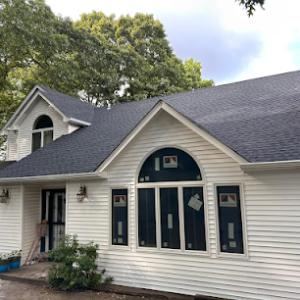
R&M Roofers
(516) 233-9506 rnmroofersllc.com
90 Grove St #9, Hempstead, New York
4.8 from 24 reviews
At R&M Roofers, we’ve proudly served Hempstead, NY and surrounding areas since 2007 with reliable roofing services and top-notch craftsmanship. From roof repairs to full roof replacements, our experienced team uses durable materials that stand the test of time. We also offer expert gutter installations and siding solutions to protect and enhance your home. Based in Hempstead, we serve nearby communities including Uniondale, Garden City, West Hempstead, Freeport, Baldwin, Rockville Centre, Valley Stream, Elmont, Franklin Square, and Lynbrook, as well as across Nassau and western Suffolk County. Whether you’re in Long Beach, Oceanside, Massapequa, or East Meadow, we’re committed to keeping your home safe, beautiful, and built to last.
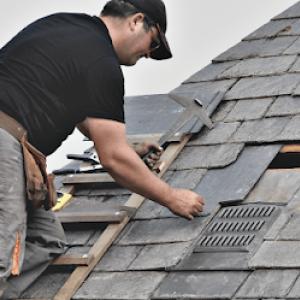
Mk Best Roofing
(516) 615-1791 mkbestroofing.com
Serving
4.9 from 57 reviews
MK Best Roofing is a trusted GAF certified roofing company based in Roosevelt, NY. Since 1998, we have proudly served all of Long Island, especially Nassau County, along with nearby neighborhoods such as Merrick, North Merrick, South Hempstead, Freeport, and Uniondale. Whether residential or commercial, we handle every roofing need such as installation, repair, maintenance, and replacement. Our roofing options range from metal, flat, and shingle to solar and cedar roofs. We are also specialize in providing professional siding and gutter installation for your house. All of our work is fully licensed, insured, and backed with 100% financing options. LICENSED & INSURED

Delta Roofing Long Island
(516) 689-0889 deltaroofinglongisland.com
Serving
5.0 from 74 reviews
Delta Roofing Long Island is your trusted roofing contractor, serving residential and commercial clients across Long Island, New York. We specialize in metal roofing, roof repairs, cleaning, and maintenance services. Our fully licensed roofing expert team offers quality roof inspections, leak repairs, and complete replacements. Whether it's a new roof installation or a routine checkup, we use premium materials to ensure lasting results. We are proudly serving Long Island and surrounding areas. Contact us today for a free estimate and professional roofing solutions you can trust!
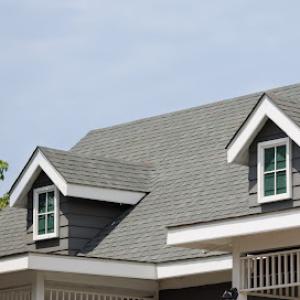
Apex Roofing Pro
(888) 773-1193 apexroofingpro.com
Serving
5.0 from 86 reviews
Apex Roofing Pro is your trusted roofing company in New York, proudly serving Manhattan, Brooklyn, Queens, Nassau, Suffolk, and Long Island. We specialize in roof installation, roof repair, and roof maintenance, providing durable and high-quality roofing solutions for homes and businesses. Our team also offers expert gutter installation, repair, and maintenance services to ensure your property stays protected from water damage year-round. At Apex Roofing Pro, we use premium materials, skilled craftsmanship, and a customer-first approach to deliver results that last. Whether you need a new roof, emergency repairs, or regular maintenance, count on us for reliable, efficient, and affordable roofing services across New York.
MasterCraft Chimney Sweep & Cleaning
Serving
4.9 from 36 reviews
Chimney Sweep & Repair Services

All Weather Guard
(516) 876-1999 allweatherguard.com
Serving
5.0 from 162 reviews
Residential & Commercial Roofing
TMT Roofing
Serving
5.0 from 69 reviews
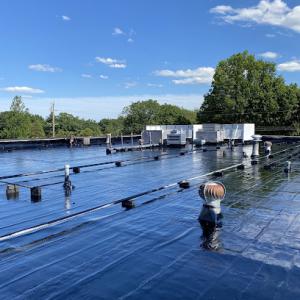
Established in 1963, TMT Roofing is your top choice for all commercial and residential roofing needs in Long Island, NY. We specialize in commercial roofing, gutter services, and siding, ensuring our dedicated team provides unparalleled expertise and exceptional customer service. We offer comprehensive roofing solutions, including silicone coatings, EPDM, shingles, and metal roofing. Whether you require a new roof installation or urgent repairs for leaks or damage, we have you covered. Trust TMT Roofing for high-quality materials, expert craftsmanship, and affordable rates—your satisfaction is our top priority.
John G Hubler & Sons
(516) 764-6437 johnghubler.com
Serving
4.8 from 68 reviews
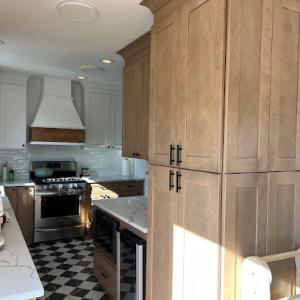
Founded by John G. Hubler Sr. in 1973, we have over 45 years of experience. Our family is from Rockville Centre and we proudly operate our home office on North Park Avenue We strive to run a business that does truly care for our customers by offering professional service throughout every step of every project. Our team’s experience makes us the right choice for your home makeover. From full roof replacements to roof repairs, we are your local GAF Master Elite Roofer. Our family and roots are based in Rockville Centre, New York but our service area extends beyond the village. We are licensed in Nassau County, Suffolk County, Queens, and the Hamptons.
Long Island Roofing
Serving
4.9 from 369 reviews
Long Island Roofing is an award winning roofing contractor that provides residential, commercial, and industrial roofing installation and around-the-clock emergency repairs in Long Island, Queens, Brooklyn, New Jersey, and Connecticut. With over three decades of experience, they specialize in roof removals and installations completed within a day, as well as custom copper and metalwork, gutters, downspouts, skylights, and all roof repairs, making them a trusted choice for all your roofing needs.
Nassau Roofers
(516) 785-7663 www.nassauroofers.com
Serving
4.9 from 97 reviews
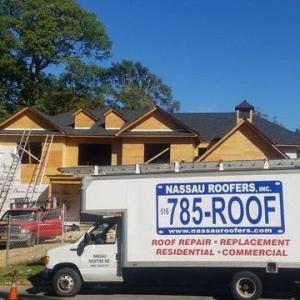
For comprehensive roofing services that meet every residential and commercial need, choose Nassau Roofers, Inc. Based in East Meadow, New York, our roofing contractors provide a wide variety of services, including replacement and repair of both shingle and flat roofs. Established in 1978, we have developed a proven track record as experienced professionals who create the roof you want at a price you can afford. We are a local, family-owned business that is fully dedicated to your complete satisfaction.
Responsible Remodeling
(516) 481-1723 www.responsibleremodeling.com
Serving
4.7 from 62 reviews
Responsible Remodeling provides roofing, siding, gutters, windows, doors, and decks to Baldwin, NY and surrounding areas.
Alcon Roofing Experts
(516) 807-3975 alconroofingexperts.com
Serving
5.0 from 25 reviews
Roofing, Siding & Gutters
In the Town of Hempstead, a full roof replacement typically requires a building permit submitted through the local Building Department. This is not a mere formality to check off a box; it sets the project on a track where inspections and documentation matter for safety, moisture control, and code compliance. The process can feel slow or meticulous, but rushing the permit step or skipping required paperwork can lead to delays or hold-ups when storms or insurance reviews come into play later on.
Inspections are commonly scheduled during construction at tear-off, underlayment, and final completion stages rather than only at the end of the job. That staged approach helps catch problems early-like improper underlayment, vent placements, or flashing that isn't meeting local standards. If your contractor is unfamiliar with this staged timeline, you should expect questions and a bit of coordination between trades. Plan for access windows with the building department and for potential minor rework if an inspector flags an issue. In practical terms, this means you'll need to keep a clear ribbon of communication between the roofer, the permit office, and any sub-contractors involved.
Documentation related to venting and moisture barriers is often requested by the department. The climate along the coast includes Nor'easters and strong coastal winds, which makes proper venting and moisture control not optional but essential. Be prepared to submit details on ridge and soffit venting, attic baffles, and the type and placement of moisture barriers or house wrap. Some properties can trigger additional approvals-older homes with peculiar eave configurations, crawlspaces, or retrofitted ventilation may prompt extra reviews. Having a concise set of drawings and product specs on hand, approved by your contractor, can streamline the review process.
If the project touches unique architectural features or a historic element, the department may require extra steps or a brief coordination with other municipal offices. That's not a limit to your project's feasibility, but a reminder that the permit path is designed to prevent moisture intrusion, wind uplift, and subsequent interior damage. A well-documented submission with clear, code-compliant details reduces the risk of delays during the mandatory inspection stages. Consider coordinating early with your contractor to align on venting strategies, underlayment choices, and flashing details that satisfy both Hempstead's code requirements and the realities of coastal weather.
Finally, keep in mind that inspections can introduce pauses if the work progresses too quickly without notice or if conditions at the job site change between stages. Scheduling with enough lead time, maintaining clean access for inspectors, and maintaining an organized set of permit records helps avoid the kinds of bottlenecks that can turn a routine replacement into a drawn-out process. Understanding the permit path in advance turns a necessary chore into a smoother, more predictable part of protecting the home from storm-driven moisture and wind damage.
In Hempstead, storm-driven demand after nor'easters and seasonal delays can tighten scheduling and push pricing upward during busy periods. When a nor'easter hits, much of the market shifts from planning to urgent repairs, and temporary crews or expedited material deliveries become common. That means a project that might normally slot in mid-spring can stretch into early summer, with material costs and labor hours fluctuating accordingly. Local pricing is affected by permit requirements and staged inspections in the Town of Hempstead, which add administrative time to full replacements. Expect pricing to skew higher during peak storm seasons, especially for heavy or specialty systems that require extra coordination.
Asphalt shingles remain the most common entry point for many homes due to cost and familiarity. The typical range is 350 to 700 USD per square, making it a straightforward comparison when weighing a basic re-roof against more complex assemblies. If you're weighing metal, plan for 600 to 1,100 USD per square; metal can offer longer life and better resistance to coastal winds, but the higher upfront cost and installation complexity can matter on older structures. For clay tile, budgets often stretch from 800 to 1,500 USD per square, which reflects both heavier material and skilled installation needs on varied roof lines common to older houses. Slate sits at the upper end-roughly 1,000 to 2,100 USD per square-driven by weight, specialty labor, and the aesthetic value many long-time residents expect on historic sections. Fiber cement shingles land around 500 to 800 USD per square, offering a middle ground with decent durability. EPDM roofing is priced at 4.5 to 8 USD per square foot, translating to about 450 to 800 USD per square, typically used for flat or low-slope segments and commercial-adjacent homes.
Hempstead's mixed housing stock means costs can vary sharply between simple asphalt re-roofs and heavier systems like clay tile or slate on older homes. A straightforward asphalt job on a simple-color bungalow or ranch may stay near the lower end of its range, while a multi-story, older parapeted home with dormers can push up toward heavier systems where roof geometry and the need for additional fasteners or underlayment add labor time. If the roof includes multiple slopes, vents, or skylights, anticipate incremental costs that compound with the chosen material. In practice, homeowners often find the most meaningful decision is balancing upfront material cost against expected lifespan and wind-resilience, especially on coastal-facing elevations where Nor'easter exposure is most acute. Careful planning around heavy systems and staging can help stabilize total costs despite the seasonal surges.
Dry, mild periods are especially important in this town because regular rainfall and humid summers can interfere with installation pace and moisture-sensitive details. When the air stays dry and temperatures stay moderate, workers can lay underlayment, fasten shingles, and seal seams without competing distractions from sudden downpours. Homeowners should plan reroofing for stretches with several predictable days of calm weather, and prepare for occasional heat spikes in late summer that can complicate adhesive setting and ventilation during the critical first days of a replacement. The goal is to have a continuous, uninterrupted sequence of work that reduces the chance of moisture intrusion during the transition from old roof to new.
Winter snow and ice loads can both delay active work and place added stress on aging roof components before replacement begins. In colder snaps, shingles can become brittle and sealants slower to cure, while snow on the deck can obscure access points and trap moisture under temporary coverings. If a project must start late in the season, expect occasional pauses for safety and material handling, and plan for a two-step schedule that prioritizes weather-safe phases such as deck preparation, flashing inspection, and underlayment installation before heavier components go on. Heavy or drifting snow can also compromise temporary containment and debris control, so temporary protection and clear access routes are essential as a contingency.
Fall and spring storms on Long Island can disrupt scheduling even when temperatures are otherwise favorable for roofing. Hurricanes and Nor'easters trend here with strong gusts, driving rain, and salt-laden air that can corrode fasteners and degrade exposed edges if a roof isn't protected during intermediate stages. For a smooth project, align start and finish periods with longer stretches of calm wind and dry weather, and build in buffer days to absorb weather interruptions without rushing critical connections. Storm activity also raises the importance of thorough site protection, edge sealing, and immediate post-storm inspections to verify that flashing, vent boots, and ridge lines have not shifted or loosened.
In Hempstead, a practical approach centers on coordinating a sequence that maximizes dry days and minimizes moisture exposure. Communicate a flexible-but-focused timetable with the contractor to reserve blocks of dry weather for deck prep, underlayment application, and the roofing layers, while reserving lighter tasks for marginal days. Ensure temporary weatherproofing is installed with robust edge protection and secure tie-downs so wind cannot lift materials between phases. Maintain ongoing moisture checks after each rainfall and before adhesive-driven steps, and prepare for staged inspections or check-ins during the project to verify critical connections as the weather evolves. This town's coastal winds demand meticulous sealing around chimneys, vents, and skylights to prevent moisture intrusion once the new roofing is in place.
In Hempstead you'll notice local contractor signals show unusually strong demand for skylight work, which points to skylight flashing and the surrounding roof transitions as common leak points. The coastal wind and nor'easter-driven rain push moisture toward skylight edges, so every skylight installation and retrofit should emphasize a lintel-to-flash transition and a flush seal against the curb or curb-mounted units. When inspecting, check the underside of the skylight for staining along the flashing seams and footings. If a skylight sits near a roof plane with a mating bay window or dormer, the surrounding flashing must be continuous and tied into the main roof watertight line. Plan for a precise shingle-to-flash integration rather than relying on patchwork around the opening.
Chimney-related roofing work is also prevalent locally, reflecting the number of homes where masonry intersections and flashing details need ongoing attention. Look for cracked mortar, loose brick ties, and deteriorated step flashing where the chimney meets the roof plane. The cap flashing should be continuous with the chimney flashing, extending down the sides and overlapped with roof flashing. In high-wind events, wind-driven rain can push moisture through gaps between chimney, counter-flashing, and roof tiles or shingles. Mark any staining along the chimney chase interior as a sign of recurring intrusion and address it with proper sealing and flashing reinforcement.
Wind-driven rain from coastal storm systems increases the importance of correctly detailed penetrations and wall-to-roof transitions. Pay special attention to the transition where the wall meets the roof at chimneys and skylights, ensuring a waterproof step or counter-flash, drip edges, and secure fasteners. If you notice rippled flashing or loose sealant bands, plan for resealing with compatible, weather-rated products that resist coastal salt exposure and repeated wind gusts.
Schedule semiannual checks focusing on skylight and chimney lines after major storms. Inspect for loose shingles around vents, verify sealant integrity, and confirm that flashing remains continuous across all joints. If you detect moisture staining on ceilings or interior walls near these features, trace the path to the exact flashing failure point and repair promptly to prevent cascading damage.
Find contractors experienced in skylight installation, flashing, and leak repairs to bring natural light into your home.
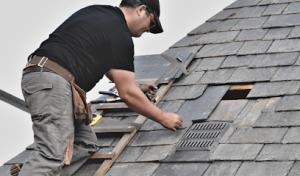


Storm exposure along the coast drives more activity in claims and often closer underwriting review. In this market, insurers watch weather history, roof age, and patch history with extra scrutiny after nor'easters and coastal wind events. You will see tighter timelines for documentation, and the closer look can influence how quickly a claim moves and whether a renewal conversation includes additional risk factors. Understanding this dynamic helps you prepare more effectively for what comes next, not to panic when a storm hits.
Insurers commonly expect thorough pre-loss and post-loss documentation. Dated photos that show the roof's condition before a event, contractor assessments that clearly describe damage and required repairs, and repair records that track changes over time become your best evidence. In Hempstead, having a concise file that links weather events to visible damage, and showing consistent maintenance history, can shorten reviews and reduce back-and-forth with adjusters. Keep these records organized and readily shareable with your insurer or contractor to prevent delays.
Roof age and patch history can affect both claim handling and renewal conversations in this market. A roof that has multiple patches or a mismatch of materials may prompt questions about prior workmanship, durability, and ongoing risk. When renewal time arrives, expect discussions that weigh previous repairs against current condition and recent storm activity. If a roof has reached the point where repairs are frequently needed, insurer expectations may shift toward more detailed evaluation or reinforced recommendations, so you're prepared with documentation and a clear maintenance narrative.
After a coastal wind event, you'll benefit from a pre-emptive approach: take updated photos after any major weather spell, keep contractor assessments current, and maintain repair records that show a clear chain of improvements. This proactive posture can reduce surprises and help you navigate the insurer's closer underwriting lens without sacrificing your peace of mind when the next storm rolls through.