
Last updated: Apr 19, 2026
Merrick's South Shore Long Island location leaves roofs exposed to coastal storm bands, wind-driven rain, and nor'easter conditions even when the village is not taking direct oceanfront impact. The pattern is seasonal and unforgiving: winter ice damming and heavy snow load, spring wind-and-rain storms, and summer UV that accelerates aging on sun-exposed asphalt roofs. This cycle creates predictable pressure points that push leaks from ordinary to emergency status if not anticipated. The climate isn't just about precipitation; it's about timing, how fast storms arrive, and how quickly meltwater and wind interact with vulnerable details on a mid-century stock of capes, colonials, and ranches with dormers, valleys, and rear additions.
Because many local homes feature transitions-where roof planes meet dormers, valleys, chimney lines, and rear additions-leaks often show up first around transitions rather than on the main field of shingles. The normal ribbing of a simple gable disguises weak joints at intersections, where fasteners loosen, tar lines dry out, or flashing corrodes in salty air. In mid-century capes and colonials, those transition zones are the frequent fault lines after a harsh nor'easter or a winter melt-crystal cycle. Every season writes a new chapter on those edges: a wind-driven gust that peels loose edge shingles, a thaw that exposes frayed flashing, a snow perched on a valley that becomes a dam against a hidden leak path.
Winter ice damming isn't just about cold weather; it's about the drip path created as thaw cycles repeatedly refreeze at eaves and gutter lines. The result is a creeping ice barrier behind a dam of snow that pushes water under shingles when the attic or underlayment isn't sealing. Spring storms bring renewed wind and rain pressure, challenging roofing systems that already show fatigue from salt air and winter cycles. Summer accelerates aging through relentless sun exposure; asphalt roofs with long sun exposure degrade faster, exposing felt, seams, and attic entry points to sun-driven wear. Each season compounds weak spots, and if that cycle isn't interrupted with targeted attention, small leaks become visible inside ceilings and walls, often in the least expected rooms.
Treat every dormer corner, roof-to-wall intersection, and rear addition as a high-priority inspection zone. Start by checking the flashing around dormers and chimney stacks after storms, then follow the path of any interior damp spots back toward the roof plane. Pay attention to valleys and low-slope sections over extensions, porches, and sunken entryways where water can pool and then divert. Look for hairline cracks at sealant joints, loose step or counter-flashing, and any shingle edges that have lifted a fraction under wind load. In a home with multiple transitions, a single neglected detail can become a satellite leak that travels along eaves into fascia, gutters, and eventually into soffits.
When a storm is on the way or just passed, perform a quick, decisive self-check: clear debris from gutters to prevent backed water, scrutinize valley linings for lifted edges, and note any unusual damp patches in the attic after a heavy rain. If interior signs appear-staining, bubbling paint, or damp insulation-do not delay. Prioritize getting a professional assessment that focuses on transitions, flashing, and any rear additions where water can concentrate. For ongoing exposure to coastal wind bands, plan proactive maintenance in the shoulder seasons, before the next winter damming event or spring storm wave. Quick attention to transition points, rather than only the main field of shingles, keeps the cycle from escalating into costly damage.
Your best defense is targeting the known weak links first: flashing at dormers and valleys, the roof-to-wall transitions, and any low-slope areas over additions. Treat storm season as a rotation of risk-winter damming, spring storms, and summer UV-each demanding a focused check on transition zones. A disciplined, neighborly approach-watching nearby homes for similar signs and sharing timely findings with a trusted roofer-helps you stay ahead of leaks driven by Merrick's unique coastal climate and historic home designs.
In a community where many pitched-roof homes sit alongside rear extensions, garages, porches, and dormers, flat- or low-slope detailing is a common local service need. Those low-slope sections are especially exposed during spring downpours, when drainage slows and water can back up against flashing edges. Winter brings ice damming, and standing water on the low-slope plane often stresses seams and flashings at the junctions to the main roof. Short-responsive maintenance matters here: catching a dribble at a dormer flange or a seam gap at a porch roof early can prevent a larger leak down the line.
Watch for pooling near trim lines where the low-slope meets the main roof. Seams along the edge of the extension are prone to ice buildup in colder weeks, which can bend or lift metal edge details and compromise underlayment beneath. The junction where the main shingled roof ties into the flat or near-flat addition is a frequent failure point in mixed-roof homes; poor integration here shows up as damp drywall, stained fascias, or damp felt beneath shingles at the edge. If you see moss, algae, or fastener-backed flashing looseness along the transition, treat it as a warning sign rather than a cosmetic issue.
When addressing low-slope additions, you must treat the system as two roofs that share a seam, not as two separate projects stacked on one house. Start with a careful inspection of the entire transition zone: the edge metal, the underlayment, the flashing at the wall-to-roof intersection, and the condition of any new deck or porch membrane underneath the low-slope layer. Ensure the contractor plans for proper drainage at the addition: confirm downspout routing, scuppers where applicable, and a slope grade that encourages water away from the joint. Your plan should include a continuous water barrier across the low-slope plane, plus robust edge protection to resist wind-driven rain and ice stress.
Choose a contractor who demonstrates hands-on experience with both shingle roofs and flat or low-slope sections. Ask for project examples that feature mixed-roof projects with a joint between a main roof and a flat addition, and request references from homeowners with similar setbacks. The right team will verify that the low-slope underlayment materials are appropriate for long-term exposure to seasonal freeze-thaw cycles and salt air, and that flashing details at dormers, porches, and garage extensions are designed to maintain positive drainage and seal integrity. Confirm the crew uses appropriate fasteners, compatible sealants, and an integrated plan for edge and corner flashings that stand up to wind and ice.
After installation or repair, schedule seasonal checks timed for the thaw after winter and the heavy spring rains. Look for changes in edge flashing, new staining along the transition seam, or any sign that water is not shedding cleanly off the low-slope plane. Keep an eye on the flashings where the low-slope meets the main roof and on any penetrations such as vent stacks or skylights that share the joint. Regular, targeted inspections help keep the two-roof system functioning as a single, well-sealed unit.
Find specialists in TPO, EPDM, and built-up flat roofing systems for residential and commercial properties.
Rapid Roofing
(516) 212-2275 www.rapidrestoreny.com
Serving
5.0 from 78 reviews
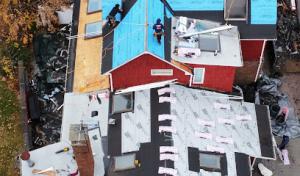
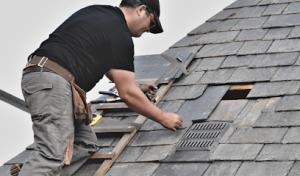
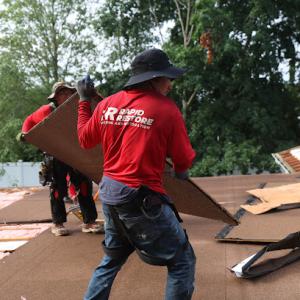
Getting a new roof or roof repair shouldn’t be a headache – that’s why at Rapid Roofing, we make it easy. As a roofing company built on trust, our expert roofer contractors deliver seamless roofing services with zero hassle and no shortcuts. Whether it’s routine maintenance or emergency roof repair, our residential and local roofers get the job done right – every time. We don’t just claim to be the best roofers, we prove it! From affordable roofing solutions to BBB-accredited roofing contractors, we’re the good roofing company homeowners rely on. A roofing business that stands behind its work, delivers results, and redefines what it means to hire top-rated roofers.
Long Island Roofing
Serving
4.9 from 369 reviews
Long Island Roofing is an award winning roofing contractor that provides residential, commercial, and industrial roofing installation and around-the-clock emergency repairs in Long Island, Queens, Brooklyn, New Jersey, and Connecticut. With over three decades of experience, they specialize in roof removals and installations completed within a day, as well as custom copper and metalwork, gutters, downspouts, skylights, and all roof repairs, making them a trusted choice for all your roofing needs.
All Island Renovators
(516) 232-5116 www.allislandrenovators.com
Serving
4.8 from 24 reviews
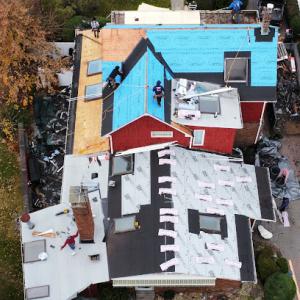
All Island Renovators is a family owned roofing and siding business. We have over 10+ years of experience. we specialize in residential roofs as well as flat roofs. Using only the best roofing brands there is on the market. We also do small roof leak repairs. Siding is also key to a beautiful house renovation. We use everything from vinyl siding, to azek trim and Hardie boards. Servicing all of Long Island NY.
Mk Best Roofing
(516) 615-1791 mkbestroofing.com
Serving
4.9 from 57 reviews
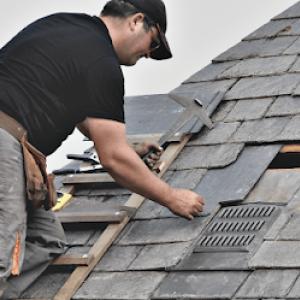
MK Best Roofing is a trusted GAF certified roofing company based in Roosevelt, NY. Since 1998, we have proudly served all of Long Island, especially Nassau County, along with nearby neighborhoods such as Merrick, North Merrick, South Hempstead, Freeport, and Uniondale. Whether residential or commercial, we handle every roofing need such as installation, repair, maintenance, and replacement. Our roofing options range from metal, flat, and shingle to solar and cedar roofs. We are also specialize in providing professional siding and gutter installation for your house. All of our work is fully licensed, insured, and backed with 100% financing options. LICENSED & INSURED
The Way Renovations
(516) 751-4002 thewayrenovationsinc.com
Serving
5.0 from 94 reviews
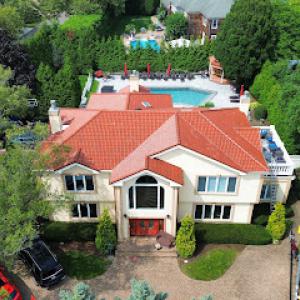
Are you looking for a reliable and experienced roofer to protect your home from the elements? Welcome to The Way Renovations, your premier roofing contractor in North Bellmore, NY. Licensed and insured with over 40 years of roofing experience, we pride ourselves on transforming homes with precision and a keen eye for detail. Established in 2020, our family-owned and locally operated business has dedicated itself to delivering exceptional craftsmanship with every project. Whether you need reliable asphalt shingle roofing, resilient flat roofing, or stylish metal roof installations, our skilled team is equipped to handle your needs.
Citywide Roofing & Gutters
(516) 726-3212 www.citywideroofingny.com
Serving
4.8 from 46 reviews
We are a full-service roofing contractor specializing in residential and commercial roofing solutions. Our scope of work includes complete roof replacements, repairs, leak investigations, preventative maintenance, and roof inspections. We work with a variety of roofing systems such as modified bitumen, EPDM, asphalt shingles, and other flat and low-slope applications. Our team is committed to quality craftsmanship, safety, and project efficiency. We take pride in providing honest assessments, durable roofing solutions, and professional service from project planning through completion. Our goal is to protect our clients’ properties while delivering long-term value and peace of mind.
Responsible Remodeling
(516) 481-1723 www.responsibleremodeling.com
Serving
4.7 from 62 reviews
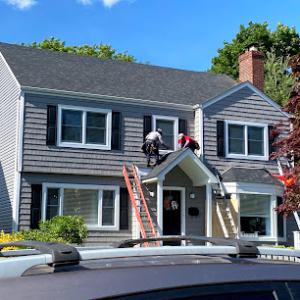
Responsible Remodeling provides roofing, siding, gutters, windows, doors, and decks to Baldwin, NY and surrounding areas.

Long Island Precision Roofing
(516) 850-5500 liprecisionroofing.com
Serving
5.0 from 199 reviews
Welcome to Long Island Precision Roofing where our staff is committed to providing our customers with the highest level of service, quality, and reliability in the roofing industry. We believe that every home and business deserves a roof they can trust, and we operate with a steadfast dedication to integrity, transparency, and excellence in all we do. Our mission is simple: to always do right by our customers, delivering honest, straightforward solutions, and maintaining open communication every step of the way. With us, you can count on a job well done, with no surprises—just dependable, top-quality craftsmanship you can trust!
John G Hubler & Sons
(516) 764-6437 johnghubler.com
Serving
4.8 from 68 reviews
Founded by John G. Hubler Sr. in 1973, we have over 45 years of experience. Our family is from Rockville Centre and we proudly operate our home office on North Park Avenue We strive to run a business that does truly care for our customers by offering professional service throughout every step of every project. Our team’s experience makes us the right choice for your home makeover. From full roof replacements to roof repairs, we are your local GAF Master Elite Roofer. Our family and roots are based in Rockville Centre, New York but our service area extends beyond the village. We are licensed in Nassau County, Suffolk County, Queens, and the Hamptons.

Nisi Home Improvement Inc. Roofing & Siding
Serving
5.0 from 223 reviews
"NISI Home Improvement is a trusted, family-owned business proudly serving Nassau and Suffolk counties. As a Google Guaranteed company, certified by Directorii, and fully licensed in both counties, we provide top-quality roofing, siding, windows, skylights, and more. Our experienced team is committed to delivering exceptional craftsmanship, backed by trusted warranties and a focus on customer satisfaction. Whether you're repairing, replacing, or upgrading, NISI Home Improvement is your go-to partner for transforming your home with confidence."
R&M Roofers
(516) 233-9506 rnmroofersllc.com
Serving
4.8 from 24 reviews
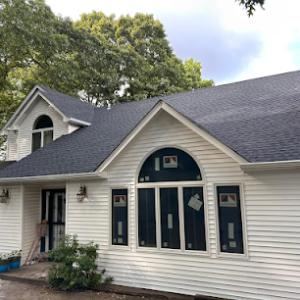
At R&M Roofers, we’ve proudly served Hempstead, NY and surrounding areas since 2007 with reliable roofing services and top-notch craftsmanship. From roof repairs to full roof replacements, our experienced team uses durable materials that stand the test of time. We also offer expert gutter installations and siding solutions to protect and enhance your home. Based in Hempstead, we serve nearby communities including Uniondale, Garden City, West Hempstead, Freeport, Baldwin, Rockville Centre, Valley Stream, Elmont, Franklin Square, and Lynbrook, as well as across Nassau and western Suffolk County. Whether you’re in Long Beach, Oceanside, Massapequa, or East Meadow, we’re committed to keeping your home safe, beautiful, and built to last.
Integrity Remodeling Roofing & Siding
(516) 373-0095 integrityremodelingny.com
Serving
5.0 from 99 reviews
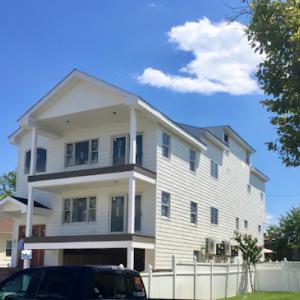
Integrity Remodeling Roofing & Siding in Long Beach, NY specializes in roof and siding replacement, residential roofing and siding services designed to protect homes from coastal weather and heavy winds common to the area. Our experienced team provides durable roofing and siding solutions that address salt air exposure, storm damage, and aging shingles while enhancing curb appeal and energy efficiency. From tear-offs to complete replacements, we ensure every roof and siding project is built for lasting performance and local conditions. Homeowners across Nassau rely on our trusted roofing and siding expertise for quality workmanship, honest communication, and professional results that stand the test of time.
Asphalt shingles dominate the local market because they fit the common postwar rooflines found across Merrick and offer a straightforward, lower-entry option for full replacements after storm wear or aging. The practical advantages here are the broad availability, a wide range of warranty options, and a familiar installation sequence that many local crews know well. For seasonal cycles of wind-driven rain, salt-influenced humidity, and occasional nor'easter remnants, asphalt shingles provide decent resistance to rainfall and wind uplift when installed with a proper underlayment, sealed flashing, and correct attic ventilation. If you plan to replace portions of the roof after weather events, asphalt shingles keep you flexible for matching existing color and profile while maintaining a consistent weather barrier with the rest of the envelope.
Clay tile, concrete tile, and slate tiles create a striking look and can extend the life of a roof when properly supported. On older Long Island homes, those heavier materials warrant careful attention to structural capacity and detailing, because many houses were framed to lighter loads. Before choosing one of these options, have a structural assessment done to verify rafter spacing, deck strength, and existing connections can safely carry the extra weight without sacrificing framing integrity or creating hidden fail points at soffits and eaves. If a retrofit is pursued, plan for reinforcement or selective rebuilds of roof framing, plus enhanced drainage and compatible flashing details around hips, valleys, dormers, and porches. In places with snow shedding needs, a well-executed installation of heavier materials can be rewarding, but the added load must be accounted for to avoid long-term issues with fasteners and ceiling joists.
Metal is relevant for homeowners prioritizing longevity and more robust snow shedding. In the local climate, it performs well against wind-driven rain and can offer lasting protection with a tight-seamed profile. However, installer experience matters greatly because coastal humidity and flashing details around dormers, penetrations, and roof-to-wall transitions drive long-term performance. A metal roof demands meticulous edge flashing, proper sealants, and careful pairing with venting and drainage to prevent corrosion and ice damming at eaves and overhangs. If selecting metal, look for a contractor who demonstrates a track record with coastal installations and can articulate how they address salt exposure, gasketed penetrations, and dead-vertical flashing around complex roof lines.
Your roof's real-world performance hinges on more than material type. In the damp, salty air, the combination of wind, rain, and occasional winter ice damming stresses roofs differently than inland climates. Prioritize a high-quality underlayment, solid ventilation, and a well-sealed ridge or attic venting strategy to reduce condensation and ice-related leakage. Detail-oriented flashing around dormers, vents, and chimney penetrations is essential across all materials, but especially when heavier or metal systems are used on older homes. When weighing options, consider how each material pairs with existing siding, gutter systems, and attic insulation, because a cohesive envelope minimizes storm-driven leaks and preserves the roof's function through Merrick's seasonal cycles.
Residential roof replacements are routed through the Town of Hempstead Building Department rather than a standalone village roofing office. This means your project follows town-wide permitting rules, file review, and inspection standards that apply to the broader jurisdiction. The process is designed to ensure the roof system meets current code requirements and drainage expectations, and that work aligns with surrounding properties and town utility setbacks. Knowing this early helps keep the project moving steadily from demolition to final inspection.
If the project includes structural changes, decking replacement beyond basic re-roofing, or alterations to vents and other penetrations, expect a deeper review. The town takes a closer look at how any added loads are supported, how deck replacements impact attic ventilation, and how venting paths will function with the new roof to prevent moisture buildup. In Merrick, many homes feature postwar pitched roofs with porch or low-slope sections, so these details matter for long-term performance and code compliance.
Prepare a complete permit package with drawings or sketches showing the scope, materials, and any deck or penetration work. Expect a multi-step timeline that includes plan review, permit issuance, and scheduled inspections at key milestones. Inspections typically occur during the installation and again after completion to verify installation quality, proper underlayment and flashing, and that venting configurations meet recommended guidelines. Timely scheduling and clear communication with the Building Department help avoid delays.
During inspections, the focus is on installation quality and correct venting before the permit can be closed. Inspectors verify shingle alignment or panel fit, adequate nailing, flashing around chimneys and vents, and that attic ventilation remains effective with the new roof. They also check for proper ice dam protection and drainage compatibility with nearby structures. Any deficiencies noted will require follow-up visits, so keep the work area accessible and ready for these checks.
Once all inspections pass, ensure the final documents are filed for permit close-out. Common hiccups include missing vent reconfiguration details, inadequate underlayment at transitions, or decking changes not fully documented. Having a clear record of what was approved helps prevent reopenings and accelerates the final release.
In Merrick, replacement costs run by the square, with asphalt shingles typically from about $400 to $750 per square, metal from $800 to $1200, clay tile from $900 to $1400, concrete tile from $850 to $1300, slate from $1200 to $2300, and fiber cement shingles from $550 to $900. These ranges reflect the demand pattern on the South Shore, where salt spray and wind wear on coatings and flashings, and where labor and material access can shift pricing seasonally. When planning, lock in a firm estimate that itemizes removal, disposal, flashing, and underlayment, since each element can move the total by a significant margin.
Costs in this area often rise on homes with multiple dormers, intersecting roof planes, and chimney flashing work. If the roof includes a mixed system-a main pitched section plus a low-slope rear or side addition-the contractor may price it as two projects stitched together, which adds to both material and labor time. In Merrick, where local homes frequently feature dormers and porch overhangs, expect extra charges for step-flash details, valley pans, and careful integration of new underlayment over existing substrates. On a typical job, you should budget for higher waste factors and potential custom metal work around chimneys and transitions between materials.
Winter storms and the tail end of nor'easters can push storm-driven repairs into full roof replacements, turning small leaks into full replacement projects. In Merrick, replacement demand tends to concentrate from late spring through early fall, especially after storm periods when emergency repairs convert to larger roofing projects. If timing aligns with a busy window, prices can rise modestly and scheduling may compress, affecting both availability and lead times. Conversely, scheduling a bit ahead of peak season can yield smoother coordination and, at times, better staging of materials like metal or tile.
Start with a detailed inspection to identify all compromised areas, including any low-slope sections and porches that may require additional flashing and underlayment. Get written bids that break out deck screws, ridge caps, attic ventilation, and ice-dam prevention measures. Ask about staged replacement if a full tear-off is unnecessary in one go, which can help manage cost while preserving the home's integrity during transitional seasons. Keep an eye on weather forecasts to avoid heavy rain during removal and to leverage windows of calmer conditions for a more efficient job.
Get a clear picture of your project costs upfront - no commitment required.
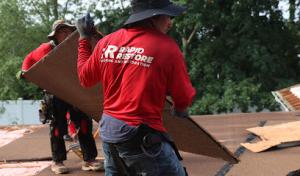

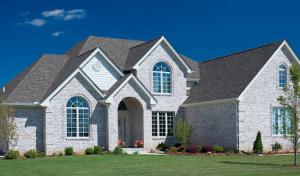
In Merrick, insurance documentation matters because New York carriers commonly want proof of roof condition, the replacement scope, and confirmation that the contractor is properly licensed. Before you file, gather recent roof reports, photos from the current season, and a clear summary of materials and workmanship you expect to use. The clearer the file, the less room there is for confusion when the adjuster reviews the claim.
Claims reviews in this market can turn on whether damage is tied to a specific wind or storm event versus long-term wear, deferred maintenance, or pre-existing deterioration. A sudden pattern of driven rain stains, lifted shingles, or visible granule loss during or immediately after a storm tends to carry more weight. If evidence points to gradual aging, the insurer may scrutinize whether a full replacement is warranted or if repair could suffice.
Homeowners should document wind damage, interior leak staining, and any emergency tarping promptly after storms because adjusters may closely review whether a full replacement is warranted. Take wide exterior shots showing roof edge damage, then close-ups of curled or missing shingles, flashing at chimneys, and gutters. Inside, photograph staining on ceilings or walls, any moisture intrusion at kneeboards, and the condition of attic insulation after a wind event.
Expect questions about the sequence of events and timelines. Keep a dated log of when damage was first noticed, when tarping occurred, and when professional evaluations were conducted. If a contractor's assessment differs from the insurance adjuster's, provide supporting documentation, including independent roof assessments and material specifications. A careful, consistent record reduces delays and helps align expectations for replacement scope and workmanship.
Connect with contractors who help homeowners navigate the claims process from damage assessment to final approval.
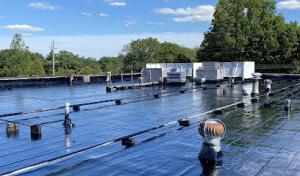
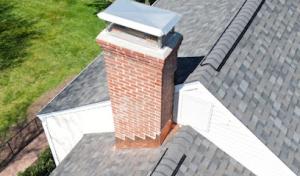
Dormers, skylights, and chimneys are common on Merrick homes, and their flashing ages differently from the main roof deck. The most frequent leaks originate at flashing that ties skylight or chimney flanges into the roof field, especially after winter ice damming and windy Nor'easters. A practical first step is to map every penetration where a roof window or chimney meets the roof, noting which flashings have already been repaired or resealed and which show staining or soft spots.
On homes with additions or dormers, the failure-prone zones are often step flashing, cricket transitions, and the tie-ins where newer roof sections meet older ones. Step flashing can fail where shingles have moved or where sealant has aged, creating a path for moisture to work under shingles. Cricket and saddle installations behind chimneys must be checked for proper pitch and alignment to shed water away from the chimney base. For skylights, ensure the curb flashing remains integrated with a continuous seal around the frame; even small gaps can channel water into the roof deck.
Because chimney work is a visible part of the local contractor market, homeowners should expect roof replacement proposals to address masonry-adjacent flashing rather than treating the roof field alone. Inspectors and contractors should verify that mortar joints and flashing around the chimney crown are included in the scope, with an emphasis on maintaining a watertight transition where brick or stone meets roofing materials. For skylights, insist on flashing that bridges from the curb to the roof with proper sealants, and request testing for wind-driven leaks after rough-weather events. When planning maintenance, prioritize resealing or replacing aging flashing at these connection points to reduce storm-driven leaks during winter and spring cycles.
Find contractors experienced in skylight installation, flashing, and leak repairs to bring natural light into your home.
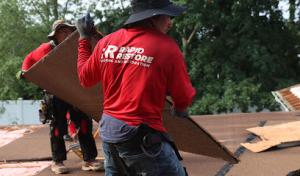
The Merrick market shows strong homeowner demand for quick response, cleanup, re-roofing experience, and residential focus, reflecting how often projects start with active leaks or visible storm wear. When a wind-driven rain hits, delays sting, and the last thing you want is a project stalled by a team that treats your home like a quick flip. Look for contractors who routinely handle residential homes with multiple-story layouts, not just big commercial jobs. The window of dry, working days in winter and after Nor'easters can compress schedules; the right roofer respects that pace and still delivers thorough workmanship.
Long-established and family-owned firms are well represented locally, which matters in a permit-and-inspection environment where follow-through and warranty service can outlast the installation week. You'll benefit from a crew that understands the typical Merrick roofline-pitched roofs common after postwar construction, plus low-slope sections over extensions and porches. A family-owned firm often brings steady crews, clearer communication, and a willingness to return for post-installation checks without delay. Ask for a portfolio of local homes and references you can reach who faced weather-driven leaks and required prompt service.
Because Town of Hempstead permits and insurer documentation are part of many projects, Merrick homeowners should prioritize licensed, insured contractors who can manage paperwork as well as installation. A reputable roofer will review your insurance status, provide a certificate of insurance, and have a documented process for inspections and any required follow-up. If a contractor brushes off questions about permits or paperwork, treat it as a red flag. The right team not only installs well but coordinates the paperwork so your claim, warranty, and inspection timelines stay on track.
In this climate, leakage and ice damming cycles demand a proactive approach. Ask about crawlspace and attic ventilation improvements, ice-dam resistant detailing, and misalignment checks where the roof meets dormers or low-slope additions. Prioritize contractors who offer a written plan addressing storm-season contingencies, a clean-up protocol that leaves no debris, and a clear, real-time communication channel during active leaks. A careful choice today reduces the risk of recurring problems tomorrow.