
Last updated: Apr 19, 2026
In this area, roofs endure a steady rhythm of Nor'easters, tropical storm remnants, and gusty spring and autumn winds. The combination of dense suburban housing and short sightlines between homes means a single lifted shingle or compromised flashing can unleash interior leaks quickly, even before a full roof replacement is on the calendar. The local pattern is not about isolated events-it's about how fast a small breach becomes a living room problem once wind and rain collide. The urgency is real: get ahead of leaks the moment a weather event ends, not when evidence starts showing up on ceilings weeks later.
A common culprit in this neighborhood is a torn or loose shingle edge near valleys, chimneys, or vent flashing. In closely spaced homes, wind-driven rain can funnel under loose shingles and trace a path down the roof sheathing, then into quarter-size openings that quickly grown during a storm. Flashing at the chimney and skylight penetrations is another high-risk weak point, especially after freeze-thaw cycles that bend or lift metal pieces. Low-slope sections, if present, are particularly unforgiving because even a small rise in standing water can saturate the deck and migrate through to the attic superstructure.
The most important immediate action after a wind/rain event is rapid tarping and targeted leak control. A sturdy tarp, secured with roofing nails or sturdy fasteners, over the compromised area buys you critical time. The goal is to cover the defect completely-no gaps-to prevent further water intrusion during any residual gusts or passing showers. If tarping isn't perfectly airtight, add a second layer of protection along the edges, using plastic sheeting tucked under the tarp to seal the perimeter. If access to the attic reveals active drips, place a temporary bucket beneath the path of water to reduce interior damage and document the leak for the contractor. Photograph the affected area from inside and outside; the images can help prioritize fast-tracking the next repair window.
If a portion of the roof is visibly lifted or a flashing is partially detached, a temporary fix is warranted. From the exterior, you can press down slightly on loose shingles near the edge while waiting for a pro, but only if it's safe to do so and no one is stepping on a compromised area. Avoid climbing onto a steep, icy, or wet roof. Inside, check the attic for signs of active leakage: daylight streaks in the decking, damp insulation, or a steady drip indicates a more urgent repair queue. Keep doors and windows closed to limit new water entry until the contractor arrives. Document every sign of moisture and keep a log of dates and weather conditions, as this helps the contractor assess the most vulnerable points quickly.
Once the immediate leak is stabilized, priorities shift to preventing recurrence until a full roof assessment can take place. Schedule a rapid diagnostic visit from a trusted local contractor who understands the neighborhood's wind patterns and typical breakpoints. Expect the assessment to focus on flashing integrity around vents and chimneys, edge fastener security on misaligned shingles, and any signs of moisture intrusion into the attic floor or insulation. In close-knit blocks where one street shares architectural features, a targeted inspection of neighboring homes can reveal common failure modes and help anticipate next repair needs, reducing the chance of a slow, cascading leak.
In this market, the fastest path to leak control is a contractor who can triage a storm-damaged roof within hours of a call. Look for a crew with a track record of emergency tarping, a clear plan for securing the vulnerable seam spots first, and a portable stock of commonly needed flashing components, sealants, and tarps. Ask for a written timeline and a brief, prioritized repair map that shows where the initial tarping ends and a permanent fix begins. In tight suburban blocks, the ability to stagger repairs to minimize waste disruption and align with any neighboring projects can make the difference between a leak being contained and a home suffering repeated water intrusion during the next wind event.
Long Island winters bring repeated freeze-thaw cycling, which is especially hard on older asphalt shingle roofs common across postwar housing stock. Water that works its way into small gaps and imperfect seals can freeze, expand, and create micro-cracks that generate new leaks after the next thaw. Each winter tends to accelerate aging just enough to push fragile patches toward failure, even if the rest of the roof seems fine. That slow degradation is easiest to notice when the weather finally turns wet and then freezes again, so pay attention to shingles that seem brittle or blistered after a cold snap.
Ice damming is a named seasonal risk in this market, making eave protection, attic airflow, and insulation continuity more important here than in warmer downstate locations. When snow melts on the upper roof but refreezes at the colder edges, meltwater backs up under shingles and into eaves, gutters, and soffits. The result is a wet ceiling in the rooms beneath or staining along interior walls. Keeping attic temperatures uniform and addressing any gaps in insulation or roof edge flashing can reduce the pressure point where ice dams form. If you notice a persistent ice dam, it's a sign that the variables in the attic aren't balancing with the outside cold, and that imbalance invites further damage with every thaw.
Winter damage in Franklin Square often appears first at gutters, eaves, valleys, and around chimneys and skylights where melting and refreezing concentrate water. Valleys that aren't well-sealed or capped can trap liquid moisture that freezes and expands, widening the vulnerable seams. Gaps around chimneys and skylights create predictable trouble patterns, especially after heavy snows melt. If you see dark staining at the eave line, loose gutters, or granule loss along the gutter edge, treat those symptoms as early warnings rather than isolated incidents.
Focus on keeping eaves clear of heavy icicles while avoiding risky nailing into ice blocks. Ensure attic insulation is continuous up to the roof line and that soffit vents aren't blocked, so heat doesn't shed upward into the roof deck. Consider adding or upgrading attic baffles to maintain proper airflow to the ridge vent, which helps keep roof temperatures more uniform during thaw cycles. When you notice water marks near the chimney, skylight flashing, or along roof-to-wall transitions, don't delay diagnosis-small fixes on these edges often prevent larger leaks after a long cold snap. In this climate, proactive edge protection and attentive attic conditions are the most reliable defense against the steady march of winter damage.
Find contractors experienced in skylight installation, flashing, and leak repairs to bring natural light into your home.
Prodigy Contracting
(516) 318-0105 www.prodigycontracting.net
515 Franklin Ave, Franklin Square, New York
4.9 from 38 reviews

Asphalt shingles dominate this market, and for good reason in Nassau County's dense post-storm landscape. They're straightforward to install, repair, and match the typical suburban roof footprint in Franklin Square-style homes. If you're weighing a replacement where a quick return to weather-tight protection is the priority, asphalt shingles are your most predictable option. They pair well with simple ventilation plans and standard fastener patterns, which helps keep repairs timely after a wind or rain event. When selecting asphalt, focus on a shingle with good Granular adhesion and a layered asphalt composition to better fend off moisture ingress during the humid summers and the freeze-thaw cycles that follow winter storms.
While asphalt is the default, you'll encounter metal, clay tile, concrete tile, wood shakes, and synthetic shingles in the broader Nassau County market. Each presents its own pros and quirks for Franklin Square conditions. Metal roofs can shed wind-driven moisture efficiently and resist impact, but fastener layout and valley detail must be carefully designed to prevent leaks in a humid climate. Clay and concrete tiles offer long lifespans and robust moisture resistance, yet their weight, installation tolerances, and underlayment needs make them more specialized choices. Wood shakes deliver a classic look but demand meticulous maintenance to prevent moisture-related decay. Synthetic shingles provide a flexible, lighter option with decent resistance to moisture, while still requiring proper ventilation and sealing around penetrations. In this market, the key is to align the material's moisture handling with the home's attic ventilation and the roof's drainage plan.
The local climate combination of humid summers, winter freeze-thaw stress, and periodic wind events makes material choice here less about desert heat or hail resistance and more about moisture management, fastening, and ventilation. A roof system that prioritizes a robust underlayment and continuous ventilation strategy helps minimize condensation and ice dam risk. For heavier systems like clay and concrete tile, ensure the structure and framing are rated for the load, and verify that attic space is insulated to reduce temperature-driven moisture movement. If choosing metal or synthetic options, look for profiles that maximize wind resistance without creating hidden pockets where water can collect.
Start with the existing roof geometry and the attic's ventilation status. A uniform, well-sealed underlayment paired with properly spaced fasteners reduces the chance of wind-driven leaks after a storm. For repairs, target compromised areas first: edges, penetrations, and valleys. If heavy tile options are considered, plan for a project that accounts for structural load and precise substrate preparation, then coordinate with a reputable local crew who understands Nassau County replacement practices. Regardless of material, a proactive maintenance plan focused on sealing around vents, skylights, and chimneys will serve you well through Franklin Square's storm-season cycles.
In this market, flat-roof work is a steady specialty, driven by porches, additions, garages, and low-slope sections that are common on Nassau properties. Long Island winters with freeze-thaw cycles stress membranes, and the humid summers magnify aging shingles and low-slope systems. After a heavy rain or wind event, you'll notice that the flat or low-slope portions tend to hold more water and heat up more quickly, which accelerates wear on the membrane and flashing. The key is recognizing that these areas aren't on the main roof but still demand quick attention when a storm hits.
A frequent trouble spot is where a low-slope rear addition meets an older pitched roof. The junction tends to be a leak-prone seam because the two roof styles move differently with temperature shifts and wind. Transitions near garages or illuminated porch roofs are another vulnerable zone, especially if the flashing around the edge or the drip edge got disturbed by wind or foot traffic during maintenance. Ponding is a practical concern here: even a modest shallow pool on a flat section can force water into seams when the sun heats the membrane and then refreezes at night.
After heavy rains, go outside with a flashlight in the evening to spot reflections or standing water on any flat areas. Check the perimeter flashing and any summer-ready membrane seams for micro-cracks or lifted edges. In late winter, inspect coping and parapet walls for frost heave that can waken leaks along transitions. Keep gutters and scuppers clear so water has an escape path and doesn't back up onto the low-slope surface.
If you notice water intrusion, identify the nearest flat or low-slope plane and rake back any loose debris from the edge of the membrane to prevent further tearing. Apply temporary tarps or roof patches only if you can do so safely and without creating additional punctures. Contact a local contractor who specializes in flat roofing with experience handling Nassau-style transitions; rapid triage and professional resealing can prevent minor leaks from becoming sizable repairs. For homeowners, documenting the issue with photos and noting the exact location of the leak helps a contractor pinpoint the weak point quickly.
Find specialists in TPO, EPDM, and built-up flat roofing systems for residential and commercial properties.
Prodigy Contracting
(516) 318-0105 www.prodigycontracting.net
515 Franklin Ave, Franklin Square, New York
4.9 from 38 reviews

Royal Roofing & Siding - Long Island
(516) 252-3001 www.gafroofinglongisland.com
Serving
5.0 from 26 reviews
You'll notice a broad spread in material pricing that reflects the local mix of homes and roof styles. Asphalt shingles run roughly from 350 to 650 USD per square, while premium options like clay tile sit from 1100 to 1900 USD per square. This range captures the everyday suburban roofs you see in Nassau County and the higher-end installs you encounter on longer, more complex lineups or on homes with added features. In Franklin Square, that broad spectrum matters because a typical house often uses a mix of materials depending on the orienting shade, existing deck, and the topography of the yard. The numbers are per square, so a 10-sq roof will scale accordingly.
After a regional storm, costs can creep higher as emergency demand spikes across Long Island. In Franklin Square, crews juggle repair calls and, at the same time, plan for larger replacements when wind and shingle loss are widespread. If a storm brings multiple roof issues at once-shingle blow-off, flashing damage, or leaks around dormers-you'll likely see expedited service charges, after-hours responses, and drive-time prioritization. This isn't about price-gouging so much as supply and demand pressure on a compact suburban market where many homes share similar rooflines and vulnerabilities.
Pricing shifts with the area's typical re-roofing conditions. Tear-offs of older layers add labor time and disposal costs, especially if the existing deck or underlayment needs attention. Flashing work around chimneys and skylights is a frequent budget driver because those joints require careful seal and detail work to prevent future leaks. Mixed rooflines, including attached garages or low-slope additions, demand more flashing, more edge detailing, and often longer repair runs. In practical terms, if your home includes multiple roof planes or a garage extension, expect an upward bump in both material and labor costs, even before storm-related urgency.
For a straightforward asphalt shingle job, budget toward the mid-to-upper end of 350-650 USD per square, with room for upgrades if you're adding ridge vents or higher-grade shingles. If you're eyeing clay tile or concrete tile, plan for the higher end of the spectrum, typically 1100-1900 USD per square, particularly when a tear-off is required or multiple features need waterproof detailing. In-weather resilience, consider a durable underlayment and enhanced flashing around skylights. A practical approach is to get a couple of local estimates that itemize tear-offs, flashing, and any add-ons so you can compare apples to apples during the busy season.
Don't let upfront costs delay a critical repair - these contractors offer payment plans to fit your budget.
Prodigy Contracting
(516) 318-0105 www.prodigycontracting.net
515 Franklin Ave, Franklin Square, New York
4.9 from 38 reviews
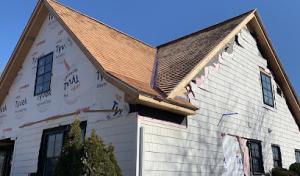
Rebuild America-Roofing-Windows & Remodeling
(516) 407-7821 rebuildamericany.com
Serving
4.9 from 34 reviews
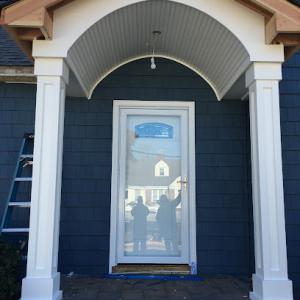
Prodigy Contracting
(516) 318-0105 www.prodigycontracting.net
515 Franklin Ave, Franklin Square, New York
4.9 from 38 reviews
Prodigy Contracting is a Veteran owned business servicing Long Island, New York since 2005. As a GAF Presidential Master Elite Roofer, we offer our clients exceptional quality and a lifetime warranty. Our siding designs feature innovative looks, with rustic contemporary touches and attention to detail service. We use Drone Technology to provide a 360 degree rendering of your project before and highlight your beautiful results after. We look forward to meeting you. Let us transform your home into you Dream Home
MasterCraft Chimney Sweep & Cleaning
Serving
4.9 from 36 reviews
Chimney Sweep & Repair Services

Delta Roofing Long Island
(516) 689-0889 deltaroofinglongisland.com
Serving
5.0 from 74 reviews
Delta Roofing Long Island is your trusted roofing contractor, serving residential and commercial clients across Long Island, New York. We specialize in metal roofing, roof repairs, cleaning, and maintenance services. Our fully licensed roofing expert team offers quality roof inspections, leak repairs, and complete replacements. Whether it's a new roof installation or a routine checkup, we use premium materials to ensure lasting results. We are proudly serving Long Island and surrounding areas. Contact us today for a free estimate and professional roofing solutions you can trust!
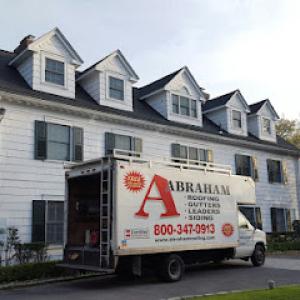
Abraham Roofing
(516) 990-6548 www.abrahamroofing.com
Serving
4.7 from 112 reviews
Located at 23 Blake Ave in Lynbrook, Abraham Roofing serves Nassau County and Queens with over two decades of expert roofing and siding services. Specializing in roof replacement, repair, installation, and more, our certified team provides top-notch solutions for "roofing and siding companies near me" searches. From tackling "roof leak repair long island" to "vinyl siding installation," we emphasize quality, safety, and customer satisfaction. As a GAF Master Elite® Contractor, we offer exceptional roof service repair and leader system installations. For prompt and professional "roofing in New York," choose Abraham Roofing—where your needs always come first.
Island Roofing
(516) 303-7663 www.islandroofingus.com
Serving
5.0 from 190 reviews
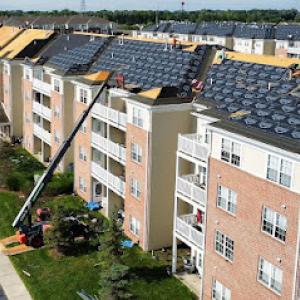
With over 25 years of proven expertise, Island Roofing is a roofing company delivering top-tier solutions for commercial, industrial, and residential projects. We serve Long Island, New York, and 30 other states in the Eastern U.S. As a reliable roofing contractor, we’re known for our use of top-grade materials, expert craftsmanship, and honest service. We handle it all, from residential roofing, commercial roofing, multi-family roofing, and preventative roof maintenance to leak repairs and emergency service. We also provide gutter installation, gutter cleaning, and gutter maintenance, all with precision and care. What sets us apart is our commitment to customer satisfaction and our relentless focus on excellence in everything we do.
John G Hubler & Sons
(516) 764-6437 johnghubler.com
Serving
4.8 from 68 reviews
Founded by John G. Hubler Sr. in 1973, we have over 45 years of experience. Our family is from Rockville Centre and we proudly operate our home office on North Park Avenue We strive to run a business that does truly care for our customers by offering professional service throughout every step of every project. Our team’s experience makes us the right choice for your home makeover. From full roof replacements to roof repairs, we are your local GAF Master Elite Roofer. Our family and roots are based in Rockville Centre, New York but our service area extends beyond the village. We are licensed in Nassau County, Suffolk County, Queens, and the Hamptons.
Royal Roofing & Siding - Long Island
(516) 252-3001 www.gafroofinglongisland.com
Serving
5.0 from 26 reviews
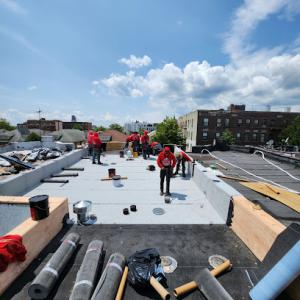
Royal Roofing Long Island, a division of Royal Renovators, provides reliable roofing and exterior services to homeowners and businesses across Nassau and Suffolk County. Our licensed and insured team specializes in roof replacement, flat and shingle roofing, leak repair, siding, gutters, and 24/7 emergency roof service. Backed by one of NYC’s most respected roofing companies, we bring trusted craftsmanship, transparent pricing, and lasting results to Long Island properties. Our mission is to protect homes and businesses with quality roofing built to last. Trust Royal to ensure complete customer satisfaction. Call Royal today for a free estimate!
TMT Roofing
Serving
5.0 from 69 reviews
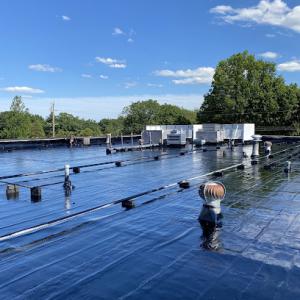
Established in 1963, TMT Roofing is your top choice for all commercial and residential roofing needs in Long Island, NY. We specialize in commercial roofing, gutter services, and siding, ensuring our dedicated team provides unparalleled expertise and exceptional customer service. We offer comprehensive roofing solutions, including silicone coatings, EPDM, shingles, and metal roofing. Whether you require a new roof installation or urgent repairs for leaks or damage, we have you covered. Trust TMT Roofing for high-quality materials, expert craftsmanship, and affordable rates—your satisfaction is our top priority.

Preferred Exterior
(516) 354-7252 www.preferredexterior.com
Serving
5.0 from 50 reviews
We are a family owned and operated establishment specializing in commercial, industrial and residential roofing and siding. We are certified installers of all major manufacturers. We are fully licensed and insured. Our reputation is built on knowledge, craftsmanship and integrity.
Alcon Roofing Experts
(516) 807-3975 alconroofingexperts.com
Serving
5.0 from 25 reviews
Roofing, Siding & Gutters
R&M Roofers
(516) 233-9506 rnmroofersllc.com
Serving
4.8 from 24 reviews
At R&M Roofers, we’ve proudly served Hempstead, NY and surrounding areas since 2007 with reliable roofing services and top-notch craftsmanship. From roof repairs to full roof replacements, our experienced team uses durable materials that stand the test of time. We also offer expert gutter installations and siding solutions to protect and enhance your home. Based in Hempstead, we serve nearby communities including Uniondale, Garden City, West Hempstead, Freeport, Baldwin, Rockville Centre, Valley Stream, Elmont, Franklin Square, and Lynbrook, as well as across Nassau and western Suffolk County. Whether you’re in Long Beach, Oceanside, Massapequa, or East Meadow, we’re committed to keeping your home safe, beautiful, and built to last.

Reliable Seamless Gutters
(347) 416-0771 reliableguttersroofers.com
Serving
4.9 from 94 reviews
Reliable Seamless Gutters is your trusted partner for professional roofing and gutter services that not only enhance the overall aesthetics of your home but also provide essential protection against the most challenging weather elements. Our team consists of highly trained contractors who take pride in their workmanship and go the extra mile to ensure your satisfaction. We specialize in installing quality gutters and roofing systems tailored to your needs. When you choose us, you can expect a thorough consultation to assess your home and discuss the best options. Our meticulous installation ensures every component fits perfectly for optimal effectiveness and durability. Trust us to provide a reliable roofing and gutter system for years.
A full roof replacement in Nassau County typically requires a building permit, so Franklin Square homeowners should expect formal review rather than treating the job as a simple maintenance swap. The permit process is designed to ensure that a major overhaul aligns with county and town rules, including safety standards for a dense suburban area where roofs butt against neighboring properties and shared gutters. Expect a formal application and a plan set rather than a quick, do-it-yourself swap.
The local building department reviews scope, materials, and wind and ventilation requirements before work proceeds, which matters in a Long Island market exposed to coastal storm remnants and winter moisture issues. Shingle age, attic venting, and underlayment choices are scrutinized to prevent vulnerable spots after storms and freeze-thaw cycles. A thorough submittal helps avoid delays if a city or town inspector requests clarifications or adjustments to meet Nassau County wind uplift and ventilation standards.
Inspections are commonly scheduled during and after the project to confirm the roof matches approved plans and code expectations, so permit timing can affect start dates and closeout. In Franklin Square's climate, this means coordinating with weather windows to minimize exposure during wind events or heavy rain. A well-ordered permit process reduces the risk of rework caused by mismatched attic ventilation, improper flashing, or inadequate moisture barriers that can worsen after a harsh winter.
Work closely with a contractor who has Nassau County experience and a track record with local inspectors. Expect early conversations about roof venting, underlayment type, and drip-edge details. Keeping a detailed schedule aligned with the permit review and inspection milestones helps prevent last-minute changes that could stall a project. Clear communication with the building department can help ensure a smoother closeout and a compliant, durable roof.
In Nassau County, roof claims follow a wind and storm damage pattern more than age alone. Insurance decisions hinge on documenting real damage from wind-driven events, not just whether shingles are old. That means a claim filed after a nor'easter or tropical remnants may be evaluated differently than one filed after a calm year with aging shingles.
Adjusters in this region commonly request photos, invoices for prior repairs, and records showing roof age. Having clear, dated images from immediately after a storm helps you prove what failed and when it happened. Keep a simple storm log: date, time, wind speeds you experienced, and any leaks or visible damage you noticed in the attic or ceiling near storm exposure. After a sharp Long Island wind or hail event, collect evidence quickly; delays can complicate both assessment and repair sequencing.
Because local wind and hail patterns influence coverage decisions, the claim strategy leans heavily on what the roof sustained rather than what it costs to replace. This can affect the scope of approved repairs and any follow-up requests. If an adjuster questions the condition of flashing, vents, or shingles, having a record of prior conditions and fabrications helps support a prompt, accurate conclusion. When you communicate, focus on concrete damage-missing granules, lifted shingles, or ringed hail impact-as these details carry more weight than general weather narratives.
Start with a temporary fix to stop leaks only if safe to do so, then photograph the area from multiple angles with a dated timestamp. Save receipts for any emergency materials or contractor visits. If a claim is filed, provide the adjuster with the storm log and all documentation as soon as possible to keep the process moving; delays can lead to misinterpretation of the roof's condition and slower repairs.
In this market, cleanup is a standout hiring priority because dense suburban lots can turn nails and debris into driveway or walkway hazards and even affect neighboring properties. A responsible crew should sweep, bag, and remove debris in stages, not just pile it at the edge of the yard. Check that hardware, nails, and plastic remnants are cleared around the home, the driveway, and the curb. Roving debris can sneak into gutters or fall onto neighboring driveways if left to the last moment.
Warranty offerings are active but not universal, so steady distinction matters. Manufacturer-backed coverage follows the shingle maker's guarantee for material performance, while a contractor's workmanship promise covers installation quality and labor. In practice, the manufacturer warranty often requires proper ventilation, underlayment, and nail alignment. A contractor's promise tends to be stronger when it explicitly covers tear-off, decking inspection, and flashing repairs tied to the project timeline. Read both carefully and seek clarity on what triggers coverage and what limits apply.
Re-roofing is far more common than new construction in this market, so the durability of the deck, the care given to flashing at walls and chimneys, and the ventilation plan during tear-off are central to warranty value. A thorough tear-off should include inspecting and correcting decking rot, updating flashing against wind-driven rain, and confirming attic ventilation meets the roof system's needs. If a crew skims these steps, the warranty may feel shallow-especially after the next big Nor'easter.
Ask for a written schedule detailing cleanup milestones and a post-job cleanup checklist. Request that the contractor document decking conditions and flashing adjustments as part of the warranty scope. Confirm who stands behind the workmanship warranty and how long coverage lasts, then keep contact details handy for any post-installation questions or leaks. Franklin Square.