
Last updated: Apr 19, 2026
Freeport sits on Nassau County's South Shore, where marine humidity and salt air relentlessly challenge roofing components. In this coastal microclimate, metal fasteners, flashing, and sealants corrode faster, and the life of even top-tier underlayment can be shortened if materials aren't chosen for salt spray tolerance. When planning replacements or repairs, prioritize systems with corrosion-resistant fasteners and corrosion-rated flashing, and insist on sealants designed for salt-laden air. The goal is a roof that keeps moisture out even when the air carries a briny sting and the batten or ridge line endures extra wear from wind-driven spray.
Spring Nor'easters and other coastal wind events are a primary stressor for roof edges, ridge caps, and flashing in Freeport. These moments are the first test of a roof's wind resistance and water shedding. In practice, that means paying particular attention to edge detailing: verify that coping, drip edges, and knee walls are securely fastened, and that ridge caps sit flush with no gaps that could funnel wind beneath the covering. Re-seal all step-flashing where roof-to-wall transitions meet, and consider additional metal flashing at joints near the gables and chimneys. If the roof shows lifted shingles, loose nails, or waviness at the eaves after a nor'easter, treat it as a warning flag that urgent reinforcement or replacement is needed.
Because the waterfront village contains canals and low-lying areas near the bay, storm-readiness and leak prevention take on heightened importance. Moisture management starts with a robust underlayment and a correctly installed drainage plane that directs water away from fascia and soffits. In Freeport, that means selecting underlayment with proven resistance to moisture uptake and ensuring that fastener patterns do not create vertical channels for wind-driven rain. Regular inspections after heavy rain or winter thaws should focus on flashing at transitions, the condition of sealants around vents and skylights, and the integrity of any rot-prone components in the eaves.
Begin with a meticulous roof audit focused on coastal vulnerabilities: test ridge and edge fasteners, inspect all flashing for corrosion or gaps, and look for any signs of salt crust around penetrations. Replace aging or corroded flashings with corrosion-resistant profiles and sealants rated for salt exposure. Reinforce susceptible edges with additional fasteners or a secondary sealing layer if wind history shows repeated edge lift. Plan maintenance cycles that align with the hurricane season and the shoulder months when moisture intrusion tends to peak. In areas closest to the water, consider upgrades to a roof system specifically engineered for coastal durability, prioritizing water shedding, wind uplift resistance, and long-term moisture control.
All Island Renovators
(516) 232-5116 www.allislandrenovators.com
205 Washington St, Freeport, New York
4.8 from 24 reviews
All Island Renovators is a family owned roofing and siding business. We have over 10+ years of experience. we specialize in residential roofs as well as flat roofs. Using only the best roofing brands there is on the market. We also do small roof leak repairs. Siding is also key to a beautiful house renovation. We use everything from vinyl siding, to azek trim and Hardie boards. Servicing all of Long Island NY.
Citywide Roofing & Gutters
(516) 726-3212 www.citywideroofingny.com
Serving
4.8 from 46 reviews
We are a full-service roofing contractor specializing in residential and commercial roofing solutions. Our scope of work includes complete roof replacements, repairs, leak investigations, preventative maintenance, and roof inspections. We work with a variety of roofing systems such as modified bitumen, EPDM, asphalt shingles, and other flat and low-slope applications. Our team is committed to quality craftsmanship, safety, and project efficiency. We take pride in providing honest assessments, durable roofing solutions, and professional service from project planning through completion. Our goal is to protect our clients’ properties while delivering long-term value and peace of mind.
Mk Best Roofing
(516) 615-1791 mkbestroofing.com
Serving
4.9 from 57 reviews
MK Best Roofing is a trusted GAF certified roofing company based in Roosevelt, NY. Since 1998, we have proudly served all of Long Island, especially Nassau County, along with nearby neighborhoods such as Merrick, North Merrick, South Hempstead, Freeport, and Uniondale. Whether residential or commercial, we handle every roofing need such as installation, repair, maintenance, and replacement. Our roofing options range from metal, flat, and shingle to solar and cedar roofs. We are also specialize in providing professional siding and gutter installation for your house. All of our work is fully licensed, insured, and backed with 100% financing options. LICENSED & INSURED
Responsible Remodeling
(516) 481-1723 www.responsibleremodeling.com
Serving
4.7 from 62 reviews
Responsible Remodeling provides roofing, siding, gutters, windows, doors, and decks to Baldwin, NY and surrounding areas.
Rapid Roofing
(631) 801-4827 www.rapidrestoreny.com
Serving
5.0 from 81 reviews
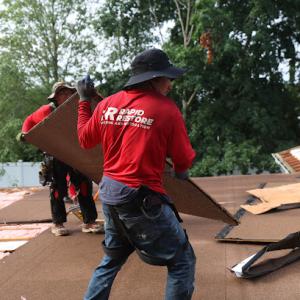
Getting a new roof or roof repair shouldn’t be a headache – that’s why at Rapid Roofing, we make it easy. As a roofing company built on trust, our expert roofer contractors deliver seamless roofing services with zero hassle and no shortcuts. Whether it’s routine maintenance or emergency roof repair, our residential and local roofers get the job done right – every time. We don’t just claim to be the best roofers, we prove it! From affordable roofing solutions to BBB-accredited roofing contractors, we’re the good roofing company homeowners rely on. A roofing business that stands behind its work, delivers results, and redefines what it means to hire top-rated roofers.
Long Island Roofing
Serving
4.9 from 369 reviews
Long Island Roofing is an award winning roofing contractor that provides residential, commercial, and industrial roofing installation and around-the-clock emergency repairs in Long Island, Queens, Brooklyn, New Jersey, and Connecticut. With over three decades of experience, they specialize in roof removals and installations completed within a day, as well as custom copper and metalwork, gutters, downspouts, skylights, and all roof repairs, making them a trusted choice for all your roofing needs.
John G Hubler & Sons
(516) 764-6437 johnghubler.com
Serving
4.8 from 68 reviews
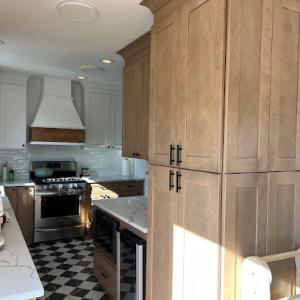
Founded by John G. Hubler Sr. in 1973, we have over 45 years of experience. Our family is from Rockville Centre and we proudly operate our home office on North Park Avenue We strive to run a business that does truly care for our customers by offering professional service throughout every step of every project. Our team’s experience makes us the right choice for your home makeover. From full roof replacements to roof repairs, we are your local GAF Master Elite Roofer. Our family and roots are based in Rockville Centre, New York but our service area extends beyond the village. We are licensed in Nassau County, Suffolk County, Queens, and the Hamptons.
The Way Renovations
(516) 751-4002 thewayrenovationsinc.com
Serving
5.0 from 94 reviews
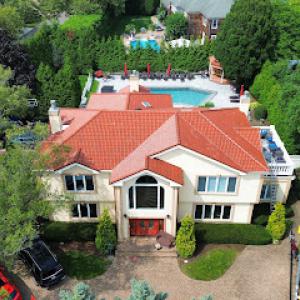
Are you looking for a reliable and experienced roofer to protect your home from the elements? Welcome to The Way Renovations, your premier roofing contractor in North Bellmore, NY. Licensed and insured with over 40 years of roofing experience, we pride ourselves on transforming homes with precision and a keen eye for detail. Established in 2020, our family-owned and locally operated business has dedicated itself to delivering exceptional craftsmanship with every project. Whether you need reliable asphalt shingle roofing, resilient flat roofing, or stylish metal roof installations, our skilled team is equipped to handle your needs.
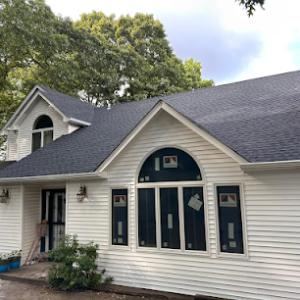
R&M Roofers
(516) 233-9506 rnmroofersllc.com
Serving
4.8 from 24 reviews
At R&M Roofers, we’ve proudly served Hempstead, NY and surrounding areas since 2007 with reliable roofing services and top-notch craftsmanship. From roof repairs to full roof replacements, our experienced team uses durable materials that stand the test of time. We also offer expert gutter installations and siding solutions to protect and enhance your home. Based in Hempstead, we serve nearby communities including Uniondale, Garden City, West Hempstead, Freeport, Baldwin, Rockville Centre, Valley Stream, Elmont, Franklin Square, and Lynbrook, as well as across Nassau and western Suffolk County. Whether you’re in Long Beach, Oceanside, Massapequa, or East Meadow, we’re committed to keeping your home safe, beautiful, and built to last.
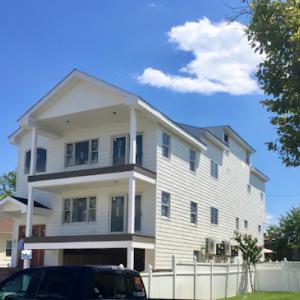
Integrity Remodeling Roofing & Siding
(516) 373-0095 integrityremodelingny.com
Serving
5.0 from 99 reviews
Integrity Remodeling Roofing & Siding in Long Beach, NY specializes in roof and siding replacement, residential roofing and siding services designed to protect homes from coastal weather and heavy winds common to the area. Our experienced team provides durable roofing and siding solutions that address salt air exposure, storm damage, and aging shingles while enhancing curb appeal and energy efficiency. From tear-offs to complete replacements, we ensure every roof and siding project is built for lasting performance and local conditions. Homeowners across Nassau rely on our trusted roofing and siding expertise for quality workmanship, honest communication, and professional results that stand the test of time.
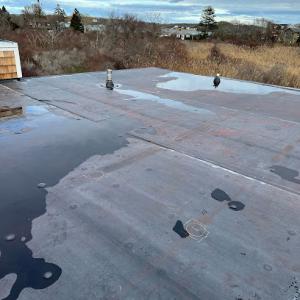
Roof Eval
Serving
5.0 from 23 reviews
Roof Eval delivers professional roof inspection services based in East Rockaway and serving the whole of Long Island. With a focus on Nassau County, Specially East Rockaway and other neighborhood areas such as Bay Park, Oceanside, Hewlett, Hewlett Harbor, and Lynbrook. We are Infrared Certified, NRCIA, and CCPIA certified, bringing top expertise to residential and commercial properties. Our inspections cover forensic analysis, leak-free assurance, installation oversight, building condition checks, leak detection, and solar panel evaluation. We also offer HVAC mapping, thermal imaging, and moisture scanning for complete roof health assessments. Scheduled your virtual or in person consultations now to insure your roofing safety with us.
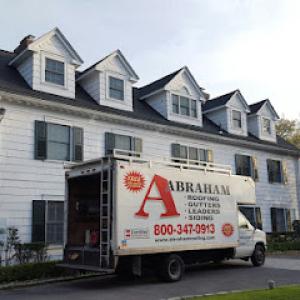
Abraham Roofing
(516) 990-6548 www.abrahamroofing.com
Serving
4.7 from 112 reviews
Located at 23 Blake Ave in Lynbrook, Abraham Roofing serves Nassau County and Queens with over two decades of expert roofing and siding services. Specializing in roof replacement, repair, installation, and more, our certified team provides top-notch solutions for "roofing and siding companies near me" searches. From tackling "roof leak repair long island" to "vinyl siding installation," we emphasize quality, safety, and customer satisfaction. As a GAF Master Elite® Contractor, we offer exceptional roof service repair and leader system installations. For prompt and professional "roofing in New York," choose Abraham Roofing—where your needs always come first.
Asphalt shingles remain the practical workhorse for many detached homes in coastal neighborhoods. They fit the common rooflines you'll see around town and are easy to schedule during the spring-to-fall replacement window. When choosing asphalt, look for a high-wind rated package and algaecide-resistant granules to slow discoloration from salty air. In Freeport, immediate attention to roof edge details matters: ensure cement or asphalt flashing along rakes and eaves is sealed well, and that the underlayment beneath the shingles is a robust, moisture-resistant layer. A metal or synthetic starter strip at the eaves can help resist wind-driven moisture infiltration near shorelines.
Metal is visible in the market and can perform well in coastal conditions, but the coastal climate calls for careful evaluation. Exposed accessories and trim details can be more vulnerable near the coast, so pay extra attention to corrosion-resistant fasteners, coated flashing, and sealants around vents and chimneys. If choosing metal, opt for a product with a durable coating and a sealant strategy that shields fastener heads from spray. The roof's structural frame should be confirmed to support any added weight, and any retrofit should address moisture-prone junctures where salt air could creep in through gaps in detailing. In areas with Nor'easters, vented soffits and properly sealed eave details help exhaust moisture without trapping it along the perimeter.
Tile and concrete tile offer long service life but bring weight and coastal moisture considerations. Only proceed if the existing roof structure can bear the load and if the deck, sheathing, and fasteners are upgraded to resist salt exposure. Wood shakes introduce a heightened risk from salt-laden air and humidity, so they need an aggressive moisture barrier and meticulous maintenance to prevent rot. Synthetic products can offer advantageous weight and moisture resistance, but their longevity is closely tied to how well coatings and closures at penetrations are applied. Details matter: wind-ready underlayment, well-sealed penetrations, and coastal-appropriate drip edges reduce the chance of moisture intrusion around chimneys, vents, and skylights. If a project involves any of these heavier materials, an assessment of the roof's framing, drainage, and attic insulation is essential to meet Freeport's coastal demands.
Coastal conditions demand robust moisture control and resilient detailing. Prioritize flashing that resists salt corrosion, sealed transitions at vents and skylights, and a continuous moisture barrier between deck and interior. Regardless of material choice, ensure the roof-to-wall intersection is tightly treated to prevent tide-like spray intrusion during coastal storms. For houses with exposed roof edges facing the water, consider enhanced edge protection and periodic inspection, especially after strong Nor'easters.
Snow accumulation in the winter here adds real load to the roof, and ice dam risk along the eaves can grow if attic heat leaks melt snow unevenly. The consequence is water work sneaking under shingles or flashing as the meltwater refreezes at the edge, creating cracks and leaks that only show up after a thaw or a heavy freeze. In practical terms, that means paying close attention to how the attic is insulated and vented, because heat escaping into the attic is the prime culprit behind ice dams and damp roof decks. A roof with insufficient insulation invites enough heat loss to melt the snow near the eave while still leaving higher portions of the roof frozen, pulling moisture into the attic cavity and potentially staining ceilings below.
Local inspections tend to zero in on ventilation and flashing, which matters most here because winter moisture and coastal humidity can worsen condensation problems in poorly vented roof systems. If the attic is stuffy or damp in mid-winter, condensation can drip into ceiling cavities or soak through decking, especially when paired with salt-laden air outside. A neighborly check is to verify that soffit vents are clear, ridge or high exhaust vents are unobstructed, and attic baffles are in place to allow a steady flow of fresh air. Look for signs of damp insulation or mold on the attic floor, which signals that moisture is not exiting efficiently. In addition, flashing around chimneys, skylights, and vent pipes should be inspected for loose or cracked sealant, as salt air can accelerate deterioration. When moisture sits against metal flashing, corrosion creeps in and creates slow leaks that show up during rain or thaw cycles.
Coastal conditions shape how and when to replace roofing elements. Replacement work is commonly scheduled from spring through fall in this area to avoid winter installation complications and weather-related delays. The plan, then, is to address any ventilation or flashing concerns now so that those spring crews encounter a ready-to-work roof, not a damp or icy obstacle course. Prioritize improving attic sealing and adding or upgrading venting paths first, because that directly reduces the chance of ice dams forming again next winter. It is prudent to prepare for the worst while aiming for the best: a roof system that dries out and vents properly even when the salt air and winter winds push moisture around.
If a leak does appear after a heavy storm or a cold snap, act quickly but methodically. Document the affected area, note any corresponding attic signs, and contact a trusted local roofer who can verify whether the problem stems from insulation limits, ventilation gaps, or compromised flashing. The goal is a durable, moisture-controlled roof that stands up to Nor'easters, freezing temperatures, and the damp air that accompanies the coast, without inviting repeated ice dam damage year after year.
Low-slope sections on porches, additions, and some mixed-use buildings in this harbor-adjacent area rely on membranes that sip water rather than shed it quickly. In this climate, standing moisture accelerates wear at seams and around edge details. Pay attention to drainage paths: scuppers, interior drains, and low perimeters should drain freely after a rain or storm. If water pools even briefly, sit-down tests with a flashlight at night can reveal slow-moving drainage that needs a close look at deck flashings, tapered insulation, or blockage at the sheet joints. Regularly confirm that slopes are adequate and that membrane laps are aligned with the direction of runoff rather than against it.
The salt-air exposure and frequent Nor'easters take a toll on flashing where pipes, vents, and condensate lines pierce the low-slope membrane. In autumn and winter, freeze-thaw cycles can pry flashing up where sealants have aged or where fasteners have backed out. Inspect all flashing transitions at least twice a year, and after heavy wind or hail events, for lifted metal edges, loose crews, or compromised caulk joints. Recaulking around penetrations and resealing seams with compatible products is a practical maintenance move, especially where roofing meets parapets or vertical walls.
Autumn leaf drop and storm debris pile up against the edges of low-slope roofs, blocking scuppers and edge drains. This is a common trouble spot in this market, where gutters are not always a primary feature on every porch or addition. Keep edge details clear and check that drip edges and edge metal are continuous along the perimeter. A clogged edge is a quiet enemy: water can back up under the membrane and find its way to fasteners or seams. A routine sweep and quick inspection after storms keep the drainage path open and prevent moisture buildup at vulnerable seams.
The coastal environment magnifies seam wear and reduces the lifespan of older membrane systems. Look for hairline cracks along field seams, especially around skylights or penetrations, and for blistering where moisture has become trapped beneath the membrane. If blistering or seam creep appears, plan changes sooner rather than later, focusing on reinforcing high-metal flashings and replacing compromised sections rather than a full roof replacement when damage is localized.
A practical cadence is to inspect after major storms and again in late fall as leaves accumulate. On Freeport's humid canal-and-ocean air, moisture tracking through the system can be subtle. Use a simple touch test along seams and around penetrations to detect areas that feel soft or tacky, indicating possible moisture ingress. Keep a log of any changes you notice so a roofing professional can spot trends and prioritize targeted repairs.
Find specialists in TPO, EPDM, and built-up flat roofing systems for residential and commercial properties.
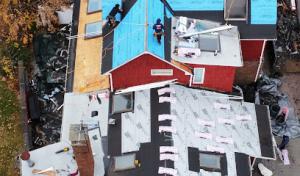
All Island Renovators
(516) 232-5116 www.allislandrenovators.com
205 Washington St, Freeport, New York
4.8 from 24 reviews
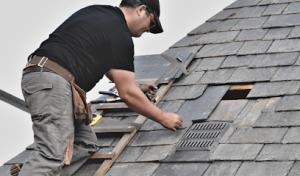
A full roof replacement in the area typically requires a permit through the Town of Hempstead Building Department, not a village-only roofing process. Starting the permit early helps prevent delays that can push a project into adverse coastal weather windows. When you apply, the plan should show roof geometry, ventilation strategy, flashing details, and any changes to roof penetrations or drainage. Because South Shore exposure amplifies moisture movement and wind-driven rain, the department will want to see that the new roof assembly is matched to the existing sheathing condition and that fastener patterns are suitable for durability in salt air. Expect the review to verify compliance with Town-wide building codes, Florida-building-style wind considerations where applicable, and energy-related ventilation standards. Local inspectors will look for proper attic ventilation balance and a continuous air barrier at the roof deck to minimize moisture intrusion.
In Freeport projects, inspections are commonly required at rough-in and final stages. Rough-in inspections focus on ventilation layout, proper intake and exhaust, and flashing details at intersections with walls, chimneys, dormers, and skylights. Final inspections confirm that the installation mirrors the approved plans, clearance to eaves and overhangs is maintained, and there are no hidden moisture concerns in the decking or underlayment. The coastal environment makes flashing durability and corrosion resistance a priority, so inspectors will pay close attention to metal flashing around roof-to-wall transitions and at penetrations. If any ventilation changes are made during the process, ensure the final setup aligns with the approved plan to satisfy the inspector's checklist.
Some roof projects may trigger a plan review, depending on roof structure and scope. Larger re-roofs or projects involving structural changes can require submitted drawings and engineering notes for the Town of Hempstead. Plan review can affect scheduling, so coordinate with the contractor to anticipate review timelines and field adjustments. If a plan review is needed, ensure the design accounts for the salt-air environment, including corrosion-resistant fasteners, flashing materials, and consideration of how the new roof will manage moisture during Nor'easters and winter freeze-thaw cycles. Once approved, the permit keeps the project aligned with local code expectations and helps protect your investment against weather-driven damage.
Coastal exposure changes the math on every roof replacement. In this waterfront area, salt-air corrosion, Nor'easters, and winter ice push up costs when contractors recommend upgraded flashing, corrosion-resistant accessories, or more extensive leak-prevention detailing. Expect short-term spikes after storms as crews swing into emergency mode, and long-term costs if maintenance needs push more components into a full replacement cycle. Typical square costs reflect these realities across common materials.
Material choices drive the baseline. Asphalt shingles are usually the most budget-friendly option, but if you're facing harsher salt spray or heavier wind-driven rain, plan for higher-end flashing and faster wear. Metal roofs offer strong resistance to wind and moisture but come with higher upfront pricing, especially when upgraded fasteners and coastal-grade coatings are used. Clay and concrete tiles bring durability, yet installation and weight considerations can lift costs in storm-prone areas. Wood shingles and synthetic shingles sit in the mid-range, with synthetics offering practical moisture control benefits when properly vented and sealed. For a coastal context, you'll often see a premium on corrosion-resistant trim, sealant systems, and drip-edge detailing.
Timing and availability matter. Scheduling pressure after Nor'easters or other storm events can tighten contractor calendars and push up emergency or peak-season replacement costs. If a project runs into a busy window, you may encounter higher crew rates or limited access to limited-warranty products. Coordination for staggered detailing, extra flashing runs, and moisture barriers is more common here than in inland communities.
Price anchors to expect, factoring in local conditions: Asphalt Shingles 350-800 USD per square; Metal Roofing 700-1500; Clay Tile 1600-2800; Concrete Tile 1400-2600; Wood Shingles/Shakes 600-1600; Synthetic/Composite Shingles 700-1300.
Get a clear picture of your project costs upfront - no commitment required.

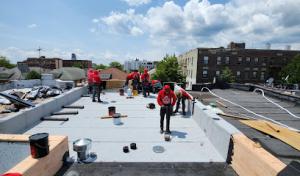
Royal Roofing & Siding - Long Island
(516) 252-3001 www.gafroofinglongisland.com
Serving
5.0 from 26 reviews
Freeport has an active roof-claim market because coastal storms and seasonal wind events regularly produce shingle loss, flashing damage, and leak claims. That means every severe wind event can create a surge of calls, estimates, and insurer reviews that can slow repairs and complicate scheduling. Homeowners should be prepared for competing assessments from adjusters who may prioritize visible, recent damage over older, underlying wear. The goal is to avoid surprises when the insurer arrives, and to keep a tight record of what happens after each storm.
Insurers serving Freeport often want clear documentation of roof age, condition, prior repairs, and post-storm photos before adjusting a claim. Photos taken from multiple angles, with timestamps and wide context shots of surrounding property, help establish the baseline for any damage. Keep copies of previous inspection notes, receipts for improvements, and evidence of ongoing maintenance. When a claim is filed, a concise, organized packet can prevent delays or disputes about what is covered and what is not.
Because claim handling can be shaped by New York insurance rules and local practice, Freeport homeowners benefit from documenting damage immediately after wind and rain events. Prompt photos, notes on wind direction, and a quick note of any interior signs of water intrusion can create a clearer picture for adjusters. If a claim seems delayed or unclear, request a written explanation of any gaps and follow up with a careful, dated log of communications. Staying proactive helps protect the roof and the home's other vulnerable spots when salt air and winter storms tighten the stakes.
Connect with contractors who help homeowners navigate the claims process from damage assessment to final approval.
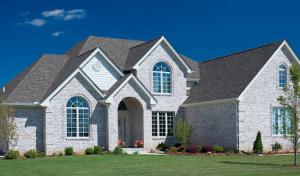
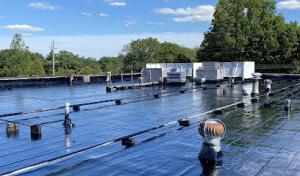
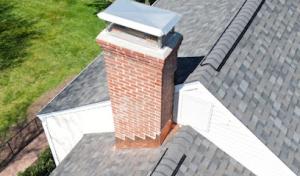
Skylights and chimneys are standout leak-prone penetrations in this market. The salt-air environment accelerates corrosion on flashing and fasteners, so you should treat these areas as high-risk and inspect them annually before winter storms. When checking, look for loose or lifted flashing, worn sealant, and any gaps where the curb or sidewall meets the roof. A simple, proactive step is to reseal around skylight shims and chimney counterflashing with a breathable sealant compatible with metal flashing. If you notice staining or damp framing around these penetrations after a heavy rain, treat them as urgent repairs before costly water intrusion develops.
Wind-driven coastal rain makes flashing around skylights, chimneys, and roof-wall intersections more critical than surface shingle condition alone. In Freeport, the fastest path to leaks is stressed or corroded metal flashing. Inspect all flashing seams for lips or gaps, and test for movement by gently prying with a flat blade to confirm it's seated. Where step flashing meets a wall, ensure every seam is sealed, and consider upgrading to corrosion-resistant materials if your existing set shows any rust or pitting. In severe wind events, even minor flashing flaws can funnel water under the shingles, so secure fasteners and replace any crusty or bent pieces promptly.
Autumn debris and moisture can expose weaknesses at valleys, step flashing, and chimney counterflashing on older homes. Clean gutters and roof edges before leaves accumulate to avoid clogging that channels water into vulnerable joints. Inspect valleys for splaying or crushed metal and re-align or replace damaged sections as needed. Step flashing should overlap properly along the seam with each course of shingles; if any pieces lift, re-nail and reseal with a compatible sealant. Counterflashing around chimneys should be tucked under the counter and sealed to prevent wind-driven seepage during Nor'easters. Prioritize areas where roof planes meet walls, as these are common quiet-entry points for moisture.
As seasons change, walk the roof carefully with dry conditions and a partner. Look for loose or missing flashing pieces, damaged sealant joints, and any discoloration at penetrations that might indicate hidden moisture. In the attic, check for condensation patterns or staining near skylights and chimneys after a heavy rain. If you notice persistent dampness or a musty odor, schedule a roof-lantern or penetration inspection soon to prevent the problem from growing behind installed materials.
Find contractors experienced in skylight installation, flashing, and leak repairs to bring natural light into your home.
The coastal exposure around Freeport means leaks can escalate quickly after a storm or Nor'easter, so homeowners expect contractors who can respond fast, secure temporary protections, and start a proper tarping or cleanup plan without delay. Local crews that keep a ready supply of tarps, downspouts, and fast-drying materials tend to be the first to win trust when a sudden drip becomes a flood risk. You'll notice that the most respected teams keep phones staffed during weather events and follow up promptly after the weather clears to assess next steps.
Cleanup is a major signal in this market. Homeowners look for tear-off debris control, containment of nails and shingle fragments, and protective measures to shield landscaping and driveways from storms or heavy debris. A typical Freeport job often includes daily cleanup checkpoints and a clear plan for protecting spray-ked walls, fencing, and any first-floor entryways from falling material. When a contractor demonstrates meticulous site protection, it's a strong indicator of long-lasting workmanship.
Long-established, family-owned, residential-focused roofers remain highly visible here. These firms often emphasize personal reliability, local references, and hands-on problem solving. Manufacturer certification and warranty messaging appear, but they are less universal than the emphasis on real-world, residential outcomes. You'll notice steady crews who know the local houses, the salt air's impact on flashing, and how to secure roof edges against seasonal wind-driven spray.
In this market, moisture control isn't theoretical. You prioritize proper attic ventilation, robust underlayment, and flashing details that resist salt exposure and ice damming. Expect conversations about sealants, edge counterflashing, and material choices that hold up under Freeport's winter pattern and frequent coastal storms. A strong contractor will tailor maintenance plans to your home's exposure and provide clear next-step guidance after any weather event.