Last updated: Apr 19, 2026
The cold snaps in winter followed by repeated thawing create persistent ice-dam conditions that target vulnerable eaves, flashing transitions, and attic moisture control. Snow and meltwater on the roof can refreeze at the eaves, backing up under shingles and into soffits or ceiling joints. In Rockville Centre, this pattern is intensified by the South Shore exposure, where winter wind and nor'easter moisture push meltwater toward roof edges, causing leaks that often appear long after a storm has passed. The result is damage that travels from the roof deck into the attic, and from there into interior living spaces if not addressed quickly and precisely.
On the South Shore, wind-driven winter precipitation and regular seasonal moisture exposure turn small defects into fast-moving leaks. A loose shingles edge, a compromised step flash at a dormer, or a cracked valley can become a channel for water when ice forms at transitions. The risk is not limited to the roof's top surface; the moisture path often tracks along rafter bays, through attic ventilation gaps, and into ceilings above living areas. In other words, a tiny flaw in a cape or a dormered bungalow's roof can become a visible stain or a chilly draft inside the home after a big thaw.
Many homes in the village have rooflines with dormers, valleys, and rear additions where melting snow and refreezing water concentrate at transitions rather than on open field shingles. Dormers create multiple small planes and junctions where ice dams can form, while valleys concentrate water flow during melt events. Rear additions frequently extend past the main roofline, introducing additional flashing challenges and attic moisture control concerns. This combination means you should scrutinize transition points more than the flat, exposed areas.
Action you can take now starts with a careful attic check. Look for signs of moisture, condensation, or staining on joists and insulation near eaves and along knee walls. If attic ventilation is inadequate, warm, moist air can rise and condense on cold roof surfaces, feeding ice dam formation from the inside. Insulation should be thick enough to keep attic spaces closer to exterior temperatures, reducing the differential that drives condensation and rapid melt-and-refreeze cycles. If you notice frost on roof sheathing in winter, it's a red flag that ventilation or insulation may be insufficient.
Edge detail is another critical focus. Inspect the eave line for lifted shingles or missing or cracked drip edges. Damaged or poorly flashed levels at dormers, skylights, and transitions to rear additions often become leak pathways as ice dams develop. Pay special attention to the flashing at the junctions where dormers meet the main roof and where valleys intersect with hips and ridges. These are common failure points in the Rockville Centre climate, where stage-thaw cycles and blowing snow load stress flashings more than in milder conditions.
When leaks appear, do not delay. Small signs of moisture near a dormer, skylight, or attic vent can quickly escalate during a freezing/thaw cycle. If there is active water intrusion during or after a storm, focus first on temporary measures to divert water away from the interior while arranging a professional assessment. A licensed roofer should verify attic ventilation adequacy, insulation effectiveness, and the integrity of all eaves, step flashing, and transitions. Prioritize a comprehensive roof edge and transition audit to prevent repeated ice dam formation and interior leaks as winter returns.
Rockville Centre roofs are exposed to spring wind-and-rain events and autumn nor'easters that can lift aging shingles, drive water under flashing, and scatter tree debris across roof surfaces. The combination of high wind gusts, driving rain, and thaw-freeze cycles puts added strain on low-slope sections and skylights, where leaks tend to start or worsen first. Aging shingles and worn flashing become opening points for water intrusion just as storms tighten their grip. When a storm hits, the first signs are often invisible from the ground: hairline slips under edge shingles, flashing around chimneys and vents lifts up, and granules accumulate in gutters as evidence of accelerated wear. In this climate, a small breach can become a large problem fast if not addressed promptly.
Long Island insurers commonly scrutinize wind-related claims, so homeowners in this market need date-stamped photos, contractor notes, and permit records after storm events. After a significant wind or rain event, capture wide and close-up images of each roof slope, valleys, flashing details, skylights, and any areas where debris has contacted or sat on the surface. Take notes on wind direction, observed leaks, interior staining, and any signs of ponding water on flat or low-slope sections. Request contractor visit notes that specifically identify suspect flashing, displaced shingles, or compromised valley and chimney junctions. Keep copies of all paperwork; a clear, organized file can streamline the claim process and protect against post-storm disputes.
Because post-storm demand spikes across Nassau County, response times and pricing can tighten after regional weather events even when damage is limited to a few slopes or flashings. As soon as weather allows, initiate a rapid, documented inspection with a licensed roofer who understands the local mix of aging shingles, low-slope rear sections, and skylight configurations. Do not wait for a rain-free window to begin preservation steps; cover exposed areas with tarp or trusted temporary measures to minimize further water intrusion, then schedule a thorough assessment. If damage is found on multiple slopes or critical flashing, prioritize temporary mitigation to reduce interior risk while arranging a formal repair plan.
Focus on protecting interior spaces first: address active leaks in ceilings or walls with temporary containment, then address roof surface issues that could worsen with the next storm. If flashing around vents or skylights shows visible lifting, stabilize with sealant as a temporary hold while awaiting permanent repairs. For aging shingles, consider how many cycles of freeze-thaw you've endured and whether the observed wear aligns with a likely need for flashing upgrades or slope resealing. In Rockville Centre, the goal is to prevent a small storm breach from cascading into an extensive, costly repair session-acting quickly with a documented plan is the best defense.
Find local contractors experienced in assessing and restoring roofs after hail, wind, and severe weather events.
John G Hubler & Sons
(516) 764-6437 johnghubler.com
125 N Park Ave, Rockville Centre, New York
4.8 from 68 reviews
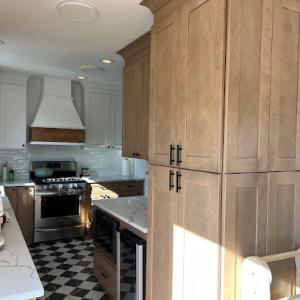
John G Hubler & Sons
(516) 764-6437 johnghubler.com
125 N Park Ave, Rockville Centre, New York
4.8 from 68 reviews
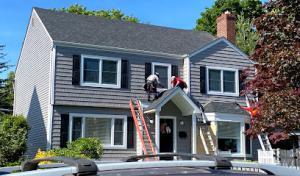
Founded by John G. Hubler Sr. in 1973, we have over 45 years of experience. Our family is from Rockville Centre and we proudly operate our home office on North Park Avenue We strive to run a business that does truly care for our customers by offering professional service throughout every step of every project. Our team’s experience makes us the right choice for your home makeover. From full roof replacements to roof repairs, we are your local GAF Master Elite Roofer. Our family and roots are based in Rockville Centre, New York but our service area extends beyond the village. We are licensed in Nassau County, Suffolk County, Queens, and the Hamptons.
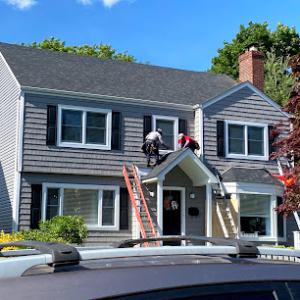
Responsible Remodeling
(516) 481-1723 www.responsibleremodeling.com
Serving
4.7 from 62 reviews
Responsible Remodeling provides roofing, siding, gutters, windows, doors, and decks to Baldwin, NY and surrounding areas.
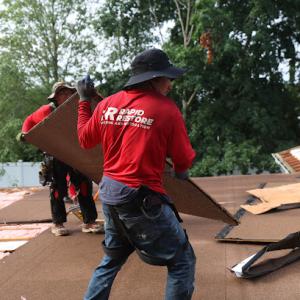
Rapid Roofing
(631) 801-4827 www.rapidrestoreny.com
Serving
5.0 from 81 reviews
Getting a new roof or roof repair shouldn’t be a headache – that’s why at Rapid Roofing, we make it easy. As a roofing company built on trust, our expert roofer contractors deliver seamless roofing services with zero hassle and no shortcuts. Whether it’s routine maintenance or emergency roof repair, our residential and local roofers get the job done right – every time. We don’t just claim to be the best roofers, we prove it! From affordable roofing solutions to BBB-accredited roofing contractors, we’re the good roofing company homeowners rely on. A roofing business that stands behind its work, delivers results, and redefines what it means to hire top-rated roofers.
Citywide Roofing & Gutters
(516) 726-3212 www.citywideroofingny.com
Serving
4.8 from 46 reviews
We are a full-service roofing contractor specializing in residential and commercial roofing solutions. Our scope of work includes complete roof replacements, repairs, leak investigations, preventative maintenance, and roof inspections. We work with a variety of roofing systems such as modified bitumen, EPDM, asphalt shingles, and other flat and low-slope applications. Our team is committed to quality craftsmanship, safety, and project efficiency. We take pride in providing honest assessments, durable roofing solutions, and professional service from project planning through completion. Our goal is to protect our clients’ properties while delivering long-term value and peace of mind.
All Island Renovators
(516) 232-5116 www.allislandrenovators.com
Serving
4.8 from 24 reviews
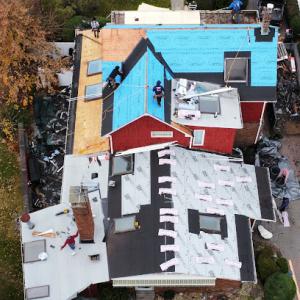
All Island Renovators is a family owned roofing and siding business. We have over 10+ years of experience. we specialize in residential roofs as well as flat roofs. Using only the best roofing brands there is on the market. We also do small roof leak repairs. Siding is also key to a beautiful house renovation. We use everything from vinyl siding, to azek trim and Hardie boards. Servicing all of Long Island NY.
Abraham Roofing
(516) 990-6548 www.abrahamroofing.com
Serving
4.7 from 112 reviews
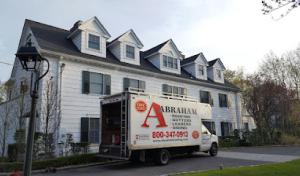
Located at 23 Blake Ave in Lynbrook, Abraham Roofing serves Nassau County and Queens with over two decades of expert roofing and siding services. Specializing in roof replacement, repair, installation, and more, our certified team provides top-notch solutions for "roofing and siding companies near me" searches. From tackling "roof leak repair long island" to "vinyl siding installation," we emphasize quality, safety, and customer satisfaction. As a GAF Master Elite® Contractor, we offer exceptional roof service repair and leader system installations. For prompt and professional "roofing in New York," choose Abraham Roofing—where your needs always come first.
Mk Best Roofing
(516) 615-1791 mkbestroofing.com
Serving
4.9 from 57 reviews
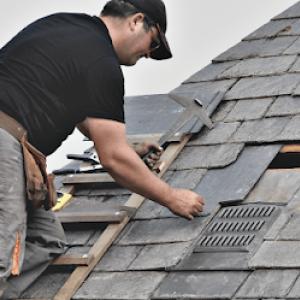
MK Best Roofing is a trusted GAF certified roofing company based in Roosevelt, NY. Since 1998, we have proudly served all of Long Island, especially Nassau County, along with nearby neighborhoods such as Merrick, North Merrick, South Hempstead, Freeport, and Uniondale. Whether residential or commercial, we handle every roofing need such as installation, repair, maintenance, and replacement. Our roofing options range from metal, flat, and shingle to solar and cedar roofs. We are also specialize in providing professional siding and gutter installation for your house. All of our work is fully licensed, insured, and backed with 100% financing options. LICENSED & INSURED
Island Roofing
(516) 303-7663 www.islandroofingus.com
Serving
5.0 from 190 reviews
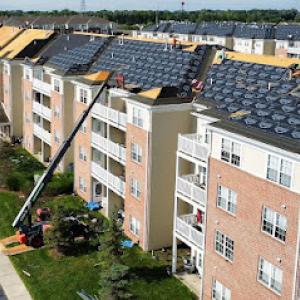
With over 25 years of proven expertise, Island Roofing is a roofing company delivering top-tier solutions for commercial, industrial, and residential projects. We serve Long Island, New York, and 30 other states in the Eastern U.S. As a reliable roofing contractor, we’re known for our use of top-grade materials, expert craftsmanship, and honest service. We handle it all, from residential roofing, commercial roofing, multi-family roofing, and preventative roof maintenance to leak repairs and emergency service. We also provide gutter installation, gutter cleaning, and gutter maintenance, all with precision and care. What sets us apart is our commitment to customer satisfaction and our relentless focus on excellence in everything we do.
Roof Eval
Serving
5.0 from 23 reviews
Roof Eval delivers professional roof inspection services based in East Rockaway and serving the whole of Long Island. With a focus on Nassau County, Specially East Rockaway and other neighborhood areas such as Bay Park, Oceanside, Hewlett, Hewlett Harbor, and Lynbrook. We are Infrared Certified, NRCIA, and CCPIA certified, bringing top expertise to residential and commercial properties. Our inspections cover forensic analysis, leak-free assurance, installation oversight, building condition checks, leak detection, and solar panel evaluation. We also offer HVAC mapping, thermal imaging, and moisture scanning for complete roof health assessments. Scheduled your virtual or in person consultations now to insure your roofing safety with us.
Royal Roofing & Siding - Long Island
(516) 252-3001 www.gafroofinglongisland.com
Serving
5.0 from 26 reviews
Royal Roofing Long Island, a division of Royal Renovators, provides reliable roofing and exterior services to homeowners and businesses across Nassau and Suffolk County. Our licensed and insured team specializes in roof replacement, flat and shingle roofing, leak repair, siding, gutters, and 24/7 emergency roof service. Backed by one of NYC’s most respected roofing companies, we bring trusted craftsmanship, transparent pricing, and lasting results to Long Island properties. Our mission is to protect homes and businesses with quality roofing built to last. Trust Royal to ensure complete customer satisfaction. Call Royal today for a free estimate!
Prodigy Contracting
(516) 318-0105 www.prodigycontracting.net
Serving
4.9 from 38 reviews
Prodigy Contracting is a Veteran owned business servicing Long Island, New York since 2005. As a GAF Presidential Master Elite Roofer, we offer our clients exceptional quality and a lifetime warranty. Our siding designs feature innovative looks, with rustic contemporary touches and attention to detail service. We use Drone Technology to provide a 360 degree rendering of your project before and highlight your beautiful results after. We look forward to meeting you. Let us transform your home into you Dream Home
R&M Roofers
(516) 233-9506 rnmroofersllc.com
Serving
4.8 from 24 reviews
At R&M Roofers, we’ve proudly served Hempstead, NY and surrounding areas since 2007 with reliable roofing services and top-notch craftsmanship. From roof repairs to full roof replacements, our experienced team uses durable materials that stand the test of time. We also offer expert gutter installations and siding solutions to protect and enhance your home. Based in Hempstead, we serve nearby communities including Uniondale, Garden City, West Hempstead, Freeport, Baldwin, Rockville Centre, Valley Stream, Elmont, Franklin Square, and Lynbrook, as well as across Nassau and western Suffolk County. Whether you’re in Long Beach, Oceanside, Massapequa, or East Meadow, we’re committed to keeping your home safe, beautiful, and built to last.
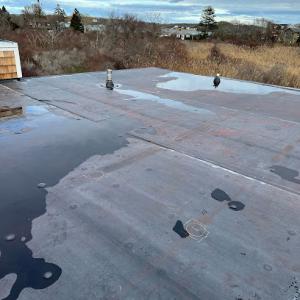
A meaningful share of Rockville Centre homes and mixed-use buildings have low-slope sections over porches, rear additions, bays, or dormer tie-ins, which makes ponding and membrane seam failure a local service category rather than a niche one. The combination of freeze-thaw cycles, Nor'easter rain, and wind-driven sheets of rain pushes these areas to leak first and hardest when age and workmanship meet the regional weather pattern. Flat-roof work is unusually active here, signaling that homeowners regularly need help with low-slope leak tracing alongside standard pitched-roof replacement. Freeze-thaw stress and heavy rain are tougher on drainage details where older additions meet the original roof structure, so detailing and inspections must treat those joints with extra care.
Look for ponding on porch roofs, rear additions, and dormer tie-ins that sit below or integrate with the main roof. Over time, membrane seams and flashing around parapets, curbs, skylights, and edge details become vulnerable to seasonal movement. In homes with mixed roof lines, a small amount of water pooling on a low-slope surface can seep under seams and into the fascia, gutters, or interior ceilings if the membrane or seam is compromised. Old primer and flashing tapes may fail, and vent and curb penetrations can become leak pathways after a few freeze-thaw cycles. The local pattern is to see intermittent leaks during heavy spring rains or after a long stretch of ice on the ground that melts into the membrane joints.
Start with a careful inspection of the low-slope sections from a ladder-friendly vantage. Look for surface pooling, worn or lifted membrane edges, and any signs of water staining inside the attic around penetrations near the low-slope areas. Check the drip edge and gutter performance; misaligned gutters and downspouts can worsen ponding scenarios and push water toward seams. Pay attention to the junctions where a newer addition meets the original roof. Those transition points are common leak paths when the membrane overhangs are too short or flashing was never properly extended. If skylights are present, inspect the curb flashing and sealant bead for gaps or cracking. In winter, ice dams forming along these edges can back up under seams; note any ice buildup along the parapet and overhangs as a warning sign.
Address surface debris and ensure clear drainage by keeping valleys, scuppers, and gutters free of leaves and sediment. For porches and rear additions, verify that the roof slope remains sufficient to encourage shedding; a slight flattening can dramatically increase ponding risk. If you have a known weak seam, consider temporary protective measures such as a silicone or urethane sealant along the most exposed seam lines, but plan a formal inspection and permanent repair. Keep penetrations well sealed with compatible, roof-approved sealants and ensure flashing around pipes, vents, and skylights is continuous and properly flashed to the membrane.
If the membrane shows noticeable wear, multiple seams are split or lifted, or leaks persist after de-icing and cleaning, a professional with low-slope experience should evaluate the roof system end-to-end. A qualified contractor will trace the leak path from the interior to the exterior, identify failed seams or flashing, and recommend a targeted repair or replacement plan that accounts for the local transitions between additions and original framing. For aging roofs with several low-slope sections, a comprehensive diagnostic walk-through that maps all vulnerable joints can save future disruption and keep the drainage system reliable through winter storms.
Find specialists in TPO, EPDM, and built-up flat roofing systems for residential and commercial properties.
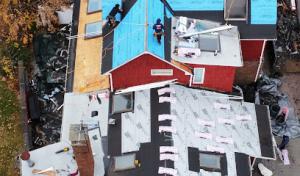
Late spring and early fall are the most favorable replacement windows when planning a new roof in this South Shore area. By choosing these shoulder seasons, you avoid the harshest winter freeze-thaw cycles that can stress shingles and underlayment, and you dodge the stickiest midsummer humidity that can complicate sealants and drying times. In practice, aim for a weather pattern with moderate temperatures, dry days, and evenings that stay cool enough to prevent interior condensation from forming on freshly installed decking. If you're balancing a full tear-off with skylight work or extended ridge vent projects, these windows help crew members stay on pace without forcing rushed dry-in steps.
Winter emergency work happens more often than you might expect in this market, especially when ice dams form on aging roofs or when wind-driven snow unloads on rear slopes and dormers. Scheduling a major replacement requires looking ahead to the periods after snow depth decreases and before autumn storms ramp up. If winter damage is present, temporary repairs can buy you time, but plan the complete replacement for a window when snow is no longer a daily concern and crews can safely stage materials without disruption from freezing temperatures. A practical approach is to set a target date in late March to early April or late September to early October; those ranges reduce the risk of backlog from lingering storms while still leaving ample drying time for underlayment and roof deck before winter returns.
Long Island weather swings can interrupt tear-off and dry-in planning, so timing matters more here than in milder coastal markets with less winter cycling. Cold snaps, sudden rain, or warm spells can push a project into a tight schedule, so build in buffer days and secure an alternative plan for wind-driven rain events. If a rear sloped section or skylight retrofit is part of the project, you'll want to coordinate with crews about staging and access so that interior spaces stay dry during unpredictable spells. For a homeowner, aligning to a firm window during late spring or early fall minimizes the chance of weather delays cascading into extended timelines, and keeps the project moving toward a solid, leak-resistant result.
Get a clear picture of your project costs upfront - no commitment required.
Royal Roofing & Siding - Long Island
(516) 252-3001 www.gafroofinglongisland.com
Serving
5.0 from 26 reviews
Asphalt shingles remain the dominant practical choice in Rockville Centre because they fit the village's common residential roof forms and are easier to repair after wind events than heavier specialty systems. For many homes, a well-sealed asphalt system with proper overhangs and venting handles the winter freeze-thaw cycle without excessive weight. When ice dams threaten, the forgiving nature of asphalt allows for targeted repairs and resealing, which matters on aging roofs that already show signs of weathering. In coastal exposure, the key is detailed edge work, continuous underlayment across the deck, and a reliable drip edge to reduce moisture movement at eaves and skylight penetrations. If a roof has existing skylights or rear low-slope sections, reinforce those transitions with added sealant and secondary drainage to prevent water from sitting and penetrating seams during Nor'easters.
Metal roofing is present locally, but it must be understood as a system that reacts to wind-driven rain and seasonal expansion in a humid-summer, cold-winter climate. In Rockville Centre, metal panels offer excellent durability and a clean, modern appearance, yet expansion joints, fastener sealants, and coastal salt exposure demand meticulous installation. The panels should be sized and installed with generous overlaps to resist wind uplift, and the flashing around dormers, chimneys, and skylights must be corrosion-resistant and well-sealed. Metal's conductivity means careful attention to attic ventilation to prevent condensation and ice-dam formation on overhangs. A robust gutter strategy and proper splash zones at transitions help maintain interior dryness during heavy rainfall events and prolonged coastal moisture.
Tile, wood shake, and synthetic products appear in the market, but their suitability depends heavily on structural load, maintenance expectations, and how well they handle repeated moisture exposure near the coast. Clay and concrete tiles bring distinct aesthetics and long lifespans, yet their weight requires a verified structural frame and reliable fasteners to withstand freeze-thaw cycles and high winds. Wood shingles and shakes offer classic charm but demand regular treatment and careful detailing to resist moisture intrusion and rot from coastal humidity. Synthetic products can reduce weight and sometimes improve hail resistance, but installation quality and coastal exposure still determine whether they perform under repeated sea-air moisture and storm-driven rainfall. In practice, these options tend to be best on homes with reinforced framing, limited overhangs, and a maintenance plan that targets sealants, flashing, and attic ventilation. If choosing any of these for a rear or skylight-rich roof, ensure a professional assessment of load paths, anchorage, and moisture management to survive multiple winter seasons and summer heat.
Regardless of material, prioritize comprehensive weatherproofing around penetrations, low-slope sections, and skylight interfaces. South Shore roofs benefit from proactive inspection after major storms and regular checks for ice dam pathways along eaves and dormer joints. A well-coordinated flashing plan, continuous underlayment, and reliable drainage significantly improve a roof's resilience to freeze-thaw cycles and storm intrusion, which are common challenges in this market.
Asphalt shingles run about $350 to $750 per square, metal about $600 to $1,200, clay tile about $1,000 to $2,000, concrete tile about $900 to $1,800, wood shingles or shakes about $500 to $1,000, and synthetic or composite shingles about $450 to $900. In practice, these figures reflect the coastal Long Island climate and the mix of older homes with intricate rooflines found in the village. A straightforward asphalt overlay might stay near the lower end, while a roof with multiple dormers or low-slope tie-ins can push costs higher quickly. For aging roofs with skylights or vented valleys, expect the higher end of the range more often.
Costs in this area are often pushed up by tear-off complexity on older homes, multiple dormers and valleys, low-slope tie-ins, chimney flashing work, and the need to protect landscaping and maintain tight cleanup on closely spaced village lots. When winter freeze-thaw cycles and nor'easter winds hammer the coast, careful detailing around skylights and vent stacks becomes essential, driving labor time and material choices. If the home has two or more steeply pitched roof areas or a deck or patio roof that ties into the main shell, budgeting toward the upper end of the listed ranges is prudent.
Regional storm demand across Long Island can temporarily raise labor availability pressure and scheduling costs, especially after widespread wind or rain events. In practice, that means if a big storm hits, you might see tighter windows for replacement work and slight price bumps for expedited scoping or after-storm cleanup. Plan for potential delays in vendor availability after storms, and reserve a buffer for weather-related hold days, particularly in spring and late fall.
Start with a baseline based on your roof type: asphalt or synthetic shingles for cost-conscious projects, metal for durability, and clay or concrete tile for long-term performance in wind-prone, freeze-thaw cycles. For aging, multi-dormer roofs or those with extensive chimney flashing, allocate additional funds for detailed flashing, fascia replacement, and waste handling. Request a written scope that specifies tear-off requirements, disposal, ladder access, and site protection to avoid surprises in tight yard layouts.
Don't let upfront costs delay a critical repair - these contractors offer payment plans to fit your budget.
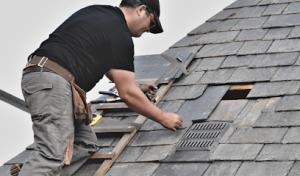
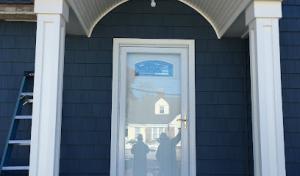
In Rockville Centre, a full roof replacement is typically reviewed by the Village Building Department rather than handled informally between homeowner and contractor. The process is aimed at ensuring the work meets local code, weather-related details, and the unique needs of our climate-especially where freeze-thaw cycles and strong Nor'easter winds stress aging roofs. Expect a formal path that requires plan review and official acknowledgment before any shingle removal begins.
Inspections are scheduled during and after the project to confirm code conformity and proper installation, making permit closure part of the job rather than an optional extra. A clear sequence usually starts with permit issuance, followed by on-site checks during critical milestones-decking, underlayment, flashing, and final attic/roofline integration. If an inspection is missed or delayed, the project can stall, and the village may require rework to satisfy compliance standards.
Because permit proof can matter later for resale and insurance documentation, homeowners in this village should confirm who is pulling the permit before work starts. If the contractor handles it, obtain written confirmation and a copy of the permit and inspection records. If the homeowner is responsible, make sure the permit is pulled promptly and that the contractor coordinates access for the scheduled inspections. Keep all documentation in a fireproof folder or digital vault for easy retrieval.
Start by contacting the Village Building Department early to confirm current requirements, timelines, and any special considerations for your roof type or skylight-heavy configurations. Maintain open communication with the contractor about inspection windows and any deviations from the initial plan. Document every stage of work, including photos of critical connections and flashing details, so you can verify that the project meets Rockville Centre standards when final inspection occurs.
Rockville Centre sits in a Long Island insurance environment where carriers regularly evaluate wind and hail exposure and may tighten documentation after regional storm activity. When a storm hits, you can expect adjusters to scrutinize roof age and the surrounding structure more closely than in calmer years. That reality means the moment you suspect a leak or wind damage, you're playing the long game of documentation and timing, not a quick fix.
Documentation becomes your strongest claim ally. Detailed photos that show the extent of damage from different angles, contractor notes on material conditions and workmanship, and a clear timeline of when issues appeared help anchors for the adjuster. If you've had recurring leaks, keep records of prior repairs and who did them, because repeat problems can influence how the carrier views depreciation, settlement options, and future coverage. In Nassau County, major weather events can stretch adjuster timelines, so having a prepared, organized file is not optional-it's essential.
The way a claim unfolds here can feel cumulative: a small ice dam one winter, a high-wind event the next, and then a storm-driven intrusion after a nor'easter. Some carriers reassess coverage options or depreciation policies after repeated losses, so roof age and maintenance history can directly affect outcomes. For homeowners with low-slope rear sections and skylights common to local housing stock, these features are often the first to be scrutinized for water intrusion. You'll benefit from addressing flashing, edge detailing, and penetrations proactively, before a new storm season arrives.
In the heat of a claim, communicate clearly with your contractor and the adjuster. A trusted local roofer who understands the area's specific wind patterns, drainage quirks, and typical failure points can translate visually and technically what's happening on the roof into actionable repair or replacement steps. That local expertise often shortens back-and-forth and helps ensure you're not left navigating complex paperwork alone.
Connect with contractors who help homeowners navigate the claims process from damage assessment to final approval.
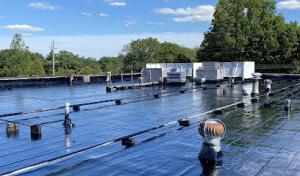
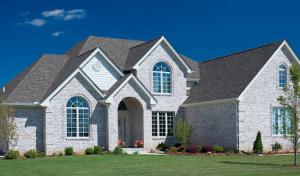
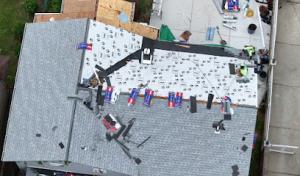
Flashing failures at penetrations are a recurring homeowner concern in the local market, with a noticeable push for skylight and chimney work. The mix of older and newer rooflines on Long Island homes here creates more opportunities for water to find its path at these details than in inland Nassau communities. Leaks often show up where masonry chimneys, dormers, and newer roof sections intersect, not just from field shingles.
Start by inspecting the most exposed penetrations after winter cycles and Nor'easter storms. Look for cracked mortar joints on chimneys, loose or missing step flashing, and sealant that has turned hard or peeled away. Where dormers meet the main roof, check the transition from the dormer sidewall flashing to the roof plane. These junctions are prime trouble spots after freeze-thaw cycles and driving rain, especially if previous repairs relied on sealant over aging flashing rather than rebuilding the assembly.
When planning repairs, prioritize rebuilding rather than simply resealing. Layered sealants and caulkage fail as temperatures swing from freezing to thawing and as wind-driven rain presses against the joint. A properly reconstructed flashing sleeve, along with integrated counter-flashing that ties into the masonry and roof surfaces, creates a more durable seal against repeated cycles. For skylights, ensure the curb flashing is solid, the flashing around the skylight base is continuous, and any crusted or buckled roofing under the skylight is addressed rather than ignored.
Maintenance steps are straightforward but important: clean debris from around penetrations, verify nail heads and shingle exposure at the flashing line, and re-seal only after confirming the underlying flashing assembly is sound. If leaks persist after a thorough inspection, focus on replacing the flashing assembly rather than patching the symptom with sealant.
In Rockville Centre, a dependable crew understands that the intersection points between masonry, dormers, and newer roof sections demand attention just as much as the field shingles.
Find contractors experienced in skylight installation, flashing, and leak repairs to bring natural light into your home.
John G Hubler & Sons
(516) 764-6437 johnghubler.com
125 N Park Ave, Rockville Centre, New York
4.8 from 68 reviews