Last updated: Apr 19, 2026
When a hail strike or a fierce wind event rattles your roof, time is your enemy. Covington sees common weather-related roof claims tied to spring hail and wind events, summer thunderstorms, and fall wind-driven debris. Prolonged humidity from the Ohio River valley can turn a small opening into interior moisture quickly. The moment you notice scraped shingles, granule loss, curled edges, or a wet ceiling, you need to act with speed: tarping to cover exposed sections, moving valuables away from potential water intrusion, and arranging a same-day inspection with a local roofer who understands the city's typical storm patterns. The goal is to keep rain out while you weather the insurance process and coordinate repairs.
Fast, complete documentation shortens the path from damage to repair. After a storm, take clear photos that show both the broad roof area and close-ups of damaged spots, including any granules in gutters or wet spots on ceilings. Maintain a dated record of when you first noticed damage and when you arranged help. If possible, seal off affected interiors to limit secondary humidity damage, and keep a log of any temporary fixes you apply. Local contractors heavily advertise storm damage, emergency repair, and insurance-claim help, so use that to your advantage: ask for a written scope of emergency work, an itemized estimate, and a timeline for tarping, temporary repairs, and permanent fixes. Share your photos with your insurer promptly and keep a copy of every correspondence. This city's humidity means moisture can travel quickly from roof to attic and into living spaces, so every day counts.
Because the city sits in the Ohio River valley, prolonged humidity and repeated rain can turn small storm openings into interior moisture problems quickly. Even if a leak isn't dripping visibly, damp attic insulation, condensation on rafters, or musty odors signal hidden damage. Prioritize drying and ventilation as soon as you can safely access the attic: run a dehumidifier in the attic if you have access, and ensure soffit and ridge vents aren't blocked by debris or tarps. If mold or mildew shows up, address it promptly with professional remediation as part of the claim timeline. A thorough roof inspection should extend to attic decking, chimney flashing, valleys, and exhaust penetrations, since those are common failure points after hail and wind in this area.
Your fast-leak plan should be practical and repeatable. Call a Covington-area roofer who offers 24/7 emergency service, and confirm they'll provide prompt tarping and a rapid assessment. If interior water is present, set up plastic sheeting or tarps in affected rooms to reduce further damage while you await permanent repairs. The contractor should document every step: what was tarped, what was leak-tested, what interior areas were affected, and what temporary fix was applied. Coordinate with your insurer to schedule an adjuster visit within 24 to 72 hours, depending on the severity. The faster you secure the roof and document the damage, the better your chances for a smooth claim and a reliable, long-lasting repair. In neighborhoods with historic, steep roofs, ensure the contractor is skilled in working on pitched, older structures without compromising the original character or triggering additional permit checks-your roof deserves both protection and care.
Select a contractor who can demonstrate recent storm-repair experience on steep historic roofs and who knows how to work under the constraints of this city's weather realities. Ask for a portfolio of repaired hail and wind damage, references from other Covington homeowners, and a plan that prioritizes both immediate tarping and durable, weather-resistant restoration. The right team will not only fix the leak but also help you navigate the claim process with clear, timely communication, so you're not left waiting in a soggy hallway while the next storm churns through.
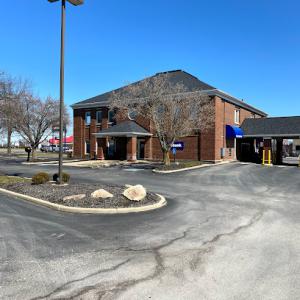
Tip-Top Roofing
(859) 287-2499 www.tiptoproof.com
Covington, Kentucky
5.0 from 166 reviews
Greater Cincinnati/Northern Kentucky’s #1 Roofing Company Tip-Top Roofing is a locally owned and operated full-service residential and commercial roofing company serving the Greater Cincinnati/Northern Kentucky area. All tip-top roofs are installed by certified or trained installers and come with a limited lifetime warranty. Homeowners, industrial and commercial property owners, real estate management companies, and insurance agencies know Tip-Top Roofing is the best Cincinnati roofer. Call us today!! Full-service roofing company Roof leaks and repairs. BBB A+ rating The highest Google-reviewed contractor
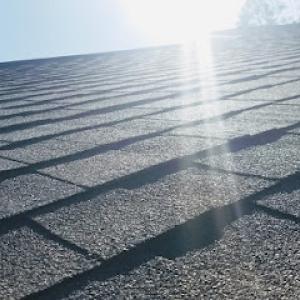
CityTop Roofing & Exteriors
(859) 907-7663 citytoproofing.com
8 W Southern Ave, Covington, Kentucky
5.0 from 48 reviews
Providing residential and commercial roofing maintenance, repair, restoration, reroof, replacement, and new construction services.
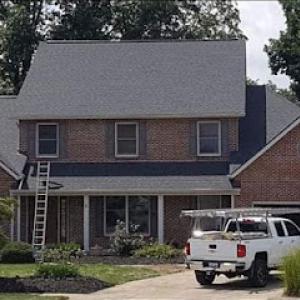
Thompson Roofing
(859) 448-5711 www.thompsonroofingnky.com
Covington, Kentucky
4.9 from 45 reviews
Since 2002, Thompson Roofing has been the trusted name in Northern Kentucky for all roofing needs. Specializing as roofing contractors, Thompson Roofing also provides gutter services, chimney services, skylight installation and repair, and waterproofing solutions. With a commitment to quality and customer satisfaction, Thompson Roofing ensures homes are protected from the elements with expertise and reliable service.

Best Choice Roofing
(859) 423-1383 bestchoiceroofing.com
525 W 5th St #332, Covington, Kentucky
4.6 from 21 reviews
Best Choice Roofing has been serving our community since 2009! Best Choice Roofing Covington specializes in roof repairs and replacements throughout the greater Kentucky and Ohio areas. From minor repairs to full replacements, we've got you covered!
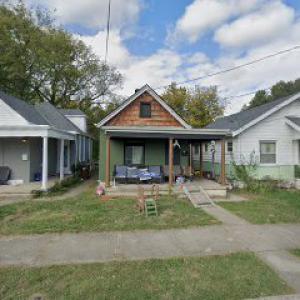
Quality Roofing & Storm Restoration
(859) 992-2273 qualityroofingandstormrestoration.com
1120 W 33rd St, Covington, Kentucky
4.3 from 6 reviews
When it comes to roof and siding replacement in Union, KY, our team at Quality Roofing and Storm Restoration is your local experts who truly care about our customers. Our commitment to excellence shines through in every project we undertake. From roof replacement to siding repair, we handle it all with precision and care. With a focus on attention to detail, we ensure that your home is not only protected but looks stunning as well. Turn to us for all of your roofing and siding needs and trust our experts to perform an amazing transformation of your property. Contact us today.

O'Brien Home Improvement
(859) 291-4600 www.obrienhomeimprovement.com
3714 Winston Ave, Covington, Kentucky
3.7 from 14 reviews
We provide residential and commercial exterior and interior remodeling services. Our services include roof, window, siding, and gutter replacement.

Truitt Roofing
(859) 291-7567 www.truittroofing.com
4310 Boron Dr, Covington, Kentucky
4.2 from 5 reviews
With cost comes quality, but you certainly won't need to break your budget for a quality lasting roof when you choose our installation experts. Get in touch with Truitt Roofing
Storm Proof Roofing
4416 Vermont Ave, Covington, Kentucky
4.2 from 5 reviews
Frank Wilson, CEO Frank brought together the best in the business to create his dream. Though he takes pride in all aspects of roofing, working as Roofing Insurance Claim Specialist has lead to his passion to be able to offer his customers better quality at a lower price and a longer warranty to entire roof replacements to storm damaged homes in the Cincinnati and Northern Kentucky area .

Robert McQueens Roofing
Serving
5.0 from 12 reviews
Protecting Cincinnati homes for over 40 years, Robert McQueens Roofing offers expert residential roof repair and replacement. Their team of skilled roofers uses top-quality materials to ensure a long-lasting, reliable roof.
Sergeant Clark Roofing & Construction
Serving
5.0 from 56 reviews
Local Cincinnati and Northern Kentucky Roofing Specialists
T J Nash Construction
(859) 261-6259 www.facebook.com
Serving
4.7 from 32 reviews
Fully licensed, bonded & insured. Locally owned construction company serving NKY/Greater Cincy with 30+ years experience. We offer residential and commercial services, from small jobs to major projects. Give us a call for a free estimate!
Beyond Roofing
(859) 462-2226 www.beyondroofingllc.org
Serving
4.9 from 29 reviews
Beyond Roofing is a trusted roofing contractor offering high-quality residential and commercial roofing services. We specialize in roof repairs, replacements, and installations, using durable materials like asphalt shingles, metal roofing, and flat roofs. Our skilled team ensures efficient, reliable work with a focus on customer satisfaction and long-lasting results. Whether you're dealing with a minor leak or need a complete roof replacement, Beyond Roofing provides expert solutions tailored to your needs. Get in touch today for a free estimate and let us take care of your roofing project from start to finish.
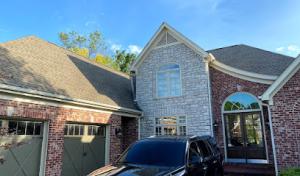
In Covington, the hillside streets and dense urban lots mean many homes still wear steep, historic roofs that blend clay tile, slate, and traditional shingles with modern updates. The appearance of neighborhoods like Licking Riverside and MainStrasse Village reflects a character that many homeowners cherish, but the roofing realities behind that character are practical and stubborn. Tear-off staging on a slope isn't just awkward-it's a safety and debris-control problem, especially when every delivery truck must contend with tight alley access and limited street parking. Expect longer staging times, careful ladder placement, and meticulous drop zones to protect nearby sidewalks and landscaping.
Higher-end materials align with Covington's architectural character, yet they demand careful planning. Slate, clay tile, and concrete tile can look stunning on historic lines, but they also impose distinctive loading and support requirements. Mixed-material roofs-combining shingles with tiles or metals-add visual interest but complicate flashing, edge details, and weather sealing. When a roof upgrade is considered, the structural frame and attic ventilation deserve a closer look, because the heavier assemblies can reveal existing weaknesses that were previously unnoticeable on flatter lots. The right choice respects both the historic silhouette and the practical load the structure can safely bear.
Storm-driven damage in this area often arrives as irregular leaks that betray once-proper joints. Hail and wind can drive moisture into roof edges, parapets, and founder wedges where old decking meets modern underlayments. The hillside geography increases the risk that a single leak crawls along rafters and shows up far from the original impact point. Immediate attention matters: a persistent drip on a rainy Tuesday can become widespread interior damage by the weekend if water has a clear path through cracked sheathing or compromised flashing. Quick response helps minimize warping, rot, and the need for invasive interior repairs.
Specialized repair methods are not a gimmick-they're a practical necessity when preserving the roofline that defines these blocks. Replacing like-for-like segments, matching nail patterns, and preserving the historic edge detail require careful material handling and compatibility checks. On a hillside lot, debris management isn't optional; controlled removal and staged lowering prevent damage to porches, gardens, or neighboring properties. When choosing a contractor, prioritize those who demonstrate experience with historic, steep-roof projects and who can articulate how they will protect surrounding structures while restoring the roof's longevity.
Find contractors who specialize in clay and concrete tile roofs, known for their durability and curb appeal.

Your roof faces humid continental cycles: hot summers, cold winters, frequent rain, and winter freeze-thaw. Material choices must handle moisture movement, thermal expansion and contraction, and reliable performance during storms. The goal is a roof that resists wind-driven rain, controls moisture intrusion, and keeps attic temperatures reasonable when the river humidity spikes.
Asphalt shingles dominate the market for a reason: they're familiar, affordable, and perform well with typical Covington weather when installed correctly. In storm-prone neighborhoods, ensure the roof deck is solid, starter courses are aligned, and ridge lines are properly vented to manage condensation. If you're maintaining a historic-look home, these shingles can be coordinated with color blends to respect curb appeal while still offering reliable wind resistance and straightforward repairs after hail events.
Metal roofing is a meaningful local specialty for homes needing wind resistance and quicker water shedding after heavy rain. Standing-seam or metal shingles provide robust protection against wind-driven rain and can outlast many other options in this climate. For historic districts, consider profiles that mimic traditional textures while delivering modern performance. Proper attic ventilation paired with metal panels minimizes condensation risks during humid periods.
Slate, clay tile, and concrete tile serve homeowners aiming for premium aesthetics and long life. Slate excels in longevity and a classic look, but it demands careful substrate preparation to manage thermal movement and potential weight concerns. Clay and concrete tiles offer distinctive profiles and strong moisture resistance, yet their weight requires a reinforced structure and precise flashing to handle freeze-thaw cycling. Synthetic/composite options provide a lighter footprint with varied textures that emulate natural materials while maintaining easier installation and iteration for repairs.
Synthetic or composite shingles deliver improved resistance to impact and moisture movement with lighter weight and flexible installation. They often blend the visual appeal of natural materials with practicality in storm-prone yards. Consider these when you want a durable roof that still preserves the look of a historic or premium-style home without the upkeep of natural slate or clay.
For homes with historic fabric in MainStrasse or Licking Riverside, start with a look that honors the roofline while ensuring modern weather resistance. If wind and hail are primary concerns, metal or high-quality asphalt with reinforced underlayment perform consistently well. In newer or renovated homes aiming for premium curb appeal, slate, clay, concrete, or synthetic options balance aesthetics with known performance in Covington's climate. Always align material choice with the roof's steepness, historic character, and the underlying deck support to minimize maintenance surprises after severe storms.
Provided local cost ranges run from 350 to 550 USD per square for asphalt shingles, 650 to 1100 for metal, 1000 to 1700 for clay tile, 900 to 1500 for concrete tile, 420 to 800 for synthetic/composite shingles, and 1400 to 2800 for slate. In practice, most midtown and river-adjacent homes land in the asphalt or synthetic ranges unless a steep historic roof or premium material is required to match older architectural styles. Material choice directly drives both upfront prices and finish durability, so align selection with expected weather exposure, attic ventilation, and long-term maintenance needs.
Costs in Covington can rise on steep historic roofs, tightly spaced urban lots, and homes where premium materials must match older architectural styles. Historic and steep-pitched roofs demand careful scaffolding, staged access, and precision in detailing around dormers, chimneys, and decorative trims. Expect longer project timelines and higher waste disposal costs when matching textures, colors, and profiles to preserve neighborhood character. When planning, set aside a cushion for potential specialty components that preserve curb appeal without sacrificing performance.
Storm-driven demand surges after hail and wind events can affect scheduling and pricing pressure, especially when many homeowners are seeking emergency dry-in and insurance-scope work at once. In Covington, a rapid response window matters: a fast leak stop minimizes interior damage and reduces secondary costs. Communicate preferred timelines to contractors early, and verify lead times for materials that commonly experience spikes after storms. If a project is pushed by insurance timelines, ensure the contractor can document scope changes and maintain consistent workmanship despite tighter schedules.
Begin by obtaining several formal bids that itemize labor, materials, waste removal, and equipment. Compare shingles and underlayment compatibility with an existing roof deck, especially if historic detailing must be preserved. For storm claims, gather recent weather data, photo documentation of damage, and a concise inventory of affected areas. Ask contractors to provide a written dry-in plan, including tarping and temporary protection, to stay ahead of rain. Finally, confirm the expected pace of work, so insurance timelines align with the actual roof replacement schedule.
Get a clear picture of your project costs upfront - no commitment required.
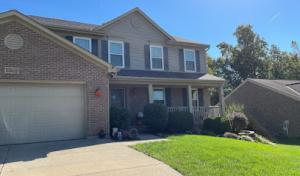
A full roof replacement in this area is typically treated as a project that requires a building permit, not a no-paperwork swap. The city's approach reflects the need to document work on homes with varied roof configurations, from steep historic lines in MainStrasse to more modern compositions in other neighborhoods. In practice, the permit is usually submitted by the contractor, not the owner, with a detailed project scope that covers every phase of the replacement. That scope should specify materials, attachment methods, and the intended shingle or tile system, especially when preserving historic-looking profiles or climbing to steeper pitches. If your home has an unusually shaped or constrained roof, expect the permit package to include additional notes on how those quirks will be addressed within code requirements.
Part of the permit submission often involves roof ventilation information. Ventilation choices matter here, where humidity from the Ohio River valley can stress insulation and decking. The city review may call out vent type, placement, and balance between intake and exhaust to prevent moisture buildup in attic spaces. Having a clear ventilation plan helps avert delays later in the process and supports a durable, long-lived roof. If you're replacing older decking or upgrading underlayment, the permit review may request confirmation that the ventilation strategy aligns with current code expectations for attic ventilation, moisture control, and attic access.
Inspections are scheduled through the city and typically occur in two key checkpoints: rough-in and final. The rough-in inspection comes after the roof deck is down and the mechanicals, flashing details, and ventilation layout are in place, but before the final coverings are installed. This check ensures framing integrity, proper nailing patterns, and that the venting strategy has been implemented as described. The final inspection, conducted once the entire roof is completed and all penetrations, flashings, and finishes are in place, confirms code compliance and that the project matches the approved scope. Closeout hinges on passing this final review, so coordinating a clear line of communication with the contractor about sensor locations, roof penetrations for chimneys or skylights, and proper sealant applications helps ensure a smooth process.
Begin by collecting your project scope and any historic-preservation notes if your roof sits in a district with special considerations. Request a detailed plan that shows the overall roof geometry, ventilation strategy, and a breakdown of materials by location (e.g., hips, valleys, ridges). Confirm with the contractor the anticipated inspection windows and whether any storm-related documentation-such as hail damage assessments or insurance endorsements-needs to accompany the permit package. If renovations involve attic access or electrical ties to attic compartments, verify that those trades align with inspector expectations to avoid re-checks. Having a well-documented, organized packet speeds up both the permit review and the ensuing inspections, minimizes back-and-forth, and keeps a steep historic roof project on track.
Roofing in this area endures regular hail, wind, and heavy rain, and insurers increasingly expect detailed storm documentation. In practice, that means photos that clearly show impacted shingles, granule loss, flashing damage, and any tree-related dents or punctures. Contractor notes should describe the surface condition, suspected underlayment issues, and any interior signs of water intrusion. Having these records ready helps both you and your insurer evaluate the damage accurately, especially on steeper historic roofs where hidden issues often appear after a wind event.
Separate deductibles or stricter documentation practices can affect whether homeowners pursue spot repairs, full replacement, or upgraded materials after a storm loss. Insurers may request itemized invoices and a professional assessment that ties damage to the specific event. In neighborhoods with preserved steep roofs, the documentation may need to capture the compatibility of any temporary fixes with historic appearance, as well as the compatibility of chosen materials with existing architecture. Anticipate questions about prior damage and any preventative steps taken to mitigate further harm.
Because claims are common in this region, homeowners should document damage immediately after hail, wind, or heavy-rain events before temporary repairs or additional weather obscure the evidence. Take wide exterior shots from multiple angles, then close-ups of cracked or missing shingles, rusted vents, or damaged gutters. Save timestamps on photos and keep a dated log of when each image was captured. If a contractor arrives for a temporary repair, request a written note detailing what was done and why, so you have a clear trail for the claim.
Once damage is observed, file a claim promptly and provide the media and notes you've gathered. Maintain consistent terminology in communications, and request a written acknowledgment of all documents submitted. If a adjuster visit is scheduled, prepare your evidence package in advance and have it ready for review. This approach reduces back-and-forth and helps ensure the process stays on track, even through Covington's storm-weary seasons.
Connect with contractors who help homeowners navigate the claims process from damage assessment to final approval.
CityTop Roofing & Exteriors
(859) 907-7663 citytoproofing.com
8 W Southern Ave, Covington, Kentucky
5.0 from 48 reviews

Best Choice Roofing
(859) 423-1383 bestchoiceroofing.com
525 W 5th St #332, Covington, Kentucky
4.6 from 21 reviews
In Covington, shoulder seasons are especially useful because milder temperatures reduce moisture risk compared with peak summer humidity and winter freeze-thaw conditions. If a roof is showing widespread granule loss, curling shingles, or persistent leakage after storms, plan for replacement during a stretch of mild days with dry forecasts. Spring can bring hail and wind damage that forces urgent scheduling, while summer thunderstorms increase the risk of moisture intrusion during open-roof work. Target a window when the long-range forecast shows a stretch of dry days, daytime highs in the 60s to low 70s, and minimal humidity. This helps the crew complete installation before late fall moisture sets in.
Storm events are a practical trigger for re-roof decisions. After hail or high-wind episodes, inspect for indentation, nicked edges, and lifted shingles. If damage spans multiple sections or roof penetrations, a re-roof may be the most reliable solution to prevent leaks during the next season's rains. Have photos ready to document damage and moisture intrusion, and arrange an expedited assessment with a local contractor who understands the area's steep, historic roof profiles. Quick triage of damaged areas with temporary tarping can protect interior spaces while a plan for full replacement is finalized.
Fall often offers workable replacement weather, but local wind events and leaf-and-debris buildup can still affect timing and cleanup on tree-lined streets. Plan for debris cleanup in the driveway and yard, and coordinate with neighbors if street access is involved. If leaves clog gutters during replacement, ensure the crew schedules gutter clearing as part of the project to avoid moisture pockets and sags that compromise new shingles. Keep an eye on forecasted winds, which can complicate installation of steep or historic rooflines.
In Covington, steep residential roofs are common, but signals show a meaningful market for flat and low-slope work on porches, additions, mixed-use buildings, and rear sections of older structures. When an addition ties into an existing roof, the new surface often becomes the main drain path, making reliable drainage essential. A low-slope section must be treated as a dedicated water channel, not a mere afterthought. Expect seasonal rain to push any valley, transition, or seam into a visible leak path if drainage is weak.
Frequent rainfall and winter freeze-thaw cycles make drainage details especially important on these lower-slope sections. Start with a thorough deck or substrate inspection, ensuring a solid, level base and proper slope away from interior spaces. Install a clearly defined perimeter drain or scupper system where practical, and protect joints with compatible sealant and flashing. In Covington's climate, consider a secondary water barrier under the membrane or roof underlayment to guard against freeze-thaw damage that can lift shingles or exposed edges over time. Plan for adequate airflow beneath the low-slope surface to avoid condensation buildup that promotes deterioration from the inside out.
Transitions between older steep roofs and newer low-slope additions are a practical leak point in the city's older housing stock. Pay extra attention to the eave and wall interfaces where the porch or addition meets the main roof line. Use continuous flashing that extends up the wall plane and integrates with the existing flashing rather than creating a stubborn seam at the joint. Seal penetrations meticulously, especially vent pipes, skylights, and roof-to-wall flashings. If a low-slope hidden gutter is used, ensure it's cleanable and accessible for maintenance, as debris blockage becomes a frequent trouble source after storms.
After installation, align a proactive inspection cadence with Covington's storm season and winter cycles. Schedule checks for flashings, seams, and membrane edges following heavy rain events, and document any evidence of pooling or unusual wear at the transitions. A proactive approach reduces the chance of hidden damage turning into a larger, costly repair later on.
Find specialists in TPO, EPDM, and built-up flat roofing systems for residential and commercial properties.
CityTop Roofing & Exteriors
(859) 907-7663 citytoproofing.com
8 W Southern Ave, Covington, Kentucky
5.0 from 48 reviews