
Last updated: Apr 19, 2026
Spring in this area brings hail, wind, and sudden leaks that can overwhelm a quiet week and suddenly spike contractor demand. Fairfield homeowners commonly deal with spring storm and hail damage that can trigger sudden leak calls and compress contractor availability. When a storm hits, a quick, accurate assessment matters: water stains that appear after a rain, granule loss on shingles, dented metal edges, or cracked tiles are all red flags. If a leak appears after a hail event, treat it as an urgent signal to document the damage and begin the claims conversation without delay. Waiting can turn minor damage into a larger, more disruptive project, especially when the calendar fills with repair teams racing to complete work before next weather events.
Insurers commonly process wind and hail roof claims, so Fairfield claims are strengthened by dated photos, roof age records, and documentation tied to recent hail or water events. Start documentation as soon as the weather calms: take wide shots of the entire roof from ground level, then close-ups of impacted areas, and any visible hail marks on siding, gutters, and vent flashing. Preserve weather reports and receipts from any temporary tarping or mitigation steps. If multiple storms have occurred in the past year, create a simple timeline that ties each photo or report to a date, a description of the observed damage, and a note about any corresponding leaks or water intrusion inside the home. Having this clear chronology helps a claim move through adjustments more predictably and reduces back-and-forth with the insurer.
Given the typical surge in contractor availability after a hail event, initiating a claim promptly is essential. Contact the insurer as soon as you have clear, dated evidence of damage, and reference the most recent storm event with observable impacts. Use consistent terminology: roof damage from hail impact, wind-driven shingle or flashing damage, water intrusion from compromised roof pathways. If the claim is opened within a narrow window after a hail event, adjusters will often align their on-site review with the most relevant storm record. Keep a written log of every conversation, including dates, names, and summaries of what was discussed. This log becomes a straightforward, verifiable trail that supports the claim during the inspection process and any follow-up questions about repairs or replacement scope.
Because adjusters may scrutinize workmanship and code compliance, Fairfield reroof decisions are closely tied to whether the replacement will pass local permit review and inspection. In practice, that means having a clearly documented plan for the repair or replacement, including shingle type or metal system specified, proper underlayment choices, and a logically sequenced installation plan that adheres to the climate realities here. Prepare to demonstrate that the chosen roofing system is suitable for midwestern freeze-thaw cycles, spring hail exposure, and the wind loads typical of this area. Photos of the completed installation, contractor qualifications, and a traceable material list can all support a smoother adjustment process and reduce back-and-forth about scope and workmanship standards.
During peak spring weeks, contractor backlogs can slow progress. Act decisively: secure a reputable local roofing contractor who understands Fairfield weather patterns and the local home stock. Request a written damage assessment that documents observed impacts and a proposed replacement strategy, not merely a schedule estimate. If the insurer approves a scope limited to temporary mitigation, plan for a timely follow-up review to authorize the full reroof when weather windows allow. Consider scheduling the on-site adjuster visit for daylight hours with a dry forecast to prevent misinterpretation of weather-related wear. Share the full damage record package with the contractor and insurer so both sides can align on the same facts and dates, reducing the chance of miscommunication that stalls the claim or the start of repairs. In this climate, readiness and precise documentation translate into fewer delays and a clearer path to restoring the roof's integrity after a damaging spring event.
Find local contractors experienced in assessing and restoring roofs after hail, wind, and severe weather events.
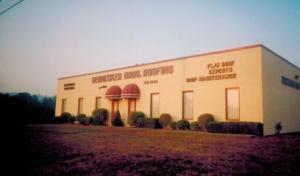
Bernecker Brothers Roofing
(513) 738-1949 www.berneckerbros.com
2219 Cincinnati Brookville Rd, Fairfield, Ohio
4.9 from 136 reviews

HD Roofing & Restoration
(513) 690-7010 www.hdroofingllc4.com
6516 Dixie Hwy, Fairfield, Ohio
5.0 from 48 reviews
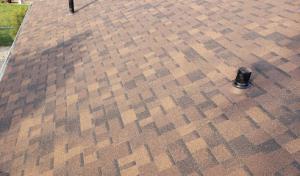
Clouse Roofing & Siding
(513) 403-8440 www.clouseroofingco.com
5871 Crestview Ave, Fairfield, Ohio
4.9 from 68 reviews
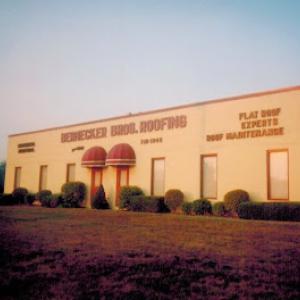
Bernecker Brothers Roofing
(513) 738-1949 www.berneckerbros.com
2219 Cincinnati Brookville Rd, Fairfield, Ohio
4.9 from 136 reviews
Bernecker Brothers Roofing is a third-generation, family-owned roofing company serving Fairfield, Cincinnati, and the surrounding tri-state area since 1949. As one of the oldest and most trusted roofing contractors in the region, we bring over 75 years of experience to every project. Our team specializes in commercial flat roofing, residential roof replacement, and roof repair services, using high-quality materials and expert craftsmanship. At Bernecker Brothers Roofing, we’re committed to exceptional workmanship, honest pricing, and customer service that only a family-owned business can provide. Contact our Cincinnati roofing experts today to request a quote and see why the tri-state has trusted us for more than 75 years.
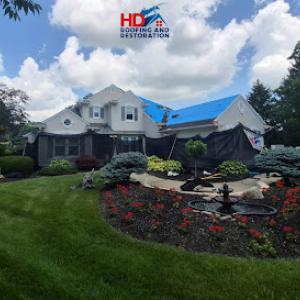
HD Roofing & Restoration
(513) 690-7010 www.hdroofingllc4.com
6516 Dixie Hwy, Fairfield, Ohio
5.0 from 48 reviews
HD Roofing and Restoration is your premier local expert for all exterior home needs. Specializing in high-quality full roof replacements and meticulous repairs, we also offer comprehensive storm damage restoration to protect your investment. Our skilled team provides a full suite of services, including professional siding, roofing, gutter, and chimney work, ensuring your home's exterior is both beautiful and resilient. We are dedicated to delivering superior craftsmanship and lasting results, making us the trusted choice for homeowners in the Fairfield, OH area.
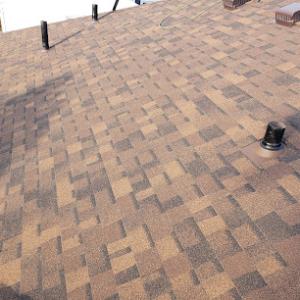
Clouse Roofing & Siding
(513) 403-8440 www.clouseroofingco.com
5871 Crestview Ave, Fairfield, Ohio
4.9 from 68 reviews
Krclouse@cinci.rr.com
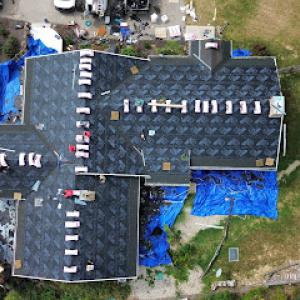
Precious Roofing
4140 Plover St, Fairfield, Ohio
5.0 from 42 reviews
We specialize in providing exceptional residential and commercial roofing services, including installation, repairs, and maintenance. We deliver durable and aesthetically pleasing roofs that protect your property from the elements.
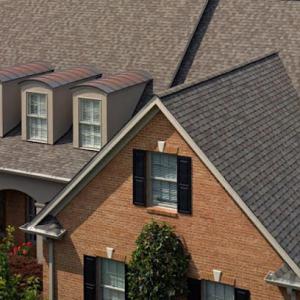
Van Martin Roofing
(513) 285-1774 vanmartinroofing.com
5380 Pleasant Ave Suite 4D-2, Fairfield, Ohio
5.0 from 35 reviews
Van Martin Roofing is proud to provide top-quality roofing and exterior services to homeowners and businesses in Fairfield, Ohio. Our team specializes in roof repair and roof replacement, ensuring your property is protected in any season. We also offer expert skylight installation, bringing natural light and energy efficiency to your home, and reliable gutter installation to prevent water damage. For a durable and stylish roofing solution, our metal roofs are built to last and designed to impress. At Van Martin Roofing, we’re committed to excellence in craftsmanship and customer satisfaction. From small repairs to complete roof replacements, trust us to deliver dependable results in Fairfield!
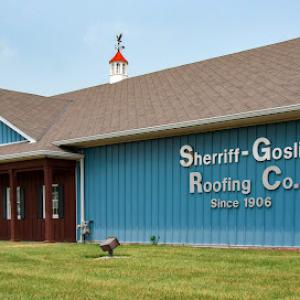
Sherriff Goslin Roofing Cincinnati
(513) 874-7663 www.sherriffgoslin.com
4060 Acme Dr, Fairfield, Ohio
4.7 from 126 reviews
As the area’s leading roofing contractor, Sherriff Goslin Roofing Cincinnati has served the Fairfield, Hamilton, and Cincinnati Metro areas since our local branch opened in 1933. leads the roofing industry as an Atlas Pro® Diamond Level Contractor. As an Atlas Pro® Diamond Level Contractor, they prioritize quality and professionalism, providing unparalleled services for residential homes, farm buildings, barns, and churches. Sherriff Goslin Roofing Cincinnati provides customers with free roof inspections and free roof estimates, as well as the area’s best roof repairs and roof replacements.
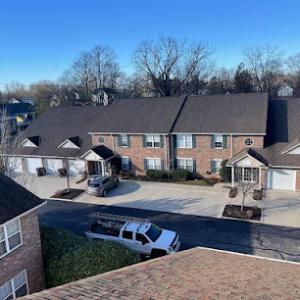
Barker Roofing
(513) 501-7663 www.barkroofing.com
3112 Homeward Way #7, Fairfield, Ohio
4.9 from 33 reviews
Barker Roofing is your trusted roofing experts with over 20 years of experience serving the Tri-State area. We specialize in both residential and commercial roofing services, including new installations, repairs, and roof replacements in Cincinnati and surrounding areas including Kentucky and Indiana. Our team of skilled professionals is dedicated to providing the highest level of craftsmanship and customer service, using only the highest quality materials and industry-leading techniques. We have the knowledge and expertise to get the job done right. Recongized with A+ accreditation from Better Business Bureau and 5 Star Ratings on Google. Schedule your free roof inspection today! Give us a call and experience the Barker difference today!
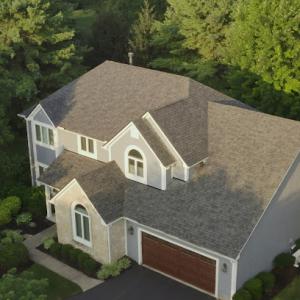
Mr. Roof Cincinnati
520 Commercial Dr, Fairfield, Ohio
4.3 from 549 reviews
The highest rated roofing contractor in Cincinnati, Ohio. Find out why we are the best exterior contractors for roofing, siding, windows, chimney and gutters. Over 60 years in business, customer satisfaction guaranteed.
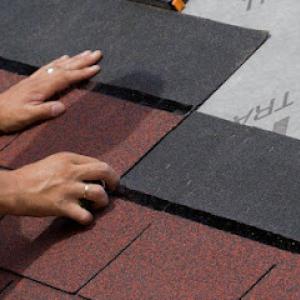
Ray St. Clair Roofing
(513) 874-1234 www.raystclair.com
3810 Port Union Rd, Fairfield, Ohio
4.3 from 223 reviews
Family owned and operated for over 70 years, Ray St. Clair Roofing provides the greater Cincinnati area with affordable roofing repairs and installation, as well as repairs, maintenance and installation of gutters, windows, railings, decking, siding, and chimneys. Whatever home improvement ideas you have, the contractors here have the expertise and knowledge to see the job through. Furthermore, they’ll make extra effort to keep costs down and get the work done as quickly and efficiently as possible. With so much experience and a proven track record of dedication and service, it’s no wonder that home and business owners come back to Ray St. Clair Roofing for all of their projects, and refer it to their friends and family.
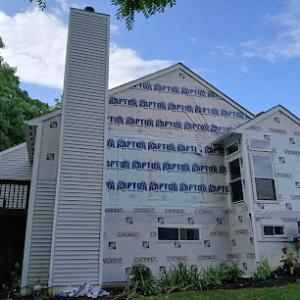
R.A. Roofing
4853 Slade Dr, Fairfield, Ohio
4.6 from 21 reviews
Complete Roof replacement & Roof repairs. Including skylights,chimney counter flashing ,tuck pointing,crowns,reflashing, chimney crickets, leaf guard ,and more.

Kelley Brothers Roofing
4905 Factory Dr, Fairfield, Ohio
4.3 from 19 reviews
Since 1984, Kelley Brothers Roofing has been Southwest Ohio’s trusted partner for all commercial roofing needs. We specialize in commercial roof assessments, leak repairs, maintenance, re-roofing, and new construction. As an approved installer for major roofing material manufacturers, we deliver tailored solutions for projects of any size. Whether you need immediate leak repairs or long-term asset management, our skilled team is available 24/7 to provide quality craftsmanship and reliable service. Protect your property with durable commercial roofing solutions that are built to last.
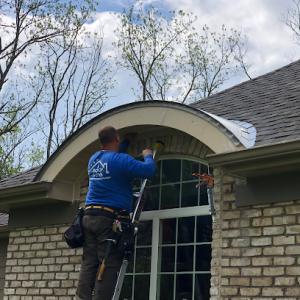
Need Roof Guys
(513) 456-7663 www.needroofguys.com
300 Office Park Dr suite B, Fairfield, Ohio
4.4 from 17 reviews
Roofing, Siding and Gutters contractor.
When planning a roof replacement in Fairfield, use the local material ranges as your baseline. Asphalt shingles in this area typically run about $350 to $700 per square, a practical band for most mid-rise homes and ranch styles common to the market. Metal roofing sits higher, generally $700 to $1400 per square, reflecting longer life and wind resistance. Clay tile clocks in at about $1000 to $3000 per square, while concrete tile tends to run $900 to $1800 per square. For wood shingles or shakes, expect roughly $600 to $1100 per square, and synthetic or composite shingles land around $550 to $1000 per square. These ranges are your starting point for budgeting, with the understanding that actual quotes will depend on roof slope, attic ventilation, existing decking condition, and any added structural work.
Spring storm activity, especially post-hail and wind events, creates noticeable demand spikes. In Fairfield, those spikes push reroof scheduling and labor pricing upward, even when material pricing holds steady. Homeowners should anticipate a tighter window for scheduling after a severe spring storm, as crews move quickly to secure damaged properties and begin replacement cycles. If a hailstorm hits, base scheduling on a staged plan: immediate tarp or temporary protection, followed by a coordinated tear-off and install sequence. This approach helps manage peak-season labor shortages and keeps the project on track without sacrificing quality.
Fairfield experiences distinct seasonal conditions that influence both timing and cost. Summer heat can slow asphalt shingle production rates and complicate adhesive setting, which may extend labor hours and potentially push material handling costs upward. Conversely, winter freeze-thaw cycles complicate tear-offs and decking decisions, increasing the risk of deck damage and requiring careful sequencing of removal and replacement. In practical terms, this means you could see modestly higher labor costs or tighter crew availability during peak summer months and again in shoulder seasons as temperatures swing. Planning for a gradual start in early spring or late fall can help, provided weather windows cooperate with the project schedule.
Begin with a materials-focused estimate that uses Fairfield ranges: asphalt shingles at $350-$700 per square, metal at $700-$1400, clay tile at $1000-$3000, concrete tile at $900-$1800, wood shingles/shakes at $600-$1100, and synthetic at $550-$1000. Build contingencies for labor, especially after a storm where demand can surge. If hail damage is suspected, arrange a multi-phase plan: initial damage assessment, temporary protection if needed, followed by staged tear-off and installation to align with favorable weather windows and crew availability. Consider getting two or three written bids to lock in a fair labor rate during peak demand, and ask contractors to specify lead times, crew size, and expected duration based on the chosen material. In Fairfield, a well-timed reroof after a storm not only restores protection but can optimize long-term energy performance and resale value, provided the sequencing respects seasonal realities and local wind patterns.
A full reroof is not treated as simple maintenance around here. In this area, a proper reroof almost always requires a building permit. The local mindset is that a permit helps ensure the new roof is installed to code, with the right underlayment, fasteners, and detailing to withstand the Midwestern freeze-thaw cycle. If a contractor treats a reroof as cosmetic or informal repair, that's a red flag that you're skating past essential safety and compliance steps. Expect the building department to take a careful look at the scope of work before issuing the permit, and to connect the dots between materials, ventilation, and attachment methods.
In this market, inspections are not an afterthought. The building department typically inspects the reroof at two critical junctures: first at the rough-in underlayment stage, and again when the project is complete and the final finish is installed. The rough-in check is your early warning that the underlayment and starter steps are correct, especially important after hail events where decking damage might be hidden beneath shingles. The final inspection confirms the roof system is sealed, vented, and weather-tight, with all penetrations and flashings properly integrated. If either stage doesn't meet code, you'll have to address the issues before closing out permits, which can delay your project and complicate insurance timelines.
Facing a storm-damaged roof or a planned replacement, you'll want to see clear documentation on the job site. In Fairfield, permits are expected to be posted on site, visible to inspectors and, ideally, to you as the homeowner. Contractors should provide permit numbers during the job, not only for your records but to facilitate any insurance claim review. If the permit number isn't displayed, or if the contractor hesitates to share it, that's a signal to pause and verify with the city department before proceeding.
Before signing off on any reroof project, confirm the scope aligns with the permit application, and that your chosen asphalt, metal, or tile system is evaluated for the local freeze-thaw and wind risks. Ask the contractor to map out the two inspection milestones and to share anticipated timeline tied to weather windows-Spring storm season is a common flashpoint, especially after hail. Keep a close eye on the installation sequence: proper underlayment, correct fastener pattern, adequate ventilation, and flashings that can handle seasonal temperature swings. If the inspector notes deficiencies at rough-in, address them promptly; delaying repairs can push back final completion and complicate insurance-adjuster timelines.
Know that the permit process exists to protect you and your home from hidden vulnerabilities. If the team can't clearly explain how the underlayment and deck protection meet Fairfield's expectations, or if the plan relies on shortcuts, reconsider. A compliant reroof backed by posted permits and two clear inspections not only aligns with local practice but also helps ensure your spring storms, hail exposure, and busy insurance cycle won't derail the replacement later in the year.
Asphalt shingles are a dominant choice in this market because they align with reroof-heavy cycles and moderate cost expectations. In the Fairfield climate, repeated freeze-thaw cycling can shorten service life if ventilation or drainage is poor. When evaluating asphalt options, prioritize shingles with strong granule retention and higher wind resistance, and pair them with an effective attic venting plan and a well-sloped drainage layout to minimize water backing during thaw events.
Metal is a meaningful option for homeowners who want durability through snow, ice, and storm seasons. Installation quality matters a lot here, because insurer and inspector scrutiny can be high after storm claims. In practice, this means choosing a reputable installer, ensuring proper sealant and panel overlap, and confirming that the underlayment and flashing are designed for freeze-thaw cycles. A well-executed metal roof can resist hail impact better than many alternatives, but gaps in workmanship show up quickly after a rough spring.
Clay tile, concrete tile, wood shakes, and synthetic products exist in Fairfield but require closer evaluation of structural support, replacement matching, and weathering behavior in a climate with hot summers and cold winters. Clay and concrete tiles demand a sturdy substrate and careful anchoring to tolerate wind-driven debris and freeze-thaw movement. Wood shakes bring a natural look but can suffer from moisture cycling and insect exposure if ventilation is inadequate. Synthetic options offer design flexibility, yet performance depends on the core composition and installation details; match these to anticipated temperature swings and seasonal hail exposure.
In this market, a careful assessment of attic ventilation and attic-to-roof drainage is essential across materials. The goal is to reduce ice dam formation and ensure rapid drying after storms. When hail or high-wind events occur, an upfront inspection after the storm can help determine whether the chosen material and its installation are holding up under Fairfield's spring conditions.
Explore specialists in steel, aluminum, and standing seam metal roofs built to last 50 years or more.
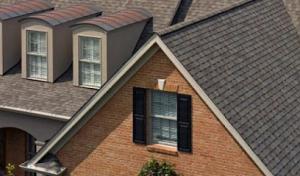
Van Martin Roofing
(513) 285-1774 vanmartinroofing.com
5380 Pleasant Ave Suite 4D-2, Fairfield, Ohio
5.0 from 35 reviews

Fairfield's winter pattern features repeated freezing and thawing that can quietly strain shingles, flashing, and roof decking. When shingles flex and contract with alternating temperatures, small gaps can open along edges and fastenings. Those micro-movements aren't always visible at first, but they can let moisture creep into substrate layers. If underlayment or decking has already been compromised, the cold can magnify those weak spots into active leaks once the temperatures drop again. Pay attention to unusual porch or attic warmth after a light freeze, and don't assume surface dryness equals a perfect roof.
Fairfield's rough-in inspection at the underlayment stage makes this part of a reroof especially important, because problems can be caught before final covering is complete. During tear-off, take the time to thoroughly inspect the attic and the roof deck for signs of water staining, soft spots, or cupping boards that indicate hidden damage. If decking shows even minimal moisture exposure or delamination, address it now rather than after the final layers go on. A careful underlayment install acts as the first barrier against seepage during those spring hail events and the lingering wet months of late fall and early winter.
Autumn leaf buildup and moisture retention can carry into winter in Fairfield, increasing the chance that minor drainage issues become cold-weather leak complaints. Leaves can clog gutters and downspouts, creating standing water that freezes in place and wicks back toward the deck edges and flashing. If rain or melting snow isn't draining cleanly, even small roofline gradients can push water toward vulnerable joints. Cleaning gutters and ensuring proper drainage paths before the final roof covering is installed helps reduce cold-weather backflow that stresses corners, hips, and chimneys.
Even when shingles appear intact, the substrate beneath can tell a different story after a Fairfield winter. Inspect the roof deck for soft spots, give-and-take movement when walked upon, or darker staining that suggests trapped moisture. These cues commonly precede leaks once winter sets in. If decks or fascia boards show signs of moisture damage, plan for timely repairs during the reroof process rather than waiting for a leak to appear. Proactive decking work keeps the roof system resilient through the season's harsher cycles.
When you can't wait, these contractors offer fast response times to stop leaks and prevent further damage.
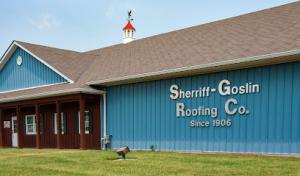
Sherriff Goslin Roofing Cincinnati
(513) 874-7663 www.sherriffgoslin.com
4060 Acme Dr, Fairfield, Ohio
4.7 from 126 reviews
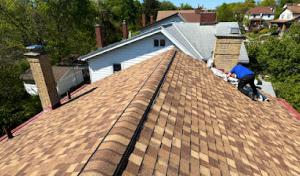
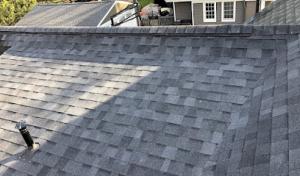
In this climate, skylights are a common source of seepage after spring storms and hail. Fairfield's contractor market shows meaningful demand for skylight work, so leak tracing around roof penetrations is a recurring local service need. Start by treating every skylight with a careful moisture test during the reroof or inspection. Look for compromised head flashing, improper sealing along the curb, and loose curb screws that can open a path for water during thaw cycles. If the skylight seals or flashing show even minor deterioration, plan a targeted reseal or flashing chase update rather than a full replacement unless the unit is damaged. Document any visible gaps where the surrounding roofing underlayment meets the skylight perimeter, and confirm that the sealant joints remain continuous across temperature swings.
Chimney-related roofing work is also common in the market, which makes flashing transitions a practical concern during reroofs and storm inspections. Inspect the chimney chase step flashing, counter-flashing, and the intersection where masonry meets the roof deck. Pay attention to voids behind chimney flashings that can trap ice and meltwater during our freeze-thaw cycles. When resealing, ensure the zinc or stainless-steel flashing is integrated with a solid bead of roof sealant that remains pliable in cold weather. If brick or stonework shows spalling, plan for flashing adjustments to avoid a moisture trap at the chase line.
In a city where underlayment-stage inspections are part of full reroofs, penetration flashing details matter because they can affect both leak performance and inspection outcomes. Keep a close eye on corner details around exhaust vents, plumbing stacks, and satellite antenna mounts. Confirm that step and counter-flashing extend properly onto the roofing surface and are benched into the underlayment system without abrupt transitions. When an inspection is imminent, pre-check all penetrations for continuity of sealant, proper nail or screw placement, and the absence of gaps that could invite wind-driven rain.
Find contractors experienced in skylight installation, flashing, and leak repairs to bring natural light into your home.
Bernecker Brothers Roofing
(513) 738-1949 www.berneckerbros.com
2219 Cincinnati Brookville Rd, Fairfield, Ohio
4.9 from 136 reviews
Van Martin Roofing
(513) 285-1774 vanmartinroofing.com
5380 Pleasant Ave Suite 4D-2, Fairfield, Ohio
5.0 from 35 reviews
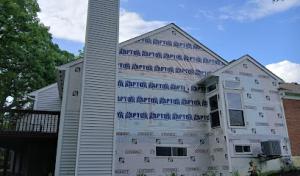
In Fairfield, roof claims are commonly tied to Ohio wind and hail loss patterns rather than catastrophe-only events, so documentation quality often determines whether damage is treated as covered storm loss or wear. The adjuster will review a chain of evidence to distinguish new storm impacts from preexisting conditions. A clear, organized file can shift the interpretation toward a covered loss when hail or wind damage is present and visible on multiple roof surfaces.
Adjusters reviewing Fairfield claims may look closely at roof age, prior repairs, workmanship quality, and whether the reroof complied with local permit and inspection requirements. Shadows, granule loss, and blade-like hail marks are weighed against the roof's overall condition and any signs of aging or improper previous fixes. If the roof shows a history of quick, low-quality repairs in the same area, the claim may face closer scrutiny or a reduced payout.
Homeowners are better positioned when they keep pre-storm and post-storm photos, dates of hail or water intrusion, and records from any emergency tarping or temporary repairs. Create a dated photo timeline that includes wide shots of the entire roof and close-ups of damaged shingles, gutters, and flashing. Preserve tarping invoices, repair receipts, and any weather reports that document the storm events. A simple log noting moisture intrusion times and locations helps align photographic evidence with claim notes.
Gather contractor assessments, supplier invoices for materials, and any warranties or disclosures tied to the roof. Ask for attestation letters from licensed roofers detailing observed damage and their opinion on whether replacement is warranted. When possible, secure multiple estimates that reference original roof age and prior repair history. Consistent labeling of photos (date, location) reduces ambiguity and supports the narrative of a storm-driven loss rather than gradual wear.
Connect with contractors who help homeowners navigate the claims process from damage assessment to final approval.
Bernecker Brothers Roofing
(513) 738-1949 www.berneckerbros.com
2219 Cincinnati Brookville Rd, Fairfield, Ohio
4.9 from 136 reviews
HD Roofing & Restoration
(513) 690-7010 www.hdroofingllc4.com
6516 Dixie Hwy, Fairfield, Ohio
5.0 from 48 reviews
Clouse Roofing & Siding
(513) 403-8440 www.clouseroofingco.com
5871 Crestview Ave, Fairfield, Ohio
4.9 from 68 reviews
Flat and low-slope roofing is an active specialty in this market, even though the city is largely reroof-driven. Attached garages, additions, and small commercial-style sections often require separate evaluation from the main roof. When you're planning or assessing a retrofit, treat these areas as distinct systems with their own drainage, flashing, and membrane details. In spring, hail and wind can sting these surfaces where ladders and downspouts meet, so inspect transitions from the main roof to the low-slope sections carefully.
Fairfield's freeze-thaw weather and leaf debris can make drainage performance on low-slope sections more critical than on steeper shingle roofs. Look for signs of ponding, micro-mural ice buildup along flashings, and clogged scuppers or gutters after storms. Regularly clearing leaves and seasonal debris before winter helps reduce ice dam risk. For low-slope areas, ensure proper slope alignment and confirm that the membrane edges are well-sealed at all transitions to the main roof.
When a reroof includes mixed roof types, consider the main covering and any low-slope membrane or transition details as a single project with integrated sequencing. During planning, map out how water will shed from the main surface toward low-slope sections, and verify that flashing, vents, and edge details align across materials. In practice, this reduces the chance of hidden leaks along transitions after a spring hail event or strong wind.
Keep a routine where low-slope areas are included in annual inspections, especially after severe storms. Check membrane integrity, edge seals, and drainage path continuity. Small gains here pay off in protecting the broader roof system and can prevent localized leaks from becoming larger issues in the mid-season.
Find specialists in TPO, EPDM, and built-up flat roofing systems for residential and commercial properties.
Bernecker Brothers Roofing
(513) 738-1949 www.berneckerbros.com
2219 Cincinnati Brookville Rd, Fairfield, Ohio
4.9 from 136 reviews
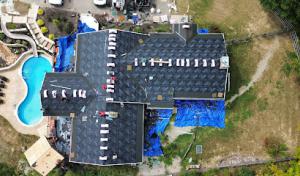
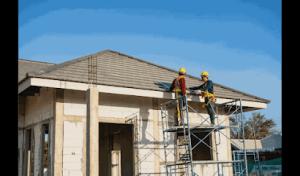
When a storm hits, the local contractor market shifts toward reroofing, storm response, and emergency repair activity. Homeowners in Fairfield commonly contend with a bustle of crews trying to secure tarps, assess damage, and begin tear-off work quickly. Because the area experiences spring hail and wind, the priority is often getting the roof shored up so interior spaces stay dry while a full assessment is done. You will notice several crews canvassing neighborhoods in the first 24 to 48 hours, and that quick spike in activity can be overwhelming if you're not prepared.
Cleanup is a major local hiring priority. Tear-off debris, stray nails, and disturbed yard material create immediate safety concerns for families and pets. Reputable contractors will offer a robust cleanup plan: daily sweepups, magnetic nail traces, and clear debris containment to keep driveways and sidewalks passable. For Fairfield homes with mature trees and tighter lot lines, expect crews to stage equipment carefully to minimize property disturbance and to leave neighboring yards in as-good-as-it-was condition as possible.
Quick response and affordability are especially visible in the Fairfield market, but homeowners still need to confirm permit handling, inspection coordination, and whether the contractor will stand behind the work. In the aftermath of a storm, it's common to choose the first crew that can start, but the best choice balances fast mobilization with solid workmanship and a clear plan for inspections and warranty coverage. Ask for a written timeline, a defined tear-off and installation sequence, and a post-installation checklist you can track.
Select a company with established Fairfield activity and positive neighborhood references. Insist on clear communication, documented scope of work, and a commander-like point person who coordinates with you through the tear-off, installation, and final walkthrough. In practice, you want to see a crew that's not only capable of rapid response but also meticulous about debris control, nail removal, and leaving the site in safer condition than they found it.
Get a clear picture of your project costs upfront - no commitment required.
Sherriff Goslin Roofing Cincinnati
(513) 874-7663 www.sherriffgoslin.com
4060 Acme Dr, Fairfield, Ohio
4.7 from 126 reviews