
Last updated: Apr 19, 2026
Mailboxes and gutters may not reveal the trouble, but a hard-hitting spring storm or a mid-winter ice dam can push water through flashing, underlayment, or decking that looked fine after summer inspections. In this climate, storm-driven claim activity spikes and leaks often show up long after the hail or wind event. If you notice active dripping, interior staining, or sudden dark patches on ceilings, act fast: protect the area with a sturdy tarp if safe to do so, and avoid walking on a wet attic deck or ice-covered roof. The goal is to contain the leak enough to prevent further damage while you organize a professional assessment. Do not climb onto a slippery roof during winter; use a partner on the ground to guide tarps, cords, and safety gear.
From ground level, inspect for obvious signs of damage after a storm: missing or displaced shingles, dented copper flashings, loose ridge caps, or broken vent boots. Note where water is entering-this helps prioritize repairs or temporary fixes. If you can safely access the attic, look for damp insulation, compressed decking, or daylight staining through roof sheathing. In Maineville's hail, wind, and freeze-thaw environment, flashing and underlayment failures are common culprits, often revealing themselves only after the snow melts or a heavy downpour. Photograph affected areas from multiple angles, including close-ups, and timestamp the images with a brief description of what happened and when you noticed it.
Winter ice dams and snow loads demand rapid containment. If a leak is active, place a water-impermeable tarp over the damaged section, weighted down on the edges to prevent wind lift. Create a sloping surface to direct water toward the outside, away from interior walls and electrical fixtures. Temporary measures should buy you time, not serve as a permanent fix. Keep heat sources away from tarps and ensure proper ventilation to avoid condensation buildup under the tarp that can fuel additional damage.
Storm claims in this area are often triggered by the event itself rather than the roof's age. Begin the claim promptly with your insurer or your local agent, detailing the hail size, wind intensity, and notable impacts observed in your attic or ceilings. Request an adjuster visit and be prepared to share the storm date, photos, and your maintenance history. If you have prior pre-existing vulnerabilities-such as aged flashing, deteriorated underlayment, or a history of ice dams-document them as possible contributing factors to the current damage. Ask about covered repairs that address both immediate water intrusion and underlying vulnerabilities to prevent recurrence. Maintain a clear record of communications, dates, and the names of anyone you speak with, and request written estimates for repairs that you can compare against the insurer's scope.
Once the adjuster has assessed, prioritize a repair plan that addresses the root causes visible in the storm aftermath: flashing integrity, underlayment condition, and deck stability. In Maineville's mixed housing stock, this often means pairing weatherproof flashing upgrades with improved ventilation and more robust attic insulation to reduce future ice dams and condensation-related leaks. If a full roof replacement becomes necessary, coordinate timing with the insurer to minimize overlap of temporary containment and permanent protection, and ensure the chosen system aligns with your existing material and neighborhood aesthetics while standing up to the region's seasonal extremes.
Asphalt shingles are the dominant practical choice locally, and for many suburban Maineville homes they deliver reliable performance at a sensible value. The mix of new builds and established houses means you'll still see higher-end tiles and specialty materials on crafted facades and architectural accents. If your roof sits behind a front-facing gable or a visible secondary entry, a tile or copper accent can dramatically elevate the look without compromising on the long-term durability you expect in this climate. In other words, asphalt remains the workhorse, but there is meaningful demand for clay tile, concrete tile, wood shakes, slate, and copper on higher-end homes and architectural accents.
Hot summers in the Little Miami River corridor accelerate UV aging on asphalt. That means shingles tend to reach end-of-life sooner than in milder climates, especially on roofs with long southern exposure. Winter adds another layer of complexity: freeze-thaw cycles stress flashing transitions and any laps where water can creep into seams. On premium roof systems, these stresses are magnified by heavier materials that demand precise installation and robust flashings. For Maineville homes, plan for more frequent inspections after winter storms and after major hail events, since the combination of heat and freeze-thaw movement can reveal weaknesses in sealants and structural transitions earlier than expected.
Heavy materials such as slate, clay tile, and concrete tile require closer attention to structural support and replacement logistics than standard shingle tear-offs. If a two-story home or a structure with limited attic access carries a heavy roof, ensure the underlying framing is rated for the weight, and verify that venting and insulation still meet modern standards after a major replacement. If a remodel adds weight in one area (for example, a turret or dormer), anticipate localized reinforcement or consult a structural engineer before committing to a full replacement. In many Maineville neighborhoods, slab-on-grade and mid-20th-century layouts can handle lighter upgrades, but upgrading to a heavy roof should still be a deliberate, professional assessment.
Clay tile and concrete tile offer striking curb appeal and excellent longevity in sun-drenched exposures, but they demand careful integration with existing framing and flashing. If you are replacing a current asphalt roof with tile, confirm the supporting structure and roof pitch meet the tile's needs; some homes require added reinforcement to prevent sagging or distress over time. Wood shakes give a warm, classic look but need careful maintenance in humid summers and near mature trees to limit fire risk and moisture damage. Slate and copper deliver a premium aesthetic and outstanding durability, but the installation window narrows to those who have a suitably prepared roof deck and budget for the higher upfront investment. Consider these options not only for longevity but for the statement they make on a home's architectural character.
After installation, plan for proactive maintenance that aligns with the local climate. For asphalt, routine inspection of sealing, flashing around chimneys, and valleys helps catch early signs of accelerated aging from UV exposure. For heavier materials, prioritize regular inspections of flashing transitions and any deck or support connections, particularly after severe weather or season transitions. In all cases, a trusted local contractor will verify proper underlayment conditions, ensure proper venting, and confirm that any color choices or coatings are compatible with the local sun and freeze-thaw cycle. This practical approach helps protect the investment, preserve curb appeal, and minimize storm-driven claim activity when hail or high winds strike.
In Maineville, pricing spans a wide spectrum because the local market blends standard asphalt neighborhoods with premium homes that feature tile, slate, wood, and copper. The mix of housing stock means you'll see a broad range in per-square costs, even within the same street. For reference, asphalt shingles typically run roughly from $350 to $650 per square (100 square feet) installed, while clay tile can push from $800 to $1,400 per square, concrete tile from $700 to $1,200, wood shingles or shakes from $600 to $1,000, slate from $1,200 to $2,500, and copper roofing from $1,800 to $4,000 per square. This spread reflects material choice, roof complexity, and removal requirements.
Storm-driven surges can push scheduling and labor pressure higher after region-wide hail and wind events, especially for full re-roofs and insurance-related work. A single severe event can back up crews and materials, leading to longer wait times and higher bids as contractors balance emergency repairs with replacement projects. If a hailstorm or strong gusts hit the Little Miami River corridor, expect some price volatility and tighter timelines in the weeks that follow. Plan for a few extra weeks on the calendar if your project requires insurance documentation, full tear-off, or substantial disposal and cleaning.
Steeper suburban rooflines, chimneys, and skylights add complexity and cost. Homes with prominent angular pitches or multiple ridgelines require more labor to safely tear off damaged layers and install new roofing while maintaining proper ventilation and flashing around penetrations. Chimneys and skylights can demand specialized flashing, sealant systems, and careful integration with the chosen roofing material. In Maineville, this is a common driver of price variation, particularly when premium materials are used because the detailing around these features influences both performance and aesthetic finish.
Tear-off and disposal, plus the quality of underlayment, impact final numbers as well. Heavier materials such as slate, concrete tile, or copper require more heavy equipment and careful handling, which translates to higher labor and haul-away costs. If a project involves multiple layers, or a retrofit where old decking must be replaced due to moisture damage, expect incremental increases beyond the base material price. For homeowners balancing insurance settlements with out-of-pocket costs, obtaining a clear scope that lists tear-off, disposal, flashing, underlayment, and material transitions helps prevent surprises when the final invoice arrives.
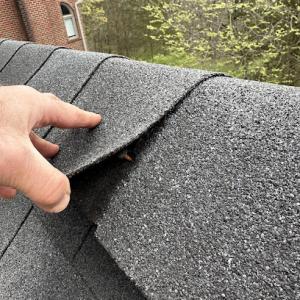
Guaranteed Roofing - Maineville, Ohio
(513) 583-5917 www.guaranteedroofingohio.com
2575 US-22 Suite O, Maineville, Ohio
5.0 from 223 reviews
About Guaranteed Roofing Guaranteed Roofing is a roofing contractor providing quality roofing and siding services in Cincinnati Ohio. We pride ourselves on providing skilled craftsmanship, the highest quality materials, and an economical solution for every project. We are very professional, punctual & trustworthy. Choosing the right roofing contractor can be a difficult task, so we are here to help you from start to finish. From the beginning estimate, explaining the materials & workmanship, to the shingle colors & profile choices.
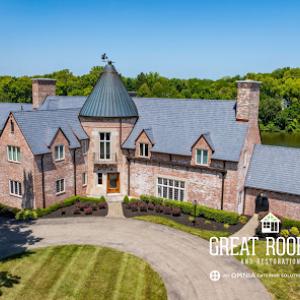
Great Roofing & Restoration
(513) 506-2844 www.greatroofing.com
5394 OH-48, Maineville, Ohio
4.8 from 365 reviews
Great Roofing & Restoration is now proudly serving the community with Cost Saver Roofing’s legacy, bringing over 15 years of experience in high-quality roofing and exterior services. Since 1983, Cost Saver Roofing has been a trusted name in Loveland, Cincinnati, and surrounding areas, valued for its commitment to exceptional service, integrity, and fair pricing. Now as part of the Great Roofing team, we carry on this tradition, blending our expertise in top-tier materials and focus on customer care with Cost Saver’s renowned local dedication.
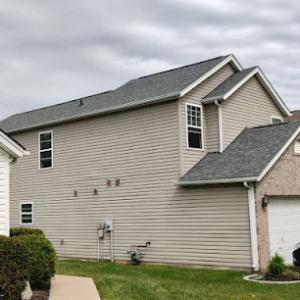
Agrilang Roofing
(513) 502-0962 agrilangroofing.com
Serving
5.0 from 6 reviews
Agrilang provides quality roofing provides services, to residential and commercial properties in Warren County and the surrounding areas. Our roofers pair high-performance materials with over 15 years of industry-leading experience to deliver results that are second to none. Whether you need fast roof repairs, a brand-new roof, or an upgrade to your current roof, our team has you covered. Our local and family-owned company believes that top-quality service shouldn't come at a premium, which is why we start every project with a free estimate and pride ourselves on our competitive pricing. We truly stand behind our work-offering a 5-year warranty on our craftsmanship and happily returning to your property to fix any issues, if needed.

Eli’s Roofing
(513) 551-0947 www.eli-elisroofing.com
Serving
5.0 from 15 reviews
Call it a motto. Call it a promise. ‘Above and Beyond’ is how every job gets done. We’re the local crew homeowners and businesses call when they’re done patching the same problem over and over. Since 2016, we’ve been fixing leaky roofs, replacing worn-out siding, installing energy-efficient windows, and setting up everything from Tesla solar panels to custom gutters across Cincinnati, Southern Ohio, and Northern Kentucky. We don’t do quick fixes and walk away. We show up on time, use quality materials, and build it like it’s our own place. Whether it’s blown-in insulation, commercial TPO roofing, emergency tarping, fascia repair, or skylight installs... we handle it with a “do it once, do it right” attitude. If it’s not right, we fix it.
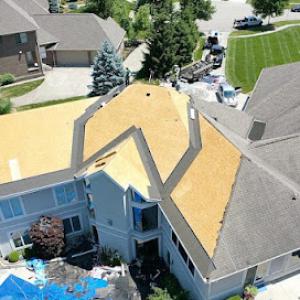
Aston Construction Group
Serving
5.0 from 24 reviews
At Aston Construction Group, LLC, we provide expert roofing and construction services in Morrow, OH, and surrounding areas, including Cincinnati, Dayton, Middletown. With over 10 years of experience, our skilled roofing contractors specialize in roof repairs, replacements, and siding installation. Whether you need vinyl siding repair or a full roof replacement, our team delivers reliable craftsmanship. Trust Aston Roofing & Construction to keep your home or business in top shape with expert service and attention to detail.
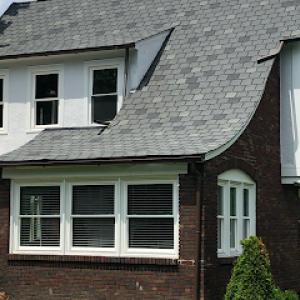
Stutz Exteriors - Roofing & Siding
(513) 824-5367 stutzexteriors.com
Serving
4.8 from 24 reviews
The Stutz family understands that hiring a local roofing contractor for your home in the greater Cincinnati area can be an overwhelming task for your family. That’s why Stutz Exteriors – for over 15 years – specializes in making a new roof installation easy and affordable, so that your entire roofing purchase will be positive and carefree. Our competitive pricing makes us one of the most affordable roofer’s in Cincinnati. Our one-day installation and careful cleanup makes us the fastest. Our use of superior, popular brand materials guaranties that your roof will last a lifetime. And our licenses, insurance and "A+" rating on BBB means that you are hiring the BEST roofer’s for your home and family.
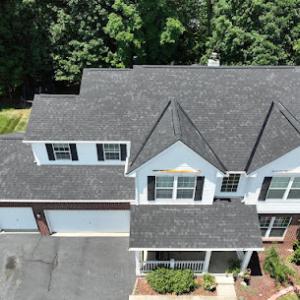
Division 1 Roofing & Exteriors
(513) 628-3563 d1roofing.simplybook.me
Serving
5.0 from 220 reviews
Division 1 Roofing stands out as an industry leader, offering exceptional roofing, siding, window, and gutter replacement services. Our Division 1 dedication extends beyond our expertise, prioritizing human connections and professional integrity. We are committed to providing the highest quality materials and workmanship while making a lasting, positive impact on the neighborhoods we serve.
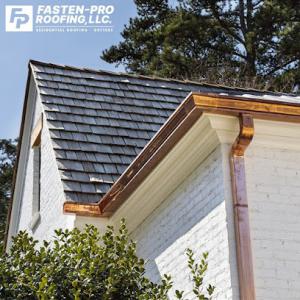
Fasten-Pro Roofing
(513) 774-9495 fastenproroofing.com
Serving
4.9 from 39 reviews
Fasten-Pro Roofing, LLC is a Loveland, Ohio based roofing company that has been locally owned and operated since 1999. We are fully insured and provide quality roofing service to all of Cincinnati, Southern Ohio, and beyond. Building a business based on trust, commitment, and value is our continuing goal. Call us today for all of your roofing, gutter, and skylight needs!
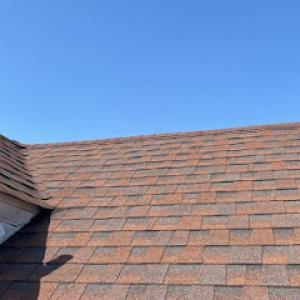
Van Martin Roofing
(513) 728-3200 vanmartinroofing.com
Serving
4.9 from 77 reviews
Van Martin Roofing proudly serves Mason, Ohio, offering reliable roofing and exterior solutions tailored to your needs. From expert roof repair to complete roof replacement, we ensure your home or business stays protected year-round. Enhance your space with our professional skylight installation services, or keep your property safe from water damage with our durable gutter installation options. Looking for longevity and style? Our metal roofs provide unmatched durability and a sleek, modern look. At Van Martin Roofing, we’re dedicated to delivering top-notch workmanship and exceptional customer care. Whether you need a quick repair or a full roof upgrade, you can count on us to get the job done right!
Klaus Roofing Systems of Cincinnati
(513) 613-4445 www.krscincy.com
Serving
5.0 from 224 reviews
Klaus Roofing Systems of Cincinnati provides trusted roofing services for our valued homeowners in Cincinnati, Dayton, West Chester, and nearby. If your roof has been damaged by severe weather, let us take the lead. Our roof repair and replacement services will create a safer, more efficient home for your family. Get in touch with us today to book your free estimate for our roofing services.
Front Line Roofing & Restoration
(513) 787-3259 www.frontlineroofingohio.com
Serving
5.0 from 382 reviews
Front Line Roofing and Restoration is a locally owned business specializing in residential roofing, commercial roofing, and exterior restoration projects.
Feazel Roofing
(513) 433-2935 www.feazelinc.com
Serving
4.5 from 297 reviews
Serving the residents of Ohio since 1988, Feazel maintains an honorable reputation and is an accredited roofing company with the Better Business Bureau with an A+ rating. With a commitment to serve clients on a personal and professional level, you can count on Feazel to deliver an end-product you’ll be confident in. Feazel offers high-value solutions for roofing, siding, gutters, chimneys, masonry, solar, and more. Changing the way roofers do business, Feazel’s software, ServicePointTM, provides instant access to estimates, service scheduling and project status information. You’ll never have to wait when it matters most.
A building permit is typically required for a full residential re-roof rather than being treated as a no-permit maintenance item. In this suburb where homes come with a mix of standard asphalt roofs and higher-end systems, full roof replacements trigger the permit process more reliably than patchwork fixes. The local building department wants to review the scope of work, materials, and structural considerations before any shingle peel-back begins. That review helps ensure the project will hold up to Maineville's seasonal swings and storm activity, especially after hail or wind events when claims and repairs cluster.
The roofing project is reviewed before the permit is issued, and this matters for homeowners replacing full systems. Expect the plan to outline venting changes, underlayment type, and any upgrades required by current codes. The department may request details on attic ventilation, attic access, and condensation controls, particularly in homes with older insulation or unusual roof lines. A thorough submittal that anticipates common local issues-like drainage against steep slopes and compatibility with adjacent gutters-can smooth the line to approval. The review also signals to the insurer that the project aligns with code requirements rather than becoming a dispute after a claim.
Inspections are conducted during and after installation to verify code compliance and proper installation, so contractor scheduling has to account for municipal sign-offs. Expect an exterior inspection once the roof deck is exposed and again after shingle installation to verify proper nailing patterns, clearance around penetrations, and adequate ventilation. If any hail-related damage or potential water intrusion is discovered mid-project, additional inspections might be triggered to confirm repairs meet current moisture barriers. Planning around inspection windows can prevent delays, especially in a season when storms can push projects back or require temporary work stoppages.
Coordinate closely with a contractor who is familiar with Maineville's inspection cadence and knows how to package the required documentation for the building department. Before work starts, confirm the permit status and expected inspection dates, and ask the contractor to leave space for sign-offs in the schedule. Keep a centralized folder with approval letters, inspection reports, and any change orders, since a few towns in the Little Miami River corridor expect traceable records. After completion, ensure the final sign-off letter is kept with the project records in case future repairs or insurance reviews arise.
In this river corridor community, storm activity doesn't just rattle gutters-it tests roofs every season. Ohio insurers commonly scrutinize hail, wind, and freeze-thaw roof claims, making photo documentation, date-stamped damage records, and condition reports especially important for homeowners. The sequence matters: a claim filed after a harsh mid-winter period can hinge on clear proof of when damage occurred and how it has progressed since installation or previous repairs. Your documentation should reflect the roof's current state and the timeline of any events that could have caused further deterioration.
Adjusters may request contractor estimates and on-site inspections, so you need organized evidence that separates storm damage from older wear. Start with a robust photo log taken at least after each major storm, with wide-angle shots and close-ups of shingles, flashing, and vents. Date-stamp every image if your camera or phone allows, and keep a simple damage diary noting dates, weather conditions, and observed impacts like granule loss or cracked corners. A recent condition report from a trusted local contractor can anchor your claims, especially when the roof includes premium materials or mixed materials that age differently.
This market sees a mix of standard asphalt roofs and higher-end systems, so insurers often differentiate whether a fault stems from a recent event or long-term wear. When you pursue a claim, prepare evidence that clearly shows new impact marks, displaced granules, or lifted shingles adjacent to a hail path, contrasted with areas that show consistent aging signs. For premium materials such as slate, copper, or tile, documentation should capture how protective features have held up under freeze-thaw cycles and wind exposure. A well-organized record helps prevent disputes over whether a roof should be repaired or replaced and clarifies what portion may be depreciation-based.
Policy language on repair versus replacement and depreciation can materially change claim outcomes on older asphalt roofs and premium materials. Before speaking with an adjuster, ensure your file includes the event dates, weather reports from local sources, and a concise summary of observed damage aligned with the roof's construction. If a contractor visit is requested, accompany the inspector with your records to help translate complex roof assemblies into a straightforward, verifiable picture. In Maineville, a neighborly, methodical approach often reduces back-and-forth and helps crews focus on the most critical areas first.
Late spring through early fall is the most favorable local replacement window because Maineville's winters are cold and snowy and can disrupt tear-off, sealing, and inspection timing. If a storm system has passed and the roof looks cracked or has missing shingles, plan your project for late spring or early fall to align with dryer conditions and steadier schedules. That window also gives you time to coordinate with an insurer before winter weather ramps up.
Summer heat can speed asphalt aging in this area, but it is still generally a better installation season than winter for full replacements. When you schedule in heat, ensure crews have proper shade and hydration, and that the roof is inspected for heat-related deck movement or shingle curl. For higher-end systems like tile, slate, or copper, peak heat magnifies expansion and contraction; plan a cooler day if possible and verify attic ventilation supports the new assembly.
Storm-driven claim activity after hail, wind, and freeze-thaw events is common in this corridor. After a wind or hail event, you should document damage promptly, focusing on flashing, edging, and decking exposements that can worsen with time. Insurance-driven decisions hinge on timely assessment; request a professional inspection within a week of severe weather to determine if replacement is necessary or if a targeted repair will suffice. This early step helps prevent ongoing leaks and downstream damage.
Fall temperature swings in southwest Ohio can expose flashing and decking issues before winter, making pre-winter inspections and planned replacements especially valuable locally. Use long, dry days to complete any necessary underlayment checks, confirm ventilation, and seal potential moisture entry points before the first freeze. A deliberate fall plan reduces emergency calls once snow arrives.