
Last updated: Apr 19, 2026
Spring and fall storms sweep through the southwest Ohio corridor between Cincinnati and Dayton, and Lebanon sits right in the line of fire. Wind-driven shingle loss, bruised hail, and flashing damage are common after a swift storm move-through. That mix means roofs with mixed ages and materials can fail suddenly, leaving vulnerable patches that invite leaks once rain or melting snow wins the race. In this climate, a small shingle lift or a loose edge can become a river of water in a matter of hours if not addressed promptly.
When a storm breaks, walk the roofline only if safe or rely on a trained contractor to confirm damage from the ground with binoculars. At the first sign of missing granules, lifted shingles, or exposed underlayment, set up a tarp or heavy-duty plastic over the most exposed area to slow water entry. Inside, focus on any ceiling stains, musty smells, or damp insulation near the attic access. In Lebanon, where freeze-thaw cycles can snap a small opening, that first drip during a warm spell followed by a cold snap can push leaks from nuisance to urgent. Time is of the essence to minimize interior damage and avoid mold growth.
Storm damage, emergency repair, and insurance claims assistance are familiar topics for local contractors, so start the claim with your insurer as soon as damage is suspected. Photograph the roof from multiple angles, close-ups of impact marks or granule loss, and any interior water intrusion. Keep a running log of dates, weather events, and any temporary repairs. If an adjuster visits, provide the contractor's notes and the interior damage photos to help the claim move smoothly. In this market, applicants who bring organized records to the table tend to expedite decisions and minimize back-and-forth.
Lebanon's market leans toward storm-focused crews that handle damage assessment, emergency repairs, and insurance claim support. Seek a contractor with recent storm experience, proven communication, and a willingness to work directly with the insurer on scope and documentation. Expect a fast on-site evaluation after a storm, clear notes on what caused the damage, and a pragmatic plan for temporary fixes that protect living spaces while the full replacement is scheduled. Avoid long delays by coordinating grab-and-go materials and mobilization windows that fit the next weather gap.
Once leaks are contained, move toward a permanent solution that accounts for both winter and summer stressors. Install a durable flashing repair if flashing has been compromised, and ensure attic ventilation remains consistent to reduce condensation that can resemble leaks. In Lebanon, fall and spring storms are the most active windows; plan replacements or major repairs for periods of dry weather to reduce the risk of resealing under ongoing moisture. Keeping a proactive maintenance cadence with your local storm-oriented contractor helps the roof withstand the next wind burst and hail event without reopening old wounds.
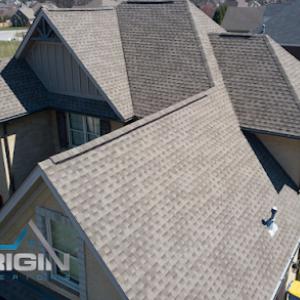
Origin Roofing & Exteriors
(513) 549-2123 originexteriors.com
112 S Cherry St, Lebanon, Ohio
5.0 from 209 reviews
Origin Roofing and Exteriors in Lebanon, Ohio, offers expert residential and commercial roofing, storm damage repair, siding, and gutter services with comprehensive warranties and affordable financing.
Mastercraft Roofing & Restorations
(513) 446-8017 www.mastercraftrestorations.com
564 W Main St, Lebanon, Ohio
4.9 from 212 reviews
Mastercraft Roofing & Restorations stands as an accomplished and experienced roofing contractor in Lebanon, OH, dedicated to providing exceptional roofing solutions. Our skilled team of roofers meticulously evaluate each property, recommending and installing the optimal roof type and offering reliable repairs. Furthermore, Mastercraft Restorations also excels in gutter, window, and siding services, delivering comprehensive exterior enhancements. To honor our nation's military veterans, we offer a 10% discount to extend our gratitude for their selfless service and commitment to protect our country.
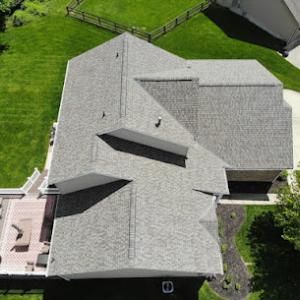
Four Paws Roofing & Remediation
(513) 445-2163 www.fourpawsroofing.com
916 Columbus Ave Suite 4D, Lebanon, Ohio
5.0 from 59 reviews
Four Paws Roofing & Remediation is a locally owned and operated roofing contractor serving the community since 2020. We specialize in all types of roofing services, including repairs, replacements, and remediation. We are committed to providing our customers with superior workmanship and customer service. Our team of experienced roofers is insured and bonded, and we offer a satisfaction guarantee on all of our work!
Thrush & Son, LLC of Lebanon
(513) 970-7663 www.thrushandsonoflebanon.com
733 Columbus Ave, Lebanon, Ohio
5.0 from 12 reviews
Thrush & Son: Complete Home Improvement Company is a nationally recognized home improvement company that has been setting the industry standards since 1960. Thrush & Son is is headquarted in Brookville, Ohio Thrush & Son specializes in roofing, siding, windows, doors, patio covers and more. Thrush & Son is a well respected industry leader in the home improvement industry, and carries the honor of being a GAF Certified Master Elite Roofing Contractor and a Kaycan Vinyl Siding Systems Platinum Dealer. Thrush & Son has your home improvement needs covered. Let us help make your home improvement dreams a reality.... Envision, Improve, Enjoy!
Kingdom Roofing & Exteriors
(513) 696-9593 kingdomroofingservicesohio.com
870 Franklin Rd, Lebanon, Ohio
4.7 from 14 reviews
Kingdom Roofing & Exteriors in Lebanon, OH, specializes in top-quality residential roofing services. With years of experience, we deliver reliable and professional roofing solutions for homes of all shapes and sizes. Don't settle for inferior roofing teams; trust the specialists who know how to protect your home. Contact us today to schedule an appointment with a roofing expert!

Roof Revivers
(513) 440-1677 roofrevivers.com
3515 Columbia Rd Unit 1501, Lebanon, Ohio
5.0 from 4 reviews
Unlike conventional roofing companies, Roof Revivers specializes in roof preservation rather than replacement. True to our name, we focus on extending the lifespan of your current roof through expert maintenance and repair services, never pushing for unnecessary new installations.
Great Roofing & Restoration
(513) 506-2844 www.greatroofing.com
Serving
4.8 from 365 reviews
Great Roofing & Restoration is now proudly serving the community with Cost Saver Roofing’s legacy, bringing over 15 years of experience in high-quality roofing and exterior services. Since 1983, Cost Saver Roofing has been a trusted name in Loveland, Cincinnati, and surrounding areas, valued for its commitment to exceptional service, integrity, and fair pricing. Now as part of the Great Roofing team, we carry on this tradition, blending our expertise in top-tier materials and focus on customer care with Cost Saver’s renowned local dedication.
Legend Exteriors
(937) 432-5211 www.legendexteriorsllc.com
Serving
5.0 from 10 reviews
Protect your largest investment with our reliable roofing services. We are a locally owned and operated roofing company currently serving Franklin, OH and surrounding communities. If you want to make your roof last as long as possible, it is vital that you never put off a roof repair. Small issues with roofing become big issues in a hurry. No matter how major or minor the repair you need, we are here to help. We offer roofing contracting, siding installation, and gutters installation.
Front Line Roofing & Restoration
(513) 787-3259 www.frontlineroofingohio.com
Serving
5.0 from 382 reviews
Front Line Roofing and Restoration is a locally owned business specializing in residential roofing, commercial roofing, and exterior restoration projects.
Stutz Exteriors - Roofing & Siding
(513) 824-5367 stutzexteriors.com
Serving
4.8 from 24 reviews
The Stutz family understands that hiring a local roofing contractor for your home in the greater Cincinnati area can be an overwhelming task for your family. That’s why Stutz Exteriors – for over 15 years – specializes in making a new roof installation easy and affordable, so that your entire roofing purchase will be positive and carefree. Our competitive pricing makes us one of the most affordable roofer’s in Cincinnati. Our one-day installation and careful cleanup makes us the fastest. Our use of superior, popular brand materials guaranties that your roof will last a lifetime. And our licenses, insurance and "A+" rating on BBB means that you are hiring the BEST roofer’s for your home and family.
Integrity 1st Roofing
(513) 563-7663 www.integrity1stroofing.com
Serving
4.9 from 174 reviews
At Integrity 1st Roofing, we're known for our quality roofing in Cincinnati, OH, and its surrounding areas. For 20 years and counting, we've been the preferred solution for residential and commercial roofing needs in the area. Choosing us for all of your roofing needs means choosing to save time and money. We pride ourselves in being GAF Master Elite contractors and for earning a President's Club Award. Call us at (513) 563-7663 for a free estimate!
Guaranteed Roofing - Maineville, Ohio
(513) 583-5917 www.guaranteedroofingohio.com
Serving
5.0 from 223 reviews
About Guaranteed Roofing Guaranteed Roofing is a roofing contractor providing quality roofing and siding services in Cincinnati Ohio. We pride ourselves on providing skilled craftsmanship, the highest quality materials, and an economical solution for every project. We are very professional, punctual & trustworthy. Choosing the right roofing contractor can be a difficult task, so we are here to help you from start to finish. From the beginning estimate, explaining the materials & workmanship, to the shingle colors & profile choices.
Lebanon's climate blends harsh winter conditions with hot, sun-baked summers, which makes replacement timing more sensitive than in milder climates. Shingles can become brittle as cold air dries and contracts the surface, especially when the old roof has already endured years of freeze-thaw cycles. In practice, that means the ideal window for tear-off and replacement shifts with the calendar. A late-fall roof often carries the risk of early snow, while a long, dry late summer can push crews to work in high heat. Planning around Missouri Valley weather patterns-where storms can roll through between Cincinnati and Dayton-means treating timing as a variable, not a fixed date.
Winter presents its own hurdles. Snow and ice can delay tear-offs because crews cannot safely work on slick surfaces, and ice dams can complicate underlayment and deck exposure. If a leak is actively forming during a cold snap, temporary mitigation steps become essential to limit interior damage while waiting for safer conditions. When winter storms hit, scheduling shifts toward the more reliable periods between fronts, with the understanding that a frozen substrate slows moisture removal and can extend the project. If a roof must be opened in winter, consider the likelihood of rapid freeze-thaw cycles that could expose decking to moisture once the warmer days arrive.
Spring rain in Warren County can expose decking to moisture if scheduling slips during removal. Rain after a cold snap can push water into attic spaces if ventilation and drip edge are not addressed promptly. If your roof is already bare for a week or more during spring, ensure tarping and temporary coverings are maintained to minimize interior moisture intrusion. By late spring, ground conditions improve for material handling and equipment access, but persistent showers can still press deadlines. The balance in spring is often between catching a window dry enough for roof work and avoiding a sudden, late-season downpour that could halt progress mid-day.
Summer heat in southwest Ohio affects shingle handling and crew productivity, so scheduling tradeoffs are common by season rather than a single ideal window. Excessive heat can soften asphalt and reduce the speed of shingle installation, while heat waves increase the risk of heat-related stress for workers and potential damage to certain synthetic underlayment. Plan for early morning starts and midday breaks, especially for higher risk days. If a storm comes through, high humidity and gusty winds can complicate staging and material protection, making pre-storm tie-downs and secure tarping a routine must.
Storm events bring wind and hail that can compromise multiple roof layers at once. Immediate leak response involves identifying active water intrusion, placing temporary protection, and documenting damage for insurance purposes. A practical approach is to photograph the roof from the ground and, if safe, from the ladder line to capture hail impact patterns and wind-driven debris. Keep an uninterrupted record of the sequence: storm occurrence, notification to your insurance carrier, mitigation steps taken, and the dates of any temporary repairs. In Lebanon, quick, methodical action after a storm reduces interior damage and strengthens the documentation chain when filing claims.
Documentation is the bridge between storm damage and restoration. Save weather reports from the event, timestamps from inspection photos, and notes on observed leaks. When scheduling work, align with a contingency plan that accommodates potential delays caused by winter ice, spring rains, or summer heat. A clear, season-aware plan helps ensure that when conditions finally align, the tear-off and replacement proceed with minimal interruptions and maximum protection for the home.
Asphalt shingles dominate practical replacement work in Lebanon, but the local material mix also includes metal, tile, wood shake, and synthetic products, reflecting both historic and higher-end home styles in the area. For a typical suburban roof or a historic-era home, asphalt remains a reliable choice because of ease of installation, reasonable performance in the Midwest climate, and a broad range of color and profile options that suit Lebanon's architectural variety. If a project aims to preserve a historic look while embracing modern performance, a dimensional asphalt shingle often pairs well with older detailing without overwhelming the roof line.
Heavy materials such as clay and concrete tile require closer attention on older homes common around established parts of Lebanon, where structure and decking condition can affect feasibility and cost. Clay and concrete tiles bring durability and a distinct curb appeal, but they demand a solid underlying structure and careful fastening. For homes with older roof decks or marginal attic access, a structural assessment is essential before choosing tile. In many cases, a lighter alternative or a battens-and-underlayment strategy can help manage weight while preserving the visual character you want.
Metal roofing is relevant locally not just for longevity but because southwest Ohio storm exposure makes secure fastening, flashing, and trim detailing especially important on wind-prone roof planes. If choosing metal, look for a standing-seam or interlocking panel system installed with corrosion-resistant fasteners and a well-sealed edge detail. Pay particular attention to fastener accessibility, seam alignment on gable ends, and flashing where the roof meets walls or chimneys. In Lebanon's mix of roof geometries, metal can be an excellent option on newer homes or additions with clean roof planes, but it demands meticulous edge work and attic venting to prevent ice damming and condensation issues.
Wood shingles and shakes bring a classic texture that complements older neighborhoods and craftsman-style renovations. They respond well to Lebanon's seasonal cycles when properly treated and maintained, but they require regular inspection for surface wear, splitting, and algae growth. Synthetic or composite shingles can mimic traditional looks with improved resistance to hail and moisture. When selecting synthetic options, verify UV stability, impact resistance, and a warranty that covers louvers, edge exposure, and color fade to keep the roof looking consistent over time.
After Midwest wind and hail events, Lebanon homeowners should focus on damage assessment, rapid leak control, and documentation for insurance purposes. Start with a visual check from ground level and then inspect the attic for signs of water intrusion, condensation, or light piercing through the decking. Photograph the damaged areas thoroughly, including close-ups of shingles, flashing, and gutters. Keep a dated log of affected zones and any temporary measures-like tarping-that reduce further exposure. When filing an insurance claim, align your notes with the scope of work, noting compromised underlayment or decking if present, and request a professional assessment to support the claim. A trusted local roofer can help distinguish cosmetic shingle damage from underlying moisture intrusion and advise on the most appropriate material for your home's style and exposure.
Costs in this area follow the market pattern where asphalt shingles sit at the lower end and tile systems land at the upper end. In dollar terms, asphalt shingles typically run from 350 to 750 USD per square, while metal roofs span roughly 550 to 1100 USD per square. Clay tile usually sits between 900 and 1700 USD per square, concrete tile from 750 to 1400 USD, wood shingles or shakes around 600 to 1200 USD, and synthetic or composite shingles from 450 to 900 USD per square. When comparing options, consider how the local mix of historic homes and newer ranches influences the final bill: steeper pitches, chimney flashing, and venting work can add complexity that nudges prices toward the higher end of the ranges.
Storm-driven demand spikes in southwest Ohio can push scheduling pressure and labor pricing higher after major wind or hail events, especially during peak re-roofing months. In Lebanon, that means spring through early summer often sees a tighter window for getting crews lined up and materials on site. If a big storm hits, expect some shuffling of project timelines and potential temporary price bumps for expedited tear-offs or emergency deck protection. Planning ahead for these windows, when feasible, can help you lock in timeframes and reduce the risk of elevated labor charges.
Costs can move based on roof complexity common to mixed housing stock, including steeper residential pitches, chimney flashing work, ventilation corrections, and possible decking repairs discovered during tear-off. A steeper pitch not only increases material waste and labor but can require additional safety measures and different equipment. Chimney flashing and vent work add layers of detail that are easy to overlook during a quick inspection, yet they commonly influence the final sticker price. If tear-off reveals damaged decking, expect a separate line item to address replacement or repair, which can significantly affect overall cost, particularly with higher-end materials. Planning for these contingencies helps keep the project aligned with your roofing goals and budget.
Get a clear picture of your project costs upfront - no commitment required.
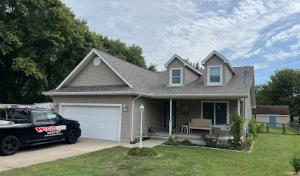
The building department in this area generally requires a permit for a full roof replacement rather than treating it as a no-paperwork job. If a contractor tells you "no permit needed," push back and verify in writing with the local permit office. Securing the permit early helps avoid a stop-work order or project delays when inspectors come through. Have the contractor provide a detailed scope of work, including deck repair if needed, underlayment, and any venting changes, so the permit application reflects actual work.
Inspection practice centers on a post-completion final inspection that checks installation details including attic venting and flashing. An incomplete attic vent setup or improper flashing around chimneys, flues, or roof penetrations can trigger a second inspection or a required correction notice. Plan to coordinate with the contractor so the roof is accessible for the final walk-through, and keep documentation handy: permit card, contractor license, and any material approvals. If attic ventilation was revised, make sure intake and exhaust balance is documented on the final paperwork.
Scheduling can tighten during peak roofing season, so permit lead time and final inspection timing should be accounted for before promising completion dates tied to weather. In practice, early spring or late summer rushes can push inspections later than desired, especially after a Midwest wind or hail event that generates urgent repair requests. Build a buffer for the permit review window and for a possible day or two of inspection-related adjustments. If a storm-damaged roof is involved, coordinate with your insurer and the contractor to align the final inspection date with any claim-related timelines.
In Ohio, storm-related roof damage is generally covered when properly documented and within policy terms, making documentation quality especially important in Lebanon's storm-active market. The mix of historic roofs near downtown and newer suburban lines means carriers scrutinize not only the damage but how well it is documented against the home's actual features and the season's weather patterns.
Carriers commonly want detailed photos, contractor bids, and notes showing code-compliant ventilation and underlayment, which matters because Lebanon's final inspection also focuses on venting and flashing details. Before filing, organize a chronological record of the storm events, the date of damage, and any temporary weatherproofing applied, so adjusters see the full scope at a glance.
Take wide and close-up photos from multiple angles, focusing on shingles, flashing around chimneys, vents, and skylights, plus any interior signs of leakage. Include measurements of visible hail impact or wind-related damage and capture surrounding trees or debris that show wind intensity. Keep copies of any prior repairs to help establish baseline conditions for Lebanon's typical roof lines.
Adjusters may ask for before-and-after comparisons and may not pay for elective upgrades unless they are tied to claim scope or policy conditions. If a suggested upgrade improves long-term performance or mitigates recurring leak risks, present it as a potential mitigation alongside your claim, but clearly distinguish it from required repairs.
Prompt reporting after a Midwest wind or hail event helps ensure timely inspection. Maintain a centralized file with dated photos, notes on ventilation and underlayment, contractor bids, and any correspondence with the insurance company. This keeps the claim focused on restoring performance and code-aligned venting and flashing.
Lebanon's older housing stock near the historic core often features prominent chimneys, complex step and counter-flashing, and roof lines that tuck into dormers or ornamental brickwork. Replacements must preserve the visual rhythm and weight distribution of the original structure. When evaluating a roof, watch for mismatched flashing around chimney bases, vent pipes, and valley intersections, as these are common failure points after freeze-thaw cycles and Midwest storms. A retrofit should respect the existing geometry rather than attempting a one-size-fits-all solution.
After a wind or hail event, focus on any new staining, damp spots, or granule loss in the gutters and around roof edges. In Lebanon, where older roofs blend with mature trees and shade, leaks may travel along rafters before appearing inside. Start by inspecting flashing seams at chimneys and along dormers, then check around skylights and roof-to-wall transitions. If you notice moisture, document the affected area with photos, note the date, and contact a contractor who understands historic detailing to differentiate weathering from actual penetrations.
A significant portion of Lebanon's demand centers on chimney-related roofing tasks. Chimney cricket installations, proper counter-flashing, and careful cap flashing are essential to performance and long-term durability. When repairing or replacing, prioritize methods that keep the chimney water-tight while matching brick or stone visible on the exterior. A contractor familiar with historic homes can integrate new materials with minimal disruption to surrounding detailing.
For older Lebanon homes, material choices hinge on appearance and compatibility with existing roof geometry, not just modern performance. Heavier tile or slate-like options must be weighed against the roof's structure and the visual lines of the façade. In many cases, a high-quality shingle or synthetic option that mirrors historic textures can attain the desired curb appeal while maintaining proper load distribution and detailing around edges, valleys, and penetrations.
Find contractors experienced in skylight installation, flashing, and leak repairs to bring natural light into your home.
Front Line Roofing & Restoration
(513) 787-3259 www.frontlineroofingohio.com
Serving
5.0 from 382 reviews
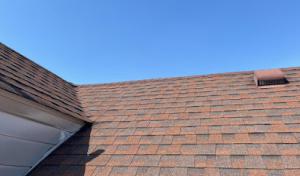
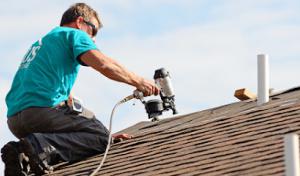
In Lebanon, storm patterns and freeze-thaw cycles drive rapid reroofing, so scope clarity matters more than slick bid numbers. Homeowners should insist on explicit notes about ventilation, flashing details, cleanup responsibilities, and decking contingencies before any work begins. Ventilation isn't cosmetic here-poorly vented attics trap heat and moisture, which accelerates shingle deterioration and can undermine underlayment. Flashing around chimneys, vents, and dormers must be described in measurable terms, with installation methods and material choices spelled out. And since active storm season brings messy debris, the contract should specify who handles debris removal, how waste is disposed of, and the expected timeline for site tidiness between teardown and re-roof. This is not extra fluff; it's what prevents leaks and cascading damage after the last nail is driven.
Warranty discussions matter locally because a meaningful share of contractors advertise warranty-backed work, but insurer-paid jobs may still limit what upgrades are covered. If an insurer is involved, verify which components are considered part of the covered scope and whether any upgrades-like upgraded underlayment or enhanced flashing-are eligible for warranty protection under the policy. Document exactly what the warranty promises: duration, what constitutes a fault, whether workmanship is transferable, and how service calls are handled after installation. In practice, a dependable warranty should address both concrete failures (shingle adhesion, flashing leaks) and systemic concerns (ventilation effectiveness, alignment with attic insulation).
Cleanup and responsiveness are especially visible hiring priorities in this market, reflecting homeowner concern about fast turnaround and jobsite condition during active replacement season. Contractors should provide a clear response protocol for post-install leaks, wind-driven debris, or hail-related damage during the first weeks after installation. Ask for a written guarantees on site cleanliness, temporary protection during storms, and a documented plan for promptly addressing any discovered leaks. In the rush of a busy window, a contractor's ability to communicate, show up, and honor cleanup commitments often signals true reliability more than any single product feature.