
Last updated: Apr 19, 2026
Stow homeowners are navigating an Ohio insurance environment where hail and wind events are active, making roof damage documentation and adjuster interaction a frequent part of roofing decisions. The local pattern is clear: a quick response after a storm often saves interior damage and keeps insurance on your side. When a hail storm or gusty bout hits, you need to treat the roof not as a seasonal nuisance but as the first line of defense for your entire home. Delays create a higher risk of leaks and secondary damage that can complicate claims.
Right after a storm, inspect for obvious signs of trouble: dented or cracked shingles, missing granules, lifted flashing, and damaged vents. If you see wind-scoured edges, loose flashing, or granule washout in gutters, treat it as an emergency. Freeze-thaw cycling after winter storms in Summit County can turn minor shingle or flashing damage into interior leaks if repairs are delayed into wet spring weather. Do a careful, safe roof check from ground level or with a ladder only if you're comfortable. Photograph all affected areas from multiple angles, including close-ups of edges, valleys, and skylights. Document visible leaks inside the attic-stains, damp insulation, or daylight in roof bays-so the adjuster understands the scope before repairs start.
Local contractor signals show unusually strong prevalence for storm damage, emergency repair, and insurance-claims help, indicating this is a primary homeowner need in Stow. When you file, provide a clear damage timeline: when the storm occurred, what you noticed promptly, and any after-storm issues that developed as days passed. Have your prior roof condition notes handy and include any previous leaks or repairs that could influence coverage. Ask your insurer for an adjuster visit as soon as practical and request a mobile or on-site inspection if access becomes a weather-sensitive issue. If an adjuster questions your repairs, respond with the documented photos and a dated log of events; staying organized speeds up the claim and reduces back-and-forth.
Because the Northeast Ohio climate cycles through freeze-thaw after winter storms, it's critical to plan repairs before wet spring conditions lock in leaks or cause water intrusion to attic insulation and ceilings. A rapid assessment by a trusted local roofer helps you map a realistic plan that addresses damaged flashing, compromised underlayment, and weakened shingles before the next storm surge. Your contractor can help with temporary emergency measures if needed-covering exposed areas to keep moisture out while the claim unfolds-while keeping the work aligned with the long-term durability your home requires.
Keep a running file of communications with your insurer, including dates, names, and promised timelines. Attach the storm date, the repair steps taken, and the progression of interior signs of damage. In this market, timely, thorough documentation reduces friction and accelerates the path to a proper settlement, letting you move from claim approval to a solid, weather-ready roof promptly. Stay proactive, stay organized, and stay in close contact with your local roofer who understands how this neighborhood responds to storms and coverage alike.

At Your Service Roofing- Northeast Ohio
3889 Darrow Rd, Stow, Ohio
5.0 from 158 reviews
Roofing company specializing in asphalt shingles and repairs, as well as siding and gutter installation.
STEP 1 Roofing
(330) 634-6288 step1roofing.com
Stow, Ohio
5.0 from 70 reviews
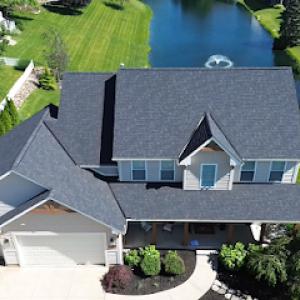
STEP 1 Roofing & Construction is a trusted roofing contractor serving Northeast Ohio, based in Stow. We provide roof replacements, permanent roof repairs, siding, gutters, and window services. Shingles only last when the details are done correctly. Every roof we install includes ring-shank nails to resist backing out, new flashing at chimneys, window sills, and roof-to-wall intersections, properly balanced ventilation to manage heat and moisture, and a 50-year rated flexible sealant designed to move with the roof. A roof only lasts as long as its weakest detail. That’s why we build complete roofing systems and perform only permanent repairs using hand-selected materials designed for long-term performance.

CentiMark Corporation
(330) 920-3550 www.centimark.com
4665 Allen Rd, Stow, Ohio
4.3 from 19 reviews
CentiMark in Stow, OH is your reliable partner for all your commercial roofing needs. We are an industry leader with a reputation for excellence in providing customized, weather-resistant roofing solutions. In our region, we understand the unique challenges posed by harsh winters, heavy snowfall and the occasional violent storm. These conditions can cause roof damage, including leaks, ice dams and structural issues. At CentiMark, we specialize in diagnosing these problems and offering efficient, customized solutions. Our team of professionals are equipped with advanced tools and techniques to handle everything from minor repairs to complete roof replacement.
Buck Jones Roofing
(330) 686-0635 www.buckjonesroofing.com
2016 King Dr, Stow, Ohio
4.4 from 7 reviews
Family owned company, and owner on the job. Proudly serving Northeast Ohio for 43 years. Licensed, bonded, insured.
Hudson Pro Roofing & Siding
Stow, Ohio
4.2 from 5 reviews
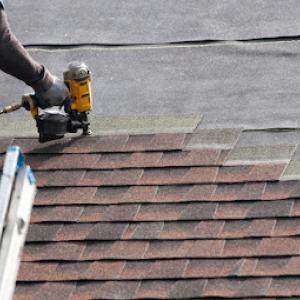
Hudson Pro Roofing & Siding is your top choice in Summit County and throughout northeast Ohio for roofing, siding and all of your exterior needs. We pride ourselves in bringing top quality installation, replacement and repair services right to your home and business. Trust our handy experts for all of your exterior needs.
Talon Roofing
Serving
5.0 from 16 reviews
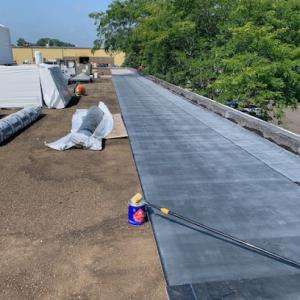
Every Roofing Project Is Unique… Not only from a shingle roof to a flat roof, but from craftsmanship, materials selected, & safety. These details are the essential to provide the client with a quality roofing experience. Trust Talon with the details!
Certified Roofing
(216) 336-1205 www.certifiedroofing.site
Serving
4.8 from 29 reviews
Certified Roofing is a trusted local roofing contractor serving Hudson, Ohio and the surrounding communities. We specialize in roof repair, roof replacement, storm damage restoration, and high-quality asphalt shingle roofing. Our team is dedicated to honesty, craftsmanship, and protecting your home with durable, long-lasting roofing solutions. Whether you’ve experienced a roof leak, wind damage, or you’re ready for a full roof replacement, Certified Roofing provides fast estimates, professional installation, and reliable service. Proudly serving Hudson, Stow, Streetsboro, Twinsburg, and all of Summit County.”
Ultimate Home Remodelers
(330) 554-6703 www.facebook.com
Serving
4.6 from 33 reviews
Professional Roofing at Great Prices New Window Installation Vinyl Siding Repair and Installation Interior Remodeling Exterior Remodeling Residential and Commercial Locally Owned Bonded and Insured BBB Accredited

Paris Roofing
Serving
5.0 from 4 reviews
We are a locally owned and operated company that specializes in roofing and siding. Call us for a free estimate today.
Tarheel Roofing & Construction
(330) 678-9000 www.tarheelroofingconstruction.com
Serving
5.0 from 21 reviews
Established in 2007, Tarheel Roofing and Construction has over five decades of roofing expertise, serving Akron, Kent, Cleveland, and Northeast Ohio. Their services encompass all roofing and construction needs, from new builds, tear-offs, storm damage restoration, repairs to routine maintenance for low-slope and shingle roofs. As a trusted roofing contractor, they guarantee quality workmanship and materials, backed by a dedicated and experienced team, ensuring a seamless and stress-free experience for residential and commercial clients alike.
MBI Construction & Roofing
Serving
5.0 from 10 reviews
Full Scale Building & Remodeling. Residential & Commercial ONE OF NORTHEAST OHIO’S MOST REFERRED ROOFING COMPANY’S Celebrating Over Three Decades of Service in The Northeast Ohio Area We strive to build long-term relationships built on trust and integrity! Going above and beyond the standard services offered by other roofing company’s. Roof Replacement & Installation Decks Additions Kitchens & Baths Garages Pole Buildings Custom Houses Both Residential & Commercial
Klaus Roofing Systems of NE Ohio
Serving
4.4 from 19 reviews
At Klaus Roofing Systems of NE Ohio, we are committed to providing the best roof and gutter solutions for your home. Unlike other roofers who cut corners, miss appointments, or damage property, Klaus Roofing Systems of NE Ohio is committed to The Klaus Roofing Way- which guarantees quality and care during every step of your roofing project. Whether you need a roof repair, a roof replacement, or new gutters, Klaus Roofing Systems of NE Ohio is here to provide high-performance products and tools, modern roofing techniques, and clear communication. Contact us today for a free estimate on our expert roofing services in Akron, Kent, Cleveland, & nearby in Ohio!
In this climate, the combination of cold snaps, thawing days, and returning deep freezes continually tests a roof's edges and joints. The repeated freeze-thaw stress can open vulnerable areas around flashing, penetrations, and shingle tabs, especially where sealants have aged or where flashing laps have subtle gaps. When a shingle is sitting at a marginally lifted edge after a freeze, meltwater can seep behind, only to refreeze and push the edge further upward. Over a season, these micro-damages accumulate, creating small entry points that invite moisture deeper into the roof system. If left unchecked, those tiny leaks can travel to the attic and walls, showing up as hidden rot or staining only after a heavy rain or a warm spell that accelerates water movement.
Ice and snow load are recurring winter concerns locally, especially when attic ventilation is weak and meltwater refreezes near eaves. When ventilation is insufficient, warm attic air can soften shingles and flashings from within, increasing the risk of lifting and wicking moisture toward insulation and decking. Snow that sits unevenly on slopes can also exert uneven weight, stressing valley joints and drip edges. When meltwater refreezes at the eaves, it forms ice dams that back up under shingles and at soffits, forcing water to seek alternative paths into softer spots of the roof deck. The result is not only stained ceilings but the potential for hidden deck moisture that rots rafters and sheathing over time. The best defense is a balanced approach to attic ventilation and proper installation of eave and rake ventilation to maintain a colder, drier roof surface during the thaw.
Spring rain arriving after winter weather in Northeast Ohio often exposes decking moisture problems that were hidden during the colder months. A deck that started the season dry in December can show soft spots after a wet March if freeze-thaw cycles already compromised the underlayment or fascia. Wet decking can conceal nails that've worked loose, allowing fasteners to pull slightly and leave gaps that admit more moisture. If decking moisture is found after the snow melts, the issue is more than cosmetic-excess moisture can weaken structural plywood and reduce the roof's long-term performance. Watch for soft spots when you walk the roof after the last winter storm has passed and before the full warmth of spring settles in; those impressions often signal a broader moisture problem below.
A practical approach is to pair seasonal checks with targeted fixes. After the last heavy freeze of late winter, inspect around chimneys, vent pipes, skylights, and dormer connections for hairline gaps or lifted edges. In late winter or early spring, look along eaves and fascia for ice dam formation and ensure gutters aren't clogged, which can exacerbate ice build-up. If a ceiling or attic shows signs of moisture after a thaw, address the source quickly-whether that means resealing a flashing seam, addressing a ventilation shortfall, or replacing a suspect shingle row before deeper damage sets in. In neighborhoods where winters bite and springs arrive with rain, those small, timely corrections can preserve decking integrity and keep the roof's core components from deteriorating under repeated stress.
In Northeast Ohio, asphalt shingles and metal roofing are the mainstream choices that survive Stow's mix of heat, humidity, freeze-thaw cycles, and hail exposure. Asphalt shingles are familiar to most local crews, easy to inspect, and widely stocked, so crews can keep turnout times reasonable after a claim or storm. Metal roofs, when installed by a skilled local crew, offer strong wind resilience and good performance in rapid temperature swings. Both options align with the typical local contractor signal and readily available service networks, which matters when a hail event leaves shingles or flashing needing quick attention.
Clay and concrete tiles do appear on some roofs, but the local installer pool for these materials is smaller. If you're considering these, expect a longer selection process for qualified contractors and a potentially tighter scheduling window for inspections after a storm. Tile can be attractive, but it also demands precise substrate work and careful ventilation detailing to handle Northeast Ohio's freeze-thaw cycles. If the goal is a reliable, timely replacement with solid local support, tile should be weighed against the likelihood of finding dedicated installers who understand your attic ventilation and flashing needs.
Summer humidity and heat push roofing systems to vent effectively, while winter conditions stress fasteners and sealants during freeze-thaw cycles. Hail exposure adds a layer of urgency to choosing a roof that can resist impact and hold fasteners securely. In practice, that means prioritizing shingles or panels with strong impact resistance ratings and choosing underlayment and ventilation strategies that keep attic temperatures balanced and prevent ice dam issues. A good local pro will verify that the chosen material works with existing vents or plans new intake and exhaust properly. The goal is a system that breathes in summer and sheds ice cleanly in winter, not just a glossy exterior.
When evaluating options, look for materials with a track record of compatible flashing details and proven performance in similar storms. Asphalt shingles provide a broad spectrum of impact resistance and are forgiving to retrofit details around skylights and chimneys. Metal roofing can excel if the fastener pattern and seam design are specified for anticipated wind loads and thermal movement. If leaning toward tile, insist on a cross-check of substrate condition, lattice ventilation, and a local installer's familiarity with Northeast Ohio weather cycles. In any case, confirm that the roofing plan accounts for the local propensity for rapid temperature changes and storm-driven debris, with a clear strategy for flashings at edges, penetrations, and attic vents.
In Stow, you're balancing a demanding climate with aging roofs and a housing stock that often shows wear from Northeast Ohio's freeze-thaw cycles. When you're budgeting a full replacement, you'll see price bands that align with the material choice and the season's impact on local crews. Asphalt shingles run roughly 350 to 600 USD per square, metal roofs from 600 to 1100, clay tile 900 to 1800, concrete tile 800 to 1500, wood shingles or shakes 700 to 1500, and synthetic or composite shingles 450 to 900. Those ranges reflect typical shop quotes you'll encounter in the area.
Storm events drive noticeable price shifts. After a hail or high-wind spell, regional demand spikes across Northeast Ohio, and contractors juggle emergency repairs with full replacements. That means you may see higher bids, faster scheduling pressure, or longer lead times for materials and crews. If your roof was damaged in a storm, ask for a breakdown that separates material costs from labor, and request updated timelines that reflect current demand rather than the usual seasonal pace.
Another practical factor is how the local inspection mindset interacts with a full replacement. While the base price quoted for your chosen material covers the shingles themselves, the scope can grow once the contractor documents the roof's condition. In addition to the shingles, you'll often see adjustments for flashing, ventilation details, and any required repair work identified during the project's pre-inspection or during teardown. Those adjustments can push the overall project beyond the material price, so you'll want to plan a contingency in the 10-20% range for typical extra items that come up in this market.
Timing matters when you're replacing after harsh winters. Freeze-thaw cycles drive faster wear on the underlayment and ventilation paths, which can influence how long the project takes and how many crew days you'll need. If you're close to winter, aim to schedule before the worst of the season to minimize cold-weather delays, but be aware that late-season installations can still occur if weather windows cooperate. In a storm-impacted year, you may encounter compressed scheduling, so having a clear checklist and point of contact with your contractor helps keep the process orderly.
Finally, use the local price anchors as your starting point for bids, then compare not just the bottom line but the scope. Ensure every quote itemizes shingle type, underlayment, flashing, vent work, and any necessary repairs to the roof deck. By confirming these details, you'll avoid surprises when the project hits the inspection stage and you're coordinating with weather and crew availability.
Get a clear picture of your project costs upfront - no commitment required.
When replacing a roof, a permit is required in this area. That permit sits with the building department and signals that the project will be reviewed for code compliance and safe installation. In practice, the contractor typically handles pulling the permit and then keeps you posted on timelines and any department actions. This keeps the process moving and avoids missing critical checkpoints.
The contractor also coordinates with the building department to schedule required inspections as the project progresses. Inspections are not just a formality; they verify that flashing is properly integrated, ventilation is sufficient, and the installation is secure against wind and freeze-thaw cycles. If a storm-damage scenario triggers expedited reviews, timelines can shift, but the coordination approach remains the same: the contractor manages the calendar and you stay informed.
Local inspections focus on details that matter for Northeast Ohio weather. Expect inspectors to scrutinize flashing around chimneys, valleys, and skylights to ensure water shed paths are continuous and sealed. Ventilation is checked to confirm there is adequate intake and exhaust to prevent condensation and premature shingle failure. The goal is to confirm a durable, long-lasting roof installation rather than approving a quick, pass-friendly job.
Before the crew arrives, ensure access to the attic and any venting provisions so inspectors can verify installation from both the interior and exterior perspectives. Have records handy for any related storm damage assessments, and keep the contractor's contact handy in case the building department asks for clarifications or revised plans. Clear communication helps prevent delays during permit review or the inspection sequence.
Do not assume a reroof is a no-review job because it seems straightforward. Local practice emphasizes flashing, ventilation, and secure attachment. If a contractor promises a fast, no-visit reroof, question how flashing and ventilation will be verified and whether the permit path is fully followed. Staying engaged with the permit and inspection steps protects you from hidden deficiencies once the roof is installed.
In Ohio's active hail and wind claim environment, insurers may request detailed records of roof age and recent maintenance before approving or pricing claims. That means you should expect questions about when the roof was last inspected, what work was done, and whether any upgrades were made to underlayment, flashing, or ventilation. For older roofs, the scrutiny tends to tighten, and the path from damage to payout can hinge on showing a clear maintenance history and a defensible age for the surface.
Because weather-related claims are common regionally, homeowners in Stow benefit from documenting storm dates, visible exterior damage, interior leaks, and any temporary tarping. Take dated photos of missing shingles, dents, uplifted flashing, and ridge lines after a storm, and keep a log of any interior damp spots or ceiling staining. If tarping was used or temporary repairs were made, save receipts and note who performed the work and when. These records help establish a credible narrative for insurers when a claim is filed on an older roof.
Older roofs in this area may face stricter claim scrutiny or higher deductibles, making pre-loss photo documentation and maintenance records especially important. Schedule a cost-free exterior inspection after severe weather to capture the roof's condition while it's still fresh in memory, and request a written summary of findings. Keep a simple file of service visits, shingle replacements, and any vent or flashing repairs. When storm season hits, you'll have a ready trove of information to support a smoother, more transparent claims process.
Connect with contractors who help homeowners navigate the claims process from damage assessment to final approval.
Winter in Stow brings ice, snow load, and freeze-thaw conditions that can limit replacement scheduling and increase the need for temporary protection. If a storm creates damage, you may need to prioritize tarps and secure decking before warmer days. Frozen gutters and ice dams complicate moisture control, so add attic ventilation checks and ice guard considerations to the plan. Scheduling often shifts around cold snaps, so have a contingency for hold days when safety and material handling slow to a crawl. When a roof is temporarily protected, verify that access points, crawl spaces, and HVAC penetrations stay sealed to minimize interior disruption.
Spring rain and hail can delay tear-offs and raise concerns about deck moisture before new materials are installed. If moisture sits on the deck, crews will need to dry it out and verify structural soundness before any shingles go down. Storm aftercare matters: inspect for cracked decking, warped boards, and rusted flashings that could undermine a fresh install. Clear, timely rain days become the window to coordinate sheathing checks and flashing placements so the roof can breathe once the new surface lands. Expect cautious pacing as temperatures rise and wind gusts shift debris that must be cleared before work resumes.
Summer heat affects crew pace and shingle handling, while autumn wind and falling debris can complicate installation and cleanup on nearby properties. High daytime heat can slow adhesive and asphalt work, so plan for early start times and shaded staging areas to protect materials. Portable fans and water during breaks help maintain crew efficiency without compromising safety. Keep yard and alley access clear to reduce risk when moving bundles and waste. Gentle handling of shingles in heat prevents hail or edge damage, preserving the roof's final appearance.
Autumn wind and falling debris can complicate installation and cleanup on Stow properties. Winds often flip loose materials and bring dust into nearby landscaping, so secure debris nets and ensure final cleanup leaves gutters free of leaves and twigs. Plate and vent installations may require extra sealing as temperatures drop, so verify that roof penetrations are properly caulked and flashed to resist the first cold snaps. Prepare for a last inspection window that confirms coverage over the high-usage seasons and supports a durable finish through the coming winter.
When a storm rolls through and the area sees hail and wind, plenty of crews will call for quick action. In this market, homeowners expect not only a solid roof plan but also prompt response, debris clearance, and site cleanup included with the service. Look for a contractor that can commit to a realistic timeline, shows up prepared to protect landscaping and gutters, and leaves the yard behind in reasonable condition after work is finished. In practice, the best teams treat cleanup as part of the job, not an afterthought, because a tidy site makes it easier to spot any lingering issues and keeps neighbors happy during the process.
The local market leans toward long-established and family-owned companies, which can matter when warranty follow-through and inspection coordination come into play. A contractor with a multi-decade presence often has tested crews, reliable suppliers, and a clearer path for service if a warranty item surfaces after the crew has left. Ask for a straightforward history of projects with similar homes, and request references from neighbors who recently had repairs or replacements completed after a storm. Warranty language should be reviewed in plain terms, with attention to what is covered and for how long, including what happens if a subsequent inspection flags a fix need.
Given the permit and inspection process for full replacements in this area, homeowners should confirm who is pulling the permit and who will address any flashing or ventilation corrections flagged by the city. A thorough contractor will outline who handles the permit paperwork and who will be on-site to address adjustments if the city inspector requests them. Clear communication about these responsibilities helps prevent delays and ensures the project reflects proper flashing details and ventilation to withstand the Northeast Ohio freeze-thaw cycle.