
Last updated: Apr 19, 2026
Twinsburg homeowners face both winter ice-dam risk and spring storm or hail exposure, creating two distinct roof damage seasons in the same year. The shift from harsh winter routes to sudden spring storms means a roof can endure prolonged freeze-thaw cycles, then be hammered by wind, rain, and hail within months. That reality turns minor flaws into urgent problems fast: a loose shingle, a flashing gap, or a compromised vent boot can become a full leak in the span of a single storm. The practical consequence is a yearly pattern of quick-response repairs followed by a longer buildup of wear. Being proactive during the late winter lull and the early spring window is not optional-it's a necessity for preventing escalation in a neighborhood with similar homes and steep-roof profiles.
Northeast Ohio's signature freeze-thaw cycling repeatedly forces moisture in and out of roof layers. In this climate, trapped moisture expands when it freezes and contracts when it thaws, gradually lifting shingles, loosening fasteners, and pushing flashing out of place. What looks like a minor gap or a slightly curled edge can, after a few cycles, become a direct conduit for water. In practice, that means a small deficit in a roof's edge detailing or a misaligned valley flashing can waste a winter's worth of cycles and emerge as active leaks come spring melt. For a typical suburban stock with steep slopes, the risk compounds if attic insulation is thin or soffit vents are blocked, reducing overall ventilation and letting interior moisture linger near the roof deck. This is why diligent inspection after a thaw or a freeze matters more than a single-season glance.
Local contractor demand signals strongly favor storm damage, emergency repair, and insurance-claims work, indicating that weather-related roof events are a primary homeowner concern in this market. Spring hail and high-wind events can punch through shingles or dent metal profiles in ways that aren't visible from ground level. The pattern to watch is a sudden spike in leaks after a storm, especially along edges, around penetrations, and in valleys. Storefronts, garages, and additions with lower slope sections can exacerbate exposure, revealing weaknesses that were dormant through winter. If a heavy storm hits and you notice new granule loss, creaking underfoot in the attic, or damp spots around vents, treat it as urgent-do not wait for Saturday to pass or for a DIY patch to suffice. Timely professional assessment can prevent further interior damage and misdiagnosis of the roof's underlying condition.
During the freeze-thaw shoulder seasons, perform a careful exterior check: look for loose or buckled shingles, raised fasteners, lifted flashing along chimneys and vent pipes, and any signs of granule loss at the gutters or at roof edges. Inside the attic, inspect for daylight seams or damp insulation near rafter bays, and note any unusual condensation patterns. After a storm or hail event, document damage with photos from multiple angles and contact a local roofer who understands how Northeast Ohio cycles stress the flashing and shingle lines. When choosing a contractor, prioritize responsiveness, a clear plan for emergency repairs, and references from neighbors who faced similar weather-driven events. In a year with two distinct damage seasons, a sound strategy blends rapid response with targeted, moisture-aware repairs that restore the roof's integrity before the next freeze can trap more moisture.

Campo Roof
(330) 425-1285 www.camporoof.com
2100 Case Pkwy N, Twinsburg, Ohio
4.8 from 374 reviews
Since 1978, Campo Roof has provided Greater Cleveland and Akron with reliable roofing, siding, and gutter guard solutions. We install durable shingle, metal, steep-slope, and low-slope systems to protect and enhance your home year-round.
KC Roofing
1750 Highland Rd Suite 1B, Twinsburg, Ohio
4.9 from 170 reviews
KC Roofing, LLC is Northeast Ohio’s home, retail & insurance roof restoration expert. As a locally owned and locally operated business, we care about each customer we work with inside the community. Quality craftsmanship is important to us as we want each home to have long-lasting Roof Replacement. After working in the Roofing industry for years, we have successfully restored hundreds of roofs throughout Northeast Ohio. Our team of experts provides various services to help with insurance storm restoration. By using our experience, proper equipment, and dedication to each customer, we will ensure that you are left happy with the results of our work.

A & B Roofing & Construction
(330) 405-9055 www.aandbroofing-ohio.com
1595 Highland Rd, Twinsburg, Ohio
4.4 from 100 reviews
A family-owned and operated business, A & B Roofing and Construction is committed to providing top-quality services with unmatched customer care. We offer competitive pricing and free estimates.
Allied Commercial Roofing
(330) 425-0767 www.alliedcommercialroofing.com
2233 E Enterprise Pkwy, Twinsburg, Ohio
5.0 from 4 reviews
With over 50 years of combined experience, we specialize in diagnosing, repairing, and maintaining all major roofing systems. We serve a wide range of clients, including residential, commercial, educational, and industrial sectors throughout Northeast Ohio.
DunRite Exteriors
(216) 777-1100 calldunrite.com
Serving
4.7 from 242 reviews
Since 1989, DunRite has been a leader in Roof Replacement and Repair, K-Guard Gutters, Windows, Siding, Attic Insulation, Gutter Filter, HotWire Deicing System, Standard Gutters, and more. Our quality workmanship & customer service has earned us an A+ Rating with the BBB.
The Third Estimate Corporation
(216) 937-2030 thethirdestimate.com
Serving
4.8 from 1260 reviews
The Third Estimate has served our community in Northeast Ohio since 1996. We are a family-owned and locally operated business in Solon, Ohio. Our company strives to provide superior customer service, integrity, and trust. We take pride in our top-notch craftsmanship, so we only offer the best high-quality products in the exterior home improvement market for roofing, windows, siding, and gutter systems. Our professional team strives to ensure budget-friendly prices and options while listening carefully to our customers to meet their needs and wants.
The Captain
(216) 816-2000 www.callthecaptain.com
Serving
5.0 from 83 reviews
Local business. Family owned. We offer windows, roofing, siding, gutters, fencing, and decks. Superb quality. Impeccable service. If you're looking for a home exteriors contractor near you, look no further! Call the Captain!!
Trophy Home Restoration
Serving
5.0 from 35 reviews
Trophy Home Restoration provides roofing, solar, siding and gutter services to the Northfield, OH and surrounding areas.
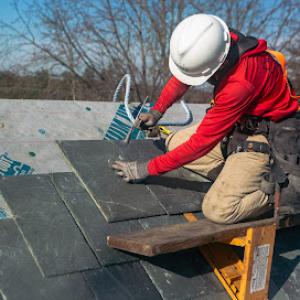
The Durable Slate Company
(216) 751-0151 www.durableslate.com
Serving
4.5 from 24 reviews
Established 1986, The Durable Slate Company provides expert historic and specialty roof services, including slate roof repair, clay tile roof installation, and copper gutter repair. Our Cleveland branch services Cleveland, Akron, Toledo, and Youngstown, as well as western Pennsylvania and other local regions. Historic roofing is our passion and we strive to treat every job, from minor slate roof repairs to comprehensive copper steeple restorations, with the same level of respect and attention. Our estimators never work on commission, so you can be confident that their recommendations are for the good of your roof. And with the best craftsmen in the industry, your slate, clay tile, or copper roof is in the best possible hands.
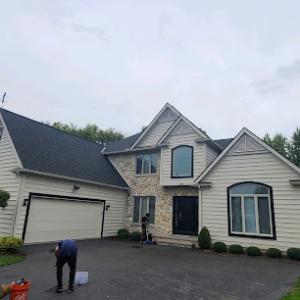
M. R. Plank Roofing
Serving
4.7 from 142 reviews
At Plank Roofing, we prioritize exceptional customer service, embodying our motto "We Do it Right." Our commitment is to enhance your home, making it an even better place to live. We take pride in standing by our work and our customers, addressing, and resolving any issues promptly.
Nasti's Roofing & Restoration
(216) 650-4334 nastisroofing.com
Serving
5.0 from 79 reviews
Nasti’s Roofing & Restoration is a top-rated roofing contractor serving Cuyahoga, Geauga, Lorain, Medina, and Summit County. We specialize in asphalt and metal roofs, roof installations, replacements, gutter installation, siding, window installations, and all exterior restorations. As storm damage experts and insurance specialists, we help guide you through the claims process. We offer free emergency roof repairs and free roof inspections, available 24/7. As a CertainTeed Shingle Master, licensed, and insured, we provide fast, reliable service. Contact us today for a free estimate!
JD Roofing & Exteriors
(866) 504-7663 www.jdroofing.co
Serving
4.4 from 21 reviews
J.D. Roofing and Exteriors provides commercial and residential roofing installation, repair and maintenance in the Northeast Ohio region including Akron, Alliance, Canton, Cleveland, Parma, Youngstown, and the surrounding areas. No matter the scope of your residential or commercial roofing project, our reliable roofing team pledges to work quickly, efficiently, and with minimal disruption to your home & work life.
Asphalt shingles dominate replacements in this market because they fit the suburban steep-slope housing stock and sit at the lowest provided cost range among common materials. For Twinsburg homes facing freeze-thaw cycles and spring storms, asphalt shingles are easy to match with existing roof lines and angles, and they tend to shed snow reasonably well when installed with a proper underlayment and ventilation. If a storm-damaged roof needs quick restoration to maintain insulation and interior protection, asphalt provides predictable performance, straightforward repairs, and a broad dealer network for quick supply. When choosing thickness and granule color, consider sun exposure on exposed facades and the potential for ice dams along eaves. A well-sealed attic remains the first defense against moisture infiltration, so pair asphalt with solid attic insulation and continuous venting.
Metal roofing is a meaningful local specialty in this market and is often considered by homeowners looking for better snow shedding and durability through repeated winter weather cycles. If a home experiences heavy snow buildup or frequent ice dam concerns, standing-seam metal panels or lifetime-coated panels can offer superior snow release and wind resistance. Metal generally carries higher installation complexity and freight logistics, but the payoff is sustained performance through multiple winters with less weathering of decking. In Twinsburg's climate, metal's resilience under freeze-thaw stress and its ability to tolerate rapid temperature swings can translate to fewer leak-prone seams over time. Consider substrate compatibility, the roof's pitch, and how metal panels will integrate with existing or planned insulation upgrades. A professional inspection should verify that the structure can support the added weight (especially if a snow load is severe in a given season) and that attic ventilation keeps moisture from condensing near the deck.
Higher-end materials listed for this market-slate, clay tile, cedar shakes, and synthetic/composite shingles-must be evaluated against structural load, maintenance expectations, and how they handle Northeast Ohio moisture and temperature swings. Slate and clay tile offer exceptional longevity and a distinctive look, but their weight can require substantial structural reinforcement and precise fastener strategies. Cedar shakes provide character and good insulating value when properly installed and maintained, yet they demand regular conditioning against moisture cycling and surface checks that can accelerate wear if ventilation isn't ideal. Synthetic or composite shingles mimic the appearance of natural options with improved impact resistance and lighter weight, making them a compelling middle ground in areas with heavy storm activity. In practice, the choice hinges on your roof's structural readiness and your willingness to engage in ongoing maintenance, particularly around shingle edges and valleys where moisture can accumulate during thaw cycles. For all higher-end choices, plan for a thorough inspection of the decking, flashing, and attic ventilation, since moisture management is the key to long-term performance in the local climate.
Storm damage response in this climate hinges on rapid assessment after heavy wind, hail, or a fast-mrozen freeze event. Asphalt remains a reliable first line of defense for many homeowners dealing with insurance-driven timelines, thanks to its balance of cost, ease of repair, and quick mobilization. Metal can be prioritized when insurance discussions emphasize long-term durability and snow shedding, especially if the home has a history of ice dam-related concerns or repeated winter weather cycles. When considering higher-end materials, assess not only upfront compatibility with the house but also the anticipated maintenance load and how the material will handle moisture migration and temperature fluctuation over the coming decades. In any case, ensure that the chosen material integrates well with existing insulation and ventilation, because improved moisture management reduces the risk of further storm-related damage and can streamline any insurance claim processes by limiting secondary issues.
Work with a local contractor who understands typical steep-slope configurations and common roof angles found in this area. Ensure the installation includes solid underlayment, proper attic ventilation, and well-sealed flashing at chimneys and skylights to combat ice dam formation. If you anticipate frequent storms or harsh winters, discuss wind-rated shingles or metal options designed for the local wind profiles. For any high-end option, verify the structural readiness and expect a more rigorous assessment of deck condition and fastener choices to withstand Northeast Ohio moisture and temperature swings. Selecting a material should balance your home's architectural style, anticipated maintenance, and the ability to preserve the interior envelope during seasonal transitions.
In Twinsburg, a typical asphalt shingle replacement runs roughly 350 to 550 USD per square (a square equals 100 square feet). That band is the backbone for most suburban homes here, and you'll see metal, synthetic/composite, cedar, and tile fall between that asphalt spread and the higher end of slate. Slate roofs push well into 1400 to 3000 USD per square, reflecting the durability and heavier labor involved. If you're weighing cedar shakes or clay tile, expect costs toward the middle-to-upper portion of that spectrum, with tile often nudging higher when labor comes with a steeper pitch or more intricate details. These ranges reflect typical Twinsburg projects and the mix of stock you'll find on our streets.
Storm activity drives a lot of price and scheduling swings in this market. After a wind or hail event, quick-response crews are heavily booked across Northeast Ohio, and that urgency can push both material availability and labor costs higher for a spell. If your roof sustains shock damage during a storm, you'll likely see tighter timelines and a premium for expedited service. On the flip side, non-urgent re-roofs spread more evenly across the shoulder seasons, which can help with scheduling and possibly some cost relief if you're patient and plan ahead.
Twinsburg homes frequently feature steep residential rooflines and aging tear-offs that have weathered multiple freeze-thaw cycles. A steep pitch adds labor time and safety considerations, which translates to higher per-square costs. Winter deterioration-frozen tar, shingle lift, and ice-related damage-can complicate tear-offs and disposal, further elevating overall price. If the old roofing has multiple layers or requires substantial leveling before new shingles go down, expect costs to climb accordingly. In snowy, icy springs, crews may need additional equipment or procedural steps to protect siding and landscaping, which also factors into the bottom line.
Begin with a measured estimate: confirm the number of squares to cover and how each material option fits that count. Obtain bids from a few local crews who understand the Twinsburg climate and typical subsurface conditions. Ask each bidder to break out material costs, labor, disposal, and any extra charges for steep pitches or complex tear-offs. Consider scheduling major work in off-peak quarters after a storm rush, when prices and lead times tend to stabilize. Finally, plan for a contingency to cover the unpredictability of storm seasons and winter wear, so you aren't caught short if a project stretches beyond the initial timeframe.
Get a clear picture of your project costs upfront - no commitment required.
A & B Roofing & Construction
(330) 405-9055 www.aandbroofing-ohio.com
1595 Highland Rd, Twinsburg, Ohio
4.4 from 100 reviews
In this area, roof work is not treated as casual maintenance. A full roof replacement typically requires a permit issued by the City of Twinsburg Building Department. Before any shingles come off or new panels go on, you should check with the Building Department to confirm the scope of work and the permit requirements. The department's staff can outline whether additional permits are needed if weather-driven repairs turn into replacement work, which can happen after a severe storm or ice dam damage during a Northeast Ohio winter.
Planning ahead matters in a climate with frequent freeze-thaw cycles and spring storms. Start the permit application as soon as the contractor has a proposed scope of work and preliminary materials chosen. In Twinsburg, the permit process is designed to align with safety codes and local storm preparedness, so beginning early helps prevent delays that can push your project into peak seasonal constraints. If insurance-related repair work leads to replacement, the permit path remains the same, but be aware that the insurer may require documentation of code-compliant upgrades as part of the claim.
Inspections occur at multiple stages during construction, and a final inspection is required before the project is considered complete. Typical checkpoints include a pre-dry-in or framing-related review, mid-construction checks as the roof sheath and underlayment are installed, and a final inspection after all roofing materials, flashing, ventilation, and ongoing drainage work are in place. Each stop is meant to verify that the installation adheres to Twinsburg codes and to confirm that storm-related repair details-such as ice dam protection, attic ventilation, and proper roof-to-wall connections-are properly addressed. Expect the inspector to verify attic vents, pipe boots, and step flashing at intersecting walls or chimneys.
Before each inspection, ensure access is clear and that the roof is ready for review. Make sure decking is sound, underlayment is properly lapped, drip edges are installed, and flashing around chimneys or vents is secured. If the project is driven by insurance storm damage, keep the insurer's documentation on hand as inspectors may review it alongside building-code requirements. Any deviations from the approved plan should be documented with notes or an approved change order to avoid compliance issues during the final inspection.
The final inspection confirms that the replacement meets all Twinsburg Building Department requirements and that safety features for freeze-thaw conditions are in place. After a successful final review, the permit is closed, and the project is officially complete. Keeping a clean line of communication with the building department and your contractor during storms can help prevent weather-related delays from derailing the timeline.
In Northeast Ohio, insurers closely monitor wind and hail claims, making documentation quality especially important for Twinsburg homeowners after storms. Quiet, upper-story damage and wind-driven misses can influence whether a claim is approved or scoped for replacement. You should photograph the roof from ground level and from ladders when safe, capturing angles that show fascia, gutters, and any shingle displacement. Keep a dated log of what you notice, and note weather conditions at the time of the storm. A clear trail helps the adjuster see the full picture beyond the obvious, and it reduces back-and-forth later on.
Adjusters commonly ask for before-and-after photos and a formal scope, so homeowners in this market benefit from documenting visible damage as soon as conditions are safe. Include pictures of potential interior indicators-stains on ceilings or attic moisture-to tell a complete story. A formal scope written in plain language that enumerates each roofing component affected (shingles, underlayment, flashing, vent boots) can speed the process. If you have prior repairs or patchwork, note those areas so the adjuster can assess cumulative wear versus new storm impact.
Some carriers may require upgraded underlayment or wind-rated roofing in more exposed situations, which can affect both claim scope and replacement material decisions. In this area, exposure and roof pitch matter; steeper slopes and open exposures can prompt higher wind and impact requirements. When assessing damage, think about what can endure Northeast Ohio winds and spring storm surges. If an insurer flags wind-rated products, you may need to discuss whether a certain underlayment or roof assembly fits the claim while still aligning with your home's structure and the bid from your contractor.
After a storm, perform a cautious, thorough roof walk if safe. Look for curling, missing edges, or granule loss near valleys and drip edges. Keep communication concise and documented with your adjuster, contractor, and insurer, so the path to replacement stays transparent and accountable. Remember that a robust record can influence not only approval but the scope of repairs, which matters whenever freeze-thaw cycles return.
Connect with contractors who help homeowners navigate the claims process from damage assessment to final approval.
KC Roofing
1750 Highland Rd Suite 1B, Twinsburg, Ohio
4.9 from 170 reviews
A & B Roofing & Construction
(330) 405-9055 www.aandbroofing-ohio.com
1595 Highland Rd, Twinsburg, Ohio
4.4 from 100 reviews
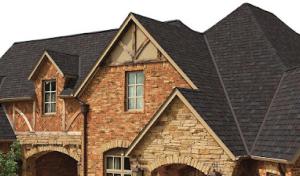
Ice dams at eaves are a recurring winter failure mode in this region, especially when attic heat loss and snow cover combine during cold snaps. When soffit vents aren't providing enough balanced ventilation, warm air rises into the attic and melts a thin layer of snow at the roof edge. That melt refreezes at the colder eave, creating an ice dam that crowds against flashing and gutters. The consequence is water backup that can seep under shingle tabs, into attic spaces, and, over time, into ceilings and drywall. Prevention hinges on keeping insulation dense and continuous at the attic plane and ensuring soffit and ridge vents work in concert. If you notice icicles forming along the eaves and a discolored ceiling beneath, treat it as a warning sign rather than a curiosity.
Spring hail and wind can bruise or loosen asphalt shingles, which matters in this city because asphalt is the dominant local roofing material. Damaged granules accelerate aging, accelerate surface wear, and create small pathways for moisture to reach the underlayment. shingles that curl or have missing tabs are more vulnerable to further damage from late-season storms. The practical response is to inspect after severe storms, looking for raised or shorn edges and missing granules, and to arrange timely repairs before leaks locate themselves in the attic.
Autumn leaf debris can obstruct drainage paths and trap moisture, a practical issue in Northeast Ohio's tree-lined suburban neighborhoods before winter freeze events. Clogged gutters and downspouts can slow or halt water away from the roof edge, increasing the risk of standing water and ice dam development when temperatures swing. Regular fall cleaning, paired with ensuring that drainage routes are clear and secure, helps keep the roof deck dry and reduces the chance of freeze-thaw damage once the season changes.
Find contractors experienced in skylight installation, flashing, and leak repairs to bring natural light into your home.
The warm-season roofing window is tightly shaped by cold winters that limit ideal replacement timing and by periodic spring storm activity. In practice, that means you should plan for major work only after the worst freeze events have passed and before the heat of summer climbs. If a project slips into early spring, expect potential weather-related delays and scheduling tightness as crews bounce between storm repairs and re-roofs.
Homeowners often discover replacement needs after winter freeze-thaw damage or after spring storm inspections, creating seasonal surges in contractor availability. Use the weeks immediately following a thorough assessment to lock in a start date and confirm materials. If an inspector flags ceiling leaks or porous decking, prioritize a clear plan and a realistic inspection window with your contractor so work can begin promptly when conditions allow.
Summer storms can interrupt scheduling more than once, because damage from a single thunderstorm can trigger urgent repairs elsewhere in the neighborhood. Build a contingency plan with your contractor: identify a preferred start period, but remain flexible for a short delay if a storm system moves through. In this climate, communication about weather forecasts helps keep the project on track without compromising workmanship.
Autumn matters locally because leaf buildup and approaching freeze conditions can worsen drainage and leak issues before snow season begins. Start pre-installation prep in early fall-clear gutters, stage materials, and finalize color and underlayment choices-so when the first sustained cold snaps hit, crews can move efficiently and minimize the risk of late-season weather interference.
In a market dominated by re-roofing, you'll want a contractor who talks through replacement options, not just fixes. Look for firms with proven storm-response experience and a track record handling tear-offs in the spring and fall when Twinsburg sees more activity.
Quick response and cleanup included are two of the strongest market signals. After leaks or a storm, a contractor should commit to a rapid on-site assessment, tarping if needed, and a clear plan for debris removal and site protection. Ask for a written timeline and a cleanup checklist.
Long-established, family-owned, and locally owned firms have a meaningful presence. Continuity matters for inspections, warranty follow-up, and insurance paperwork. Prefer a contractor with a stable local crew and a dedicated project lead who will be your point of contact through the entire process.
Verify credentials beyond the license. In this market, a firm's ability to coordinate with insurance adjusters during a claim and to document storm-damage accurately saves time. Request before-and-after photos, a detailed scope of work, and a post-installation verification walk-through.
Ask about staging and protection plans. In icy winters, a jobsite plan that includes weather protection, proper venting checks, and roof-fastening methods that withstand freeze-thaw cycles will reduce callbacks. For steep-slope roofs, ensure the crew uses safety lines, ladder safety, and proper material staging to minimize disruption.
Final check is references. Call neighbors who recently had a storm-related tear-off, especially those with similar roof types. A local contractor who can share recent project details and warranty terms tends to deliver smoother insurance interactions and follow-up.
After you pick a candidate, insist on a written contract that outlines the scope, milestones, and a clear payment schedule tied to completed work. Confirm that the crew carries general liability and workers' comp, and that cleanup will be guaranteed to your satisfaction at completion.