Last updated: Apr 19, 2026
Storm activity in Northeast Ohio brings real, recurring strain on roofs in this neighborhood. Severe hail and wind events can strike with little warning, leaving fiber, asphalt, or metal shingles dented, lifted, or torn. The risk is not a hypothetical edge case; it is a familiar pattern after big storms, and delays in response can turn small damage into costly, widespread leaks. If you hear a hail rattle on the ridge cap or notice granule loss on shingles after a storm, act quickly but deliberately. Start by inspecting the exterior with caution from the ground only. Look for lifted shingles, bent flashing, bent vent pipes, or staining along interior ceilings that shows up after the rain begins again. Keep in mind that wind-blown debris can intrude at eaves, around chimneys, and near roof-to-wall joints where flashing must seal against moisture.
After a storm, the most valuable asset is a solid, organized record set. Take high-resolution photos from multiple angles while the roof is dry, then again after a light rain if safe to do so. Document the overall roof, any damaged sections, chimney flashing, ridge lines, skylights, and vents. Save close-ups of dented metal, lifted shingles, or torn underlayment near valleys where water intrusion is likely first. Gather a clear shot of the gutters and downspouts, which can trap shingle granules or metal shavings that hint at wind-driven impact. Collect warranty papers for any existing roof or the components you are replacing. Keep a timeline of when the storm occurred and when you noticed damage, along with any temporary repairs you made to prevent further leaks.
In Ravenna, one practical approach is to align these photos with a basic written log that notes the exact date and time of the storm, the observed damage, and the roofs, vents, and flashing that appear affected. If you have accessible attic spaces, a quick peek-while carefully avoiding personal risk-can reveal water staining, moisture meters readings, or mold risk markers that support a claim. This organized evidence is the backbone of a credible insurance submission and helps avoid back-and-forth disputes about the extent of damage.
Because many local contractors actively market storm damage, emergency repair, and insurance-claim help, homeowners here are likely to encounter claim-assistance offers immediately after major weather events. Some offers come with legitimate value, but others push for hastened decisions that lock you into unfavorable terms or pressure you into unnecessary repairs. A prudent approach is to identify a couple of reputable, licensed roofers who have established Ravenna-based presence and come recommended by neighbors or local merchants. If a contractor steps in as the middleman for the claim, insist on transparent, documented work scopes and written approval from you before any material or labor is committed. Do not sign anything you do not fully understand, and do not authorize work on a damaged roof without a clear plan that addresses flashing, underlayment, ventilation, and roof geometry.
Keep every correspondence related to the claim-adjuster emails, written estimates, and amendments to the scope of work. If an adjuster requests a specific repair path, request a detailed explanation of how the proposed repairs mitigate potential leaks in critical areas like valleys, around vents, and along eaves. You should be able to explain to the insurer how your plan addresses both the visible damage and latent moisture risks that could become hidden hazards after the next freeze-thaw cycle.
Once the claim process is underway, maintain a regular inspection cadence. Schedule a professional roof inspection within 48 to 72 hours after you've stabilized any temporary tarping or cap sealing meant to deter water intrusion. Follow up after the first rain to confirm that repaired or replaced components are performing as intended. If you notice new leaks, sagging, or moisture in the attic, report it immediately to the insurance contact and your roofing professional. This rapid, documented communication loop helps secure efficient claim outcomes and reduces the chance of deferred repairs that could complicate future storm seasons.
Precision Roofing Contractors of America - PRCA
(330) 592-7950 www.prcaroofing.com
260 S Prospect St, Ravenna, Ohio
5.0 from 116 reviews
Located at 121 East Main Street, Ravenna, Ohio 44266, Precision Roofing Contractors of America is committed to delivering exceptional roofing, siding, gutter, and interior services throughout Portage, Summit, Cuyahoga, and Stark counties.
Experienced Roofing LLP
(330) 577-1222 www.xperiencedroofing.com
4436 Durham Ct, Ravenna, Ohio
5.0 from 5 reviews
Experienced Roofing is a family owned, full service commercial roofing company with 35 years of experience. We specialize in flat roof replacement, emergency service, roof repairs with a great manufacturer in Johns Manville. Experts in all roofing systems such as EPDM, TPO, PVC and all flat roofing solutions.
Ohio Home Repair Company
6386 Linda Ln, Ravenna, Ohio
5.0 from 4 reviews
Residential repair company that provides: Roofing, Gutters, Flooring, Siding, Decks, and Porches
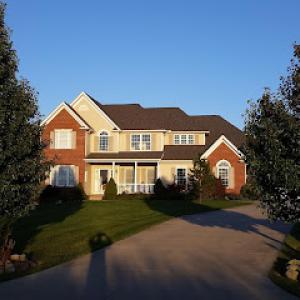
Roofing By Simon
(330) 676-1002 roofingbysimon.com
Serving
5.0 from 17 reviews
Quality, Integrity, and good old-fashioned customer service are the pillars we thrive on. We service residential & commercial roof replacement & repairs.
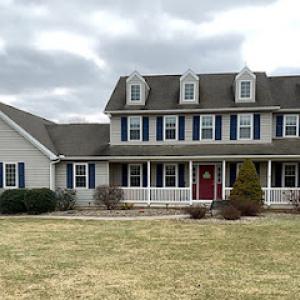
ARC Contracting of Ohio
(330) 968-4023 www.arcofohio.com
Serving
4.8 from 78 reviews
ARC Contracting of Ohio is a trusted provider of residential and commercial exterior restoration services. Specializing in roofing, siding, windows, and gutters, we help homeowners and businesses recover from storm and weather damage. With expertise in insurance restoration, we work closely with our clients to guide them through the claims process, ensuring they get the coverage they deserve. Our commitment to quality workmanship and customer satisfaction has made us a go-to contractor in the region. Whether you need repairs or a complete exterior renovation, ARC Contracting of Ohio delivers reliable and professional results.
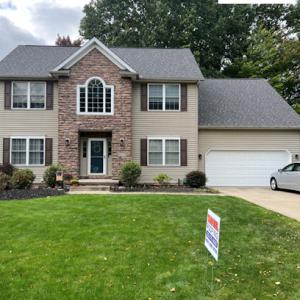
Tarheel Roofing & Construction
(330) 678-9000 www.tarheelroofingconstruction.com
Serving
5.0 from 21 reviews
Established in 2007, Tarheel Roofing and Construction has over five decades of roofing expertise, serving Akron, Kent, Cleveland, and Northeast Ohio. Their services encompass all roofing and construction needs, from new builds, tear-offs, storm damage restoration, repairs to routine maintenance for low-slope and shingle roofs. As a trusted roofing contractor, they guarantee quality workmanship and materials, backed by a dedicated and experienced team, ensuring a seamless and stress-free experience for residential and commercial clients alike.
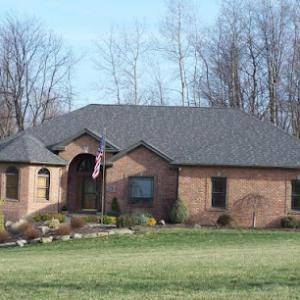
Conley's Roofing
(330) 620-4143 akronroofingcompany.com
Serving
5.0 from 40 reviews
We are a family owned and operated roofing, siding and gutter company. We have three generations working together. I started roofing when I was 16. I have over 28 years of experience. I do all my own pricing and will also be on all the jobs to do the work. Together with my dad, brother and sons, we have over 100 years of experience roofing. I enjoy roofing, sports, travelling and teaching my Sunday school class. I have 3 kids and been have married for 24 years.

At Your Service Roofing- Northeast Ohio
Serving
5.0 from 158 reviews
Roofing company specializing in asphalt shingles and repairs, as well as siding and gutter installation.
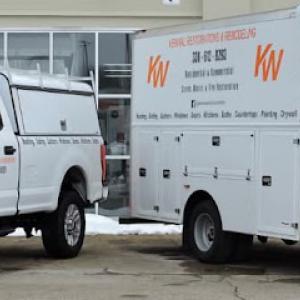
Kenwal Remodeling
Serving
5.0 from 67 reviews
Kenwal Restorations is a trusted roofing and storm damage repair company based in Randolph, Ohio. Since 2014, we've specialized in roof replacements, emergency repairs, siding, and window installations for homes and businesses across Northeast Ohio. As storm damage experts, we help homeowners navigate insurance claims and restore their property fast. Fully licensed and insured, we’re known for honest estimates, high-quality workmanship, and reliable local service. Contact us today for a roof inspection.
Victors Home Solutions
Serving
4.9 from 659 reviews
From our free 21-Point Roof Inspection to our 50-Year Leak Free Guarantee, we’ll protect your home and family for years to come. With almost two decades of roofing experience and a BBB Accredited A+ rating, Victors Home Solutions is the superior roofing and home improvement company across Ohio, Michigan, Kentucky, and Indiana. We provide the highest quality workmanship for residential roof repairs and replacements, seamless gutters, and attic insulation services.

Owen's Construction
(330) 507-5195 www.owensroofs.com
Serving
4.9 from 289 reviews
At Owen's Constuction we subscribe to a simple philosophy : identify the problem, find a solution and fix it. We keep the pace with the latest technology and are constantly investigating new ideas and systems to maintain our postion as a front-runner in the roofing industry. To maintain skills at peak levels, our staff is constantly retrained to be fimiliar with the latest methods,materials systems and safety techniques.This enables us to efficiently provide the solution to all and any roofing needs ranging from a minor repairto the largest replacement. Our team takes pride in perfection; pride in producing a first-quality product in a highly efficient and cost-effective manner.
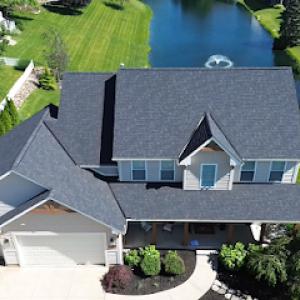
STEP 1 Roofing
(330) 634-6288 step1roofing.com
Serving
5.0 from 70 reviews
STEP 1 Roofing & Construction is a trusted roofing contractor serving Northeast Ohio, based in Stow. We provide roof replacements, permanent roof repairs, siding, gutters, and window services. Shingles only last when the details are done correctly. Every roof we install includes ring-shank nails to resist backing out, new flashing at chimneys, window sills, and roof-to-wall intersections, properly balanced ventilation to manage heat and moisture, and a 50-year rated flexible sealant designed to move with the roof. A roof only lasts as long as its weakest detail. That’s why we build complete roofing systems and perform only permanent repairs using hand-selected materials designed for long-term performance.
Ravenna roofs carry a particular stress from Northeast Ohio's winter freeze-thaw pattern. Each year, water that seeps into small gaps around flashing, around penetrations, and along shingle edges can freeze, expand, and gradually widen those gaps. Over several seasons, that slow process turns tiny defects into measurable leaks, sometimes without a dramatic storm in the forecast. The consequence is a roof that looks solid on a dry day but reveals its vulnerabilities during a thaw or a fresh snowmelt. In practice, the most exposed spots are usually around chimneys, vent pipes, and where roof deck edges meet walls. If a shingle edge starts to lift or a flashing seam shows signs of moisture intrusion, treat it as a warning rather than a curiosity.
Snow and ice don't just pile up; they complicate every step of maintenance and repair. In the cold months, reaching the roof can be slow or unsafe, and roofing crews must work around slippery surfaces and limited daylight. Temporary leak control becomes more than a convenience; it is a practical necessity to guard interior spaces while conditions improve. If a leak is suspected during a freeze-thaw spell, focus on protecting ceilings below with clean, dry rags or a bucket and addressing active drips with impermeable coverings until a safe, dry window for repair arrives. Expect winter work to stretch out due to access challenges, and plan for follow-up visits when temperatures finally cooperate.
Replacement activity tends to concentrate from late spring through early fall because that is the most workable window between persistent winter ice issues and autumn weather tightening. This is the time when crews can safely mobilize, seal penetrations more reliably, and manage underlayment and flashing with the proper ventilation and sequencing. If a roof is nearing the end of its life or if repeated freeze-thaw cycles have produced signs of faster deterioration, initiating a project as soon as the spring weather stabilizes helps avoid the intersection of peak storm activity and worksite disruption. Late-season projects can still proceed, but they require careful scheduling to avoid weather setbacks and to ensure that temporary leak controls remain effective.
Keep an eye on the attic and ceilings for new damp spots after thaws or rain events, especially near penetrations and along edges where flashing is present. Small, recurring drips often signal that the freeze-thaw cycle is widening a micro-defect. Listen for the creak of winter rafter vibrations after heavy snow loads, which can suggest shifting around the roof line or decking. If you notice moisture along chimney or vent seams, investigate those zones promptly. The goal is to catch widening gaps early, before interior damage becomes more extensive or costly to remediate.
The dominant materials in Ravenna are asphalt shingles, metal roofing, clay tile, synthetic/composite shingles, slate, and fiber cement shingles. Each has a distinct behavior when Northeast Ohio's winter freeze-thaw cycles meet from spring storms to summer wind events. Asphalt and composite options are common on many mid-century and newer homes, while heavier systems like slate and clay tile show up on older, eaves-heavy houses or homes with a legacy aesthetic. In practice, your roof choice should reflect not only appearance but how the system handles freeze-thaw stress and storm exposure.
In this climate, you're balancing two tightly linked stressors. Cold-season cycles push against underlayment and flashing during every thaw, so a roof that emphasizes solid sealing and robust ventilation pays off. Warm-season storms bring wind uplift and hail exposure, testing edge lines and fasteners. A roof that performs well in Ravenna resists ice damming, manages moisture vapor, and maintains a tight barrier through rapid weather shifts. Heavier options-slate and clay tile-offer longevity and a distinct look, but they respond differently to wind and impact and require more supportive framing and professional installation. Lighter options-asphalt, composite, and fiber cement-often install quicker, behave more flexibly in temperature swings, and are easier to retrofit with modern underlayment and flashing details.
When evaluating materials, you'll want to think about roof geometry, attic ventilation, and the existing deck condition. Sloped roofs with generous overhangs benefit from metal or composite when wind protection or glare management is a concern, while clay tile or slate suit homes with compatible framing and a desire for a long-term, stately profile. If a project prioritizes affordability and a shorter replacement window, asphalt or fiber cement shingles offer reliable performance with straightforward maintenance. Regardless of material, ensure the chosen system includes a modern underlayment and properly flashed penetrations to reduce leak risk during heavy rain events.
After hail or high winds, the first step is a careful exterior inspection for loose flashing, lifted shingles, or hairline cracks. Photograph every suspicious area from multiple angles, then document any interior signs of moisture-stains, memories of odors, or newly developed stains on ceilings. Keep a dated log and gather contractor invoices, product details, and photos of the roof before and after repairs. If a claim is involved, your documentation should clearly show the damage pattern, original installation details, and any immediate temporary measures taken to mitigate further leaks. This organized approach helps you navigate insurance discussions and ensures future replacement decisions align with the roof's material and structure.
In this part of Northeast Ohio, you'll see pricing bands that match the common roofing options you're likely to choose after hail and wind damage. Typical Ravenna pricing runs about $350 to $600 per square for asphalt shingles, $700 to $1100 for metal, $900 to $1600 for clay tile, $450 to $800 for synthetic/composite shingles, $1100 to $2100 for slate, and $450 to $800 for fiber cement shingles. Those ranges reflect local material availability and the way weather patterns stress roofs here. If you're evaluating bids after a storm, you'll often see these numbers skew upward briefly due to scheduling pressure and material demand, especially when a handful of houses on the block need quick attention.
Storm events bring a surge of work that can tighten calendars from late spring through early fall. In Ravenna, hail and wind can push crews to the front of the line, with shorter windows to secure permits, order specialty products, and complete tear-offs before the next freeze or rain. On a practical level, expect some bids to tighten when multiple homes in the same neighborhood are in the same repair cycle. That means the difference between a rushed timeline and a well-paced replacement can show up as a few hundred dollars in added scheduling or emergency crew fees, and sometimes a premium for expedited underlayment and flashing details.
After a damaging event, pricing moves with demand and the availability of local crews. You may see higher quotes if a contractor needs to bring in specialty materials (such as heavier gauge metal or higher-end synthetic options) or if a crew has to extend the project due to weather windows. In Ravenna, the condition of roof geometry-steep pitches, complex ridges, and the number of penetrations-also affects final costs. A straightforward, single-story gable with clean fascia will typically come in at the lower end for each material, while layered roofs or those with intricate flashing sequences push bids upward. Planning ahead for a few weeks of lead time can help keep the project closer to the lower end of the typical ranges.
Get a clear picture of your project costs upfront - no commitment required.
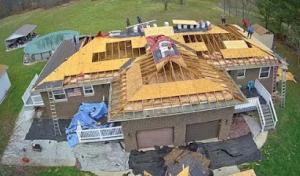
Precision Roofing Contractors of America - PRCA
(330) 592-7950 www.prcaroofing.com
260 S Prospect St, Ravenna, Ohio
5.0 from 116 reviews
A full roof replacement in Ravenna typically requires a permit issued by the city building department. Starting the process early helps prevent delays that can complicate storm-season timelines or after-hail repair work. In practice, this means your contractor should submit the permit package with roof plan details, material selections, and any ventilation or flashing adjustments, and you should expect the department to schedule reviews as part of the project timeline. The permit ensures that the work aligns with local codes, drainage concerns, and safety requirements that are particular to Northeast Ohio's climate and housing stock.
Ravenna inspections occur before completion and after installation, with reviewers checking critical components that drive long-term performance in freeze-thaw cycles and storm events. The pre-completion review usually occurs when the underlayment and starter courses are in place, and the crew is ready to install flashing, roof-to-wall transitions, and penetrations around chimneys, vents, and skylights. Expect questions about attic ventilation, eave and soffit intake, and the roof geometry, including pitch and ridge work. Having a detailed project log, material receipts, and construction drawings handy can streamline the process and demonstrate compliance with local expectations.
The post-installation inspection verifies that the installation matches the approved plan and that critical elements were executed correctly. Inspectors pay close attention to how underlayment and flashing are sealed at penetrations, the integrity of the kick-out flashing at gutters or eaves, and whether ventilation paths remain unobstructed. Roof geometry is reviewed to confirm that hips, valleys, and transitions are properly framed and aligned, which matters for performance during heavy spring rains and winter freezes. A tidy, well-posed roof edge and proper fastening patterns often help the inspector see that the project was completed to standard.
A final inspection is needed to close the permit, making permit closeout part of the homeowner's documentation trail for future resale or insurance questions. Once the final sticker or citation of compliance is issued, keep that record with your home documents. For storms or hail-related repairs, this closure becomes a reference point for insurance claims or future renovations. Maintain a copy of the final report, permit number, and dated photos of the completed roof, since future owners or adjusters will rely on this documentation to verify that the project met Ravenna's structural and safety expectations.
Ohio homeowners in Ravenna generally operate in a standard coverage environment, but Northeast Ohio hail and wind events create enough claim activity that documentation quality matters. When a storm hits, the more complete your file, the smoother the adjuster's review and potential payout. Building wear from freeze-thaw cycles and seasonal storms can complicate attribution, so clear records help separate preexisting conditions from storm damage.
Start with a current, dated photo sequence of the roof from multiple angles, both on the ground and from ladder height if safe. Include attic photos showing signs of moisture intrusion, such as roof deck staining or dark spots on underlayment, and images of any interior water damage. Gather any existing warranty information for shingles or other coverings, plus installation receipts or past service reports. For Ravenna homeowners, keeping final inspection records tied to the city's permit and inspection process helps demonstrate proper installation and compliance history if questions arise.
When the adjuster arrives, you want a concise package: a running list of damaged areas by room and section of the roof, with dates and weather events tied to each claim. Attach calendar notes of when temporary repairs were made and by whom, plus any receipts for those small fixes. If a prior inspection identified issues that could influence coverage decisions, provide those reports. The goal is to show a chain of evidence from the storm to present condition, including how the roof performed in the immediate aftermath.
Create a dedicated claims folder, either physical or digital, that stores photos, notes, contractor statements, warranty documents, and final inspection results. For storm-heavy seasons, keep a rolling log of new findings as conditions change, and preserve correspondence with both the insurer and any city-approved inspectors who reviewed the roof. Retain all documents until the claim concludes and repairs are complete, as insurers may request updates or follow-up photos during the adjustment process.
Late spring through early fall is the main replacement season, when crews can tear off and install without the added hassles of ice and deep snow. Heavy equipment, ladder setup, and asphalt shingle work in particular flow smoother when temperatures are consistently above freezing and days are longer. In Ravenna, that window also aligns with home improvement projects that want a reliable, predictable dry-in period before winter.
Spring in this area brings frequent heavy rain and hail risk that can interrupt active jobs and delay dry-in timing. Storms can pop up quickly, forcing a halt to shingle installation or allowing attic ventilation to be tested under real rain conditions. Scheduling during early spring means building in buffer days for weather delays and having crews ready to extend into the following week if a midweek downpour hits.
During high heat, asphalt and composite shingles perform best with consistent moisture control and careful flashing checks. Warm-season storms can push work into tight mornings or late afternoons to avoid the peak sun. Expect occasional rain gaps that push progress tracking a few days, especially if mold or wood deck prep was needed behind the scenes.
Autumn winds and wet conditions can shorten work windows before the Northeast Ohio winter returns, so late-season projects carry tighter scheduling risk. Leaves, early frost, and damp underlayment requirements influence job sequencing. A clear plan, with backup dates and prioritized critical tasks (tear-off, underlayment, and ventilation installation), helps finish before cold snaps.
When hail or damaging winds hit, quick assessment and tarp placement matter. Ravenna homes often have second-floor access and attic penetrations that require immediate attention so leaks don't worsen. Contact a roofer who can be on site within 24-48 hours to document damage, photograph the roof, and begin temporary containment while you await insurance guidance.
Chimney-related roof intersections are a visible part of the local contractor market in Ravenna, indicating that flashing at masonry penetrations is a recurring homeowner concern. Owners should expect that chimney flashing receives regular inspection during both maintenance cycles and after major storms. When a contractor sites old or cracked step flashing, plan for reseating metal with appropriate sealant and counter-flashing to prevent water tracking along brick.
Skylight work is present but secondary in Ravenna, making leak-prone roof penetrations a real but not dominant specialty need. If a skylight is installed, it demands careful flashing, shims, and a proper slope to shed snowmelt. In storm season, check the flashing around the skylite curb and the surrounding shingles for lifted edges or grit loss, especially after hail events or sharp wind. Sealant around the flange should be inspected and refreshed if you notice any pinhole leaks.
Flat-roof service exists in the Ravenna market, but the contractor signal mix shows the city is still primarily a pitched-roof re-roofing market rather than a flat-roof-dominant one. For flat sections, common risks include membrane punctures from foot traffic and ponding water. A specialist should verify the drainage plan and wind uplift resistance, and confirm that edges are sealed with compatible sealant and flashing to keep wind-driven rain out.
In general, typical intersections and protrusions - chimneys, vents, and skylights - demand routine, proactive maintenance in this climate. After a heavy storm, inspect the most exposed roof lines and interior attic spots for sudden condensation or damp spots along chimneys, at vent stacks, and around skylights. Addressing these areas promptly reduces the chance of hidden leaks during the thaw-refreeze cycle. Advisors emphasize documenting storm damage and maintaining clear records for insurance discussions, especially where chimney flashing and skylight penetrations intersect with attic ventilation systems.
Find contractors experienced in skylight installation, flashing, and leak repairs to bring natural light into your home.
Tarheel Roofing & Construction
(330) 678-9000 www.tarheelroofingconstruction.com
Serving
5.0 from 21 reviews