
Last updated: Apr 19, 2026
In this market, storm damage and insurance-claims specialization are both highly prevalent among contractors, matching homeowner demand after hail and wind events in Northeast Ohio. Local crews know the rhythm: autumn wind storms, spring hail risk, and winter snow pressure all pile onto roofs within a single season. That combination creates a steady stream of claim opportunities, but it also invites pressure to fast-track replacements. The right decision is to pause, validate damage, and demand documentation that stands up to insurer scrutiny. Without that discipline, homeowners risk paying out of pocket for insufficient repairs or losing coverage on necessary replacements.
Ohio roof claims commonly require photo documentation, contractor estimates, and sometimes independent roof reports before replacement approval, which directly affects how Cuyahoga Falls homeowners should document damage. Start with comprehensive photos from multiple angles: close-ups of granule loss, lifted shingles at edges and flashing, and any signs of water intrusion inside the attic or ceilings. Include dated photos after each notable event (hail hits, wind-driven debris, or rapid freeze-thaw cycles) and organize them by area of the roof. Contractor estimates should itemize material and labor separately, and clearly identify flashing, seams, and edge repairs. An independent roof report can provide a neutral assessment that lenders and insurers may require to move through the approval process. Collect all written communications with the insurer, including initial claims numbers, adjuster notes, and any requests for further information. This disciplined record-keeping can dramatically shorten timelines and reduce back-and-forth frustration.
Autumn wind storms, spring hail risk, and winter snow-related stress create multiple claim-triggering damage patterns in the same year, especially at flashing, seams, and shingle edges. Look for lifted tabs, damaged sealants around vent pipes, and corrosion or rust on metal flashings where water can exploit small gaps. Hail can gouge or indent shingles, leaving vulnerable paths for faster water intrusion during the next thaw. In attic space, watch for staining or musty smells that indicate hidden leaks, often hiding behind soffits or along interior wall lines where snow melt travels. When damage concentrates at flashing and seam lines, it's a strong signal that a full roof replacement or a substantial repair is advisable rather than piecemeal fixes. Document these patterns promptly with time-stamped photos and notes so insurers understand the scope clearly.
First, limit access to the roof by non-essential parties until you have a plan, but don't delay a professional inspection after a storm. Schedule milestones: a certified roof inspector or contractor should visit within days of a major event to verify surface damage and identify hidden issues. Second, request a written scope of work from any contractor, including materials, labor, and warranty terms, so the insurer sees a controlled, transparent plan. Third, coordinate with your insurer by providing the photo portfolio, the independent report if obtained, and the contractor estimates in a consolidated package. If discrepancies arise between the insurer's adjuster and the contractor, insist on an independent roof report or a second opinion to bridge gaps quickly. Finally, keep a simple, organized file-digital and physical-so when the next storm arrives, you already know where every photo, receipt, and estimate lives.
Multiple weather events compounding wear over a year can push insurers toward full replacement rather than incremental repairs. If flashing, seams, or edge damage has progressed beyond surface repair, or if water intrusion paths show consistent spread across multiple roof planes, a replacement becomes a practical and long-term protection strategy. Insurance documentation, properly organized, can illustrate the cumulative impact more effectively than isolated fixes, increasing the likelihood of a favorable determination. The goal is to align homeowner, contractor, and insurer on a plan that prevents recurring damage and preserves home value through the next Northeast Ohio winter.
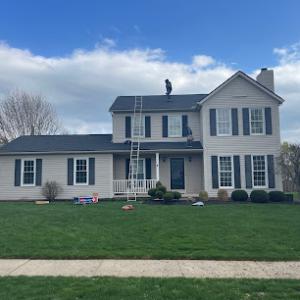
LP3 Exteriors
(330) 888-5080 www.lp3exteriors.com
Cuyahoga Falls, Ohio
4.9 from 40 reviews
Protecting the exterior of your residential or commercial property is our mission at LP3 Exteriors. Our full-service exterior company specializes in high-quality roofing, siding, and gutter services to protect your home or building properly from the elements. By using drone technology to diagnose problems with your roof, we can ensure we're offering the best possible solution while also making the insurance claims process easier. We stand by the quality of our work and are proud to be your trusted local roofing contractor in Uniontown, OH. For all your roofing, siding, and gutter needs, contact our team today!
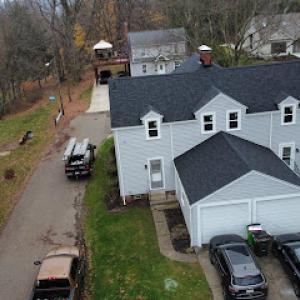
Giner Roofing & Construction
(330) 819-4227 ginerroofing.com
Cuyahoga Falls, Ohio
5.0 from 5 reviews
Giner Roofing & Construction is a well-established roofing contractor in Akron, Ohio. Specializing in roofing installation and repair, we also offer services in siding, windows, gutters, fencing, and decks. Since our founding in 2015, we have been committed to providing top-quality craftsmanship and exceptional customer service. Trust Giner Roofing & Construction for all your roofing and exterior construction needs.
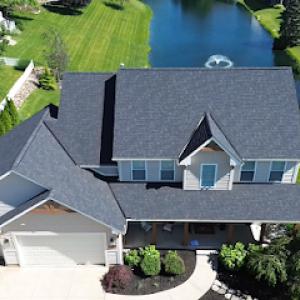
STEP 1 Roofing
(330) 634-6288 step1roofing.com
Serving
5.0 from 70 reviews
STEP 1 Roofing & Construction is a trusted roofing contractor serving Northeast Ohio, based in Stow. We provide roof replacements, permanent roof repairs, siding, gutters, and window services. Shingles only last when the details are done correctly. Every roof we install includes ring-shank nails to resist backing out, new flashing at chimneys, window sills, and roof-to-wall intersections, properly balanced ventilation to manage heat and moisture, and a 50-year rated flexible sealant designed to move with the roof. A roof only lasts as long as its weakest detail. That’s why we build complete roofing systems and perform only permanent repairs using hand-selected materials designed for long-term performance.

At Your Service Roofing- Northeast Ohio
Serving
5.0 from 158 reviews
Roofing company specializing in asphalt shingles and repairs, as well as siding and gutter installation.
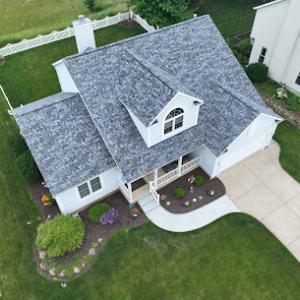
Nailed Down Roofing
(330) 754-3534 www.naileddownroofing.com
Serving
5.0 from 144 reviews
Nailed Down Roofing is Akron’s go-to specialist for residential roof replacement and storm damage repair. Locally owned and operated, we provide expert asphalt shingle installation, leak detection, and emergency tarping across Summit County. From wind and hail restoration to seamless gutter installation and attic venting, we ensure your home is protected against Ohio’s toughest weather. We offer honest inspections and fair pricing for every homeowner. Call Nailed Down Roofing today for your free, no-pressure estimate!
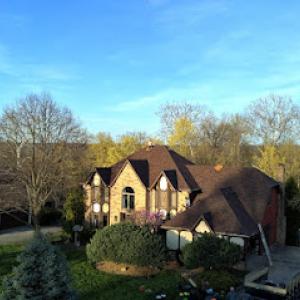
Buckeye Guys Roofing
(234) 281-1269 buckeyeguysroofing.net
Serving
4.9 from 123 reviews
We are a group of local individuals serving Northeast Ohio's residential and commercial property owners Roofing, Siding and other needs. Buckeye Guys prides ourselves on integrity, customer care and workmanship!

Roofsmith Restoration
(330) 822-4245 www.roof-smith.com
Serving
4.7 from 419 reviews
Looking for roof repairs or replacement, gutter repairs or replacement, or window installation? You can rely on Roofsmith Restoration—one of Northeast Ohio’s most trusted roofing companies. Roofsmith Restoration is an Owens Corning Platinum Preferred Roofing Contractor serving all of Northeast Ohio, installing high-quality roofing materials and gutters. Our Haag-certified inspectors understand wind, rain and hail damage and work aggressively with your insurance company to get your claim approved. Your free inspection and estimate is just a call away!
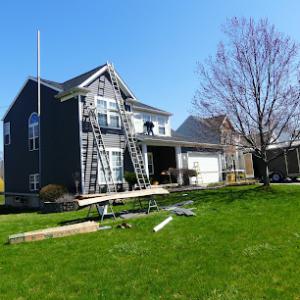
Total Exterior Systems
(330) 283-8398 www.totalexteriorsystems.com
Serving
4.7 from 50 reviews
Total Roofing Ohio, serving Wadsworth, OH, specializes in roofing, siding, gutters, windows, deck repair, and storm damage restoration. We offer free estimates and discounts for seniors, military, new customers, referrals, first responders, and more.
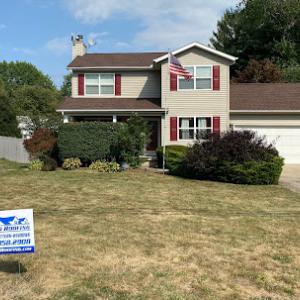
DroCo Roofing
(330) 858-2908 drocoroofing.com
Serving
5.0 from 438 reviews
DroCo Roofing is your trusted local roofing contractor serving Northeast Ohio with reliable residential and commercial roofing solutions. Our team specializes in roof installation, roof replacement, and storm damage repair, with expertise in metal roofing, shingles, and flat roofing systems. We also provide siding, windows, doors, and gutter installation to protect and enhance your home or business. At DroCo Roofing, we understand that your property is one of your biggest investments. That’s why we use only high-quality materials, expert craftsmanship, and a customer-first approach on every project. From emergency roof repairs to full exterior upgrades, we handle jobs of all sizes with professionalism and attention to detail.
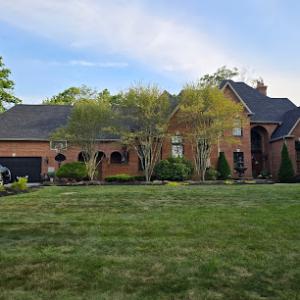
Homegrown Roofing & Construction
(330) 777-2900 homegrownroofingandconstruction.com
Serving
4.9 from 146 reviews
Comprehensive Roofing Replacement Services, including Steel Roofing and Standing Seam Metal. We collaborate with insurance companies to streamline your claims process. Our commitment to quality ensures we work diligently to earn your business. Contact us today for a free inspection.

CentiMark Corporation
(330) 920-3550 www.centimark.com
Serving
4.3 from 19 reviews
CentiMark in Stow, OH is your reliable partner for all your commercial roofing needs. We are an industry leader with a reputation for excellence in providing customized, weather-resistant roofing solutions. In our region, we understand the unique challenges posed by harsh winters, heavy snowfall and the occasional violent storm. These conditions can cause roof damage, including leaks, ice dams and structural issues. At CentiMark, we specialize in diagnosing these problems and offering efficient, customized solutions. Our team of professionals are equipped with advanced tools and techniques to handle everything from minor repairs to complete roof replacement.
Talon Roofing
Serving
5.0 from 16 reviews
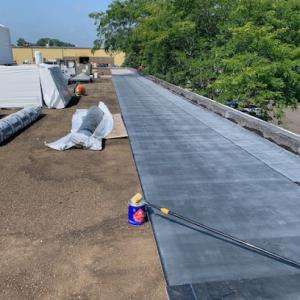
Every Roofing Project Is Unique… Not only from a shingle roof to a flat roof, but from craftsmanship, materials selected, & safety. These details are the essential to provide the client with a quality roofing experience. Trust Talon with the details!
Cuyahoga Falls roofs are repeatedly stressed by cold, snowy winters followed by freeze-thaw cycling, a pattern that can open flashing joints and weaken roofing seams over time. Each thaw pushes water into the smallest gaps, then refreezes as temps drop, gradually prying apart sealants and edges that once seemed solid. Over several seasons, these micro-failures accumulate, especially around penetrations like vent pipes, chimneys, dormers, and where the roof meets the wall. The result is not a dramatic collapse, but a slow, creeping vulnerability that quietly invites leaks when winter returns with more than a routine snowfall. Snow can blanket a roof and look harmless, yet that same cover hides where edge vents, valleys, and flashing are being stressed from repetitive melt-down cycles. If left unaddressed, a once-small leak can travel along a soffit or fascia, eventually showing up where you least expect it-inside walls, attic corners, or ceiling spots that suddenly darken.
Certain areas in this city's housing stock are especially prone to frost-related damage. Flashing joints around chimneys and vent stacks are common failure points, because those joints must flex with temperature swings and seasonal moisture. Valleys-the lines where two roof planes meet-are another frequent trouble spot. In climates with heavy snowfall, the weight and subsequent freezing of meltwater can push against valley systems, widening gaps where shingles or underlayment should overlap. Transitions between roof planes and walls also endure repeated stress, acting like small wedges that pry at seals after each freeze-thaw rotational cycle. In practical terms, look for hairline cracks in sealants, loose or curling shingles near the edges, and any damp spots that appear after a thaw. If a roof shows staining on the ceiling below a suspected leak, or if attic insulation feels damp after a thaw, those are strong indicators that the cycle is already at work and needs attention before the next winter sets in.
Replacement timing is strongly influenced by these winter conditions, with late spring through early fall generally offering the most favorable installation window in this city. The goal is to complete significant roof work when temperatures are moderate enough for sealants and underlayment to set properly, without repeatedly freezing and thawing above newly installed materials. Scheduling around the shoulder seasons minimizes the risk of compromising new work due to unexpected snow or cold snaps and reduces the chance that a fresh installation is stressed by a late-season freeze. If storm damage is suspected after heavy snows, prioritize a thorough inspection that can distinguish between cosmetic wear and structural vulnerability, and address any flashing or seam issues promptly to reduce ongoing risk.
Start with a careful attic and roof line check after the most severe thaws, paying close attention to penetrations, valleys, and the transitions into dormers. Maintain clear drainage paths on the roof edge so meltwater doesn't pool near joints. When hiring a professional, request a detailed assessment focused on flashing integrity, seam durability, and underlayment condition, with a plan that emphasizes sealing and reinforcing vulnerable areas before the next freeze. Consider upgrading attic ventilation and insulation during major work, since better ventilation helps manage condensation and reduces heat buildup that can exacerbate freeze-thaw stress on roof seams. In this climate, proactive maintenance is not a luxury; it's a practical habit that helps preserve the roof's integrity through repeated winters.
Late spring through early fall is typically the best replacement window because winter's freeze-thaw cycles and snow loading complicate installation quality and scheduling. In this area, you'll notice that shingles and underlayment perform best when daytime temperatures are consistently above freezing and nighttime temps aren't riding the thermometer up and down. That steadier weather helps sealants set properly, nails seat cleanly, and attic ventilation strategies stay effective throughout the work. Pushing a project into winter invites more freeze-thaw risks and pacing problems that can leave shingles vulnerable to wind uplift.
Spring rains and possible hail events can interrupt tear-offs and material staging, so project timing often needs weather-flexible scheduling. It is common to see delays if a late-season storm blows through or if sudden downpours saturate the roof deck. Summer heat and humidity also influence the job, potentially accelerating underlayment aging and making certain membranes feel stiff or slippery for installers. Autumn wind storms can damage exposed areas and delay completion, especially if a project runs longer than the typical dry spell. Understanding these interruptions helps set realistic milestones with the contractor.
When you're planning, build a target date in late spring or early summer and set a rollback plan for potential weather pockets of unsuitability. Ask the contractor to forecast the next two-week weather windows and reserve contingency days for rain days or high heat warnings. Prioritize an early-start approach to take advantage of cooler mornings and to complete critical tasks such as attic ventilation checks while outdoor conditions are favorable. Coordinate with the crew to ensure material staging areas stay dry and protected, especially during mid-spring rain fronts and any sudden storm events that can strip loose debris or expose bare decking.
Because this city reviews attic ventilation during full replacements, align the project schedule with a pre-arranged ventilation check and a plan to install or upgrade soffit vents, ridge vents, or insulation as part of the replacement. Modules that involve decking exposure or plywood inspection benefit from daylight hours and cooler temperatures to minimize warping risk. If a late-season window is unavoidable, ensure a temporary protective course is in place so nasal gaps or nail heads don't become a beacon for moisture intrusion.
In short, target the late spring to early fall period, monitor spring rain and hail chances, and leave room for autumn wind delays. With thoughtful scheduling and a staged approach to ventilation and insulation, a Cuyahoga Falls roof replacement can proceed smoothly, withstand Northeast Ohio weather patterns, and deliver a durable, weather-ready finish.
Get a clear picture of your project costs upfront - no commitment required.
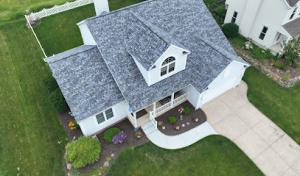

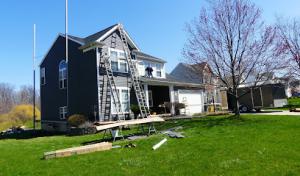
Asphalt shingles are one of the dominant roofing materials in this market and align with the strong reroofing activity after storm events. They offer solid performance through snow, freeze-thaw cycles, and seasonal temperature swings when paired with proper attic ventilation. In practical terms, choose a premium or mid-range asphalt shingle with good granule retention and a sturdy warranty, and ensure the installation accounts for effective water shedding and wind resistance typical of Northeast Ohio storms. If a roof has already seen repeated freeze-thaw cycles, a well-executed replacement with solid underlayment and ventilation planning makes a notable difference in long-term quiet performance and insulation integrity.
Metal roofing is a meaningful local specialty, reflecting homeowner interest in materials that handle snow and temperature swings with a distinct approach to load and expansion. Metal aligns well with stubborn snow loads and rapid snow shedding, which can reduce ice dam risk on sloped sections. It also tends to perform well during wind-driven storms that are common after summer storms. When considering metal, pay attention to panel type, fastener seals, and the ease of inspection for any hail impact. A roof that uses proper underlayment and a robust attic ventilation strategy will help maintain energy efficiency and comfort during long Northeast Ohio winters, where attic heat buildup can amplify, even with metal's reflective properties.
Higher-end materials such as slate, clay tile, wood shakes, and synthetic or composite shingles present opportunities for lasting curb appeal, but require careful evaluation of structural load, repair matching, and weather exposure in this climate. Slate and clay tile bring notable longevity but add substantial weight; a structural assessment is essential before committing. Wood shakes deliver a rustic look but demand vigilant maintenance to prevent moisture-related problems in wet seasons. Synthetic or composite shingles offer varied aesthetics with improved water resistance, yet still demand attention to wind uplift and freeze-thaw resilience. In all cases, ensure that the roof's ventilation, insulation, and attic air sealing are aligned with the chosen material so that performance under Northeast Ohio weather remains consistent.
Whether sticking with asphalt for a pragmatic balance or exploring metal for longevity and snow performance, the choice should harmonize with the home's structure, existing roof pitch, and the near-term plans for attic conditioning. Storm damage and insurance documentation frequently hinge on how thoroughly a replacement addresses ventilation and insulation during full replacements, so plan material selection with those considerations in mind. Matching repair techniques to the existing roof profile and weather exposure helps maintain a durable, weather-ready roof that stands up to Northeast Ohio's unique seasonal challenges.
In this area, the typical ballpark for asphalt shingles runs about 350 to 550 dollars per square, metal roofing lands roughly between 700 and 1100 dollars per square, clay tile sits around 900 to 1700 dollars per square, wood shingles or shakes run 600 to 1100 dollars per square, synthetic or composite shingles are about 500 to 900 dollars per square, and slate often falls in the 1200 to 2100 dollar per square range. These figures reflect the lot of aging homes in the Falls with a mix of upper and mid-range roofs, and they give you a realistic starting point when you're getting bids. Expect some variance based on roof complexity, access, and existing conditions.
Costs in this area can rise after regional hail or wind events when storm demand increases and quick-response contractors are heavily booked. If a hailstorm has recently pelted neighborhoods nearby, you'll likely see tighter bid windows, higher material surcharges, and a premium for expedited scheduling. If you're replacing after a storm, plan for potential lead times on both material orders and crew availability, which can push out timing and affect your overall project budget.
Scope items beyond the outer roofing layer can affect final replacement cost more than homeowners expect. Ventilation, attic insulation, and the overall roof assembly should be considered in the estimate. If the project includes upgrading ventilation or adding insulation to meet climate needs or to address a retrofit requirement, you'll see additional line items. These improvements often pay off in long-term comfort and energy use, especially in freeze-thaw cycles and humid Ohio springs.
Start by getting three detailed bids that break down material, labor, disposal, and any add-ons for attic work. Compare not just the bottom line but how each contractor accounts for potential weather delays, storm surge pricing, and the timing of material deliveries. Ask for photos of similar local homes they've completed, and request a clear note on any attic or ventilation work that could be recommended or required to meet your roof's performance needs. With the Falls' mix of storm risk and winter conditions, aligning your material choice with durability, long-term energy performance, and actual replacement scope keeps you on solid footing.
Don't let upfront costs delay a critical repair - these contractors offer payment plans to fit your budget.
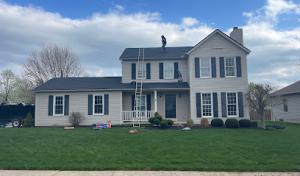
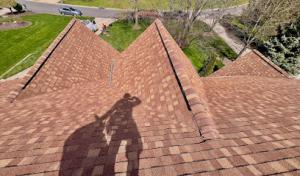
In this city, a full roof replacement generally requires a building permit from the City of Cuyahoga Falls Building Department. Before any shingles come off or any decking is replaced, you'll want to file for the permit and line up the plan review. This isn't a "just swap like-for-like" job; the process looks closely at how the roof is vented and how the attic is insulated, particularly after winter freeze-thaw cycles and Northeast Ohio storms. Starting the permit journey early helps prevent delays when the contractor is ready to start.
During plan review, the reviewer will specifically assess three areas: the roof type you're selecting, the ventilation strategy, and the attic insulation details. The city treats reroofing as a structural and energy-efficiency update, not only cosmetic removal of old shingles. Expect to provide the proposed roof material, underlayment, ventilation plan (soffit, ridge, or balanced systems), and the current versus proposed attic insulation levels. If your project includes upgrading attic insulation or adjusting ventilation to meet code or improve energy performance, include those specifications in the submittal. Clear documentation helps avoid back-and-forth and keeps the project moving.
Inspections are scheduled during the work and after completion. Typical milestones include an inspection when the roof replacement is underway to verify proper installation of underlayment, flashing, and ventilation components, followed by a midpoint or finish inspection to confirm weatherproofing and installation quality. A final sign-off is required when the project is complete. Plan for this sequence in your contractor's timeline so no work lags behind the inspections, and keep access ready for the inspectors to review attic insulation and ventilation effectiveness as part of the final clearance.
Coordinate closely with the contractor to time inspections, especially if winter weather or storm-related scheduling pressures arise. Have the permit number and a copy of the plan review on hand for inquiries. If the inspector flags any ventilation or insulation concerns, address them promptly, as these elements are central to building code compliance and long-term performance in our area's freeze-thaw cycle.
Ohio is an active roof-claim environment after hail and wind events, which makes insurance procedure a major part of roofing decisions for homeowners. In this market, storm activity draws contractors, adjusters, and competing claims into tight timeframes. That tension can push homeowners toward rushed decisions if documentation isn't ready. Understanding how insurers typically review storm-related damage helps you navigate inspections without unintentionally undermining your own position.
Some carriers have tightened claim procedures and may ask for independent verification of damage before approving full replacement. This means the initial assessment you receive on-site might not be the final word. Expect a review step where a third party or an insurer-approved contractor confirms the scope of damage. Being prepared for that checkpoint can prevent delays and avoid back-and-forth that drags out repairs or replacements. In practice, this translates to ensuring your documentation clearly demonstrates the extent of sustained impact on shingles, underlayment, and attic components.
Because storm-related contractor activity is so common in this market, homeowners need organized date-stamped photos, interior leak evidence, and written scope details before adjuster meetings. Photos should show the roof's affected areas from multiple angles, the dates visible in the scene, and any interior signs of leakage. Interior evidence-stains, warped or bubbled ceilings, and water trails-helps connect exterior damage to interior consequences. A written scope detailing what you believe needs replacement or repair, matched to observed damage, keeps conversations focused and reduces back-and-forth during the adjustment process.
When a claim is filed, have a precise record of dates of storms, contractor visits, and any temporary mitigations you've implemented. Keep a log of communications with insurers, including who you spoke with and the outcomes of each encounter. Your goal is to present a cohesive narrative: storm event, observed damage, documented evidence, and a clear scope. This approach helps ensure that the adjuster reviews the claim with a complete picture rather than relying on scattered notes or vague impressions, which can alter the trajectory of the settlement and timing.
Skylight work shows up in the local contractor scene often enough to demand focused attention. Freeze-thaw movement can reveal flashing weaknesses around skylights, vents, and other penetrations, especially after a harsh winter or abrupt spring thaw. When inspecting, look for hairline cracks where the flashing meets the curb or curb-to-roof joints, and check sealant seams for splitting or balling. After a storm or heavy snow melt, recheck seals around the skylight flange and confirm the drainage route away from the flashing. If you notice condensation or water staining around a skylight, plan a targeted reseal or flashing replacement rather than a full unit swap unless the glass shows cracks or leakage is persistent.
Chimneys are a prominent local service category because brick-and-mortar intersections can become leak points during snowy winters and spring rains. Inspect the base of the chimney flashings where metal meets masonry for corrosion or lifting. Look for mortar deterioration or shifting bricks that alter the angle of roof-to-flash transition. After storms, pay special attention to any damp spots along the chimney step flashing, where wind-driven rain can push moisture into the roof plane. Repointing the chimney crown or resealing flashing promptly can prevent larger problems. If the chimney chase cap or vent stack shows rust or loose fasteners, address those issues before water infiltrates the interior framing.
A smaller but real flat-roof specialty presence suggests some homes need guidance on low-slope drainage, seam maintenance, and repair timing after storms. On low-slope roofs, confirm that seams are properly bonded and that edge metal (drip edge, pour-in cracks) remains integrated with the primary roof plane. After heavy rain or snow, check for pooled water near transitions to walls or curbs and monitor for seam separation or pocked coating. For repairs, prioritize timely resealing of seams and prompt replacement of failed EPDM or TPO flashings to maintain consistent drainage and minimize the risk of standing water seeping inward.
Find contractors experienced in skylight installation, flashing, and leak repairs to bring natural light into your home.
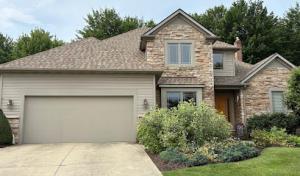
In this market, reroofing demand rises quickly after storms, with homeowners expecting fast response, thorough cleanup, and sensible pricing. Contractors who can mobilize soon after a hail or wind event and leave the yard clean stand out as reliable choices. The emphasis is on practical residential reroofing rather than flashy diagnostics or specialty systems.
Long-standing, family-owned, and locally owned firms are visibly present and familiar to neighbors. Tenure and local reputation matter when deciding who to hire. Ask for local references and check if the crew has worked on nearby older homes with typical steep pitches or snow-related wear. A contractor's familiarity with Northeast Ohio weather patterns helps avoid common setup mistakes.
Free inspections are available from some contractors, but the strongest local pattern favors swift storm response and practical service over optional add-ons. When you call, observe whether the estimate focuses on covering wear caused by freeze-thaw cycles, wind, and storm damage, and whether the crew explains cleanup steps in plain terms. If a contractor offers a same-day inspection, that efficiency often translates into faster project starts.
Post-job cleanup is a key decision factor here. Ask how debris will be contained and removed, whether any nails or shingle fragments will be picked up, and who handles disposal. A clear communicator who provides a realistic timeline and sticks to it tends to deliver less stress during the storm-season rush, which is common in this area.
Choose a roofer who lays out the steps plainly: initial assessment, material choices compatible with local winds and snow loads, a straightforward installation plan, and a clean, final walk-through. The right local partner balances responsiveness, solid workmanship, and practical, no-nonsense service.