Last updated: Apr 19, 2026
Kent homeowners know spring storms and summer thunderheads bring hail and high winds that can visibly dent, lift, or crack roofing materials. In a neighborhood mix of older foundations and steady re-roof demand, a single event can spike claims overnight. When a storm hits, act fast to protect interior spaces: cover exposed attic openings, tarps over obvious breaches, and funnel downspouts away from walls to minimize water intrusion. Don't wait for a leak to become a flood. Even a small opening can become a serious problem after the next freeze-thaw cycle or a mid-April warm rain. Document with high-resolution photos from multiple angles before and after temporary repairs, and keep weather forecasts in mind so you're not delaying urgent steps.
Ohio insurers tend to require photo evidence, a history of prior damage, the current roof age, and a well-defined scope of work before any replacement approval. In the Kent market, that means you should photograph not only the obvious dented shingles or torn flashing, but also sagging gutters, loose ridge caps, and signs of moisture in the attic. Compile a concise history: when the storm occurred, any previous leaks, and notes from neighbors who saw the same damage. Create a simple scope of work that specifies the areas to be repaired or replaced, the materials to be used, and the expected timeline. Kent's active storm-repair environment makes clear, organized documentation a decisive factor in move-to-approval timelines.
Between winter and early spring, freeze-thaw cycling can turn ostensibly minor flashing or shingle damage into interior leaks by the time adjusters come around. Small granule loss, hairline cracks, or lifted shingles may hide under diluting ice melt and subsequent thaw. If you notice frost pockets in the attic, damp insulation, or stained ceilings after a storm, treat these as urgent indicators rather than cosmetic issues. Don't rely on a quick repair that only addresses surface symptoms-document and escalate so the adjuster can see the full scope when they inspect.
Insurers in this market favor documented, well-scoped claims. When the adjuster arrives, present your organized packet: photos, history, age, and scope. Be ready to point out how freeze-thaw cycles exacerbated initial damage since the storm, and be precise about locations and elevations on the roof. If the scope changes during assessment, request a written amendment that clearly defines any additional work. In Kent, where spring storms and summer squalls are common, stick to a proactive cadence: secure the site, photograph updates, and maintain open lines of communication with both the insurer and a licensed local contractor who understands the neighborhood's typical roof assemblies.
Find local contractors experienced in assessing and restoring roofs after hail, wind, and severe weather events.
ARC Contracting of Ohio
(330) 968-4023 www.arcofohio.com
4030 OH-43 #105, Kent, Ohio
4.8 from 78 reviews
Tarheel Roofing & Construction
(330) 678-9000 www.tarheelroofingconstruction.com
4259 Karg Industrial Pkwy, Kent, Ohio
5.0 from 21 reviews
Roofing By Simon
(330) 676-1002 roofingbysimon.com
989 Sandy Lake Rd, Kent, Ohio
5.0 from 17 reviews
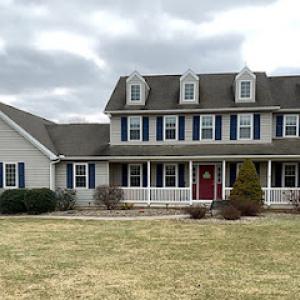
ARC Contracting of Ohio
(330) 968-4023 www.arcofohio.com
4030 OH-43 #105, Kent, Ohio
4.8 from 78 reviews
ARC Contracting of Ohio is a trusted provider of residential and commercial exterior restoration services. Specializing in roofing, siding, windows, and gutters, we help homeowners and businesses recover from storm and weather damage. With expertise in insurance restoration, we work closely with our clients to guide them through the claims process, ensuring they get the coverage they deserve. Our commitment to quality workmanship and customer satisfaction has made us a go-to contractor in the region. Whether you need repairs or a complete exterior renovation, ARC Contracting of Ohio delivers reliable and professional results.
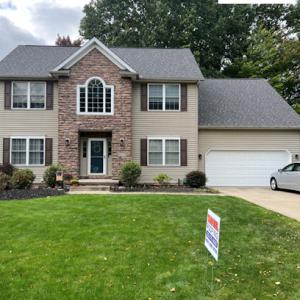
Tarheel Roofing & Construction
(330) 678-9000 www.tarheelroofingconstruction.com
4259 Karg Industrial Pkwy, Kent, Ohio
5.0 from 21 reviews
Established in 2007, Tarheel Roofing and Construction has over five decades of roofing expertise, serving Akron, Kent, Cleveland, and Northeast Ohio. Their services encompass all roofing and construction needs, from new builds, tear-offs, storm damage restoration, repairs to routine maintenance for low-slope and shingle roofs. As a trusted roofing contractor, they guarantee quality workmanship and materials, backed by a dedicated and experienced team, ensuring a seamless and stress-free experience for residential and commercial clients alike.
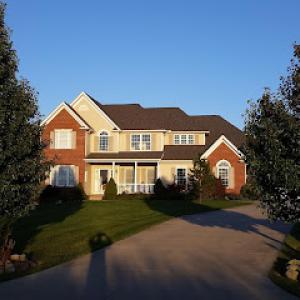
Roofing By Simon
(330) 676-1002 roofingbysimon.com
989 Sandy Lake Rd, Kent, Ohio
5.0 from 17 reviews
Quality, Integrity, and good old-fashioned customer service are the pillars we thrive on. We service residential & commercial roof replacement & repairs.

Paris Roofing
626 Yacavona St, Kent, Ohio
5.0 from 4 reviews
We are a locally owned and operated company that specializes in roofing and siding. Call us for a free estimate today.

At Your Service Roofing- Northeast Ohio
Serving
5.0 from 158 reviews
Roofing company specializing in asphalt shingles and repairs, as well as siding and gutter installation.
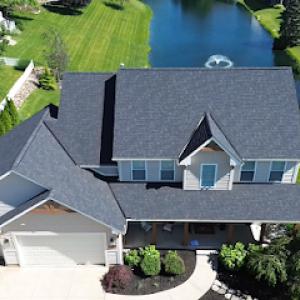
STEP 1 Roofing
(330) 634-6288 step1roofing.com
Serving
5.0 from 70 reviews
STEP 1 Roofing & Construction is a trusted roofing contractor serving Northeast Ohio, based in Stow. We provide roof replacements, permanent roof repairs, siding, gutters, and window services. Shingles only last when the details are done correctly. Every roof we install includes ring-shank nails to resist backing out, new flashing at chimneys, window sills, and roof-to-wall intersections, properly balanced ventilation to manage heat and moisture, and a 50-year rated flexible sealant designed to move with the roof. A roof only lasts as long as its weakest detail. That’s why we build complete roofing systems and perform only permanent repairs using hand-selected materials designed for long-term performance.
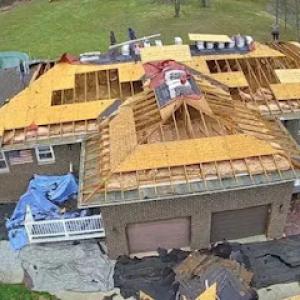
Precision Roofing Contractors of America - PRCA
(330) 592-7950 www.prcaroofing.com
Serving
5.0 from 116 reviews
Located at 121 East Main Street, Ravenna, Ohio 44266, Precision Roofing Contractors of America is committed to delivering exceptional roofing, siding, gutter, and interior services throughout Portage, Summit, Cuyahoga, and Stark counties.
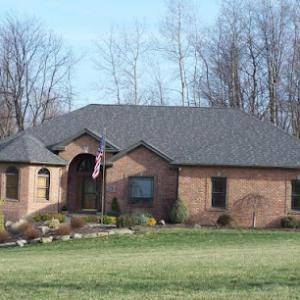
Conley's Roofing
(330) 620-4143 akronroofingcompany.com
Serving
5.0 from 40 reviews
We are a family owned and operated roofing, siding and gutter company. We have three generations working together. I started roofing when I was 16. I have over 28 years of experience. I do all my own pricing and will also be on all the jobs to do the work. Together with my dad, brother and sons, we have over 100 years of experience roofing. I enjoy roofing, sports, travelling and teaching my Sunday school class. I have 3 kids and been have married for 24 years.
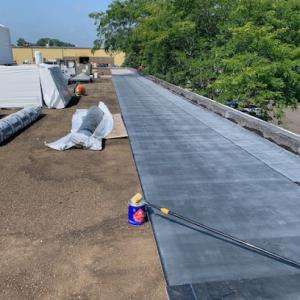
Talon Roofing
Serving
5.0 from 16 reviews
Every Roofing Project Is Unique… Not only from a shingle roof to a flat roof, but from craftsmanship, materials selected, & safety. These details are the essential to provide the client with a quality roofing experience. Trust Talon with the details!
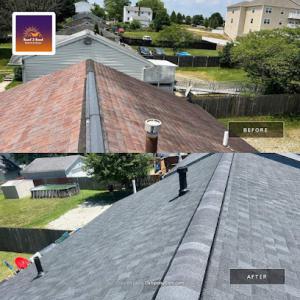
Roof 2 Roof
(440) 279-3799 roof2roofllc.com
Serving
4.0 from 37 reviews
Are you in search of a roofing contractor in Tallmadge OH that you can trust to deliver high-quality roofing solutions? Look no further than Roof 2 Roof - a family-owned and operated business with over 18 years of experience in the industry. We are committed to providing high-quality roofing solutions to both residential and commercial customers. We have serviced most all areas of northeastern Ohio. We are committed to serving our local communities and giving back to those in need. Our expertise includes asphalt shingle roofing, metal roofing, siding repair and installation, downspout cleaning, and much more. We are a proud installer of CertainTeed Landmark Architectural shingles.

Home Genius Exteriors
(216) 208-6373 homegeniusexteriors.com
Serving
4.7 from 702 reviews
Elevate your home with Home Genius Exteriors, setting the standard in Cleveland by offering full-service solutions for roofing, siding, windows, doors, gutters and insulation. We support our veterans and communities by supporting local and national charitable organizations through our Home Genius Cares initiative. With an Owens Corning® Platinum Preferred designation, we also offer flexible payment options, industry leading warranties and a wide range of premium products tailored for your home. It’s time for a different experience, entrust your next home project to a genius and schedule your free inspection today!

Victors Home Solutions
Serving
4.9 from 659 reviews
From our free 21-Point Roof Inspection to our 50-Year Leak Free Guarantee, we’ll protect your home and family for years to come. With almost two decades of roofing experience and a BBB Accredited A+ rating, Victors Home Solutions is the superior roofing and home improvement company across Ohio, Michigan, Kentucky, and Indiana. We provide the highest quality workmanship for residential roof repairs and replacements, seamless gutters, and attic insulation services.
Late spring through early fall is typically the best reroof window in Kent because Ohio winter conditions can disrupt tear-offs and shingle sealing. That means scheduling work when temperatures are consistently above freezing and humidity is moderate, so the shingles lay down properly and sealant has a chance to cure. If a leak or storm damage forces work in late fall, plan for faster pace and shorter days to stay ahead of early sunsets and colder nights. In practice, that window also aligns with the college-town rhythm: there are predictable shoulder-season lulls and a few busy periods around semester changes, so booking a few weeks out helps secure a solid crew and steady material delivery.
Winter ice damming and snow load are recurring concerns in Kent-area roofs, especially where attic heat loss and refreezing at eaves create leak paths. If a roof is compromised during a cold snap, prioritize temporary mitigation-cover exposed openings with sturdy tarps and ensure attic ventilation remains balanced to slow heat buildup that drives ice dam formation. If a full reroof is unavoidable in winter, expect extended timelines and the need for enhanced safety measures on steep or older roofs. Snow accumulation can also hide shingles and make it harder to detect hidden damage, so pre-winter assessments can save surprise calls after storms. When temperatures dip below freezing, many installers pause adhesive work and flashings demand extra curing time, pushing the schedule into the warmer parts of the year if possible.
Late summer heat and humidity can affect installation conditions and adhesive performance, while fall winds and leaf debris can complicate prep and scheduling. Heat can soften asphalt shingles and affect the performance of certain sealants or underlayments, so crews may rotate through daytime shifts to avoid peak heat and keep installation quality high. Heavy summer storm activity often means more emergency calls and a tighter scramble to protect interior spaces while crews bring a roof up to weather-ready status. As temperatures cool into autumn, ensure gutters are cleared to prevent debris buildup that can interfere with flashing and edge fastenings. Fall winds can also test temporary roof protections-quality underlayment, secure edge fasteners, and robust debris containment help reduce call-backs when the season shifts.
In Kent, weather can be a practical constraint rather than a theoretical one. Beginners-friendly guidance is to target steady stretches of dry days, not simply a string of warm days. A realistic plan buffers a couple of rain events, since spring and fall in this region tend to bring rain and brief thundershowers that can stall or slow work without risking shingle damage. Always arrange timing with the contractor around expected school breaks and community events, as the housing stock frequently changes hands in September and June. For flatter roofs with good attic access, temporary relocation of sensitive interior items during tear-offs minimizes the risk of water intrusion and dust migration. For steeper, older homes, consider additional safety checks and a contingency day in the forecast to handle possible wind gusts that can occur during late-summer storms or early autumn fronts.
Before work begins, clear nearby landscaping and outdoor furniture, and ensure access paths stay clear for material deliveries and trash removal. Confirm that your attic is ventilated and insulation is intact to support proper shingle sealing and to reduce future leak risk. If a leak is already present, document the affected areas with photos and notes to expedite coordination after storms. Finally, align the reroof timing with seasonal weather expectations: aim for a dry, moderate period in late spring through early fall to maximize installation quality and minimize callbacks due to weather-related challenges.
Asphalt shingles dominate the market in this area and generally offer the lowest replacement cost range in this market. In Kent, typical pricing runs from roughly 350 to 550 USD per square for a standard tear-off and re-nail when needed. This material handles the freeze-thaw cycles reasonably well and is widely favored for reroofing projects on older homes with mixed neighborhoods and existing chimney and flashing work. Storm-driven demand can tighten schedules and shift pricing upward after hail or wind events, so plan for possible short-term pricing bumps if a storm hits.
Metal roofs sit higher on the price spectrum but deliver long-term durability, which matters with frequent freeze-thaw exposure and rapid spring storms. Expect roughly 650 to 1000 USD per square for metal, including removal of old roofing and installation specifics. Metal can be a smarter long-term choice on steeper or taller roofs where wind resistance and snow shedding matter, but the job tends to require careful flashing and sealant work around chimneys. After hail events, labor pressure tends to rise, nudging costs higher for material and installation combined.
Clay tile represents a premium path in this market, with costs often ranging from 900 to 2000 USD per square. Tile demands specialized labor, particularly for underlayment and precise flashing around vents and chimneys. In older Kent homes with complex rooflines, tile installations can encounter additional tear-off complexity and weight considerations. Storm aftermath can extend scheduling times, potentially extending the project window and impacting overall cost.
Concrete tile sits between clay and asphalt in price, typically from 800 to 1800 USD per square. It offers solid durability against freezing cycles but also requires exacting workmanship for hillside or multi-level layouts common on established blocks. The need to address layered reroofing and flange work around vents adds to the job complexity. After major wind events, availability of skilled crews and material lead times can push both timing and pricing.
Solid wood options usually run from 450 to 750 USD per square, with energy and aesthetic considerations weighing in on choice. Wood performs well in dry periods but needs attention to moisture exposure and proper flashing, especially around dormers and chimney connections. In storm-prone springs, fasteners and edge detailing may receive extra attention, boosting labor time and cost modestly during reroofing cycles.
Slate is at the top end, with costs typically from 1200 to 2800 USD per square. Slate requires highly specialized labor, precise installation around flashing details, and careful roof support considerations on older structures. In a market with layered reroofs and historic homes, slate projects can be longer in duration and more sensitive to scheduling pressures after hail or wind events, which can push prices up through both material and labor components.
A full reroof in Kent typically requires a permit through the City of Kent Building Department. This isn't a formality grease-stain situation; it's how the city ensures that work meets local wind, snow load, and fire-code standards that are particularly relevant to our freeze-thaw cycles. Before any shingles come off or new underlayment goes on, your contractor should pull the permit and file the required paperwork. The reroof permit process generally requires contractor license details, project scope, and material specifications before work begins. Be prepared to provide a clear project plan that outlines the number of layers to be removed, the type of underlayment to be installed, and the exact shingles or panels to be used. In neighborhoods with older housing stock, inspectors may ask for a bit more detail on penetrations around vents, chimneys, and skylights to verify proper sealing and ventilation.
In practice, homeowners should expect an in-progress inspection during installation in addition to the required permit review. During this in-progress check, the inspector will look at critical transition points: how the roof deck is prepared, the quality of the underlayment, fastener patterns, and the method used to seal around protrusions. That storm-damaged roof in a college-town block often reveals mismatched fasteners or inadequate drip edge installation; the in-progress inspection is the time to address those issues before the final surface goes on. Cooperation with the inspector is key-keep access clear and ensure any temporary repairs or tarping are done in a way that does not obscure the underlying work. If any deviations from the approved plan are necessary, communicate them through the contractor to the Building Department so the permit can be amended without delaying the project.
The final inspection after completion verifies that all work adheres to current code, including wind-rated fastenings and proper flashings around chimneys and roof-to-wall transitions. In residential blocks with mixed-age homes, inspectors will sometimes compare the new installation to surrounding roofs to ensure compatibility with local climate stresses. Practical tips: keep the permit number handy for the inspector, document storm-related damage assessments for the scope of work, and maintain a clean roof line during the process to facilitate accessible inspection points. If the final pass reveals minor adjustments needed, address them promptly through your contractor, since delayed close-out can affect warranty activation and future service.
Asphalt shingles are the most practical fit for many Kent homes because they are widely used locally and align with the region's typical replacement timing from late spring to early fall. The balance between cost, ease of installation, and widespread contractor familiarity makes asphalt a reliable choice when a quick, predictable reroof is needed after harsh winters and spring storms. In areas that experience freeze-thaw cycles, a properly vented attic and a sound underlayment help prevent edge lift and ice dam development. Local crews often favor shingles with integrated algae resistance and reflective granules to reduce heat buildup on attic spaces during warmer months.
Metal roofing has a meaningful presence in Kent and can appeal to homeowners looking for durability against snow shedding and repeated seasonal weather swings. Standing-seam or commercially oriented metal systems shed snow efficiently and resist repeated wind-driven impacts from hail events. For homes near older neighborhoods with shorter overhangs or unique roof pitches, careful detailing around dormers, chimneys, and valley flashings is essential to avoid leaks after freeze-thaw cycles. Metal roofs also respond well to meticulous sealing at penetrations and at the eave line, where ice buildup can occur with windy Nor'easter-like drafts.
Slate, clay tile, concrete tile, and wood products are present in the market but require closer attention to structural load, flashing details, and specialized repair availability in a city where asphalt reroofing is far more common. Slate and clay/concrete tiles are notably heavier and demand a reinforced deck, plus precise flashing transitions for storm-driven rain and snow. Wood shingles or shakes bring warmth and authenticity but can suffer in freeze-thaw conditions if not properly maintained, as gaps and edge wear invite moisture intrusion. Local contractors with experience in mixed-age housing stock can advise on compatibility with existing sheathing and attic ventilation.
When evaluating material choices, consider the typical housing stock in the area, where reroofs are often triggered by spring storms and wear from winter cycles. Regardless of material, priority given to robust flashing, proper ventilation, and a durable underlayment helps address Kent's freeze-thaw realities and keeps leaks at bay during the wet seasons.
Kent's freeze-thaw pattern makes flashing transitions around skylights and chimneys more vulnerable as sealants and metal details expand, contract, and age. In practice, that means a small crack or loose piece can become a persistent drip after a few cycles of freeze and melt. The roof's edge around a skylight or chimney is where wind-driven rain and snowmelt stress converge, so it's critical to inspect these joints after harsh snaps of weather and after heavy precipitation events.
Older homes common in established neighborhoods often have multiple roof penetrations and masonry intersections that need closer inspection during reroofing. More than one vent, boot, or step flashing can create a quilt of potential leaks if any seam isn't perfectly sealed. When reroofing, it's essential to verify that each penetration is flashed correctly and that transitions between different roofing materials are eased properly to prevent trap points where water can linger.
Small winter entry points around penetrations can become larger spring leak issues after snowmelt and repeated rain events. Pay attention to attic staining, musty odors, or sudden damp spots on ceilings near chimneys and skylights after thaws. If a leak appears only after a thaw or a storm sequence, inspect the flashing greases, sealants, and metal details first, then recheck after a wind-driven rain to catch hidden failures before they escalate.
Find contractors experienced in skylight installation, flashing, and leak repairs to bring natural light into your home.
ARC Contracting of Ohio
(330) 968-4023 www.arcofohio.com
4030 OH-43 #105, Kent, Ohio
4.8 from 78 reviews
Tarheel Roofing & Construction
(330) 678-9000 www.tarheelroofingconstruction.com
4259 Karg Industrial Pkwy, Kent, Ohio
5.0 from 21 reviews
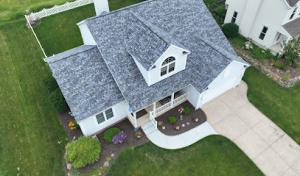
When a hail, wind, or freeze-thaw event hits a rental or owner-occupied home with aging shingles and tighter attic spaces, start gathering evidence the moment conditions allow. Kent homeowners should document storm damage immediately with date-stamped photos of shingles, flashing, gutters, ceilings, and any temporary tarping before repairs proceed. Keep the original date and time on every photo and note weather conditions in a simple log. This is especially important in a college-town neighborhood where winter storms can compound wear from prior seasons.
Take wide shots of the roof line and any visible impact areas, then close-ups of granule loss, bent edges, or lifted shingles. Include interior shots of roof leaks around ceiling stains, warped drywall, and any signs of moisture near attic vents. Photograph gutters and downspouts for denting or loosened connections. If temporary tarping is used, photograph both before and after installation to show the extent of temporary mitigation. In a town with frequent spring storms, timing your photos after the event but before repairs begins helps maintain an accurate record.
Because hail and wind claims are common in Ohio, adjusters may scrutinize whether damage is sudden storm loss versus older wear from freeze-thaw aging. Present the sequence of events: the storm date, the immediate effects observed, and any temporary measures taken to prevent further damage. Having a clear narrative tied to the photo log helps the insurer see the escalation from wind-driven shingle lift to water intrusion, rather than attributing it to preexisting conditions alone.
A clearly written scope of work is especially important in active reroof market so insurance approvals match what the contractor actually replaces. List each component planned for replacement, including shingles, flashing, drip edge, underlayment, vents, and any necessary attic repairs. If feasible, attach product names, starter details, and window/penetration fixes. This precise scope reduces back-and-forth and aligns approvals with the contractor's onsite measurements and material selections.
Emergency response matters in Kent because winter snowmelt and spring rain can quickly worsen exposed decking after shingles lift or flashing fails. When a storm hits, weak spots turn into active leaks in hours, especially where attic ventilation is poor or the roof edge has seen repeated freeze-thaw cycles. Rapid action protects interior finishes and buys time for a permanent fix.
If you notice water staining or dripping, set up a temporary shield right away. Use a sturdy tarp or roofers' plastic over the affected area, securing the edges with nails or roof brackets to prevent wind displacement. Do not rely on plastic alone in a windy Kent spring; add a weighted barrier or sandbags to keep it in place. Clear a dry path from the interior to a safe exit for any standing water, and place towels or buckets to catch drips. If you can safely reach the attic, stop the source by gently pressing down on any loose flashing and sealing gaps with temporary roof cement or exterior-grade tape.
From ground level, note lifted shingles, torn flashing, and nail pops along eaves and valleys. Photograph multiple angles, including interior water intrusion and any ceiling stains. Door-to-door observations or a neighbor's report can help confirm whether a quick tarping job remains the best immediate step or if a full re-cover is warranted once temperatures permit.
Maintain clear, dated records of the storm event, the tarping process, and any interior damage. Save all photos and note the exact time the leak began, plus who you contacted for emergency help. This documentation supports claims and helps the adjuster understand the urgency of the repair window during seasonal storm activity.
When you can't wait, these contractors offer fast response times to stop leaks and prevent further damage.
Roofing By Simon
(330) 676-1002 roofingbysimon.com
989 Sandy Lake Rd, Kent, Ohio
5.0 from 17 reviews