
Last updated: Apr 19, 2026
Contractor demand in this market is driven by sudden damage signals: a wind-driven shingle lift, hail dents, or an elusive leak that appears after a heavy storm. Those events trigger next-day assessments and urgent repairs more than any planned upgrade. In this neighborhood, projects often begin the moment a roof is found to be damaged, paperwork is prepared for an insurance claim, and an emergency tarping crew is mobilized. Do not wait for the next storm to reveal what a slow, quiet weekend can't uncover. If you notice loose granules in gutters, lifted edges on shingles, or a damp ceiling after a wind event, treat it as a high-priority warning. The sooner a pro documents the damage, the better your leverage when negotiating the claim and the faster you can prevent interior contamination.
In this climate, spring storms bring the most dangerous mix: hail potential paired with high winds that can rip through weaker roof edges and vent closures. It is common for homeowners to discover impact damage only after the thaw reveals attic or ceiling leaks. Winter snow and ice load adds its own strain, and the thaw period surfaces leaks that were dormant. Freeze-thaw cycling can turn a minor flashing gap or a seam leak into a full-blown interior moisture problem in a flash. The cycle is relentless: storms damage the roof, ice and thaw expose the weak spots, and delayed repairs let minor issues grow into significant, costlier problems. Plan for faster action during the first warm stretches of spring and again right after a major thaw, so you aren't left chasing drips during the peak repair season.
Given how quickly a small flaw can become a big leak, rapid tarping or other temporary protection is not optional-it is essential. When wind or hail hits, seal or tarp exposed penetrations, vent pipes, gaps around chimneys, and parapet edges as soon as it is safe to do so. If interior water shows up after a thaw, stopgap measures should be in place to limit further damage while a full roof replacement is scheduled. A homeowner should not wait on this step; it buys time to select the right contractor and to align insurance documentation with the actual damage, so the main roof work can proceed with minimal delay once the weather window opens.
Storm damage requires precise documentation: before-and-after photos, a dated log of events, and a clear record of who did what when. Insurance claims in this market hinge on fast, credible documentation of wind or hail impact and the resulting leaks. Gather photos of damaged shingles, flashing, and interior moisture, plus any weather alerts or storm reports. A timeline that shows how damage progressed helps a claim move through the system without paralysis. When a contractor arrives, expect a transparent, rapid assessment, because the market rewards quick decisions and clear communication with insurance adjusters.

Hometown Roofing & Construction
(330) 578-7331 www.hometownroofing.us
1840 Town Park Blvd E, Uniontown, Ohio
5.0 from 179 reviews
Hometown Roofing & Construction in Uniontown, OH provides professional roof replacement services tailored to local homeowners. With Ohio’s mix of heavy snow, rain, and summer heat, roofs in Summit County often face premature wear, leaks, and storm damage. Our team specializes in full roof replacements designed to improve durability, efficiency, and curb appeal. We work with precision to ensure your home stays protected from the area’s unpredictable weather. As experienced roofers in Uniontown, we are known for dependable service, skilled craftsmanship, and trusted expertise in handling roofing projects of all sizes.
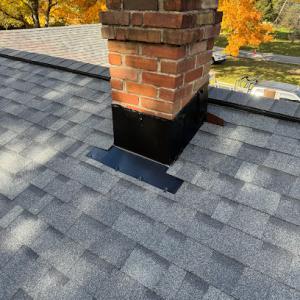
AL Brothers Roofing
(330) 280-6733 albrothersroof.com
11722 Lela Ave NW, Uniontown, Ohio
5.0 from 122 reviews
local Roofing Contractor. Free estimates for any roof don't hesitate to call anytime. AL Brothers Roofing is fully insured and bonded.

Joey Seamless Gutters
(330) 802-6366 www.joeyseamlessgutters.com
Uniontown, Ohio
4.7 from 70 reviews
The experts of HGTV say you should always have gutter guards. Gutter guards are incredibly cost effective and useful. They eliminate the need for what can be a dangerous chore, while increasing property value. For these reasons it doesn't make any sense to not have them. Gutter guards fall into 2 categories: gutter covers and gutter screens. Screens are usually made of wire mesh, nylon or foam. Gutter screens are simpler and cheaper to install, but usually don’t last as long. Gutter covers sit on top of your gutters, so their appearance is often more pleasing. Also, gutter covers limit the water flow into your gutters because… well… they cover the gutters. They can be made out of a variety of materials, including copper, aluminum, plasti...
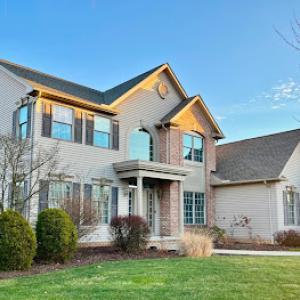
Bronco Roofing
(330) 703-5199 broncoroofingohio.com
2780 Wright Rd NW, Uniontown, Ohio
4.8 from 19 reviews
Our high-quality products are durable and customizable for your home or business, from classic asphalt shingles to modern metal roofing, stylish specialty siding to a range of accessories. Need repairs? Dealing with storm damage? We will give you an honest assessment and work with your insurance company to get you the coverage you deserve. Our team is trained, experienced, certified, and insured. Call today for a free quote for your residential or commercial roofing or siding project.
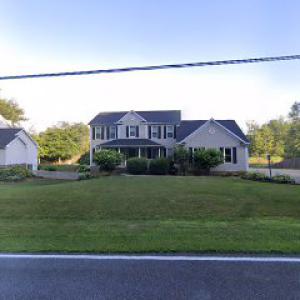
Tri-Star Home Improvements
(330) 815-9800 www.tristarhomeimprovements.com
3082 Kreighbaum Rd, Uniontown, Ohio
5.0 from 9 reviews
We are a locally owned roofing and window installation company serving Uniontown and surrounding areas with 29 years of experience. We specialize in roof replacements, repairs, and professional window installation for residential and commercial properties. Our team is committed to quality workmanship, durable materials, and dependable service. Customer satisfaction and attention to detail have been the foundation of our business for nearly three decades.
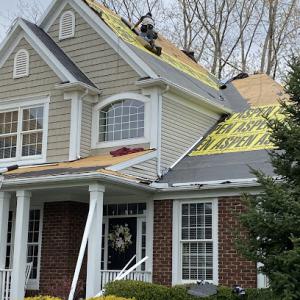
Aspen Contracting
(330) 548-2766 www.roofsbyaspen.com
Uniontown, Ohio
4.2 from 5 reviews
Locally Owned And Operated With Over 22 Years Experience 24 Hour Emergency Services Available
Eagle Eye Roofing
(330) 777-1254 eagleeyeroofing.us
Serving
4.9 from 264 reviews
Eagle Eye Roofing is a roofing company in Uniontown, OH servicing Akron and Uniontown and nearby areas. Our roofing company offers residential roofing, commercial roofing, roof repair, asphalt shingle roofing, and many more. Customers love us because of our comprehensive roof warranties and affordable roof financing options. We also have industry affiliations and certifications such Certainteed Shingle Masters, Atlas, and Owens Corning. If you want to experience how your most trusted Akron and Uniontown roofing company embraces our motto “We've Got You Covered”, call us now for a free estimate!
Royalty Roofing
(330) 964-8149 www.royaltyroofs.com
Serving
4.9 from 1777 reviews
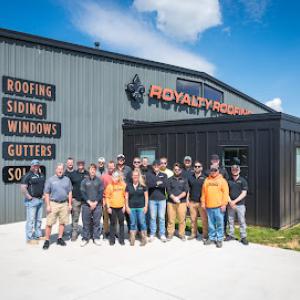
Since 2011, Royalty Roofing has been a trusted leader in residential and commercial exterior services across Northeast Ohio. Specializing in roofing, siding, and window installations, we offer an extensive range of high-quality solutions to protect and beautify your home. Our commitment to superior craftsmanship and professional service ensures every project is completed to the highest standards. In addition to exterior contracting, Royalty Roofing also provides expert solar energy system services, helping you enhance your home's efficiency and value.
Direct Trades Connection
(330) 414-3845 www.directtradesconnection.com
Serving
4.9 from 41 reviews
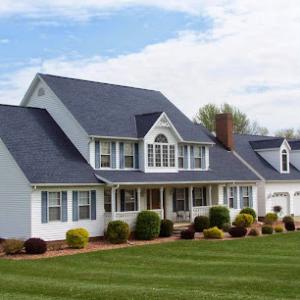
We are introducing a new way to select a contractor for your next project. Call us to see how small businesses working together can help you get the best quality and service for your construction project. We offer customized solutions to meet your needs. Our services are tailor-designed to fit your wants and budget. From the roof to the basement, our 31 years of experience can provide you with quality craftsmanship that is guaranteed.
J&K Exteriors
(234) 521-2409 www.jk-exteriors.com
Serving
5.0 from 11 reviews
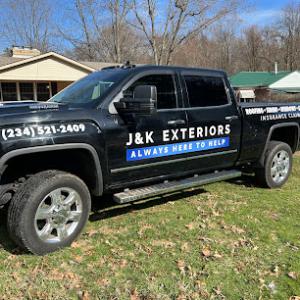
At J&K Exteriors, we provide roofing, siding, gutters, and doors for families in Canton, Garfield Heights, Maple Heights, Bedford Heights, Northfield, and throughout Stark, Summit, Mahoning, and Tuscarawas Counties. Known as insurance and storm claim specialists, our team guides homeowners from inspection to completion. From storm damage restoration to new installations, J&K Exteriors delivers dependable service and lasting results.
Tony Newman Roofing
(330) 745-5076 tonynewmanroofing.com
Serving
4.9 from 41 reviews
Tony Newman Roofing is a full service roofing contractor that has been serving the Akron, Canton, and Barberton, Ohio area since 1989. We offer Free, No Hassle Estimates. We are experts in tear-offs, re-roofing, leak repair, chimney repair, complete roof evaluations, and maintenance programs. In addition, we offer 24-hour Emergency Service. Tony Newman Roofing can install your new roof or repair your current roof! So why should you choose us over the other guys? We have an A+ rating with the Better Business Bureau. This is the highest rating they offer. Tony Newman Roofing is also an Owens Corning Preferred Contractor. We got this because of our customer service .
White Glove Exteriors
(330) 305-9400 whitegloveexteriors.net
Serving
4.7 from 75 reviews
For 30 years, White Glove Exteriors has prided itself on providing the highest quality roofing, siding, and window installations in NE Ohio. We don't know of a home improvement company that is as transparent in terms of pricing in the way that we are. We provide not only the UPFRONT cost of the material regarding your specific project, but the cost of the labor required for each project as well. Ask most any contractor what their breakdown ( Material/Labor/Profit) for your Specific project is, and more often times than not, you'll hear " Sharing that information is not our Policy", and that's because if you actually knew what the job REALLY cost.....You'd be Disgusted. See the difference Transparency in Pricing actually makes.
Storm activity is a regular part of life around here, and insurers pay close attention to how a roof was battered versus how it simply aged over time. In Uniontown, wind and hail coverage is common, but claims often hinge on clear photo documentation, contractor estimates, and an adjuster inspection before any scope is approved. The goal is to separate sudden storm damage from age-related wear that an insurer may dispute. When a hail event hits, the first impression matters: photos should capture dented shingles, lifted granules, damaged flashings, and any damaged gutter components. If a roof has visible shingles curling or cupping from years of sun and temperature swings, be prepared for questions about whether that wear contributed to leaks or was purely weather-driven damage.
As soon as the storm passes, assemble a tight packet that tells a factual story. Start with a dated, high-resolution photo set that shows damage from multiple angles and includes nearby landmarks for reference. Include close-ups of lifted or cracked shingles, damaged flashing around chimneys and vents, and any interior signs of leaking that align with the roof line. Gather three to five contractor estimates from reputable local roofers who are licensed and carry proper insurance. Each estimate should itemize work, materials, and a noticeable start-and-end window. An adjuster will compare these numbers to the condition seen on site, so consistency matters. Keep your notes clear about when you first noticed leaks or moisture in the attic, and note any prior repairs that could influence the assessment.
In this area, the adjuster often participates early in the process to verify damage scope before work can begin. Expect an inspection appointment where the adjuster reviews the roof, attic insulation, and ventilation, along with exterior building components like fascia and gutters. Having an independent, professional roof inspection that documents both storm damage and the current condition of underlayment and flashing can help the adjuster see the full picture. If the underlayment shows wear or improper installation, that can influence the scope and the decision on coverage. Be ready to provide the adjuster with your contractor estimates and a concise summary that differentiates new damage from pre-existing conditions. The clearer the documentation, the smoother the review.
Because storm-related contractor activity is so prevalent in this market, claim documentation needs to clearly separate sudden storm damage from age-related wear. Prepare a timeline that marks the storm date, subsequent observations of leaks or roof surface changes, and any interim repairs. Photographs should illustrate not only the damage itself but the surrounding roof systems-underlayment seam lines, flashing around chimneys and vents, attic ventilation louvers, and insulation condition. If a carrier questions the age of the roof, reference the installation date, any prior hail claims, and the first year when leaks or drafts appeared, all supported by notes and photos. This level of detail helps insurers see that the claim corresponds to a weather event rather than a gradual deterioration.
Local replacement decisions are increasingly affected by insurer scrutiny of older roofs, with some carriers paying closer attention to underlayment, flashing, and attic ventilation when a roof is replaced after a claim. When preparing for replacement, ensure these components are evaluated and documented. If the claim progresses to replacement, have the contractor include updated attic ventilation checks and proper flashing restoration in the scope. Good communication between you, your contractor, and the insurer keeps the process moving and reduces the risk of contention over scope, especially during the winter-ready phase when Northeast Ohio's freeze-thaw cycle can complicate timing.
Connect with contractors who help homeowners navigate the claims process from damage assessment to final approval.

Hometown Roofing & Construction
(330) 578-7331 www.hometownroofing.us
1840 Town Park Blvd E, Uniontown, Ohio
5.0 from 179 reviews
AL Brothers Roofing
(330) 280-6733 albrothersroof.com
11722 Lela Ave NW, Uniontown, Ohio
5.0 from 122 reviews
Bronco Roofing
(330) 703-5199 broncoroofingohio.com
2780 Wright Rd NW, Uniontown, Ohio
4.8 from 19 reviews
Uniontown roofs endure repeated winter freeze-thaw cycles that can lift shingle edges, widen flashing gaps, and drive water into vulnerable roof transitions. The way moisture moves through the roof system in this climate means a small gap or lift can become a pathway for leaks once a warm afternoon follows a string of cold days. Shingle edges that curl or lift aren't just cosmetic issues; they're openings that invite water under the covering during refreezes and thaws. In homes with older flashing around chimneys, skylights, or dormers, those seams are already potential trouble spots the freeze-thaw pattern loves to exploit. The repetitive stress compounds over years, so what begins as a minor lift can gradually widen into a more serious vulnerability, especially after winter storms.
Ice dams and snow loads are a stated regional risk here, making attic moisture control and roof ventilation more than a comfort issue for Northeast Ohio homes. When snow sits on a roof, heat escaping from the attic can melt a thin layer of ice at the eaves, which then refreezes into an ice dam that backs water up under the shingles. The result is a slow, creeping intrusion that often shows up as staining or damp spots along the eave line and into the soffits. Proper attic ventilation helps keep the roof deck closer to outside temperatures, slowing that melting pattern. In practice, that means balanced intake and exhaust vents, unobstructed soffit ventilation, and insulation that stops warm air from traveling up into the roof assembly. Without this balance, moisture condenses in the attic and finds its way to vulnerable transitions-valleys, penetrations, and gutter lines-where backwater refreezing can push water beneath the shingles.
Leak patterns in this part of Northeast Ohio often appear around eaves, valleys, penetrations, and gutter lines after snowmelt refreezes and backs water up under the roof covering. Eaves are the most telling first signs-stains, bubbled paint, or damp rafters near the soffit can indicate slow seepage from an ice dam or a marginally elevated roof edge. Valleys concentrate runoff, so deterioration there or where two planes meet the deck is a frequent culvert for moisture. Around penetrations-the vent pipes, chimney flashing, or skylight surrounds-water tends to follow the path of least resistance, seeking any small gap to seep through. Gutter lines can trap meltwater and widen preexisting gaps, turning a routine melt into a stealth leak. The practical takeaway is vigilance: inspect after storms when meltwater refreezes, and watch for wet spots that appear during thaw cycles.
To counter these patterns, keep an eye on insulation and venting while ensuring flashing remains solid. Focus on eliminating heat sources that travel to the attic, seal gaps around penetrations, and keep gutters clear to prevent backed-up runoff from lingering at the eaves. Regular inspections after heavy snows and during the first thaw are essential, because early detection of lift or flashing gaps prevents more extensive damage as temperatures swing. When leaks appear, prioritize addressing the source-whether it's a lifted shingle edge, a compromised flashing seam, or a clogged gutter-before interior damage compounds. In this climate, proactive maintenance isn't just a recommendation; it's a practical shield against the long-term effects of freeze-thaw cycles.
The preferred roof replacement season in Uniontown runs from late spring through early autumn, when installation conditions are better for sealing details and long-term performance. If a roof had storm damage late in the season, scheduling may slide into early autumn, but aim for the core window when temperatures are moderate and installers can reliably protect underlayment and vent details. This timing helps crews install with proper overlaps, flashing, and ventilation checks, reducing the chance of resealing calls after a freeze-thaw cycle.
Winter emergency work is common in this market, but full replacement scheduling is more reliable once Northeast Ohio temperatures moderate and storm backlogs are manageable. If an urgent leak appears in winter, prioritize temporary measures that buy time without compromising the attic's moisture balance. When the weather allows, complete the full replacement promptly to avoid repeated freeze-thaw stress on any newly installed components. Keep a plan for weather-driven delays, and communicate realistic windows to the insuranceadjuster or contractor so there is momentum once conditions improve.
Summer heat still matters locally because it can stress ventilation performance, so attic airflow should be treated as part of replacement timing rather than a separate upgrade. Before crews arrive, verify attic intake and exhaust vents are clean and unobstructed, and that soffit, ridge, or gable vents are compatible with the chosen roof system. If a ventilation upgrade is needed to support a higher-performance underlayment or a cooler attic environment, coordinate it with the roof replacement so airflow changes aren't left to a later, disruptive retrofit.
Storm damage documentation is crucial for a smooth process in this market. Gather photos of damage, note dates, and keep a record of correspondence with the insurer and contractor. Clear documentation helps justify a coordinated schedule that aligns with favorable weather and avoids last-minute cancellations near the changeover between seasons. Coordinate timing with insurance milestones to minimize out-of-pocket exposure and maximize the likelihood of a seamless, long-lasting result.
Asphalt shingles dominate the local market in Uniontown due to their balance of performance and cost, especially after a storm when replacement is common. This material handles the Northeast Ohio freeze-thaw cycle reasonably well when installed with proper attic ventilation and underlayment. If a re-roof is on the horizon after hail or wind damage, you can expect quick installation timelines and a broad network of local crews familiar with post-storm sequencing and insurance documentation. When choosing asphalt, look for a reinforced backbone and granule adhesion designed to resist wind uplift in the exposed spring squalls that sometimes sweep across the foothills.
Metal roofing has meaningful traction and stands out as a realistic upgrade path for those prioritizing long-term durability through snow, ice, and wind exposure. In this market, metal blends well with existing homes that have varied rooflines or require a flatter reseal after impact. The upgrade pays off when colder months arrive, since metal sheds ice more predictably and tends to shed heavy snow more safely. However, weight, fastener placement, and proper sealing at seams become crucial, especially on multi-story or architectural designs common to the area. A metal roof also pairs well with modern attic ventilation strategies that help minimize condensation during thaw cycles.
Tile, wood, and synthetic options exist, but their suitability hinges on whether the home can handle added weight and the maintenance expectations tied to a Northeast Ohio climate. Clay and concrete tiles bring excellent longevity but can strain over time if the roof framing isn't rated for their load, particularly on older or mid-century homes with mixed construction. Wood shingles or shakes offer distinctive curb appeal but require diligent maintenance to resist moisture and freeze-thaw cracking. Synthetic or composite shingles can strike a balance, delivering adjusted weight and improved weather resistance, yet still require consideration of the local exposure to wind-driven rain and seasonal temperature swings. In any of these options, a careful assessment of roof structure, insulation, and the potential need for reinforcement is essential to ensure long-running performance through the region's harsh winters and storm seasons.
In this market, asphalt shingles run about $320 to $560 per square, metal from $700 to $1100, clay tile $1100 to $1700, concrete tile $900 to $1500, wood shingles or shakes $600 to $1000, and synthetic or composite shingles $500 to $900 per square. Those numbers reflect a typical Uniontown job with standard underlayment and flashing and do not include unusual deck conditions or extensive ventilation work. If your home uses an unusual roof pitch or skylight setup, expect toward the higher end of the range.
Storm-driven demand can push project costs upward when many homeowners are booking repairs and replacements at the same time after hail, wind, or winter leak events. In practice, that means schedule windows tighten and material availability can shift. If a hail event hits, you may see faster turnarounds but elevated prices, especially for popular profiles like architectural asphalt or metal panels. Plan for a short-term premium if the market is busy, and lock in materials and scheduling early when possible.
Permit-free adjustments aside, final pricing changes with code-compliant underlayment and flashing details and with proper ventilation corrections. Even if the roof covering stays the same, Uniontown homes with older venting or marginal attic insulation can incur extra costs to bring the system up to current performance standards. Factor in a modest increase for upgrades to ridge or soffit vents and for sealing around penetrations like chimneys and dormers to prevent future leaks during Northeast Ohio's freeze-thaw cycles.
Don't let upfront costs delay a critical repair - these contractors offer payment plans to fit your budget.
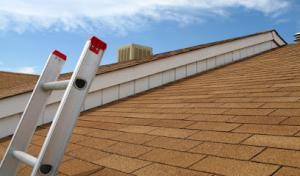
A full roof replacement in this area typically requires a building permit rather than treating the job as cosmetic maintenance. The local process is not something to skip or postpone, because the permit signals the project aligns with current code, safety standards, and neighborhood expectations. Plan ahead so the permit is in place before any ladder work or shingle removal begins.
The local building department reviews roofing work for code compliance and schedules an inspection after completion. Permit closeout is not an afterthought; it is part of the project timeline. Expect the department to verify fasteners, underlayment, ventilation, and flashing details during the final check. A smooth inspection often hinges on coordinating a clear work log and readily accessible material certifications.
Replacement work is expected to address underlayment, flashing, and ventilation as part of the permit and inspection process. The contractor typically handles pulling the permit and coordinating inspection appointments. Confirm early who will file and who will be present for the final inspection, so nothing stalls at the end.
Keep copies of all roof-related permits, inspection notices, and any amendments. During planning, discuss required venting and attic protection to prevent issues during the next Northeast Ohio freeze-thaw cycle. Schedule work in a window that allows for a timely inspection after installation, and ensure the contractor can provide access and documentation promptly if the inspector requests it.
Skylights are a meaningful specialty in this market, and the combination of freeze-thaw movement and storm exposure can turn marginal skylight flashing into recurring leaks. After a cold snap followed by rain, you may notice damp spots near skylight surrounds or interior staining that isn't tied to the shingle field. In Uniontown, the most reliable fix is timely attention to the flashing at the skylight flange, the curb, and any sealant transitions. Expect that aging sealants, loose fasteners, or improper slope around the unit create trouble first, long before roof shingles show wear. A careful inspection should verify that the skylight itself is square, the flashing is continuous, and the backsplash of ice dam buildup isn't forcing water under the roof deck.
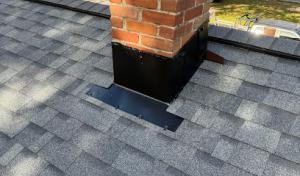
Chimney-related roof transitions are a common failure point in the local contractor landscape, making masonry-to-roof flashing a practical inspection focal for homeowners. Cold-season moisture can wick into mortar joints and push on flashing corners during thaw cycles, causing hairline leaks that seem to appear after a windy day. Look for rusted or squeezed metal, deteriorated boot boots, or deteriorating sealing caulk along the step flashing. In many cases, upgrading or resealing the chimney flashing and ensuring a tight transition from masonry to roof deck stops the leak at its source rather than chasing drips inside the attic.
In this region, leak callbacks often center on penetrations and transition details rather than the field shingles alone, especially after winter moisture cycling or spring wind-driven rain. Pay attention to where pipes, vents, and attic penetrations meet the roof, plus any corners where two roof planes converge. Regular checks after harsh freezes and windy springs catch problems early, preventing a small issue from becoming a costly repair.
Find contractors experienced in skylight installation, flashing, and leak repairs to bring natural light into your home.
AL Brothers Roofing
(330) 280-6733 albrothersroof.com
11722 Lela Ave NW, Uniontown, Ohio
5.0 from 122 reviews
Bronco Roofing
(330) 703-5199 broncoroofingohio.com
2780 Wright Rd NW, Uniontown, Ohio
4.8 from 19 reviews
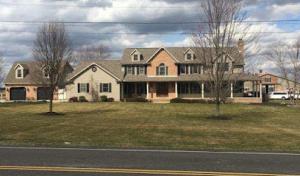
When a storm hits, Uniontown homeowners value contractors who can be on-site fast, assess damage clearly, and outline a focused plan. The strongest hiring signals favor crews that show up, tarp or cover quickly if needed, and hose down the area after work to contain debris. A roofer who can slot you into a sensible timeline, even amid insurance paperwork and storm scheduling, earns trust more than the one who quotes first and delays later.
Experience with re-roofing is essential, especially for the common suburban homes with mixed roof lines and older decking found in this market. Look for a proven track record of complete tear-off and a thorough cleanup. The right team will document what was removed, protect landscaping, and perform a final walk-through with you to confirm everything is finished before leaving the driveway clean.
Storm work means documentation matters. Expect contractors to provide written damage assessments, color and shingle availability notes, and a clear sequence of steps for wind, hail, and freeze-thaw cycles. In periods of high demand, choose crews that can keep you informed with regular updates and respect your preferred pacing for decisions and scheduling, so not a single rain shower derails timing.
Long-established, family-owned and locally owned firms maintain a visible local footprint. You'll notice neighborhood conversations naturally gravitate toward these firms, which often prioritize consistent communication and accountability. That said, larger response-oriented teams can deliver speed; the best choice blends reliable neighborhood reputation with the capacity to manage storm surge calmly.
Ask for a written scope, a staged timeline, and a cleanup checklist. Verify that the crew will protect every edge and gutter, document damage clearly, and provide a transparent path from inspection to completion. Trust signals emerge when the contractor can narrate steps you can track week by week.