
Last updated: Apr 19, 2026
Hail activity and high winds drive frequent roof claim activity in this market, and the next storm can leave hidden trouble that worsens quickly if left unchecked. After every major hail event or wind gust, you should approach the roof with a flashlight and a ladder safety plan to identify bruising, lifted or missing shingles, flashing gaps, and any interior signs of water intrusion like stains on ceilings or damp insulation. In Northeast Ohio's freeze-thaw cycle, small gaps can widen into leaks as temperatures swing. Since the roof is a primary weather barrier, delaying a thorough inspection increases the risk of widespread damage that compounds interior costs and extends repair timelines.
Because insurers in this market frequently ask for roof age documentation plus before-and-after photos, a clear, dated record of condition is essential. Start with a wide shot of the entire roof to capture overall wear and any obvious storm damage. Then zoom in on shingle bruising, lifted tabs, missing granules, and cracking near valleys, hips, and vents. Take photos of flashing around chimneys and vents for signs of displacement or corrosion. Inside the attic, photograph any staining, condensation, or signs of roof leaks, such as dark spots on plywood or warped insulation. Maintain a simple dated log of storm dates and the exact observed issues. If you can, obtain a professional assessment soon after the storm to corroborate your documentation; experts who understand Hudson's steep-sloped stock can distinguish wind-driven lift from installation quirks that mimic damage.
Fall hail risk and spring wind-driven rain create claim surges that affect contractor scheduling and material availability. If a storm hits during peak season, you may face longer wait times for inspections and emergency tarping, so act quickly: secure temporary protection for exposed roof edges to prevent further water entry, and preserve damaged shingles for the adjuster's review. When you file a claim, provide the documentation promptly and request a written timeline from your insurer for the next steps. If a contractor identifies widespread damage early, coordinate with the insurer to align on scope before major components are ordered, so you aren't left with backordered underlayment, vents, or fasteners during a fragile stretch of weather. Maintain a cautious approach to temporary fixes; keep receipts and document any improvised strategies so they are clearly tied to the storm event rather than ongoing wear.
Track the claim number, adjuster visits, and any required supplemental photos or measurements. If you notice interior leaks, isolate affected rooms and document with dated photos, then notify the insurer immediately. For Hudson homeowners, the combination of steep slopes and heavy shingle loads means that roof decks and underlayment documentation matter just as much as the surface. Ask your contractor to provide a detailed repair plan that notes shingle alignment, nail patterns, and venting verification tailored to Northeast Ohio conditions. Staying proactive with clear photos, a precise damage log, and timely communication helps ensure the claim proceeds without unnecessary delays and supports a solid, durable restoration when spring winds return.
Find local contractors experienced in assessing and restoring roofs after hail, wind, and severe weather events.
Certified Roofing
(216) 336-1205 www.certifiedroofing.site
118 W Streetsboro St #253, Hudson, Ohio
4.8 from 29 reviews
Ultimate Home Remodelers
(330) 554-6703 www.facebook.com
118 W Streetsboro St #230, Hudson, Ohio
4.6 from 33 reviews
Talon Roofing
1737 Georgetown Rd # F, Hudson, Ohio
5.0 from 16 reviews
Every Roofing Project Is Unique… Not only from a shingle roof to a flat roof, but from craftsmanship, materials selected, & safety. These details are the essential to provide the client with a quality roofing experience. Trust Talon with the details!
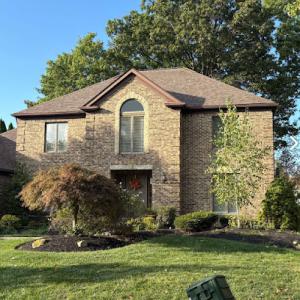
Certified Roofing
(216) 336-1205 www.certifiedroofing.site
118 W Streetsboro St #253, Hudson, Ohio
4.8 from 29 reviews
Certified Roofing is a trusted local roofing contractor serving Hudson, Ohio and the surrounding communities. We specialize in roof repair, roof replacement, storm damage restoration, and high-quality asphalt shingle roofing. Our team is dedicated to honesty, craftsmanship, and protecting your home with durable, long-lasting roofing solutions. Whether you’ve experienced a roof leak, wind damage, or you’re ready for a full roof replacement, Certified Roofing provides fast estimates, professional installation, and reliable service. Proudly serving Hudson, Stow, Streetsboro, Twinsburg, and all of Summit County.”
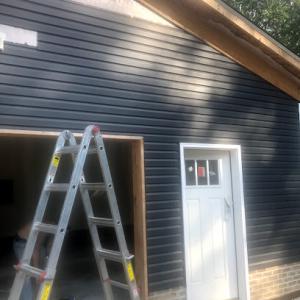
Ultimate Home Remodelers
(330) 554-6703 www.facebook.com
118 W Streetsboro St #230, Hudson, Ohio
4.6 from 33 reviews
Professional Roofing at Great Prices New Window Installation Vinyl Siding Repair and Installation Interior Remodeling Exterior Remodeling Residential and Commercial Locally Owned Bonded and Insured BBB Accredited
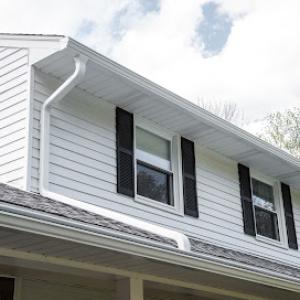
Klaus Roofing Systems of NE Ohio
Hudson, Ohio
4.4 from 19 reviews
At Klaus Roofing Systems of NE Ohio, we are committed to providing the best roof and gutter solutions for your home. Unlike other roofers who cut corners, miss appointments, or damage property, Klaus Roofing Systems of NE Ohio is committed to The Klaus Roofing Way- which guarantees quality and care during every step of your roofing project. Whether you need a roof repair, a roof replacement, or new gutters, Klaus Roofing Systems of NE Ohio is here to provide high-performance products and tools, modern roofing techniques, and clear communication. Contact us today for a free estimate on our expert roofing services in Akron, Kent, Cleveland, & nearby in Ohio!
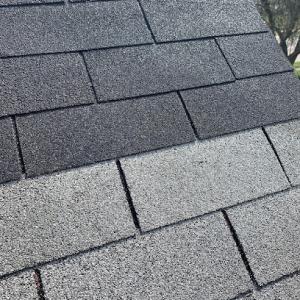
Paint A Roof
6381 Chittenden Rd, Hudson, Ohio
4.1 from 14 reviews
Is your roof looking worn and in need of repairs? Paint A Roof™ offers an innovative and budget-friendly solution to breathe new life into your existing roof. Serving homeowners throughout Ohio, our service delivers a stunning, "like new" transformation, enhancing curb appeal and extending the life of your roof. Founded by a U.S. Navy veteran, Paint A Roof delivers exceptional results with speed and ease, making roof revitalization simpler than ever. Discover the affordable and environmentally conscious alternative to roof replacement with Paint A Roof.

Campo Roof
(330) 425-1285 www.camporoof.com
Serving
4.8 from 374 reviews
Since 1978, Campo Roof has provided Greater Cleveland and Akron with reliable roofing, siding, and gutter guard solutions. We install durable shingle, metal, steep-slope, and low-slope systems to protect and enhance your home year-round.
MBI Construction & Roofing
Serving
5.0 from 10 reviews
Full Scale Building & Remodeling. Residential & Commercial ONE OF NORTHEAST OHIO’S MOST REFERRED ROOFING COMPANY’S Celebrating Over Three Decades of Service in The Northeast Ohio Area We strive to build long-term relationships built on trust and integrity! Going above and beyond the standard services offered by other roofing company’s. Roof Replacement & Installation Decks Additions Kitchens & Baths Garages Pole Buildings Custom Houses Both Residential & Commercial
KC Roofing
Serving
4.9 from 170 reviews
KC Roofing, LLC is Northeast Ohio’s home, retail & insurance roof restoration expert. As a locally owned and locally operated business, we care about each customer we work with inside the community. Quality craftsmanship is important to us as we want each home to have long-lasting Roof Replacement. After working in the Roofing industry for years, we have successfully restored hundreds of roofs throughout Northeast Ohio. Our team of experts provides various services to help with insurance storm restoration. By using our experience, proper equipment, and dedication to each customer, we will ensure that you are left happy with the results of our work.

Home Genius Exteriors
(216) 208-6373 homegeniusexteriors.com
Serving
4.7 from 702 reviews
Elevate your home with Home Genius Exteriors, setting the standard in Cleveland by offering full-service solutions for roofing, siding, windows, doors, gutters and insulation. We support our veterans and communities by supporting local and national charitable organizations through our Home Genius Cares initiative. With an Owens Corning® Platinum Preferred designation, we also offer flexible payment options, industry leading warranties and a wide range of premium products tailored for your home. It’s time for a different experience, entrust your next home project to a genius and schedule your free inspection today!

At Your Service Roofing- Northeast Ohio
Serving
5.0 from 158 reviews
Roofing company specializing in asphalt shingles and repairs, as well as siding and gutter installation.

A & B Roofing & Construction
(330) 405-9055 www.aandbroofing-ohio.com
Serving
4.4 from 100 reviews
A family-owned and operated business, A & B Roofing and Construction is committed to providing top-quality services with unmatched customer care. We offer competitive pricing and free estimates.
STEP 1 Roofing
(330) 634-6288 step1roofing.com
Serving
5.0 from 70 reviews
STEP 1 Roofing & Construction is a trusted roofing contractor serving Northeast Ohio, based in Stow. We provide roof replacements, permanent roof repairs, siding, gutters, and window services. Shingles only last when the details are done correctly. Every roof we install includes ring-shank nails to resist backing out, new flashing at chimneys, window sills, and roof-to-wall intersections, properly balanced ventilation to manage heat and moisture, and a 50-year rated flexible sealant designed to move with the roof. A roof only lasts as long as its weakest detail. That’s why we build complete roofing systems and perform only permanent repairs using hand-selected materials designed for long-term performance.
Late spring through early fall is the preferred reroofing window in Hudson because cold-weather installation is complicated by freezing temperatures and snow risk. The local pace of winter, with its mix of freeze-thaw cycles, makes underlayment and nailing details harder to verify from the ground and on steep slopes. In practice, that means planning projects to start after soils have thawed and the snow has cleared, with enough warm weather to keep shingle seals and metal fasteners solidly in place. This window aligns with when roof vents and attic insulation can be managed without fighting a continuous chill that slows crews and invites slow-leak headaches.
Hudson's spring rain and summer thunderstorms can interrupt tear-off schedules, while fall storm activity can tighten calendars before winter. When those spring fronts roll through, rain can force crews to pause long enough to protect exposed decking and flashing, increasing the risk of minor delays becoming days-long pauses. Summer humidity and heat add worker fatigue and product handling challenges, especially on steep slopes, so crews often prefer mornings with cooler traffic and afternoons reserved for installation details that require steady conditions. In fall, high winds and sudden storms can push projects toward earlier completion, or require temporary tarps and protective measures to prevent wind-driven leaks.
The winter freeze-thaw cycles increase the chance of ice dams and can worsen small flashing or underlayment failures into active leaks. When winter weather is lurking, even a seemingly minor flashing issue can become a spillover problem once temperatures swing repeatedly above and below freezing. If work carries into late fall, late-season snow threats can complicate material handling and access to the roof. The practical takeaway is to avoid pushing major installations into late November or December when cold snaps can derail progress and require retroactive adjustments to flashing and ventilation once temperatures rebound.
Coordinate start times to match the longest stretch of predictable weather in late spring or early summer, with a contingency plan for early fall storms. Build a realistic timeline that includes buffer days for weather-impacted interruptions, material deliveries, and scaffolding setup on steeper sections. Have a short list of weather windows to present to your contractor: ideal, acceptable, and emergency. If spring rain is forecast, set a provisional start a week later rather than risk a forced halt during critical tear-off. In fall, identify potential storm weeks and align with the contractor on adjusted milestones so crews can wrap up before the first hard freeze.
On the job, ensure that crews verify underlayment, ventilation, and nailing patterns as part of the early-week milestones, particularly on steep slopes. A well-timed teardown should coincide with a dry stretch in the forecast to minimize exposure of decking, and to secure vulnerable valleys and edge details before any forecasted rain. Keep an emergency plan for rapid tarp deployment and debris containment, since storm activity can compress schedules unexpectedly and still require protective measures to prevent leaks during a brief pause.
Asphalt shingles are a dominant choice in this market because they fit the area's reroofing-heavy residential stock and there is broad contractor availability to handle quick turnarounds after a hail event or winter storm. For homes with steep slopes, asphalt remains forgiving in installation timelines and repairability, making it a practical, widely understood option among Hudson roofers. When you plan a re-roof after a harsh winter or a hail claim, a familiar shingle lineup helps ensure consistent nail patterns, underlayment choices, and venting strategies that align with the city's emphasis on proper detailing. Consider architectural or laminate options if you want extra curb appeal without stepping outside the performance envelope that Northeast Ohio climate demands.
Metal roofing is a meaningful specialty in this area and is often considered by homeowners looking for better performance against snow shedding, hail exposure, and longer-term replacement cycles. In Hudson's freeze-thaw climate, metal can shed heavy snow more predictably and may reduce ice dam risk when installed with high-quality underlayment and proper venting. A metal roof can also resist hail better than several shingle options, depending on panel type and thickness. For homeowners weighing metal, the choice often centers on panel profiles, fastener systems, and color finishes that resist chalking in bright winter sun. While metal tends to carry a higher upfront cost, its long-term durability and reduced maintenance once installed are compelling factors for the local climate and roof life cycles.
Clay tile, concrete tile, wood shakes, and fiber cement appear in the market, but each requires careful evaluation for weight, freeze-thaw durability, and repairability in Northeast Ohio conditions. Clay and concrete tiles are heavy; structures must be evaluated for inherent load-bearing capacity and framing adjustments. Freeze-thaw cycles can stress brittle tiles and lead to more frequent replacements where edge conditions are exposed to winter moisture. Wood shakes bring natural insulation and aesthetic appeal but can struggle with Ohio humidity, mold risks, and insect exposure unless properly treated and maintained; they also demand robust underlayment and careful detailing for vents and valleys. Fiber cement offers a middle ground-more durable than some shingles and lighter than full tile-but still bears scrutiny for expansion, contraction, and fastening in fluctuating temperatures. In all cases, assess repairability after hail impacts and verify compatibility with underlayment and ventilation strategies common to Hudson's reroof-heavy, steep-sloped homes.
The Northeast Ohio climate that impacts Hudson homes emphasizes the importance of a sound underlayment, venting, and nail verification during installation. With asphalt shingles, ensure that the selected product is rated for impact resistance if your area experiences frequent hail. For metal, confirm compatibility with attic ventilation and ensure a ridge vent strategy that complements snow shedding while preventing attic moisture buildup. For any heavier option, work with a trusted local roofer to verify roof deck strength and potential need for structural reinforcement before installation. Reach out to a contractor who understands the nuances of steep slopes and the specific sequence Hudson requires for proper venting and secure fasteners. A well-selected material, installed to the city's weather realities, yields the best balance of performance, repairability, and long-term resilience for a Hudson roof.
A building permit is typically required for a full reroof rather than treated as purely over-the-counter maintenance. That means the project will go through the permitting process rather than being filed as a simple minor repair. In this market, crews and homeowners often coordinate around the permit window to minimize weather delays, since Northeast Ohio winters can push schedules back. The permit process here is not just a form; it sets expectations for inspection timing, required documentation, and the sequence of steps from permit issuance to final approval. The approach is to submit the plan, have it reviewed, and then book the work within the window the city allows, rather than waiting for spontaneous scheduling.
The Building Department processes roofing permit applications online, which affects how quickly projects can be scheduled after contract signing. You start by submitting the application package, including project scope, material choices, and roof layout. Once approved, the permit is issued digitally, and your contractor can align the start date with the city's calendar and weather outlook. Because approvals and rechecks are digital, expect a potential lag between agreement and kickoff if the city requests clarifications or documentation updates. Coordinate with the contractor to lock in a start date that accounts for these administrative steps, especially during the peak reroofing season when backlogs can form.
Hudson requires a final inspection before permit closeout, with special attention to underlayment, venting, and nailing patterns. The inspector will verify that the underlayment is properly installed across eaves and valleys, that venting is sufficient to maintain attic equilibrium in a freeze-thaw climate, and that fastener patterns meet local codes for steep-sloped roofs. Some local contractors include the permit fee in their estimate to streamline the process, which can reduce the number of administrative handoffs you face at the end of the project. Be prepared for the inspector to request minor adjustments if any element diverges from the approved plan; having the contract's stamped drawings and installation details on site helps expedite a smooth closeout. Plan for a dedicated final inspection window, typically after the roof is fully installed and before final payment, so that any required corrections can be handled promptly without delaying occupancy or use of the roofline.
Hudson cost expectations span the provided ranges, from asphalt shingles at 350 to 700 USD per square up to clay tile at 900 to 1800 USD per square. For typical local reroofs, asphalt remains the most common starting point, while metal, fiber cement, and shakes push toward the upper part of the spectrum. Material choice should align with the climate's freeze-thaw cycles and the area's tendency toward hail events, which can tilt the value proposition toward longer-lived options even if the upfront price is higher. In practice, a homeowner evaluating bids will see firms quoting within the same band, but the exact square-foot price shifts as installers weigh product availability, lead times, and local truck or crew scheduling.
Storm-driven demand spikes in Northeast Ohio can push Hudson pricing upward after hail and wind events, especially for reroofing crews with quick-response capacity. When hail hits, you'll often encounter shorter bidding windows, expedited material sourcing, and, in turn, higher per-square rates for rushed projects. If a storm misses, rates may stabilize, but peak season demands still influence pricing because many crews are operating at or near full capacity with steep-slope work. In practical terms, plan for some variability around storm anniversaries and the spring through early summer window, and expect that bids may tighten in the first week after major hail events.
Permit handling, steep-slope tear-off complexity, and the need to meet final inspection standards for venting and nailing can all affect Hudson project pricing. Homes with two-story or steeply pitched roofs require additional safety measures, specialized equipment, and meticulous nailing patterns to pass inspection. Material choices that demand longer installation times, such as clay or concrete tile, will reflect these labor considerations. When comparing bids, scrutinize the included scope: tear-off method, underlayment quality, venting details, and fastener schedules-these can swing the total cost by a noticeable margin in this market.
Don't let upfront costs delay a critical repair - these contractors offer payment plans to fit your budget.

Hudson winters create recurring ice dam risk when snow cover, attic heat loss, and refreezing at eaves combine during freeze-thaw stretches. If the attic feels warm enough to soften snow on the upper roof, meltwater can back up behind an ice plug and refreeze, lifting shingles and pushing water under flashing. This damage often appears along rakes and overhangs first, then migrates inward. You'll notice damp ceilings, stained attic sheathing, or condensation that feels unusual for a dry-season home. Addressing ventilation and insulation gaps now helps reduce that cycle before spring storms arrive.
Because final inspections verify venting, ventilation details are not just performance issues but also part of permit closeout quality control. In practice, that means you can't overlook soffit intake, ridge or metal vents, and attic baffles. A balanced system that brings cool outdoor air in low and expels warm air high prevents heat from building up in the attic. If baffles are missing or attic insulation sits unevenly against eaves, those gaps become ice dam accelerants. Plan for a methodical assessment that treats venting as a structural safeguard, not a cosmetic add-on.
Warm-season thunderstorms can expose roofs with marginal intake-exhaust balance or weak underlayment transitions that already took stress during winter. High winds and driving rain push up under shingles where laps fail or where underlayment has aged. In Hudson, a roof that looks tight in July can reveal soft spots after a storm, particularly near valleys and exhaust peninsulas. A proactive, staged approach to resealing seams and confirming underlayment integrity helps prevent post-storm leaks.
Walk the attic with a flashlight and note any light leaking through the decking or stained insulation. Inspect attic hatch sealing and ensure there's a clear air path from soffits to vents. On the roof, look for lifted shingles, calcium bands along eave lines, and damaged flashing around chimneys or vent stacks after a hail event or heavy thaw. If you spot gaps, ice dam growth, or suspect venting imbalances, arrange a targeted evaluation before next winter's cycles compound the damage.
Skylight work is a meaningful specialty in the local market, indicating enough local demand that flashing and curb details deserve dedicated homeowner attention. In many homes, the skylight curb sits at the intersection of roof plane changes and attic ventilation. Small gaps around flashing, improper torque on curb screws, or a cracked seal can become a quiet drain in heavy rain or a sudden wind-driven shower. The consequence here is not only a wet ceiling but potential mold and attic condensation that lingers during the winter thaw. When you notice interior spots that track toward a skylight axis, don't assume it's only the glass; inspect the surrounding metal flashing, the top cap, and the sealant lines from inside the attic during a dry day.
Chimney-related roofing work also appears regularly among area contractors, making masonry-to-roof transitions a common leak checkpoint on older homes. Mortar joints, cracked flashing, and improper counter-flashing can allow water to follow the chimney's edge down into eaves and into the soffit area. Moisture often travels along brick ledges and through the chase, especially after thaw cycles or thunderstorms. On older homes, chimney crowns and step flashing can fail at the most exposed corner. The result is a slow drip that can appear far from the chimney base, echoing through walls.
Freeze-thaw movement and wind-driven rain locally can turn small flashing defects around skylights and chimneys into recurring interior leak complaints. What looks like a routine seasonal drip may actually signal compromised sealant joints or shifting flashing due to temperature swings. After severe storms, check for lifted shingles, displaced step flashing, and any staining that follows the roof-edge. Addressing these issues promptly helps prevent interior damage that becomes more disruptive in winter.
Start with a visual attic inspection after rain, then confirm exterior flashing integrity around skylights and chimneys. If access is difficult, hire a roofer experienced with steep-sloped stock, who can verify nail patterns, venting, and the continuity of sealants. Small defects caught early save more invasive repairs later. Trust a local specialist who understands storms here.
Find contractors experienced in skylight installation, flashing, and leak repairs to bring natural light into your home.

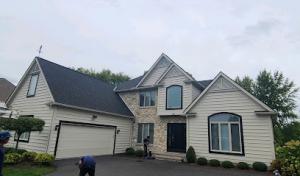
The local market is dominated by reroofing rather than niche specialty construction, so you want a contractor who has clearly logged steep-sloped tear-offs on homes similar to yours. Prioritize firms that can describe how they manage a full tear-off, verify nail patterns, and reinstall underlayment and venting in a way that resists the Northeast Ohio freeze-thaw cycle. Ask about staging the job, protecting landscaping, and preventing debris from entering gutters or driveways. A contractor with a repeatable, documented tear-off procedure tends to hold up better through a long winter and a summer thunderstorm.
In Hudson, quick response and cleanup are strong signals that a contractor can handle weather-driven emergencies and post-event work without leaving a mess behind. Look for crews who provide a clear mobilization window after a hail event or storm, and who commit to daily cleanup during the project. The right team will cover ground with tarps, seal vulnerable areas, and remove all debris each day. If a contractor can describe a storm-response plan and show recent examples of rapid site turnover, that's a meaningful indicator of reliability when storms hit.
Homeowners rely on paperwork to support insurance claims, so confirm who documents progress with photos, how often inspections occur, and who coordinates with the insurer. The best candidates can furnish a track record of inspection-ready photos and written progress notes. Ensure the firm designates a point of contact who can explain changes to the scope if weather or damage dictates adjustments. A transparent team will discuss who files the claim-ready documentation and retains copies for your records.
Long-established, family-owned firms are common here, but still verify who handles the permit-like steps, inspections, and photo documentation for claims. Confirm the crew supervisor will be on site, your point person remains consistent, and you receive a detailed, itemized work plan before the first shingle comes off. A solid, accountable team earns trust when storm damage reorganizes a remodeling timeline.