
Last updated: Apr 19, 2026
Coatesville experiences cold winters with repeated freeze-thaw cycling that can accelerate wear at shingle edges, flashing transitions, and vulnerable decking areas. The cycle isn't just about snow; every daytime thaw followed by a drop in temperature causes micro-cracks and edge uplift where the attic pressure fluctuates. In older Chester County housing stock, missing or aged underlayment and flashing amplify these effects, so timing a replacement around the most forgiving weather helps prevent early failure of these vulnerable spots.
The city's moderate precipitation and wetter spring and late-fall periods make replacement scheduling more reliable in drier, milder windows rather than during wet shoulder seasons. Plan for installation during a stretch of dry weather when temperatures are comfortably above freezing at night and not dangerously hot during the day. Late spring after the last well-below-freezing spell and early fall before the first major cold snap are ideal. If a replacement must happen in shoulder seasons, aim for a dry week with moderate humidity and avoid forecasts that bring repeated rain or rapid temperature swings.
Snow and ice can limit roof access in winter, which makes winter installations risky or impractical. Frozen decking reduces fastener bite and increases the chance of slipping or improper shingle seating. If a winter emergency arises, expect longer project timelines and higher handling challenges for materials. Winter conditions also complicate attic ventilation checks, which are scrutinized during full replacements, so plan around the coldest months when access is most constrained and conditions are least predictable.
Summer heat can affect installation conditions and material handling, making timing a larger decision factor here than in milder Pennsylvania markets. Prolonged heat can soften some roof materials and affect adhesive-backed underlayments or synthetic underlayment performance. Afternoon heat can also complicate shingle alignment and window-vented drying times for less common fasteners. If a replacement is needed in the peak of summer, schedule the crew to avoid the hottest hours, ensure proper hydration for workers, and allow for midday pauses to protect roof products from sun exposure.
Wet spring and late-fall periods can delay work due to mud and moisture constraints, yet these seasons also tend to provide moderate temperatures that are easier on crews and materials than the extremes of summer or mid-winter. When planning, target the drier weeks within these seasons and coordinate with any residual snowmelt patterns in the weeks immediately prior. If moisture intrudes despite best planning, use those days for underlayment inspections and flashing checks rather than full tear-off work, so you're ready to proceed quickly once a drier interval arrives.
Track long-range forecasts for extended dry spells and moderate temperatures, then align the schedule to start on a dry morning with a clear forecast for several days. Prioritize roof sections with visible edge wear, compromised flashing, or signs of decking exposure, because those are most vulnerable to freeze-thaw stress. Confirm a plan that allows for attic ventilation verification and a clean, dry attic space before any new underlayment or shingles go down. In the end, aligning replacement timing with drier, milder windows reduces risks from the area's distinctive winter and transitional seasons while preserving the roof's long-term performance.
After a storm rolls through this area, the roof bears the brunt of wind-driven debris and rain. In a town with older Chester County housing stock, those gusts and wet shoulders can dent shingles, loosen flashing, and push moisture into attic spaces. Storm-related roof inspections and documentation become a routine part of ownership, not an afterthought. If you've just weathered a wind or hail event, treat your roof like a damaged neighbor's project: act fast, be thorough, and save the records.
Wind and hail claims occur in this region, so start with a careful walk-around within 24 to 48 hours of a storm. Look for cracked, lifted, or missing shingles, damaged vents, and any signs of granule loss in gutters or downspouts. Check the flashing around chimneys, dormers, and the roof-to-wall interface for gaps or uplift. Inside, inspect the attic for condensation, dark spots, or water staining near penetrations. Photograph everything from multiple angles, focusing on weather-exposed facets and any new symptoms that appeared after the storm. Keep a dated log of observations, noting wind speeds if you witnessed them or weather advisories you relied on. These records help establish a credible timeline when an insurer reviews a claim.
Local insurers commonly want proof of roof condition, and may ask for wind-rated shingles and evidence of proper attic ventilation before or during underwriting review. That means your preparation should include both external and internal checks. If your shingles are nearing their life limit or show wind-related damage, have a professional assess and document the roof's wind resistance and overall condition. Attic ventilation matters too: inadequate venting can accelerate moisture buildup and worsen damage, which might influence claim outcomes. A clear, professional assessment that connects observed damage to a specific weather event strengthens your position during inspection or underwriting.
Because rates reflect local claim history even though coverage remains available, homeowners in this region benefit from photographing damage early and keeping records tied to specific weather events. Build a concise portfolio: a storm diary, dated photos, the professional assessment, and any temporary measures you've taken to protect the home. If you've experienced repeated storms, organize a simple timeline that shows when issues first appeared and how they progressed. When you contact your insurer, present the storm-linked documentation first, then supplement with the on-site findings and any expert evaluation. This proactive approach not only speeds the claim process but also supports a stronger case for appropriate repairs or replacement when the time comes.
Find local contractors experienced in assessing and restoring roofs after hail, wind, and severe weather events.
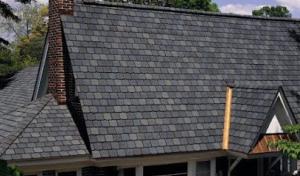
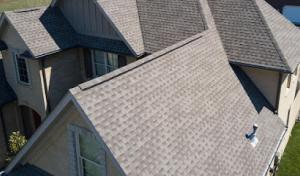

Home Genius Exteriors
(610) 624-8005 homegeniusexteriors.com
139 E Chestnut St Suite 505, Coatesville, Pennsylvania
5.0 from 55 reviews
Elevate your home with Home Genius Exteriors, setting the standard in Coatesville by offering full-service solutions for roofing, siding, windows, doors, gutters and insulation. We support our veterans and communities by supporting local and national charitable organizations through our Home Genius Cares initiative. With an Owens Corning® Platinum Preferred designation, we also offer flexible payment options, industry leading warranties and a wide range of premium products tailored for your home. It’s time for a different experience, entrust your next home project to a genius and schedule your free inspection today!
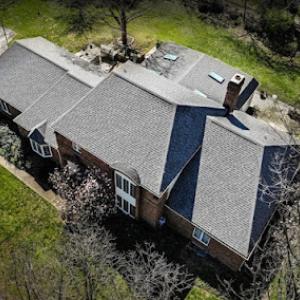
Millennium Roofing
(484) 787-6040 millenniumroofingllc.com
14 Stovepipe Hill Rd, Coatesville, Pennsylvania
5.0 from 28 reviews
We’re a small family owned business with 20+ years experience. We take extreme pride in a seamless professional experience from start to finish. We are straight to the point, competitive pricing, free estimates, and leave the job cleaner than we found it. Integrity and compassion are the ingredients we use with each and every homeowner we come across.

Chester County Metal Roofing
(484) 779-6695 pennstatemetalroofing.com
102 Cheshire Ct, Coatesville, Pennsylvania
5.0 from 9 reviews
Chester County Metal Roofing has established a reputation for excellence in Pennsylvania through our commitment to superior artistry, on-time delivery, superior customer service, and competitive price. We have fully certified and insured roofing professionals throughout the state of Pennsylvania that have years of expertise performing roofing installations, replacement, and repair services of all varieties. Our experts are focused on three main principles – honesty, professionalism, and excellence. We apply these standards to every job we do, which means you can be assured that your home or business will have a quality roofing solution tailored just for it! Whether you have a commercial or residential roof that needs service.
Kevin Phillips Roofing
(610) 563-4586 www.kevinphillipsllc.com
Serving
4.8 from 47 reviews
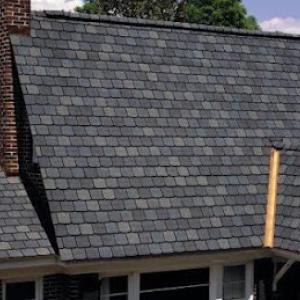
Kevin Phillips Roofing is your premier roofing contractor in West Chester, specializing in roof installation, repair, and replacement. With over 40 years of experience, our family-owned business serves Pennsylvania, offering top-notch residential roofing, including shingle roofing, roof leak repair, and inspections. As a CertainTeed Certified Shingle Master, we guarantee durable, expertly-crafted roofs backed by a lifetime workmanship warranty. Trust us for prompt, reliable service, enhanced by excellent customer care and the use of high-quality materials. Contact us today for a free estimate and let us solve your roofing needs with professionalism and precision.
Manchester Roofing Systems
(877) 220-4590 www.manchesterroofingsystems.com
Serving
4.9 from 32 reviews
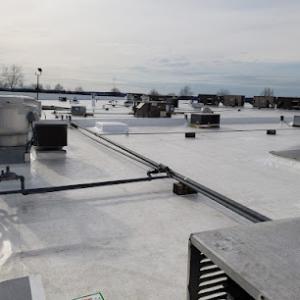
Manchester Commercial Roofing Systems installs and repairs commercial flat roofing systems in the greater Philadelphia, Allentown & Wilmington areas. Integrity & Lasting Value Since 1993.
Skyline Exterior Remodeling West Chester PA
(717) 282-9023 skylineexteriors.net
Serving
5.0 from 37 reviews
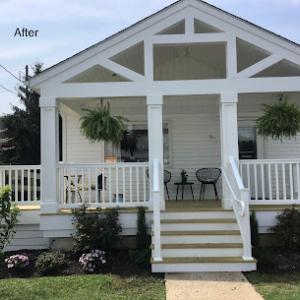
Skyline Exteriors is a trusted contractor based in Lancaster, PA, proudly serving Chester County and nearby areas with expert exterior remodeling services. We specialize in roof replacements, siding installation, custom decks and patios, and window and door replacements for residential properties. With a strong focus on quality workmanship, clear communication, and long-term value, our team is committed to transforming your home’s exterior with precision and care. Whether you're upgrading your roof or building a backyard retreat, we deliver lasting results. View our project gallery online or contact Skyline Exteriors today for a free roofing quote!
King Family Roofing
(610) 469-4691 kingfamilyroofing.com
Serving
5.0 from 272 reviews
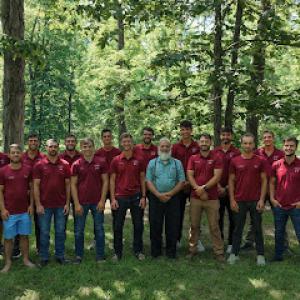
King Family Roofing has been serving Honey Brook and the surrounding areas since 2005. We specialize in residential roof replacements using trusted roofing materials. We are known for service, quality, and for standing behind our work. Call or Text us for your free quote.
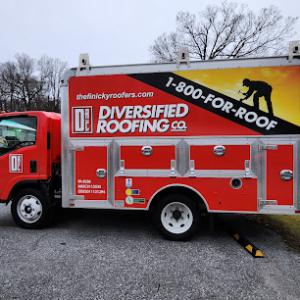
Diversified Roofing
Serving
4.9 from 410 reviews
Diversified Roofing has been serving clients since 1979. Our team's goal is to help our clients with home maintenance and restoring the home's exterior through full roofing and siding replacements or small repairs. Call to schedule an appointment today. One of our team members would be happy to assist you.
Indian Run Roofing
(717) 803-9805 indianrunroofingllc.com
Serving
5.0 from 348 reviews
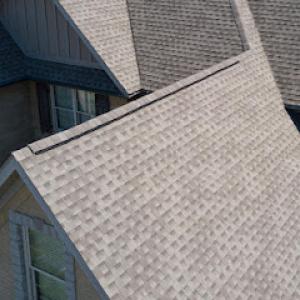
Indian Run Roofing provides residential roofing, roof repairs, cedar shakes, gutters and downspouts to the Gap, PA area.
Mighty Dog Roofing of Greater Chadds Ford
(610) 801-1462 www.mightydogroofing.com
Serving
5.0 from 80 reviews
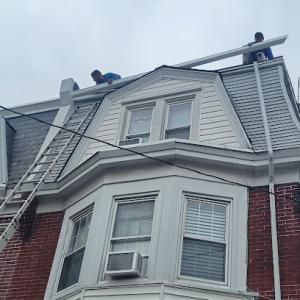
When it comes to your home’s exterior, Mighty Dog Roofing delivers top-of-the-line services matched with the neighborly customer care our clients have come to love. Our team of skilled experts will conduct a free, detailed inspection of your home, treating it as our own. Whether your home needs a simple repair or a full roof replacement, expect to receive the transparent guidance you deserve. Whatever the case, our team will work to meet your safety and budget needs. We take pride in operating with quality materials, hiring skilled roofers, and providing our customers with a high-quality experience. See for yourself; our reviews say it all. Schedule your free, home inspection today!

Unity Roofing Systems
(717) 621-8944 www.unityroofingsystems.com
Serving
5.0 from 131 reviews
Roofing contractor serving eastern Pennsylvania
COPE Construction Renovation
(484) 748-7708 www.copebuilt.com
Serving
4.9 from 87 reviews
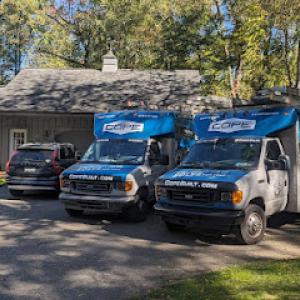
COPE Construction and Renovation is West Grove, PA's go-to Roofing & Remodeling company in Southern Chester County, Pennsylvania! Our team is dedicated to providing our raving fans with an Outstanding Customer Service Experience, from first call to final invoice! Protecting and Improving your FOREVER HOME is our top priority. Our skilled craftsmen are professional home repair experts! - Roof Replacement Contractor - Siding Repair - Windows - Doors - Decks - Additions - Garages - Finished Basements - Kitchen Remodels - Bathroom Makeovers, - new custom dream home construction, - retail & office spaces - light commercial work What Problem can we SOLVE for you? When you hire us, it's not just done, It's #CopeBUILT! PA:88078, DE:GC5534
In this area, your wallet changes with the material you pick. Typical local pricing runs about $350-$550 per square for asphalt shingles, $700-$1100 for metal, $900-$1800 for clay tile, $1000-$1700 for concrete tile, $420-$800 for wood shingles or shakes, and $450-$850 for synthetic or composite shingles. When you're comparing bids, remember a "square" is 100 square feet, so the numbers translate into a practical dollar amount per the space you're replacing.
Coatesville experiences cold, runny-freeze-thaw cycles and wet shoulder seasons that compress the workable window for a full roof replacement. After a heavy storm, crews can be booked up, and dry days in late fall or early spring may be scarce. That competition for time can push prices upward a bit simply from scheduling pressure, especially if you're aiming for a quick turn before a forecasted freeze. If a project drifts into a wetter period, you'll see two real consequences: the job may take longer, and crews may need to implement additional weather protection measures, which slightly elevates material and labor line items. In practice, you'll notice more pronounced timing gaps around late fall and early spring, when rain and mud can slow work and push crews to the next available slot.
Full replacement pricing here is also affected by inspection findings or code-driven corrections identified during city checks. If a project reveals underlayment, flashing, nailing, or ventilation needs beyond the scope of the initial bid, the final price can rise accordingly. This is especially true for older Chester County housing stock, where decking and attic ventilation layouts sometimes require attention to meet current performance expectations. When planning, budget with a modest contingency to accommodate potential adjustments that city checks may require, rather than assuming a pristine, out-of-the-box installation.
A full roof replacement requires a building permit issued by the local building department, not something left to contractor discretion. The permit process in this area is more thorough than casual work, with checks that extend beyond the visible shingles. When planning replacement, you should coordinate closely with the permit office to ensure the project scope aligns with what will be inspected-including underlayment, flashing details, nailing patterns, and attic ventilation. Expect the permit to cover not just the final appearance but the integral components that keep the roof system durable through cold winters and damp shoulder seasons.
Inspections are not a one-and-done step at project end. During installation, inspectors will verify that the underlayment is properly installed, that nails and fasteners are driven to the correct depths and patterns for the chosen material, and that kick-out flashing and wall flashing are integrated with the system. Ventilation continuity is also checked to ensure attic air can escape and intake remains unobstructed. An important takeaway is that the permit process rewards attention to detail now, because a misstep in flashing or ventilation can lead to premature failures once the freeze-thaw cycles begin.
A final inspection confirms that the roof replacement meets the established standards and local code expectations. At this stage, the department looks for a coherent integration of all components, including the roof covering, underlayment, flashing around chimneys and valleys, and the venting arrangement. If any element is out of spec, the inspector may require adjustments or corrections before final acceptance. This ensures the roof is not only visually complete but structurally sound under Coatesville's mix of old-and-new housing stock and its challenging weather patterns.
Because inspections focus on more than the visible roof cover, you should plan early for attic ventilation, roof-to-wall flashing transitions, and the continuity of underlayment across roof penetrations. Have a clear, site-specific layout of penetrations, vent locations, and chimney or dormer details ready for the permit review. If you are replacing an aging underlayment or updating venting, document these changes with the permit application to prevent delays at inspection time. In neighborhoods with mature trees and older sheathing, consider how fascia and drip edge are tied into flashing to minimize moisture intrusion after a heavy wet season. Staying ahead on these details helps ensure a smoother path through the permit and inspection process.
Asphalt shingles are the dominant local choice, reflecting Coatesville's strong re-roofing market and the need for cost-conscious replacement on existing homes. They handle the freeze-thaw cycles well when installed with proper underlayment and ventilation, and they're forgiving during wet shoulder seasons. If a homeowner wants a dependable, straightforward option that can be matched to most existing roofs, asphalt shingles are the practical default. Pay attention to granular loss and edge uplift after harsh winters, and expect a typical reroof cycle that aligns with local weather pressures.
Metal roofing is a meaningful local segment, making it relevant for homeowners comparing longer-life options against higher upfront cost in a climate with winter stress and moderate precipitation. Metal panels excel at shedding snow and resisting moisture infiltration, which can translate to fewer attic condensation issues if the roofline is well vented. If longevity and reduced maintenance are priorities, metal can be a strong match, especially on newer or mid-20th-century homes that have compatible structural support and a clean, straight roof plane.
Clay tile and concrete tile show up in the market but are more specialized choices in this area, often requiring contractors with narrower material experience. They bring distinctive aesthetics and great durability in the right exposure, yet their weight and installation nuances demand careful assessment of structure and detailing. Wood shakes and synthetic shingles occupy a similar niche for homeowners chasing a specific look or feel, but both require experienced hands to guard against moisture intrusion and wind damage in a climate with wet seasons. If choosing these, verify contractor proficiency with the exact product and ensure compatible flashing and underlayment strategies.
When weighing options, plan for the climate's freeze-thaw pattern and the wet shoulder seasons that can shorten roof life if underlayment and ventilation are compromised. Look for products and installation methods that promote continuous attic ventilation, robust flashing at chimneys and vent penetrations, and nails driven to the correct depth. In this market, a well-executed asphalt or metal installation often delivers predictable performance and a smoother replacement experience, while the specialized materials reward a homeowner with a distinct look if the roof structure supports them.
The most popular roofing material in the US. Find pros who install, repair, and replace asphalt shingles.
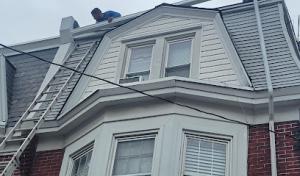
Freeze-thaw cycles push moisture into small gaps around flashing and penetrations. In this climate, trapped moisture between temperature swings expands and worsens deterioration of knee joints, valleys, vent pipes, and chimneys. If flashing isn't fully sealed and integrated with proper underlayment, those weak points become hotspots for leaks after a heavy thaw or rapid freeze. You'll see sooner-timed degradation where shingles meet metal flashings, and around dormers where roof planes change slope. The result is hidden water intrusion that slowly undermines decking and attic insulation.
The inspection emphasis on nailing and underlayment reflects a practical truth: a replacement done during a narrow weather window can miss critical steps. If nails aren't driven to the correct depth, or if nails fail to penetrate through to solid sheathing, wind uplift and moisture intrusion follow. Underlayment must be continuous and properly lapped to resist infiltration during wet seasons. In homes with older fascia or imperfect slope transitions, a rushed install can leave dry spots that become leak paths when a storm arrives after a few cold days.
Ventilation is a recurring local concern because attic airflow directly affects shingle performance and moisture management. Poorly vented attics trap warm, humid air that accelerates deck rot and can spur fast deterioration of edges and drip edges. Conversely, excessive venting without insulation can strip heat, causing condensation on colder nights. The best outcomes happen when ventilation aligns with insulation and attic space, reducing condensation that mirrors into shingles and flashing over time.
Watch for sheen changes along valleys after rain, moss or algae along shaded eaves, and soft spots in decking near penetrations. If you notice shingles curling at corners or frequent granule loss after a freeze, these are signs to re-evaluate flashing integrity, underlayment coverage, and attic airflow before another cold snap.
Find contractors experienced in skylight installation, flashing, and leak repairs to bring natural light into your home.
Mighty Dog Roofing of Greater Chadds Ford
(610) 801-1462 www.mightydogroofing.com
Serving
5.0 from 80 reviews
In this region, wind and hail losses shape premium discussions more than broad coverage gaps. Insurers closely watch how a roof responds to typical winter storms and seasonal wet periods, and they see a clear link between storm exposure and underwriting outcomes. Coatesville homeowners often notice premium adjustments after severe spring or late-fall events, even when overall policy structure remains stable. Understanding that nuance helps when evaluating roof replacement or repair plans, since the focus shifts from cosmetic upgrades to long-term resilience against impact and wind pressures.
Homeowners should anticipate requests for thorough documentation of roof age and current condition, especially after a notable claim or a sequence of storms. Insurers commonly want written appraisals, photos showing attic and underlayment quality, and notes on any prior repairs that address wind damage or moisture intrusion. Keeping a concise maintenance log that records prior inspections, shingle wear, flashing integrity, and attic ventilation status can streamline conversations with the carrier and prevent delays in coverage decisions.
Proper attic ventilation remains a talking point that can tilt underwriting discussions more than purely cosmetic upgrades. A balanced venting strategy helps control interior humidity, reduce frost-related ice damming, and preserve roof deck integrity, which matters when claims are reviewed after cold-season cycles. Wind-rated materials also influence risk assessments; they signal to insurers that the structure is prepared to resist uplift and edge blows common in this area. When evaluating replacements, prioritize venting efficiency alongside high-grade underlayment and securely installed flashing, since these elements bear directly on insurability and long-term performance in the local climate.