
Last updated: Apr 19, 2026
Kennett Square sits in Chester County, where cold winters, repeated freeze-thaw cycles, and regular rainfall are a primary driver of shingle wear, flashing movement, and leak development. The mix of historic homes and modern rebuilds means you'll see a broad range of roof structures, from gentle slopes to steeper Cardinal-style dormers. In this climate, water stress sits at the core: every freeze followed by thaw drives micro-cracks in asphalt and loosens lightweight flashings, while spring rains push drainage systems to their limit. Understanding that pattern helps you schedule inspections and plan replacements at the right moment, before minor issues become costly repairs.
Seasonal roof risk here is not dominated by coastal hurricane exposure; instead, homeowners deal with winter ice damming, spring heavy rain and hail, summer heat expansion, and autumn wind uplift. Ice dams form when warm attic temperatures melt snow on the upper roof, refreezing at the cold eaves and creating water backup into overlying shingles and soffits. Watch for shingles that curl, lift, or show adhesive failure near gutters and rake lines after a sharp temperature swing. In spring, heavy rains can overwhelm aging gutters and downspouts, leading to water tracking at joints and flashing. Summer brings heat-induced expansion in metal flashings and ridge caps, potentially loosening fasteners. Autumn winds test weaker edge shingles and cresting vents, especially on roofs with mixed shingle types or older underlayments.
Replacement work in this area is commonly pushed toward spring and fall because winter conditions and summer heat both create installation and performance challenges. If you anticipate a full reroof, aim for a window with moderate temperatures, dry days, and predictable daylight. Plan for a few extra days of schedule cushion to accommodate unexpected spring downpours or late-season cold snaps. When deciding between a partial repair and a full reroof, consider the age of the underlayment and the integrity of flashing around chimneys and skylights; in Kennett Square, aging underlayment is a frequent precursor to leaks during thaw cycles. Avoid mid-winter start dates where cold, wet conditions risk improper setting of underlayment and sealants. By aligning the project with shoulder seasons, you reduce the chance of moisture entrapment and ensure better workmanship.
Drainage control is a frontline defense against freeze-thaw damage. Clear and re-align gutters and downspouts so water exits cleanly away from the foundation. Inspect gutter seams for loose fasteners or small cracks after winter's freeze-thaw cycles, and reseal as needed before spring rains arrive. Pay attention to the attic hatch and ridge vent closure to prevent warm attic air from feeding meltwater into the roof deck during cold snaps. On steep or complex roofs, consider temporary ice barriers above the eaves during the coldest weeks of winter if you're consistently seeing ice dam formation. Ensure flashing around chimneys, vents, and skylights remains tight and rust-free; small gaps here become significant leak paths after a heavy rainfall or rapid temperature swing.
Between autumn and spring, perform a two-part check: first, a quick exterior sweep of the roof surface for lifted shingles, damaged edges, or bare granules; second, a walk-around inspection of fascia boards and soffits for signs of moisture intrusion. If an area shows persistent staining or spongy decking on a dry day, mark it for a professional assessment. In a neighborhood with older borough homes and varied rooflines, a proactive replacement strategy paired with targeted flashing upgrades often yields the most durable result against recurring freeze-thaw stress.
Spring storms in this area bring a fierce combo: heavy rain and hail that can overwhelm aging shingles and expose underlayment quickly. In a town with mix-and-match older borough homes, the first signs of trouble often show up as damp spots along ceilings, drumbeat leaks around skylights, and wind-driven water creeping under edges. If a storm hits hard, you'll want to act fast: locate the obvious drip, place a clean bucket or tarp under the worst spot, and avoid walking on a roof full of running water. A rapid temporary seal helps buy time until a professional can stabilize the roof. Keep a close eye on attic vents and flashing near chimneys, as hail can crack seals and create hidden pathways for water to travel before it shows on ceilings.
Autumn in this Chester County climate tends to start with edge damage and uplift rather than dramatic structural failure. Loose or curling shingles at eaves and rakes are common precursors to bigger leaks after the first heavy gusts. If you notice lifted shingle rows, exposed nail heads, or granule loss gathering in gutters, treat it as a red flag. Do not assume a simple patch will hold through the next front; wind-driven spray can force water under flashing and around fascia, especially on older roofs with diminished underlayment. In this window, prioritize securing loose edges with temporary tarps or boards that extend beyond the edge to channel water away from fascia. Schedule a professional assessment promptly to prevent a small issue from becoming a costly problem after freeze-thaw cycles resume.
The local contractor market consistently shows strong demand for emergency repair and rapid response after storms, indicating homeowners here often need quick leak stabilization before a full reroof can occur. If a leak is actively dripping, focus on creating a contained flow and preventing interior damage: place a tarp over exposed roof areas that can be reached safely, anchor it well to resist wind, and direct runoff away from walls and foundations with a simple, sloped cover. Avoid using makeshift materials that could shift or tear in a high wind. Document the damage with photos and notes for the contractor, especially any hail impact marks, missing granules, or exposed nails.
Keep a flashlight handy for attic inspections after storms, and check interior ceilings near recent leaks for slow seepage that might indicate hidden flashing failure. If you're unsure about safe tarping, err on the side of contacting a local emergency repair service known for fast response; they understand the unique demands of Kennett Square storms and can stabilize water intrusion quickly. Remember, the goal is to minimize interior damage and preserve the roof's integrity until a full reroof can be scheduled in the wake of spring and autumn weather cycles.
When you can't wait, these contractors offer fast response times to stop leaks and prevent further damage.
Thunderstruck Roofing & Restoration
(302) 298-1049 www.thunderstruckrr.com
Serving
4.9 from 82 reviews
Mighty Dog Roofing of Greater Chadds Ford
(610) 801-1462 www.mightydogroofing.com
329 Astilbe Dr, Kennett Square, Pennsylvania
5.0 from 80 reviews
When it comes to your home’s exterior, Mighty Dog Roofing delivers top-of-the-line services matched with the neighborly customer care our clients have come to love. Our team of skilled experts will conduct a free, detailed inspection of your home, treating it as our own. Whether your home needs a simple repair or a full roof replacement, expect to receive the transparent guidance you deserve. Whatever the case, our team will work to meet your safety and budget needs. We take pride in operating with quality materials, hiring skilled roofers, and providing our customers with a high-quality experience. See for yourself; our reviews say it all. Schedule your free, home inspection today!
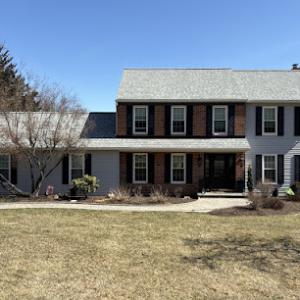
Impriano Roofing & Siding
(302) 766-7477 www.impriano.com
952 E Baltimore Pike, Kennett Square, Pennsylvania
4.8 from 27 reviews
About Impriano Roofing & Siding Established in 1973, Impriano Roofing and Siding, Inc. has been helping the community with their roofing and siding problems for over 40 years. Jack Impriano, with his sons Greg, Brad, Eric and Jack, provides customers with the highest quality products on the market for roofing, siding, windows, doors, skylights and gutter installation and repairs. Our company prides itself in using the highest technology standards, which allows us to best help customers to customize their home improvement projects. The Computer Color Analysis that we use will further allow one to view varied options before finalizing their plan. With these services, combined with excellent customer service.
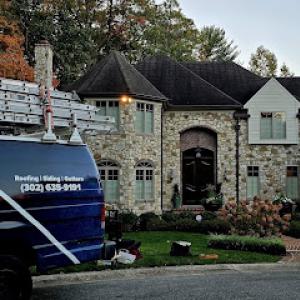
Marathon Restorations Roofing, Windows & Siding
(302) 507-0032 www.marathonrestorations.com
Serving
4.9 from 56 reviews
Marathon Restorations, established in 2022, is your trusted partner for comprehensive home and commercial exterior solutions. With expertise as a roofing, siding, and general contractor, we specialize in a wide range of services to enhance and protect your property. From professional deck building and gutter services to window installation and meticulous gutter cleaning, our skilled team is dedicated to providing high-quality craftsmanship and reliable service. Located in Hockessin, we serve the community with a commitment to excellence in every project.
Yellowfin Roofing
(302) 566-7285 yellowfinco.com
Serving
4.9 from 158 reviews
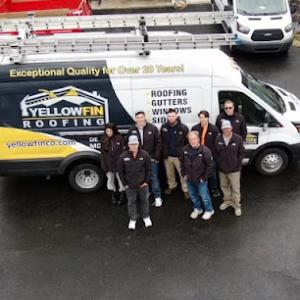
Yellowfin Roofing is a roofing contractor in Wilmington serving Newark, Greenville, Pike Creek, Bear, Delaware, Maryland, Pennsylvania and nearby areas. Our roofing company offers new roofs, residential roofing, commercial roofing, asphalt roofing and more. We also specialize in siding and gutter installation. Customers love us because of our comprehensive roof warranties and our affordable roof financing options. Contact your reliable Wilmington roofing company for a free estimate!
R&R Roofing & Remodeling
(302) 654-7663 www.rnrroofing.com
Serving
4.9 from 122 reviews
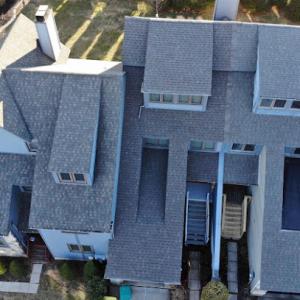
At R&R Roofing and Remodeling company, we provide affordable and reliable roofing services. As one of the best roofing installation companies and trusted roof repair contractors in Wilmington, Delaware, we offer comprehensive roofing and remodeling solutions. Our expert team specializes in new roof installation, replacement, and repair services for both residential and commercial clients. With over 25 years of experience, we offer top-tier commercial roofing, roof coatings, window replacement, and siding installation. As a trusted roofing company and local roofing experts, we proudly serve Wilmington, DE, and surrounding areas, including Hockessin, Newark, Bear, Greenville, and parts of Maryland and Pennsylvania.
Thunderstruck Roofing & Restoration
(302) 298-1049 www.thunderstruckrr.com
Serving
4.9 from 82 reviews
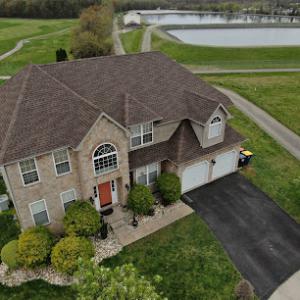
Thunderstruck Roofing & Restoration is family-owned and serves Residential and Multi- Family clients throughout Delaware and Pennsylvania. Thunderstruck Roofing & Restoration is licensed and insured in both states. We also offer an unconditional guarantee on the work we do. We have an experienced and well-rounded team that can take on any job of any size. Our aim is to meet not only your roofing needs but ensure that the process is easy and enjoyable for you. Our company also specializes in assisting with insurance claims. When your roof is victim to a major weather event look no further than Thunderstruck! We have HAAG Certified inspectors on staff whom possess the knowledge and experience to effectively communicate with insurance.
Potter Roofing & Exteriors
(302) 995-2771 www.potterroofs.com
Serving
5.0 from 23 reviews
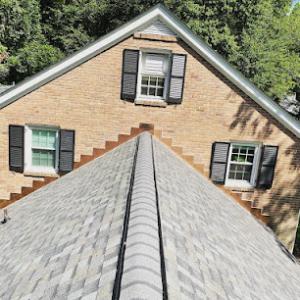
Potter Roofs, your trusted roofing and exterior solutions provider, proudly serving the entire state of Delaware. As a family-owned and veteran-operated business based in Wilmington, DE, we are committed to delivering exceptional craftsmanship and customer service. Our expertise spans across a wide range of services including durable roofing installations, meticulous repairs, and comprehensive exterior renovations. We use only high-grade materials to ensure lasting results and provide everything with transparency and reliability. At Potter Roofs, we treat each home as if it were our own, offering tailored solutions to meet your specific needs. Get in touch with us today for a free, no-obligation estimate.
Rock Roof
(302) 757-2350 www.rockroofingde.com
Serving
4.9 from 107 reviews
Rock Roofing has been serving Delaware, Maryland and Pennsylvania with quality service since 1985. Contact us for roof replacement, roof repairs, storm damage or other exterior home repairs/improvement. We’re available for emergency service. We can replace or repair all roofs including asphalt shingles, cedar, slate, metal, rubber and flat.
R C Roofing & More by Ruiz Construction
(302) 218-3582 www.ruizconstructionde.com
Serving
4.9 from 51 reviews
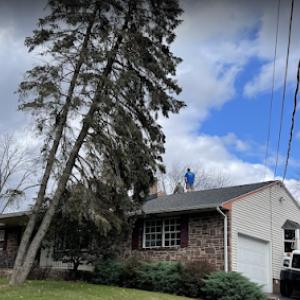
R C Roofing & More by Ruiz Construction has been a trusted provider of high-quality residential and commercial roofing, remodeling, and construction services in Wilmington, DE, and surrounding areas for over 35 years. Our experienced team is known for delivering honest, dependable, and professional roofing and remodeling solutions that enhance the value and durability of your property. Whether you need roof installation, repair, or complete home remodeling, R C Roofing & More is dedicated to top-tier craftsmanship and exceptional service, ensuring your project is completed on time and to your satisfaction!

G. Fedale Roofing & Siding
Serving
4.9 from 76 reviews
G. Fedale Roofing & Siding has been a competitive leader in the home improvement and commercial roofing industry since 2002. Gaining a major market share through the specialized talents of our employees, we pride ourselves on the success of our rapidly growing company. We are dedicated to the highest install and repair standards and our extended workmanship warranties guarantee coverage long after work is completed. Our mission at G. Fedale is to provide the best value and craftsmanship for our customers and the communities we serve through service, education and commitment.
Wilmington Family Roofing
(302) 405-6904 wilmingtonfamilyroofing.com
Serving
5.0 from 28 reviews
Wilmington Family Roofing is your reliable partner for all your roofing needs in the Wilmington region. With years of experience and a dedication to superior craftsmanship, we specialize in residential and commercial roofing solutions. Our staff provides exceptional service utilizing the best materials and procedures, from installs to repairs. Customer satisfaction is central to all we do, and we strive to surpass expectations on each project. When you hire Wilmington Family Roofing, you can be confident that your roof is in experienced hands. Contact us immediately if you need dependable, expert roofing services.
Hard Hatters Roofing Services
(302) 766-3611 www.hardhattersroofing.com
Serving
5.0 from 93 reviews
Hard Hatters Roofing & Construction is your choice for the best licensed & insured Wilmington DE roofing contractor. Your roof is safe under our hard hats! Licensed and insured roofing and gutter contractor dedicated to providing high standard quality service for an affordable price in Northern Delaware and the surrounding areas.
The dominant materials in this market are asphalt shingles, metal roofing, clay tile, concrete tile, synthetic/composite shingles, and slate, reflecting a broader material mix than many suburban Pennsylvania towns. That variety gives homeowners real choices, but it also means matching a roof type to both your house's architectural language and the local climate is especially important. Asphalt remains the practical volume choice for many homes, but in this area the full decision should weigh weight, appearance, and long-term performance against weather realities.
Slate and tile matter more here than in many markets because older southeastern Pennsylvania housing stock and historic-area expectations can make appearance and weight compatibility major reroof considerations. If you live in a home with traditional detailing, a slate or clay tile roof can preserve lines and historic character while resisting wear. However, weight, roof structure, and the need for careful underlayment and flashing are non-negotiable. Clay tile and concrete tile offer impressive longevity, but they demand solid roof supports and precise drainage planning to handle cross-slope runoff and freeze-thaw cycling. For homes with newer framing or lighter construction, you might prioritize metal or advanced synthetic tiles that mimic the look of clay or slate while reducing load concerns.
Asphalt remains the practical volume choice locally, especially for reroof projects or quick upgrades where compatibility with existing silhouettes matters. The key here is not just choosing a color or profile, but ensuring the system is designed for Kennett Square's wet springs and winter freeze-thaw cycles. A high-quality underlayment, properly sealed flashing at chimneys and transitions, and a well-vented attic with balanced intake and exhaust near the ridge help mitigate moisture infiltration and thermal stresses. In wetter seasons, effective drainage-both on the roof surface and at the edges of eaves and gutters-protects against pooling water that can exacerbate ice damming and edge rot.
Metal roofing offers excellent longevity and a clean profile that can suit historic or modern aesthetics. In damp springs and cold snaps, metal reacts well to drainage strategies and flashing details, provided the substrate is prepared for a long-term, weather-tight install. Synthetic or composite shingles provide a middle path: lighter than tile or slate, with a broad palette and strong resistance to impact and UV exposure. They also align well with older stock where appearance matters but structural upgrades aren't desired. The right choice in Kennett Square balances how the roof sits visually on the home with how well the installation handles drainage, freeze-thaw cycles, and seasonal rainfall.
Consider the roof's orientation, the surrounding landscape, and any historic-area expectations when selecting a material. For many homes, a well-sealed asphalt system with upgraded underlayment, plus attention to flashing and drainage, offers reliable performance without compromising style. For larger or historically styled homes, slate or tile can be compelling if the structure supports the weight and the installation plan prioritizes robust drainage and moisture control. Everywhere, the interplay of drainage, underlayment quality, and proper flashing determines how well any roof type withstands Kennett Square's wet climate and winter conditions.
Historic district considerations in this area aren't a afterthought. When the roof needs refreshing, the visible changes and the overall exterior appearance can carry weight with review boards that look for harmony with historic streetscapes. In practice, that means a reroof plan may face scrutiny that goes beyond the standard reroof process, especially on older borough homes where the roofline, dormers, or detailing contribute to the home's curb appeal. If a project reads as too modern or mismatched to the surrounding architecture, approvals can stall, and sequencing can shift unexpectedly.
Kennett Square Borough may require added approvals or conditions for some properties in historic districts beyond the standard reroof permit path. You should anticipate that the review timeline can shape when materials arrive and when crews can begin tearing off old shingles or installing new underlayment. Because historic-related review can affect project sequencing, confirm timing with the review body before placing material orders. Once a plan is approved, do not assume the standard pace of work will apply; you may need to align purchase windows, delivery, and contractor scheduling with approval milestones to avoid delays that leave an exposed roof in harsh weather longer than necessary.
Material selection matters more here than on typical suburban reroofs. The texture, color, and profile of shakes, slate, or modern composites can influence whether the roof reads as sympathetic to neighboring historic houses. For example, a bold or glossy finish may clash with a row of understated, aged-looking homes, while a slate or mission-style profile can blend more naturally. If the historic review flags a detail change-such as venting that alters the silhouette, or a new fascia that disrupts the line of the roof-adjustments may be requested. Plan ahead by selecting materials with a low likelihood of requiring cosmetic revisions once the review is complete, and factor how changes in color or sheen will age over time in a wet spring climate.
Homeowners in older parts of the borough need to confirm approval timing before ordering materials because historic-related review can affect project sequencing. Start with a clear, timeline-based discussion with the roofer and any local liaison early in the process. If a specific underlayment or radiant barrier is preferred, verify that the choice won't trigger additional approvals. Finally, maintain documentation of all decisions tied to the historic review, because the reordering of once-approved materials or a late change to the color or profile can cause cascading delays and rework that few neighbors want to endure.
In Kennett Square, a full reroof typically requires a permit through the borough building department. The permit is your roadmap for approvals, materials, and work sequencing. Before any tear-off begins, you should submit a plan set that shows the proposed roofing system, underlayment, venting, and any added insulation or drainage improvements. The review focuses on whether the project adheres to municipal codes, stormwater management rules, and any neighborhood or historic considerations that might apply. Timely submission helps keep your project on track through the busy spring and autumn repair seasons when inspections can book up.
The borough coordinates inspections at milestones that commonly include pre-tear-off, during installation, and final inspection. The pre-tear-off inspection verifies that the planned work aligns with the approved plan and that any temporary safety measures, like roof edge protection, are in place. During installation, an inspector checks that underlayment, flashing, ventilation, and fastener patterns meet code and the manufacturer's guidelines. The final inspection confirms completion and that the roof is watertight, with proper drainage and a compliant venting setup. Schedule ahead for weather windows; in this climate, a clear slot between freeze-thaw cycles and spring rains helps avoid delays.
Projects with special conditions or historic-district implications may face additional review steps or inspection expectations beyond a straightforward reroof. Historic guidelines can govern color choices, material types, and preservation of existing architectural details like cornices or chimney caps. If the property sits in a designated historic area or has an overlapped review from the borough's planning office, anticipate extra coordination time and potential requirements for documentation or mock-ups. Communicate any known constraints early-shingle choices, color consistency, or edge detailing can trigger supplementary reviews that add a layer of scheduling but protect property value and neighborhood character.
Start by contacting the borough early in the planning phase to confirm required documents and any recent code amendments. Keep a dedicated project calendar with permit submittal deadlines, inspection windows, and weather contingencies for the wet spring months. Have your contractor stage materials on-site in a way that supports an orderly inspection sequence, since inspectors look for clear access, proper drainage, and clean, secure venting paths. If a historic review is anticipated, assemble photos of the existing roof lines, detailing of fascia, and any proposed changes to flashing or skylight treatments to streamline the approval path.
In this market you'll mainly see asphalt shingles, metal, clay tile, concrete tile, synthetic/composite, and slate. Typical pricing starts with asphalt shingles from about 350 to 650 USD per square, a common choice for older borough homes where curb appeal matters but budget is tight. Metal roofing usually lands between 700 and 1300 USD per square, offering long life and better resistance to the Chester County freeze-thaw cycle. Clay tile runs from roughly 1200 to 2800 USD per square, with heavy weight and a distinct historic look that can fit some Chestnut Hill-era homes. Concrete tile sits around 900 to 2000 USD per square, providing a robust option with reasonable weight. Synthetic or composite shingles span about 450 to 900 USD per square, delivering a lower-cost alternative with decent durability. Slate sits at the top, from 1600 to 3000 USD per square, favored on higher-end restorations or critically historic facades.
Costs in Kennett Square can rise on older borough homes where tear-off complexity, decking repairs, chimney and flashing work, and historic-appearance constraints are more likely than on newer tract housing. The extra labor to preserve or recreate details, plus careful handling around dormers and brickwork, pushes per-square pricing upward. If the roof deck needs repair or you're matching a specific historic aesthetic, budget a notable contingency to cover those nuanced tasks.
Demand spikes after spring hail or wind events can tighten scheduling and labor availability in this market, while permit coordination and inspection timing can also affect total project cost. In spring and early summer, plan for potential delays from busy crews and higher material turnover. When a reroof is tied to a historic look or precise flashing details, expect slightly longer lead times and a greater need for on-site decisions.
If tight budget and quick turnaround matter, asphalt shingles at the lower end of the range are practical for many Kennett Square homes. For durability and a longer service life, metal and concrete tile balance cost with performance, while clay tile or slate should be reserved for specific historic or aesthetic objectives. Synthetic options offer middle-ground value with easier handling. Use this material-by-material lens to align your reroof goals with the home's character and the local climate.
Get a clear picture of your project costs upfront - no commitment required.
Becker’s Roofing Siding & Chimney Contractors
(302) 205-1820 www.beckerschimneyandroofing.com
Serving
4.9 from 302 reviews
Pennsylvania insurers commonly ask Kennett Square homeowners for roof age, condition records, storm photos, and warranty information when evaluating wind or hail claims. In practice, this means gathering documents ahead of a claim review is not optional-it directly influences whether the insurer moves forward with investigation, settlement, or replacement. If the roof has known weak spots or prior repairs, be prepared to explain how those areas performed during the last freeze-thaw cycle and heavy spring rains.
Because this market's claim activity is tied more to hail, wind, and leak documentation than to named-storm catastrophe patterns, photo evidence and timing of inspection are especially important. Take clear, dated photos of any damage as soon as it is discovered, including interior signs of leaks that trace back to the roof line. Schedule inspections promptly after a storm, but avoid rushing a report if late-season thaw or wet conditions could obscure roof conditions. Insurers appreciate a documented timeline that connects wind events to observable damage and subsequent leaks.
Homeowners here should coordinate closely with their insurer before replacement because claim outcomes can be affected by when the roof is replaced and how first-year post-loss documentation is handled. If the roof is near the end of its life or has multiple separate failure points, discuss whether a staged approach or full replacement best preserves your claim integrity. Document the original installation date, shingle type, and any warranty terms, then tie those details to post-loss photos and the timing of repairs to avoid misalignment between policy expectations and the actual work performed.
In the Kennett Square climate, freeze-thaw cycles and wet springs test roofing assemblies repeatedly. Maintain a ready folder of maintenance notes, prior leak fixes, and storm responses. When a claim arises, this trove becomes the backbone of a credible, well-supported file that can influence both payout timing and repair priorities, reducing the risk of delays or disputes as the process unfolds.
Connect with contractors who help homeowners navigate the claims process from damage assessment to final approval.
Impriano Roofing & Siding
(302) 766-7477 www.impriano.com
952 E Baltimore Pike, Kennett Square, Pennsylvania
4.8 from 27 reviews
Marathon Restorations Roofing, Windows & Siding
(302) 507-0032 www.marathonrestorations.com
Serving
4.9 from 56 reviews
Thunderstruck Roofing & Restoration
(302) 298-1049 www.thunderstruckrr.com
Serving
4.9 from 82 reviews
In this climate, ice damming risk makes eaves and lower roof edges a recurring trouble spot during winter. Snow often drifts along soffits and gutters, then refreezes at the overhang, pushing against shingles and underlayment. Over time, that pressure can lift vulnerable shingles, loosen fascia, and stress gutter connections. Homes with shallow roof pitches or older, multi-angled roof lines find ice dams forming at valleys and step-flashings, where heat from living spaces or poorly insulated attic bays meets a cooler exterior surface. Practical fixes focus on improving attic insulation, sealing air leaks near eaves, and ensuring proper ice-and-water shield coverage along the rake and eave lines. Regularly clearing debris from gutters and downspouts helps the damming cycle, but never attempts to remove thick ice without proper safety measures or professional equipment.
Regular rainfall in Chester County puts extra pressure on flashing transitions, penetrations, and drainage details, especially on older homes with multiple roof intersections and chimneys. Valleys, seams, and chimney flashing are prone to failure when water-backed freezing occurs or when flashing has shifted from seasonal movement. In homes with several roof planes meeting at different heights, drainage paths can become restricted, leading to ponding near transitions and around skylights. Keep an eye on the slope of lower sections and ensure roof penetrations are properly sealed with compatible sealants and flashings. If flashing shows corrosion, lifting, or hairline gaps, address it promptly before it allows water intrusion into attic spaces or interior ceilings.
Summer heat followed by cooler seasonal swings can accelerate movement-related issues in metal details, sealants, and skylight perimeters. Metal hangers, fasteners, and edge metal can expand and contract enough to loosen joints or crack sealant joints around vents and skylights. In Kennett Square, skylight perimeter seals may start to seep first after a hot month when daytime expansion clashes with cooler nights. Check sealants around metal flashings and verify that skylight gaskets remain pliable and intact. For metal roofs or accents, look for loose seams or misaligned panels after heat waves, and address loosening promptly to prevent water tracking along fastener lines. Regular inspection after heavy spring rains helps catch failed sealant joints before interior damage occurs.
Find contractors experienced in skylight installation, flashing, and leak repairs to bring natural light into your home.
Mighty Dog Roofing of Greater Chadds Ford
(610) 801-1462 www.mightydogroofing.com
329 Astilbe Dr, Kennett Square, Pennsylvania
5.0 from 80 reviews
Impriano Roofing & Siding
(302) 766-7477 www.impriano.com
952 E Baltimore Pike, Kennett Square, Pennsylvania
4.8 from 27 reviews
Marathon Restorations Roofing, Windows & Siding
(302) 507-0032 www.marathonrestorations.com
Serving
4.9 from 56 reviews
The local market data shows homeowners here heavily favor reroofing specialists with quick response and cleanup included, which suggests service execution matters as much as price. When you call a contractor, note how fast they can schedule a visit, how clearly they communicate a plan, and whether cleanup after each day's work is part of the package. In a town where wet springs and freeze-thaw cycles can disrupt progress, a crew that shows up on schedule with a tidy worksite reduces risk of weather-related delays and interior water intrusion.
Kennett Square's contractor mix includes many long-established and family-owned firms, so tenure and local familiarity are meaningful screening factors in this borough market. Favor crews that can point to a multi-decade presence in the area, with recent projects in similar homes or streets. Ask for references from nearby houses with comparable roof types and problem histories. A crew that understands common local details-historic profiles, masonry eave details, and aging copper or flashings-tends to navigate the quirks of older borough homes more smoothly.
Because chimney work appears frequently in local contractor profiles, homeowners with older roofs and masonry penetrations should prioritize crews experienced with chimney flashing and adjacent roof transitions. Inspect whether the contractor includes comprehensive flashing replacement or reinforcement around chimneys, skylines, and dormers. Pay attention to how they integrate with brick or stucco walls and how they manage any existing masonry joints that may contribute to leaks during spring thaws.
In a climate marked by winter freeze-thaw and spring rains, drainage control is a practical focus. Screen for crews that demonstrate a clear plan for gutter health, downspout directs, and ridge venting where appropriate. Ask how they assess potential ice dam risk, attic insulation, and ventilation, since proper drainage work supports longevity and reduces the chance of moisture intrusion after a reroof.
With rapid spring moisture and occasional fall squalls, you want a crew that can align reroof timing with favorable weather windows and minimize exposure of vulnerable roof sections. Inquire about staging, protection of landscaping and entryways, and how they coordinate debris management to prevent knock-on damage to nearby foliage or historic architectural details. A local crew that demonstrates thoughtful sequencing and a clear weather contingency plan stands out in Kennett Square.