Last updated: Apr 19, 2026
In Malvern, weather swings drive damage in two very different ways. Malvern's roofing risk is split between spring hail and heavy storms and winter freeze-thaw cycling, so damage often appears both after convective weather and after cold-season temperature swings. That means a roof can be fine after a storm but show problems weeks later as ice dams, popped nails, or fractured materials reveal themselves when daytime warmth clashes with overnight freezes. The combination of intense summer storms and frigid winter cycles creates a pattern homeowners should expect: rapid, sometimes hidden damage that becomes obvious only after further weather stress.
The area's mix of asphalt shingles on newer homes and slate, cedar, tile, and metal on older properties means storm damage is not uniform; cracked shingles, failed flashing, and displaced brittle materials all show up in the same local market. After a hail event, newer asphalt can shed granules and develop bruises that compromise performance, while older, hard-wired materials may crack or delaminate under impact or freeze-thaw. Slate and clay or concrete tiles can crack, curl, or loosen, and metal panels may deform. Because these materials behave differently, a single storm can create multiple failure signatures across neighboring houses and even on the same block. Expect to see a mix of cosmetic shingle damage alongside structural concerns if the underlayment or decking has been compromised.
Because roof claims are relatively common in this region after hail or wind events, homeowners in Malvern often need photo documentation and an adjuster inspection soon after a storm rather than waiting for a leak to appear. Start with immediate, comprehensive photo documentation: close-ups of sited impact marks on shingles, flashing around chimneys and vents, and any signs of lifted or displaced material. Capture wider shots of the roof line and attic openings to show overall condition. If you notice attic moisture or signs of water intrusion after a storm, document those areas as well, including the corresponding exterior ridge or eave spots. Contact your insurance provider promptly to arrange an adjuster visit, and have a trusted, local roofer available to provide an experienced second pair of eyes on the claim. Quick documentation helps prevent disputes about storm-related damage and supports a faster repair plan.
Freeze-thaw cycles demand year-round vigilance. In late winter or after a heavy thaw, look for new cracks in shingles, displaced flashing, or wind-lifted shingles at eaves and peak lines. In spring, focus on hail-damaged granules and any signs of faster-than-normal aging in newer asphalt sections or brittle failure in older materials. For homes with slate, cedar, tile, or metal, inspect for loose fasteners, cracked tiles, and edge losses where wind-driven rain or ice can infiltrate. If any irregularities appear, arrange a professional assessment promptly, especially after a major storm or a rapid temperature shift. The goal is to isolate compromised areas before they cascade into broader leaks or structural concerns.
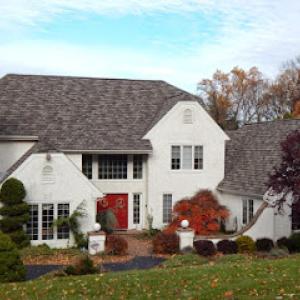
Certitude Roofing & Siding
(610) 924-7270 www.certitudehi.com
18 E Lancaster Ave, Malvern, Pennsylvania
4.9 from 286 reviews
Worried about roof leaks or storm damage? Certitude Roofing and Siding is Pennsylvania’s trusted contractor for quality roofing, siding, and repairs. Our experienced local team delivers clear guidance, honest estimates, and exceptional workmanship to protect your home and boost curb appeal. We understand the stress of home repairs—that’s why we make the process easy and dependable. Choose Certitude for peace of mind, durable results, and a home that’s built to last. Serving communities across Pennsylvania with pride.
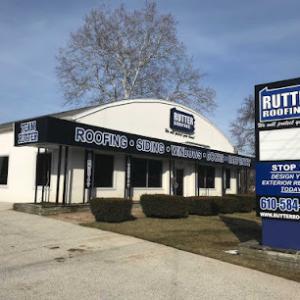
Rutter Roofing & Exteriors
(610) 584-2084 rutterroofing.com
345 Lancaster Ave, Malvern, Pennsylvania
4.8 from 341 reviews
Rutter Roofing of Chester County, PA is a full-service roofing company, whose goals are driven towards hard work, accountability, and second to none customer service. We provide our top-tier services to residents in and around the greater Philadelphia region. Services include asphalt roofing, slate/tile/copper, flat roofing, skylights, sun tunnels, doors, gutters/downspouts, repairs/leaks, soffits/trim, insulation, siding repair and installation, deck repair and installation, and window services. Visit our website for a free estimate today!
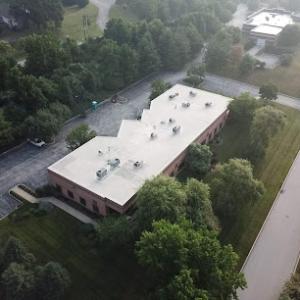
Flat Roof Solutions
(610) 881-6155 getflatroofing.com
3 Frame Ave Suite 101, Malvern, Pennsylvania
5.0 from 27 reviews
Offers commercial flat roof repair, installation, restoration, and replacement services. Inspects and repairs all types of commercial flat roofs and specializes in installing single-ply membrane and industrial-grade waterproof roof coatings. An NDL warranty is offered for the roof systems we install.
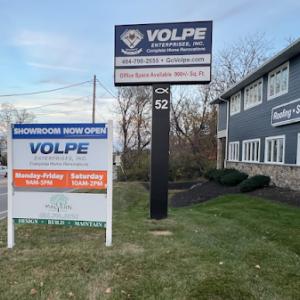
Volpe Enterprises
52 Lancaster Ave, Malvern, Pennsylvania
5.0 from 18 reviews
Volpe Enterprises, Inc. is a Malvern, PA–based roofing and exterior renovation company serving homeowners and businesses throughout Bucks, Chester, and Montgomery Counties. With a primary focus on roofing replacement, our team addresses regional challenges such as aging housing stock, storm-related wear, and seasonal weather exposure common in Southeastern Pennsylvania. In addition to roofing, we provide siding installation, window and door replacement, and full-scale interior renovations including kitchens, bathrooms, basements, and home additions. Family owned and operated since 1970, Volpe Enterprises is built on quality workmanship, honesty, and integrity.
Quality One Roofing
(610) 489-3057 www.quality1roofing.com
101 Lindenwood Dr Suite 225, Malvern, Pennsylvania
5.0 from 13 reviews
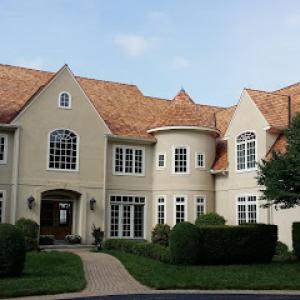
When it comes to Roof Replacement and Siding Replacement, Quality One Roofing, Inc. is the name you can trust. BBB accredited and proudly serving homeowners since 1992, we bring over three decades of proven experience to every project. As certified experts in the installation of James Hardie Siding and Trim, our team is committed to delivering superior craftsmanship, reliable service, and long-lasting results. Our strong reputation has been built on years of dedicated work, with the majority of our business coming from referrals by satisfied homeowners, contractors, and neighbors. Let us help protect and enhance your home’s value and curb appeal. Contact Quality One Roofing, Inc. today for your free estimate!
Msg Roofing & More
(610) 732-7228 www.msgroofing.com
Malvern, Pennsylvania
4.6 from 11 reviews
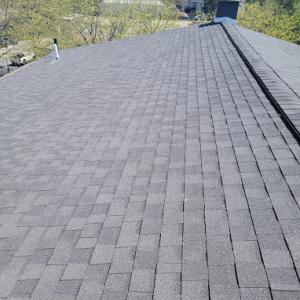
MSG Roofing & More is your professional roof specialist providing high-quality residential upgrades throughout Chester, Delaware, and Wilmington Counties. With over 20 years we have upgraded and repaired the roofs of our customers to full satisfaction. While we specialize in roof repairs, maintenance, and installations, we also provide other home upgrades. We welcome you to our website and welcome you to call us and let us know how we can upgrade your home. Family Owned and Operated since 2019! GAF Certified, licensed, and insured.
W. H. Laird Roofing
(610) 622-3719 whlairdroofing.com
Serving
4.7 from 27 reviews
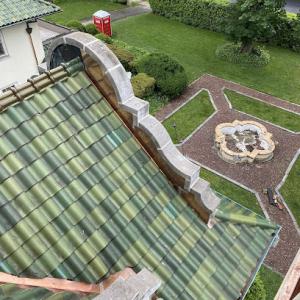
W.H. Laird Roofing is a specialty roofing contractor serving southeastern Pennsylvania and northern Delaware. We specialize in slate, tile, copper, and high-quality roofing systems for residential and historic properties. With decades of experience, our team focuses on craftsmanship, durability, and long-term performance. We provide roof installation, repair, and restoration services for homeowners who value expert workmanship and traditional roofing methods.
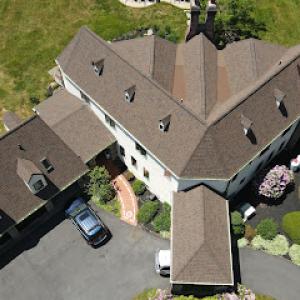
Storm Tech Roofers - West Chester
(610) 304-4577 stormtechroofers.com
Serving
5.0 from 57 reviews
Storm Tech Roofers, nestled in the heart of West Chester, PA, has stood as the premier destination for top-notch roofing solutions for over 17 years. Specializing in both residential and commercial roofing, our expert roofers combine unparalleled expertise with cutting-edge technology to ensure that roofs not only withstand the fiercest storms but also enhance the aesthetic appeal of homes and businesses. We guarantee the durability and longevity of your roof. We have extensively researched all of the available roofing materials and factory warranties on the market so that we can provide an exact match for our clients’ unique wants. Contact us today
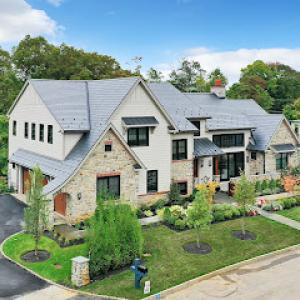
O'Donnell
(610) 449-8188 www.odonnellroofingco.com
Serving
4.9 from 85 reviews
O’Donnell Roofing, a family-owned business has been serving the exterior needs of customers in the greater Philadelphia area since it was established in 1924. Over the company’s 100-year history it has remained focused on innovation, expanding beyond roofing repairs and replacements, to service the complete home exterior, including siding, windows, skylights and solar. Now in its fourth generation of family ownership, the company continues to provide the highest level of honest, professional service to all its customers.
RoofER
(484) 330-2359 www.theroofdocs.com
Serving
5.0 from 146 reviews
Searching for reliable roofing companies near me in Chesterbrook, PA, or throughout Northern Virginia, Maryland, and Pennsylvania? Roof-ER or the Roof Docs is a certified roofing contractor offering expert roof inspections, repairs, and replacements, plus siding and gutter work. Serving a wide area with trusted craftsmanship and service. We are proud to offer a 100% remote roof inspection and consultation with no direct contact required. Call us today or visit our website to schedule a free inspection!
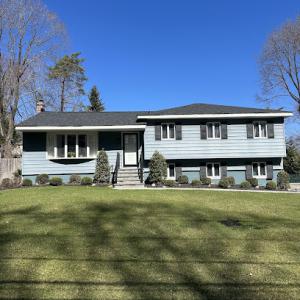
Eagle Exteriors
(610) 871-7546 www.eaglexteriorsllc.com
Serving
5.0 from 36 reviews
Eagle Exteriors – Trusted Roofing Experts in West Chester, PA With over 15 years of experience, Eagle Exteriors is your trusted roofing company in West Chester, PA. We specialize in high-quality roof installations, repairs, and replacements, offering expert services that ensure long-lasting protection for your home or business. Our team is dedicated to delivering exceptional craftsmanship and superior customer service, making sure each project meets the highest standards. Whether you're dealing with a minor repair or need a complete roof replacement, we provide tailored solutions to fit your needs and budget. At Eagle Exteriors, we’re proud of our reputation for reliability and integrity. As a locally-owned company, we take pride in help
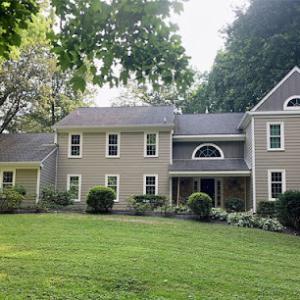
Impriano Roofing & Siding
(610) 640-4444 www.impriano.com
Serving
4.7 from 94 reviews
Established in 1973, Impriano Roofing and Siding, Inc. has been helping the community with their roofing and siding problems for over 46 years. We provide customers with the highest quality products on the market for roofing, siding, windows, doors, skylights and gutter installation and repairs. Our company prides itself in using the highest technology standards, allowing us to best help customers to customize their home improvement projects. The Computer Color Analysis that we use allows customers to view varied options before finalizing their plan. With these services, combined with excellent customer service, we help make hard decisions easy.
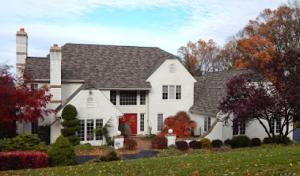
In this neighborhood fabric, the roofing scene includes asphalt shingles, metal, clay tile, concrete tile, wood shakes, and slate all actively in use. That mix is unusual for a market this size, and it matters for planning: when a roof needs repair or replacement, you're not choosing from a single standard option. Each material behaves differently under Malvern's mix of warmth-heavy summers and wet springs, and that variety affects how you approach maintenance, ventilation, and drainage details. The choice isn't about chasing what your neighbor installed last decade; it's about balancing compatibility with structure, roof pitch, and existing framing when a retrofit proves necessary.
Older homes in and around the area are more likely than many suburban markets to carry slate, cedar shake, or tile, which changes replacement planning because matching repairs and structural load considerations matter more here. When a historic traprock slate or cedar shake needs attention, the goal isn't only to seal the leak but to preserve the roof's original look and load profile. Cedar shakes add natural insulation and character, but they also absorb humidity and can warp under freeze-thaw cycles. Slate delivers superb longevity, yet it requires careful assessment of the supporting structure and edge details to avoid inducing stress on surrounding elements. Tile, whether clay or concrete, introduces its own weight and anchoring requirements that influence fastener choices and roof deck strength. This means consultation with a contractor who can evaluate both the veneer and what sits beneath, so replacements don't create new mechanical problems down the line.
Warm, humid summers and regular rainfall affect underlayment and ventilation performance across all these systems, but the consequences differ locally by material, especially on older steep-slope roofs common in established neighborhoods. For asphalt shingles, robust attic ventilation helps minimize moisture-driven issues that can shorten shingle life or encourage ice dam activity after a heavy winter. Metal roofs benefit from thoughtful ridge and soffit ventilation to control condensation but may require specialized fasteners and sealants where older framing exists. Clay and concrete tiles demand careful assessment of deck structure and motion resistance, since their weight amplifies wind uplift risk if the deck isn't properly reinforced. Slate and cedar shake require ongoing attention to the integrity of removal and replacement options; when a tile or slate fails, the surrounding area can be susceptible to edge rot or capillary leaks if underlayment has degraded.
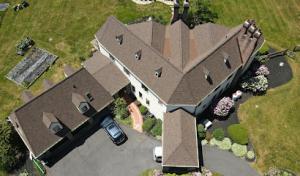
Steep-slope configurations common to established neighborhoods demand attention to fall protection, flashing continuity, and drip edge design. With older roofs, small failures often mirror moisture intrusion at dormers, chimneys, or valley intersections; addressing these areas early can prevent broader damage. On newer asphalt or metal surfaces, the focus shifts toward maintaining ventilation channels and ensuring that overhangs shed water effectively to protect eaves and exterior trim. Across all materials, the guiding principle is to keep a clear line of sight from deck to ridge: if the underlayment looks aged or if ventilation paths are blocked, plan for a targeted upgrade that respects the roof's historical or architectural intent while meeting today's performance needs.
Pricing in this area spans a wide range because the service mix includes standard asphalt re-roofing alongside higher-skill work with slate, tile, cedar, and metal in the same service area. For typical homes with asphalt shingles, you'll see the lower end of the spectrum, while historic Main Line-era structures with slate or clay tile push the cost upward. Contractors will often quote per square, and in Malvern you may encounter a wider variety of subtypes and underlayment options that influence the final number. In practice, the range reflects both traditional re-roofing and period-correct or high-performance replacements on older buildings, so comparisons should be itemized rather than averaged.
Spring hail and wind events can push prices higher quickly, because claim activity increases and crews are pulled toward emergency response and storm-related scheduling. In Malvern goals shift from the routine replacement to code-compliant repair coordination, weather-related delays, and expedited material procurement. If a claim is involved, the process may compress the timeline and add extra inspections or承Provide temporary protections while awaiting material restock. For homeowners, this translates into tighter scheduling windows and higher documented costs, even if the base material choice remains the same.
Asphalt shingles remain the most common, with budget-friendly pricing that still delivers solid performance when paired with proper ventilation and flashing. Metal roofing, slate, and tile carry noticeably higher upfront costs but offer longevity and a different repair profile that can matter in freeze-thaw cycles and humid summers. Clay and concrete tiles are heavier and often require structural checks; slate, while offering exceptional durability, demands skilled labor and careful handling. Wood shingles and shakes sit between asphalt and high-end options in both price and maintenance needs. In Malvern, the mix of older slate or cedar homes and newer subdivisions means a single project might combine a slate recovery on one section with an asphalt replacement on another, affecting coordination and total cost per square.
Heavier materials such as slate or tile may trigger added structural review as part of the replacement process. That review can influence both total cost and the project timeline, especially on homes with long-standing framing or historic additions. In practice, the presence of multiple roof styles on a single property-common in Malvern-can require staggered ordering of materials, tighter integration between old and new roof planes, and careful detailing at eaves, valleys, and penetrations. When planning, expect a careful accounting of fasteners, underlayment, venting, and flashing, all tailored to the chosen material and the house's exposure to freeze-thaw cycles and summer humidity.
Get a clear picture of your project costs upfront - no commitment required.
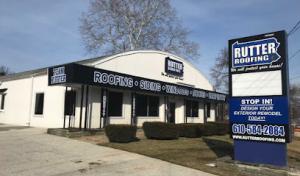
Rutter Roofing & Exteriors
(610) 584-2084 rutterroofing.com
345 Lancaster Ave, Malvern, Pennsylvania
4.8 from 341 reviews
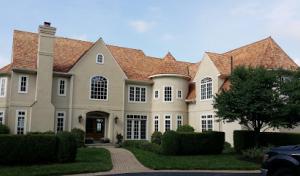
Quality One Roofing
(610) 489-3057 www.quality1roofing.com
101 Lindenwood Dr Suite 225, Malvern, Pennsylvania
5.0 from 13 reviews
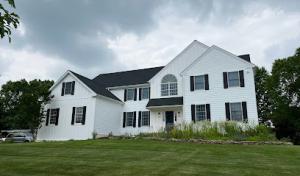
Roof replacement in this part of the region is typically treated as a full replacement requiring permits, not a no-paperwork maintenance item. The mix of older Main Line-era homes with slate, cedar, and tile alongside newer asphalt roofs means township rules vary more than in a single-jurisdiction city. Expect that some neighborhoods are more tightly regulated, especially where HOA overlays exist.
In most towns serving the Malvern area, the contractor takes the lead on filing plans and paying the permit fee. This is not a DIY permit scenario; the intent is to ensure ventilation, underlayment, flashing, and debris disposal are addressed to withstand freeze-thaw cycles and storm-driven damage. The contractor should provide documentation of roofing material choices, attic ventilation strategy, and flashing details as part of the submission.
Inspections are commonly scheduled to occur during the installation and after completion. A typical sequence checks that the underlayment is correctly installed, ridge and soffit ventilation is adequate, flashing around chimneys and transitions is secure, and debris is properly disposed of. In some townships, a final inspection confirms that the roof line and soffits align with local codes and any HOA conditions. The homeowner or contractor should be prepared to arrange access for inspectors and to address any deficiencies promptly.
Because several townships serve the Malvern area and some neighborhoods have HOA oversight, approval steps can vary more here than in a single-jurisdiction city. Before starting, confirm which authority governs the project-municipal code office, building department, or both-and whether the HOA requires parallel approval. If a submittal is delayed, it can affect the installation timeline, especially during the busy spring and fall windows when storms are more common.
Coordinate with the contractor to obtain the correct permit form, fee payment, and plan package tailored to the local jurisdiction. Schedule the pre-construction review if required, and lock in the inspection dates early in the project timeline to minimize surprises and ensure a smooth path from permit to completion.
This is a relatively active roof-claim market after hail and wind events, so insurance considerations often influence whether Malvern homeowners repair immediately or pursue full replacement. The mix of older Main Line-era homes with slate, cedar, and tile beside newer asphalt-roofed neighborhoods means claim outcomes can vary not just by damage, but by roof type and how well it's stood up to freeze-thaw cycles. When a storm hits, a quick decision can cascade into long-term function-and cost-often felt years later in attic condensation, tile cracking, or lapsed warranties.
Carriers in this region commonly want detailed photos, material specifications, and a licensed contractor's documentation before approving roof work. Before contacting your insurer, assemble a clear gallery showing weathered edges, lifted shingles, granule loss, and any interior signs of leaks. For older slate or clay tile, include close-ups of cracked or displaced units and any supporting deck or underlayment concerns. For asphalt or metal, document fastener damage, flashing integrity, and evidence of wind-driven uplift. A licensed contractor should provide a written scope with exact material types, thicknesses, and product lines, paired with the contractor's license number and insurance certificates. This level of detail helps the claim move efficiently and reduces zig-zagging between adjuster visits and vendor replacements.
There is no broad Pennsylvania-wide insurer pullback noted here, but coverage still varies by policy, making documentation quality especially important in storm-loss cases. That means your claim package should be complete enough to explain not only what was damaged, but how the replacement will restore up to standard performance given Malvern's freeze-thaw stresses. If a carrier questions a repair versus a full replacement, the documented evidence-photos, material specs, and a licensed contractor's assessment-can tip the decision toward a solution that better preserves the home's structural and weather-resistance characteristics.
Start by scheduling a licensed contractor to conduct a thorough roof evaluation after a storm, and request a written assessment that ties specific damage to a repair or replacement plan. Photograph the entire roof from multiple angles, including eaves, valleys, and hips, plus the attic ceiling for signs of moisture intrusion. Keep a dated record of all communications with the insurer and the contractor, and organize product samples or manufacturer datasheets for the exact materials proposed. In a market where claim decisions hinge on documented evidence, clarity and completeness can prevent delays and help ensure that the remedy chosen protects the roof's performance for years to come.
Connect with contractors who help homeowners navigate the claims process from damage assessment to final approval.
Certitude Roofing & Siding
(610) 924-7270 www.certitudehi.com
18 E Lancaster Ave, Malvern, Pennsylvania
4.9 from 286 reviews
Rutter Roofing & Exteriors
(610) 584-2084 rutterroofing.com
345 Lancaster Ave, Malvern, Pennsylvania
4.8 from 341 reviews
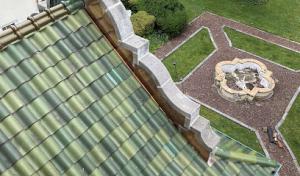
Malvern's older housing stock makes flashing, chimney intersections, and material matching more important than in newer tract-only markets. You'll notice signs of water intrusion first near chimney crickets, sidewall transitions, and where dormers meet the main roof plane. In these spots, a small failure can cascade into attic damage and costlier repairs. When a repair is planned, matching the existing flashing profile and metal finish helps protect against repeated leaks and keeps the roof visually coherent with the house.
Slate, cedar, clay, and concrete systems in the local material mix can require more selective repair decisions than simple overlay-style asphalt replacements. A slate or cedar option may demand careful, piece-by-piece replacement to preserve the roof's line and weight balance. Clay and concrete tiles respond differently to freeze-thaw cycles; a patch that mismatches curvature or weight distribution can create new stress points. In practice, that means you may need to replace only affected sections rather than a full-on re-roof when the damage is limited to a few tiles or slates.
Township review may become more involved when roof work includes structural changes rather than like-for-like replacement, which is more likely on older homes carrying heavier roof systems. If you're adding a skylight, changing roof lines, or altering support structures, expect a closer look from the authorities and a longer planning window. Clear communication with the contractor about weight distribution, underlayment, and historical integrity helps avoid costly delays and keeps the project aligned with the home's era-appropriate character.
Find contractors experienced in skylight installation, flashing, and leak repairs to bring natural light into your home.
Certitude Roofing & Siding
(610) 924-7270 www.certitudehi.com
18 E Lancaster Ave, Malvern, Pennsylvania
4.9 from 286 reviews
Rutter Roofing & Exteriors
(610) 584-2084 rutterroofing.com
345 Lancaster Ave, Malvern, Pennsylvania
4.8 from 341 reviews
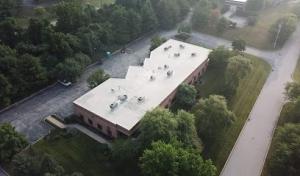
On these properties, the slope is shallow enough that water flow matters more than curb appeal. In the mixed stock around town, low-slope assemblies on additions, porches, and some mixed-use buildings rely on continuous membranes and proper edge details to keep tucks dry through freeze-thaw cycles. The goal is to avoid ponding and to route water to flashings and drains without creating hot spots. For homeowners, this means choosing a membrane with proven heat stability and UV resistance, and ensuring seams are fully covered and protected from foot traffic and debris.
Regular rainfall and humid summers drive frequent wetting and drying cycles. That makes heat buildup under a low-slope roof more than a comfort issue; it can accelerate aging of the membrane and underlayment. Insulation quality should be evaluated, and ventilation around any attic or crawlspace should be considered even on otherwise tight building envelopes. A well-insulated, vented approach reduces both energy load and roof deck stress during summer heat waves.
The presence of roof-coating specialists in town shows restoration is a viable option for some low-slope assemblies rather than full tear-off. In town, coatings and segmental repairs can extend life and buy time between larger projects. However, coatings rely on a clean, dry surface and compatible substrates. When a retrofit coating is chosen, plan for regular re-coating cycles and annual inspections after major rain events or storms.
Find specialists in TPO, EPDM, and built-up flat roofing systems for residential and commercial properties.
Flat Roof Solutions
(610) 881-6155 getflatroofing.com
3 Frame Ave Suite 101, Malvern, Pennsylvania
5.0 from 27 reviews
Quality One Roofing
(610) 489-3057 www.quality1roofing.com
101 Lindenwood Dr Suite 225, Malvern, Pennsylvania
5.0 from 13 reviews