
Last updated: Apr 19, 2026
The town's mix of steep historic rooflines and modern upgrades makes certain damage patterns common after spring hail and high winds. Look for missing shingles, dented gutters, loosened flashing, and granular loss along eaves. Freeze-thaw cycles later in the season can reveal gaps where wind-driven rain hides, and snow loading from occasional heavy storms can push older roofs beyond their limits. If a wind or hail event coincides with thawing ground, the risk of concealed leaks increases quickly, so you must treat any sudden roof disturbance as potentially active water intrusion rather than a cosmetic issue.
In these conditions, emergency repair and storm-damage response dominate the local work. Your first priority is to prevent further water intrusion. Deploy a sturdy tarp over exposed sections, securing edges to create a watertight shield until a permanent fix is possible. Focus on sealing around penetrations, skylights, vents, and any visibly damaged valleys. If rain is imminent, set up a bucket system to catch dripping water and document the leaking area with photos before any temporary measures begin. Quick tarping buys critical time for a proper assessment without letting secondary damage compound, which is common after freeze-thaw cycles in this market.
Insurance-ready documentation is a decisive factor in this area, where claim-driven work is the norm. Start a damage log immediately after the event: note the date and type of storm, take wide and close-up photos of each damaged area, and timestamp videos showing shifting water paths inside the attic or ceiling. Keep a running list of affected materials, visible gaps in flashing, and any interior staining. Capture outdoor surroundings that show wind or hail patterns, plus close-ups of damaged downspouts and rusting gutters. When arranging a contractor visit, provide the insurer with a concise, illustrated summary that links the exterior damage to any interior signs of leaking.
The local signal strongly favors emergency repair and insurance-claim work, so expect a fast-paced, triage-oriented process. Seek a contractor who can respond promptly, prioritize tarping, and provide a clear storm-damage scope rather than only a full roof replacement plan. Confirm which crews will perform temporary fixes versus permanent repairs, and insist on a written punch list with estimated timelines. Ask for photos or videos of prior storm-damage jobs in similar roof styles and heights, so the approach lines up with the borough's housing stock, including steep-sloped historic homes. Avoid contractors who promise a same-day full teardown without first securing tarps or documenting the damage properly.
Viewed from the street, many roofs show long-term wear, but insurers tend to separate pre-existing deterioration from sudden storm effects. The distinction hinges on timing and causation: new gaps, lifted shingles, or displaced flashing immediately following a storm point to storm damage, whereas uniform aging or prior patching may be deemed pre-existing. A thorough inspection that notes the date of installation, previous repairs, and any warranty-covered components helps substantiate a storm-related claim and reduces disputes over what constitutes new damage.
After the immediate hazard is mitigated, schedule a thorough roof and attic inspection within 72 hours if possible. Look for hidden leaks around penetrations, dry-rot in sheathing, and softened rafters that betray long-term moisture exposure. In the attic, check for mildew odors, dark staining, or pellet-like resin from timber-these signal moisture intrusion that demands attention beyond cosmetic fixes. Prepare for a phased repair plan that aligns with the insurance response, prioritizing fast leak control and secure temporary protection before addressing larger, lower-priority replacements.
Caripides Roofing
(484) 888-6817 caripidesroofing.com
Phoenixville, Pennsylvania
4.9 from 223 reviews
Call us today to learn more!
3 Point Contracting
(610) 440-4001 3pointcontractingllc.com
118 Carson St, Phoenixville, Pennsylvania
5.0 from 55 reviews
3 Point Contracting is a trusted roofing contractor in Phoenixville, PA serving Pennsylvania’s Chester, Montgomery, and Delaware Counties. We provide residential and commercial services across the Greater Philadelphia Area, ensuring top-quality craftsmanship and lasting results. 3 Point Contracting goes beyond just roof replacements and repairs. We also offer siding installation, window replacement, door installation, and gutter repairs with transparent pricing and no hidden fees. The owner has been a general contractor since he was 16 years old and is hands-on in every project, ensuring quality, reliability, and customer satisfaction. Call Wade at 3 Point Contracting today for a free estimate!
FastPro Roofing
(484) 415-0817 callfastpro.com
200 Thoms Dr, Phoenixville, Pennsylvania
5.0 from 3 reviews
At FastPro Roofing, situated conveniently at 200 Thoms Drive in the vibrant heart of Phoenixville, Pennsylvania, we redefine roofing excellence. Led by a team of highly skilled professionals, our services encompass all aspects of residential and commercial roofing, from meticulous repairs to seamless installations of cutting-edge materials. With a commitment to quality and customer satisfaction, FastPro Roofing stands as the trusted choice for any roofing need, ensuring a secure and beautiful roofline for your property.
Revive Roofing & Restoration
(484) 928-0547 www.revive-roofs.com
Serving
5.0 from 82 reviews
Based in Phoenixville, Revive Roofing & Restoration is your trusted local expert specializing in new roof installations. We’re dedicated to enhancing the safety, functionality, and curb appeal of your home or business with high-quality craftsmanship and personalized service. From routine maintenance and minor roof repairs to complete roofing replacement and gutter system upgrades, our experienced team is committed to delivering efficient, reliable solutions that protect your property from the elements. We also specialize in commercial roofing. With a focus on quality, integrity, and customer satisfaction, Revive Roofing ensures that every project is completed with attention to detail and lasting durability.
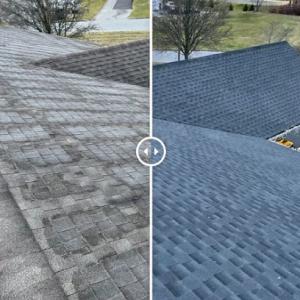
Pearson Roofing
(610) 608-0179 www.pearsonroofingllc.com
Serving
5.0 from 16 reviews
Pearson Roofing is a full-service roofing company. With top notch customer service, driven by a hard working group. We provide second to none roofing services to the greater Philadelphia region. With our services including 24/7 emergency maintenance, asphalt shingle roofing, slate roofing, flat roofing, metal roofing, skylights, gutter/downspouts, soffits/trim, repairs/leaks. With affordable rates, seasoned contractors at your side, and our friendly and honest staff providing you a detailed, free estimate, your roofing project can be completed in a straightforward, hassle-free way with no hidden fees.
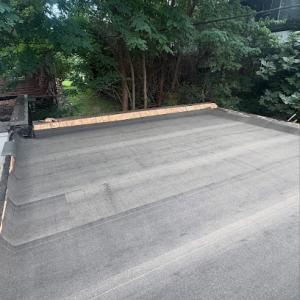
Etr Construction
(484) 557-8394 etrconstruction.com
Serving
4.9 from 19 reviews
ETR Construction is a licensed and insured, family-owned roofing company serving Delaware County such as Lansdowne, Havertown, Springfield, Broomall, Media, and Upper Darby; As well as Philadelphia and surrounding areas. We provide residential and commercial roofing services, including roof replacement, roof repair, and flat roofing systems, with expert craftsmanship you can trust. Call today for a free estimate!
RoofER
(484) 330-2359 www.theroofdocs.com
Serving
5.0 from 146 reviews
Searching for reliable roofing companies near me in Chesterbrook, PA, or throughout Northern Virginia, Maryland, and Pennsylvania? Roof-ER or the Roof Docs is a certified roofing contractor offering expert roof inspections, repairs, and replacements, plus siding and gutter work. Serving a wide area with trusted craftsmanship and service. We are proud to offer a 100% remote roof inspection and consultation with no direct contact required. Call us today or visit our website to schedule a free inspection!
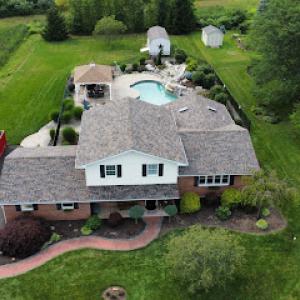
East Coast Roofing Systems
(267) 641-2123 eastcoastroofingsystems.com
Serving
5.0 from 288 reviews
East Coast Roofing Systems is a premier residential roof repair and replacement company serving Southeastern Pennsylvania. Since our inception, We have strived to give the homeowner a breath of fresh air in the construction space. Providing seamless communication, service and an overall experience that trumps all others. Roofing as an Industry has become antiquated due to lack of technology, customer service and quality. Our mission at East Coast Roofing Systems is to provide a modern approach, with the ultimate goal of providing an exceptional roof inspection, repair, or replacement experience unmatched by anyone. Contact your reliable Southeastern Pennsylvania roofing, siding, window, and gutter contractor for a free estimate!
LaBrusciano Roofing & Exteriors
(610) 265-7663 labruscianoexteriorsllc.com
Serving
4.9 from 75 reviews
LaBrusciano Roofing & Exteriors in Collegeville, PA provides expert roof replacements and exterior services for residential and commercial properties. Our skilled roofing contractors handle tear-offs, re-roofs, and new installations designed to protect against Southeastern Pennsylvania’s weather challenges, including heavy rain, snow, and seasonal storms that can lead to leaks and shingle damage. We also repair storm-damaged roofs and replace aging materials to restore safety and curb appeal. Known for reliable service and craftsmanship, we take pride in serving homeowners and businesses across Montgomery County. LaBrusciano Roofing & Exteriors is licensed, insured, and trusted in Collegeville as experienced roofers committed to quality.
TEK Exteriors
(610) 209-4807 tekexteriors.com
Serving
5.0 from 43 reviews
TEK Exteriors specializes in all things exterior for your home. We offer services for both residential and commercial applications. Whether it's your roof, gutters, or siding, TEK Exteriors is well-equipped and ready for the job. We are family owned and operated, located in Eagleville, PA. Give us a call and find out why we're your #1 choice for anything exterior. Maintenance and financing also available.
Burdett Exteriors
Serving
4.9 from 44 reviews
We provide outstanding roofing and exterior services. New or replacement roofs. Residential or commercial. Emergency repairs. We also deliver high-quality gutter, downspouts, shutters and siding. Your home or business exterior, is our business.
Honest Roofing
(484) 369-0040 callhonestroofing.com
Serving
5.0 from 51 reviews
At Honest Roofing, we take pride in delivering top-quality roofing and siding services with integrity and expertise. Backed by 40 years of experience, our dedicated team protects your home with durable, high-performance solutions in Pennsylvania. With Honest Roofing, you get craftsmanship you can trust, transparent pricing, and a commitment to excellence.
This borough hosts a broad, uncommon mix of roof types that reflects older streetscapes and newer replacements alike. Asphalt shingles remain the backbone, but metal roofs, clay and concrete tiles, wood shakes, and even slate show up with notable frequency. This wider palette compared to many suburban markets means the average home here may blend different roofing traditions, from a steep historic slope to a low-profile modern wing. For quick repairs after spring wind or hail, it helps to know which materials tolerate damage best and which require a more deliberate restoration approach to keep the home's appearance intact.
Slate and wood shingles or shakes are especially tied to older Chester County and borough-era homes. Those roofs often carry a distinctive look that a lot of homeowners want to preserve. When repairing or replacing, flashing details, vent placement, and matching fasteners matter as much as upfront price. If you own a vintage roof, a restoration-first mindset-repairing damaged slate or shake segments, preserving edge detailing, and using compatible flashing-can protect the roof's character while still providing a sturdy barrier against the seasonal swings.
Heavy materials such as slate, clay tile, and concrete tile require attention to structural loading and specialized installation details that differ from standard asphalt tear-offs common elsewhere. In Phoenixville, heavier roofs may demand a structural assessment before replacement, especially if the attic is tight, the ceiling joists are aged, or the house sits on a foundation that's seen wind and freeze-thaw cycles. Do not assume a simple swap will suffice; verify roof deck condition, underlayment compatibility, and the joist span. The payoff is a longer-lasting, weather-resilient roof that suits the borough's historic vibe.
After a spring wind event or a winter freeze-thaw cycle, the first move is a careful leak check from both interior and exterior perspectives. Look for missing granules on asphalt, scuffed metal panels, broken or displaced tiles, and flashing around chimneys and vents. In a storm with hail, slate or tile roofs can shed small fragments or crack, while metal roofs might dent or crease. If you suspect damage, document everything with photos from multiple angles-including interior ceilings and attic spaces-to streamline any insurance review.
For upgrades or repairs on older homes, keep color and texture in mind. Matching a new slate piece to an existing roof can be challenging, and a dedicated contractor can source authentic textures or craft a seamless blend. If a full replacement is warranted, consider how the new roof will integrate with historic detailing-eave lines, cornices, and downspouts-and plan flashing and drip-edge work to minimize future leaks in spring storms. The aim is a durable, weather-ready roof that preserves the home's original look while meeting modern performance standards.
Because Phoenixville's housing stock carries both historic charm and higher-end replacements, plan carefully around roof weight and attachment methods. For metal, clay, and concrete tile, ensure the structure can handle the load and that the installation accounts for seasonal expansion and contraction. For slate and wood, confirm the underlayment choice and the method for flashing around joints, skylights, and chimneys to reduce future leak risk. In this town, choosing a contractor who understands the local mix and the historic character of many roofs yields the most reliable, visually cohesive result.
Phoenixville roofs have to handle both cold-season freeze-thaw cycling and hot summer heat, a combination that can shorten the service life of aging asphalt and expose weak flashing details. In winter, even small moisture intrusions can freeze and expand, prying apart shingles at the edges and lifting flashing where roof-to-wall joints meet. Summers bring long dry spells followed by sudden storms and high heat that can bake shingle granules and overheat attic space. That pairing makes it essential to assess not just the surface condition of shingles but the integrity of underlayment, venting, and the roof deck. A roof that looks "okay" from the ground may be hiding soft spots, moisture intrusion, or deteriorated sealants that fail when ice cycles return or when the attic temperature climbs. Regular checks after storms and before winter set-in can catch problems while they're still manageable and affordable to address.
Seasonal precipitation in the Philadelphia region means roof systems here are judged not just by shingle surface durability but by how well ventilation, drainage, and flashing perform through repeated seasonal swings. Poor attic ventilation compounds freeze-thaw damage by keeping humidity high in winter and heat high in summer, accelerating deck decay and shingle wear. Proper drainage is critical because standing water or slow valleys invite ice dams and water backup under the shingles. Flashing around chimneys, vent pipes, and along transitions to walls needs to be continuously sound; even minor gaps can become full-thickness leaks after a spring windstorm or a heavy thunderstorm. When inspecting, you should look for warped or curled shingles, lifted tabs, rusted or cracked flashing, and signs of water staining at ceilings or in soffits-each a signal that ventilation or flashing could be failing under seasonal stress.
Replacement timing in this market is often driven by whether a roof can make it through another winter or another spring storm season, not just by age alone. If the roof has proven its resilience through a harsh winter and a spring wind or hail event, you may still have several seasons left if the ventilation and flashing are upgraded and the underlayment is intact. Conversely, recurrent leaks after storms or repeated ice dams indicate that the roof structure and its protective components are near or at the end of their service life. In such cases, addressing ventilation improvements, upgrading flashing details, and choosing materials better suited for temperature swings can extend performance, reduce recurring damage, and protect the home through a full cycle of seasons.
Typical local pricing runs about $350 to $650 per square for asphalt shingles, $600 to $1100 for metal, $700 to $1100 for clay tile, $550 to $950 for concrete tile, $700 to $1000 for wood shingles or shakes, and $1100 to $1900 for slate. In Phoenixville, these ranges reflect the mix of older borough homes with steep, complex rooflines and the occasional high-end historic restoration need. Asphalt remains the most common option for budget-conscious repairs or replacements, while slate and tile appear where the original character calls for it or where longevity is prioritized. When a house has an unusually steep pitch or requires custom flashings, the project can drift toward the higher end of the ranges.
Costs in Phoenixville can rise when older homes need decking repairs, custom flashing around chimneys and skylights, or specialty labor for slate, cedar, tile, and steep roof geometry common in older borough neighborhoods. In practice, a roof swap on a mature rowhouse often uncovers rotten decking or sagging sheathing that wasn't visible from the attic. Those issues push the total closer to the higher tiers of the category, especially for slate or tile replacements where matching historic profiles matters and requires skilled craftspeople. If the plan uses metal or tile on a roof with limited access or tight stairwells, expect additional handling and safety measures that show up as extra line items on the quote.
Permit fees and inspection scheduling can affect project timing and total cost, and storm-driven demand spikes in the Philadelphia-area market can tighten labor availability after severe weather. Spring wind and hail can generate urgent claims that compress production calendars, so scheduling flexibility matters. If weather windows close or crews shift to emergency repairs, you may see ripple effects on material procurement and start dates. Plan for a staggered sequence if decking or flashing needs simultaneous attention; phased work can keep a replacement moving without leaving the roof bare during a mid-winter freeze-thaw cycle.
After a wind or hail event, documenting damage for insurance proceeds is critical. Capture photos of shingles, flashing, and skylight surroundings from multiple angles, and note any decking or fascia damage observed from the attic or exterior. Insurance-driven projects in older homes frequently require detailed records for roof deck condition, chimney flashing integrity, and tile alignment, especially when the roof geometry is steep or irregular. Keep a clear file of estimates, contractor qualifications, and material types to expedite claims and avoid delays in a market where storm demand can outpace available crews.
Get a clear picture of your project costs upfront - no commitment required.
3 Point Contracting
(610) 440-4001 3pointcontractingllc.com
118 Carson St, Phoenixville, Pennsylvania
5.0 from 55 reviews
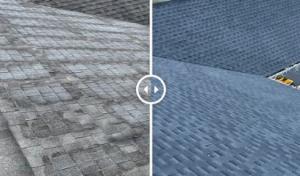
A full roof replacement in this town typically requires a permit through the local Building Department rather than being treated as a no-paperwork maintenance item. The process is real, not optional, and skipping it can trigger fines or delays when the work is finished and a final certificate is requested. The Building Department will expect a clear plan, including venting, flashing details, and a drainage strategy that works with the borough's storm pattern and nearby historic homes. Inspections during the project help catch missteps early, especially around valley flashing and the alignment of ridge and soffit vents. Getting these details ironed out up front makes it easier to pass the post-installation review without backtracking.
Permit fees and inspection timing can vary by season in Phoenixville, so homeowners planning around storm repairs or peak summer demand should account for administrative timing as part of the job. Spring wind and hail can spike demand, while cold snaps can slow boilerplate processes. If a disaster window opens, coordinating with the Building Department early prevents a long hold on final approval. Have a realistic calendar for inspections, and be prepared for minor adjustments to your chosen contractor's schedule to align with the inspectors' timetable.
The city reviews roofing projects with particular attention to flashing, ventilation, and drainage performance. A historic or steep-sloped roof benefits from clear, photosupported documentation that shows the intended ventilation balance and flashing details around chimneys and skylights. During the work, keep a log of contractor visits, material specifications, and any weather-related delays. After installation, the final inspection confirms that water will shed properly, attic air flows, and no gaps invite leaks at the eave or around dormers. That means careful coordination with an experienced local roofer who understands the climate swings from freeze-thaw cycles to sudden spring storms, as well as the borough's drainage expectations. If an inspection reveals a concern, address it promptly and document the fix with receipts and updated photos, so the final paperwork doesn't stall while issues drift into a future claim. In spring and fall, keep the contractor's contact handy for additional weather-related adjustments and ensure nearby residents understand any temporary debris or access changes during multi-day installs. A permit and inspection record saves time when you need a certificate of occupancy.
Storm damage in this area often shows up after late-spring wind, hail, or winter freeze-thaw cycles. Insurers may tighten claim handling, scrutinizing whether damage happened in a single storm or accumulated over years of wear. As a homeowner in this borough, you'll want to be prepared for questions about sudden storm loss versus pre-existing conditions, especially on roofs with visible aging or prior patches. Understanding this distinction can help you present a clearer case when talking to the adjuster.
Claims in this market hinge on detailed photo documentation, a clear scope that separates storm-created damage from pre-existing issues, and timely access for the adjuster to the exterior and attic spaces. On a steeper historic or steep-sloped roof, safe access and thorough, labeled photos of shingles, flashing, and any interior leaks are essential. Take high-resolution images after a storm and again after any temporary tarp or quick repairs. Keep a simple, dated log of every event and intervention so the file tells a coherent story to the insurer.
Because claim practices can vary by carrier and region, it helps to establish conditions before severe weather as a baseline. Older roofs with prior patching or visible aging can be especially scrutinized. Note any areas that already showed wear, unusual granule loss, or flashing gaps. When a storm hits, compare the post-storm results to those baselines, and document changes with precise angles and measurements. This approach can reduce back-and-forth and support a straightforward adjustment discussion.
Adjuster access should be arranged promptly, with permission to inspect the attic if leaks are suspected. If lenders or contractors are involved, coordinate timelines to avoid gaps that could be misinterpreted as neglect. In this neighborhood, where historic-looking rooflines meet modern weather, clear, timely communication helps ensure the claim reflects actual storm impact rather than cumulative aging.
Connect with contractors who help homeowners navigate the claims process from damage assessment to final approval.
FastPro Roofing
(484) 415-0817 callfastpro.com
200 Thoms Dr, Phoenixville, Pennsylvania
5.0 from 3 reviews
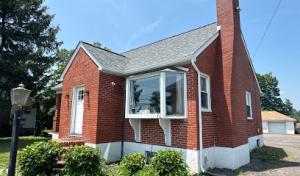
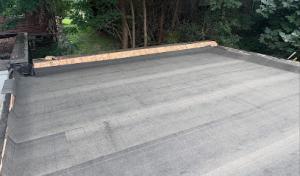
Although this area is known for steep-sloped residential roofs, the contractor signal base shows meaningful demand for flat-roof work, which often points to porches, additions, rear sections, and mixed-roofline homes. In Phoenixville, those low-slope portions carry water differently and can be more vulnerable to wind-driven rain, debris, and seasonal freeze-thaw cycles. Treat these sections as separate problems from the main roof to avoid missed leaks and mismatched repairs.
These low-slope sections are especially vulnerable where drainage is slow or where tie-ins meet older steep-slope roofing on the same house. Start with the obvious: ensure scuppers, gutters, and downspouts are clear and aligned for storm runs. Inspect the edge details where the flat roof meets the linear parapet or the lean-to adjoining roof; sealant joints should be intact and free of sharp edge corrosion. After a hail event or heavy wind, inspect crack lines around penetrations, penetrations, and along the termination bars. A slow-draining system wastes ice-melt efficiency and increases standing-water risk.
Homeowners should evaluate low-slope portions separately from the main roof because leak sources, material choices, and maintenance cycles often differ on the same property. For additions in this climate, consider membranes or modified bitumen that tolerate freeze-thaw cycles, with attention to edge metal and flashings where movement occurs. Regular biannual inspections after winter and after major storms help catch small issues before they turn into interior leaks.
After a storm, document any pooling, membrane tears, or flashings displaced at the low-slope sections. Take clear photos of joints, penetrations, and transitions to the main roof. When filing claims, include notes on drainage obstructions and any tie-in vulnerabilities observed during the inspection. An orderly set of photos paired with a written timeline eases the repair process and supports timely insurance review.
Find specialists in TPO, EPDM, and built-up flat roofing systems for residential and commercial properties.
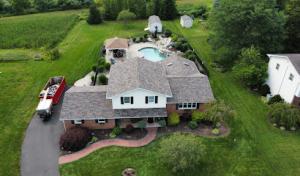
The local market leans heavily toward re-roofing and quick-response residential work, so homeowners in Phoenixville are often comparing crews on responsiveness, cleanup, and experience with occupied homes rather than on new-build production capacity. When a storm hits, you'll notice crews moving fast to protect the interior, then pivot to a full roof evaluation. In practice, that means you should factor speed, communication, and the ability to work around inhabitants into your decision, not just the lowest bid.
Long-established and family-owned signals are meaningful in this market, which matters when hiring for older roofs that may involve chimneys, skylights, or partial repairs before a full replacement. Look for guidance from homeowners who have weathered multiple seasons on a single roofline. A crew with repeat customers and a known presence in the neighborhood tends to handle attic access, stairwell navigation, and community cleanup with more care. If a contractor can point to a couple of decades of local work, that history often translates into steadier scheduling and less surprise during a claim window.
Manufacturer-certified and warranty-offered signals are present but not dominant, so Phoenixville homeowners should verify exactly who backs workmanship and material coverage before signing. Ask for both a clear workmanship warranty of the contractor and the manufacturer's coverage on the products themselves. It helps to see written detail: what is covered, for how long, and what the process is if a claim is needed. In this market, you'll often encounter a mix of both, with the contractor taking the lead on installation workmanship and the material maker backing specific components. Do not assume alignment between the two without explicit documentation.
Begin with a written, itemized scope that includes peak access routes for shingle or tile work and a plan for preventing interior damage during removal. Request a dedicated on-site project supervisor who will be your point of contact, especially if the home has chimneys or skylights. Ask for recent local references and a picture-driven portfolio of occupied-home projects. Finally, insist on a signed warranty package that clearly names who is responsible for workmanship, who backs the materials, and how to file a claim if issues arise after the crew departs.